
The Art of Storytelling in the Ramayana: Techniques and Devices

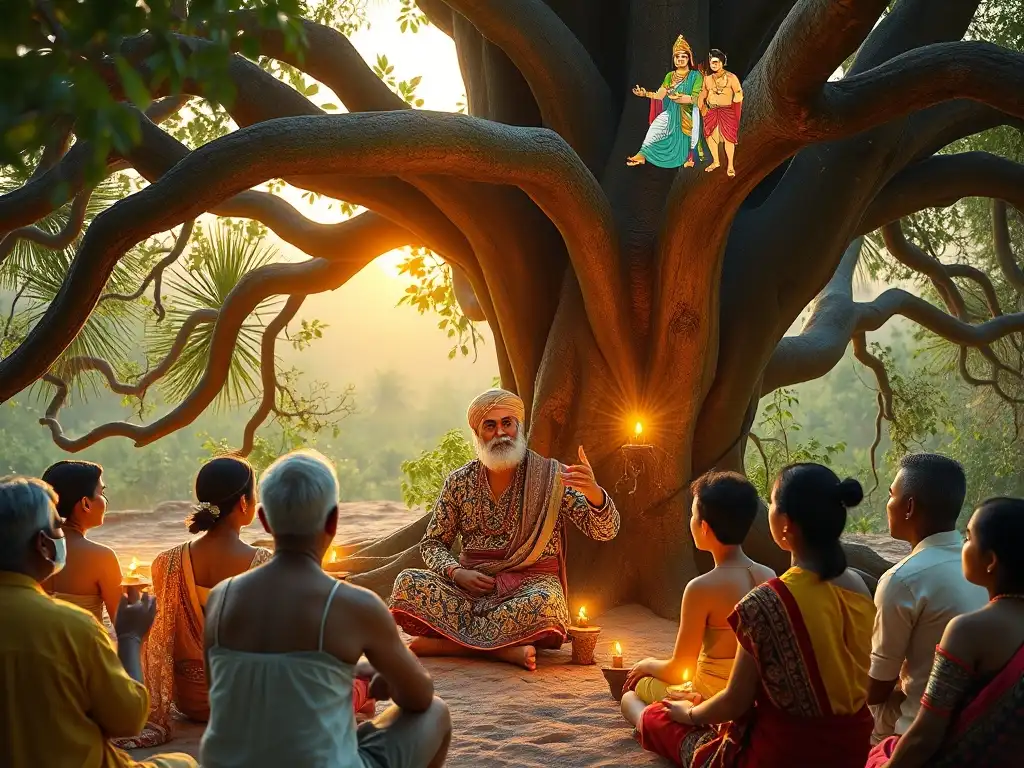
Welcome to Ancient India History, where we delve into the rich tapestry of India's past, uncovering the vibrant cultures and remarkable contributions of ancient civilizations. In this exploration, we invite you to discover the art of storytelling techniques in the Ramayana, an epic that has captivated hearts and minds for centuries. Have you ever wondered how these narrative devices shape our understanding of heroism and morality?
Join us as we unravel the intricate techniques that have made the Ramayana an enduring masterpiece, and prepare to embark on a journey that promises to enrich your appreciation of epic literature. Your adventure into the depths of ancient narratives begins now!
Introduction to Storytelling in the Ramayana
The Ramayana, one of the two great epics of ancient Indian literature, is not merely a tale of heroism and adventure; it is a profound exploration of moral dilemmas, societal values, and the human experience. This epic, attributed to the sage Valmiki, holds an esteemed place in the cultural fabric of India and beyond. Its rich narrative, vibrant characters, and intricate themes have captivated audiences for centuries, making it a cornerstone of storytelling traditions in South Asia.
In this article, we delve into the storytelling techniques in the Ramayana, examining how Valmiki masterfully constructs his narrative to convey deep philosophical insights and cultural values. By analyzing the various elements that contribute to the art of storytelling in the Ramayana, we can appreciate the techniques that not only entertain but also educate and inspire.
Overview of the Ramayana as an Epic
The Ramayana narrates the life and adventures of Lord Rama, his wife Sita, and his loyal companion Hanuman, amidst a backdrop of moral conflicts and divine interventions. Comprising approximately 24,000 verses, the epic is divided into seven Kandas (books), each detailing pivotal events in Rama's life, including his exile, the abduction of Sita, and the eventual battle against the demon king Ravana.
The Ramayana serves multiple functions:
- Cultural Identity: It is a repository of cultural values and ancient traditions, reflecting the ethos of the time.
- Moral Instruction: Through its characters and their journeys, the epic illustrates the significance of dharma (righteousness) and the consequences of adharma (unrighteousness).
- Literary Excellence: The use of poetic forms, vivid imagery, and rhythmic patterns highlights Valmiki's literary prowess, establishing the Ramayana as a masterwork of epic literature.
Importance of Storytelling Techniques in Ancient Literature
Storytelling techniques play a crucial role in the transmission of knowledge, beliefs, and values across generations. In ancient literature, these techniques are not just artistic choices; they are essential for enhancing the audience's understanding and engagement with the narrative.
- Preservation of Tradition: Techniques such as repetition, refrain, and oral storytelling helped in preserving tales and ensuring their longevity.
- Engagement and Emotion: Effective storytelling evokes emotions and fosters a connection between the audience and the characters, making the moral lessons more impactful.
- Cultural Reflection: The choices made in storytelling reveal insights into the societal norms, beliefs, and aspirations of the time, allowing modern readers to grasp the historical context.
Key Storytelling Techniques in the Ramayana
The Ramayana employs a multitude of storytelling techniques that enrich its narrative and enhance its thematic depth. From narrative structure to character development, these techniques are integral to the epic's enduring appeal.
Narrative Structure and Plot Development
Valmiki's narrative structure in the Ramayana is meticulously crafted, with a clear beginning, middle, and end. The plot unfolds through a series of escalating conflicts and resolutions, creating a sense of anticipation and engagement for the reader.
- Exposition: The epic begins with the background of Rama, his lineage, and the circumstances leading to his exile.
- Rising Action: The abduction of Sita by Ravana serves as a pivotal moment that propels the narrative forward, introducing various subplots and characters.
- Climax and Resolution: The climactic battle between Rama and Ravana culminates in a resolution that reinforces the themes of good versus evil and the triumph of dharma.
Use of Symbolism and Allegory
Symbolism and allegory are potent tools that Valmiki utilizes to add layers of meaning to the narrative. Each character and event often carries deeper significance, allowing for varied interpretations.
- Rama as an Ideal Hero: Rama embodies the ideal virtues of leadership, duty, and righteousness, serving as a model for moral conduct.
- Sita as a Symbol of Purity: Sita's trials and tribulations symbolize the struggle for virtue and the societal expectations placed upon women.
- Hanuman as Devotion: Hanuman represents unwavering devotion and loyalty, illustrating the importance of faith in overcoming challenges.
Characterization and Archetypes in the Ramayana
The Ramayana features a rich tapestry of characters, each carefully crafted to fulfill specific roles within the narrative. Valmiki's use of archetypes allows readers to easily identify with the characters and their journeys.
- The Hero: Rama, the noble prince, embodies the hero archetype, facing numerous challenges and moral dilemmas.
- The Damsel in Distress: Sita's abduction places her in the classic role of the damsel in distress, a motif prevalent in many literary traditions.
- The Mentor: Characters like Vishwamitra provide guidance to Rama, embodying the wise mentor archetype that aids the hero's journey.
The storytelling techniques in the Ramayana are essential to its narrative richness and thematic complexity. As we explore these techniques further, we uncover not only the artistry of Valmiki but also the timeless lessons embedded within this epic tale.
Literary Devices Employed in the Ramayana
The Ramayana, attributed to the sage Valmiki, is not only a revered epic but also a masterclass in storytelling, enriched with various literary devices that enhance its narrative depth and emotional resonance. These devices contribute to the vivid imagery, character development, and thematic expressions throughout the text. By examining specific techniques, we can appreciate how they shape the storytelling experience and convey the moral and philosophical messages of the epic.
Metaphors and Similes in the Text
Metaphors and similes are prominent in the Ramayana, serving as powerful tools to convey complex emotions and ideas succinctly. For instance, the comparison of Sita's beauty to nature's finest elements evokes vivid imagery, allowing readers to visualize her grace and purity. Metaphors such as describing Rama as a "charioteer of dharma" highlights his role as a guide in the pursuit of righteousness. These figurative expressions not only enrich the text but also deepen the readers' understanding of characters and their motivations, making them relatable across generations.
Dialogue as a Tool for Character Development
Dialogue plays a crucial role in the Ramayana, revealing the personalities, values, and conflicts of the characters. Through conversations, readers gain insights into the motivations behind actions and the moral dilemmas faced by the protagonists. For example, Rama's dialogues often reflect his commitment to dharma, while Ravana’s exchanges reveal his ego and ambition. The use of dialogue also establishes relationships among characters, illustrating themes of loyalty, love, and betrayal. By employing authentic speech patterns and emotional depth, Valmiki crafts memorable interactions that resonate with the audience.
Poetic Devices: Meter, Rhyme, and Rhythm
The Ramayana is composed in a specific meter known as "Shloka," which consists of rhythmic patterns that enhance its oral recitation. The rhythmic quality not only makes the epic more engaging but also aids in memorization, a key aspect of oral storytelling traditions. Rhyme contributes to the musicality of the text, allowing for a seamless flow of verses that captivates the listener. The interplay of meter and rhyme creates a lyrical quality that elevates the narrative, making it an enjoyable experience for readers and audiences alike.
The Role of Oral Tradition in Storytelling
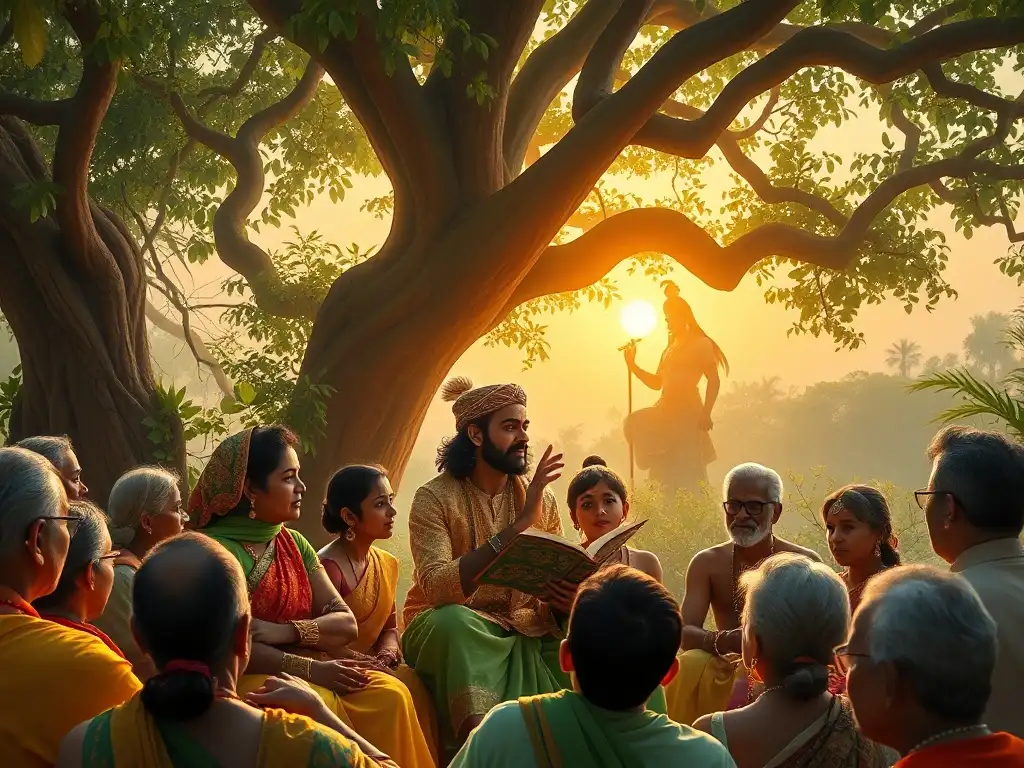
The storytelling techniques present in the Ramayana are deeply rooted in the oral traditions of ancient India. Before written texts emerged, stories were passed down orally, employing specific techniques that engaged listeners and ensured the preservation of cultural values. This oral tradition significantly influenced the structure and style of the Ramayana, evident in its rhythmic verses and repetitive motifs that resonate with audiences.
Oral Narration in Ancient Indian Culture
Oral narration was a vital aspect of ancient Indian culture, serving as a means of transmitting knowledge, values, and entertainment. Storytellers, or "kathakars," utilized various techniques such as voice modulation, gestures, and audience interaction to bring tales to life. This dynamic approach not only captured attention but also fostered a communal experience, as listeners participated in the storytelling process. The Ramayana, with its rich narrative and universal themes, thrived in this context, allowing it to resonate across different communities and generations.
Influence of Oral Techniques on the Written Ramayana
The influence of oral techniques on the written form of the Ramayana is evident in its structure and style. The repetitive nature of certain phrases and the use of refrains mirror oral storytelling practices, making the epic accessible and memorable. Additionally, the vivid descriptions and emotional appeals reflect the techniques used by oral narrators to engage their audiences. These elements ensure that even in written form, the Ramayana maintains its roots in oral tradition, preserving the essence of storytelling that has captivated audiences for centuries.
Themes and Motifs in Ramayana Storytelling
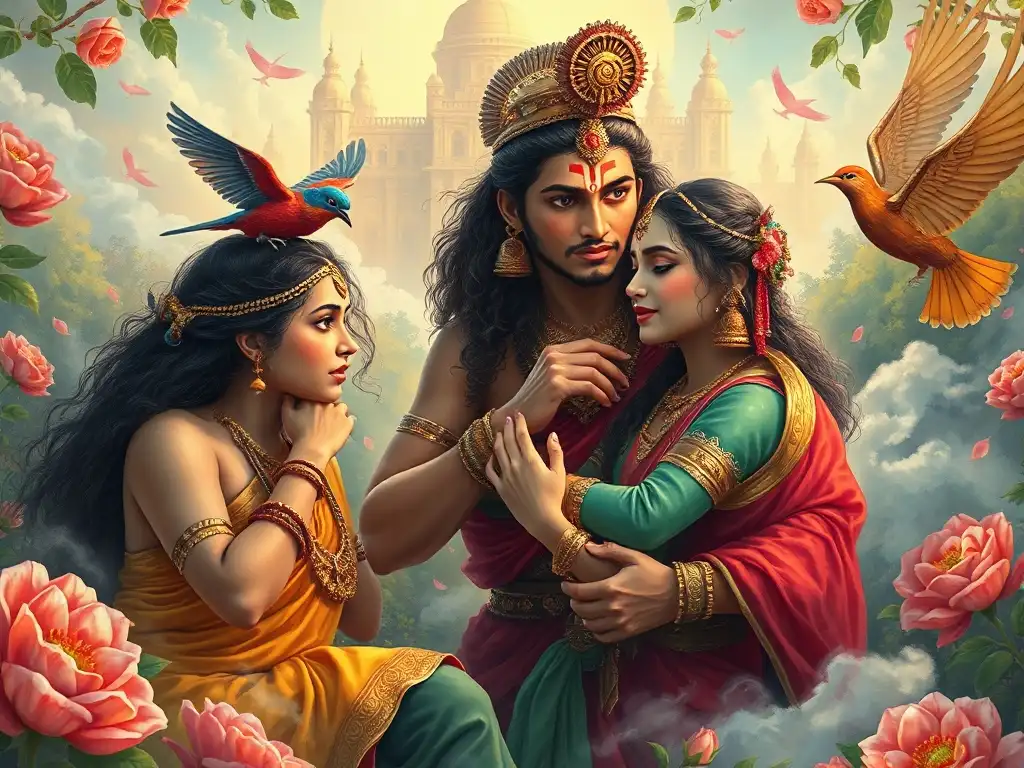
The Ramayana is not only a tale of adventure but a profound exploration of various themes and motifs that resonate deeply within the cultural fabric of India. The storytelling techniques employed in the Ramayana enhance these themes, making them more relatable and impactful.
The Hero's Journey and its Significance
At the core of the Ramayana lies the archetypal Hero's Journey, a narrative framework that outlines the transformative adventure of its protagonist, Rama. This journey follows a structured path:
- Call to Adventure: Rama's exile from Ayodhya is the catalyst that propels him into his heroic quest.
- Trials and Challenges: Throughout his journey, Rama faces numerous challenges, including the abduction of Sita and battles with formidable foes like Ravana.
- Transformation: As Rama navigates through these trials, he emerges not just as a warrior but as an embodiment of dharma (righteousness).
- Return and Restoration: The climax culminates in his return to Ayodhya, symbolizing the restoration of order and virtue.
This journey is significant as it underscores the ideals of heroism, duty, and moral integrity, serving as a moral compass for the audience. The Hero's Journey in the Ramayana illustrates that the path to greatness is fraught with trials, which ultimately shape character and destiny.
Themes of Dharma, Love, and Sacrifice
The Ramayana intricately weaves themes of dharma, love, and sacrifice throughout its narrative.
- Dharma: This theme is central to the story, as characters consistently grapple with their duties and moral responsibilities. Rama's unwavering commitment to dharma, even at great personal cost, exemplifies the ideal of righteousness.
- Love: The bond between Rama and Sita symbolizes pure love, characterized by loyalty and devotion. Their relationship is a testament to the power of love that transcends challenges, showcasing how love can motivate individuals to overcome adversities.
- Sacrifice: The motif of sacrifice is vividly illustrated through various characters, particularly Sita and Lakshmana. Sita's abduction and subsequent trials highlight her sacrifices for love and duty, while Lakshmana's unwavering support for Rama underscores familial loyalty and the sacrifices one must make for loved ones.
These themes resonate well beyond the text, influencing cultural values and social norms in various Indian communities.
Cultural Impact of Storytelling Techniques in the Ramayana
The storytelling techniques employed in the Ramayana have left a profound impact on Indian culture, literature, and the arts. These techniques not only entertain but also serve to impart moral lessons and cultural values.
Influence on Indian Literature and Arts
The Ramayana's narrative style and thematic depth have significantly influenced Indian literature and artistic expressions. Its poetic structure, rich imagery, and dramatic dialogues have inspired countless literary works across genres.
- Literature: The Ramayana has prompted adaptations in various languages, evolving into regional versions that reflect local cultures while retaining the core narrative.
- Performing Arts: The epic has influenced classical dance forms, theatre, and folk performances. Works like Ramleela and Kathakali bring the Ramayana to life, demonstrating its enduring relevance in performing arts.
- Visual Arts: Artists have depicted scenes from the Ramayana in paintings and sculptures, enriching the visual landscape of Indian culture.
The Ramayana's artistic influence continues to be felt, as new generations of artists draw inspiration from its characters and themes.
Storytelling Techniques in Contemporary Adaptations
In contemporary adaptations, storytelling techniques from the Ramayana are utilized to bridge the gap between ancient narratives and modern sensibilities.
- Multimedia Approaches: Modern storytelling has embraced techniques such as animation, film, and digital media to retell the Ramayana. These adaptations often incorporate innovative visuals and soundscapes to engage younger audiences.
- Thematic Reinterpretation: Contemporary retellings frequently reinterpret themes like love, duty, and sacrifice, making them relevant to today’s societal issues. This approach allows the audience to connect with the characters on a personal level.
- Interactive Storytelling: Some adaptations incorporate interactive elements, allowing audiences to engage with the narrative in unique ways, whether through immersive theatre or participatory media.
These contemporary storytelling techniques not only preserve the essence of the Ramayana but also ensure its continued relevance in a rapidly changing world. The timelessness of the themes and the adaptability of the narrative underscore the enduring legacy of the Ramayana in both ancient and modern contexts.
Conclusion: The Lasting Legacy of Ramayana's Storytelling Techniques
The storytelling techniques employed in the Ramayana have left an indelible mark on the fabric of Indian literature and culture. These techniques, including the use of vivid imagery, intricate character development, and moral lessons, not only entertained audiences but also imparted essential values and wisdom. The epic's narrative structure, combining various perspectives and intertwining plots, has paved the way for future literary works, influencing countless authors, poets, and storytellers throughout the centuries.
Moreover, the Ramayana's methods of storytelling have transcended the written word, permeating oral traditions, dance, drama, and other art forms. This dynamic interplay between narrative and performance has ensured that the essence of the Ramayana continues to resonate with audiences, fostering a deeper understanding of ethical dilemmas and human emotions. As a result, the legacy of the Ramayana's storytelling techniques remains relevant, inspiring new generations to explore and appreciate the depth of this ancient epic.
Reflection on the Importance of Storytelling in Ancient India
Storytelling has always held a paramount place in ancient Indian society, serving as a vital means of communication, education, and cultural preservation. The Ramayana exemplifies how stories could encapsulate complex philosophical ideas and moral principles, making them accessible to the populace. Through engaging narratives, ancient storytellers were able to convey societal norms, religious beliefs, and traditional values, ensuring that these teachings were passed down through generations.
Furthermore, storytelling in ancient India was not merely a form of entertainment but a profound art that fostered community bonds. Gatherings for storytelling often turned into collective experiences that nurtured a sense of identity and belonging. The Ramayana, with its universal themes of love, duty, and righteousness, resonates beyond cultural boundaries, illustrating the power of storytelling as a unifying force in human experience.
Future Exploration of Epic Literature and Storytelling Techniques
As we delve deeper into epic literature, there is a wealth of opportunities to explore the storytelling techniques that have shaped narratives across cultures. The Ramayana serves as a cornerstone for understanding the evolution of storytelling in India, providing a framework for analyzing the interplay between form and content in other epics. Scholars and enthusiasts alike can benefit from examining how these techniques have been adapted and transformed in contemporary literature.
Future explorations could focus on comparative studies between the Ramayana and other great epics, such as the Mahabharata or the Iliad, assessing how different cultures utilize storytelling devices to convey their values and histories. Additionally, an analysis of modern adaptations—whether through literature, film, or digital media—can reveal the enduring relevance of the Ramayana's techniques in today's world, showcasing the adaptability and timelessness of this ancient narrative.
References for Further Reading on Storytelling Techniques in Ramayana
- Narasimhan, R. (1989). The Art of Storytelling in Indian Epics. New Delhi: Vikas Publishing House.
- Rao, P. (2005). The Ramayana: A Historical Perspective. New Delhi: Orient Longman.
- Srinivasan, R. (2010). Narrative Techniques in the Ramayana: An Analytical Study. Chennai: Tamil Nadu University Press.
- Zarilli, P. (2005). The Ramayana in Performance: Cultural Continuity and Change. Kolkata: Seagull Books.
- Sukthankar, V. S. (1930). The Ramayana: Its Structure and Meaning. Mumbai: The Bharatiya Vidya Bhavan.
These references provide a comprehensive understanding of the techniques utilized in the Ramayana and their significance in the broader context of storytelling within ancient Indian culture.
- Introduction to Storytelling in the Ramayana
- Key Storytelling Techniques in the Ramayana
- Literary Devices Employed in the Ramayana
- The Role of Oral Tradition in Storytelling
- Themes and Motifs in Ramayana Storytelling
- Cultural Impact of Storytelling Techniques in the Ramayana
- Conclusion: The Lasting Legacy of Ramayana's Storytelling Techniques
- References for Further Reading on Storytelling Techniques in Ramayana
- What are the primary storytelling techniques used in the Ramayana?
- How does characterization play a role in the Ramayana?
- What is the significance of symbolism in the Ramayana?
- How does the narrative structure of the Ramayana contribute to its storytelling?
- In what ways does the Ramayana reflect cultural values of ancient India?
Frequently Asked Questions
What are the primary storytelling techniques used in the Ramayana?
The Ramayana utilizes various literary techniques such as dialogue, metaphor, and allegory to enhance narrative depth and character development.
How does characterization play a role in the Ramayana?
Characterization is pivotal, as it employs complex characters to convey moral lessons and cultural values, making the story relatable and impactful.
What is the significance of symbolism in the Ramayana?
Symbolism enriches the narrative by linking characters and events to deeper meanings, allowing readers to explore themes of dharma, loyalty, and sacrifice.
How does the narrative structure of the Ramayana contribute to its storytelling?
The narrative structure is divided into books (Kandas), each focusing on different phases of the story, which helps maintain cohesion and engagement throughout the epic.
In what ways does the Ramayana reflect cultural values of ancient India?
The Ramayana embodies cultural values such as honor, devotion, and family loyalty, serving as a moral guide and reflecting the societal norms of ancient Indian civilization.
Final Reflection: The Enduring Power of Storytelling in the Ramayana
The art of storytelling, as exemplified in the Ramayana, remains profoundly relevant today, transcending time and culture. In an age where narratives shape our understanding of the world, the techniques and devices employed in this ancient epic serve as a reminder of the power of stories to connect, inspire, and teach. The Ramayana is not merely a tale of heroism and virtue; it is a masterclass in storytelling that continues to resonate with audiences, illustrating that the essence of a good story lies in its ability to reflect human experiences and emotions.
The storytelling techniques in the Ramayana have significantly influenced both cultural and social landscapes, fostering a sense of identity and community. From the intricate character development to the moral dilemmas faced by its protagonists, these elements invite readers to engage deeply with the narrative.
As the renowned author Joseph Campbell once said, "> A hero is someone who has given his or her life to something bigger than oneself." This sentiment encapsulates the heart of the Ramayana, where the characters embody ideals that encourage us to strive for greatness in our own lives, reinforcing the timeless relevance of these stories.
As we reflect on the lessons embedded within the Ramayana, let us embrace the call to weave our own narratives with intention and purpose. Consider how you can apply the storytelling techniques explored in this article to your own life—whether through personal storytelling, creative expression, or sharing wisdom with others. The stories we tell shape our realities, and by harnessing the power of storytelling, we can inspire change, foster understanding, and build connections that transcend generations.
Unleash the Power of Storytelling Today!
Thank you for diving into the fascinating world of storytelling in the Ramayana! You've uncovered valuable techniques and devices that can enrich your own narratives and deepen your appreciation for ancient tales. Now, it’s time to put your newfound knowledge into action!
Here’s how you can start weaving your own stories and inspire others:
- Begin crafting your own narrative using at least one technique you learned. Consider what themes resonate with you and bring them to life!
- Share your stories with friends or on social media—let the magic of storytelling blossom in your community.
- Join a local or online storytelling group to exchange ideas, receive constructive feedback, and connect with fellow storytellers.
What narrative techniques have you discovered that could transform a simple story into something truly memorable?