
The Role of Craftsmen and Artisans in Ancient Indian Engineering

Welcome to Ancient India History, where we embark on a captivating journey through the remarkable tapestry of India's past. Dive into our featured article, “The Role of Craftsmen and Artisans in Ancient Indian Engineering,” and discover the profound contributions of ancient Indian craftsmen who shaped the very foundations of technology and innovation in their time. From masterful artisans of the Indus Valley to the ingenious craftsmen of the Gupta Empire, each story unveils the brilliance of creativity and skill that defined an era.
Are you ready to explore how these remarkable individuals propelled ancient Indian civilization into a realm of unparalleled ingenuity? Let the adventure begin!
Introduction to Ancient Indian Craftsmen Contributions
The legacy of ancient Indian craftsmen and artisans is a testament to the ingenuity and creativity that shaped the engineering marvels of the subcontinent. From the meticulously planned cities of the Indus Valley Civilization to the grand architectural feats of the Gupta Empire, the contributions of these skilled individuals have played a pivotal role in the development of India's rich cultural and technological heritage.
Understanding their contributions not only sheds light on the craftsmanship of the time but also highlights the intricate relationship between art, technology, and engineering that flourished in ancient India. This exploration delves into the significance of craftsmen in the context of engineering, their historical evolution, and the major civilizations that fostered this craftsmanship.
Overview of Ancient Indian Engineering
Ancient Indian engineering was characterized by a remarkable blend of artistic expression and practical functionality. Key aspects of this engineering brilliance included:
- Urban Planning: Cities like Mohenjo-Daro and Harappa featured advanced drainage systems, grid layouts, and public baths that exemplified meticulous planning.
- Architectural Techniques: The construction of stupas, temples, and stepwells showcased sophisticated techniques in masonry and stone carving.
- Metallurgy: The production of high-quality iron and bronze tools facilitated advancements in agriculture, warfare, and construction.
These engineering feats were often the result of collaborative efforts among craftsmen and artisans, who brought specialized skills to the table.
Importance of Craftsmen and Artisans in Ancient India
The contributions of ancient Indian craftsmen were not limited to mere construction; they were essential to various aspects of society:
- Cultural Identity: Craftsmen helped preserve and promote local traditions through their work, creating artifacts that reflected the cultural identity of communities.
- Economic Development: Artisans played a crucial role in trade, producing goods that were exchanged across regions, thereby contributing to the economy.
- Innovation: The need for functional and aesthetically pleasing designs led craftsmen to innovate continuously, resulting in advancements in materials and techniques.
The impact of these artisans on ancient Indian society cannot be overstated, as their work laid the foundation for future generations in both engineering and artistry.
Historical Context of Craftsmen in Ancient India
To fully appreciate the role of craftsmen in ancient Indian engineering, it is essential to explore the historical context in which they operated.
Evolution of Craftsmanship in Ancient Civilizations
Craftsmanship in ancient India evolved through various stages, influenced by cultural exchanges, trade routes, and technological advancements. Key points in the evolution include:
- Prehistoric Times: Early humans created basic tools and ornaments, marking the beginning of craftsmanship.
- Indus Valley Civilization: A peak in craftsmanship was observed with intricate seals, jewelry, and pottery, showcasing advanced skills.
- Post-Vedic Period: The rise of guilds and specialized artisans contributed to the refinement of crafts and techniques.
This evolution reflects the adaptive nature of craftsmen, who responded to changing societal needs and technological demands.
Major Civilizations Contributing to Craftsmanship
Several civilizations in ancient India significantly influenced the landscape of craftsmanship:
- Indus Valley Civilization: Known for its urban planning and advanced drainage systems, this civilization also produced impressive pottery and beadwork.
- Maurya Empire: This era saw the emergence of large-scale construction projects, including the famous Ashoka Pillars and stupas, facilitated by skilled artisans.
- Gupta Empire: Often referred to as the "Golden Age" of India, this period was marked by remarkable achievements in art and architecture, with craftsmen playing a key role in temple construction and sculptural reliefs.
These civilizations not only contributed to the legacy of craftsmanship but also set the stage for future innovations in engineering and construction techniques.
Types of Crafts and Techniques Employed by Artisans
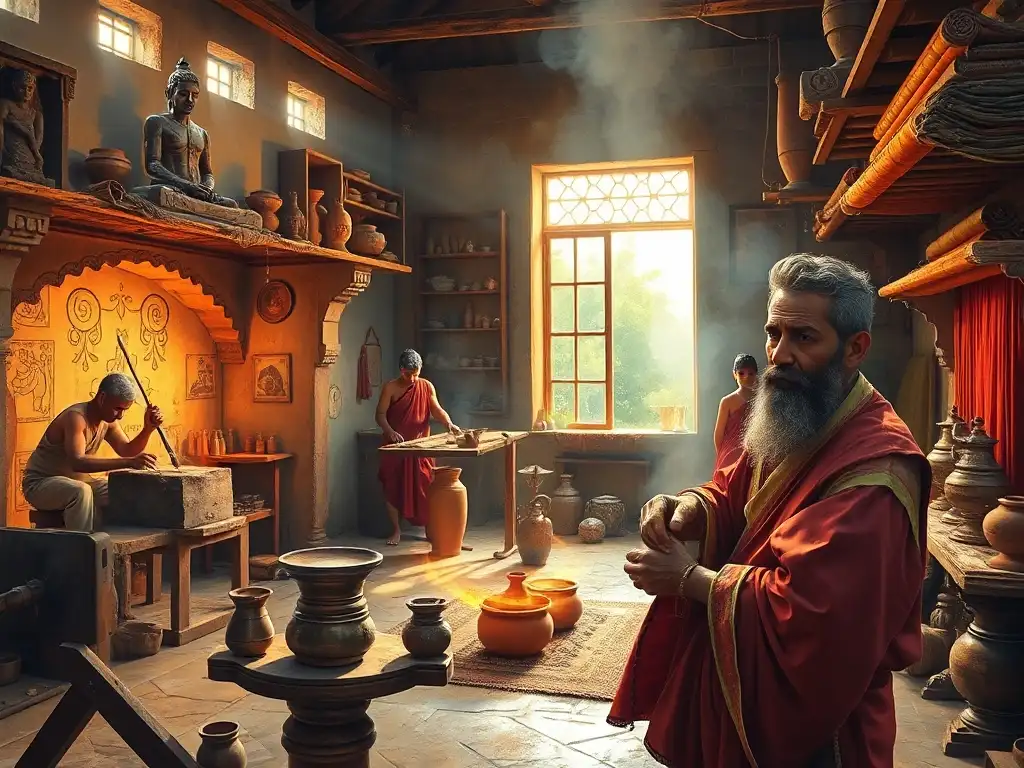
Ancient Indian craftsmen played a crucial role in the development of various crafts, employing techniques that were both innovative and deeply rooted in tradition. Their contributions encompassed a wide range of materials and methods, leading to masterpieces that not only served practical purposes but also reflected the rich cultural and spiritual heritage of the time. Below are some of the key crafts and techniques employed by artisans in ancient India.
Stone Carving and Sculpture Techniques
Stone carving was one of the most prestigious crafts in ancient India, showcasing the skill and creativity of artisans. Techniques varied by region and were often specific to the type of stone used.
- Chiseling: Artisans utilized chisels made of harder stones or metal to carve intricate designs, figures, and motifs from stone blocks.
- Polishing: After the rough carving, craftsmen employed various polishing methods to enhance the surface, often using abrasives like sand and water.
- Relief Work: Many sculptures were created in relief, where figures emerged from the background, depicting scenes from mythology and daily life.
Notable examples include the exquisite carvings found in the caves of Ajanta and Ellora, as well as the intricate sculptures of temples in Khajuraho and Hampi that demonstrate the high level of craftsmanship achieved in this field.
Metalworking Innovations and Contributions
The metalworking techniques of ancient India were advanced and diverse, contributing significantly to various fields, including weaponry, art, and everyday tools.
- Lost-Wax Casting: This method allowed artisans to create detailed metal sculptures. The process involved creating a wax model, coating it with clay, and then melting the wax to pour molten metal into the mold.
- Alloy Development: Ancient Indian craftsmen were adept at creating various metal alloys, such as bronze, which was used in sculptures, coins, and tools. The remarkable durability of these artifacts speaks to their metallurgical knowledge.
- Jewelry Making: Artisans crafted intricate jewelry using techniques like filigree, inlay, and engraving, often incorporating precious and semi-precious stones.
The discovery of the Iron Pillar of Delhi, which has withstood corrosion for over 1,600 years, exemplifies the metallurgical prowess of ancient Indian craftsmen.
Textile Production and Weaving Methods
The textile industry was a vital part of ancient Indian culture, with artisans employing sophisticated techniques to create a variety of fabrics.
- Weaving: Handlooms were widely used, and different regions specialized in distinct styles, such as the famous Banarasi silk and the intricate patterns of Kanchipuram sarees.
- Dyeing: Craftsmen utilized natural dyes from plants, minerals, and insects to produce vibrant colors. Techniques like tie-dye (bandhani) and block printing emerged, showcasing artistic expression in fabric.
- Embroidery: Various forms of embroidery, such as Chikankari and Zardozi, were developed, enhancing the beauty and intricacy of textiles.
The textile contributions of ancient Indian craftsmen not only catered to local markets but also established trade routes, connecting India with other civilizations.
Pottery and Ceramic Techniques
Pottery was one of the earliest crafts practiced in ancient India, with artisans mastering various techniques to produce functional and decorative items.
- Wheel-Throwing: The potter's wheel revolutionized pottery making, allowing for uniform shapes and sizes. Craftsmen created everything from everyday utensils to intricate ceremonial vessels.
- Glazing and Decoration: Techniques such as slip decoration and glazing were used to enhance the aesthetic appeal of pottery. The use of vibrant colors and intricate patterns reflected cultural motifs.
- Terracotta Art: Terracotta figurines and pottery items, often used in rituals and as toys, demonstrated the creativity of artisans and their ability to capture the essence of life.
The archaeological findings from sites like Mohenjo-Daro and Harappa reveal the sophistication of ancient Indian pottery and its importance in daily life.
The Role of Craftsmen in Architectural Marvels
Craftsmen were integral to the architectural achievements of ancient India, contributing their expertise to create structures that have endured through the ages. Their skills were crucial not just in aesthetics but also in the functionality and durability of buildings.
Temples and Religious Structures
The construction of temples and religious structures was a significant aspect of ancient Indian architecture, where artisans showcased their craftsmanship and devotion.
- Temple Architecture: Different styles emerged, such as the Nagara style in the north and the Dravidian style in the south, each characterized by specific architectural features and sculptural details.
- Carvings and Iconography: The intricate carvings on temple walls depicted deities, mythological stories, and scenes from daily life, serving both religious and educational purposes.
- Sacred Geometry: Craftsmen employed principles of sacred geometry, ensuring that the proportions and alignments of temples adhered to religious significance.
The Brihadeeswarar Temple in Thanjavur and the Sun Temple in Konark are prime examples of the architectural brilliance achieved by ancient craftsmen.
Urban Planning and Infrastructure Development
Ancient Indian craftsmen were also pivotal in urban planning and infrastructure development, contributing to the growth of cities and settlements.
- Grid Layouts: Cities like Mohenjo-Daro and Harappa were meticulously planned with a grid layout, showcasing advanced urban design and drainage systems.
- Road Construction: The construction of roads facilitated trade and communication, with craftsmen utilizing stone and brick to create durable pathways.
- Water Management Systems: Ingenious systems for rainwater harvesting, wells, and reservoirs demonstrated an understanding of hydraulic engineering, essential for sustaining urban life.
The comprehensive planning of ancient cities highlights the innovative spirit and technical skills of craftsmen in ancient India.
Notable Examples of Engineering in Ancient India
Several engineering feats from ancient India stand as testaments to the ingenuity of craftsmen and artisans.
- Stepwells: Structures like the Rani ki Vav in Patan not only served as water storage but also as architectural marvels with intricate carvings and multiple levels.
- The Great Stupa at Sanchi: This monument exemplifies the skill of artisans in creating large-scale structures with precise engineering, serving as a significant site for Buddhist pilgrimage.
- The Indus Valley Civilization: The advanced drainage and sanitation systems of cities such as Harappa and Mohenjo-Daro illustrate the sophisticated engineering capabilities of ancient Indian craftsmen.
These examples reflect the remarkable contributions of ancient Indian craftsmen to engineering and architecture, leaving a lasting legacy that continues to inspire modern innovations.
Societal Impact of Artisans and Craftsmen
The craftsmen and artisans of ancient India played a crucial role in shaping the societal framework and cultural identity of their communities. Their contributions went beyond mere construction and production; they were integral in the dissemination of cultural values and practices. Artisans specialized in various crafts, including pottery, metallurgy, textiles, and stone carving, each contributing to the aesthetic and functional needs of society.
The skills of these craftsmen were often passed down through generations, creating a strong sense of identity and continuity within communities. This tradition not only fostered social cohesion but also enabled the preservation of local customs and practices. As artisans engaged with their communities, they became central figures in both social and economic life, often participating in local festivals and rituals, thus reinforcing their societal importance.
Moreover, the work of craftsmen and artisans was essential in the development of trade networks. Their products were highly sought after, leading to the establishment of trade routes that connected different regions. This interaction between local and distant societies facilitated cultural exchanges and contributed to the diversity of ancient Indian civilization.
Economic Contributions of Craftsmen to Ancient Societies
Craftsmen were vital to the economic stability of ancient Indian societies. They not only produced goods for local consumption but also for trade, which was a significant aspect of the economy. Artisans engaged in specialized production, creating high-quality items that were traded both within and beyond the Indian subcontinent.
For instance, the textile industry thrived due to the expertise of weavers, who produced intricate fabrics that were highly valued in trade. Similarly, metalworkers contributed to the economy by creating tools and ornaments that were essential for daily life and ceremonial purposes. The economic contributions of these craftsmen can be seen in the wealth generated through trade, which helped fund local economies and fostered urban development.
Additionally, the artisans' role in constructing monumental architecture, such as temples and palaces, provided employment opportunities and stimulated local economies. The patronage from kings and wealthy merchants not only supported artisans but also led to the flourishing of various craft traditions, illustrating the interconnectedness of craftsmanship and economic prosperity.
Social Status and Organization of Craftsmen
The social status of craftsmen in ancient India varied significantly based on their skills, the type of craft, and their association with patronage. While some artisans, particularly those who worked on royal projects or served wealthy patrons, held considerable prestige in society, others operated at a more modest level. The caste system also influenced the organization of craftsmen, with certain crafts being associated with specific castes.
Artisans often formed guilds, known as shrenis, which played a vital role in regulating trade practices and supporting their members. These guilds provided a platform for cooperation and mutual assistance, ensuring that skilled craftsmen could thrive in their trades. Furthermore, guilds often acted as intermediaries between artisans and the ruling class, facilitating negotiations for patronage and resources.
Despite the variations in status, craftsmen shared a common bond through their skills and craftsmanship, which fostered a sense of community among them. This sense of belonging was crucial as it enabled them to collaborate on projects, share techniques, and pass down knowledge through apprenticeships.
Preservation of Cultural Heritage through Craftsmanship
The craftsmanship of ancient Indian artisans is a key aspect of the region's cultural heritage. Through their creations, artisans preserved and transmitted traditional knowledge, stories, and cultural practices. Each craft, whether it be pottery, weaving, or metalwork, embodies the unique history and identity of its community.
Artisans often incorporated religious and mythological themes into their work, thus serving as custodians of cultural narratives. For example, temple sculptures and frescoes not only showcased artistic skill but also conveyed spiritual and historical significance. This intricate connection between craftsmanship and cultural expression ensured that the values and beliefs of ancient Indian societies were preserved through generations.
Moreover, the durability of the materials used by craftsmen, such as stone and metal, has allowed many ancient artifacts to endure to this day. These artifacts serve as tangible links to the past, providing valuable insights into the lives, beliefs, and practices of ancient Indian civilizations.
Challenges Faced by Ancient Indian Craftsmen
Despite their vital contributions, ancient Indian craftsmen faced numerous challenges that impacted their livelihoods and the preservation of their crafts. These challenges ranged from technological limitations to external threats, which often disrupted their practices and diminished the support they received.
Technological Limitations in Ancient Times
Technological advancements in ancient India were often limited by the available resources and knowledge. While craftsmen demonstrated remarkable skills and creativity, they were constrained by the tools and techniques at their disposal. For example, metalworking was highly developed, but the lack of advanced machinery meant that many processes were labor-intensive and time-consuming.
Additionally, the ability to transport heavy materials, such as stone, posed logistical challenges for large construction projects. The reliance on manual labor for tasks like carving and assembling structures meant that projects could be delayed and limited in scope. Despite these limitations, craftsmen exhibited ingenuity, often developing unique techniques suited to their materials and contexts.
Impact of Invasions and External Forces
The history of ancient India is marked by a series of invasions and conquests that significantly affected the lives of craftsmen. External forces often disrupted local economies, leading to a decline in demand for certain crafts. For example, the arrival of foreign rulers sometimes resulted in the imposition of new cultural practices and artistic styles, which could overshadow traditional crafts.
In some cases, invasions led to the destruction of established centers of craftsmanship, such as workshops and guilds. This loss not only affected the artisans' livelihoods but also contributed to the erosion of local traditions and knowledge. The resilience of craftsmen, however, allowed many to adapt and integrate new influences into their work, thus ensuring the survival of their crafts in a changing landscape.
Changes in Patronage and Support for Craftsmen
The relationship between craftsmen and their patrons was crucial for their survival and prosperity. However, changes in political power and economic structures often led to shifts in patronage, which could be detrimental to artisans. During times of political instability, the support from rulers and wealthy merchants could diminish, impacting the livelihoods of craftsmen.
As trade routes evolved and new economic models emerged, some traditional crafts faced competition from mass-produced goods. The rise of new industries and changing consumer preferences further complicated the landscape for artisans, often forcing them to adapt their skills or seek alternative means of income.
Despite these challenges, many craftsmen continued to innovate and maintain their craft traditions, demonstrating resilience and adaptability in the face of adversity. The ability to navigate these changes was essential for the preservation of their art and the continuation of cultural heritage in ancient India.
Legacy of Ancient Indian Craftsmen in Modern Engineering
The legacy of ancient Indian craftsmen is evident in the engineering marvels and construction techniques that have shaped modern engineering practices. The intricate skills and artistic sensibilities of these artisans laid the groundwork for various engineering disciplines, influencing everything from structural design to material selection. The craftsmanship of ancient India can be observed in the precision of their stone carvings, the finesse of metalwork, and the elaborate techniques used in textiles and pottery, all of which have inspired contemporary methods.
The ancient Indian craftsmen contributed significantly to various fields, including architecture, metallurgy, and textile engineering. Their knowledge of local materials and environmental adaptations created sustainable practices that resonate with today's emphasis on eco-friendly designs. This legacy is not merely historical; it provides valuable insights for modern engineers seeking inspiration from past innovations. By studying these ancient techniques, contemporary engineers can learn to combine functionality with aesthetics, a hallmark of ancient Indian craftsmanship.
Influence on Contemporary Craftsmanship and Engineering
The influence of ancient Indian craftsmanship extends into contemporary practices, particularly in the realm of sustainable engineering. Craftsmen of the past were adept at utilizing locally sourced materials and techniques that minimized waste and environmental impact. This approach aligns with modern sustainable engineering principles, where the focus is on reducing carbon footprints and promoting eco-friendly designs.
Craftsmen's skills in intricate detailing and design have also found a place in contemporary architecture. The use of traditional motifs and methods in modern buildings can be seen across India, where architects incorporate elements like jali work (lattice screens) and chhatris (elevated dome-shaped structures) to create buildings that are both functional and rich in cultural heritage. These influences are a testament to the enduring relevance of ancient craftsmanship in today’s engineering landscape.
Recognition of Ancient Techniques in Modern Applications
Ancient Indian engineering techniques have gained recognition in modern applications, particularly in fields such as civil engineering and materials science. The principles of construction used in ancient temples and forts, such as load distribution and earthquake-resistant designs, are being revisited by engineers who appreciate the intelligence behind these age-old practices.
Moreover, the use of ancient materials like clay, stone, and metal alloys in contemporary construction showcases the relevance of traditional techniques. Research into the properties of these materials has led to innovative applications in restoration projects and the creation of new structures that honor traditional aesthetics while meeting modern standards. This recognition underscores the importance of ancient knowledge in addressing contemporary challenges.
Reviving Traditional Crafts in Today's Context
Reviving traditional crafts in today's context is crucial for both cultural preservation and economic sustainability. Many artisans are now being encouraged to maintain their traditional practices while integrating them with modern technology. This revival not only helps in preserving ancient skills but also creates economic opportunities for craftsmen in a global market increasingly valuing authenticity and heritage.
Initiatives aimed at supporting traditional crafts, such as government grants, workshops, and collaborations with designers, have emerged. These programs encourage artisans to innovate while staying true to their roots, ensuring that their crafts remain relevant and appreciated in a rapidly evolving world. By promoting traditional crafts, we can foster a deeper understanding of our cultural heritage and its significance in contemporary society.
Conclusion: The Enduring Contributions of Ancient Indian Craftsmen
The contributions of ancient Indian craftsmen are significant and enduring, influencing various fields of engineering and artistry. Their innovative techniques and mastery of materials paved the way for advancements in construction, metallurgy, and design that continue to inspire modern practices.
Summary of Key Contributions and Innovations
Key contributions of ancient Indian craftsmen include their advancements in architectural design, such as the construction of intricate temples and palaces that have stood the test of time. Their expertise in metallurgy resulted in the production of high-quality alloys, which were used in weapons and tools. Furthermore, their textile techniques, including dyeing and weaving, established India as a center for luxury fabrics, influencing global trade and fashion.
These innovations not only highlight the technical prowess of ancient craftsmen but also reflect a rich cultural tapestry that continues to inform contemporary practices across various disciplines.
The Importance of Preserving Ancient Craftsmanship in Modern Society
Preserving ancient craftsmanship is essential for maintaining cultural identity and heritage in modern society. As globalization leads to homogenization, the unique skills and knowledge of traditional artisans risk being lost. By actively promoting and preserving these crafts, we not only honor our past but also enrich our future.
Additionally, the revival of traditional crafts can foster community development and economic sustainability, empowering artisans and ensuring that their skills are passed down to future generations. Recognizing and valuing these contributions is vital for a holistic understanding of engineering and craftsmanship, reaffirming the timeless relevance of ancient Indian artisans in the modern world.
- Introduction to Ancient Indian Craftsmen Contributions
- Overview of Ancient Indian Engineering
- Importance of Craftsmen and Artisans in Ancient India
- Historical Context of Craftsmen in Ancient India
- Types of Crafts and Techniques Employed by Artisans
- The Role of Craftsmen in Architectural Marvels
- Societal Impact of Artisans and Craftsmen
- Challenges Faced by Ancient Indian Craftsmen
- Legacy of Ancient Indian Craftsmen in Modern Engineering
- Conclusion: The Enduring Contributions of Ancient Indian Craftsmen
- What were the main contributions of ancient Indian craftsmen?
- How did the craftsmanship of ancient India influence modern techniques?
- What materials did ancient Indian artisans commonly use?
- In what ways did craftsmen contribute to trade in ancient India?
- How did the social status of craftsmen evolve in ancient India?
Frequently Asked Questions
What were the main contributions of ancient Indian craftsmen?
Ancient Indian craftsmen made significant contributions to engineering, architecture, and art, showcasing their skills in projects like the construction of temples, forts, and intricate sculptures.
How did the craftsmanship of ancient India influence modern techniques?
The techniques developed by ancient Indian craftsmen laid the foundation for modern engineering practices and artistic expressions, influencing various fields like architecture and design today.
What materials did ancient Indian artisans commonly use?
Ancient Indian artisans utilized a variety of materials, including stone, wood, metal, and textiles, to create their works, demonstrating their expertise and adaptability in using local resources.
In what ways did craftsmen contribute to trade in ancient India?
Craftsmen played a vital role in trade by producing goods that were highly sought after, such as textiles, jewelry, and pottery, fostering economic connections both locally and with distant regions.
Craftsmen in ancient India had a respected status within society, often organized into guilds, which provided them with a sense of community and economic stability through collaboration and shared expertise.
Final Reflection: Celebrating the Legacy of Ancient Indian Craftsmen
The contributions of ancient Indian craftsmen resonate profoundly in today's world, reminding us of the intricate relationship between artistry and engineering. As we explore the remarkable innovations and skills of these artisans, we uncover not only their technical prowess but also the cultural narratives that shaped ancient India. Their legacy is a testament to the idea that craftsmanship is not merely a skill but a vital part of human expression and ingenuity.
The influence of ancient Indian craftsmen extends far beyond their time, shaping our cultural identity and inspiring contemporary artisans. The techniques and philosophies they employed continue to inform modern practices in architecture, sculpture, and design. As we reflect on their enduring impact, we are reminded of the words of Mahatma Gandhi: The best way to find yourself is to lose yourself in the service of others.
This sentiment encapsulates the spirit of craftsmanship, where the dedication to one's craft serves not just the individual but the community at large.
As we conclude this exploration of ancient Indian craftsmen's contributions, I invite you to reflect on the artisans in your own life and the value of craftsmanship in our modern society. Consider how you can honor this legacy by supporting local artisans, embracing traditional techniques, or even exploring your own creative pursuits. In doing so, we not only celebrate the past but also contribute to a future where craftsmanship continues to thrive and inspire.
Unveil the Legacy of Ancient Craftsmen Today!
Thank you for exploring the incredible contributions of craftsmen and artisans in ancient Indian engineering! Your interest helps shed light on a fascinating piece of history that continues to inspire creativity and craftsmanship.
Now, it’s your turn to honor this legacy! Here are some actions you can take to dive deeper into this topic:
- Visit a local artisan fair or craft workshop to witness the beauty and skill of craftsmanship in action.
- Share your favorite story about an artisan on social media or in the comments below to inspire others.
- Join a community group dedicated to traditional crafts to connect with fellow enthusiasts.
Which ancient craftsmanship techniques would you love to learn or try for yourself? Let’s share our thoughts in the comments!