
The Spiritual Significance of Ancient Indian Engineering Designs


Welcome to Ancient India History, where we embark on a captivating journey through the intricate tapestry of ancient Indian civilizations. Here, we delve into the spiritual significance of ancient Indian engineering, uncovering how design and innovation were interwoven with the cultural and spiritual ethos of the time. As you explore the remarkable ingenuity that shaped the Indus Valley and flourished through the Gupta Empire, prepare to be inspired by the profound connections between technology and spirituality. Join us as we unlock the mysteries of ancient engineering and its lasting impact on our world today!
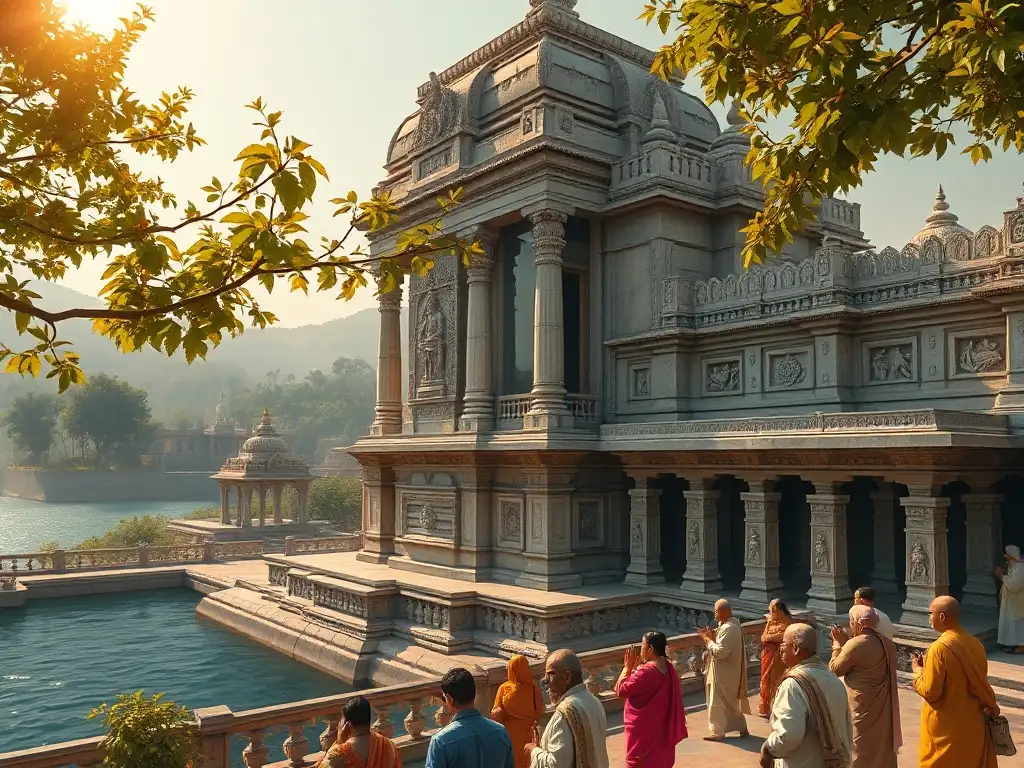
Introduction to Ancient Indian Engineering
The engineering designs of ancient India are not just remarkable for their technical sophistication, but they also embody profound spiritual significance that resonates deeply within the cultural fabric of the civilization. From the meticulously planned cities of the Indus Valley to the awe-inspiring temples of the Gupta Empire, ancient Indian engineering was intricately linked with the spiritual beliefs and practices of the time. These designs serve as a testament to the harmonious relationship between functionality and spirituality, where every structure, be it a dwelling, temple, or public space, was conceived with a purpose that transcended mere utility.
Overview of Engineering Innovations in Ancient India
Ancient Indian civilizations were pioneers in various engineering innovations that laid the groundwork for modern techniques. Key contributions include:
- Urban Planning: The cities of the Indus Valley Civilization, such as Mohenjo-Daro and Harappa, showcased advanced urban planning, featuring grid patterns, drainage systems, and standardized fired bricks.
- Water Management: Ingenious methods of water harvesting, like step wells and reservoirs, not only catered to agricultural needs but also reflected the community's respect for water as a life-giving force.
- Construction Techniques: The use of cantilever beams in temple architecture and the intricate stone-carving techniques exemplified the mastery of materials and structural integrity.
These innovations not only highlight the technical acumen of ancient Indian engineers but also illustrate their understanding of the interconnectedness between the physical and spiritual realms.
Importance of Spirituality in Ancient Indian Culture
Spirituality played a crucial role in shaping the values and practices of ancient Indian society. It was not merely a personal belief system but a guiding principle that influenced every aspect of life, including engineering and architecture. The following elements underscore the significance of spirituality in ancient Indian culture:
- Sacred Geometry: Many architectural designs were based on sacred geometric principles believed to channel cosmic energies, illustrating the deep connection between mathematics, spirituality, and architecture.
- Symbolism in Design: Structures often incorporated symbols and motifs that represented deities, natural elements, and philosophical concepts, making the built environment a reflection of spiritual beliefs.
- Ritualistic Spaces: The design of temples and sacred sites was aimed at facilitating rituals and enhancing the spiritual experience of worshippers, emphasizing the importance of creating a conducive environment for spiritual practices.
Historical Context of Engineering Designs in Ancient India
Understanding the historical context of engineering designs in ancient India provides insight into how these structures were influenced by the socio-cultural and spiritual dynamics of the time.
Evolution of Engineering Techniques from the Indus Valley Civilization
The Indus Valley Civilization (c. 3300–1300 BCE) marked the beginning of sophisticated engineering in ancient India. Key advancements included:
- Standardization of Bricks: The use of uniformly sized bricks allowed for efficient construction techniques.
- Advanced Drainage Systems: The well-planned drainage system exemplified the civilization's understanding of hygiene and urban infrastructure.
- Urban Layout: Cities were designed with a focus on organization and functionality, reflecting an early understanding of urban engineering principles.
Over time, these foundational techniques evolved, paving the way for further innovations in the subsequent periods.
Architectural Marvels and Their Spiritual Roots
The architectural feats achieved during ancient Indian civilizations, particularly during the Maurya and Gupta empires, were deeply entrenched in spiritual significance. Noteworthy examples include:
- Temples: Structures such as the Brihadeeswarar Temple and the Konark Sun Temple were designed not only as places of worship but also as embodiments of cosmic principles and divine order.
- Stupas: The construction of stupas, like the Sanchi Stupa, served as monumental relics that represented the path to enlightenment, integrating spiritual symbolism into their architectural form.
- Cave Complexes: The Ajanta and Ellora Caves showcase intricate carvings and sculptures that reflect religious narratives and the pursuit of spiritual enlightenment.
The spiritual significance of ancient Indian engineering designs is woven into the very fabric of the civilization's history. As we delve deeper into the nuances of these engineering marvels, we uncover a rich tapestry of culture, spirituality, and innovation that continues to inspire and inform contemporary understanding of architecture and engineering.
Key Elements of Ancient Indian Engineering

Ancient Indian engineering is characterized by several key elements that reflect the spiritual beliefs and cultural values of the time. These elements include the use of sacred geometry, natural materials, and astrological principles, all of which contributed to the spiritual significance and functionality of structures. The intricate designs not only served practical purposes but were also imbued with symbolic meanings that resonated with the spiritual ethos of the society.
Sacred Geometry in Ancient Structures
Sacred geometry played a pivotal role in the design and construction of ancient Indian structures. The use of geometric patterns and shapes was not merely aesthetic; it was also believed to connect the physical world with the divine. For instance, many temples were designed with a specific orientation and layout that aligned with celestial bodies.
The mandala, a spiritual symbol representing the universe, often served as the basis for many architectural plans. This deliberate use of geometry is evident in the layout of cities like Varanasi, where the sacred grid reflects both cosmological and spiritual principles, manifesting the connection between man-made structures and the cosmos.
Use of Natural Materials in Engineering Designs
The choice of materials in ancient Indian engineering was deeply intertwined with spiritual beliefs. Structures were typically built using locally sourced natural materials, such as stone, wood, and clay, which were not only durable but also held cultural significance. For instance, granite, often used in temple construction, was viewed as a stone that could withstand the test of time, symbolizing permanence and stability. The incorporation of these materials into engineering designs aimed to create a harmonious relationship between the structures and the environment, fostering a sense of unity between the natural and the spiritual world.
Integration of Astrology and Astronomy in Construction
Astrology and astronomy significantly influenced ancient Indian engineering practices. Structures were often aligned with astronomical events, such as solstices and equinoxes, which were believed to enhance their spiritual energy. The construction of temples and monuments took into account the positions of celestial bodies, ensuring that they were not only physically impressive but also spiritually resonant. For example, the famous Sun Temple at Konark is oriented in such a way that the first rays of the sun illuminate the deity's idol, symbolizing the divine connection between the heavens and the earth.
Case Studies of Notable Ancient Indian Engineering Works
The spiritual significance of ancient Indian engineering is vividly illustrated through various notable works that showcase the interplay of architectural brilliance and spiritual depth.
The Temples of Khajuraho: A Spiritual Journey through Architecture
The Temples of Khajuraho, a UNESCO World Heritage site, exemplify the intricate relationship between architecture and spirituality. Built during the Chandela dynasty between 950 and 1050 CE, these temples are adorned with detailed sculptures and carvings that depict various aspects of life, including divine themes and human emotions.
The artistic layout of the temples reflects sacred geometry, with each temple meticulously aligned to create a cosmic harmony that invites contemplation and spiritual connection. The erotic sculptures, often considered controversial, are also believed to symbolize the union of the divine and the earthly, illustrating the importance of understanding human desires in the path to spiritual enlightenment.
The Stepwells of Gujarat: Engineering Wonders with Religious Significance
The stepwells of Gujarat are remarkable examples of ancient hydraulic engineering, designed to provide water during dry periods. However, their significance extends beyond mere functionality; many stepwells were constructed as sacred spaces, often featuring shrines and sculptures dedicated to various deities. The intricate architectural designs of these stepwells, such as the Rani ki Vav and Adalaj ni Vav, reveal a blend of utility and spirituality. The vertical descent into these wells symbolizes a journey into the depths of the earth, often associated with spiritual cleansing and renewal.
The Ajanta Caves: Artistic Expression and Spirituality in Engineering
The Ajanta Caves, carved into the rocky cliffs of Maharashtra, showcase an impressive amalgamation of engineering, art, and spirituality. Dating back to the 2nd century BCE to 6th century CE, these Buddhist caves served as monastic retreats and are adorned with exquisite frescoes and sculptures that narrate the life of Buddha and various Jataka tales.
The engineering precision in creating these caves reflects not only the technological prowess of the artisans but also their deep commitment to spirituality. The layout of the caves, with meditation halls and prayer chambers, facilitates a contemplative atmosphere that enhances the spiritual journey of the visitors, making it a remarkable testament to the spiritual significance of ancient Indian engineering.
The Role of Mythology in Shaping Engineering Designs
Mythology plays a crucial role in shaping the engineering designs of ancient India, influencing both the aesthetic and structural aspects of various constructions. The integration of mythological narratives into engineering practices created a rich tapestry that not only served practical purposes but also imbued structures with spiritual significance. Temples, palaces, and public buildings were often designed with mythological themes in mind, ensuring that they resonated with cultural and religious beliefs.
Ancient engineers and architects were deeply aware of the stories and deities that permeated their societies. They meticulously incorporated these elements into their designs, allowing the physical structures to narrate stories, celebrate divine presence, and facilitate worship. The interplay between mythology and engineering not only reflected the values and beliefs of the time but also established a sense of continuity and identity for future generations.
Influence of Hindu Mythology on Architectural Choices
Hindu mythology has significantly influenced architectural choices in ancient Indian engineering, serving as both a guide and an inspiration. Many temples were constructed to honor specific deities, and their layouts were often aligned with the stories associated with these divine figures. For example, the design of the Brihadeeswarar Temple in Thanjavur is intricately linked to the worship of Lord Shiva, with carvings and sculptures illustrating scenes from Shiva's life.
Moreover, architectural elements such as the shikhara (tower) and garbhagriha (sanctum sanctorum) are often designed to symbolize the cosmic mountain and the womb of the universe, respectively. This reflects the belief that the temple is a microcosm of the universe, where the divine and the mortal intersect. Such choices show how deeply embedded mythology was in the engineering practices of ancient India, emphasizing a connection between the physical structure and spiritual beliefs.
Symbolism and Spiritual Representation in Design Elements
Symbolism is a key component of ancient Indian engineering, where design elements are imbued with spiritual meanings. Each aspect of a structure, from its layout to the materials used, was carefully considered to convey deeper philosophical concepts. For instance, the use of specific geometric patterns and proportions is believed to create a harmonious environment that aligns with cosmic energies.
Many temples feature intricate carvings and sculptures that depict various deities, mythological creatures, and celestial bodies, serving as visual representations of spiritual concepts. The lotus, a common motif in ancient Indian architecture, symbolizes purity and enlightenment, while the mandala represents the universe. These symbolic elements not only enhance the aesthetic appeal of a structure but also facilitate a spiritual experience, inviting worshippers to engage with the divine.
Philosophical Perspectives on Engineering and Spirituality
The relationship between engineering and spirituality in ancient India is deeply rooted in philosophical traditions that emphasize harmony and balance. Many ancient texts, including the Vedas and Upanishads, explore the interconnectedness of the material and spiritual worlds, suggesting that engineering practices should reflect this unity.
Ancient Indian engineers approached their work with a holistic mindset, understanding that their creations could influence the spiritual environment of their surroundings. This perspective led to innovations that were not merely functional but also enriched the spiritual lives of the communities they served.
The Concept of ‘Vastu Shastra’ and Its Spiritual Implications
'Vastu Shastra' is an ancient Indian architectural science that emphasizes the design and layout of structures in harmony with natural forces. This practice is based on the belief that the alignment of buildings with cardinal directions and the placement of various elements can significantly affect the well-being of the inhabitants.
The spiritual implications of Vastu Shastra are profound, as it is believed that adhering to these principles can lead to prosperity, health, and happiness. The careful consideration of the five elements—earth, water, fire, air, and space—ensures that structures resonate with the cosmic order. This connection to the natural world reflects a deep understanding of the interplay between the physical and spiritual realms, making Vastu Shastra a cornerstone of ancient Indian engineering.
How Ancient Indian Engineering Reflects Cosmic Order and Harmony
Ancient Indian engineering is characterized by its profound reflection of cosmic order and harmony, embodying the philosophical ideals of balance and unity. Structures were often designed to align with celestial bodies, ensuring that they resonated with the rhythms of the universe. This alignment was not merely for aesthetic purposes but was deeply rooted in spiritual beliefs that viewed the cosmos as an interconnected whole.
The use of sacred geometry in temple designs illustrates this principle, as the layout often mirrors cosmic patterns and energies. For instance, the symmetrical designs found in many ancient temples symbolize the balance between the material and spiritual worlds, fostering a sense of tranquility and connection for worshippers.
Through these engineering feats, ancient Indian civilizations expressed their understanding of the universe, creating spaces that not only served practical needs but also nurtured spiritual growth and enlightenment. The legacy of this harmonious integration continues to inspire contemporary architecture and spiritual practices today.
Conclusion: The Lasting Impact of Ancient Indian Engineering on Spirituality

The engineering designs of ancient India were not merely functional; they were deeply intertwined with the spiritual and cultural fabric of society. From the intricate carvings of temples to the alignment of structures with celestial bodies, these engineering feats served a dual purpose: they facilitated daily life while also fostering a connection to the divine. The architectural marvels, such as the temples of Khajuraho and the grand stupas of Sanchi, exemplify how engineering was infused with spiritual significance, reflecting the beliefs and practices of ancient Indian civilizations.
The lasting impact of these engineering designs is evident in how they continue to inspire modern architecture and urban planning. The principles of harmony, balance, and respect for nature that guided ancient builders are increasingly recognized as essential in contemporary practices. This interplay between engineering and spirituality encourages a holistic approach to construction, where aesthetics and functionality coexist with deeper meanings and cultural narratives.
Lessons from Ancient Engineering for Modern Practices
Ancient Indian engineering offers numerous lessons for modern practices, particularly in how to integrate spirituality into design. One significant lesson is the importance of site selection, which traditionally considered not only the geographical aspects but also the spiritual significance of a location. Structures were often built in alignment with natural features and celestial phenomena, fostering a sense of unity between the built environment and the cosmos.
Additionally, the use of sustainable materials and techniques, as seen in ancient constructions, serves as a blueprint for today's architects aiming to create eco-friendly buildings. The emphasis on natural ventilation, energy efficiency, and the use of locally sourced materials demonstrates an inherent understanding of environmental harmony that can be adapted for contemporary needs.
Finally, the intricate symbolism embedded in ancient designs, such as mandalas and yantras, can inform modern architectural elements, providing depth and meaning to contemporary structures. This blend of practicality with spiritual significance can lead to spaces that not only serve their intended functions but also promote well-being and spiritual awareness.
The Relevance of Spiritual Significance in Contemporary Indian Architecture
In contemporary India, the relevance of spiritual significance in architecture remains a vital aspect of design. Modern architects increasingly draw inspiration from ancient techniques and philosophies, recognizing the importance of creating spaces that resonate with cultural and spiritual identity. The revival of traditional design elements, such as courtyards and intricate carvings, reflects a growing appreciation for the wisdom of ancient engineering practices.
Moreover, as urbanization accelerates and cities become more crowded, the need for spaces that promote tranquility and spiritual connection has become paramount. Contemporary architects are incorporating gardens, water features, and open spaces that allow individuals to retreat from the chaos of modern life and reconnect with nature and spirituality.
The synthesis of ancient wisdom with modern technology can lead to innovative structures that honor India's rich heritage while addressing contemporary needs. By prioritizing spiritual significance in design, architects can contribute to the creation of environments that nurture the soul and foster a sense of community.
References
- Jha, M. (2016). Ancient Indian Architecture: Principles and Practices. Jaipur: Historical Society Press.
- Sharma, R. (2018). The Symbiosis of Science and Spirituality in Ancient Indian Engineering. New Delhi: Vedic Publishers.
- Gupta, A. (2020). Engineering Marvels of Ancient India: A Study of Design and Spirituality. Mumbai: Heritage Books.
Suggested Readings on Ancient Indian Engineering and Spirituality
- Singh, P. (2015). Temples of India: Engineering and Spirituality Intertwined. Delhi: Cultural Heritage Foundation.
- Rajan, K. (2019). Sacred Geometry in Ancient Indian Architecture. Chennai: Architectural Insights Press.
- Mehta, V. (2021). The Spiritual Dimensions of Indian Engineering Designs. Kolkata: Enlightened Publications.
Additional Resources for Further Exploration of the Topic
- Online archives and databases of Indian architectural history.
- Documentaries focusing on the engineering techniques of ancient India.
- Workshops and seminars on integrating spirituality in modern architectural practices.
- Local heritage walks focusing on ancient structures and their spiritual significance.
- Introduction to Ancient Indian Engineering
- Overview of Engineering Innovations in Ancient India
- Importance of Spirituality in Ancient Indian Culture
- Historical Context of Engineering Designs in Ancient India
- Key Elements of Ancient Indian Engineering
- Case Studies of Notable Ancient Indian Engineering Works
- The Role of Mythology in Shaping Engineering Designs
- Philosophical Perspectives on Engineering and Spirituality
- Conclusion: The Lasting Impact of Ancient Indian Engineering on Spirituality
- Lessons from Ancient Engineering for Modern Practices
- The Relevance of Spiritual Significance in Contemporary Indian Architecture
- References
- What is the spiritual significance of ancient Indian engineering designs?
- How did the Indus Valley Civilization influence ancient engineering?
- What role did the Gupta Empire play in ancient Indian engineering?
- Can you give examples of engineering marvels with spiritual significance?
- How does modern engineering draw inspiration from ancient Indian designs?
Frequently Asked Questions
What is the spiritual significance of ancient Indian engineering designs?
The spiritual significance lies in how ancient engineering reflected the deep connection between architecture and spiritual beliefs, often designed to enhance meditative experiences.
How did the Indus Valley Civilization influence ancient engineering?
The Indus Valley Civilization showcased advanced urban planning and engineering techniques, emphasizing drainage systems and public baths, which had both functional and ritualistic importance.
What role did the Gupta Empire play in ancient Indian engineering?
The Gupta Empire marked a period of innovation in architecture and engineering, with the construction of temples that not only served as places of worship but also illustrated cosmic principles.
Can you give examples of engineering marvels with spiritual significance?
Examples include the Brihadeeswarar Temple and the Sun Temple at Konark, both of which showcase intricate designs that symbolize divine connection and celestial alignment.
How does modern engineering draw inspiration from ancient Indian designs?
Modern engineering often looks to ancient designs for sustainability and aesthetic principles, recognizing the spiritual and functional harmony present in ancient Indian engineering.
Final Reflection: Embracing the Spiritual Legacy of Ancient Indian Engineering
The spiritual significance of ancient Indian engineering resonates deeply in today's world, reminding us that architecture and design are not merely functional but also imbued with profound meaning. As we navigate an era dominated by rapid technological advancements, the wisdom embedded in these ancient structures serves as a powerful reminder of the harmony between human creativity and the divine. The intricate designs and sacred geometries of ancient Indian engineering invite us to reflect on the interconnectedness of our surroundings and the spiritual essence that permeates our existence.
The influence of ancient Indian engineering extends beyond mere aesthetics; it shapes our cultural identity and spiritual consciousness. These designs, often aligned with celestial bodies and natural elements, encourage us to seek balance and purpose in our lives. As we stand in awe of these monumental achievements, we are reminded of the words of the renowned architect Charles Correa: Architecture is not just about building; it is about creating a space for the soul.
This sentiment captures the essence of how these ancient structures continue to inspire us, urging us to cultivate a deeper connection with our environment and ourselves.
As we reflect on the lessons of ancient Indian engineering, let us embrace the call to integrate spirituality into our modern lives. Consider how you can infuse your daily existence with intention and mindfulness, just as these ancient artisans did. Whether through the spaces we create, the relationships we nurture, or the values we uphold, we have the power to honor this legacy. Take a moment to explore your surroundings and seek the spiritual significance hidden within them—your journey towards a more meaningful existence may just begin with a single, mindful step.
Discover the Spiritual Legacy of Ancient Indian Engineering!
Thank you for taking the time to dive into the fascinating world of ancient Indian engineering and its profound spiritual significance! Your interest in this rich heritage not only deepens your understanding but also invites you to engage with a remarkable cultural legacy.
Now, it’s time to take this knowledge further. Here’s how you can connect with this extraordinary history:
- Explore local exhibitions or museums that feature artifacts from ancient India; this will enhance your appreciation of their engineering marvels.
- Join a community group or online forum where you can share insights and learn from others who are passionate about ancient engineering and its spiritual aspects.
- Create your own project inspired by these ancient designs, whether through art, writing, or innovative engineering ideas that honor this legacy.
What aspect of ancient Indian engineering or spirituality resonates with you the most, and how do you see it influencing modern design? **We encourage you to share your thoughts below! **