
Engineering the Sacred: The Science of Ancient Indian Temples

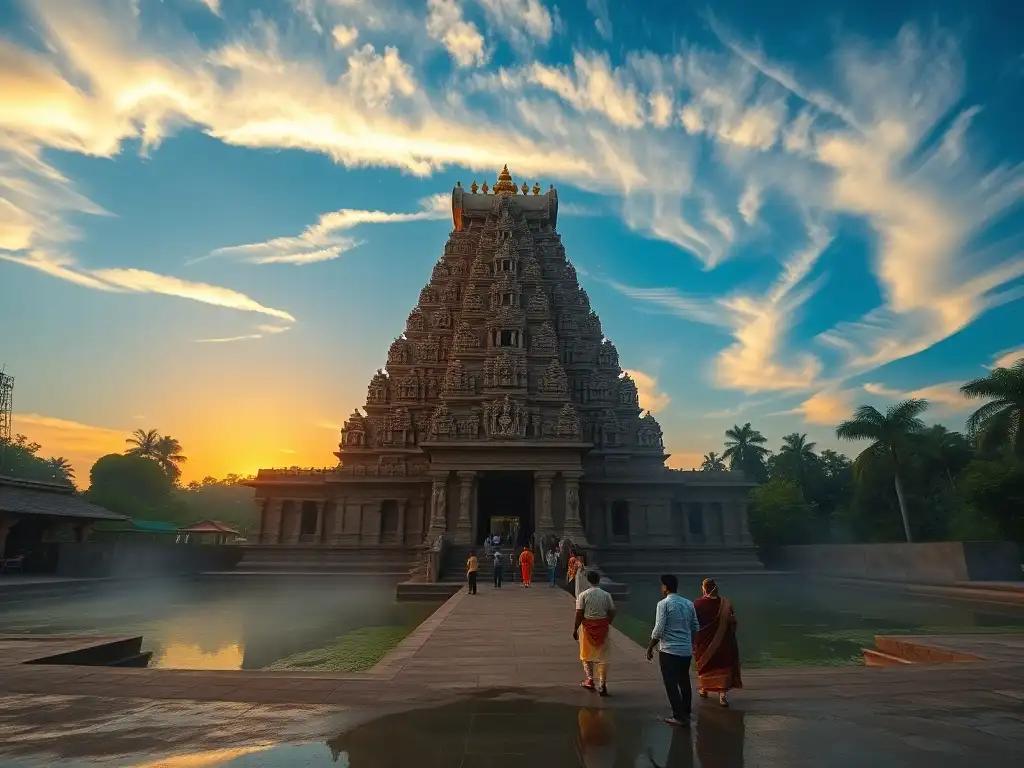
Welcome to Ancient India History, where we embark on a captivating journey through the rich tapestry of ancient Indian civilizations. From the bustling streets of the Indus Valley to the majestic heights of the Gupta Empire, discover how culture, innovation, and spirituality intertwined to shape a profound legacy. In this article, we delve into the fascinating world of ancient Indian temple architecture, revealing the intricate engineering and artistic mastery that defined these sacred spaces. Prepare to uncover the secrets behind these monumental structures, and let your curiosity guide you as you explore the wonders that await!
- Introduction to Ancient Indian Temple Architecture
- Key Features of Ancient Indian Temple Architecture
- Historical Development of Temple Architecture in Ancient India
- Engineering Techniques in Ancient Indian Temples
- Cultural and Religious Influences on Temple Architecture
- Case Studies of Iconic Ancient Indian Temples
- The Legacy of Ancient Indian Temple Architecture
- Conclusion
- Frequently Asked Questions
- Final Reflection: The Enduring Legacy of Ancient Indian Temple Architecture
- Unveil the Wonders of Ancient Temples Today!
Introduction to Ancient Indian Temple Architecture
Ancient Indian temple architecture is a fascinating and intricate subject that reflects the sophisticated engineering, artistic expression, and spiritual significance inherent in the ancient civilizations of India. From the meticulously planned layouts of the Indus Valley Civilization to the grandiose structures of the Gupta Empire, these temples are not merely places of worship; they are embodiments of cultural values, technological advancements, and societal organization.
The study of ancient Indian temple architecture reveals not only the aesthetic sensibilities of the time but also the spiritual and philosophical ideals that guided the builders. As we delve into the rich tapestry of this architectural legacy, we uncover insights into the innovative construction techniques and the underlying principles that governed the design of these sacred spaces.
Overview of Ancient Indian Temples
Ancient Indian temples can be broadly categorized into various styles, each reflecting regional variations and historical contexts. Key architectural styles include:
- Nagara: Predominantly found in northern India, characterized by a beehive-shaped shikhara (spire).
- Dravida: Common in southern India, known for its towering gopurams (gateway towers) and intricate sculptural work.
- Vesara: A hybrid style that combines elements of both Nagara and Dravida styles, often seen in central India.
These temples served multiple purposes, including religious rituals, community gatherings, and as centers of art and learning. The craftsmanship displayed in their construction, from the alignment with celestial bodies to the use of locally available materials, showcases the advanced understanding of engineering and architecture possessed by ancient Indian builders.
Significance of Architecture in Ancient Indian Civilization
The architecture of ancient Indian temples holds immense significance, serving as a reflection of the cultural, religious, and social dynamics of the time. Key aspects include:
- Spiritual Connection: Temples were designed to facilitate a connection between the divine and the devotees, often incorporating symbolic elements that represented various deities.
- Cultural Identity: The distinct architectural styles and designs contributed to the cultural identity of different regions, fostering a sense of belonging and community among the people.
- Technological Innovations: The engineering techniques employed in temple construction, such as the use of interlocking stones and precise geometry, highlight the ingenuity and resourcefulness of ancient Indian architects.
These architectural marvels not only served as places of worship but also as repositories of history, preserving the stories, beliefs, and artistic expressions of ancient Indian civilization.
Purpose of the Article
This article aims to explore the intricate relationship between engineering and spirituality in ancient Indian temple architecture. By examining the construction techniques, design philosophies, and cultural implications of these sacred structures, we hope to shed light on the profound impact of architectural practices on the development of ancient Indian civilization.
Our goal is to provide readers with a comprehensive understanding of how ancient Indian temples were engineered, the significance behind their designs, and their enduring legacy in the field of architecture. Through this exploration, we invite you to appreciate the beauty and complexity of ancient Indian temple architecture and its contributions to the cultural heritage of India.
Key Features of Ancient Indian Temple Architecture
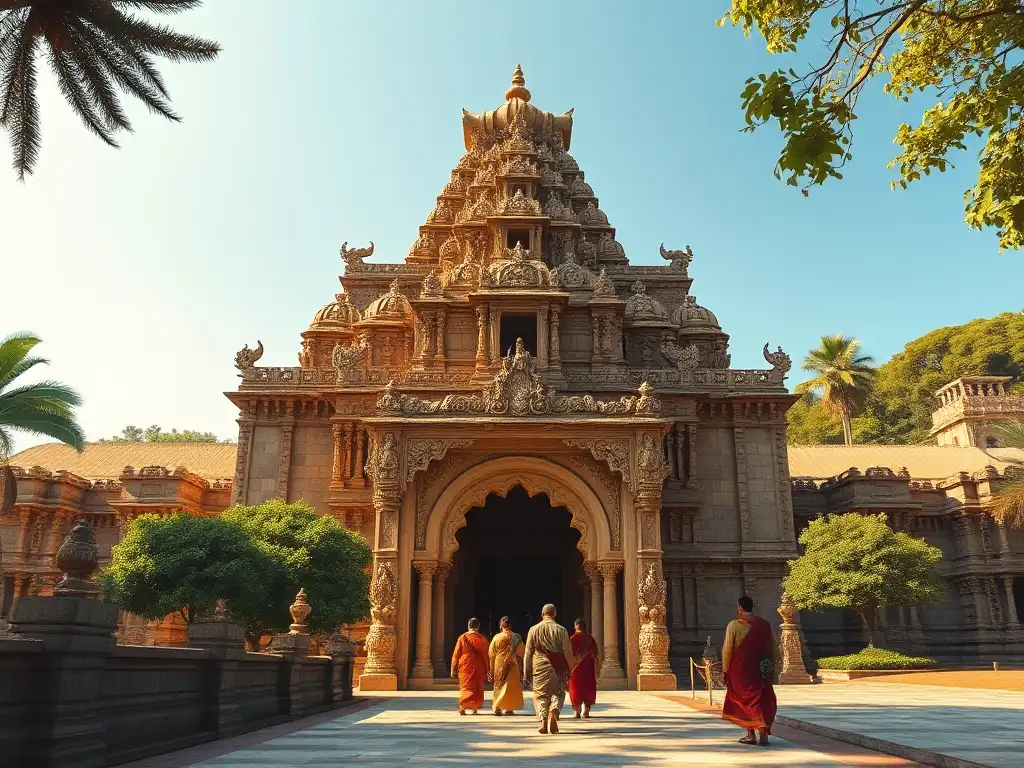
Ancient Indian temple architecture is a testament to the ingenuity and spiritual devotion of the civilizations that crafted these magnificent structures. The architectural styles, intricate designs, and symbolic elements are not just aesthetic choices but also serve to enhance the spiritual experience. Key features of ancient Indian temple architecture include:
- Geometric Precision: The layout of temples often follows specific geometric patterns that symbolize cosmic order. This precision reflects the ancient Indians' understanding of mathematics and geometry.
- Sacred Geometry: Many temples are designed based on sacred geometric principles, such as the use of the mandala, which represents the universe in a microcosmic form.
- Materials: Temples were primarily constructed using locally available stone, brick, and wood, showcasing the resourcefulness of ancient builders. Each material was chosen for its durability and aesthetic qualities.
- Orientation: Temples are usually oriented along cardinal directions, often aligning the main entrance with the rising sun. This alignment not only signifies the connection between the divine and nature but also enhances the spiritual ambiance within the temple.
- Regional Variations: The diversity of styles across different regions of India illustrates the cultural influences and historical contexts that shaped the architectural practices.
Distinctive Styles of Temple Architecture
The evolution of ancient Indian temple architecture can be categorized into several distinctive styles, each with its unique characteristics and regional influences.
Nagara Style
The Nagara style, prevalent in Northern India, is characterized by its curvilinear shikhara (tower) that rises over the sanctum sanctorum (garbhagriha). Some key features include:
- Curvilinear Shikhara: The shikhara is often adorned with intricate carvings and is typically taller than the surrounding structures, symbolizing a connection to the divine.
- Terracotta Panels: Many temples feature terracotta panels that depict various deities and scenes from Hindu mythology.
- Intricate Ornamentation: The exteriors are embellished with sculptural reliefs, often representing celestial beings and floral motifs, reflecting both artistic skill and spiritual themes.
Dravidian Style
The Dravidian style is predominantly found in Southern India and is recognized for its towering gopurams (gateway towers) and elaborate sculptures. Key features include:
- Gopurams: These monumental structures serve as gateways to the temple and are often covered in vibrant stucco sculptures of gods and goddesses.
- Vimana: The vimana, or the tower above the sanctum, is usually pyramidal in shape, intricately carved, and symbolizes the cosmic mountain.
- Circumambulatory Path: Many Dravidian temples include a prakara (outer courtyard) that allows devotees to circumambulate the sanctum, emphasizing the importance of the journey in spirituality.
Vesara Style
The Vesara style, a blend of Nagara and Dravidian influences, is found in regions like Karnataka and is noted for its unique architectural features:
- Hybrid Design: The Vesara style often incorporates elements from both Nagara and Dravidian styles, resulting in a distinctive architectural form.
- Elliptical Shikhara: The shikhara in Vesara temples is typically elliptical, creating a unique profile that stands out.
- Intricate Carvings: Vesara temples are known for their detailed carvings that depict stories from Hindu epics, showcasing the narrative tradition in temple art.
Architectural Elements and Symbolism
Ancient Indian temple architecture is rich in symbolic elements that convey deep spiritual meanings. These elements contribute to the overall experience of worship and meditation within the temple.
Shikhara and Vimana
The shikhara and vimana are central elements in temple architecture, representing the celestial and earthly realms.
- Shikhara: This vertical structure symbolizes the axis mundi, or the cosmic axis, connecting the heavens and the earth. Its height serves to draw the eye upward, encouraging spiritual contemplation.
- Vimana: The vimana houses the deity's idol and signifies the sacred space where the divine presence resides. The careful design of the vimana reflects the importance of symmetry and proportion in ancient Indian architecture.
Mandapa and Garbhagriha
The configuration of the mandapa (pillared hall) and garbhagriha is crucial for the temple's functionality and spiritual significance.
- Mandapa: Serving as a gathering space for devotees, the mandapa often features intricately carved pillars that enhance the aesthetic appeal and create a conducive atmosphere for worship.
- Garbhagriha: The garbhagriha is the innermost sanctum of the temple, housing the primary deity. It is designed to be an intimate space, often dimly lit, fostering a sense of reverence and spirituality.
Use of Sculptures and Reliefs
Sculptures and reliefs play a vital role in ancient Indian temple architecture, serving both decorative and educational purposes.
- Narrative Art: The sculptural reliefs often depict stories from Hindu epics, serving as a visual narrative that educates devotees about mythology and dharma (righteousness).
- Symbolic Representation: Many sculptures represent various deities and celestial beings, each carrying specific symbolism that enhances the spiritual atmosphere of the temple.
Ancient Indian temple architecture is a complex amalgamation of art, spirituality, and engineering, reflecting the rich cultural heritage of India. Each style and element contributes to a greater understanding of the philosophical and religious underpinnings of these sacred spaces.
Historical Development of Temple Architecture in Ancient India
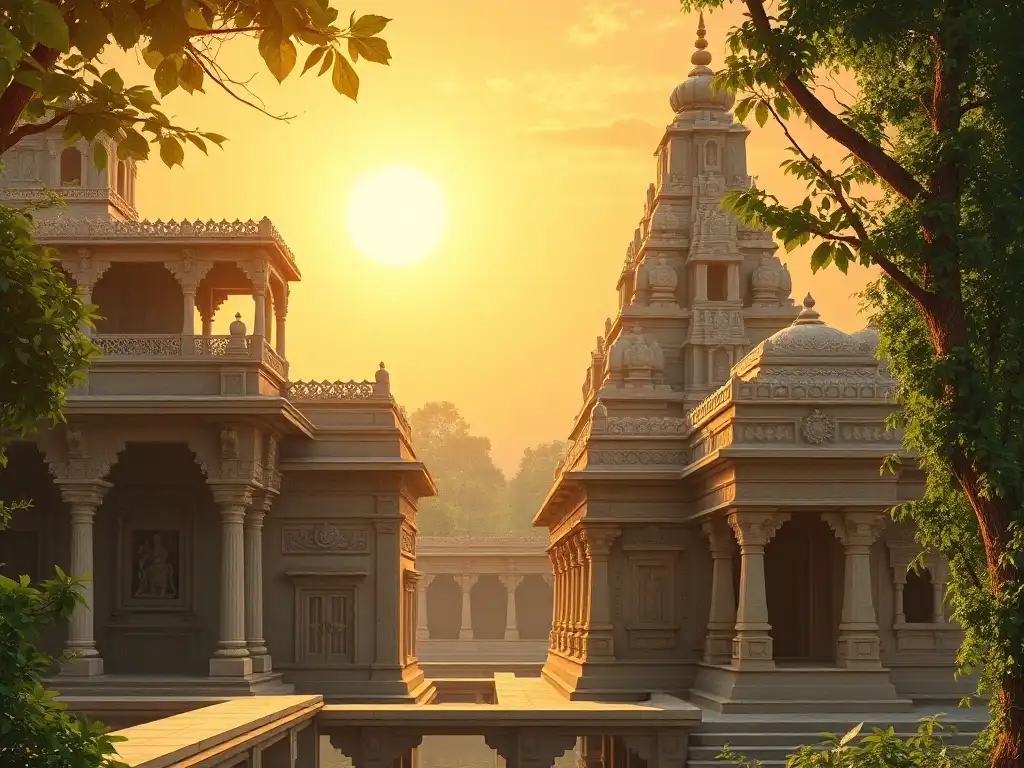
Early Temples of the Indus Valley Civilization
The Indus Valley Civilization, flourishing around 2500 BCE, is known for its advanced urban planning and architectural prowess. Although the civilization is more renowned for its cities like Mohenjo-Daro and Harappa, evidence of early temple structures can be found that hint at the beginnings of ancient Indian temple architecture.
The temples from this period were generally modest in scale and design, often constructed using baked bricks and mud. They lacked the elaborate carvings and grandiose features that would characterize later temple architecture. Instead, these early structures served more communal functions and were likely used for rituals and gatherings.
Key Features of Indus Valley Temples:
- Materials Used: Baked bricks, mud, and stone.
- Design Characteristics: Simple, square or rectangular layouts, often with a sanctum (garbhagriha) at the center.
- Functionality: Primarily for community worship and gatherings rather than dedicated to specific deities.
Archaeological findings suggest that the inhabitants practiced a form of proto-religion, possibly centered around fertility cults and nature worship, which laid the groundwork for the more complex religious practices in later periods.
Evolution during the Maurya Period
The Maurya Period (322-185 BCE) marked a significant transformation in ancient Indian temple architecture. Under the patronage of Emperor Ashoka, there was a notable shift towards monumental architecture, which included not only stupas but also the early forms of temples dedicated to various deities.
During this time, the influence of Buddhism began to shape the architectural landscape. Stupas, such as the famous Sanchi Stupa, were constructed with intricate carvings and served as focal points for worship. The temples built during this era started to exhibit more distinctive features, including elaborate doorways (toranas) and decorative pillars.
Key Features of Maurya Period Temples:
- Materials Used: Stone became the primary material, facilitating more durable constructions.
- Design Characteristics: Introduction of pillared halls (mandapas) and increased use of decorative motifs.
- Cultural Influence: The blending of Buddhist and Hindu elements, as seen in the architecture of stupas and early temples.
The Maurya Period's architectural advancements paved the way for greater experimentation and creativity in temple designs, leading to the diverse styles that would emerge in subsequent centuries.
Flourishing of Temple Architecture in the Gupta Empire
The Gupta Empire (circa 320-550 CE) is often regarded as the "Golden Age" of ancient Indian civilization, and temple architecture flourished during this period. This era witnessed the rise of complex temple structures, marked by intricate sculptures, ornate carvings, and sophisticated layouts that embodied the spiritual and artistic aspirations of the time.
Gupta temples embraced a variety of architectural styles, including the Nagara style in the north and the Dravidian style in the south. The temples were characterized by their towering shikharas (spires) and richly decorated facades, which often depicted scenes from Hindu mythology and local folklore.
Key Features of Gupta Empire Temples:
- Materials Used: Stone, particularly sandstone and granite, allowing for detailed carvings.
- Design Characteristics: Distinctive shikhara, intricate carvings, and mandapas for rituals and gatherings.
- Cultural Significance: Temples served as centers of community life, reflecting the socio-religious dynamics of the time.
The construction of temples such as the Dashavatara Temple at Deogarh and the temples at Khajuraho exemplify the artistic and architectural achievements of the Gupta Empire. These structures not only served religious purposes but also acted as a canvas for artistic expression, showcasing the rich tapestry of ancient Indian culture.
The historical development of ancient Indian temple architecture is marked by a continuous evolution from simple structures in the Indus Valley Civilization to the complex and ornate designs of the Gupta Empire, illustrating the rich tapestry of religious and cultural practices that defined ancient India.
Engineering Techniques in Ancient Indian Temples

Material Used in Temple Construction
The construction of ancient Indian temples showcases a remarkable understanding of materials and their properties. Temples were primarily built using locally sourced materials, which not only ensured the sustainability of construction but also contributed to the unique architectural identity of various regions.
Stone, Brick, and Mortar
Stone was the predominant material, especially in southern India, where granite and sandstone were extensively used. These stones were chosen for their durability and aesthetic qualities. The intricately carved stone sculptures and reliefs reflect the artisans' skill and the cultural significance of the temple.
- Granite: Known for its strength and resistance to weathering, granite was often used in the construction of major temples such as the Brihadeeswarar Temple in Thanjavur.
- Sandstone: More pliable than granite, sandstone allowed for detailed carvings, prominently seen in the temples of Khajuraho.
- Brick and Mortar: In northern India, particularly during the early periods, brick was a common material. The use of mortar made from lime and clay ensured that structures remained resilient over time.
The choice of material was not solely based on availability but also on the temple's intended symbolism and the spiritual significance attributed to the materials used.
Advanced Construction Techniques
The engineering prowess displayed in ancient Indian temple architecture is evident in various advanced construction techniques employed by builders. These techniques ensured that the temples were not only visually stunning but also structurally sound.
Load Distribution and Structural Integrity
One of the key aspects of ancient Indian temple architecture was the effective load distribution across the structure. Architects utilized several strategies to enhance structural integrity:
- Pillared Halls: Temples often featured expansive halls supported by a multitude of pillars. This design allowed for the distribution of weight and provided open spaces for worshippers.
- Dome Structures: The use of domes, particularly in later temple architecture, helped in evenly distributing the weight from the roof to the walls. This technique was crucial in ensuring the longevity of the temple structures.
- Cantilever Techniques: Many temples employed cantilever techniques, allowing for the extension of roofs without supporting columns, thus creating larger inner sanctums.
These engineering methods reflected not only a sophisticated understanding of physics but also a deep spiritual awareness of creating spaces that could house divine energies.
Use of Geometry in Design
Geometry played a critical role in the design of ancient Indian temples, where precision in measurements and proportions was paramount. The application of geometric principles can be observed in various architectural elements:
- Mandapas and Shikharas: The layout of mandapas (pillared halls) and shikharas (towers) often followed specific geometric patterns, ensuring both aesthetic harmony and structural stability.
- Sacred Geometry: Temples were designed according to the principles of sacred geometry, with the central axis often aligned with cardinal directions, symbolizing the connection between the earthly and the divine.
- Proportional Systems: The ratios and dimensions used in temple architecture were meticulously calculated. For instance, the height of a shikhara was often designed to be proportional to the width of the temple base, creating a visually balanced and harmonious appearance.
Incorporating these advanced construction techniques and geometric principles, ancient Indian temple architecture stands as a testament to both artistic expression and engineering ingenuity, leaving a lasting legacy that continues to inspire modern architects.
Cultural and Religious Influences on Temple Architecture
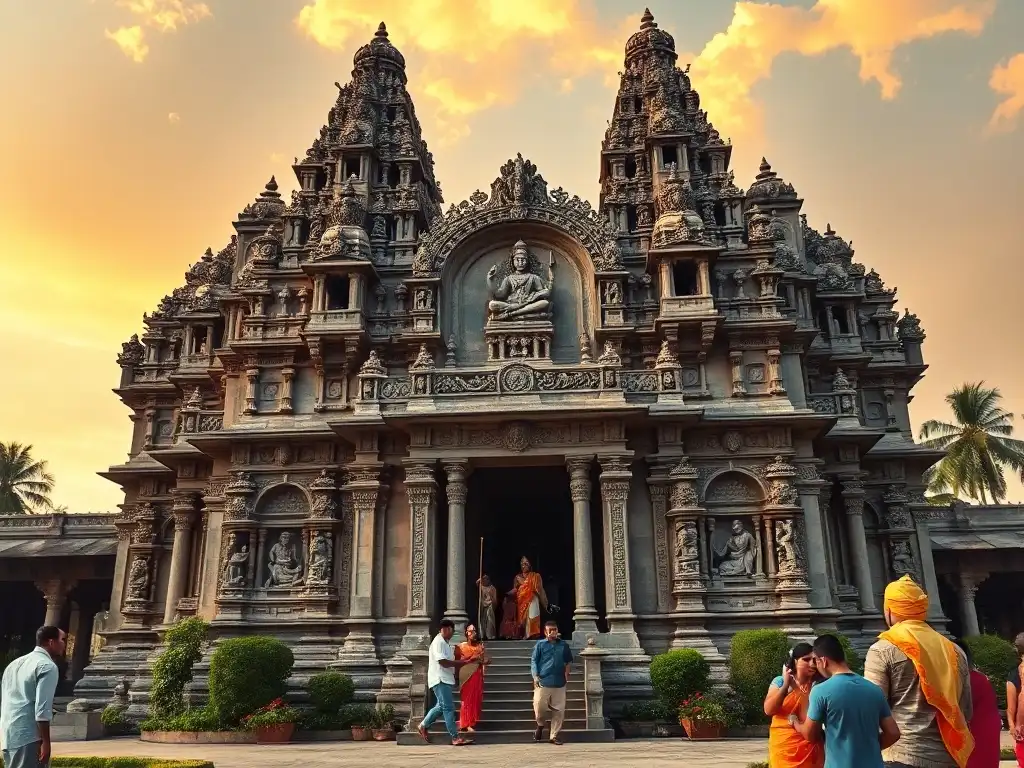
The architectural grandeur of ancient Indian temples is a testament to the profound cultural and religious influences that shaped their designs. These structures weren’t merely places of worship; they served as a reflection of the intricate social, spiritual, and artistic tapestry of their time. The synthesis of religious ideologies, local traditions, and cultural expressions played a pivotal role in defining the unique aspects of ancient Indian temple architecture.
Role of Religion in Shaping Architectural Designs
Religious beliefs were the cornerstone of temple architecture in ancient India. Temples were designed not just as places for rituals but as sacred spaces embodying the very essence of spirituality. The following elements elucidate the profound impact of religion on architectural designs:
- Divine Representation: Temples often depicted deities through intricate sculptures and carvings. The orientation and layout of the temple were meticulously planned to align with cosmological beliefs, reflecting the relationship between the divine and the earthly realm.
- Sacred Geometry: The use of mandalas and other geometric patterns in temple layouts was deeply rooted in religious symbolism. The choice of shapes and proportions was believed to enhance the spiritual energy of the space, creating a conducive environment for worship.
- Ritual Spaces: Different areas within the temple, such as the sanctum sanctorum (garbhagriha), were designed to accommodate specific rituals. The architectural features, including the shikhara (tower) and the entrance (mandapa), were strategically placed to facilitate the flow of devotees and the performance of rituals.
The multifaceted approach to religious architecture highlights how ancient Indian temple builders not only considered aesthetic beauty but also infused spiritual significance into their designs.
Influence of Regional Cultures on Temple Architecture
The diverse geography and rich cultural fabric of India led to distinct regional variations in temple architecture. Each region contributed its unique elements, resulting in a fascinating array of styles. Key influences include:
- Indus Valley Civilization: Early examples of urban planning from the Indus Valley exhibit advanced drainage and layout systems. These principles influenced later temple structures, emphasizing functional design alongside religious significance.
- Dravidian Architecture: Predominant in South India, this style is characterized by towering gopurams (gateway towers) adorned with vibrant sculptures. The Dravidian style reflects local traditions and the rich pantheon of deities worshipped in the region.
- Nagara Style: Found primarily in North India, Nagaras are known for their beehive-shaped shikharas and intricate stone carvings. This style emphasizes verticality, symbolizing the aspiration toward the divine.
- Buddhist Influence: The rock-cut caves of ancient Buddhist architecture introduced innovative techniques such as monolithic construction and intricate carvings, which influenced Hindu temple designs in terms of both aesthetics and engineering.
The interplay of regional cultures not only enriched the architectural landscape but also fostered a sense of identity and community among the worshippers.
The cultural and religious influences on ancient Indian temple architecture illustrate a profound connection between spirituality and the physical structure of worship. The interplay of diverse regional styles showcases the rich heritage that continues to inspire contemporary architectural practices in India.
Case Studies of Iconic Ancient Indian Temples
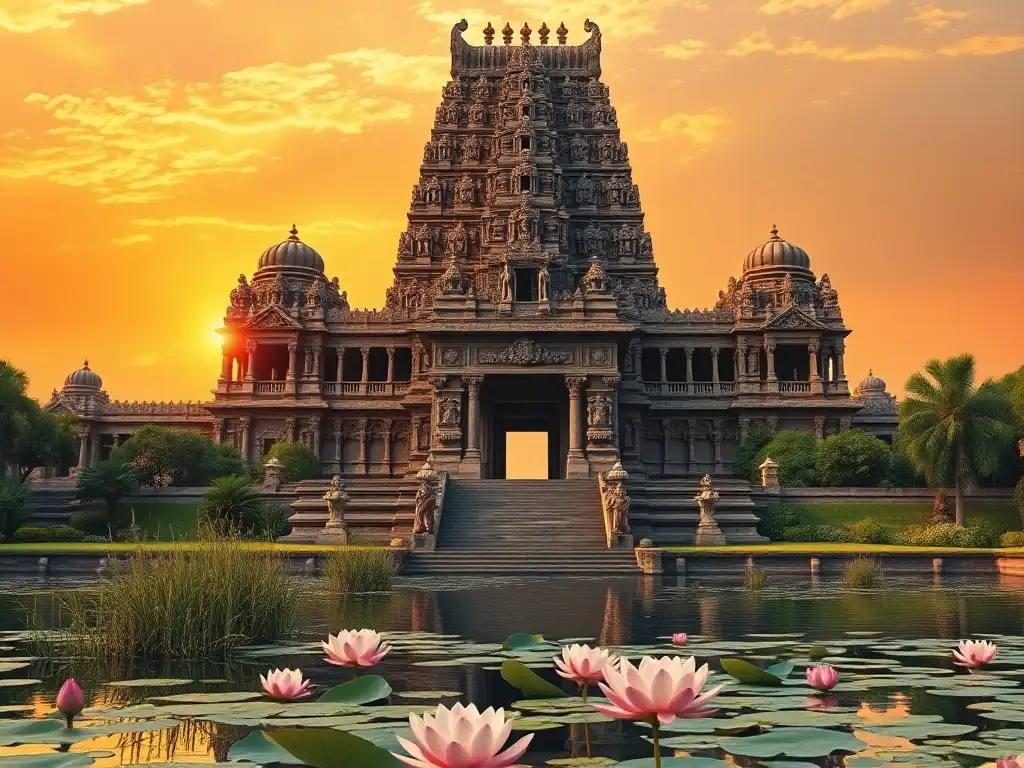
Brihadeeswarar Temple, Thanjavur
The Brihadeeswarar Temple, also known as the Peruvudaiyar Kovil, stands as a monumental testament to ancient Indian temple architecture. Constructed during the Chola dynasty in the early 11th century CE, this UNESCO World Heritage Site is renowned for its grandeur and intricate design.
- Architectural Features
- Vimana: The temple's towering vimana (tower) rises to about 66 meters, making it one of the tallest of its kind in the world.
- Granite Construction: Remarkably, the entire structure is built from granite, showcasing the advanced quarrying techniques and craftsmanship of the era.
- Sculptural Details: The temple is adorned with over 1000 sculptures, depicting various deities, celestial beings, and mythological scenes, reflecting the artistry and religious devotion of the time.
- Engineering Techniques
- Corbelled Arches: The use of corbelled arches allowed for the creation of large, open interiors, contributing to the temple's spaciousness.
- Water Management: Ingenious drainage systems were integrated to manage rainwater, demonstrating an understanding of hydrology and environmental considerations.
Khajuraho Temples: A Blend of Art and Architecture
The Khajuraho Temples, built between 950 and 1050 CE during the Chandela dynasty, are famous for their intricate sculptures and unique architectural style. They represent a blend of art and architecture that encapsulates the spiritual and cultural ethos of ancient India.
- Variety of Temples
- The group consists of over 85 temples, with only about 25 still standing today, showcasing a variety of architectural styles:
- Nagara Style: Characterized by their curvilinear towers and ornate facades.
- Vishvanatha Temple: Dedicated to Lord Shiva, this temple exemplifies classic Nagara architecture.
- The group consists of over 85 temples, with only about 25 still standing today, showcasing a variety of architectural styles:
- Sculptural Masterpieces
- The temples are renowned for their erotic sculptures, which serve as a celebration of love and life. This artistic expression is not merely decorative; it conveys deeper philosophical and spiritual meanings.
- Each sculpture is meticulously carved, requiring precision and skill, indicative of the artisans' expertise.
- Cultural Significance
- The Khajuraho Temples reflect the social and religious life of the period, encapsulating themes of devotion, nature, and sensuality intertwined with spirituality.
Sun Temple, Konark: Engineering Marvel
The Sun Temple in Konark, built in the 13th century CE, is a remarkable example of ancient Indian temple architecture and engineering prowess. Dedicated to the sun god Surya, it is designed in the shape of a giant chariot, drawn by seven horses.
- Architectural Design
- Chariot Structure: The temple's exterior is adorned with intricately carved wheels and horses, symbolizing the movement of the sun across the sky.
- Orientation: The temple is precisely oriented so that the first rays of the sun illuminate the main entrance, a testament to the astronomical knowledge of the builders.
- Engineering Techniques
- Stone Construction: Crafted from locally available sandstone, the temple's structure demonstrates advanced stone-cutting and assembling techniques.
- Load-Bearing Architecture: The temple's design cleverly uses load distribution principles to support its massive structure, allowing it to withstand the test of time.
- Cultural and Historical Impact
- The Sun Temple is not only an architectural marvel but also a cultural icon, reflecting the devotion to Surya and the significance of solar worship in ancient Indian society.
Through these case studies, we can gain a deeper understanding of ancient Indian temple architecture, showcasing the ingenuity and artistic brilliance of ancient civilizations. Each temple tells a story of its time, blending engineering excellence with spiritual significance.
The Legacy of Ancient Indian Temple Architecture
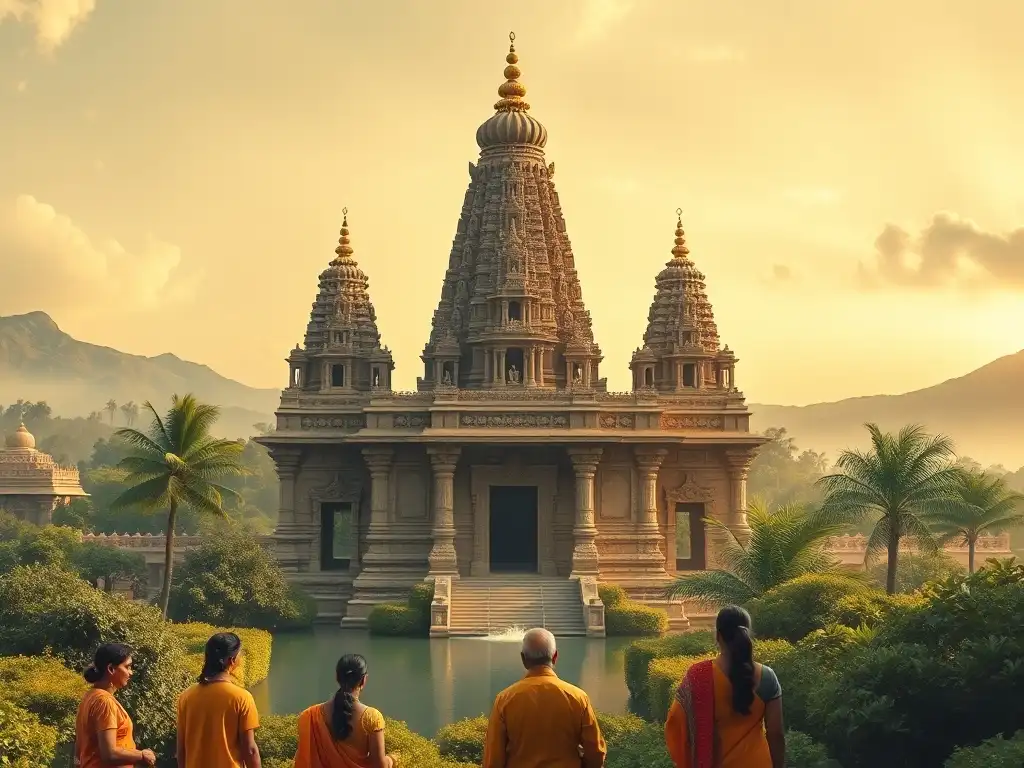
Ancient Indian temple architecture is a remarkable testament to the ingenuity and creativity of Indian civilization. Spanning several centuries, from the intricate designs of the Indus Valley Civilization to the monumental structures of the Gupta Empire, this architectural legacy reflects not only religious devotion but also advanced engineering techniques, artistic expression, and community involvement.
The diversity in temple architecture is evident in the distinct styles that emerged across different regions and periods. Notable styles include the Nagara style in North India, characterized by its beehive-shaped towers (Shikharas), and the Dravidian style in South India, known for its towering gopurams (gateway towers) and intricate sculptures. Each of these styles utilized local materials, climatic considerations, and cultural influences, contributing to a unique architectural identity.
The temples served as more than just places of worship; they were also community centers, showcasing the social, political, and economic dynamics of the time. The construction of these temples often involved skilled artisans, craftsmen, and laborers, reflecting a collaborative effort that united different segments of society in a shared purpose.
Influence on Modern Architecture
The principles and aesthetics of ancient Indian temple architecture have left an indelible mark on contemporary architectural practices. Modern architects often draw on the techniques, motifs, and spatial organization found in these ancient structures. For instance, the use of vast courtyards, intricate carvings, and natural lighting can be traced back to temple designs.
Several modern buildings, especially in India, incorporate elements of ancient temple architecture. The Brihadeeswarar Temple in Thanjavur, with its grand scale and detailed sculptures, serves as an inspiration for modern civic buildings and cultural centers. Moreover, the emphasis on sustainability and harmony with nature evident in ancient designs aligns with contemporary architectural movements focused on eco-friendliness.
| Element | Ancient Indian Temples | Modern Architecture |
|---|---|---|
| Structural Material | Stone and Brick | Reinforced Concrete, Glass |
| Design Philosophy | Sacred Geometry | Sustainable Design |
| Community Space | Courtyards | Open Public Spaces |
| Decorative Features | Intricate Carvings | Modern Art Installations |
In addition, scholars and architects are increasingly recognizing the scientific principles underlying the construction of ancient temples, including principles of aerodynamics, acoustics, and light manipulation. These insights can enhance modern architectural designs, creating spaces that are not only aesthetically pleasing but also functionally superior.
Preservation Efforts and Challenges
Preserving ancient Indian temple architecture is vital for maintaining cultural heritage, yet it poses numerous challenges. Many temples have faced threats from natural erosion, pollution, and human activities over the centuries. Preservation efforts often require a multidisciplinary approach, involving historians, conservationists, and architects to ensure the integrity of these structures.
Current preservation initiatives focus on:
- Documentation: Recording the architectural details and historical significance of temples.
- Restoration: Using traditional techniques and materials to restore temples to their original glory.
- Community Engagement: Involving local communities in preservation efforts fosters a sense of ownership and responsibility.
However, these efforts are not without challenges. Issues such as limited funding, bureaucratic hurdles, and the need for skilled labor can impede progress. Additionally, the balance between tourism and preservation is delicate; while tourism can provide necessary resources for upkeep, it can also lead to wear and tear on these ancient sites.
The legacy of ancient Indian temple architecture is a rich tapestry of cultural, spiritual, and architectural significance. Its influence on modern architecture and the challenges of preservation highlight the ongoing relevance of these ancient structures in contemporary society. By recognizing and addressing these challenges, we can ensure that the legacy of ancient Indian temple architecture continues to inspire future generations.
Conclusion
Summary of Ancient Indian Temple Architecture
Ancient Indian temple architecture is a remarkable testament to the ingenuity and artistic expression of Indian civilizations. This architectural form flourished from the Indus Valley Civilization onward and reached new heights during various dynasties, including the Maurya, Gupta, and Chola periods. The temples not only served as places of worship but also as centers for community life, education, and cultural exchange.
The key features of ancient Indian temple architecture include:
- Vimana and Shikhara: The towering structures over the sanctum sanctorum, symbolizing the mythical Mount Meru.
- Garbhagriha: The inner sanctum housing the deity, often designed to enhance acoustics and create a spiritual atmosphere.
- Mandapa: The pillared hall that serves as a gathering space for devotees.
- Carvings and Sculptures: Intricate designs depicting deities, celestial beings, and mythological stories, reflecting the artistic prowess of the era.
The architectural styles varied regionally, with notable examples including the Nagara style in North India, the Dravidian style in South India, and the Vesara style, which is a blend of both. Each style showcases unique construction techniques, materials, and aesthetic principles, revealing the adaptability and innovation of ancient Indian architects.
| Architecture Style | Key Features | Prominent Examples |
|---|---|---|
| Nagara | Curvilinear towers, elaborate carvings | Khajuraho Temples, Sun Temple at Konark |
| Dravidian | Pyramid-like towers, extensive use of granite | Brihadeeswarar Temple, Meenakshi Temple |
| Vesara | Combination of Nagara and Dravidian elements | Hoysaleswara Temple, Chennakesava Temple |
Final Thoughts on Cultural Heritage and Engineering Achievements
The study of ancient Indian temple architecture not only highlights the engineering achievements of the time but also underscores the deep spiritual and cultural significance of these structures. Temples were designed with a profound understanding of geometry, symmetry, and acoustics, reflecting the advanced knowledge of mathematics and physics possessed by ancient Indian builders.
Moreover, these temples stand as enduring symbols of India's cultural heritage, representing diverse religious practices and artistic traditions. As we explore the remains of these magnificent edifices, we gain insight into the values, beliefs, and aspirations of ancient Indian societies.
The legacy of ancient Indian temple architecture continues to inspire contemporary architects and engineers. These structures are not merely relics of the past; they are monuments of human ingenuity that echo the harmonious relationship between spirituality and science. By preserving and studying these architectural marvels, we ensure that the wisdom of ancient civilizations endures for future generations, fostering a deeper appreciation for the rich tapestry of human history.
Frequently Asked Questions
What is ancient Indian temple architecture?
Ancient Indian temple architecture refers to the design and construction of temples in India, characterized by intricate sculptural work, elaborate pillared halls, and distinct styles that evolved over centuries.
What are the main styles of ancient Indian temple architecture?
The main styles include Nagara, Dravidian, and Vesara. Each style has unique features, such as the shikhara (tower) in Nagara temples and the vimana in Dravidian temples, showcasing the regional diversity in design.
How did ancient Indian temples contribute to culture?
Ancient Indian temples served as centers of art, education, and community life. They were not only places of worship but also hubs for cultural activities, promoting literature, music, and dance.
What engineering techniques were used in ancient Indian temple construction?
Ancient Indian temples utilized advanced engineering techniques such as precise stone cutting, architrave systems for weight distribution, and intricate carvings, demonstrating the builders' knowledge of physics and aesthetics.
Why are ancient Indian temples significant today?
Ancient Indian temples are significant as they represent historical heritage, offering insights into the spiritual beliefs, artistic achievements, and social structures of ancient civilizations, thus enhancing our understanding of human history.
Final Reflection: The Enduring Legacy of Ancient Indian Temple Architecture
The intricate designs and profound philosophies embedded in ancient Indian temple architecture continue to resonate in today's world, reminding us of the profound connection between spirituality and engineering. As we navigate an increasingly fast-paced and technology-driven society, the wisdom of these ancient structures offers a sanctuary of reflection and a blueprint for harmonizing our modern lives with the spiritual essence that they embody. The architectural marvels of the past are not just relics; they are living testaments to the ingenuity and creativity of human expression.
The influence of ancient Indian temple architecture extends far beyond its physical presence; it shapes our cultural narratives and spiritual practices even today. The meticulous attention to detail, the symbolic representations, and the harmonious integration with nature serve as a reminder of the importance of balance in our lives.
As Mahatma Gandhi once said, “The best way to find yourself is to lose yourself in the service of others.” This sentiment echoes the ethos of these temples, which were designed not just as places of worship but as spaces for community and connection, inviting us to reflect on our own roles within the tapestry of society.
As we contemplate the lessons from ancient Indian temple architecture, let us embrace the call to integrate these timeless principles into our daily lives. Consider how you can create spaces—both physical and emotional—that foster connection, spirituality, and balance. In a world that often prioritizes speed over substance, take a moment to pause, reflect, and appreciate the beauty of the sacred in your surroundings. By doing so, we honor the legacy of these magnificent structures and ensure that their wisdom continues to inspire future generations.
Unveil the Wonders of Ancient Temples Today!
Thank you for exploring the fascinating world of ancient Indian temples with us! We hope this journey deepened your appreciation for their architectural marvels and the science behind their sacred spaces. Now, let's take your curiosity a step further and put knowledge into action.
Here are a few ways you can engage with this topic:
- Dive deeper: Visit a local Indian temple or historical site to experience firsthand the intricate architecture and spiritual ambiance. Capture your experience through photographs or journaling!
- Share your insights: Discuss this article with friends or family who might be interested in the connection between science and spirituality in architecture. Consider organizing a community discussion or a group visit to a nearby temple.
- Expand your knowledge: Explore literature on ancient engineering techniques from various cultures around the world, or seek resources that focus on specific temple styles or regional characteristics.
What aspect of ancient temple architecture inspires you the most? How might you incorporate that inspiration into your own surroundings?