
The Role of Women in Ancient Indian Festival Celebrations

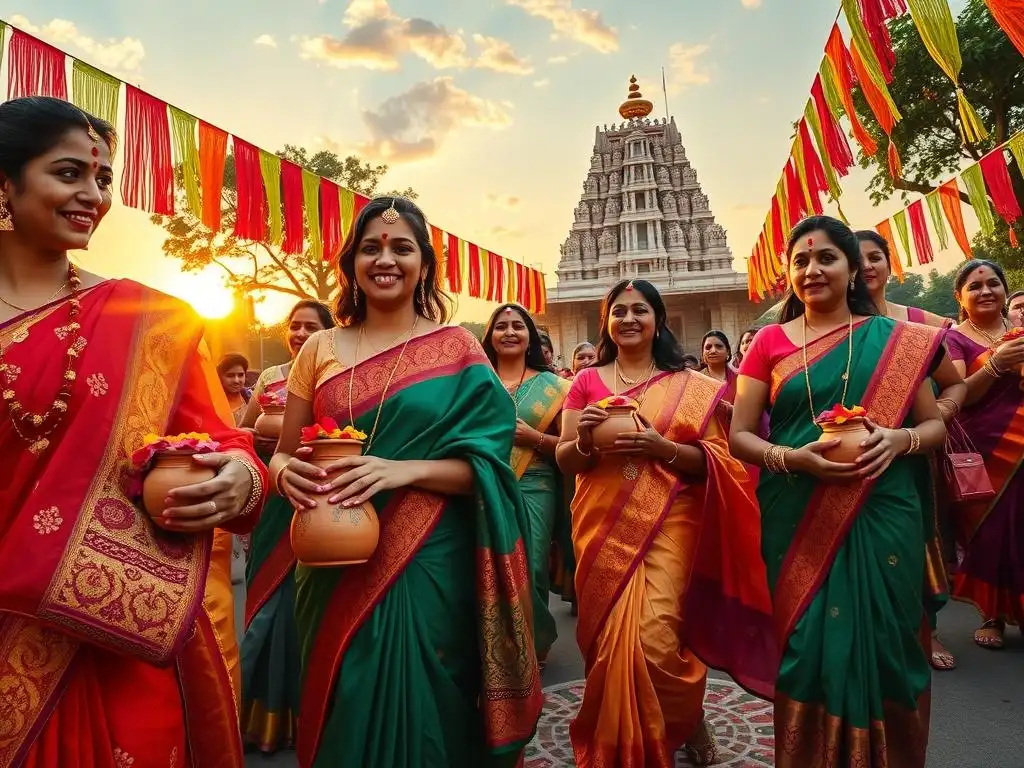
Welcome to Ancient India History! Dive into the enchanting world of ancient Indian civilizations, where rich traditions and vibrant cultures intertwine with the fascinating stories of those who celebrated them. In our featured article, "The Role of Women in Ancient Indian Festival Celebrations," we uncover the pivotal contributions of women in shaping the joyous festivities that marked significant occasions.
What roles did these remarkable women play, and how did their influence ripple through history? Join us as we explore these intriguing narratives and discover the profound impact of women on the festivals that continue to resonate today. Your journey into the heart of ancient India awaits!
Introduction to Women in Ancient Indian Festivals
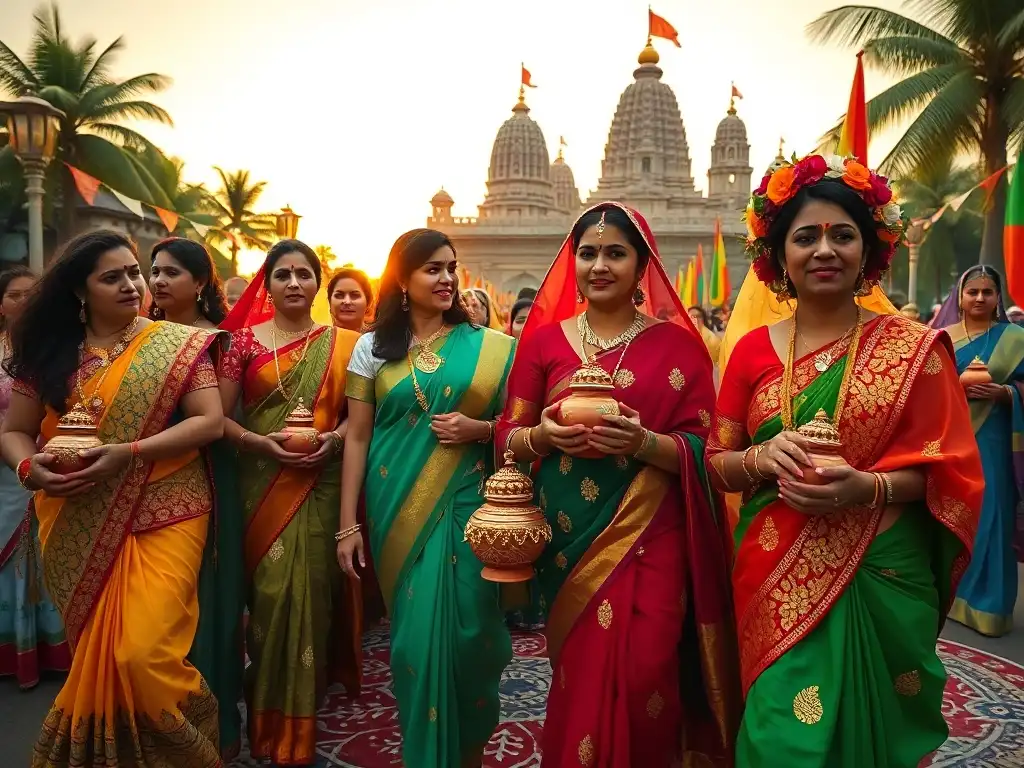
The role of women in ancient Indian festivals is a profound and multifaceted aspect of the cultural tapestry that has shaped the Indian subcontinent over millennia. Festivals in ancient India were not merely occasions for celebration; they were vibrant expressions of community, spirituality, and tradition. Women played a crucial role in these celebrations, serving as custodians of cultural practices and active participants in the rituals that defined their society.
From the intricate preparations of food to the performance of sacred rituals, women's contributions were essential in fostering a sense of unity and continuity within their communities. Understanding the significance of women in ancient Indian festivals helps illuminate their broader role in shaping cultural identities and preserving traditions that continue to resonate today.
Overview of Ancient Indian Festivals
Ancient Indian festivals were deeply intertwined with the agricultural calendar, religious observances, and seasonal changes. Key festivals such as Diwali, Holi, and Durga Puja not only celebrated deities and seasonal cycles but also provided a platform for communal bonding.
- Types of Festivals:
- Harvest Festivals: Celebrating the bounty of crops, such as Pongal and Makar Sankranti.
- Religious Festivals: Marking significant events in mythology and religious calendars, including Navratri and Ram Navami.
- Seasonal Festivals: Celebrations that herald changes in seasons, such as Basant Panchami.
These festivals were characterized by elaborate rituals, traditional music, dance, and vibrant decorations, many of which were spearheaded by women, showcasing their integral role in sustaining cultural practices.
Importance of Women in Cultural Practices
Women served as the backbone of ancient Indian cultural practices, particularly during festival celebrations. Their involvement extended beyond mere participation; they were often the primary organizers and leaders in various festivities.
- Roles of Women:
- Ritual Leaders: Women often conducted rituals and prayers, invoking blessings for prosperity and health.
- Custodians of Tradition: They were responsible for passing down customs, songs, and dances to younger generations, ensuring the survival of cultural heritage.
- Culinary Experts: Women played a central role in preparing traditional dishes that were offered to deities and shared among community members, reinforcing social bonds.
Their contributions were not only vital for the success of the celebrations but also highlighted the respect and reverence accorded to women within ancient Indian society.
Historical Context of Women in Festivals
Women in Ancient Indian Society
Women's roles in ancient Indian society were diverse and complex, varying by region, caste, and class. While some women enjoyed significant autonomy and respect, others faced restrictions in their social and personal lives. However, during festival celebrations, women often transcended these limitations, gaining visibility and agency.
- Patriarchy and Agency: Festivals often provided a space where women could exercise agency, express creativity, and participate in decision-making.
- Recognition and Respect: Women's contributions to festivals were frequently celebrated, leading to a recognition of their importance in sustaining cultural practices.
This historical context is essential for understanding the nuanced positions women held within ancient Indian communities, particularly during festive occasions.
Religious and Cultural Significance of Female Participation
The participation of women in festivals carried profound religious and cultural significance. Their involvement was often linked to fertility, prosperity, and the well-being of the community, underscoring the belief in the divine feminine.
- Symbolism of Women in Rituals:
- Representatives of Earth: Women were often seen as embodiments of fertility and nurturance, symbolizing the earth's bounty.
- Divine Figures: Many festivals honored goddesses, with women acting as intermediaries between the divine and the community through rituals and offerings.
The religious and cultural significance of female participation in ancient festivals reveals a deep-rooted appreciation for the feminine principle, reflecting the interconnectedness of gender, spirituality, and cultural identity in ancient India.
Key Festivals Celebrated by Women in Ancient India
Women played a significant role in the celebration of various festivals in ancient India, reflecting their importance in cultural and religious practices. Some of the key festivals prominently celebrated by women include:
- Navaratri/Dussehra: This festival spans nine nights and is dedicated to the worship of the goddess Durga. Women participate in fasting, prayers, and garba dances, showcasing their devotion and cultural heritage.
- Karva Chauth: This festival is observed by married women who fast from sunrise to moonrise for the well-being and longevity of their husbands. It highlights the bond of love and commitment within the family.
- Teej: Celebrated primarily in northern India, Teej marks the arrival of the monsoon and is dedicated to the goddess Parvati. Women engage in singing, dancing, and swinging on decorated swings, symbolizing joy and community.
- Makar Sankranti: This harvest festival involves women preparing traditional sweets and participating in kite flying. It signifies the end of winter and the arrival of longer days.
These festivals not only showcase women's roles in rituals and celebrations but also emphasize their contributions to preserving traditions and fostering community bonds.
Harvest Festivals and Women’s Roles
Harvest festivals in ancient India were pivotal events that celebrated agricultural abundance, and women played critical roles in these celebrations. Festivals such as Pongal and Baisakhi highlight women's contributions, as they were often responsible for preparing traditional foods, decorating homes, and participating in folk dances.
During Pongal, women would prepare the special dish of the same name, made from freshly harvested rice, and offer it to the sun god, symbolizing gratitude for the harvest. In Baisakhi, women would engage in Bhangra and Gidda dance forms, showcasing not only their joy but also their integral place in community festivities.
Moreover, these festivals served as a platform for women to express their creativity through traditional art forms, such as rangoli and madhubani painting, further emphasizing their cultural significance.
Religious Festivals: Rituals and Ceremonies
In ancient India, religious festivals were deeply intertwined with rituals and ceremonies that often required women's active participation. Women were central to conducting various rites, such as pujas and homas, which were essential components of festivals like Diwali and Holi.
For instance, during Diwali, women played a crucial role in cleaning and decorating the home, preparing offerings, and lighting lamps to invite prosperity and happiness. Their efforts were seen as vital for ensuring the family's well-being and spiritual favor.
Similarly, during Holi, women participated in the preparation of gujiyas (sweet dumplings) and were involved in the playful celebrations, marking the arrival of spring. Their engagement in these religious practices not only reinforced their spiritual responsibilities but also highlighted their role in fostering family unity and cultural identity.
Seasonal Festivals and Women’s Contributions
Seasonal festivals reflected the changing cycles of nature and were celebrated with great enthusiasm in ancient India, with women playing vital roles. Festivals like Onam and Baisakhi celebrated the harvest and the onset of new seasons, where women's involvement was critical.
During Onam, women participated in creating intricate pookalam (floral carpets) and cooking traditional feast items, symbolizing abundance and community spirit. Their hands shaped the vibrant celebrations, linking the family and community through shared culinary traditions.
In the case of Makar Sankranti, women were instrumental in preparing traditional sweets made from sesame and jaggery, participating in kite-flying activities, and engaging in community gatherings. These seasonal festivals not only showcased women's culinary skills but also their ability to bring people together in celebration, reinforcing social bonds.
Women’s Influence on Festival Traditions
Women in ancient India were not merely participants in festivals; their influence shaped the very traditions and practices associated with these celebrations. Their roles extended beyond personal devotion to encompass cultural preservation and innovation, ensuring that festival traditions continued through generations.
Preservation of Cultural Practices by Women
Women have historically been the guardians of cultural practices, passing down folklore, songs, and rituals associated with festivals. Their storytelling and oral traditions became the backbone of cultural heritage, preserving the essence of celebrations like Makar Sankranti and Diwali.
For instance, during festivals, women would gather to share stories related to deities and mythological events, enriching the communal experience. This practice not only reinforced their roles as storytellers but also created a sense of belonging and continuity within the community.
Additionally, women often took the initiative to teach younger generations about the significance of various rituals, ensuring that these cultural practices were not lost over time. Their active participation in preserving these traditions highlights their essential role in maintaining the social fabric of ancient Indian society.
Women as Leaders in Festival Celebrations
In ancient India, many women emerged as leaders during festival celebrations, taking charge of organizing and coordinating events. Their leadership was evident in various aspects, from managing logistics to directing rituals and performances.
Women often led community gatherings, ensuring that everyone participated in the celebrations, thereby fostering a sense of unity. For example, during the preparation for festivals like Navaratri, women would lead groups in devotional singing and dancing, showcasing their leadership skills and cultural prowess.
Moreover, women played a pivotal role in decision-making processes related to festival celebrations, influencing how traditions were upheld and adapted over time. Their leadership not only empowered them but also helped to elevate the importance of women's contributions to the cultural landscape of ancient India.
Rituals and Responsibilities of Women in Festivals
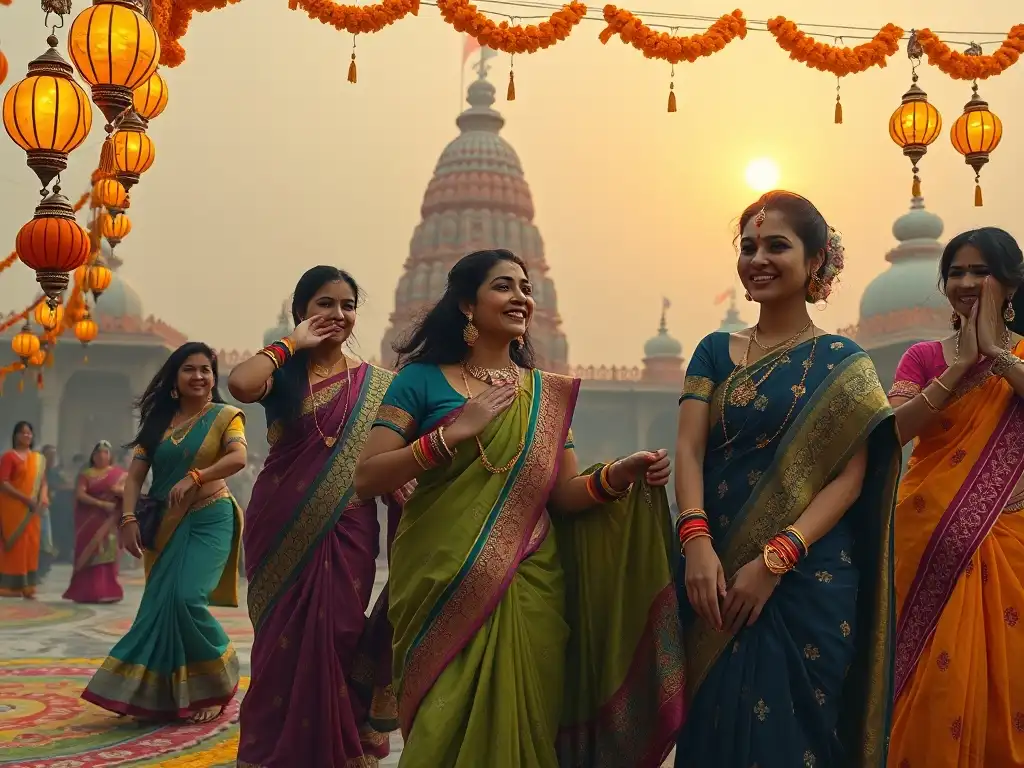
In ancient Indian festivals, women played a pivotal role, embodying the spirit of celebration through various rituals and responsibilities. Their involvement was not only a reflection of cultural practices but also highlighted their significance within the community. Women were primarily responsible for the preparation and execution of ceremonies, which included everything from cooking traditional dishes to orchestrating rituals that honored deities.
Women's roles varied by region and festival, but their responsibilities often encompassed the following:
- Preparation of Offerings: Women meticulously prepared offerings, which included a variety of foods, flowers, and decorative items, that were essential in rituals.
- Conducting Pujas (Worship): In many traditions, women led the puja ceremonies, invoking blessings for family and community wellbeing.
- Participation in Processions: Women actively participated in processions, dressed in traditional attire, enhancing the festive atmosphere through songs and dances.
- Transmission of Traditions: They were the custodians of cultural heritage, passing down rituals and stories from generation to generation, ensuring that the essence of the festivals lived on.
This multifaceted involvement underscores the vital role women played in maintaining the cultural fabric of ancient Indian festivals.
Preparation and Decoration for Festivals
The preparation and decoration of homes and public spaces for festivals were predominantly women's tasks. In ancient India, the aesthetic presentation of the environment was seen as a form of devotion, and women took great care in creating beautiful settings for celebrations.
- Rangoli Designs: One of the most significant contributions was the creation of rangoli, intricate patterns made from colored powders, rice, or flower petals at the entrance of homes. This art form was believed to invite prosperity and good luck.
- Decorating Altars and Deities: Women adorned altars with flowers, fruits, and sacred symbols, ensuring that every detail was perfect for the rituals ahead. This included dressing deities in elaborate garments and jewelry.
- Culinary Preparations: The preparation of traditional dishes was a labor of love, with women often spending days in advance to ensure that the flavors and presentations were exquisite. Each dish had cultural significance and was meant to please the deities as well as the participants.
Through their dedication to preparation and decoration, women not only contributed to the festive spirit but also reinforced their roles as nurturers and caretakers within their families and communities.
Roles in Ritualistic Worship and Offerings
Women’s roles in ritualistic worship and offerings during festivals were profound and varied. Their participation often symbolized the connection between the earthly and the divine, as they engaged in practices that were believed to invoke blessings and protection.
- Leading Rituals: In many households, women took the lead in conducting rituals, reciting prayers, and performing aartis (light offerings). This empowered them as spiritual leaders within their families.
- Offering Prayers: Women would gather to offer prayers and perform rituals for health, prosperity, and the wellbeing of their families. This not only was a spiritual act but also a social gathering that strengthened community bonds.
- Sacred Duties: Certain festivals required women to undertake specific vows or penances, reflecting their commitment to their families and deities. For instance, some women would fast during certain festivals, demonstrating their devotion and encouraging communal participation.
These roles highlight how women were integral to the spiritual and communal aspects of festivals, establishing a sacred space for worship and reflection.
Case Studies of Prominent Festivals Involving Women
Examining specific festivals reveals the diverse and significant roles women played in ancient Indian celebrations. Two prominent examples are Durga Puja and Karva Chauth, each showcasing unique aspects of women's involvement and the cultural significance of their contributions.
Durga Puja: The Feminine Divine and Women’s Participation
Durga Puja is one of the most celebrated festivals in India, particularly in Bengal, and it emphasizes the feminine divine. During this festival, women take on vital roles that symbolize strength, protection, and devotion.
- Community Engagement: Women organize and participate in various community activities, including dance performances and traditional songs that celebrate the goddess Durga. Their involvement fosters a sense of unity and cultural pride.
- Rituals and Offerings: Women are often in charge of preparing the idol of Durga and conducting the rituals associated with the festival. This includes creating elaborate offerings and participating in the symbolic immersion of the idol at the end of the celebration.
- Cultural Transmission: As custodians of the festival's traditions, women pass down stories, songs, and customs related to Durga Puja, ensuring that future generations understand and appreciate the significance of the festival.
The active participation of women in Durga Puja reinforces the festival's themes of femininity and empowerment, making them central figures in its celebration.
Karva Chauth: Women's Rituals and Social Significance
Karva Chauth is a festival dedicated to marital fidelity, where married women fast from sunrise to moonrise for the wellbeing and longevity of their husbands. This festival showcases the social and cultural dimensions of women's roles.
- Fasting Rituals: Women observe a strict fast, which is both a spiritual act and a demonstration of their devotion. This ritual often involves communal gatherings where women share stories and songs related to the festival.
- Celebration of Sisterhood: The festival emphasizes the bonds of sisterhood, as women come together to support and encourage one another in their fasts. This communal aspect strengthens social ties and nurtures a sense of belonging.
- Ritualistic Offerings: After the fast, women perform puja and offer prayers, which often include traditional sweets and fruits. This ritual culminates in the sighting of the moon, marking the end of the fast and the celebration of marital devotion.
Karva Chauth highlights the social significance of women's roles in ancient Indian festivals, illustrating their influence on cultural practices and the importance of community in celebrating marital bonds.
The participation of women in ancient Indian festivals was multifaceted, encompassing preparation, rituals, and social engagement. Their roles were crucial in shaping the cultural landscape of these celebrations, reflecting both devotion and community spirit.
Myths and Realities of Women’s Roles in Ancient Indian Festivals
The role of women in ancient Indian festivals has often been shrouded in myths and misconceptions that obscure their true contributions. While traditional narratives sometimes depict women as passive participants, the reality is much more nuanced. Women were not only integral to the organization and execution of festivals but also acted as custodians of cultural traditions, ensuring the continuity of rituals that defined community identity. This dual role of women as both celebrants and cultural preservers challenges simplistic views and highlights their active engagement in the celebratory processes.
Moreover, ancient texts and archaeological evidence indicate that women participated in various capacities, from ritualistic roles in ceremonies to the preparation of offerings for deities. Their involvement transcended mere participation; it was often pivotal in shaping the very essence of the celebrations. Thus, understanding women’s roles requires a deeper exploration of historical contexts and social structures, rather than relying on surface-level interpretations.
Common Misconceptions About Women’s Participation
One prevalent misconception is that women were relegated to the domestic sphere during festivals, primarily taking care of household responsibilities. While it is true that women managed domestic tasks, this does not fully encompass their roles during festivals. In fact, many festivals saw women taking the lead in organizing events, participating in public rituals, and performing essential roles such as singing, dancing, and preparing traditional foods.
Another common myth is that women's contributions were overlooked or undervalued. However, historical accounts and folklore often celebrate women as key figures in rituals. For instance, in festivals like Navaratri, women are not merely participants but central figures in the worship of the goddess, embodying her attributes through dance and devotion. These misconceptions can undermine the recognition of women’s agency and the importance they held in the cultural fabric of ancient Indian festivals.
The True Impact of Women on Festival Celebrations
Women’s impact on festival celebrations in ancient India was profound and multifaceted. From the preparation of sacred spaces to the performance of rituals, women infused festivals with their creativity and spiritual energy. Their roles often included crafting intricate decorations, preparing traditional dishes, and leading devotional practices that connected communities to their cultural heritage.
Additionally, women were instrumental in passing down traditions and knowledge to future generations. Through storytelling, song, and dance, they preserved the narratives associated with various festivals, ensuring that the significance of these celebrations endured. Their involvement not only enriched the festivals but also reinforced the communal bonds that are vital in the fabric of society.
Conclusion: The Lasting Legacy of Women in Ancient Indian Festivals
The legacy of women in ancient Indian festivals is not only significant but also enduring. Their contributions shaped the cultural practices associated with these celebrations, instilling a sense of identity and continuity among communities. Recognizing this legacy is crucial for understanding the broader context of women’s roles in society and culture throughout history.
Reflection on Women’s Contributions to Cultural Heritage
Reflecting on the contributions of women to cultural heritage reveals a rich tapestry of involvement that extends beyond mere participation. Women were the heart and soul of many festivals, weaving together the threads of cultural narratives, rituals, and practices that define community celebrations. Their labor and creativity not only enriched the festivals but also helped to sustain the cultural heritage of ancient India.
As we explore the history of these festivals, it becomes clear that celebrating women’s contributions is essential to appreciating the full spectrum of cultural practices in ancient India. By acknowledging their roles, we can better understand how festivals served as a platform for expressing identity, spirituality, and community cohesion.
The Evolution of Women’s Roles in Modern Festival Celebrations
In modern times, the roles of women in festival celebrations continue to evolve, reflecting broader societal changes. While traditional roles still persist in many communities, there is a growing recognition of the need for inclusivity and equality. Women today are not only participating in festivals but also taking on leadership roles in organizing events and representing their communities.
This evolution signifies a shift towards recognizing women as equal contributors to cultural practices, allowing for a more balanced representation of gender roles in festival celebrations. The ongoing changes also highlight the importance of preserving the rich legacy of women in ancient festivals while adapting to contemporary values and social dynamics. As we celebrate festivals today, it is vital to honor the past and acknowledge the significant impact women have had on shaping these cultural events.
- Introduction to Women in Ancient Indian Festivals
- Historical Context of Women in Festivals
- Key Festivals Celebrated by Women in Ancient India
- Women’s Influence on Festival Traditions
- Rituals and Responsibilities of Women in Festivals
- Case Studies of Prominent Festivals Involving Women
- Myths and Realities of Women’s Roles in Ancient Indian Festivals
- Conclusion: The Lasting Legacy of Women in Ancient Indian Festivals
- What was the significance of women in ancient Indian festivals?
- How did women contribute to the preparation of festivals?
- Were there specific festivals that highlighted women's roles?
- Did women participate in public celebrations during ancient times?
- How did the role of women in festivals reflect their status in society?
Frequently Asked Questions
What was the significance of women in ancient Indian festivals?
Women played a crucial role in ancient Indian festivals, often serving as caretakers of traditions and cultural transmitters. Their participation ensured the preservation of rituals and customs.
How did women contribute to the preparation of festivals?
Women were primarily responsible for preparing special foods, creating decorations, and engaging in rituals that marked the celebrations. Their contributions were essential for the success of the festivities.
Were there specific festivals that highlighted women's roles?
Yes, festivals like Karva Chauth and Teej were specifically centered around women, celebrating their strength and dedication. These festivals often included practices that honored their sacrifice and commitment to family.
Did women participate in public celebrations during ancient times?
Women did participate in public celebrations, although their roles varied based on social norms. In many cases, they engaged in collective activities and communal celebrations, showcasing their community spirit.
How did the role of women in festivals reflect their status in society?
The participation of women in festivals often mirrored their social status and cultural significance. Their involvement highlighted the importance of women's roles in family and society, reinforcing their value within ancient Indian culture.
Final Reflection: Celebrating the Legacy of Women in Ancient Indian Festivals
The role of women in ancient Indian festivals is not just a historical footnote; it is a vibrant thread woven into the fabric of our cultural identity. As we navigate the complexities of modern society, understanding how women shaped and celebrated these festivals offers profound insights into their enduring influence on our traditions and values. The stories of women participating in rituals, organizing festivities, and passing down customs remind us that their contributions were pivotal in creating a rich tapestry of communal life.
Celebrating the legacy of women in these festivals continues to resonate in our cultural and social landscape. Their involvement not only highlights the importance of female agency in historical contexts but also serves as a reminder of the ongoing struggle for gender equality in contemporary society. As we reflect on these contributions, we can draw inspiration from the words of the renowned poetess Sarojini Naidu: There is no end to the adventures that we can have if only we seek them with our eyes open.
This sentiment encourages us to recognize and honor the roles women have played, not just in the past but in shaping the future of our celebrations.
As we move forward, I invite you to reflect on the lessons embedded in the stories of women in ancient Indian festivals. Consider how you can celebrate and uplift the voices of women in your own life and community. Whether through participation in local traditions or by sharing stories that honor their contributions, each of us has the power to keep this legacy alive. Let us embrace the spirit of these festivals, not only as a celebration of culture but as a commitment to fostering inclusivity and respect for all.
Embrace the Legacy: Celebrate Women in Ancient Festivals!
Thank you for exploring the vital role women played in the vibrant festivals of ancient India! By diving into this topic, you've uncovered a rich tapestry of tradition, strength, and celebration that continues to inspire today. Now, it's time to carry this knowledge forward and actively engage with this incredible heritage.
Here are some exciting steps you can take:
- Participate in a local cultural festival where women’s contributions are highlighted; immerse yourself in the music, dance, and rituals that celebrate their historical role.
- Share this article with friends and family to spark conversations about the importance of women in our cultural history.
- Start or join a community discussion group focused on the impact of women in history and culture, using this article as a springboard for deeper exploration.
How will you honor and celebrate the legacy of women’s contributions to ancient festivals in your own life?