
The Role of Folk Dances in Indian Festivals: A Cultural Tapestry

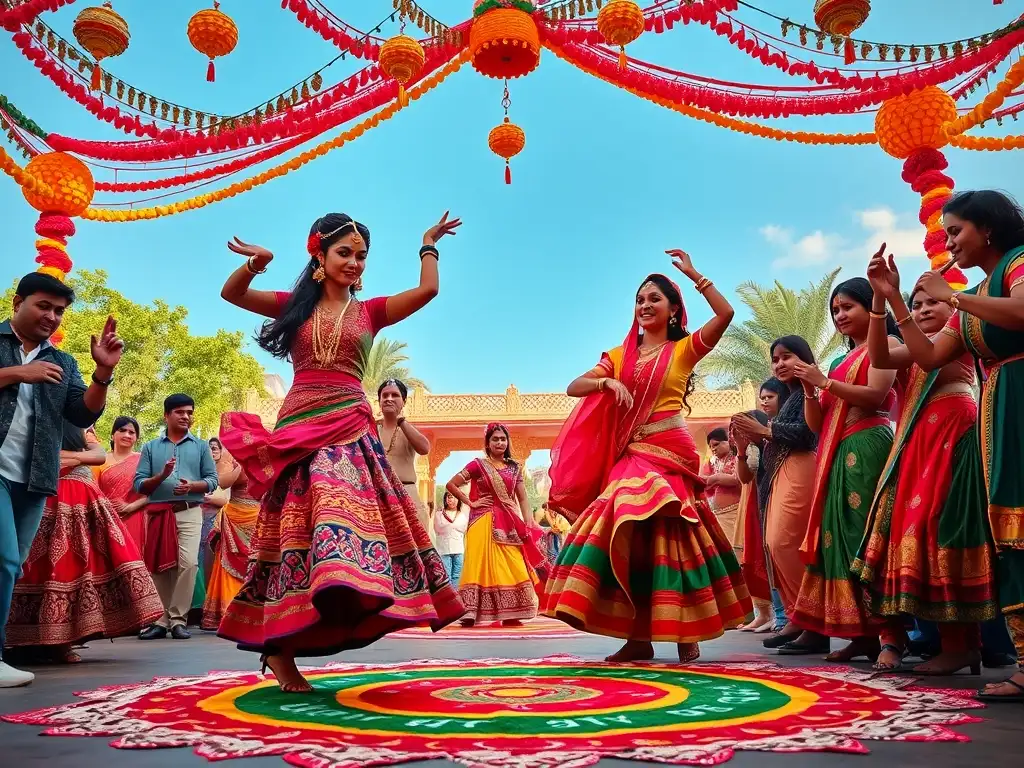
Welcome to Ancient India History, where we embark on an enriching journey through the vibrant tapestry of India's past! Here, we explore the rich and diverse history, culture, and contributions of ancient Indian civilizations, from the magnificent Indus Valley to the illustrious Gupta Empire. Prepare to dive into our featured article, "The Role of Folk Dances in Indian Festivals: A Cultural Tapestry," where we unveil the captivating significance of folk dances that not only celebrate the spirit of festivals but also weave together the stories and traditions of a timeless culture.
Discover how these lively performances are more than just entertainment; they are a profound expression of heritage and community that bind generations together. Join us as we uncover the rhythms and movements that bring India's festivals to life!
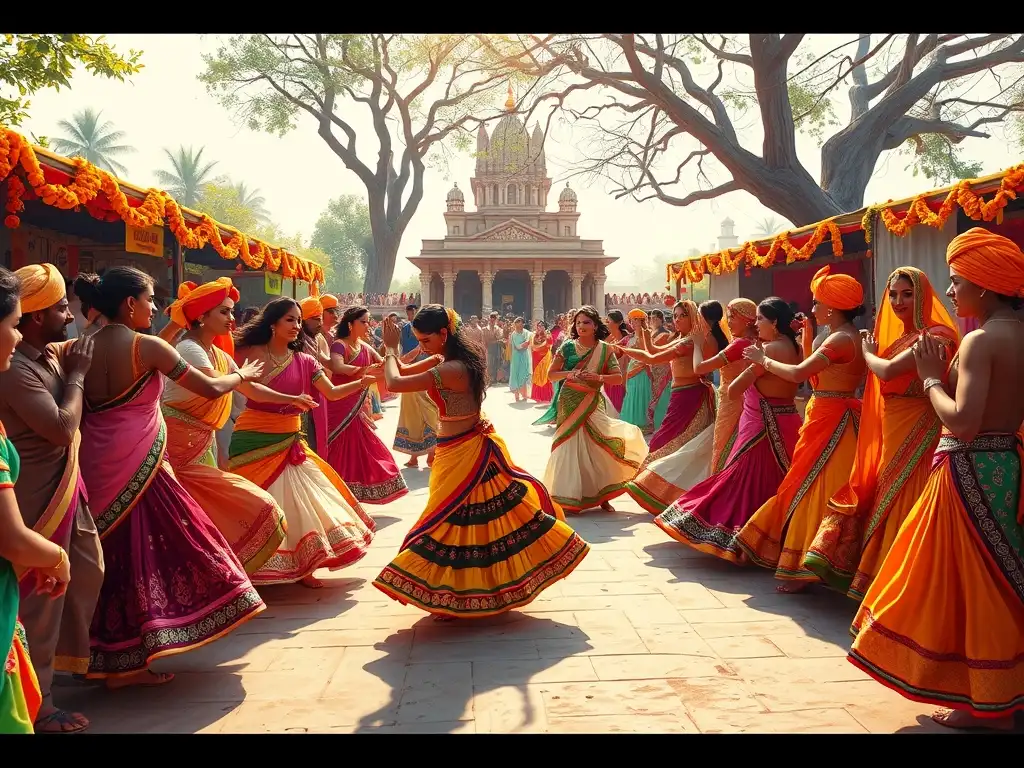
Introduction to Folk Dances in Indian Festivals
Folk dances are an integral part of the cultural fabric of India, especially during festivals, where they serve as a vibrant expression of tradition, community, and celebration. This article explores the multifaceted role of folk dances in Indian festivals, highlighting their significance, historical context, and the rich tapestry they weave into the celebrations across various regions of the country. From the spirited Garba of Gujarat to the graceful Bhangra of Punjab, each dance form encapsulates the essence of local heritage and collective joy, making them a vital aspect of the festival experience.
Definition of Folk Dances
Folk dances are traditional dances that are typically rooted in the community and passed down through generations. They are characterized by their informal nature, often performed during celebrations, rituals, or communal gatherings. Each folk dance reflects the unique cultural identity of a region, showcasing the customs, beliefs, and lifestyle of the people.
- Characteristics of Folk Dances:
- Community Participation: Often performed in groups, fostering a sense of unity.
- Rhythmic Movements: Accompanied by traditional music and instruments.
- Cultural Significance: Represents local stories, folklore, and traditions.
Significance of Folk Dances in Indian Culture
Folk dances hold immense significance in Indian culture, serving not only as a form of entertainment but also as a medium for cultural expression and preservation. They play a crucial role in:
- Cultural Identity: Reinforcing the unique identity of different regions.
- Social Cohesion: Bringing communities together during festivals and special occasions.
- Transmission of Traditions: Educating younger generations about their heritage and values.
Historical Context of Folk Dances in Indian Festivals
Understanding the historical context of folk dances adds depth to their appreciation during festivals. The evolution of these art forms reflects the changing socio-cultural landscape of India over centuries.
Evolution of Folk Dances through the Eras
Folk dances in India have evolved significantly, influenced by various historical events, invasions, and cultural exchanges. Each era has contributed to the richness of these dance forms, adapting to new societal norms and artistic expressions.
- Ancient Period: Early references to dance can be found in texts like the Natya Shastra, which laid the foundation for classical and folk traditions.
- Medieval Era: The arrival of various dynasties brought new styles and themes, enriching the folk dance repertoire.
- Modern Times: Contemporary influences have led to innovative adaptations while preserving traditional elements.
Influence of Ancient Indian Civilizations on Dance Forms
The contributions of ancient Indian civilizations, such as the Indus Valley Civilization and the Maurya and Gupta Empires, have left an indelible mark on the folk dances we witness today.
- Indus Valley Civilization: Artifacts and seals depict dance-like poses, suggesting a deep-rooted tradition of movement and expression.
- Gupta Empire: Known as a golden age of art and culture, this period saw the flourishing of various art forms, including dance, that emphasized storytelling through movement.
Folk dances are not mere performances but a vital expression of India's cultural heritage. They encapsulate the spirit of festivals, bridging the past with the present through rhythm and movement. The rich history and significance of these dances continue to resonate, making them a cherished aspect of Indian celebrations.
Types of Folk Dances in Indian Festivals
Indian festivals are a vibrant tapestry of culture, tradition, and artistic expression, with folk dances playing a pivotal role in their celebration. These dances vary widely across different regions, each embodying unique characteristics that reflect local customs and traditions. Some of the prominent types of folk dances associated with Indian festivals include:
- Bhangra: Originating from Punjab, Bhangra is an energetic dance characterized by lively music and vigorous movements, often performed during the harvest festival of Baisakhi. Participants wear colorful attire, and the dance symbolizes joy and celebration.
- Garba: This traditional dance from Gujarat is performed during the Navratri festival. Garba involves circular movements, rhythmic clapping, and the use of dandiya (colorful sticks), creating a vibrant communal atmosphere.
- Kuchipudi: A classical dance form from Andhra Pradesh, Kuchipudi often incorporates storytelling elements and is performed during festivals like Ugadi. Dancers convey narratives through intricate footwork and expressive gestures, showcasing both artistry and cultural heritage.
- Dandiya Raas: Similar to Garba, Dandiya Raas involves pairs of dancers using sticks to create rhythmic patterns. This lively dance is also associated with Navratri and celebrates the victory of good over evil.
- Chhau: Hailing from Odisha and Jharkhand, Chhau is distinguished by its martial arts influences and elaborate masks. It is performed during festivals like Chhath Puja and often depicts mythological stories.
These folk dances not only provide entertainment but also foster community bonding, allowing people to come together in celebration.
Regional Variations of Folk Dances
The diversity of India's geography and culture is mirrored in its folk dances, with each region showcasing distinct styles, costumes, and themes. This regional variation can be attributed to historical influences, local traditions, and the socio-cultural context of each area. For instance:
- North India: In states like Punjab and Himachal Pradesh, folk dances such as Bhangra and Nati are prominent, characterized by their energetic movements and vibrant music.
- West India: Gujarat's Garba and Maharashtra's Lavani are celebrated for their rhythmic footwork and use of traditional musical instruments, highlighting the rich folk heritage of the region.
- East India: Bengal is known for its Baul dance, which combines elements of mysticism and folk traditions, while Odisha showcases the graceful Odissi dance, often performed during temple festivals.
- South India: In Tamil Nadu, folk dances like Karagattam and Kummi highlight agricultural themes and community gatherings, while Karnataka celebrates the colorful Yakshagana, a dance-drama form.
These regional variations not only enhance the cultural richness of Indian festivals but also serve as a medium for preserving and promoting local traditions.
Thematic Elements of Folk Dances in Festivals
Folk dances in Indian festivals often encapsulate a variety of thematic elements that resonate with the cultural ethos of the community. These themes are expressed through movement, music, and costumes, creating an immersive experience for participants and spectators alike.
Celebratory Themes and Rituals
Many folk dances are deeply intertwined with celebratory themes and rituals associated with specific festivals. For example:
- Harvest Celebrations: Dances like Bhangra and Gidda are performed during harvest festivals, symbolizing gratitude to nature and the joy of reaping the fruits of labor.
- Religious Observances: During festivals like Diwali, folk dances may be performed as a form of worship, celebrating the triumph of light over darkness. The rhythms and movements often reflect the devotion and reverence of the participants.
- Seasonal Changes: Folk dances often mark seasonal transitions, as seen in the celebration of spring through the colorful dance forms performed during Holi, where participants engage in playful and joyful movements.
These celebratory themes not only enrich the festive atmosphere but also reinforce social bonds and cultural identity.
Storytelling through Movement and Music
Folk dances serve as a powerful medium for storytelling, where movements and music narrate tales from mythology, folklore, and local history. This narrative element is a key aspect of many performances, including:
- Mythological Narratives: Dances like Kathakali and Yakshagana depict stories from Hindu epics such as the Ramayana and Mahabharata, with dancers embodying characters through elaborate costumes and expressive movements.
- Folklore and Legends: Many folk dances recount local legends or historical events, preserving the collective memory of the community. These stories often highlight moral lessons and cultural values.
- Community Experiences: Folk dances also reflect the daily lives and experiences of the community, portraying themes of love, struggle, and celebration. This connection to the community's identity fosters a sense of belonging and pride.
Through these storytelling elements, folk dances become a living archive of cultural heritage, allowing traditions to be passed down through generations.
Spiritual and Religious Significance
The spiritual and religious significance of folk dances in Indian festivals cannot be overstated. Many dances serve as acts of devotion, providing a means for individuals and communities to connect with the divine. Key aspects include:
- Ritualistic Performances: Folk dances are often performed as part of religious rituals, acting as offerings to deities during festivals like Ganesh Chaturthi and Durga Puja. These performances are imbued with a sense of reverence and sacredness.
- Symbolic Movements: The movements and postures in folk dances often carry symbolic meanings, representing various aspects of spirituality. For instance, the circular formations in Garba can symbolize the cycle of life and the universe.
- Community Worship: Folk dances foster a collective spirit of worship, bringing together individuals from diverse backgrounds to participate in a shared experience of devotion. This communal aspect strengthens social ties and reinforces cultural identity.
In essence, the spiritual and religious significance of folk dances in Indian festivals transcends mere performance; they become a medium for cultural expression and community cohesion, enriching the fabric of Indian heritage.
The Role of Folk Dances in Major Indian Festivals
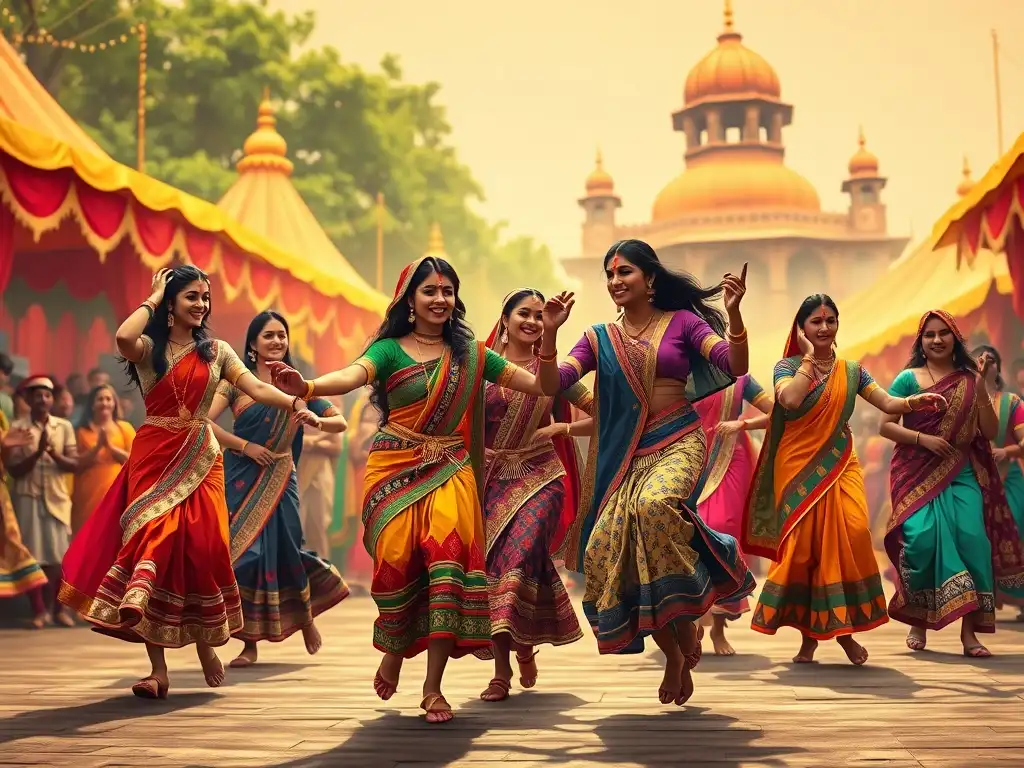
Folk dances play an integral role in the rich tapestry of Indian festivals, serving as a vibrant expression of cultural heritage, community spirit, and artistic tradition. Each festival in India is accompanied by unique folk dances that reflect the region's values, beliefs, and historical narratives. These dances not only entertain but also reinforce social bonds, celebrate spiritual themes, and engage participants in collective joy. From the rhythmic beats of drums to the colorful attire of dancers, the folk dances in Indian festivals create a lively atmosphere that captivates audiences and participants alike.
Diwali: The Festival of Lights
Diwali, celebrated across India and beyond, marks the triumph of light over darkness and good over evil. While the festival is renowned for its fireworks and illuminated homes, folk dances play a significant role in the celebrations. Traditional dances such as Dandiya Raas are performed, where dancers rhythmically strike sticks together, symbolizing the festive spirit and the victory of light.
Additionally, regional variations like Garba are often seen in Gujarat, where circles of dancers celebrate with lively movements and vibrant music, creating a sense of community and shared joy. These folk dances during Diwali not only enhance the festive spirit but also serve as a reminder of the cultural significance behind the celebrations.
Holi: The Festival of Colors
Holi, the exuberant festival of colors, brings people together in a riot of hues and merriment. Folk dances are at the heart of Holi celebrations, with performances like Ghoomar, a traditional dance from Rajasthan, captivating the audience with its swirling movements and vibrant costumes. Participants engage in playful water and color fights, accompanied by lively folk songs that echo the joyous spirit of the festival.
Another notable dance is the Lathmar Holi, where women playfully chase men with sticks, showcasing a blend of humor and tradition. These folk dances not only add to the celebratory atmosphere but also symbolize the breaking down of social barriers, fostering harmony and togetherness among participants.
Pongal: The Harvest Festival
Pongal, primarily celebrated in Tamil Nadu, is a harvest festival that pays homage to nature and agriculture. The folk dance Kolattam (stick dance) is often performed during this time, where dancers use sticks to create rhythmic patterns, celebrating the bountiful harvest. The dance is typically accompanied by traditional music and songs that narrate the stories of the agricultural cycle.
Another prominent dance is Silambattam, which involves martial arts and stick fighting, showcasing the valor and skills of the community. These folk dances during Pongal not only express gratitude towards nature but also reinforce the importance of agricultural practices in Indian culture.
Navratri: Celebrating the Divine Feminine
Navratri, a nine-night festival dedicated to the worship of the goddess Durga, is characterized by vibrant folk dances such as Dandiya and Garba. Communities come together to perform these dances, often in large circles, symbolizing unity and devotion. The rhythmic clapping and footwork, combined with traditional garb, create a mesmerizing spectacle.
Each night of Navratri is dedicated to a different aspect of the goddess, and the dances reflect the reverence and celebration of feminine power. The communal aspect of these dances fosters a deep sense of identity and belonging among participants, making Navratri a truly immersive experience that intertwines spirituality and cultural expression.
The Impact of Folk Dances on Community and Identity
Folk dances are more than mere performances; they are a vital aspect of community identity and social cohesion. By participating in these dances during festivals, individuals forge connections with their cultural roots and collective heritage. The rhythmic movements and traditional songs evoke pride in one's ethnicity, reinforcing the values and beliefs shared within the community.
Strengthening Cultural Identity through Dance
Folk dances serve as a means of preserving cultural identity, especially in a rapidly modernizing world. They encapsulate historical narratives, folklore, and regional traditions passed down through generations. Engaging in folk dances allows individuals to express their cultural heritage, ensuring that traditional practices remain alive and relevant. Such cultural expressions foster a sense of belonging and continuity, allowing communities to celebrate their uniqueness while also embracing diversity.
Community Participation and Engagement in Festivals
The communal aspect of folk dances encourages active participation among individuals of all ages and backgrounds. Festivals provide a platform for community engagement, where people come together to celebrate, dance, and share joy. This participation not only strengthens social ties but also promotes inclusivity, as folk dances often transcend age, gender, and social barriers. The shared experience of dance creates lasting memories and a collective identity, reinforcing the cultural fabric of the community and ensuring that the tradition of folk dances continues to thrive in Indian festivals.
Challenges Facing Folk Dances in Contemporary Times
Folk dances in Indian festivals, which have long been a vibrant expression of culture and tradition, are currently facing several challenges that threaten their continuity and authenticity. These challenges arise from various factors, including modernization, globalization, and changing societal values. Understanding these challenges is crucial for fostering a renewed appreciation and support for these traditional art forms.
Modernization and Globalization Effects
The rapid pace of modernization and globalization has significantly impacted folk dances in India. As urbanization increases, traditional lifestyles are often replaced by more contemporary ways of living, leading to a decline in the practice and performance of folk dances. This transition results in:
- Cultural Dilution: The influence of global culture can overshadow local traditions, causing folk dances to be perceived as outdated or irrelevant.
- Loss of Practitioners: Younger generations may prefer modern dance forms or entertainment, leading to fewer individuals learning and preserving traditional dance styles.
- Commercialization: Many folk dances have been commercialized for entertainment purposes, stripping them of their cultural significance and context.
The interplay of these factors has led to a significant transformation in how folk dances are perceived and practiced, often prioritizing spectacle over tradition.
Preservation Efforts for Traditional Dance Forms
In response to the challenges posed by modernization and globalization, various organizations and individuals are actively working to preserve traditional folk dances. These preservation efforts include:
- Cultural Festivals: Events dedicated to showcasing folk dances provide a platform for artists and communities to celebrate their heritage. Such festivals often attract both local and international audiences, raising awareness about traditional art forms.
- Education and Workshops: Initiatives aimed at teaching folk dance to younger generations are crucial. These programs often involve workshops, classes, and competitions that encourage participation and foster a sense of pride in cultural heritage.
- Documentation and Research: Scholars and cultural organizations are documenting folk dance forms through research, recordings, and publications. This ensures that the knowledge surrounding these dances is not lost and can be passed down to future generations.
These efforts are vital in sustaining the relevance of folk dances amidst the changing cultural landscape.
Conclusion: The Enduring Legacy of Folk Dances in Indian Festivals
The enduring legacy of folk dances in Indian festivals is a testament to the rich tapestry of cultural expression and identity in India. Despite the challenges they face, these traditional art forms continue to thrive, reflecting the resilience and creativity of the communities that practice them.
Reflection on Cultural Heritage
Folk dances serve as a mirror to India's diverse cultural heritage, encapsulating stories, traditions, and values that have been passed down through generations. They not only provide entertainment but also foster community bonds and enhance social cohesion. By participating in folk dances during festivals, individuals connect with their roots and celebrate their shared cultural identity.
Preserving this cultural heritage is essential for future generations to understand their history and the significance of their traditions. It encourages pride in one's roots and cultivates a sense of belonging.
Future of Folk Dances in Indian Celebrations
The future of folk dances in Indian celebrations appears promising, provided that concerted efforts are made to adapt and integrate these art forms into contemporary contexts. Embracing innovation while respecting tradition can lead to the revival and reinvigoration of folk dances.
- Hybrid Forms: The blending of traditional folk dances with modern dance styles can create exciting new forms of expression, appealing to younger audiences while keeping the essence of the original dance intact.
- Increased Visibility: Leveraging digital platforms for performances can reach wider audiences, ensuring that folk dances are not confined to regional settings but are celebrated globally.
- Support from Government and NGOs: Initiatives from governmental bodies and non-profit organizations can provide the necessary funding and resources to promote folk dances as a vital part of India’s cultural landscape.
As long as there is a commitment to nurturing and showcasing folk dances, they will continue to be a vibrant part of Indian festivals, weaving together the threads of history, culture, and community for generations to come.
- Introduction to Folk Dances in Indian Festivals
- Historical Context of Folk Dances in Indian Festivals
- Types of Folk Dances in Indian Festivals
- Thematic Elements of Folk Dances in Festivals
- The Role of Folk Dances in Major Indian Festivals
- The Impact of Folk Dances on Community and Identity
- Challenges Facing Folk Dances in Contemporary Times
- Conclusion: The Enduring Legacy of Folk Dances in Indian Festivals
Frequently Asked Questions
What are folk dances in Indian festivals?
Folk dances are traditional performances that reflect the cultural heritage of various regions in India. They are often performed during festivals to celebrate community spirit and local traditions.
How do folk dances contribute to Indian festivals?
Folk dances enhance the festive atmosphere by bringing people together, fostering community bonding, and showcasing regional diversity. They are integral in expressing the emotions and stories associated with the festival.
What are some popular folk dances associated with Indian festivals?
Some popular folk dances include Bhangra in Punjab during Lohri, Garba in Gujarat for Navratri, and Dandiya Raas during Durga Puja. Each dance has its own unique style and significance.
Can folk dances be seen outside of India?
Yes, folk dances have gained international recognition, with many Indian communities around the world performing them during festivals. This helps in preserving cultural identity and promoting Indian heritage globally.
How do folk dances reflect the history of India?
Folk dances often tell stories of historical events, myths, and local legends, showcasing the rich tapestry of India's cultural history. They serve as a medium to pass down traditions from one generation to the next.
Final Reflection: Celebrating Heritage Through Folk Dances in Indian Festivals
The vibrant tapestry of folk dances in Indian festivals serves as a powerful reminder of our rich cultural heritage and its relevance in today's fast-paced world. As we navigate through modernity, these traditional art forms not only preserve our history but also foster a sense of community and belonging. The rhythmic beats and colorful costumes of folk dances resonate with the spirit of celebration, reminding us that culture is not just a relic of the past but a living, breathing entity that shapes our identities.
Celebrating folk dances in Indian festivals has a profound impact on our social fabric, weaving together diverse communities and fostering unity in diversity. These dances are more than just performances; they are expressions of joy, storytelling, and collective memory. As Mahatma Gandhi once said, “A nation’s culture resides in the hearts and in the soul of its people.” This sentiment rings true today as we witness the resurgence of interest in folk traditions, which continue to inspire new generations to embrace their roots while fostering intercultural dialogue.
As we reflect on the role of folk dances in Indian festivals, I invite you to consider how you can engage with and celebrate your own cultural heritage. Take a moment to participate in local festivals, learn a traditional dance, or share stories from your community. By doing so, you not only honor the past but also contribute to the vibrant cultural tapestry that enriches our lives. Let us celebrate the beauty of our traditions and ensure that they continue to thrive for generations to come.
Thank you for diving into the vibrant world of Indian folk dances and their significance in our festivals! You've not only explored the rich cultural tapestry that shapes our traditions but also discovered how these art forms unify communities and celebrate our heritage. Now, let’s keep this spirit alive!
Here are some actionable steps you can take to further connect with this cultural experience:
- Join a local folk dance group or participate in workshops to immerse yourself in the rhythms and stories behind these beautiful dances.
- Share your learnings with friends on social media or organize a cultural night where everyone can try out some folk dance moves!
- Explore documentaries or books about Indian folk traditions to deepen your understanding and appreciation of our rich heritage.
Now, we’d love to hear from you! What folk dance or festival inspires you the most, and why do you think it’s important to keep these traditions alive?