
The Mahabharata's Philosophical Teachings: Wisdom for Modern Life

Welcome to Ancient India History, where we embark on a captivating journey through the rich tapestry of India's past. Dive deep into the enlightening philosophical teachings of the Mahabharata, a timeless epic that offers profound wisdom still relevant in our modern lives. As we unravel the layers of this monumental text, you'll discover insights that not only shaped ancient civilizations but also continue to inspire contemporary thought. Prepare to explore the depths of ancient Indian culture and philosophy, and ignite your curiosity as we reveal how these teachings resonate with today’s world. Let’s begin this enlightening adventure together!
- Introduction to the Philosophical Teachings of Mahabharata
- Core Philosophical Concepts in the Mahabharata
- Lessons from Mahabharata for Contemporary Society
- The Impact of Mahabharata's Philosophical Teachings on Modern Thought
- Practical Applications of Mahabharata's Wisdom
- Conclusion: Embracing the Philosophical Teachings of Mahabharata
-
Frequently Asked Questions
- What are the key philosophical teachings of the Mahabharata?
- How does the Mahabharata address the concept of dharma?
- In what ways can the wisdom of the Mahabharata be applied today?
- How does the Mahabharata influence modern philosophy?
- What role does selfless action play in the Mahabharata's teachings?
- Final Reflection: Timeless Wisdom of the Mahabharata for Modern Life
- Embrace Ancient Wisdom, Transform Your Life!
Introduction to the Philosophical Teachings of Mahabharata
The Mahabharata, one of the longest epics in the world, holds a pivotal place in ancient Indian literature and philosophy. This monumental work not only narrates the grand tale of the Kurukshetra War but also encapsulates profound philosophical teachings that resonate with the dilemmas of human existence. Through its intricate characters and compelling narratives, the Mahabharata offers wisdom that transcends time, making it exceptionally relevant for modern life.
As we delve into its philosophical teachings, we uncover insights that guide ethical decision-making, foster resilience in adversity, and promote understanding in a diverse world. In this article, we explore the rich tapestry of wisdom woven into the Mahabharata and its relevance for contemporary society.
Overview of the Mahabharata's Significance in Ancient Indian Culture
The Mahabharata is not merely a story of conflict; it is a comprehensive reflection of ancient Indian values, ethics, and social structures. Composed by the sage Vyasa, the epic serves as a historical document that provides insight into the customs, beliefs, and ideologies of its time.
Some key features of its significance include:
- Cultural Heritage: The Mahabharata is a cornerstone of Indian culture, influencing various art forms, literature, and even religious practices.
- Moral Framework: The epic presents complex moral dilemmas faced by its characters, inviting readers to introspect and consider the nature of righteousness (dharma).
- Philosophical Discourses: Embedded within the narrative are dialogues that delve into topics such as duty, justice, and the nature of reality, making it a philosophical treasure trove.
The Mahabharata's teachings extend beyond its narrative, offering principles that remain relevant today, encouraging readers to navigate the complexities of life with wisdom and grace.
Importance of Philosophical Teachings in Modern Life
In an age marked by rapid change and uncertainty, the philosophical teachings of the Mahabharata provide valuable insights that can guide individuals in their personal and professional lives. The teachings advocate for a balanced approach to life's challenges, emphasizing the need for ethical decision-making and self-awareness.
Key aspects of its relevance today include:
- Ethical Guidance: The dilemmas faced by characters like Arjuna serve as timeless examples of the importance of making ethical choices in the face of adversity.
- Resilience and Adaptability: The epic illustrates the human capacity to adapt and persevere, offering lessons in resilience that are crucial in today’s fast-paced world.
- Interpersonal Relationships: The Mahabharata teaches the significance of understanding and compassion in relationships, vital for fostering harmony in diverse societies.
By integrating these teachings into modern life, individuals can cultivate a deeper understanding of themselves and their responsibilities toward others, ultimately leading to a more harmonious existence.
Core Philosophical Concepts in the Mahabharata

The Mahabharata, one of the two major Sanskrit epics of ancient India, is not just a narrative of war and politics; it serves as a profound philosophical text that addresses the complexities of human existence. Within its vast narrative, several core philosophical concepts emerge, providing insights that remain relevant even in modern times. The most significant among these are Dharma, Karma, and Moksha. Each of these principles offers unique wisdom that can guide individuals in navigating the moral and ethical dilemmas of contemporary life.
Dharma: The Principle of Righteousness
Dharma, often translated as "duty" or "righteousness," is a central theme in the Mahabharata. It represents the moral law that governs individual conduct and societal norms. The text explores the multifaceted nature of Dharma through various characters and their choices, illustrating that what is righteous may vary based on context, relationships, and circumstances.
- The Complexity of Duty: Characters like Arjuna face dilemmas where personal desires conflict with their duties as warriors and members of society. Arjuna's initial reluctance to fight in the Kurukshetra war exemplifies the struggle to uphold Dharma in the face of familial ties and ethical conflicts.
- Universal versus Individual Dharma: The epic emphasizes the distinction between Sva-Dharma (personal duty) and Samanya-Dharma (universal duty). Each character’s actions reflect their unique responsibilities shaped by their social roles, highlighting the need for discernment in ethical decision-making.
- Lessons for Modern Life: The teachings on Dharma encourage individuals to reflect on their own responsibilities within their families, communities, and workplaces. The Mahabharata prompts a consideration of how personal choices contribute to the greater good, urging individuals to act in accordance with righteousness, even when facing adversity.
Karma: The Law of Cause and Effect
Karma, a fundamental principle in Hindu philosophy, is intricately woven into the narrative of the Mahabharata. It emphasizes the law of cause and effect, where every action has consequences that shape an individual's future.
- Actions and Consequences: The Mahabharata illustrates how the characters' actions—both good and bad—result in corresponding outcomes. For example, the actions of Duryodhana, driven by envy and ambition, lead to his ultimate downfall, while the virtuous actions of the Pandavas, despite their trials, culminate in their victory.
- The Importance of Intent: The epic also highlights that the intention behind actions is crucial. A good action performed with a wrong intention may lead to negative karma, while a seemingly minor act of kindness can generate positive outcomes.
- Relevance Today: The principle of Karma serves as a reminder in contemporary life that our actions shape our destinies. This encourages mindfulness, urging individuals to consider the implications of their choices and to cultivate positive intentions in both personal and professional spheres.
Moksha: The Pursuit of Liberation
Moksha, or liberation, is the ultimate goal of human existence in Hindu philosophy, representing freedom from the cycle of birth and rebirth (samsara). The Mahabharata presents avenues toward achieving Moksha, revealing its significance in the quest for higher consciousness.
- Paths to Liberation: The text identifies various paths to Moksha, including the path of knowledge ( Jnana Yoga), the path of devotion ( Bhakti Yoga), and the path of selfless action ( Karma Yoga). Each path offers different methods for transcending the material world and attaining spiritual liberation.
- The Role of Detachment: The teachings in the Mahabharata emphasize the importance of detachment from material possessions and desires. Characters like Krishna advocate for performing one's duty without attachment to outcomes, which is essential for spiritual growth and achieving Moksha.
- Implications for Modern Seekers: In today’s fast-paced world, the pursuit of Moksha encourages individuals to seek deeper meaning beyond material success. It inspires a journey towards self-realization and inner peace, guiding one to focus on spiritual development alongside worldly responsibilities.
The philosophical teachings of the Mahabharata—Dharma, Karma, and Moksha—offer timeless wisdom that can help individuals navigate the complexities of modern life. By internalizing these principles, one can cultivate a more meaningful existence, rooted in righteousness, awareness of consequences, and the pursuit of liberation.
The Role of Bhakti: Devotion and Love in Philosophy
The concept of Bhakti, or devotion, serves as a central theme in the philosophical landscape of the Mahabharata. This epic illustrates the profound impact of love and devotion on individual lives and the broader society. Bhakti emphasizes a personal, emotional connection to the divine, which is not merely ritualistic but deeply rooted in love and surrender.
In the Mahabharata, Bhakti is exemplified through various characters who express their devotion in different forms. For instance, the relationship between Dharmaraja and Krishna showcases how unwavering devotion can guide moral choices and lead to righteous action. Dharmaraja's reliance on Krishna for wisdom and support during the Kurukshetra War epitomizes the essence of Bhakti, revealing that true strength lies in surrendering to divine will.
Moreover, the philosophical teachings of Bhakti highlight the importance of inner transformation. The epic suggests that genuine devotion transcends mere adherence to rituals and dogmas. It encourages individuals to cultivate an intimate relationship with the divine, fostering qualities like compassion, humility, and forgiveness. This transformation is crucial for personal growth and societal harmony, as it aligns one's actions with higher moral principles.
The Mahabharata also portrays Bhakti as a means of overcoming the ego and societal divisions. Characters from diverse backgrounds, such as Ekalavya, demonstrate that devotion can bridge social gaps and promote unity. Ekalavya's unwavering allegiance to his guru, even in the face of rejection, underscores the idea that true devotion is independent of societal norms and expectations. This serves as a powerful reminder of the universal nature of love and devotion, urging individuals to look beyond superficial differences.
The role of Bhakti in the Mahabharata extends beyond mere religious practice; it encompasses a profound philosophical teaching that advocates for a life filled with love, devotion, and moral integrity. This emphasis on Bhakti offers timeless wisdom applicable to modern life, encouraging individuals to foster deep connections with the divine and each other, ultimately leading to a more harmonious and compassionate society.
Lessons from Mahabharata for Contemporary Society
The Mahabharata, one of the greatest epics in Indian literature, is not just a story of war and rivalry; it is a treasure trove of philosophical teachings that resonate deeply with contemporary society. From ethical dilemmas to insights on leadership, the epic provides profound lessons that can guide us in navigating the complexities of modern life.
Ethical Dilemmas and Moral Choices in Modern Life
The Mahabharata is replete with ethical dilemmas that challenge characters to make choices with far-reaching consequences. One of the most prominent examples is the conflict faced by Arjuna on the battlefield of Kurukshetra. Torn between his duty as a warrior (Kshatriya) and his love for family members on the opposing side, Arjuna’s internal struggle reflects a universal theme of moral conflict.
- Dharma vs. Adharma: The epic emphasizes the importance of "dharma," or righteousness, in guiding our actions. In contemporary society, individuals often face situations where their moral compass is tested.
- Consequences of Choices: The choices made by characters such as Yudhishthira, who often prioritized truth over practicality, serve as a reminder that ethical decisions can lead to significant consequences, both positive and negative.
In modern contexts, these themes encourage individuals to reflect on their own values and the impact of their decisions. For instance, ethical dilemmas in business, politics, and personal relationships can benefit from the wisdom imparted in the Mahabharata, prompting a deeper consideration of one's responsibilities and the broader social implications of their actions.
Leadership and Responsibility: Insights from Key Characters
The Mahabharata offers rich insights into leadership through its diverse array of characters, each embodying different leadership styles and philosophies.
- Yudhishthira: As the eldest Pandava, Yudhishthira exemplifies the qualities of integrity and justice. His commitment to truth, even in the face of adversity, highlights the importance of ethical leadership.
- Duryodhana: In contrast, Duryodhana’s ambition and desire for power illustrate the pitfalls of selfish leadership. His inability to prioritize the welfare of his people over personal gain serves as a cautionary tale.
These characters teach us that effective leadership is not merely about authority but also about accountability, empathy, and the willingness to make difficult decisions for the greater good. In today's world, leaders in various fields—be it politics, corporate, or community—can draw lessons from these figures, particularly in fostering a culture of responsibility and ethical governance.
The Relevance of Compassion and Forgiveness
At its core, the Mahabharata underscores the significance of compassion and forgiveness, particularly in the aftermath of conflict.
- Post-War Reflection: After the devastating war of Kurukshetra, characters like Ashwatthama and Draupadi grapple with loss and the desire for vengeance. However, the narrative gradually shifts towards healing and reconciliation, emphasizing the need for compassion in overcoming pain.
- Forgiveness as Strength: The act of forgiveness is portrayed not as a weakness but as a form of strength that promotes peace and understanding.
In a world often marked by division and conflict, the teachings of compassion and forgiveness from the Mahabharata resonate powerfully. They encourage individuals and communities to seek understanding and to mend broken relationships, fostering a society that prioritizes unity over discord.
The philosophical teachings of the Mahabharata offer timeless wisdom that remains relevant in contemporary society. By reflecting on ethical dilemmas, leadership qualities, and the importance of compassion, we can cultivate a deeper understanding of our roles within our communities and strive for a more harmonious existence.
The Impact of Mahabharata's Philosophical Teachings on Modern Thought
The Mahabharata, one of the longest epic poems in history, is not just a literary masterpiece but also a profound source of philosophical teachings that continue to resonate in contemporary society. Its narratives, characters, and dialogues encapsulate complex moral dilemmas and ethical considerations that can be applied to modern thought. The philosophical teachings of the Mahabharata offer valuable insights into human behavior, governance, and the nature of existence, making it a timeless guide for individuals seeking wisdom in today's world.
Influence on Indian Philosophy and Spirituality
The Mahabharata has had a significant influence on Indian philosophy and spirituality, shaping the way individuals approach life's fundamental questions. Its teachings emphasize the principles of dharma (duty/righteousness), karma (action), and the interplay between the two. These concepts are crucial in understanding the moral fabric of Indian society, as they provide a framework for ethical decision-making.
- Dharma: The Mahabharata elucidates the complexities of dharma through its characters, particularly through Arjuna's moral crisis on the battlefield. His inner struggle reflects the conflicts individuals face when trying to balance personal desires with their responsibilities to society. This theme resonates with modern readers as they grapple with similar dilemmas in their lives.
- Karma: The concept of karma, as portrayed in the Mahabharata, illustrates the idea that every action has consequences. This teaching encourages individuals to act with intention and awareness, understanding that their choices shape their future. It serves as a reminder in modern life that ethical behavior leads to positive outcomes, both personally and socially.
The Mahabharata also integrates elements of yoga and meditation, linking the epic to spiritual practices that are prevalent in contemporary Indian philosophy. The teachings of the Bhagavad Gita, a part of the Mahabharata, further explore the paths of devotion, knowledge, and disciplined action, offering practical guidance for spiritual seekers today.
Contributions to Global Philosophical Discourse
Beyond Indian philosophy, the Mahabharata's philosophical teachings contribute to global philosophical discourse, inviting comparisons with Western philosophical traditions. Its exploration of existential themes, moral ambiguity, and the nature of justice positions it as a significant work in the realm of world literature.
- Moral Ambiguity: The Mahabharata does not present clear-cut notions of right and wrong; instead, it delves into the gray areas of morality. This nuanced approach challenges readers to confront the complexities of ethical decision-making. Such discussions are relevant in modern debates about justice, ethics, and governance globally.
- Justice and Governance: The epic addresses the principles of governance through the character of Yudhishthira, who embodies the ideal ruler. His commitment to dharma in leadership highlights the importance of ethical governance, a theme that is increasingly pertinent in today's political landscape where questions of integrity and accountability are paramount.
- Human Nature: The Mahabharata's insights into human nature—greed, ambition, love, and betrayal—continue to be relevant as they reflect universal human experiences. The characters' struggles resonate across cultures, inviting global audiences to engage with its teachings on compassion, empathy, and the human condition.
The philosophical teachings of the Mahabharata serve as a bridge between ancient wisdom and contemporary thought, offering timeless lessons that are applicable in modern life. By integrating its teachings into our understanding of ethics, governance, and spirituality, we can draw upon the rich legacy of this epic to navigate the complexities of the human experience today.
Practical Applications of Mahabharata's Wisdom
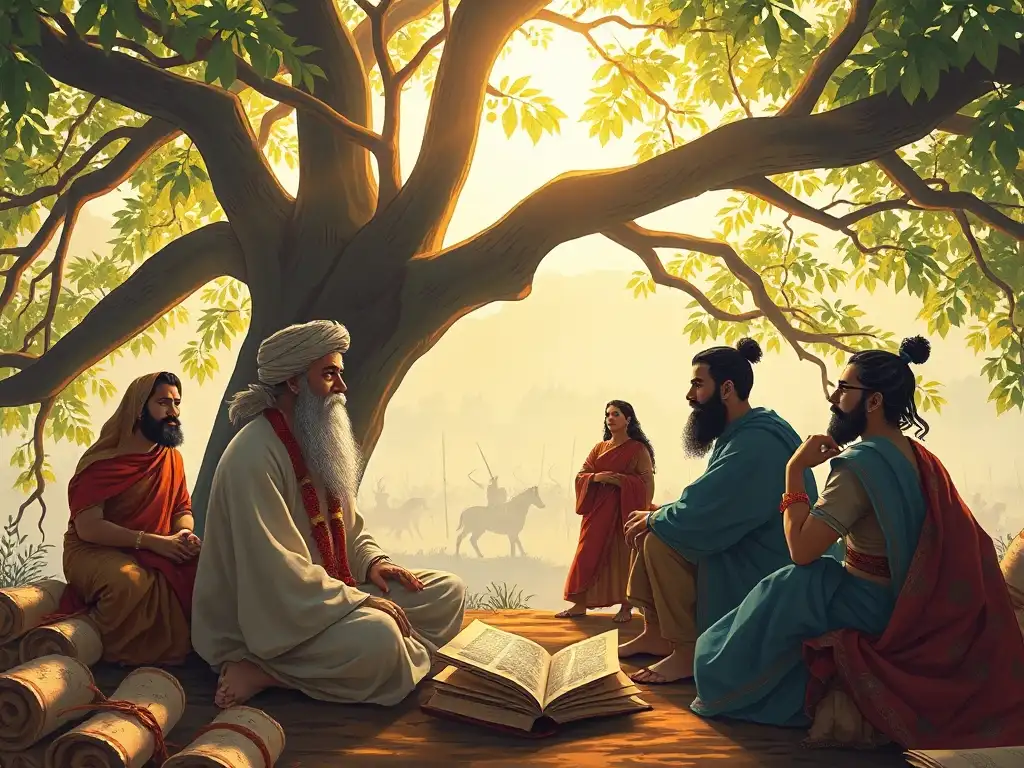
Integrating Dharma into Daily Life
The concept of Dharma, central to the Mahabharata, refers to the moral and ethical duties that individuals must uphold in their lives. This principle can be practically applied to modern life by fostering a sense of responsibility and moral integrity in everyday decisions.
- Identifying Personal Dharma: Each individual has unique responsibilities based on their role in society—be it as a parent, employee, or citizen. Reflect on your duties and how they align with broader societal values.
- Making Ethical Choices: Embrace the idea that every action has consequences. For instance, when faced with a dilemma at work, weigh the outcomes of your decisions not just on personal benefits but also on how they affect others.
- Balancing Personal and Social Responsibilities: The Mahabharata teaches that one’s personal ambitions should not overshadow communal responsibilities. Strive to find a balance between personal goals and the welfare of your community.
By integrating Dharma into daily life, individuals can create a more harmonious existence, fostering both personal growth and societal well-being.
Applying Karma Principles for Personal Growth
The principle of Karma—the idea that every action has corresponding reactions—offers significant insights for personal development. Understanding and applying this concept can lead to positive changes in one’s life.
- Self-Reflection and Accountability: Regularly assess your actions and their consequences. This practice encourages personal accountability and helps identify patterns that may lead to negative outcomes.
- Fostering Positive Actions: The Mahabharata emphasizes that positive actions lead to positive results. Engage in altruistic activities—volunteering, helping others, or simply offering kindness—to cultivate a positive Karma that benefits your life.
- Learning from Past Experiences: Every experience, whether positive or negative, is a lesson. Embrace failures as learning opportunities, understanding that they contribute to your growth and development.
By actively applying Karma principles, individuals can pave the way for personal growth, enhancing their life experiences and interactions with others.
Cultivating Mindfulness and Awareness through Mahabharata Teachings
The Mahabharata is rich with teachings that promote mindfulness and self-awareness, crucial for navigating the complexities of modern life.
- Mindful Decision-Making: The epic teaches that decisions should be made with careful consideration of their impact. Practice mindfulness by taking a moment to reflect on the potential consequences before making choices—big or small.
- Emotional Awareness: Characters in the Mahabharata often grapple with intense emotions. Recognizing and understanding your emotions can lead to better emotional regulation and interpersonal relationships.
- Meditative Practices: Incorporate meditation or reflective practices inspired by the Mahabharata’s teachings. Setting aside time for introspection can enhance your awareness of thoughts and actions, leading to a more fulfilled life.
By cultivating mindfulness and awareness, you can better navigate life’s challenges, making choices that align with your values and the philosophy of the Mahabharata.
Conclusion: Embracing the Philosophical Teachings of Mahabharata
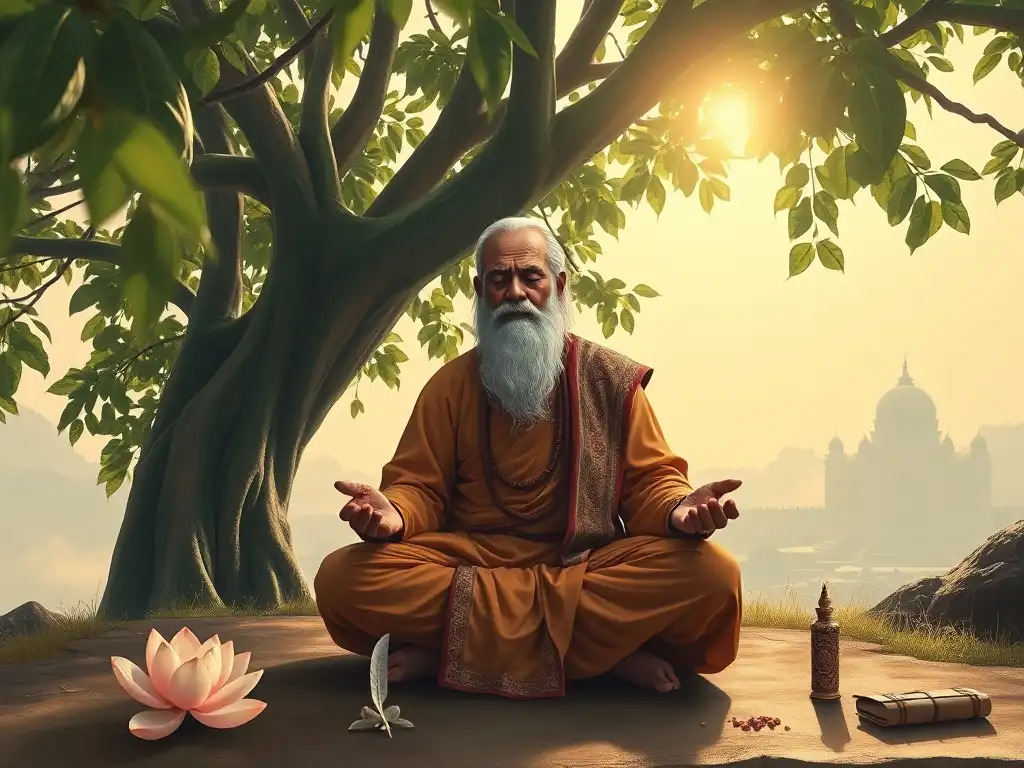
The Mahabharata stands as an unparalleled epic that transcends mere storytelling; it is a profound exploration of philosophy, ethics, and human existence. The intricate narrative weaves together various philosophical teachings that remain relevant to contemporary life, offering timeless wisdom that encourages self-reflection and ethical living. The teachings within this epic serve not only as a reflection of ancient Indian thought but also as a guide for navigating the complexities of modern existence.
The Enduring Legacy of Mahabharata in Shaping Values
The legacy of the Mahabharata is deeply rooted in its ability to convey values that resonate across generations. The epic's characters, from the virtuous Yudhishthira to the complex figure of Krishna, embody various moral dilemmas that are still applicable today.
- Dharma (Righteousness): Central to the Mahabharata is the concept of dharma, or duty. This principle urges individuals to act in accordance with their responsibilities, balancing personal desires with societal obligations. In modern life, this translates to ethical decision-making in personal and professional spheres.
- Justice and Retribution: The epic also delves into themes of justice, often showcasing how actions lead to inevitable consequences. The narratives of the Kauravas and Pandavas serve as a reminder of the importance of justice and the moral repercussions of one's actions.
- Complexity of Human Nature: Characters like Karna and Duryodhana illustrate the multifaceted nature of humanity, challenging the binary perception of good and evil. This understanding fosters empathy in contemporary society, encouraging individuals to recognize the complexities in others' situations.
This legacy has influenced various cultural, philosophical, and religious discourses, making the teachings of the Mahabharata integral to the moral fabric of society.
Encouraging a Reflective and Ethical Life through Ancient Wisdom
The philosophical teachings of the Mahabharata encourage introspection and ethical living, prompting individuals to engage with their inner selves and the world around them.
- Self-Examination: The text invites readers to engage in self-examination, reflecting on their values and decisions. This practice cultivates a deeper understanding of one's motivations and the impact of their actions on others.
- Balancing Conflicting Interests: The dilemmas faced by the characters in the Mahabharata highlight the importance of balancing conflicting interests. This lesson is particularly relevant in today’s fast-paced world, where individuals often face competing demands from personal, professional, and social spheres.
- Pursuit of Knowledge and Wisdom: The pursuit of knowledge is a recurring theme, exemplified by characters such as Yudhishthira, who constantly seeks understanding and insight. This emphasis on wisdom underscores the importance of continuous learning and self-improvement in a rapidly changing world.
- Cultivating Relationships: The Mahabharata emphasizes the significance of relationships, whether through familial bonds or friendships. The complexities of these interactions teach the value of loyalty, compassion, and understanding—qualities that are essential for nurturing healthy relationships today.
By embracing the philosophical teachings of the Mahabharata, individuals can foster a more reflective and ethical life, drawing from the wisdom of ancient India to navigate the challenges of modern existence. The epic remains a timeless source of inspiration, encouraging a deeper connection with oneself and the world.
Frequently Asked Questions
What are the key philosophical teachings of the Mahabharata?
The Mahabharata presents profound philosophical teachings such as dharma (duty/righteousness), the nature of reality, and the importance of selfless action, which remain relevant in modern life.
How does the Mahabharata address the concept of dharma?
The Mahabharata explores dharma through its characters, demonstrating how moral dilemmas and choices shape one's life journey and impact society, encouraging readers to seek their own righteous path.
In what ways can the wisdom of the Mahabharata be applied today?
The wisdom of the Mahabharata offers insights into human behavior, ethical decision-making, and the complexity of relationships, serving as a guide for navigating contemporary challenges in a moral context.
How does the Mahabharata influence modern philosophy?
The philosophical teachings of the Mahabharata have influenced various modern philosophical frameworks, particularly in discussions about ethics, leadership, and the interplay between duty and personal desires.
What role does selfless action play in the Mahabharata's teachings?
Selfless action, or karma yoga, is a central theme in the Mahabharata, emphasizing the importance of performing one’s duty without attachment to the results, fostering a sense of inner peace and fulfillment.
Final Reflection: Timeless Wisdom of the Mahabharata for Modern Life
The philosophical teachings of the Mahabharata resonate profoundly in today's world, reminding us that the struggles and dilemmas faced by its characters mirror our own contemporary challenges. As we navigate the complexities of modern life—be it in our personal relationships, ethical dilemmas, or societal conflicts—the ancient wisdom embedded in this epic offers invaluable insights. The Mahabharata teaches us that the pursuit of dharma (righteousness) is not merely a historical concept but a living principle that can guide us through the chaos of our times.
The influence of the Mahabharata extends far beyond its narrative; it has woven itself into the fabric of cultural and social discourse. The teachings encourage us to reflect on our values, choices, and responsibilities in a world that often feels fragmented. As we grapple with issues of justice, loyalty, and morality, we can draw strength from the epic's profound lessons. In the midst of chaos, there is also opportunity.
This quote encapsulates the essence of the Mahabharata, reminding us that even in our darkest moments, we can find clarity and purpose.
As you reflect on the teachings of the Mahabharata, I invite you to consider how these ancient philosophies can be applied in your own life. What lessons can you draw from its characters and their journeys? Embrace the opportunity to integrate this wisdom into your daily decisions and interactions. Let the Mahabharata inspire you to seek balance, uphold your values, and navigate the complexities of life with courage and integrity. The path to wisdom is not just a journey through the past; it is an invitation to shape a better future.
Embrace Ancient Wisdom, Transform Your Life!
Thank you for diving into the profound philosophical teachings of the Mahabharata with us! By exploring these timeless insights, you've taken the first step toward applying age-old wisdom to modern challenges. Now, it’s time to sail into action and weave these lessons into your daily life.
Here are some specific ways you can embody this ancient wisdom:
- Reflect on your values: Take a moment each day to journal about what matters most to you, inspired by the characters of the Mahabharata. This practice can clarify your purpose and guide your decisions.
- Engage with your community: Share these teachings with friends or join a discussion group. Hosting a gathering centered around the Mahabharata could spark rich conversations and deepen your connections.
- Practice mindfulness: Consider integrating yoga or meditation into your routine as a way of embracing the contemplative traditions highlighted in the epic. Surprise yourself by trying a new style of yoga that aligns with the philosophies presented in the text.
What lesson from the Mahabharata resonates most deeply with you, and how will you implement it in your everyday life?