
Discovering Hidden Treasures: The Rise of Indian Artifacts in Global Auctions

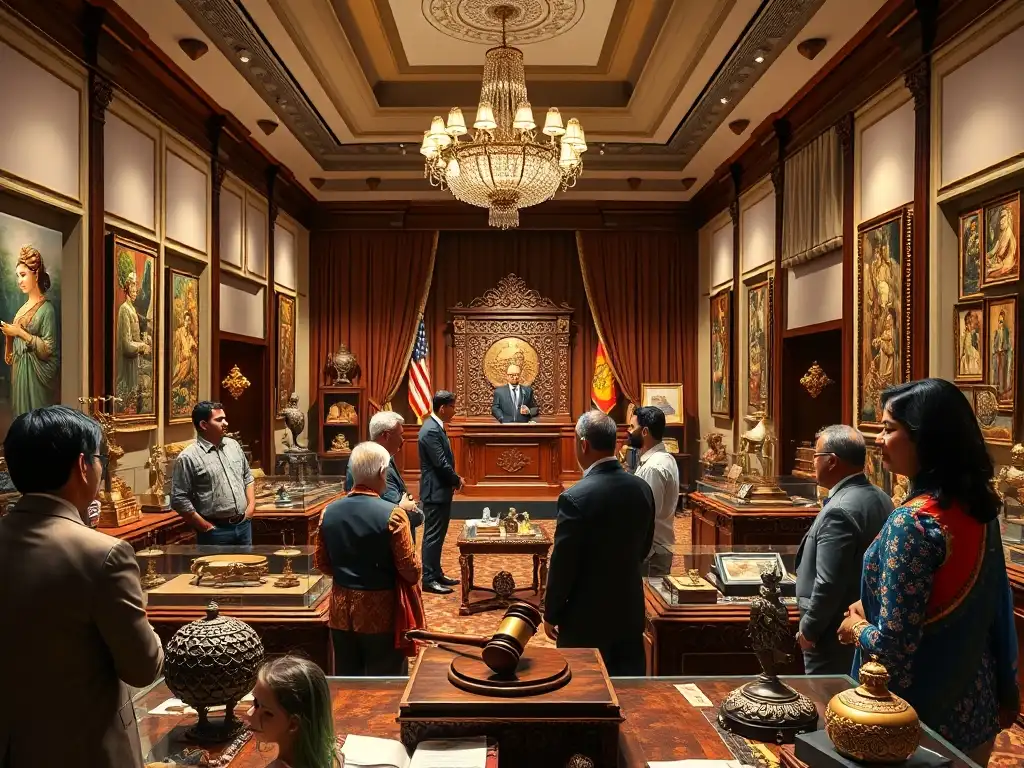
Welcome to Ancient India History, where we embark on a fascinating journey through the rich tapestry of India's past. Dive into our latest article, "Discovering Hidden Treasures: The Rise of Indian Artifacts in Global Auctions," and uncover the captivating story behind the Indian artifacts auction history. As we explore the remarkable contributions of ancient Indian civilizations, you'll discover how these treasures not only reflect a vibrant heritage but also hold immense value in the modern market. Ready to unlock the secrets of the past and their impact on today's business landscape? Let’s delve deeper!
- Introduction to Indian Artifacts Auction History
- Understanding the Global Market for Indian Artifacts
- The Rise of Indian Artifacts in Global Auctions
- Types of Indian Artifacts Frequently Auctioned
- How to Navigate the Indian Artifacts Auction Market
- The Future of Indian Artifacts in Global Auctions
- Conclusion: The Importance of Preserving Indian Artifacts Auction History
-
Frequently Asked Questions
- What are Indian artifacts, and why are they significant?
- How has the auction of Indian artifacts evolved over time?
- What challenges are associated with the auctioning of Indian artifacts?
- How do global auctions impact the preservation of Indian artifacts?
- Where can one find information on upcoming Indian artifacts auctions?
- Final Reflection: Unveiling the Legacy of Indian Artifacts
- Unearth Your Own Artistic Treasures!
Introduction to Indian Artifacts Auction History
The world of Indian artifacts is a captivating tapestry woven from the threads of ancient history, culture, and artistry. As global interest in these treasures grows, the auction market for Indian artifacts has become a significant platform for collectors, historians, and enthusiasts alike.
This article delves into the intricate history of Indian artifacts in auctions, examining how these items have transitioned from their cultural contexts to the modern marketplace. With a focus on the keyword "Indian artifacts auction history," we will explore the significance of these artifacts, the evolving dynamics of their valuation, and the implications for collectors and investors in the global market.
The Significance of Indian Artifacts in Global Auctions
Indian artifacts hold profound significance, not only as physical objects but also as symbols of the rich cultural heritage and historical narratives of the subcontinent. The rise of Indian artifacts in global auctions can be attributed to several key factors:
- Cultural Relevance: These artifacts often represent ancient civilizations, such as the Indus Valley and the Maurya and Gupta Empires, showcasing their artistic, technological, and social advancements.
- Historical Value: Many artifacts provide insights into the daily lives, religious practices, and social structures of ancient Indian societies, making them invaluable for researchers and historians.
- Artistic Merit: The craftsmanship of Indian artifacts, from intricate sculptures to exquisite textiles, reflects a high level of skill and creativity, attracting art collectors and enthusiasts worldwide.
In recent years, auctions have become a critical avenue for acquiring these artifacts, with prestigious auction houses regularly featuring lots that celebrate India's rich heritage. The increasing demand for Indian artifacts has led to a rise in their market value, drawing attention from both seasoned collectors and new investors.
Overview of Indian Artifacts and Their Cultural Heritage
Indian artifacts encompass a vast array of objects, each with its unique story and cultural significance. Some notable categories include:
- Sculptures and Statues:
- Religious Idols: Statues of deities from Hinduism, Buddhism, and Jainism.
- Historical Figures: Sculptures depicting emperors, saints, and notable personalities.
- Textiles:
- Handwoven Fabrics: Traditional textiles like sarees and shawls that showcase regional craftsmanship.
- Embroidered Artworks: Intricate patterns that narrate cultural stories.
- Pottery and Terracotta:
- Indus Valley Pottery: Artifacts that reveal insights into early urban life and trade.
- Terracotta Figurines: Items used in religious rituals or as toys, reflecting daily life.
- Jewelry and Ornaments:
- Traditional Jewelry: Gold and silver ornaments that highlight India's rich metallurgical history.
- Beaded Items: Artifacts that illustrate ancient trade networks and cultural exchanges.
The appreciation of Indian artifacts has transcended geographical boundaries, leading to a burgeoning market that not only honors their historical significance but also raises questions about provenance, ethical collecting, and the responsibilities of modern custodians. As we explore the auction history of these remarkable artifacts, we will uncover the stories they tell and their enduring impact on contemporary society.
Understanding the Global Market for Indian Artifacts
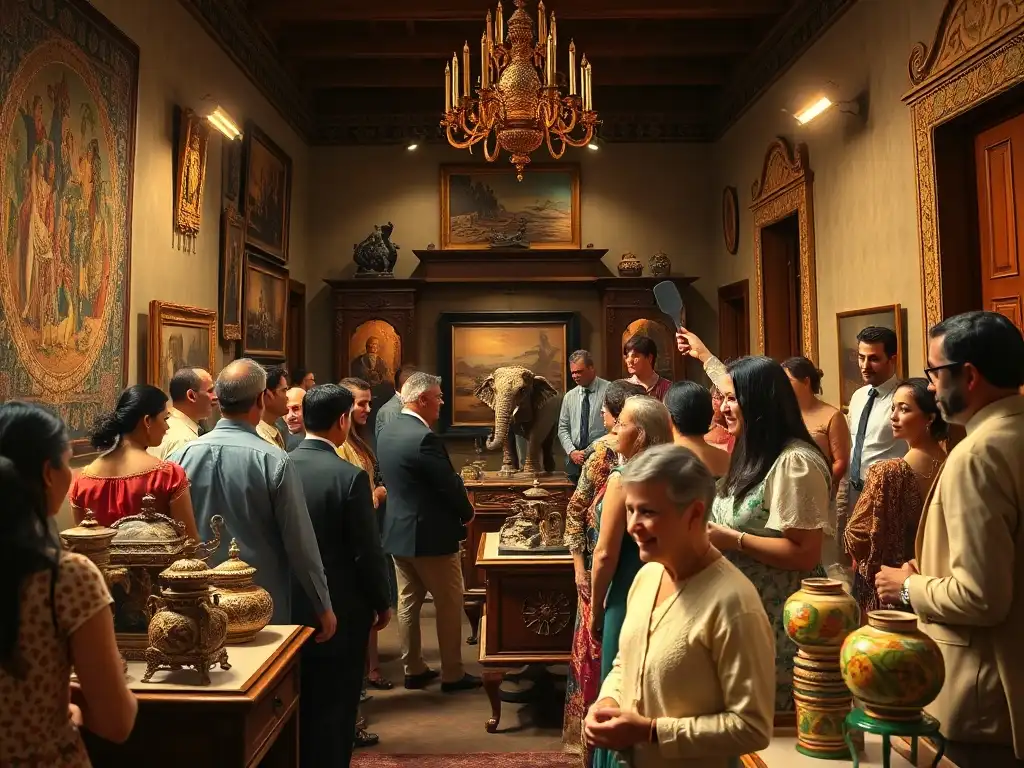
The Evolution of Indian Artifacts Auction History
The history of Indian artifacts in global auctions is a fascinating narrative that reflects the dynamic interplay between culture, commerce, and historical significance. From the early days of colonialism to the present, Indian artifacts have captured the interest of collectors and investors worldwide.
- Colonial Era (18th-19th Century): The auctioning of Indian artifacts gained momentum during the British colonial period. Auction houses like Sotheby's began to feature Indian art pieces, textiles, and antiquities as the British elite sought to acquire exotic items to display their wealth and status.
- Post-Independence (1947): After India gained independence, there was a notable shift in the perception of Indian artifacts. The government implemented regulations to protect cultural heritage, leading to a more organized approach to the auctioning of artifacts. However, this era also saw an increase in the illegal trade of antiquities, as demand from international collectors surged.
- 21st Century Resurgence: The globalization of the art market has further propelled the auction of Indian artifacts. The rise of digital platforms and online auctions has made it easier for collectors to access a diverse range of artifacts. As a result, Indian artifacts have become increasingly sought after, reflecting their historical and cultural value.
The evolution of Indian artifacts auction history illustrates how cultural heritage can transcend borders, becoming a vital part of global art and investment trends.
Key Players in the Indian Artifacts Auction Market
The Indian artifacts auction market is characterized by a diverse array of participants, including established auction houses, private collectors, and cultural institutions. Each plays a significant role in shaping the market dynamics and influencing trends in bidding and valuation.
- Auction Houses: Renowned auction houses such as Sotheby's, Christie's, and Bonhams have dedicated sections for Indian artifacts, showcasing a range of items from ancient sculptures to contemporary art. These houses not only facilitate sales but also provide authentication and provenance services, enhancing the credibility of the artifacts.
- Private Collectors: Many private collectors have amassed significant collections of Indian artifacts, often participating in auctions to acquire rare pieces. Their passion for art and history drives demand, influencing auction prices and trends.
- Cultural Institutions: Museums and galleries also play a vital role in the auction market. They often acquire artifacts to enrich their collections, and their involvement can enhance the perceived value of items at auction.
The collaboration between these key players creates a vibrant marketplace for Indian artifacts, fostering appreciation and investment in this rich cultural heritage.
Major Auction Houses Specializing in Indian Artifacts
Several major auction houses have established themselves as leaders in the market for Indian artifacts. Their expertise, reputation, and global reach contribute to the successful auctioning of these treasures.
| Auction House | Notable Achievements | Specialties |
|---|---|---|
| Sotheby's | Hosted landmark sales featuring rare Indian art | Paintings, textiles, sculptures |
| Christie's | Known for record-breaking sales of Indian artifacts | Decorative arts, jewelry |
| Bonhams | Focused on Asian art, including Indian pieces | Antiques, contemporary art |
| Heritage Auctions | Increasing presence in the Indian artifacts market | Coins, manuscripts, collectibles |
These auction houses not only provide a platform for buying and selling artifacts but also play an educational role, hosting exhibitions and events that highlight the significance of Indian art and culture. Their commitment to authenticity and provenance ensures that collectors can invest confidently in the treasures of India's rich history.
The Rise of Indian Artifacts in Global Auctions

The global auction market for Indian artifacts has witnessed a remarkable surge in interest and participation over the past few decades. This trend can be attributed to various factors, including the rich cultural heritage of India, the historical significance of its artifacts, and the growing demand from collectors and investors worldwide. As Indian artifacts gain recognition on the global stage, auction houses are increasingly showcasing these treasures, leading to both record-breaking sales and heightened appreciation for India's artistic legacy.
Factors Contributing to the Popularity of Indian Artifacts
Cultural Significance and Historical Value
Indian artifacts, ranging from ancient sculptures to intricate textiles, embody the diverse cultural narratives and historical contexts of various regions across India. The Indus Valley Civilization, renowned for its advanced urban planning and craftsmanship, has produced artifacts that are not only aesthetically pleasing but also offer invaluable insights into early human societies. These artifacts often tell stories of trade, daily life, and religious practices, making them highly sought after by historians and collectors alike.
The Maurya and Gupta Empires also contributed significantly to the art landscape of India, producing exquisite sculptures and coins that reflect the political and social dynamics of their time. For instance, the iconic Buddhist sculptures from the Gupta period exemplify the fusion of art and spirituality, captivating collectors with their intricate details and profound meanings. As awareness of these cultural treasures grows, so does their desirability in the global auction market.
Increasing Interest from Collectors and Investors
The surge in interest from both domestic and international collectors has played a pivotal role in the rise of Indian artifacts in auctions. Collectors are increasingly recognizing the potential of Indian artifacts as valuable investments, often viewing them as a hedge against market volatility. This trend is particularly evident among affluent investors who seek to diversify their portfolios with unique pieces of history.
Moreover, the proliferation of online auction platforms has democratized access to Indian artifacts, enabling collectors from around the world to participate in auctions that were once exclusive to a select few. This accessibility has fostered a global community of enthusiasts who are eager to acquire artifacts that resonate with their personal tastes and cultural interests. As a result, auction houses have responded by curating specialized collections that highlight the richness of Indian art, further fueling the market.
Case Studies: Recent High-Profile Indian Artifacts Auctions
The Sale of Ancient Indian Sculptures: A Record-Breaking Auction
One of the most significant recent events in the world of Indian artifacts auctions was the sale of a collection of ancient Indian sculptures at a prestigious auction house in London. The auction, which took place in [Year], featured a stunning array of pieces dating back to the Chola Dynasty, known for its remarkable bronze sculptures. Among the highlighted pieces was a bronze statue of Nataraja, which eventually sold for a staggering $5 million, setting a record for Indian sculpture sales at auction.
The success of this auction can be attributed to several factors, including the historical importance of the pieces, their pristine condition, and the growing interest in Indian art among international collectors. The auction not only showcased the artistic excellence of ancient Indian craftsmen but also highlighted the increasing value of Indian artifacts within the global market.
Rare Manuscripts: Fetching High Prices at Global Auctions
In recent years, rare Indian manuscripts have also made headlines in the auction world, fetching impressive prices and drawing in a diverse range of bidders. For instance, a 17th-century manuscript of the Bhagavad Gita, beautifully illustrated and meticulously preserved, was auctioned off for $1.2 million at a major auction in New York. This sale underscored the significance of manuscripts as both cultural artifacts and valuable investments.
The increase in demand for such manuscripts can be linked to a growing interest in Indian philosophy, spirituality, and literature among global audiences. Collectors are not only eager to own these manuscripts for their historical value but are also inspired by the profound teachings they contain. As a result, auction houses are increasingly featuring rare texts and manuscripts, further solidifying the position of Indian artifacts within the global auction landscape.
The rise of Indian artifacts in global auctions reflects a broader trend of cultural appreciation and investment, highlighting the importance of preserving and valuing the rich heritage of ancient Indian civilizations. With continuous interest from collectors and significant sales, the future of Indian artifacts in the auction market looks promising.
Types of Indian Artifacts Frequently Auctioned
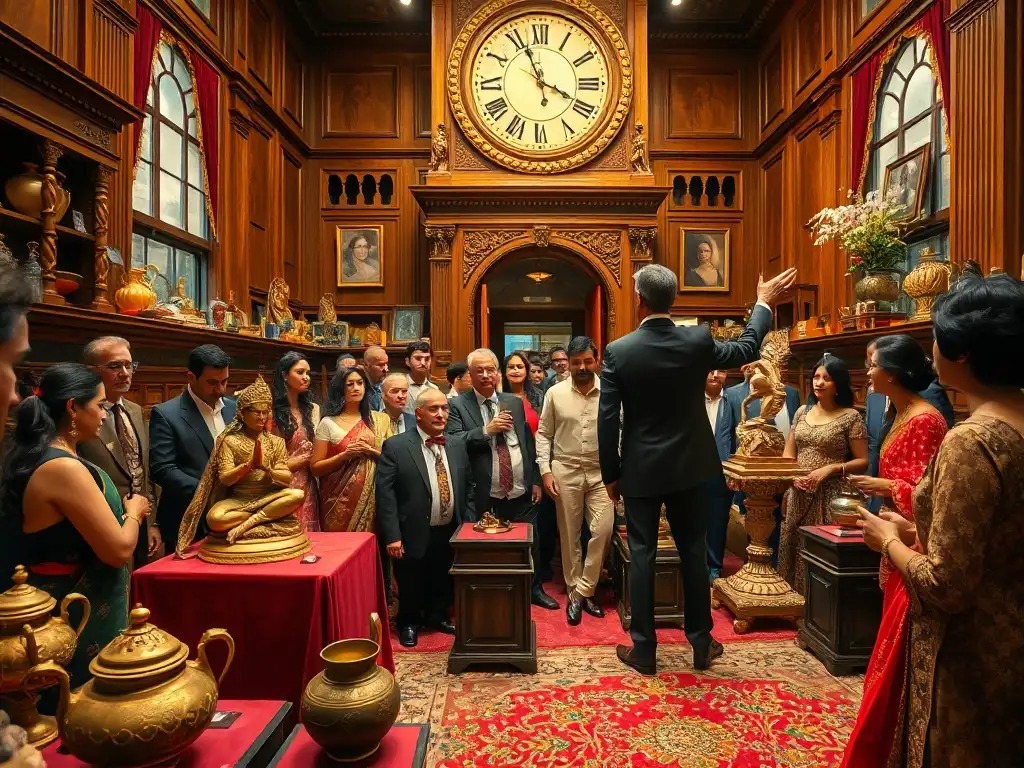
The auction of Indian artifacts has gained significant traction in recent years, attracting collectors and enthusiasts from around the globe. Understanding the types of artifacts frequently auctioned can shed light on their cultural significance and the historical narratives they represent. The following sections delve into the prominent categories of Indian artifacts that have found their way into global auctions.
Sculptures and Statues: The Heart of Indian Art
Sculptures and statues are arguably the most celebrated artifacts in the realm of Indian art. They not only showcase the artistic prowess of ancient artisans but also reflect the spiritual and philosophical beliefs of the times.
- Material Diversity: Indian sculptures are crafted from various materials, including stone, bronze, terracotta, and wood. Each material offers unique aesthetic qualities, influencing the styles and techniques used by artisans.
- Historical Significance: Notable periods such as the Maurya, Gupta, and Chola dynasties produced exquisite sculptures that are highly sought after. For instance, the famous bronze sculptures of the Chola period depict deities and are characterized by intricate detailing and fluidity of form.
- Iconography: Many sculptures represent mythological narratives or religious iconography, making them not just artistic treasures but also important cultural artifacts. For example, the iconic statues of Lord Buddha from the Gandhara and Mathura schools are significant in Buddhist art scholarship.
| Artifact Type | Cultural Significance | Auction Highlights |
|---|---|---|
| Stone Carvings | Reflects religious beliefs | High-value sculptures sold for millions |
| Bronze Statues | Represents various deities | Rare pieces often auctioned at prestigious houses |
| Terracotta Figurines | Insight into everyday life | Unique finds attract international collectors |
Textiles and Handicrafts: A Glimpse into Ancient Craftsmanship
Indian textiles and handicrafts are a testament to the country's rich tradition of craftsmanship. These artifacts tell stories of regional diversity and the evolution of textile technologies.
- Variety of Textiles: From the intricate embroidery of Kutch to the exquisite silk of Varanasi, the variety in Indian textiles is vast. Each region boasts its unique style, often reflecting the local culture and traditions.
- Historical Context: Ancient texts mention the significance of textiles in trade, economy, and social status. The art of weaving has been passed down through generations, making these textiles not only artifacts but also living cultural legacies.
- Auction Trends: Recently, vintage textiles, especially those used in royal households, have gained popularity. Auctions featuring these items often command high prices due to their rarity and historical provenance.
- Notable Handicrafts: Items such as pottery, woodwork, and metal crafts also contribute to the appeal of Indian artifacts. These handicrafts often embody the skills and creativity of ancient artisans.
Coins and Currency: The Economic History of Ancient India
Coins and currency provide invaluable insights into the economic systems and trade practices of ancient Indian civilizations. They serve as tangible evidence of the socio-political dynamics of their times.
- Chronological Evolution: From the punch-marked coins of the Mauryan era to the beautifully minted coins of the Gupta Empire, the evolution of currency reflects changes in governance and economy.
- Cultural Insights: Coins often feature symbols, images, and inscriptions that signify religious beliefs, trade relationships, and political power. For instance, the introduction of gold coins during the Kushan dynasty marked significant economic advancement.
- Auction Value: Collectors actively seek rare coins, especially those with historical significance or unique minting errors. Auctions specializing in numismatics frequently showcase these treasures, with some coins fetching extraordinary prices.
| Type of Currency | Historical Context | Auction Presence |
|---|---|---|
| Punch-marked Coins | Early trade and barter systems | High demand among collectors and historians |
| Gold Coins | Signifies wealth and power | Rare pieces often reach astronomical auction prices |
| Silver and Copper Coins | Everyday transactions | Unique finds are highly valued in numismatic circles |
The rising interest in Indian artifacts at global auctions highlights not just their economic value but their cultural and historical importance, making the study of Indian artifacts auction history a fascinating endeavor for collectors and historians alike.
Manuscripts and Literature: Preserving Ancient Knowledge
Indian manuscripts and literature are not just relics of the past; they are profound repositories of ancient knowledge, philosophy, and cultural heritage. Dating back thousands of years, these documents offer insights into the beliefs, practices, and daily life of ancient Indian civilizations. The preservation and auctioning of these artifacts have gained significant attention in recent years, reflecting both their historical importance and their value in the global art market.
Significance of Manuscripts in Indian Culture
Manuscripts, written primarily in languages such as Sanskrit, Pali, Tamil, and Persian, encompass a wide array of subjects including religion, astronomy, medicine, and poetry. Many of these texts were created by renowned scholars and sages, making them invaluable resources for understanding the intellectual traditions of ancient India. For instance, the Mahabharata and Ramayana are not only epic narratives but also serve as philosophical texts that explore moral dilemmas and human experiences.
These manuscripts often feature intricate illustrations and calligraphy, showcasing the artistic skills of their creators. Such elements enhance their aesthetic appeal, making them highly sought after in auctions. Collectors and institutions view them as essential pieces for preserving the legacy of ancient Indian thought and culture.
The Auction Landscape for Manuscripts
In recent years, the auction market for Indian manuscripts has surged, driven by both domestic and international interest. Major auction houses, recognizing the value of these artifacts, have dedicated special sales to Indian manuscripts and literature. The bidding for such items can reach astonishing figures, reflecting the rarity and cultural significance of the pieces.
For example, a rare manuscript of the Sanskrit Bhagavad Gita was auctioned for over $500,000 due to its historical provenance and exquisite craftsmanship. Such high-profile sales not only highlight the financial value of these artifacts but also raise awareness about the importance of preserving India's literary heritage.
Challenges in Preservation and Authenticity
Despite the growing interest in Indian manuscripts, the field faces several challenges, particularly regarding preservation and authenticity. Many ancient texts are fragile and at risk of deterioration due to environmental factors. Organizations and collectors are increasingly investing in restoration techniques and climate-controlled storage to ensure these artifacts can be preserved for future generations.
Moreover, the authenticity of manuscripts is a critical concern in the auction market. With the rise in demand, forgeries and misattributions have become prevalent. Experts urge potential buyers to conduct thorough examinations and rely on reputable auction houses that provide provenance documentation to mitigate these risks.
Conclusion
The auctioning of Indian manuscripts and literature serves as a bridge connecting modern society with ancient wisdom. As the market for these artifacts continues to grow, it becomes essential to foster a deeper appreciation for their historical significance and ensure their preservation. By understanding the rich tapestry of knowledge contained within these manuscripts, we can honor the legacy of ancient Indian civilizations and safeguard their contributions to global culture.
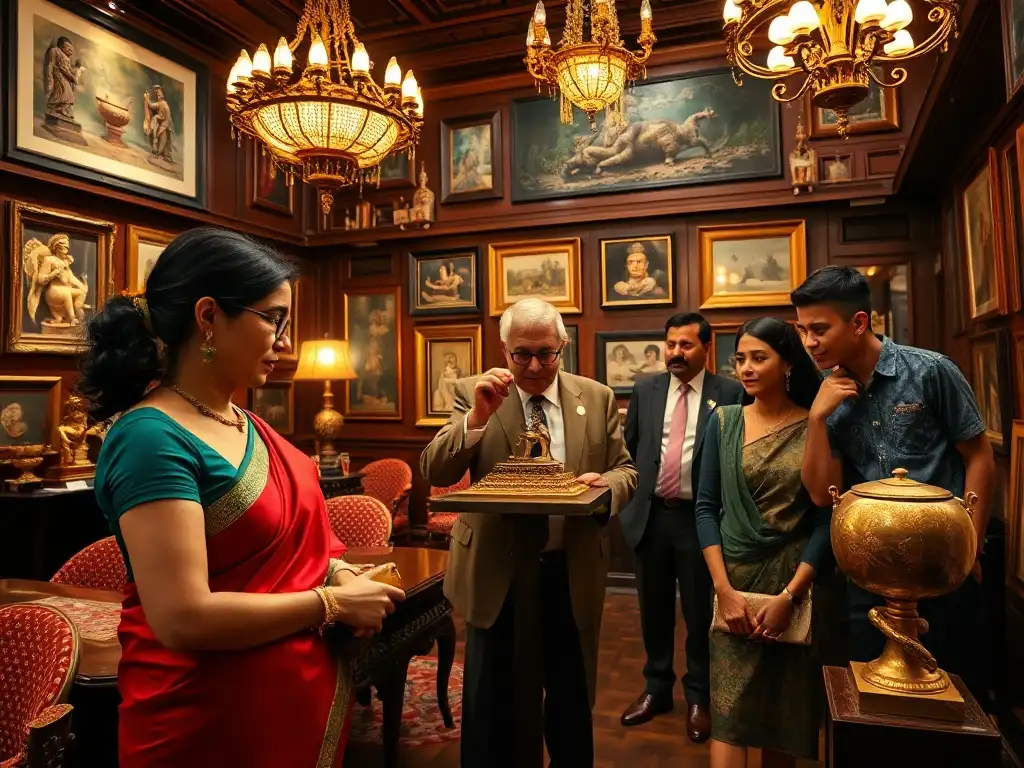
Navigating the Indian artifacts auction market can be both exciting and daunting, especially for those new to collecting. Understanding the nuances of this market is essential for making informed decisions when participating in auctions. The following sections provide valuable insights and practical tips to help first-time buyers successfully engage with this vibrant marketplace.
Tips for First-Time Buyers of Indian Artifacts
Starting your journey as a collector of Indian artifacts can be overwhelming. Here are some essential tips to ensure a rewarding experience:
- Research Thoroughly:
- Before participating in any auction, familiarize yourself with the types of artifacts available. Focus on specific periods, styles, or regions within the rich tapestry of Indian history.
- Utilize resources such as books, documentaries, and reputable websites that specialize in Indian history and artifacts.
- Set a Budget:
- Determine how much you're willing to spend. Keep in mind that auction prices can escalate quickly, so it’s wise to set a maximum bid ahead of time to avoid impulse spending.
- Attend Preview Events:
- Many auction houses hold preview events where potential buyers can inspect the items firsthand. Take advantage of these opportunities to assess the condition, authenticity, and craftsmanship of artifacts.
- Know the Auction House:
- Research the auction house's reputation and past sales. Established auction houses often provide more reliable provenance and authenticity guarantees, which is crucial for high-value items.
- Engage with Experts:
- Don’t hesitate to consult with specialists or appraisers who understand Indian artifacts. Their insights can help you make informed decisions about your purchases.
Understanding Authenticity: How to Verify Indian Artifacts
Authenticity is key in the world of Indian artifacts, as the market is rife with reproductions and forgeries. Here are some approaches to verify authenticity:
- Provenance Documentation:
- Always seek documentation that traces the artifact’s ownership history. Provenance can greatly enhance the value and credibility of the piece.
- Expert Opinions:
- Engage with experts or appraisers who specialize in Indian artifacts. Their expertise can provide reassurance regarding the authenticity of an item.
- Material Analysis:
- Familiarize yourself with the materials typically used in authentic Indian artifacts. For example, ancient sculptures may be made of specific types of stone or metal that are characteristic of certain periods.
- Comparative Analysis:
- Compare the artifact in question with similar items from reputable sources. Noticing discrepancies in style, craftsmanship, or materials can be a red flag.
Bidding Strategies for Indian Artifacts Auctions
Successfully bidding on Indian artifacts requires a blend of strategy and intuition. Here are effective bidding strategies to consider:
- Start Low:
- Begin your bidding at a lower price than you are willing to pay. This tactic can help gauge interest in the item and potentially allow you to secure it for less than anticipated.
- Watch Your Competitors:
- Pay attention to the bidding behavior of others. Observing when other bidders place their bids can provide insight into their strategies and help you time your bids more effectively.
- Use Proxy Bidding:
- Many auction platforms offer proxy bidding, allowing you to set a maximum bid. The system will automatically increase your bid incrementally up to your limit, which can save you from emotional overspending during the live auction.
- Stay Calm and Patient:
- Auctions can be fast-paced, but maintaining composure is crucial. Avoid the “auction fever” that can lead to inflated bids. Stick to your predetermined budget and strategy.
Recommended Platforms and Services for Auction Participation
Participating in the Indian artifacts auction market requires knowing where to look. Here are some recommended platforms and services:
Online Auction Platforms for Indian Artifacts
Several online platforms have emerged as popular venues for auctioning Indian artifacts:
- Sotheby’s:
- Renowned for its high-profile auctions, Sotheby’s offers a dedicated section for Indian art and artifacts. They provide comprehensive catalogs and expert assessments.
- Christie’s:
- Another prestigious auction house, Christie’s frequently features Indian artifacts in their global auctions. They also offer detailed provenance information.
- Catawiki:
- This online auction platform caters to a wide audience and includes a dedicated section for Indian artifacts. It is user-friendly and allows for a diverse range of bidding options.
- Heritage Auctions:
- Known for its focus on collectibles, Heritage Auctions offers a variety of Indian artifacts, including textiles, jewelry, and sculptures. Their expertise in the field is well-regarded.
- Invaluable:
- A platform that connects buyers with auction houses worldwide, Invaluable features numerous auctions for Indian artifacts. It provides a seamless bidding experience and access to various auction houses.
By utilizing these tips and strategies, you can navigate the Indian artifacts auction market with greater confidence and insight, positioning yourself to uncover hidden treasures that reflect the rich heritage of ancient India.
The Future of Indian Artifacts in Global Auctions
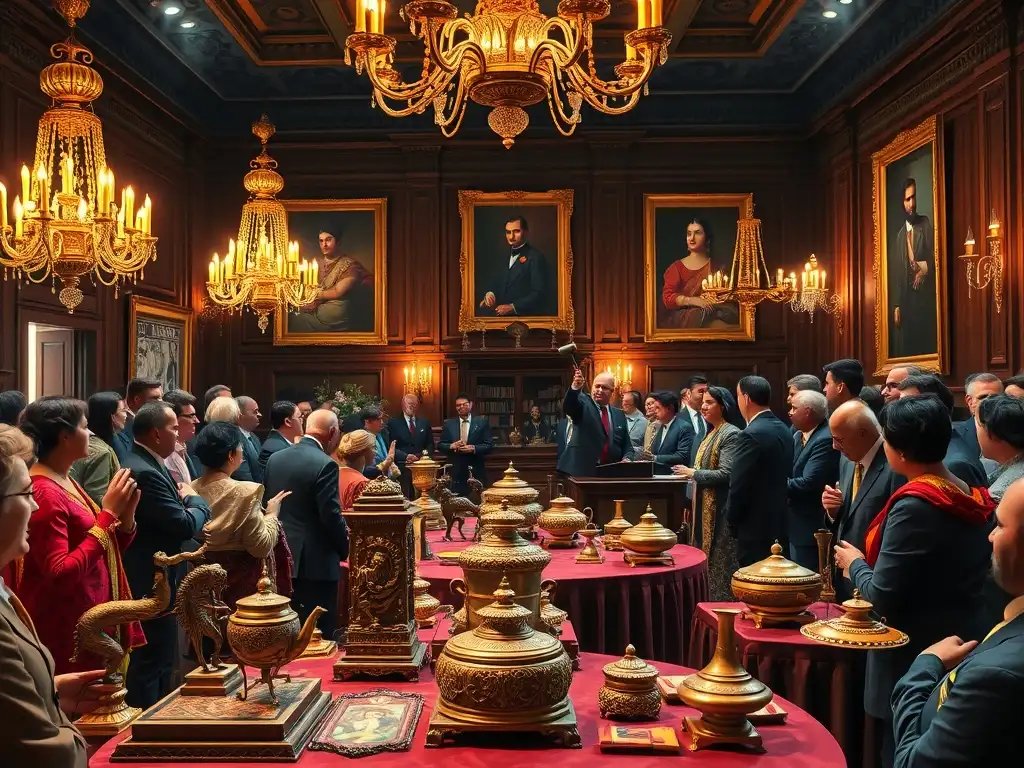
The future of Indian artifacts in global auctions appears to be promising, driven by an increasing interest in cultural heritage and the unique stories that each artifact tells. As more collectors and investors recognize the significance of these artifacts, auction houses are adapting to meet the evolving demands of the market. This section explores the trends and technological advancements that are shaping the future landscape of Indian artifacts in global auctions.
Trends Shaping the Future of Indian Artifacts Auctions
The dynamics of the auction market for Indian artifacts are continually evolving. Several key trends are emerging that will likely influence how these items are valued and traded in the future:
- Growing Interest in Cultural Heritage: There is a rising global appreciation for the rich cultural history of India. As more people seek to connect with their roots or invest in pieces that resonate with historical significance, the demand for Indian artifacts is expected to increase.
- Sustainability and Ethical Considerations: Collectors are becoming more conscious of the ethical implications of purchasing artifacts. Auction houses that prioritize provenance and the ethical sourcing of items are likely to gain favor among buyers.
- Diversification of Collectors: The demographics of collectors are changing, with younger generations showing a keen interest in cultural artifacts. This shift is encouraging auction houses to cater to a broader audience with varied interests and investment strategies.
- Globalization of the Art Market: The internationalization of the art market has opened up avenues for Indian artifacts to be showcased to a wider audience. Increased participation from foreign buyers can drive up prices and create a competitive environment for auctions.
The Role of Technology in Indian Artifacts Auction History
Technology plays a pivotal role in transforming the auction landscape for Indian artifacts. From enhancing the bidding process to ensuring the authenticity of items, technological advancements are reshaping how artifacts are bought and sold.
Virtual Auctions: Expanding Access to Indian Artifacts
Virtual auctions have revolutionized the way collectors engage with the market. With the rise of online platforms, bidders can now participate from anywhere in the world. This shift has several implications:
- Increased Participation: Online auctions allow collectors who may not have been able to attend physical events to participate, thereby expanding the buyer base significantly.
- Real-Time Access to Information: Potential buyers can access detailed descriptions, high-resolution images, and historical context about items, making informed decisions easier.
- Convenience and Flexibility: Bidders can join auctions at their convenience, breaking geographical and temporal barriers that previously limited participation.
- Engagement with a Global Audience: Virtual auctions enable auction houses to market their sales to a diverse, global audience, enhancing visibility for Indian artifacts.
Blockchain Technology: Ensuring Authenticity in Auctions
As concerns about authenticity and provenance intensify, blockchain technology emerges as a solution for the auction industry:
- Immutable Record Keeping: Blockchain provides a secure and transparent method for recording the history of an artifact, ensuring that all transactions and ownerships are documented.
- Verification of Authenticity: By linking artifacts to a blockchain record, buyers can verify their authenticity and provenance, reducing the risk of counterfeit items entering the market.
- Enhanced Trust: The use of blockchain technology fosters greater trust between buyers and sellers, which is crucial in a market often scrutinized for its lack of transparency.
- Facilitating Smart Contracts: Blockchain can enable smart contracts that automate agreements between buyers and sellers, streamlining the auction process and ensuring compliance with terms.
The future of Indian artifacts in global auctions is being shaped by emerging trends and technological advancements. As the market continues to evolve, stakeholders must adapt to these changes to maximize opportunities and address challenges in the ever-growing domain of Indian artifacts auction history.
Conclusion: The Importance of Preserving Indian Artifacts Auction History

The history of Indian artifacts auctions is not merely about the exchange of goods; it embodies a rich narrative of cultural heritage and identity. As Indian artifacts continue to surface in global auctions, understanding their historical context becomes crucial. Preserving this auction history ensures that the stories behind these artifacts are not lost. It allows collectors, investors, and enthusiasts to appreciate the craftsmanship and cultural significance behind each piece.
Moreover, the auction history plays a vital role in establishing provenance, which is essential for maintaining the integrity of the art market. Provenance refers to the record of ownership and history of an artifact, and it is critical in determining its value, authenticity, and legal standing. As the global demand for Indian artifacts increases, so does the risk of illicit trade and misrepresentation. Thus, a thorough understanding of the auction history serves as a safeguard against these threats.
Call to Action for Collectors and Investors
For collectors and investors, recognizing the importance of Indian artifacts auction history is paramount. Engaging with this history can not only enhance the value of individual collections but also contribute to a greater appreciation of Indian culture and heritage. Here are some actionable steps to consider:
- Research Provenance: Before purchasing an artifact, ensure that its provenance is documented and credible. This will not only protect your investment but also honor the artifact's background.
- Participate in Auctions: Attend reputable auctions that focus on Indian artifacts. Engaging with auction houses that prioritize transparency can help in acquiring authentic pieces.
- Connect with Experts: Collaborate with historians, art dealers, and curators who specialize in Indian artifacts. Their insights can provide valuable context and guidance in your collecting journey.
- Educate Yourself: Stay informed about the latest developments in the Indian art market. Understanding trends, valuations, and auction results can significantly enhance your decision-making process.
By becoming informed participants in the marketplace, collectors and investors can play a pivotal role in preserving the significance of Indian artifacts while potentially reaping the rewards of their investments.
Encouraging Responsible Collecting and Preservation of Indian Heritage
The rise of Indian artifacts in global auctions highlights the need for responsible collecting practices. As custodians of cultural heritage, collectors and investors have a unique opportunity to contribute positively to the preservation of Indian history. Here are some guidelines to promote responsible collecting:
- Support Ethical Practices: Choose to buy from auction houses and dealers who emphasize ethical sourcing and transparency in their transactions. This supports the fight against illegal trafficking of cultural artifacts.
- Promote Awareness: Advocate for the significance of Indian artifacts within your community. Sharing knowledge about their cultural importance can inspire others to appreciate and protect these treasures.
- Engage in Preservation Efforts: Consider supporting institutions and organizations dedicated to the preservation of Indian heritage. Contributions can help with conservation efforts, research, and education initiatives.
- Document Your Collection: Keep detailed records of your artifacts, including their provenance and any relevant historical information. This not only aids in maintaining the integrity of your collection but also honors the story behind each piece.
By adopting these responsible practices, collectors and investors can ensure that the legacy of Indian artifacts is not only preserved but also celebrated for generations to come. As the global auction market continues to evolve, safeguarding the integrity and history of these artifacts remains a shared responsibility for all stakeholders involved.
Frequently Asked Questions
What are Indian artifacts, and why are they significant?
Indian artifacts refer to historical objects created by ancient Indian civilizations. They are significant because they offer insights into the rich cultural and historical practices of societies from the Indus Valley to the Gupta Empire.
How has the auction of Indian artifacts evolved over time?
The auction of Indian artifacts has evolved from local exhibitions to global auctions, where these treasures are sought after by collectors worldwide. This rise reflects the growing appreciation for India's historical and cultural contributions.
What challenges are associated with the auctioning of Indian artifacts?
Challenges include issues of authenticity, potential looting, and the ethical implications of selling cultural heritage. Ensuring that artifacts are obtained legally and are preserved is crucial for maintaining their historical integrity.
How do global auctions impact the preservation of Indian artifacts?
Global auctions can both benefit and harm preservation efforts. While they can raise funds for conservation, they may also lead to the dispersal of artifacts, making it difficult to maintain their historical context and cultural significance.
Where can one find information on upcoming Indian artifacts auctions?
Information on upcoming auctions can be found on auction house websites, specialized art publications, and websites dedicated to antiquities. Following these sources can provide insights into the latest trends and key events in the Indian artifacts auction market.
Final Reflection: Unveiling the Legacy of Indian Artifacts
The resurgence of Indian artifacts in global auctions highlights a profound connection between history and contemporary culture. As we witness the increasing recognition of these treasures, it becomes clear that they are not merely items of aesthetic value but vital pieces of our shared human heritage. The growing interest in Indian artifacts auction history serves as a reminder of the rich narratives that these objects carry, inviting us to explore the stories of the past while shaping our understanding of the present.
Cultural appreciation for Indian artifacts has transformed the social landscape, fostering a deeper respect for the diverse histories they represent. The rise in auctions dedicated to these artifacts not only elevates their status but also encourages dialogue about colonialism, preservation, and cultural identity. As the renowned art historian, Dr. Vidya Dehejia, aptly stated, Art is a reflection of society, and the artifacts we cherish today are the voices of those who came before us.
This ongoing conversation underscores the importance of recognizing and valuing the cultural significance of these artifacts in our global community.
As we reflect on the journey of Indian artifacts in the auction world, I invite you to consider your own relationship with history and culture. How can you engage with the stories behind the artifacts that resonate with you? Let this be a call to action: seek out opportunities to learn, appreciate, and advocate for the preservation of cultural heritage. By doing so, we not only honor the past but also contribute to a more inclusive and enriched future.
Unearth Your Own Artistic Treasures!
Thank you for exploring the fascinating world of Indian artifacts with us! We hope you’ve gained insight into their significance and value in the global art scene. Now, it's time to channel that inspiration into action!
Here are a few steps you can take to deepen your journey into this incredible realm:
- Dive Deeper: Visit local galleries or museums that feature Indian art to appreciate the craftsmanship up close.
- Share Your Passion: Discuss your newfound knowledge with friends or on social media to spark interest and conversation.
- Join the Conversation: Engage with online communities focused on Indian artifacts and history to connect with fellow enthusiasts.
What unique pieces of Indian art have captured your interest, and how do you think they compare to artifacts from other cultures? We’d love to hear your thoughts!