
Ancient Warfare: The Intersection of Culture, Technology, and Strategy

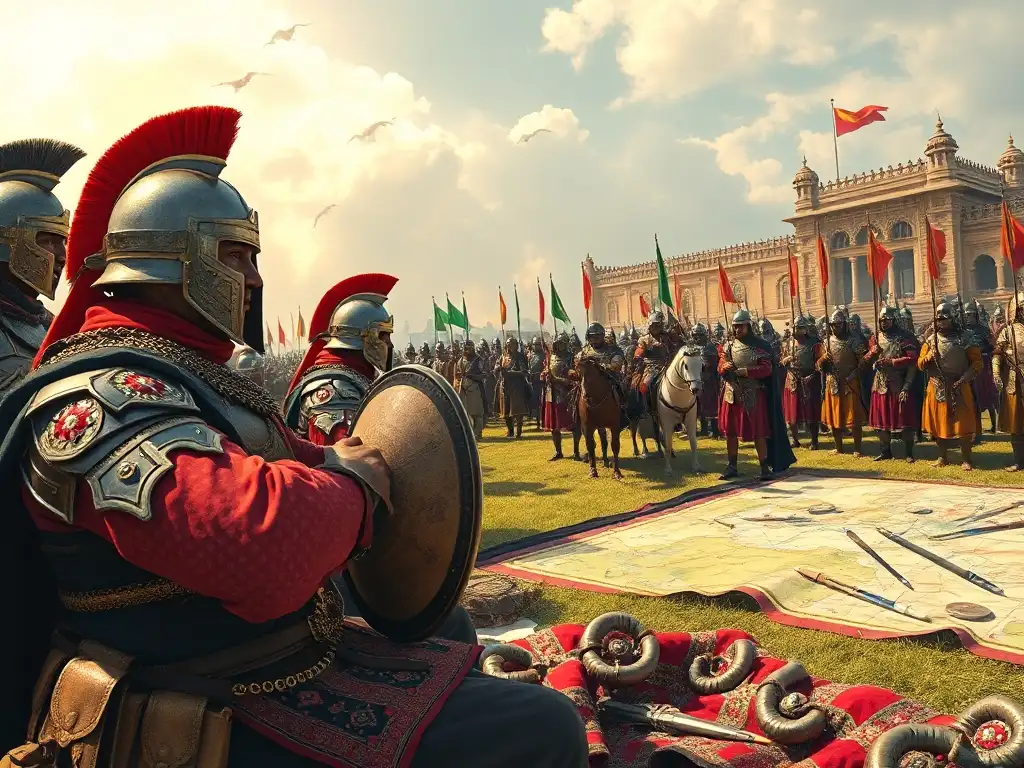
Welcome to Ancient India History, where we invite you to embark on a journey through the rich tapestry of ancient Indian civilizations. From the remarkable innovations of the Indus Valley to the strategic brilliance of the Gupta Empire, our exploration reveals the profound cultural and technological contributions that have shaped history. In our featured article, "Ancient Warfare: The Intersection of Culture, Technology, and Strategy," we delve into the fascinating world of ancient Indian warfare strategies.
Discover how these tactics not only defined battles but also influenced the very fabric of society. Prepare to be captivated as we unveil the secrets of a bygone era, igniting your curiosity and encouraging you to explore further into the depths of ancient military history.
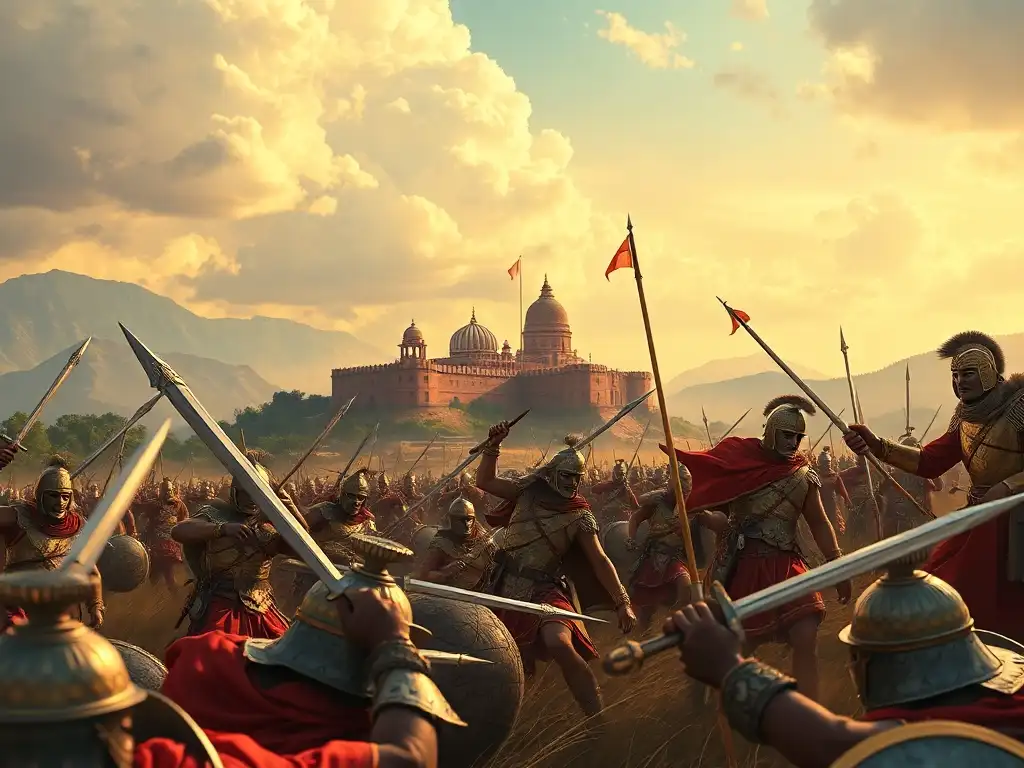
Introduction to Ancient Indian Warfare Strategies
Ancient Indian warfare strategies were not merely a reflection of military might; they were a complex interplay of culture, technology, and socio-political dynamics. The evolution of these strategies over centuries provides valuable insights into how ancient Indian civilizations approached conflict and defense.
From the sophisticated urban planning of the Indus Valley Civilization to the grand military campaigns of the Maurya and Gupta Empires, warfare in ancient India was deeply intertwined with the cultural and philosophical underpinnings of society. Understanding these strategies allows us to appreciate the innovations in weaponry, tactics, and the overall military ethos that shaped the region's history.
Overview of Ancient Indian Warfare
Ancient Indian warfare was characterized by a variety of tactics, formations, and technological advancements. The military landscape evolved significantly from the early days of the Indus Valley Civilization, where rudimentary weapons were employed, to the more organized and complex military structures seen in later periods. Key features of ancient Indian warfare included:
- Diverse Weaponry: The use of bows, chariots, and various melee weapons such as swords and axes.
- Tactical Formations: Different formations were utilized based on the terrain and the enemy, showcasing strategic flexibility.
- Siege Warfare: Techniques for besieging fortified cities became prominent, especially during the rise of larger empires.
The integration of cultural values, such as honor and dharma, further influenced military strategies, making warfare a multidimensional aspect of ancient Indian society.
Importance of Warfare in Ancient Indian Civilizations
Warfare played a pivotal role in shaping ancient Indian civilizations, influencing not only territorial expansion but also social and political structures. Key points include:
- Territorial Control: Military conquests expanded the boundaries of empires, facilitating trade and cultural exchange.
- Political Power: Success in warfare often determined the legitimacy and stability of rulers, as victories were celebrated and used to consolidate power.
- Cultural Exchange: Conflicts led to interactions with other cultures, resulting in the diffusion of technologies, ideas, and practices that enriched Indian civilization.
The significance of warfare in this context goes beyond mere conflict; it was instrumental in fostering unity, identity, and innovation within ancient Indian societies.
Historical Context of Ancient Indian Warfare
To fully understand ancient Indian warfare strategies, it is essential to examine the historical context that shaped them. This includes the military practices during key periods such as the Indus Valley Civilization, the Vedic Period, and the rise of powerful empires.
The Indus Valley Civilization and Its Military Practices
The Indus Valley Civilization (c. 3300–1300 BCE) is often regarded as one of the earliest urban cultures, with evidence suggesting an organized approach to security and defense. Key military practices included:
- Fortified Settlements: Cities such as Mohenjo-Daro and Harappa featured strong defensive walls, indicating a concern for protection against invaders.
- Weapons: Archaeological findings reveal tools and weapons made from copper and bronze, underscoring the advancement in technology.
- Strategic Planning: The layout of cities suggests a sophisticated understanding of defense and logistics, essential for maintaining order in a growing urban environment.
Warfare During the Vedic Period
The Vedic Period (c. 1500–500 BCE) marked a transformation in warfare, influenced by the emergence of new social structures and philosophies. Notable aspects include:
- Formation of Warrior Classes: The rise of the Kshatriya class emphasized the importance of martial prowess and honor in warfare.
- Battlefield Tactics: Texts such as the Rigveda contain references to battles, highlighting the use of chariots and cavalry in warfare.
- Philosophical Underpinnings: The concept of dharma (duty) profoundly influenced the ethical conduct of warriors, framing warfare as a necessary aspect of societal balance.
The Rise of Empires: Maurya and Gupta Dynasties
The Maurya (c. 322–185 BCE) and Gupta (c. 240–550 CE) empires represented the zenith of ancient Indian military organization and strategy. Important elements of warfare during these periods include:
- Centralized Armies: The Mauryan Empire, under Chandragupta Maurya and later Ashoka, established large, well-equipped armies capable of extensive campaigns.
- Advanced Military Tactics: The Guptas utilized innovative strategies, including the effective use of cavalry and elephant corps, enhancing their battlefield effectiveness.
- Cultural Integration: Military success facilitated the spread of culture, religion, and trade across vast territories, contributing to a rich tapestry of ancient Indian civilization.
By exploring these historical contexts, we gain a deeper understanding of the evolution of ancient Indian warfare strategies and their lasting impact on the region's history.
Cultural Influences on Warfare
The relationship between culture and warfare in ancient India was deeply intertwined, shaping military strategies and practices. The ethos of a society, its beliefs, customs, and social structures, influenced how wars were fought and perceived. Warfare was not just a physical endeavor; it was often steeped in cultural significance, reflecting the values and ideologies of the time.
The Role of Religion and Philosophy in Warfare
Religion played a pivotal role in ancient Indian warfare. The Hindu concept of Dharma, which signifies moral duty and righteousness, influenced military conduct and strategies. Warriors were often guided by the principles set forth in sacred texts, which emphasized the importance of fighting for justice and the protection of the innocent. For instance, the Bhagavad Gita, a part of the Mahabharata, addresses Arjuna's moral dilemmas about warfare, emphasizing the duty of a warrior to engage in battle when righteousness is at stake.
Moreover, various philosophical teachings, such as those from Buddhism and Jainism, also presented different perspectives on violence and conflict, impacting societal attitudes towards warfare. While some doctrines advocated for non-violence, others justified warfare as a means to achieve a greater good, illustrating the complex interplay between belief systems and military actions.
Cultural Practices and Their Impact on Military Strategies
Cultural practices significantly influenced military strategies in ancient India. Rituals and celebrations often accompanied military campaigns, reinforcing the morale of soldiers and the legitimacy of their cause. For instance, before embarking on a battle, armies would perform rituals and sacrifices to invoke divine favor, believing that the gods would bless their endeavors.
Furthermore, the caste system played a role in shaping military hierarchies and strategies. The Kshatriyas, or warrior class, were not only responsible for warfare but also for upholding the socio-political order. Their training, which included martial arts and the study of scriptures, ensured that military strategies were not only effective but also aligned with cultural values.
Notable Texts on Warfare: Arthashastra and Mahabharata
Two of the most significant texts that discuss warfare in ancient India are the Arthashastra and the Mahabharata.
The Arthashastra, authored by Kautilya (Chanakya), is a seminal treatise on statecraft, economics, and military strategy. It offers detailed insights into various aspects of warfare, including espionage, diplomacy, and the organization of armies. Kautilya's pragmatic approach emphasizes the importance of strategy, resource management, and psychological warfare, making it a foundational text for understanding ancient Indian military tactics.
The Mahabharata, on the other hand, is an epic narrative that not only recounts a great war but also explores the moral and ethical dilemmas faced by its characters, particularly in the context of duty and righteousness. The text provides a nuanced view of warfare, depicting it as a complex interplay of personal, social, and divine factors. The lessons derived from these texts continue to resonate, illustrating the deep cultural roots of ancient Indian warfare strategies.
Technological Advancements in Ancient Indian Warfare
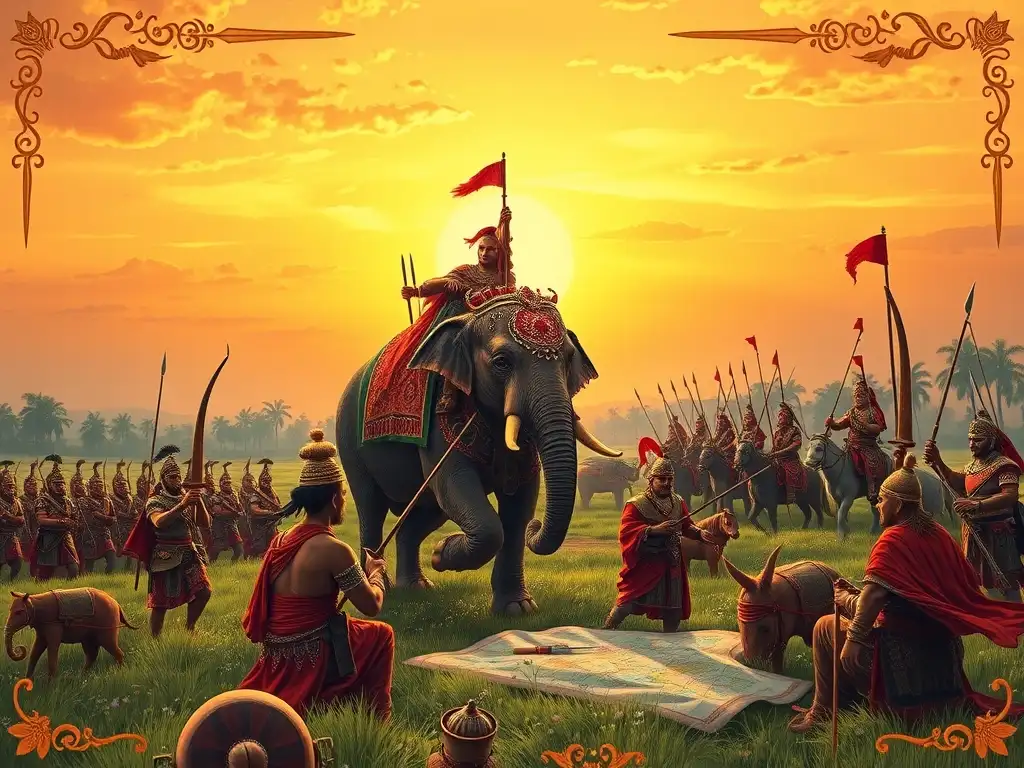
Technological advancements in ancient Indian warfare were crucial in shaping the effectiveness and outcomes of military conflicts. Innovations in weaponry, tactics, and defensive structures reflected the ingenuity and adaptability of ancient Indian civilizations.
Weaponry Innovations: Khanda, Bow and Arrow, and Siege Engines
Ancient Indian warfare was marked by a variety of innovative weapons. The Khanda, a double-edged sword, was known for its efficiency in close combat, symbolizing the warrior's honor and skill. The bow and arrow were also central to military engagements, with archers playing a vital role in both offense and defense.
Siege engines, such as the Ratha (war chariot) equipped with bowmen, and various forms of catapults and battering rams, were developed to breach fortified cities. These innovations allowed armies to conduct more effective sieges, reflecting a sophisticated understanding of engineering and tactical warfare.
The Use of War Elephants and Chariots in Battle
The utilization of war elephants and chariots was a distinctive feature of ancient Indian military tactics. War elephants were not merely for transport; they served as a psychological weapon on the battlefield, instilling fear in the enemy. Equipped with armor and often trained to charge into enemy lines, elephants played a crucial role in battles, particularly in the ancient Indian context.
Chariots, manned by skilled warriors and archers, allowed for rapid mobility and tactical flexibility in combat. They were often used to flank enemy formations, providing a strategic advantage in various battlefield scenarios. The combination of elephants and chariots exemplified the tactical sophistication of ancient Indian warfare.
Armor and Defensive Technologies: Kshatriya Armor and Fortifications
The development of armor and fortifications was essential for the protection of warriors and the defense of territories. Kshatriya warriors utilized various types of armor made from leather, metal, and other materials, designed to provide maximum protection while allowing for mobility. The craftsmanship involved in creating these armors reflected the technological advancements of the time.
In terms of fortifications, ancient Indian cities were often surrounded by walls and moats, showcasing advanced engineering techniques. Forts served not only as military strongholds but also as symbols of power and authority. The strategic positioning of these fortifications played a crucial role in the defense against invasions and the management of territorial disputes.
Strategies of Ancient Indian Warfare
Ancient Indian warfare strategies were deeply intertwined with the cultural, social, and technological aspects of the civilization. These strategies evolved over centuries, influenced by the political landscape, advancements in weaponry, and the philosophies of the time. Central to these strategies was the concept of Dharma Yuddha, or righteous war, which dictated a moral framework for engaging in battle. This principle not only guided the conduct of warfare but also shaped the perception of honor and valor among warriors.
The ancient Indian military employed a combination of offensive and defensive tactics, often adapting to the specific circumstances of each conflict. Armies were typically organized into phalanxes, utilizing infantry, cavalry, and war elephants, which played a crucial role in both strategy and psychological warfare. The use of formations, such as the Chakra Vyuha, showcased the strategic depth of Indian warfare, allowing for complex maneuvers during battle. Additionally, the integration of guerrilla tactics, particularly in mountainous regions, demonstrated the adaptability of Indian forces against larger, more conventional armies.
Key Tactics Used in Ancient Indian Battles
Several key tactics defined ancient Indian battles, reflecting both the ingenuity and the strategic thinking of military leaders. Among these tactics were:
- Use of Elephants: War elephants were not just symbols of power but also served as formidable forces on the battlefield, crushing enemy formations and creating chaos.
- Chariots: The use of chariots allowed for rapid movement and striking power, making them essential in early warfare.
- Siege Warfare: Fortifications were a significant aspect of ancient Indian defense. Tactics like prolonged sieges were employed to weaken enemy morale and resources.
- Psychological Warfare: Ancient Indian rulers understood the impact of morale in warfare. They often employed tactics to intimidate enemies, including displays of power and strategic misinformation.
- Flanking Maneuvers: The ability to outmaneuver opponents by attacking from the sides was critical in many battles, showcasing the importance of flexibility in battle strategy.
The Importance of Terrain and Geography in Strategy
Terrain and geography played a vital role in shaping ancient Indian warfare strategies. The diverse landscapes of India—from the vast plains of the Gangetic valley to the rugged mountains of the Himalayas—demanded different tactical approaches.
- Mountainous Regions: In hilly terrains, guerrilla warfare was favored, allowing smaller forces to leverage their knowledge of the landscape against larger, slower-moving armies.
- Rivers and Waterways: Control over rivers was crucial for logistics and troop movement. Battles often centered around strategic river crossings, with armies vying to secure these vital resources.
- Deserts and Arid Areas: The harsh conditions of desert regions required unique strategies, including the use of mobility and deception to outmaneuver the enemy.
Understanding the terrain allowed commanders to exploit natural advantages, leading to victories that may have otherwise been improbable.
Case Studies of Notable Battles: The Battle of Kalinga and The Battle of the Hydaspes
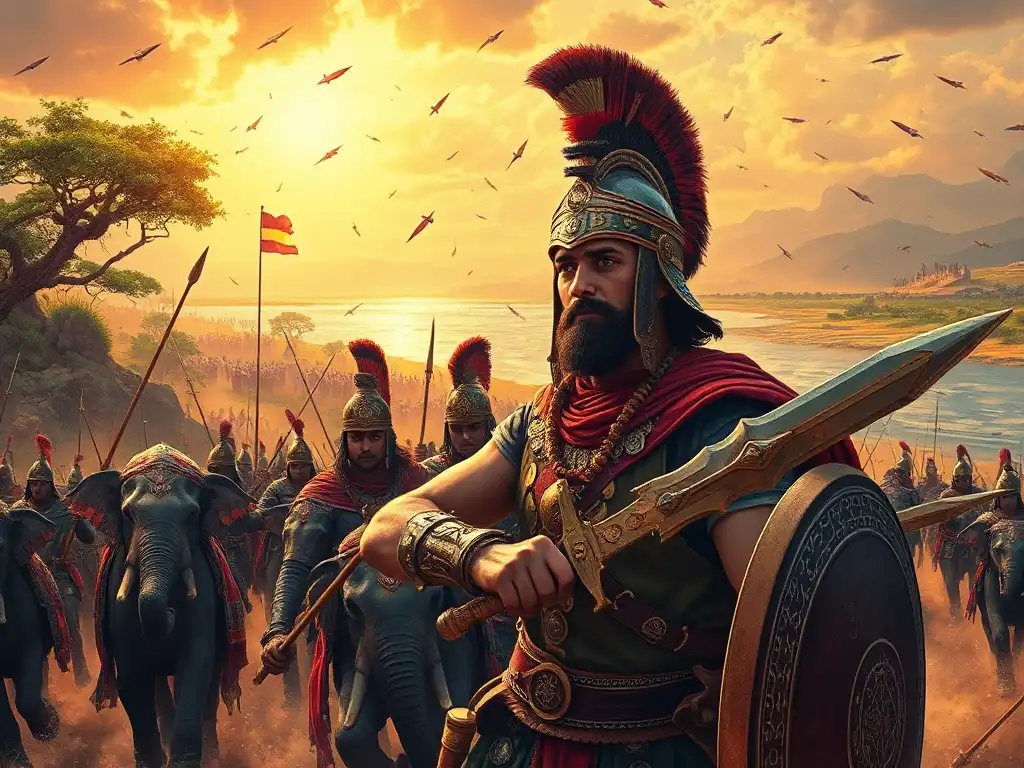
The Battle of Kalinga (circa 261 BCE) is one of the most significant conflicts in ancient Indian history, fought between the Mauryan Empire led by Emperor Ashoka and the state of Kalinga. The battle resulted in heavy casualties and had a profound impact on Ashoka, leading him to embrace Buddhism and non-violence. This battle exemplified the strategic use of elephants and the importance of morale in warfare.
Similarly, the Battle of the Hydaspes (326 BCE) between Alexander the Great and King Porus marked a pivotal moment in Indian military history. The battle showcased the effectiveness of Indian tactics, including the use of war elephants by King Porus, which posed a significant challenge to Alexander's forces. Despite his defeat, Porus’s bravery and strategic acumen earned him respect, and he was later reinstated by Alexander as a satrap, illustrating the complexities of ancient Indian warfare and diplomacy.
Comparative Analysis of Ancient Indian Warfare Strategies
Ancient Indian warfare strategies can be analyzed in comparison to those of other civilizations, revealing both unique features and shared practices. Indian warfare was often characterized by its integration of cultural values, such as honor and righteousness, which influenced military conduct.
Comparing Ancient Indian Warfare with Other Civilizations
When compared to Greek and Roman military strategies, ancient Indian warfare displayed a notable emphasis on chariotry and the psychological aspects of warfare, such as the use of elephants to intimidate foes. While Roman legions focused on discipline and formations, Indian tactics were more fluid, incorporating local geography and cultural elements into their strategies.
- Chariot Warfare: Like the Greeks, ancient Indians also relied on chariots, but their use of elephants provided a unique tactical edge.
- Guerrilla Tactics: Similar to the tactics seen in various tribal confederations, Indian forces often employed guerrilla warfare, particularly against larger invading armies, which was less emphasized in traditional Greek and Roman warfare.
Influence of Neighboring Cultures on Indian Military Tactics
The military strategies of ancient India were not developed in isolation; they were influenced by neighboring cultures through trade, warfare, and diplomacy. The exchanges with Persian and Central Asian empires brought new military techniques and technologies, such as improved cavalry tactics and siege warfare methods.
- Cultural Exchange: The arrival of foreign warriors introduced new ideas and practices, leading to the evolution of Indian military strategies.
- Adaptation and Integration: Indian military leaders were adept at incorporating effective tactics from other cultures, demonstrating a pragmatic approach to warfare that prioritized effectiveness over tradition.
Ancient Indian warfare strategies were a complex interplay of cultural values, tactical innovation, and geographical considerations, reflecting the rich tapestry of ancient Indian civilization and its interactions with the wider world.
Conclusion: The Legacy of Ancient Indian Warfare Strategies
The legacy of ancient Indian warfare strategies is profound and multifaceted, influencing not only the military tactics of subsequent generations but also the broader cultural and philosophical landscapes. The strategic innovations developed during ancient times, such as the use of elephants in battle, the implementation of guerilla warfare, and the sophisticated fortifications, reflect a deep understanding of both the battlefield and the human psyche. These strategies were not merely confined to military engagements but were interwoven with the cultural ethos, religious beliefs, and social structures of ancient Indian societies.
As we examine the evolution of warfare from the Indus Valley Civilization through the Maurya and Gupta Empires, it becomes clear that ancient Indian warfare was characterized by a unique blend of pragmatism and ethics. Texts like the Arthashastra by Kautilya provided not only strategies for warfare but also insights into statecraft and governance, emphasizing the importance of moral considerations even in the context of military action. This intertwining of ethics and strategy has left a lasting imprint on military thought and continues to resonate in contemporary discussions around warfare and diplomacy.
Lasting Impact on Modern Warfare and Military Thought
The strategies employed by ancient Indian military leaders have significantly influenced modern warfare and military thought. Concepts such as psychological warfare, deception, and the strategic use of terrain are evident in historical texts and practices that date back to ancient India. For instance, the principle of using the element of surprise, as illustrated in various historical battles, can be seen echoed in modern military tactics.
Moreover, the philosophical underpinnings of warfare articulated by ancient Indian strategists have inspired military theorists worldwide. Carl von Clausewitz, a prominent military strategist, acknowledged the importance of understanding the nature of conflict, which resonates with the ancient Indian perspective that viewed warfare as an extension of political objectives rather than merely a series of battles. This holistic approach to military strategy emphasizes the integration of cultural, social, and technological elements, shaping how modern armies conceptualize and execute their operations.
Reflections on the Cultural Significance of Military History
Military history in ancient India serves as a critical lens through which we can explore the broader cultural significance of warfare. The narratives of battles, conquests, and leadership not only encapsulate the martial prowess of ancient civilizations but also reflect their values, beliefs, and societal organization. The epics such as the Mahabharata and the Ramayana weave tales of heroism, duty, and sacrifice, highlighting the moral dilemmas faced by warriors and rulers.
These stories have transcended their historical contexts, becoming integral to the cultural identity of modern India. They continue to inspire literature, art, and even contemporary political thought, emphasizing the enduring relevance of ancient military strategies. By studying these narratives, we gain insights into how warfare shaped social hierarchies, regional dynamics, and cultural exchanges, establishing a rich tapestry of history that informs our understanding of the Indian subcontinent's past.
Further Reading and Resources
To delve deeper into the fascinating world of ancient Indian warfare strategies, a variety of resources are available. These resources provide a wealth of information, from scholarly works to multimedia content that explores the complexities of military history in ancient India.
Recommended Books on Ancient Indian Warfare
-
"The Art of War in Ancient India" by R. N. Sharma
A comprehensive analysis of military strategies and tactics used in ancient India, exploring their implications on warfare and society.
-
"Kautilya's Arthashastra: The Original Book on War and Statecraft" by R. P. Kangle
This translation of the seminal text offers insights into the political and military strategies of ancient India, providing a foundational understanding of its military philosophy.
-
"War and Society in Ancient India" by R. S. Sharma
An exploration of the relationship between warfare and societal structures, highlighting the cultural dimensions of military actions.
Online Resources and Documentaries on Military History
-
Ancient India: A Documentary History
An online resource that features a collection of primary sources and scholarly articles related to ancient Indian history, including military strategies.
-
"The Great Battles of Ancient India" - Documentary Series
A series of documentaries that vividly portray significant battles in ancient Indian history, examining both the strategies employed and their cultural significance.
-
YouTube Channels on Ancient History
Channels such as "Historia Civilis" and "Invicta" frequently feature content related to ancient Indian warfare, providing visual insights into historical strategies and their impacts.
These recommended readings and resources provide an excellent starting point for anyone interested in exploring the rich tapestry of ancient Indian warfare strategies and their lasting legacy.
- Introduction to Ancient Indian Warfare Strategies
- Historical Context of Ancient Indian Warfare
- Cultural Influences on Warfare
- Notable Texts on Warfare: Arthashastra and Mahabharata
- Technological Advancements in Ancient Indian Warfare
- Strategies of Ancient Indian Warfare
- Key Tactics Used in Ancient Indian Battles
- The Importance of Terrain and Geography in Strategy
- Case Studies of Notable Battles: The Battle of Kalinga and The Battle of the Hydaspes
- Comparative Analysis of Ancient Indian Warfare Strategies
- Conclusion: The Legacy of Ancient Indian Warfare Strategies
- Further Reading and Resources
- What were the key features of ancient Indian warfare strategies?
- How did technology influence warfare in ancient India?
- In what ways did culture affect military tactics in ancient India?
- What role did the Gupta Empire play in the evolution of warfare?
- How did ancient Indian warfare compare to that of other civilizations?
Frequently Asked Questions
What were the key features of ancient Indian warfare strategies?
Ancient Indian warfare strategies were characterized by a blend of cultural values, tactical formations, and technological advancements. They often emphasized psychological warfare and strategic deception to outmaneuver opponents.
How did technology influence warfare in ancient India?
Technology played a crucial role in ancient Indian warfare, with advancements in weaponry, chariots, and fortifications enhancing the effectiveness of military strategies. Innovations like the use of crossbows and ballistae significantly impacted battle tactics.
In what ways did culture affect military tactics in ancient India?
The culture of ancient India deeply influenced military tactics through religious beliefs and rituals that shaped the conduct of war. Concepts like Dharma guided ethical warfare practices and the treatment of prisoners.
What role did the Gupta Empire play in the evolution of warfare?
The Gupta Empire marked a significant era in the evolution of warfare with the incorporation of new strategies, military organization, and extensive use of cavalry. Their military innovations contributed to their dominance and territorial expansion.
How did ancient Indian warfare compare to that of other civilizations?
Ancient Indian warfare was unique in its integration of philosophy, strategy, and cultural elements, distinguishing it from other civilizations. The emphasis on non-violence and ethics set it apart, even as it engaged in military conquests.
Final Reflection: The Enduring Legacy of Ancient Indian Warfare Strategies
The exploration of ancient Indian warfare strategies reveals not only the ingenuity of past civilizations but also their profound impact on contemporary military thought and cultural identity. In an era where technology and strategy continue to evolve, the lessons learned from ancient practices remain remarkably relevant. The intricate balance between culture, technology, and strategy in warfare serves as a reminder that understanding our history can illuminate our path forward.
The strategies employed in ancient Indian warfare were not merely tactical maneuvers; they were deeply intertwined with the cultural and philosophical fabric of society. The emphasis on ethics in warfare, as seen in texts like the Arthashastra, continues to resonate in modern discussions about military ethics and strategy. The greatest victory is that which requires no battle.
This quote encapsulates the wisdom of ancient strategists, highlighting the importance of diplomacy and psychological warfare, which are just as vital today as they were centuries ago.
As we reflect on these ancient strategies, let us consider how they can inspire our own approaches to conflict and resolution in our lives. I invite you to think critically about the lessons of the past and how they can inform your actions today. Whether in personal relationships, professional environments, or broader societal issues, the principles of strategy, culture, and ethics can guide us toward more thoughtful and effective solutions. Embrace the wisdom of ancient Indian warfare, and let it empower you to navigate the complexities of the modern world with insight and integrity.
Unleash Your Inner Historian: Dive Deeper into Ancient Warfare!
Thank you for exploring the intricate world of ancient warfare with us! You've uncovered essential insights into how culture, technology, and strategy shaped battlefields throughout history. Now, it's time to take the next step in your journey of discovery.
- Take a deep dive: Explore more articles: on specific battles and strategies that defined ancient empires. Delve into lesser-known conflicts that can transform your understanding of history.
- Join our community! Share your thoughts on our social media channels or in the comments below. Your insights can spark engaging discussions!
- Challenge yourself: Participate in a historical reenactment or visit a local museum to experience ancient warfare in a new and immersive way.
What aspects of ancient warfare intrigue you the most, and how do you believe they influence modern military strategies today?