
The Diverse Crops of Ancient India: Beyond Rice and Wheat

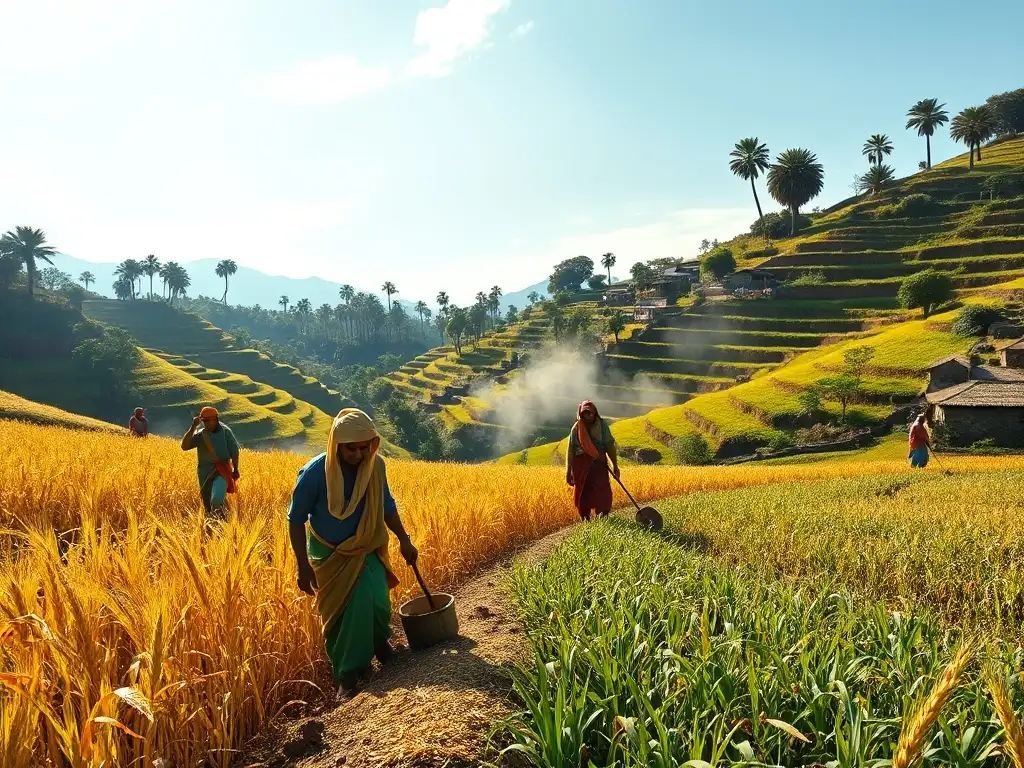
Welcome to Ancient India History, where we delve deep into the vibrant tapestry of India's past! In this exploration, we invite you to uncover the fascinating world of ancient Indian agriculture practices, a cornerstone of civilization that shaped societies and economies. Our featured article, "The Diverse Crops of Ancient India: Beyond Rice and Wheat," reveals the rich variety of crops that thrived in this era, showcasing the ingenuity and adaptability of our ancestors.
Prepare to embark on a journey through time as we unravel the agricultural marvels that laid the groundwork for modern India. Your adventure into the depths of history begins now—let's dig in!
- Introduction to Ancient Indian Agriculture Practices
- Key Crops Cultivated in Ancient India
- Ancient Indian Agricultural Techniques
- Regional Variations in Crop Cultivation
- The Impact of Climate and Geography on Crop Diversity
- Conclusion: The Legacy of Ancient Indian Agriculture Practices
- Frequently Asked Questions
- Final Reflection: Embracing the Richness of Ancient Indian Agriculture
- Unveil the Rich Tapestry of Ancient Agriculture!
Introduction to Ancient Indian Agriculture Practices
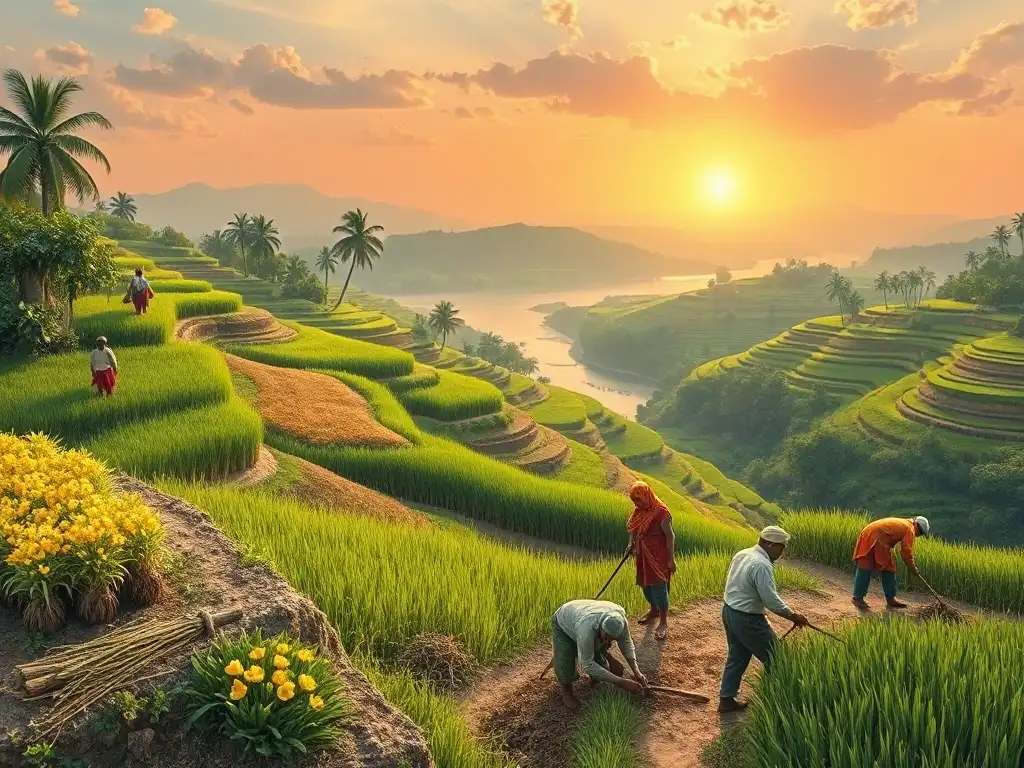
Agriculture has been the backbone of Indian civilization for millennia, shaping not just the economy, but also the culture and social structure of ancient societies. Far beyond the well-known staples of rice and wheat, ancient Indian agriculture practices embraced a remarkable diversity of crops that catered to a variety of climates, geographies, and cultural preferences.
This article delves into the multifaceted agricultural landscape of ancient India, highlighting lesser-known crops and cultivation techniques that contributed to the sustainability and richness of its civilizations. By exploring these practices, we can gain a deeper appreciation for the ingenuity and adaptability of ancient Indian farmers, as well as their lasting impact on the region's economy and dietary traditions.
Overview of Agricultural Diversity in Ancient India
Ancient India was home to a plethora of crops, reflecting the region's diverse climatic and geographic conditions.
- Cereals: In addition to rice and wheat, other cereals like barley, millet (bajra and jowar), and pulses (such as lentils and chickpeas) were extensively cultivated. These crops were vital for nutrition and served as important food sources for the growing population.
- Fruits and Vegetables: The agricultural landscape was rich with fruits such as mangoes, bananas, and pomegranates, alongside vegetables like eggplant, gourds, and leafy greens. These crops were integral to the daily diets of ancient Indians.
- Spices and Condiments: Spices like black pepper, turmeric, and ginger not only enhanced flavors but also played a significant role in trade. These crops established ancient India as a vital center for spice trade.
This variety not only ensured food security but also showcased the agricultural innovations that were developed over centuries.
Importance of Agriculture in Ancient Indian Civilizations
Agriculture was more than just a means of sustenance in ancient India; it was a cornerstone of social and economic stability.
- Economic Backbone: The agrarian economy supported trade and commerce, leading to the growth of cities and the rise of powerful kingdoms. Surplus crops allowed for the development of markets and trade routes.
- Cultural Significance: Agriculture was deeply intertwined with the cultural and religious practices of ancient Indians. Festivals like Pongal and Makar Sankranti celebrated harvests, reflecting the agricultural calendar's importance in daily life.
- Technological Advancements: Ancient Indian farmers employed various innovative techniques for irrigation, crop rotation, and soil management. The development of tools such as the plow and use of terracing maximized agricultural output and sustainability.
Agriculture played a pivotal role in shaping the social, economic, and cultural fabric of ancient Indian civilizations, making it essential to explore beyond the basic understanding of rice and wheat cultivation. The diverse crops and practices that thrived in ancient India provide a fascinating insight into the region's history and its agricultural prowess.
Key Crops Cultivated in Ancient India
Rice: The Staple Crop of Ancient Indian Agriculture
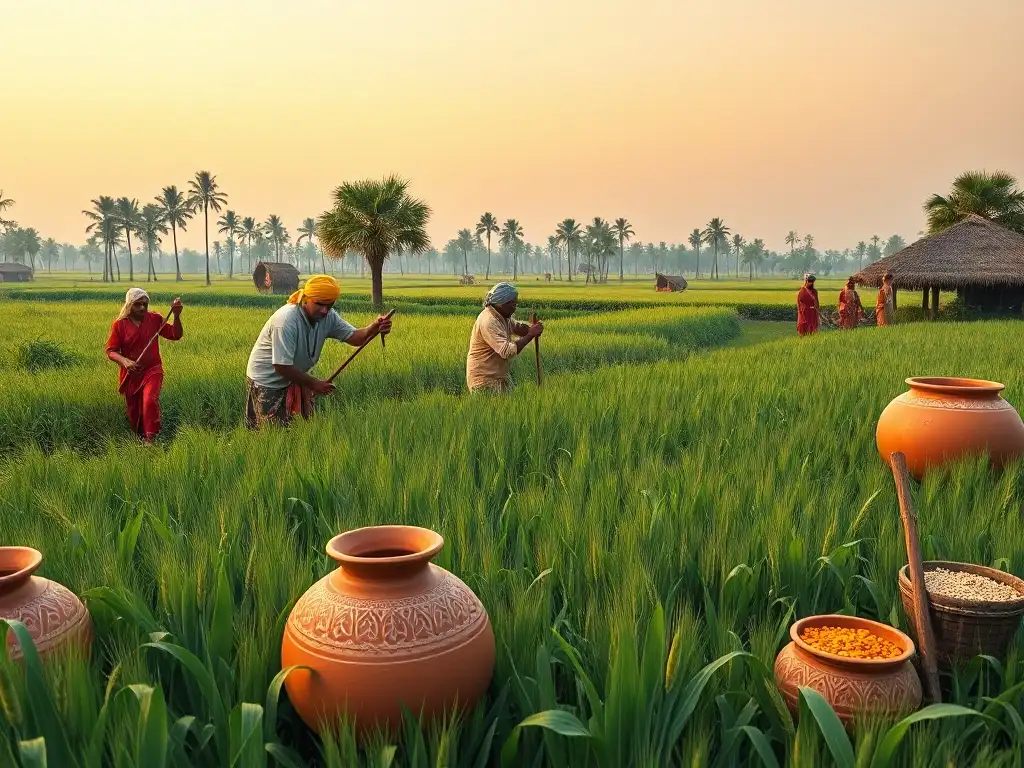
Rice played a central role in ancient Indian agriculture practices, serving not only as a staple food but also as a cultural symbol. Archaeological evidence suggests that rice cultivation began in the northeastern regions of India around 2000 BCE. The favorable climatic conditions and fertile alluvial plains allowed for the establishment of extensive rice cultivation systems, particularly in areas such as the Gangetic plains.
The techniques employed for rice farming were advanced for their time. Farmers practiced irrigation methods, utilizing seasonal monsoon rains and river systems to flood fields, which was crucial for growing rice, particularly varieties such as Oryza sativa. Traditional methods of transplanting seedlings were common, enhancing crop yields and ensuring better growth. The importance of rice is further highlighted by its presence in various ancient texts, including the Atharva Veda, which mentions rice as a vital agricultural product, symbolizing prosperity and sustenance.
Wheat: A Fundamental Grain in Ancient Farming
Wheat was another cornerstone of ancient Indian agriculture, particularly in the northwestern regions, where the climate was conducive to its growth. Evidence from sites like Harappa and Mohenjo-Daro indicates that wheat was cultivated as early as 2500 BCE. This grain was not only a staple food but also an essential component of trade with neighboring civilizations.
Farmers utilized various cultivation techniques to grow wheat effectively. Plowing with wooden plows and employing crop rotation practices were common. Harvesting typically involved sickles, and the grains were threshed by trampling, showcasing the ingenuity of ancient agricultural methods. Wheat's versatility allowed it to be used in various forms, including flour for bread, which played a crucial role in the diet of ancient Indians.
Beyond Rice and Wheat: Other Notable Crops
Ancient Indian agriculture wasn't limited to rice and wheat; a variety of crops were cultivated, each contributing to the economy and diet of the civilization. This diversity enhanced food security and promoted trade.
Barley and Its Role in Ancient India
Barley, another significant crop, thrived in the arid regions of northwest India. It was primarily used for making porridge and as fodder for livestock. The cultivation of barley dates back to the Indus Valley Civilization, where it was grown as a drought-resistant alternative to rice and wheat. The grain was also fermented to produce alcoholic beverages, highlighting its importance in both diet and culture.
Pulses: The Protein Powerhouses of Ancient Agriculture
Pulses, such as lentils, chickpeas, and peas, were integral to ancient Indian agriculture practices. Rich in protein and nutrients, these crops supplemented the diet and were vital during times of food scarcity. The cultivation of pulses was often intercropped with grains, enhancing soil fertility through nitrogen fixation. Ancient texts indicate that pulses were revered for their health benefits, making them a staple in the diet of various communities.
Millets: Nutritional Benefits and Cultivation Techniques
Millets, including finger millet and pearl millet, were widely cultivated in ancient India, particularly in arid and semi-arid regions. These grains are known for their drought resistance and nutritional benefits, being rich in fiber, vitamins, and minerals. Ancient farmers employed traditional methods of shifting cultivation and mixed cropping to grow millets, ensuring crop diversity and sustainability. Their resilience made millets a crucial food source during periods of drought or poor harvests.
Spices: The Flavorful Contributions to Trade and Culture
Spices such as black pepper, cardamom, and turmeric were cultivated in ancient India and played a significant role in agricultural practices. Beyond their culinary uses, these spices were highly sought after in trade, contributing to the economic prosperity of ancient Indian civilizations. The Spice Route, which connected India to various parts of the world, underscores the significance of spice cultivation in enhancing cultural exchanges and trade networks. Ancient texts, including the Ayurveda, also highlight the medicinal properties of various spices, showcasing their multifaceted contributions to society.
Ancient Indian agriculture practices were characterized by a rich diversity of crops beyond rice and wheat. This agricultural variety not only ensured food security but also fostered trade and cultural exchanges, laying the foundation for the thriving economies of ancient Indian civilizations.
Ancient Indian Agricultural Techniques
Traditional Farming Methods in Ancient India
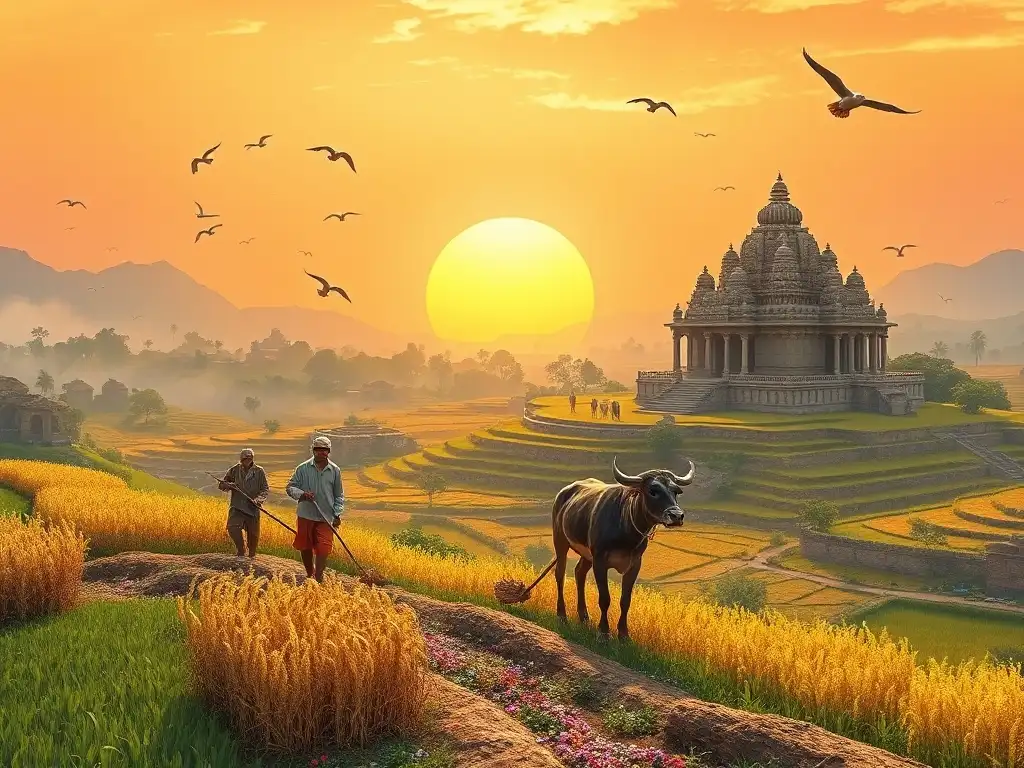
Ancient Indian agriculture practices were characterized by a variety of traditional farming methods that evolved over millennia. These methods were deeply integrated with the local culture and environment, leading to a diverse agricultural landscape. Key practices included:
- Ploughing: The use of wooden ploughs, often pulled by oxen, was prevalent. This technique not only turned the soil but also helped in aerating it, which was essential for crop growth.
- Seed Selection and Sowing: Farmers practiced careful seed selection, often using local varieties that were well adapted to the climatic conditions. Sowing was typically done by broadcasting seeds or using seed drills, ensuring an even distribution in the fields.
- Weeding and Pest Control: Manual weeding was common, with farmers employing various tools to keep their fields free from unwanted plants. Natural pest control methods, such as introducing predatory insects or using plant extracts, were also utilized to protect crops.
These traditional methods contributed significantly to the sustainability of ancient agricultural systems and ensured food security for various communities.
Irrigation Systems: The Backbone of Crop Cultivation
Irrigation was a crucial element in ancient Indian agriculture, enabling farmers to cultivate crops in regions with variable rainfall. The development of sophisticated irrigation systems can be traced back to the Indus Valley Civilization, where:
- Canal Systems: Extensive canal networks were constructed to divert water from rivers to agricultural fields. These canals ensured that crops received adequate water, particularly during dry seasons.
- Reservoirs and Tanks: Large reservoirs and tanks were built to store rainwater, which could be used for irrigation during periods of drought. These structures not only supported agriculture but also played a vital role in local ecosystems.
- Wells and Boreholes: The digging of wells and boreholes allowed communities to access groundwater, further enhancing their agricultural capabilities. This technique was especially important in arid regions where surface water was scarce.
These irrigation techniques were instrumental in maximizing agricultural output and allowed for the cultivation of a wide range of crops, from pulses to fruits and vegetables.
Crop Rotation Practices in Ancient Indian Agriculture
Crop rotation was a fundamental practice in ancient Indian agriculture, contributing to soil fertility and pest management. This technique involved alternating the cultivation of different crops in the same field over consecutive seasons. Key aspects of crop rotation included:
- Nutrient Management: By rotating legumes with cereals, farmers enhanced soil fertility. Legumes such as lentils and chickpeas fixed nitrogen in the soil, enriching it for subsequent crops.
- Pest Control: Changing crops seasonally helped disrupt pest life cycles, reducing the incidence of crop diseases. This natural method of pest control minimized the need for chemical interventions.
- Diverse Crop Production: Crop rotation encouraged the cultivation of various crops, which not only diversified diets but also reduced the risk of crop failure due to market fluctuations or climatic changes.
Through the implementation of crop rotation, ancient Indian farmers effectively managed their agricultural systems, ensuring resilience and sustainability in their practices.
Tools and Implements Used in Ancient Farming
Ancient Indian agriculture was characterized by a variety of tools and implements that facilitated the cultivation and harvesting of diverse crops. The ingenuity of ancient farmers is reflected in the design and adaptation of these tools, which were essential for effective farming practices.
1. Ploughs
The plough was one of the most significant agricultural tools in ancient India. Typically made of wood, ploughs were drawn by oxen or buffaloes, and their design varied across different regions. The ardha (a simple plough without a share) was commonly used for turning the soil, while the phutka (a plough with a share) was more effective for deeper tillage. The introduction of iron implements around 1200 BCE significantly improved the efficiency of ploughing, allowing farmers to cultivate tougher soils.
2. Harrows and Rakes
Harrows were used to break up and level the soil after ploughing, creating a finer seedbed for planting. Ancient harrows were often constructed from wood and featured a series of spikes or teeth to achieve their function. Rakes, similarly, were utilized to gather and smooth the soil, making them essential for preparing land for sowing seeds.
3. Sickles and Reaping Hooks
For harvesting crops, ancient Indian farmers relied on sickles and reaping hooks. The sickle, with its curved blade, allowed for efficient cutting of grains like barley and millet. These tools were often made of iron or bronze, showcasing the technological advancements of the time. The design of sickles varied, with some featuring intricate engravings, reflecting the artistry of ancient Indian metallurgy.
4. Irrigation Implements
Water management was crucial in ancient Indian agriculture, especially in regions dependent on monsoon rains. Farmers utilized various irrigation tools, such as the shaduf (a hand-operated device for lifting water) and wells for drawing groundwater. Canals and embankments were also constructed to divert river water for agricultural use. These irrigation techniques were pivotal in supporting agriculture in arid and semi-arid regions.
5. Seed Drills and Sowing Implements
The ancient Indian agricultural practices included the use of seed drills to ensure even distribution of seeds. These implements allowed farmers to sow seeds at the correct depth and spacing, leading to improved crop yields. The design of seed drills often included a ploughshare and openings for seed placement, demonstrating an understanding of agronomic principles.
6. Storage and Processing Tools
After harvesting, ancient farmers employed various tools for processing and storing crops. Mortars and pestles were commonly used for grinding grains, while large storage granaries made of mud or brick helped protect harvested produce from pests and moisture. These storage techniques were vital for ensuring food security throughout the year.
The tools and implements used in ancient Indian farming were diverse and sophisticated, reflecting the agricultural expertise of the time. These tools not only facilitated crop cultivation but also played a crucial role in the economic stability of ancient Indian societies. The effective use of these implements contributed to the rich agricultural heritage that underpinned the flourishing civilizations of ancient India.
Regional Variations in Crop Cultivation
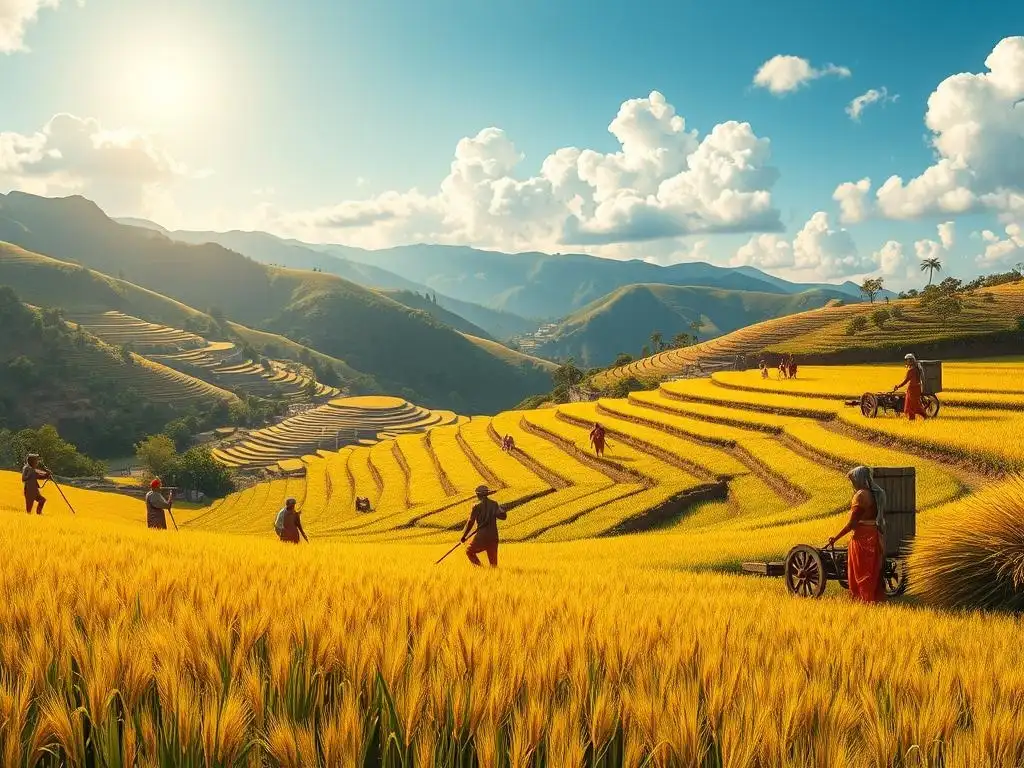
The diversity of ancient Indian agriculture practices can be traced back to the varying geographical and climatic conditions across the subcontinent. Each region developed unique methods tailored to their specific environment, ensuring the successful cultivation of a wide range of crops. This regional variation is evident in the types of crops grown, the techniques employed, and the agricultural tools utilized.
Agricultural Practices in the Indus Valley Civilization
The Indus Valley Civilization (circa 3300–1300 BCE) is renowned for its advanced urban planning and agricultural practices. The fertile plains along the Indus River supported a diverse agricultural economy. Key features of their agricultural practices included:
- Irrigation Systems: The Indus Valley farmers developed sophisticated irrigation techniques, including channel systems that diverted river water to fields. This allowed for the cultivation of crops even in drier periods.
- Crop Diversity: Evidence from archaeological sites indicates the cultivation of various crops, such as barley, peas, sesame, and cotton. The presence of cotton suggests that the region was also an early center for textile production.
- Tools and Implements: The use of plows made from wood, along with sickles and grinding stones, facilitated more efficient farming. The plow, in particular, represented a significant advancement in tillage techniques.
These practices laid the foundation for agricultural development in subsequent periods, showcasing the ingenuity of the Indus Valley farmers in maximizing their agricultural output.
Crop Cultivation in the Vedic Period
During the Vedic period (circa 1500–500 BCE), agriculture began to flourish, influenced by cultural and technological advancements. The Vedic texts provide insights into the agricultural practices of this era, highlighting:
- Crops Cultivated: This period saw the introduction of new crops, including rice, lentils, and various millets. The diversity of crops not only supported the diet but also played a role in trade and economy.
- Seasonal Farming Techniques: The Vedic people practiced seasonal farming, which involved timing planting and harvesting according to the monsoons. This understanding of weather patterns was crucial for maximizing yields.
- Religious and Cultural Significance: Agriculture was often intertwined with religious practices. Rituals and offerings to deities for bountiful harvests reflected the deep connection between agriculture and Vedic culture.
Thus, the Vedic period marked a significant evolution in ancient Indian agriculture practices, with an emphasis on crop diversity and spiritual engagement in farming.
The Gupta Empire and Its Agricultural Innovations
The Gupta Empire (circa 320–550 CE) is often referred to as a golden age of Indian history, marked by substantial advancements across various fields, including agriculture. Key innovations during this period included:
- Improved Agricultural Techniques: The Guptas employed more efficient plowing methods and introduced the use of iron tools, which enhanced productivity. This led to increased cultivation of crops such as sugarcane and spices.
- Agricultural Texts: The period saw the creation of texts that documented agricultural practices, like the Krishi Parashara, which provided guidelines on crop rotation, soil management, and pest control.
- Market Expansion: Agricultural surplus during the Gupta period supported trade and commerce, with farmers selling their produce in local and regional markets. This economic shift contributed to the overall prosperity of the empire.
The agricultural innovations of the Gupta Empire reflect a culmination of earlier practices while setting the stage for future advancements in ancient Indian agriculture. The emphasis on improved techniques and the integration of agriculture into the economy underscore the importance of farming in sustaining and enriching ancient Indian civilization.
The Impact of Climate and Geography on Crop Diversity
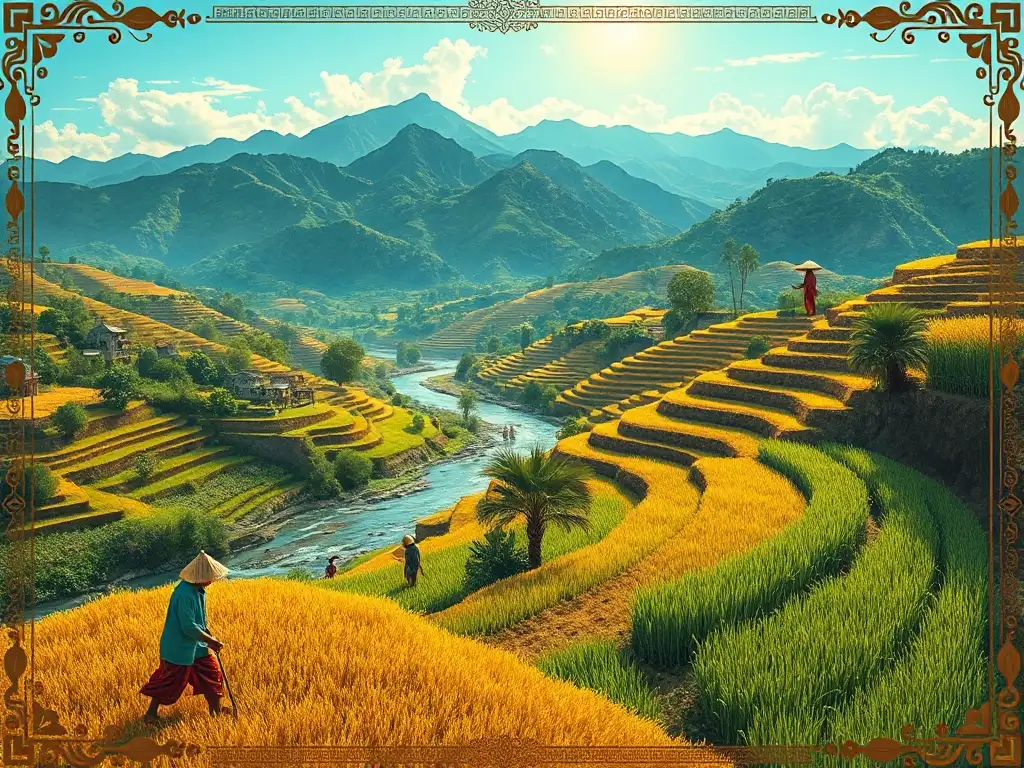
Monsoon Patterns and Their Influence on Agriculture
The monsoon season played a crucial role in shaping the agricultural practices of ancient India. The Indian subcontinent is characterized by a distinct monsoon climate, marked by the arrival of the southwest monsoon during the summer months. This seasonal rainfall is vital for agricultural productivity and has significantly influenced the types of crops cultivated in various regions.
- Rainfall Distribution: The monsoon brings heavy rains, particularly between June and September, which replenishes water sources and provides the essential moisture required for crop growth. Regions such as the Western Ghats and the northeastern states receive abundant rainfall, allowing for a diverse range of crops to flourish.
- Crop Scheduling: Farmers in ancient India developed sophisticated knowledge of monsoon patterns, enabling them to plan their sowing and harvesting schedules effectively. For instance, crops such as paddy (rice) are sown at the onset of the monsoon to take advantage of the ample moisture, while drought-resistant varieties, such as millet, may be planted later in the season.
- Water Management Techniques: To cope with the variability of the monsoon, ancient Indian agricultural practices included advanced water management techniques. The construction of irrigation systems, such as step-wells and tanks, allowed farmers to store excess rainwater for use during drier periods. This practice not only ensured a steady supply of water but also diversified crop cultivation beyond the monsoon-dependent varieties.
Diverse Topography and Its Contribution to Crop Varieties
The varied topography of ancient India, including mountains, plains, and plateaus, significantly contributed to the diversity of crops cultivated across the region. Each geographical zone offered unique microclimates and soil types that supported different agricultural practices.
- Himalayan Region: In the northern mountainous areas, the cooler climate and varied altitudes led to the cultivation of crops such as barley and buckwheat. These hardy grains thrived in the less fertile, rocky soils and colder temperatures, showcasing the adaptability of ancient Indian agriculture.
- Gangetic Plains: This fertile region, nourished by the Ganges River and its tributaries, became the heart of ancient Indian agriculture. The alluvial soil here was ideal for growing rice, pulses, and oilseeds. The agricultural practices in this area were characterized by the use of plowing techniques and crop rotation, which enhanced soil fertility and crop yield.
- Deccan Plateau: The plateau's volcanic soil and moderate climate facilitated the cultivation of crops such as jowar (sorghum), bajra (pearl millet), and various pulses. The farmers in this region employed dry farming techniques, adapting to the less predictable rainfall patterns by conserving moisture in the soil.
- Coastal Regions: The coastal areas of ancient India benefited from a tropical climate, which was conducive to the growth of coconut, sugarcane, and various spices. The proximity to the sea also allowed for the development of trade in these crops, further enriching the agricultural diversity of the region.
The interplay of monsoon patterns and diverse topography played a foundational role in shaping ancient Indian agriculture practices. By adapting to these climatic and geographical factors, ancient Indian civilizations cultivated a wide variety of crops, contributing to their economic prosperity and cultural richness.
Conclusion: The Legacy of Ancient Indian Agriculture Practices
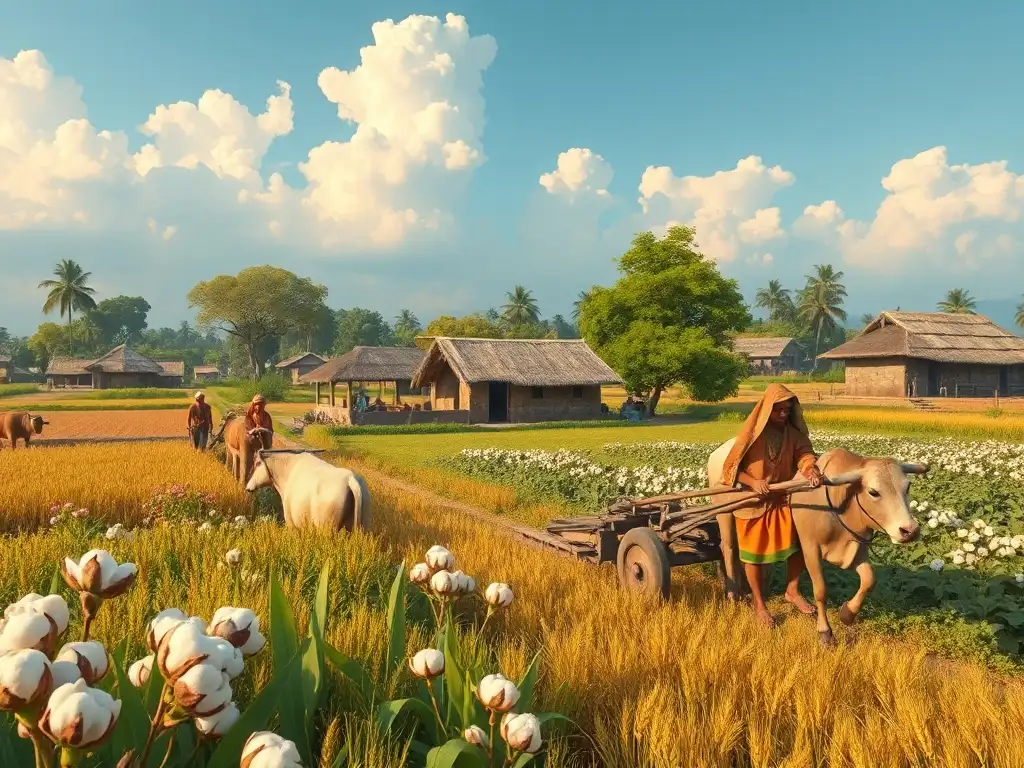
The legacy of ancient Indian agriculture practices extends far beyond the cultivation of staple crops like rice and wheat. The diverse agricultural methods employed by ancient Indian civilizations laid the groundwork for modern farming techniques and continue to influence agricultural practices today. Ancient Indian farmers utilized a wide range of crops, including pulses, millets, and oilseeds, which not only enriched their diet but also contributed to soil fertility and sustainability.
The knowledge of crop rotation, intercropping, and organic farming methods was prevalent among ancient Indian agriculturists. They understood the importance of biodiversity in agriculture, which helped mitigate pest infestations and diseases. For instance, the practice of cultivating legumes alongside cereals improved nitrogen levels in the soil, enhancing crop yields. This holistic approach to farming is echoed in contemporary sustainable agricultural practices, where maintaining soil health and ecological balance is paramount.
Lasting Influence on Modern Agricultural Techniques
The principles of ancient Indian agriculture have left a significant mark on current agricultural methodologies. Techniques such as agroforestry and permaculture can trace their roots back to ancient practices. Farmers in ancient India recognized the benefits of integrating trees and shrubs into their agricultural systems, which provided shade, reduced soil erosion, and fostered biodiversity.
- Crop Diversity:
- Ancient farmers cultivated a variety of crops, including:
- Millets: Such as finger millet (ragi) and pearl millet (bajra), which are drought-resistant.
- Pulses: Like lentils and chickpeas, which enriched soil fertility.
- Oilseeds: Such as sesame and groundnut, which provided essential fats.
- Ancient farmers cultivated a variety of crops, including:
- Sustainable Practices:
- Techniques such as:
- Natural Pest Control: Using plants with insect-repelling properties.
- Traditional Irrigation Methods: Such as the use of step wells and canals.
- Techniques such as:
These practices not only improved agricultural productivity but also ensured that farming was environmentally sustainable, a lesson that modern agriculture is increasingly adopting to combat climate change and resource depletion.
The Cultural Significance of Diverse Crops in Ancient India
The cultural significance of diverse crops in ancient India cannot be overstated. Agriculture was intrinsically linked to the societal and economic fabric of ancient Indian civilizations. Different crops held various cultural meanings and were integral to festivals, rituals, and local cuisines.
- Festivals and Rituals:
- Specific crops were associated with particular festivals. For example:
- Pongal: Celebrated in Tamil Nadu, this festival honors the harvest of rice and other grains.
- Makar Sankranti: Marks the harvest of sesame and sugarcane, symbolizing prosperity.
- Specific crops were associated with particular festivals. For example:
- Culinary Traditions:
- Diverse crops contributed significantly to the rich culinary heritage of India:
- Millets: Used in traditional dishes like khichdi and rotis.
- Pulses: Integral to everyday meals, providing essential protein and nutrients.
- Diverse crops contributed significantly to the rich culinary heritage of India:
- Symbolism in Literature and Art:
- Crops often featured in ancient texts and art, symbolizing fertility, abundance, and the relationship between humans and nature. For instance, the Rigveda mentions the importance of grains, reflecting their role in sustenance and ritual offerings.
The diverse crops and agricultural practices of ancient India not only shaped the economy and dietary preferences of the time but also left an indelible mark on cultural identity, continuing to influence modern agricultural practices and societal values. The understanding and appreciation of these ancient agricultural techniques underscore their relevance in today's quest for sustainable and culturally rich farming practices.
Frequently Asked Questions
What were the main crops cultivated in ancient India?
Ancient Indian agriculture practices included a diverse range of crops such as millets, pulses, barley, and oilseeds, in addition to the well-known rice and wheat. This diversity supported various regional diets and agricultural practices.
How did ancient Indian civilizations manage irrigation?
The management of irrigation systems was crucial for ancient Indian agriculture. Civilizations developed techniques like canal systems and water harvesting to optimize water use for their diverse crops.
What role did trade play in ancient Indian agriculture?
Trade significantly influenced ancient Indian agriculture by allowing farmers to exchange surplus crops for goods and resources, thereby enhancing agricultural productivity and introducing new crops to different regions.
How did ancient Indian agriculture practices impact society?
The development of agriculture led to the establishment of permanent settlements, which fostered social hierarchies, economic structures, and cultural advancements, ultimately shaping ancient Indian civilizations.
Were there any significant agricultural texts in ancient India?
Yes, ancient India produced important agricultural texts like the Krishi Parashara, which provided insights into farming techniques, crop rotation, and soil management, reflecting the sophistication of ancient Indian agriculture practices.
Final Reflection: Embracing the Richness of Ancient Indian Agriculture
The exploration of ancient Indian agriculture practices reveals a tapestry of diversity that is as relevant today as it was centuries ago. In a world increasingly focused on sustainability and food security, understanding the myriad crops cultivated by our ancestors provides invaluable insights into resilient agricultural systems. The striking statement here is that the wisdom of ancient practices can guide modern approaches to farming, reminding us that innovation often lies in revisiting our roots.
Cultural and social landscapes are profoundly shaped by the agricultural practices we inherit, and the legacy of ancient Indian agriculture is no exception. The diverse crops cultivated in ancient India not only nourished communities but also fostered a deep connection between people and the land. This connection is echoed in the words of Mahatma Gandhi: To forget how to dig the earth and to tend the soil is to forget ourselves.
This sentiment underscores the importance of remembering and honoring the agricultural traditions that have sustained generations and continue to influence our relationship with food and nature.
As we reflect on the lessons from ancient Indian agriculture, I invite you to consider how these practices can inspire your own relationship with food and the environment. Take a moment to explore local agricultural initiatives, support diverse farming practices, or even start a small garden. By embracing the richness of our agricultural heritage, we can cultivate a future that honors the past while nurturing the planet for generations to come.
Unveil the Rich Tapestry of Ancient Agriculture!
Thank you for exploring the fascinating world of ancient Indian crops with us! You've uncovered not just the staples of rice and wheat, but a whole ecosystem of diverse agricultural practices that shaped civilizations. Now, it’s time to take that knowledge and put it into action!
Here are a few simple but impactful steps you can take next:
- Dive deeper into ancient agriculture: Research a lesser-known crop and discover its significance in local cultures. You might be surprised by what you find!
- Share the wisdom: Discuss your newfound insights with friends or family, or even post about it on your social media. Let others learn about the fascinating diversity of ancient crops!
- Join a local farming group or community: Engage with modern agricultural practices that draw inspiration from ancient techniques, or support biodiversity by growing heirloom varieties. Your actions can make a difference in preserving ancient knowledge!
What crop or agricultural practice from ancient India intrigues you the most, and how do you think it could be relevant in today's farming practices?