
The Legacy of Ancient Indian Land Use: Strategies for Today's Farmers


Welcome to Ancient India History, where we embark on a captivating journey through the rich tapestry of ancient Indian civilizations. Here, we delve into the remarkable farming techniques that shaped the landscapes and livelihoods of our ancestors. From the innovative irrigation practices of the Indus Valley to the sustainable agricultural strategies of the Gupta Empire, the legacy of ancient Indian land use holds valuable lessons for contemporary farmers.
Join us as we uncover the secrets of these time-honored methods and explore how they can inspire modern agricultural practices. What can we learn from the past to cultivate a better future? Read on to find out!
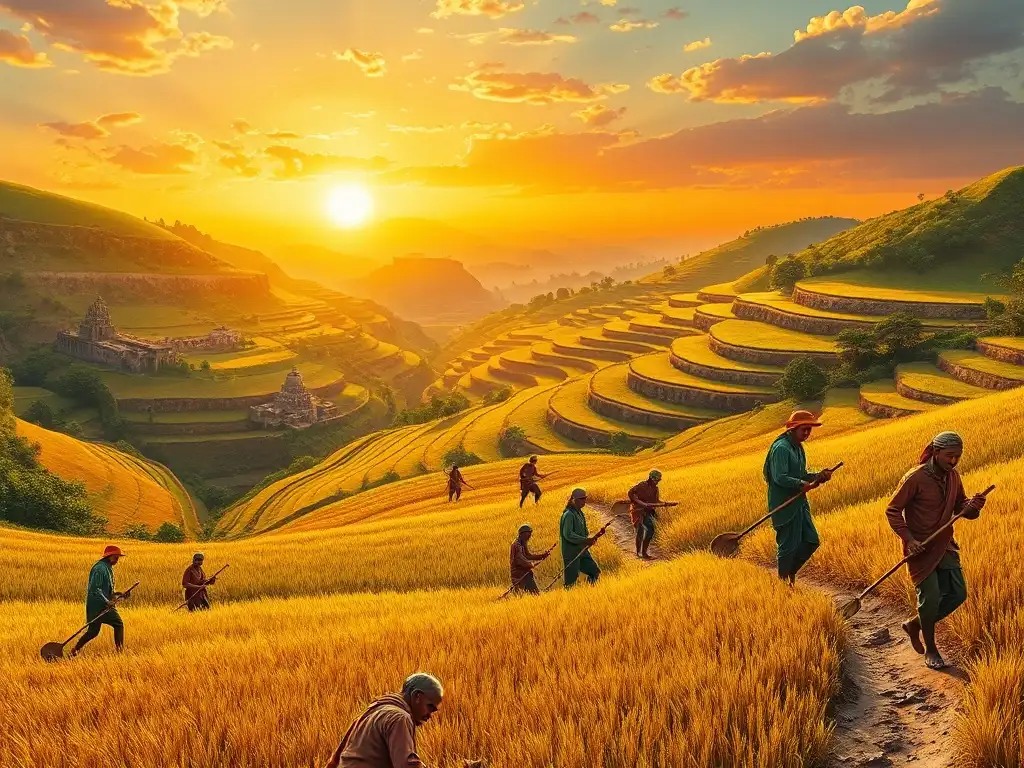
Introduction to Ancient Indian Farming Techniques
The history of agriculture in India is a fascinating journey that reflects the ingenuity and adaptability of its ancient civilizations. From the sophisticated urban planning of the Indus Valley Civilization to the flourishing agrarian societies during the Gupta Empire, ancient Indian farming techniques exhibit a legacy that is both profound and influential.
With a landscape marked by diverse climates and terrains, ancient Indian farmers developed innovative practices that maximized agricultural output while ensuring sustainability. In an era where modern farming faces various challenges, revisiting these ancient methods can provide invaluable strategies for today's farmers, helping them to cultivate their land effectively while preserving the environment.
Overview of Ancient Indian Agriculture
Ancient Indian agriculture was characterized by a deep understanding of local ecosystems and a harmonious relationship with nature. Farmers employed a variety of techniques, including:
- Crop Rotation: This practice ensured soil fertility and reduced pest infestations.
- Intercropping: Growing multiple crops in proximity allowed for better land use and maximized yield.
- Irrigation Systems: Ingenious irrigation methods, such as the construction of canals and wells, facilitated agriculture in arid regions.
The diversity of crops grown, including staples like rice, wheat, and millet, alongside pulses and oilseeds, illustrates the agricultural richness of ancient India. These practices laid the groundwork for a thriving economy and complex social structures.
Importance of Land Use in Ancient Civilizations
Land use in ancient civilizations was not merely about cultivation; it was integral to their identity and culture.
- Socio-Economic Impact: Agriculture supported population growth and urbanization, leading to the rise of cities and trade networks.
- Cultural Significance: Farming practices were often intertwined with religious beliefs and festivals, showcasing the respect for the land and its resources.
- Environmental Stewardship: The sustainable practices adopted by ancient farmers reflected a profound understanding of ecological balance, which is essential in today’s context of climate change.
Historical Context of Ancient Indian Land Use
Understanding the historical context of ancient Indian land use provides critical insights into the evolution of agricultural techniques and their relevance today.
Early Farming Practices in the Indus Valley Civilization
The Indus Valley Civilization (circa 3300–1300 BCE) is renowned for its advanced urban planning and agricultural practices. Farmers utilized:
- Irrigation Systems: Extensive canal networks allowed for effective water management.
- Crop Diversity: Evidence suggests the cultivation of wheat, barley, peas, and cotton, showcasing advanced agricultural knowledge.
The sophisticated techniques employed during this period set a precedent for future agricultural advancements in India.
Innovations in Agriculture during the Vedic Period
The Vedic period (circa 1500–500 BCE) marked significant developments in agricultural practices, including:
- Use of Iron Tools: The introduction of iron plows enhanced tillage and land preparation.
- Agricultural Texts: The emergence of texts like the "Krishi Sutra" documented farming techniques and crop management strategies.
These innovations contributed to increased productivity and laid the foundation for agrarian societies.
Agricultural Developments in the Maurya and Gupta Empires
The Maurya (322–185 BCE) and Gupta Empires (circa 320–550 CE) witnessed remarkable agricultural growth due to:
- State Support: The promotion of agriculture through land grants and irrigation projects increased productivity.
- Trade Networks: Established trade routes facilitated the exchange of agricultural products, enhancing economic prosperity.
The legacy of these ancient agricultural practices continues to influence modern farming techniques, emphasizing the importance of sustainable land use strategies for today’s farmers.
Key Ancient Indian Farming Techniques
Ancient Indian farming techniques were diverse, reflecting the rich agricultural heritage of the subcontinent. These techniques were shaped by local climates, soil types, and the availability of water, leading to a variety of practices that optimized productivity and sustainability. Key methods included crop rotation, the use of organic fertilizers, advanced irrigation systems, and agroforestry practices. Each of these techniques not only contributed to increased agricultural output but also emphasized the importance of ecological balance, which is a crucial consideration for modern farmers looking to adopt sustainable practices.
Crop Rotation and Its Benefits
Crop rotation is an ancient practice that involves alternating the types of crops grown on a particular piece of land from season to season. This technique was prevalent in ancient India for several reasons:
- Soil Nutrient Management: Different crops have varying nutrient requirements. By rotating crops, farmers could prevent soil nutrient depletion and maintain its fertility.
- Pest and Disease Control: Changing crops can disrupt the life cycles of pests and diseases that thrive on specific plants, reducing the need for chemical pesticides.
- Weed Suppression: Rotating crops can help in suppressing weeds, as different crops can compete with different weed species.
The benefits of crop rotation not only improved yields but also promoted a healthier ecosystem, making it a valuable strategy for contemporary farmers.
Use of Organic Fertilizers: Cow Dung and Compost
In ancient India, the use of organic fertilizers was a cornerstone of sustainable agriculture. Cow dung and compost were widely utilized for several reasons:
- Nutrient-Rich: Cow dung is high in essential nutrients like nitrogen, phosphorus, and potassium, which are vital for plant growth. Compost, made from decomposed organic matter, also enriches the soil with nutrients.
- Soil Health Improvement: These organic fertilizers enhance soil structure, promote microbial activity, and improve water retention capacity, leading to healthier crops.
- Environmental Sustainability: Utilizing organic fertilizers reduces dependency on chemical fertilizers, which can harm the environment and deplete soil health over time.
Farmers today can learn from these ancient practices to create a more sustainable farming model that prioritizes soil health and ecological balance.
Irrigation Systems: Wells, Canals, and Tanks
Ancient Indian civilizations excelled in developing sophisticated irrigation systems that allowed them to cultivate crops efficiently in varying climates. Key components of these systems included:
- Wells: Hand-dug wells provided a reliable source of groundwater, enabling farmers to irrigate their fields even during dry spells.
- Canals: Constructed to divert water from rivers and streams, canals facilitated the distribution of water to large agricultural areas, supporting extensive farming practices.
- Tanks: These were man-made reservoirs that collected rainwater and runoff, serving as critical irrigation sources during dry seasons.
These irrigation techniques not only maximized agricultural output but also demonstrated an understanding of water management and conservation that is increasingly relevant in today’s context of climate change and water scarcity.
Agroforestry Practices in Ancient India
Agroforestry, the integration of trees and shrubs into agricultural landscapes, was a common practice in ancient India. This method offered several benefits:
- Biodiversity Promotion: By incorporating trees into farming systems, ancient farmers enhanced biodiversity, which improved pest control and soil health.
- Microclimate Regulation: Trees provided shade and reduced wind speed, creating a more favorable microclimate for crops, especially in arid regions.
- Resource Utilization: The diverse products from trees, such as fruits, nuts, and timber, provided additional sources of income and nutrition for farming families.
Agroforestry practices illustrate how ancient farmers valued ecological balance, a vital consideration for modern agricultural practices that seek to address sustainability challenges.
The Role of Climate and Geography in Ancient Indian Agriculture
The agricultural practices of ancient India were significantly influenced by the region's climate and geography. Different areas developed unique agricultural strategies tailored to their specific environmental conditions, leading to a rich tapestry of farming traditions across the subcontinent.
Regional Variations in Farming Techniques
India's diverse geography, ranging from the fertile plains of the Ganges to the arid deserts of Rajasthan, resulted in distinct regional farming techniques:
- Floodplain Agriculture: In regions like the Ganges River basin, farmers utilized seasonal flooding to enrich soils with silt, enabling the cultivation of rice and other flood-tolerant crops.
- Terracing: In hilly areas, farmers built terraces to manage steep slopes, preventing soil erosion while maximizing arable land.
- Dryland Farming: In arid regions, techniques like contour plowing and moisture conservation methods were developed to optimize water use and enhance crop resilience.
These regional variations highlight the adaptability of ancient Indian farmers to their environments, offering insights for modern agricultural practices that must also contend with climate variability.
Adaptation to Monsoon Patterns and Soil Types
Ancient Indian farmers had a profound understanding of monsoon patterns and soil types, which played a crucial role in their agricultural strategies:
- Monsoon Agriculture: The reliance on monsoon rains for irrigation led to the cultivation of specific crops that thrived in wet conditions, such as rice and millet. Farmers developed calendars and techniques to plant and harvest in sync with seasonal rains.
- Soil Management: Different soil types, from sandy to clayey, required tailored approaches to farming. Farmers learned to amend soils with organic matter and select appropriate crops based on soil fertility and texture.
This deep-rooted knowledge of climate and soil underscores the importance of local ecological contexts in shaping successful agricultural practices, a lesson that remains relevant for today's farmers facing new environmental challenges.
Lessons from Ancient Indian Farming for Modern Agriculture
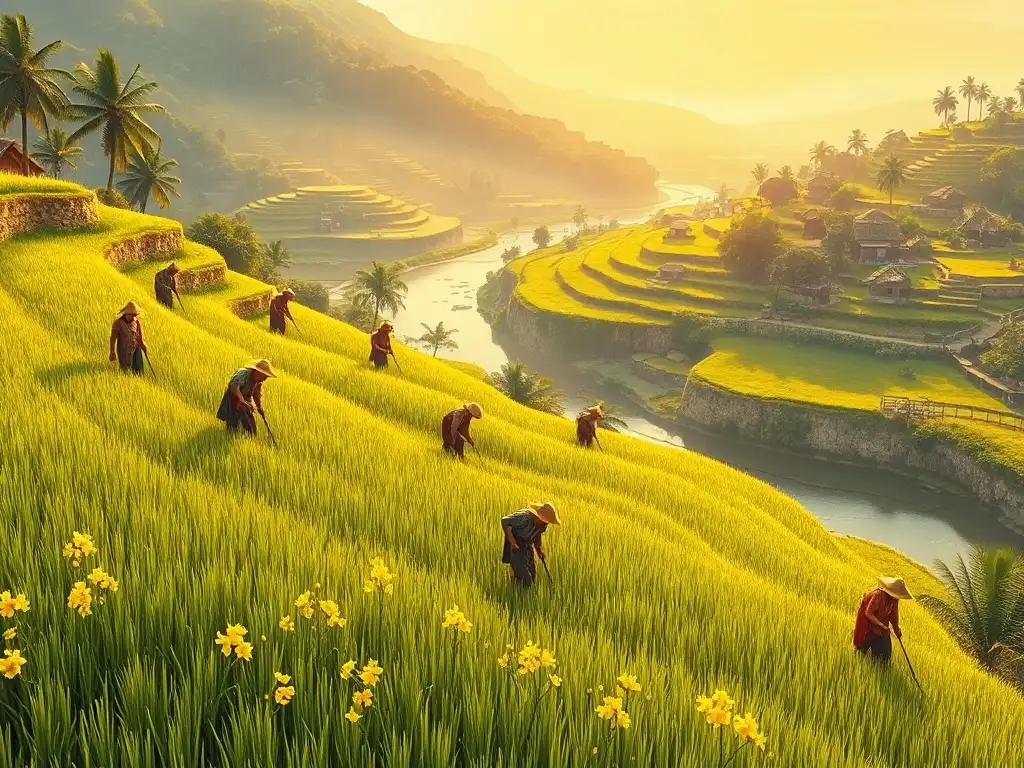
The rich tapestry of ancient Indian farming techniques offers a wealth of knowledge that can greatly benefit contemporary agricultural practices. From the sophisticated irrigation systems of the Indus Valley Civilization to the crop diversification strategies employed during the Gupta Empire, these ancient methodologies highlight sustainable practices that align well with today’s need for eco-friendly agriculture. As modern farmers face challenges such as climate change, soil depletion, and water scarcity, integrating these time-tested strategies can enhance productivity while preserving the environment.
Ancient Indian farmers had an intricate understanding of their local ecosystems. They relied on natural indicators for planting and harvesting, which allowed them to maintain a balance with nature. This relationship with the land fostered resilience against environmental changes, a lesson that modern agriculture can emulate. By recognizing the importance of biodiversity and ecological balance, today's farmers can not only improve yield but also contribute to the overall health of the planet.
Sustainable Practices Inspired by Ancient Techniques
Sustainable practices rooted in ancient Indian agriculture emphasize the principles of conservation and efficiency. One such practice is the use of organic fertilizers derived from local resources, such as cow dung and crop residues. This method not only enriches the soil but also reduces dependence on chemical fertilizers, mitigating environmental impact.
Additionally, ancient farmers employed contour farming and terracing to combat soil erosion and optimize water use. These strategies captured rainwater and facilitated groundwater recharge, ensuring that crops received adequate hydration without depleting local water sources. By reintroducing these techniques, modern farmers can create resilient systems that adapt to changing climatic conditions.
The Relevance of Traditional Knowledge in Today's Farming Systems
Traditional knowledge plays a crucial role in the sustainability of farming systems. Ancient Indian farmers possessed a deep understanding of local conditions, including soil types, rainfall patterns, and pest cycles. This knowledge is invaluable in the context of precision agriculture, where data-driven decisions are paramount.
By integrating indigenous practices with modern scientific approaches, farmers can enhance their productivity while respecting the ecological balance. For instance, traditional pest management techniques, such as intercropping and using natural predators, can reduce reliance on chemical pesticides, leading to healthier crops and ecosystems.
Moreover, the community-centric approach of ancient farming, where knowledge and resources were shared among farmers, can foster cooperation and resilience in today's agricultural landscapes. Such collaboration can lead to innovative solutions tailored to specific local challenges.
Integrating Ancient Wisdom with Modern Technology
The fusion of ancient wisdom and modern technology presents a compelling opportunity for the agricultural sector. Innovations like precision irrigation systems can enhance the water management techniques used in ancient times, ensuring that resources are used judiciously. For example, drip irrigation, which delivers water directly to the plant roots, mirrors the efficiency of traditional methods while incorporating the precision offered by modern technology.
Moreover, the use of mobile applications and data analytics can help farmers make informed decisions based on historical agricultural practices. By analyzing local climate data and soil conditions, farmers can apply ancient techniques that are best suited to their specific environments, optimizing productivity and sustainability.
Case Studies: Successful Implementation of Ancient Techniques Today
The revival of ancient farming techniques has been observed in various regions, showcasing their relevance and effectiveness in modern agriculture. These case studies not only highlight the adaptability of these practices but also underscore their potential in addressing contemporary agricultural challenges.
Modern Farm Using Ancient Irrigation Techniques
One notable example is a farm in Rajasthan that has successfully adopted ancient irrigation practices, such as the use of stepwells and traditional water harvesting systems. By constructing check dams and implementing channel irrigation, the farm has significantly improved its water retention capabilities. This method not only maximizes water use efficiency but also enhances soil moisture, leading to better crop yields even in arid conditions.
The farm's commitment to these ancient techniques has garnered attention, proving that integrating traditional methods with modern knowledge can lead to sustainable farming solutions. As a result, they have minimized water wastage and reduced costs, setting a precedent for other farmers in the region.
Crop Rotation Practices from Ancient India in Current Farming
Another compelling case study involves a cooperative in Karnataka that has revitalized ancient crop rotation practices, which were common in ancient Indian agriculture. By alternating pulses, cereals, and oilseeds in their cropping system, the cooperative has improved soil fertility and reduced pest infestations.
This practice not only enhances biodiversity but also maximizes land use efficiency. The cooperative reported a marked increase in overall productivity and soil health, demonstrating the feasibility and benefits of incorporating ancient agricultural wisdom into modern farming. Such initiatives showcase how traditional practices can contribute to sustainable agricultural development, ensuring food security for the future.
Conclusion
The exploration of ancient Indian farming techniques unveils a wealth of knowledge that continues to resonate in modern agricultural practices. By understanding the innovative methods employed by ancient civilizations, today's farmers can gain insights into sustainable practices that promote both productivity and ecological balance. Ancient Indian societies, such as those from the Indus Valley and the Gupta Empire, developed sophisticated land use strategies that optimized crop yield while maintaining the health of the environment.
Summarizing the Impact of Ancient Indian Farming Techniques on Today’s Agriculture
Ancient Indian farming techniques have profoundly influenced contemporary agricultural practices. The use of crop rotation, intercropping, and organic fertilizers, for instance, demonstrates a holistic understanding of ecosystem management that can lead to increased soil fertility and reduced pest outbreaks. Techniques such as rainwater harvesting and the construction of step wells exemplify advanced irrigation systems that ensured water conservation, a pressing issue in many parts of the world today.
Furthermore, the emphasis on locally adapted crop varieties allowed ancient farmers to cultivate resilient food sources that thrived under specific climatic and soil conditions. This adaptability is particularly relevant in the face of climate change, encouraging modern farmers to prioritize indigenous crops, which can withstand variable weather patterns. By incorporating these ancient practices into their operations, farmers not only enhance their productivity but also contribute to biodiversity preservation and soil health.
Encouraging a Return to Sustainable Practices for Future Generations
As we confront the challenges of modern agriculture—such as soil degradation, water scarcity, and the impact of chemical inputs—there is a pressing need to revisit and integrate ancient Indian farming techniques into contemporary practices. By emphasizing sustainability, farmers can work towards reducing their ecological footprint while still meeting the demands of a growing population.
Promoting education and awareness about these practices is essential. Farmers, agricultural scientists, and policymakers should collaborate to develop programs that highlight the benefits of traditional methods, ensuring they are accessible and applicable in today's context. Community-led initiatives, such as workshops and demonstration farms, can empower local farmers to adopt sustainable techniques that have stood the test of time.
Embracing the legacy of ancient Indian farming techniques not only honors the wisdom of past civilizations but also paves the way for a sustainable agricultural future. By learning from history, we can cultivate a more resilient and environmentally friendly agricultural system that supports both current needs and future generations.
- Introduction to Ancient Indian Farming Techniques
- Historical Context of Ancient Indian Land Use
- Key Ancient Indian Farming Techniques
- The Role of Climate and Geography in Ancient Indian Agriculture
- Lessons from Ancient Indian Farming for Modern Agriculture
- Case Studies: Successful Implementation of Ancient Techniques Today
- Conclusion
- What were some common ancient Indian farming techniques?
- How did the Indus Valley Civilization influence farming practices?
- What role did the Gupta Empire play in agriculture?
- How have ancient Indian farming techniques impacted modern agriculture?
- Are there any resources for studying ancient Indian agriculture?
Frequently Asked Questions
What were some common ancient Indian farming techniques?
Ancient Indians utilized innovative irrigation methods, crop rotation, and mixed cropping to enhance soil fertility and maximize yields. These techniques laid the foundation for sustainable agriculture.
How did the Indus Valley Civilization influence farming practices?
The Indus Valley Civilization is known for its advanced urban planning, including drainage systems and granaries, which facilitated efficient farming and storage, significantly impacting agricultural practices in ancient India.
What role did the Gupta Empire play in agriculture?
The Gupta Empire promoted agricultural advancements by encouraging the use of fertilizers and improved plowing methods, leading to increased agricultural productivity and economic growth during its reign.
How have ancient Indian farming techniques impacted modern agriculture?
Modern farmers can learn from ancient methods like crop diversification and organic farming, which promote sustainability and resilience against climate change, reflecting the wisdom of ancient Indian practices.
Are there any resources for studying ancient Indian agriculture?
Yes, there are numerous academic journals, books, and online resources dedicated to ancient Indian agriculture, including archaeological studies and historical texts that explore the farming techniques used by past civilizations.
Final Reflection: Embracing Ancient Wisdom for Modern Sustainability
The lessons derived from ancient Indian farming techniques are not just relics of the past; they are vital strategies that resonate with the challenges we face today. As we grapple with climate change, soil degradation, and the need for sustainable agriculture, the wisdom embedded in these age-old practices offers a beacon of hope. The ability to harmonize with nature rather than dominate it is a striking reminder of what we can achieve when we respect the land that sustains us.
The influence of ancient Indian land use extends far beyond historical significance; it continues to shape our cultural and social landscapes. These techniques, rooted in community collaboration and ecological balance, serve as a foundation for modern agricultural practices that prioritize sustainability. As we witness a resurgence in interest towards organic farming and permaculture, we can see that these ancient methods are not merely historical footnotes but rather a source of inspiration for contemporary farmers. The future belongs to those who believe in the beauty of their dreams.
– Eleanor Roosevelt. This quote encapsulates the spirit of innovation that can arise when we look to the past for guidance.
As you reflect on the insights shared in this article, I invite you to consider how you can incorporate these ancient strategies into your own life or work. Whether you are a farmer, a consumer, or simply someone who cares about the environment, there is a role for you in this journey towards sustainability. Let us honor the legacy of ancient Indian farming techniques by applying their principles to our modern challenges, ensuring that we cultivate a future that is not only productive but also respectful of the earth and its resources.
Embrace Ancient Wisdom to Transform Modern Farming!
Thank you for exploring the fascinating world of ancient Indian land use and its relevance today! By understanding these timeless strategies, you can empower your farming practices and contribute to sustainable agriculture. Now, let's take that inspiration and put it into action!
- Implement a traditional permaculture design in your own garden or farm to enhance biodiversity and soil health.
- Connect with fellow farmers in your area to share insights and experiences about incorporating ancient practices into modern agriculture.
- Explore the local flora and fauna—consider researching and planting indigenous crops that have historically thrived in your region to boost resilience and nutrition.
How can the wisdom of our ancestors guide your farming journey today? Share your thoughts below!