
The Genetic Diversity of Crops in Ancient India: A Historical Perspective

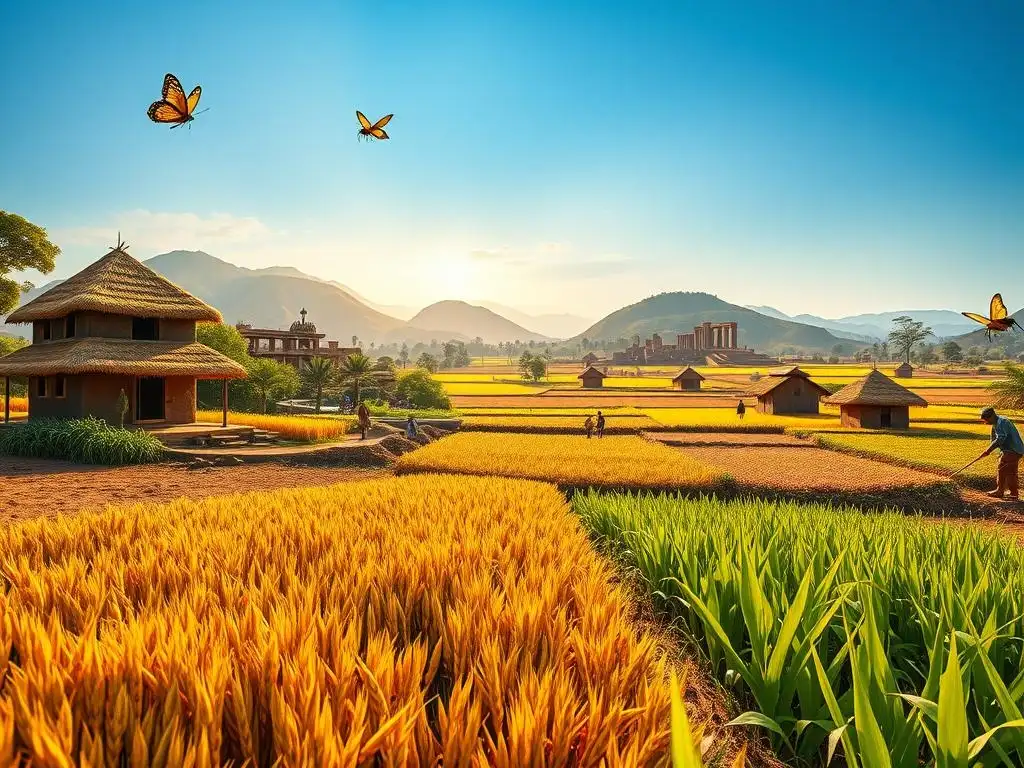
Welcome to Ancient India History, where we embark on an enlightening journey through the rich tapestry of India's past. Today, we delve into the fascinating world of ancient Indian crop diversity, uncovering the agricultural innovations that shaped civilizations from the Indus Valley to the Gupta Empire.
Discover how these early practices not only sustained communities but also laid the groundwork for the vibrant economy that thrived in ancient times. Join us as we explore the genetic treasures of crops that have influenced not just India, but the world, and get ready to deepen your understanding of this pivotal aspect of our heritage!
Introduction to Ancient Indian Crop Diversity
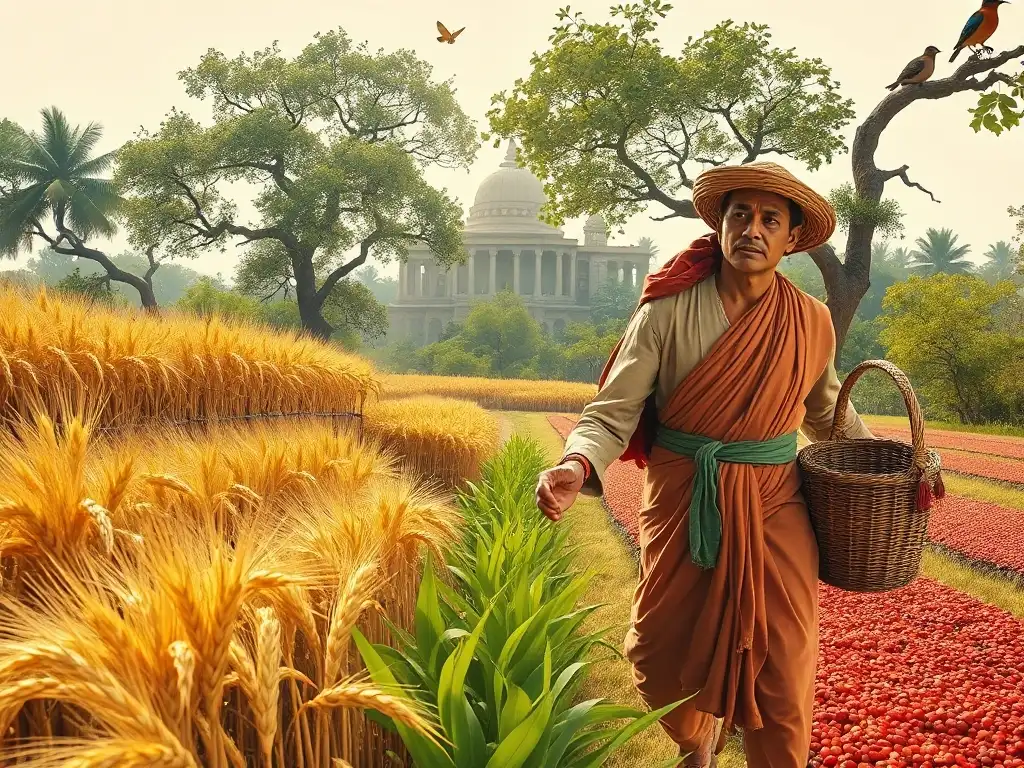
The study of ancient Indian crop diversity reveals a remarkable tapestry of agricultural practices that shaped the civilizations of the Indian subcontinent. From the fertile plains of the Indus Valley to the expansive fields of the Gupta Empire, ancient India was home to a myriad of crops that not only sustained populations but also contributed to the cultural and economic fabric of society. Understanding this genetic diversity is crucial, as it highlights the innovative techniques and environmental adaptations that ancient farmers employed to cultivate a variety of plants, ensuring food security and agricultural resilience through millennia.
Definition of Genetic Diversity in Crops
Genetic diversity in crops refers to the variety of genes within a particular crop species, encompassing variations in traits such as resistance to pests, tolerance to environmental stresses, and yield potential. This diversity is vital for breeding programs, as it provides the genetic material necessary for developing new varieties that can thrive in changing conditions. In ancient India, farmers cultivated a range of crop varieties, each adapted to specific local conditions, thus enriching the overall genetic pool.
Importance of Studying Ancient Indian Crop Diversity
Studying ancient Indian crop diversity is essential for several reasons:
- Cultural Heritage: It helps preserve the historical agricultural practices and traditional knowledge of ancient civilizations.
- Biodiversity Conservation: Insights into ancient practices can inform modern conservation efforts, ensuring the survival of diverse plant species.
- Agricultural Innovation: Learning from past cultivation techniques can inspire contemporary solutions to current agricultural challenges, including climate change and food security.
The Historical Context of Agriculture in Ancient India
Agriculture in ancient India was not merely a means of sustenance but a cornerstone of economic and social development. The integration of various crops played a pivotal role in shaping the lifestyle, trade, and cultural exchanges among different regions.
Overview of Agricultural Practices in Ancient India
The agricultural practices of ancient India were characterized by a deep understanding of local environments and sustainable farming methods. Key features included:
- Crop Rotation: Farmers practiced crop rotation to maintain soil fertility and reduce pest infestations.
- Irrigation Techniques: Ancient Indians developed sophisticated irrigation systems, utilizing rivers and canals to enhance crop yields.
- Use of Organic Fertilizers: Manure and compost were commonly used to enrich the soil, promoting healthier crop growth.
These practices not only enhanced productivity but also promoted sustainable agriculture, showcasing the ingenuity of ancient Indian farmers.
Key Civilizations Contributing to Crop Diversity
Several key civilizations contributed to the rich tapestry of ancient Indian crop diversity, including:
- Indus Valley Civilization: Known for its advanced urban planning and agricultural techniques, this civilization cultivated wheat, barley, and various pulses.
- Maurya Empire: Under leaders like Ashoka, agricultural practices flourished, with an emphasis on crop variety and trade.
- Gupta Empire: Marked by significant advancements in science and technology, this era saw the introduction of new crops and agricultural methods, further enriching the genetic diversity of crops.
Each of these civilizations left a lasting impact on the agricultural landscape of India, paving the way for future innovations in crop cultivation and diversity.
Major Crops Cultivated in Ancient India
Ancient India was characterized by a rich tapestry of agricultural practices, leading to a diverse array of crops that were essential to its civilization. The cultivation of crops was not merely a means of sustenance but also a reflection of the socio-economic and cultural dynamics of the time. The major crops cultivated included cereals, pulses, oilseeds, and various fruits and vegetables.
Staple Crops and Their Importance
The staple crops of ancient India formed the backbone of the diet and economy. Rice and wheat were the predominant cereals, with rice primarily grown in the wetter regions of the south and east, while wheat flourished in the drier northern plains. These crops supported the population and were integral to the food security of ancient Indian societies.
- Rice: Known for its versatility, rice was cultivated in multiple varieties, adapted to diverse climatic conditions. Historical texts suggest that it was a staple in southern Indian diets as early as 2000 BCE.
- Wheat: Primarily cultivated in the northwestern regions, wheat served as a staple for many communities. Its cultivation can be traced back to the Indus Valley Civilization, where evidence of wheat storage has been found in archaeological sites.
Other staple crops included millet and barley, which were resilient to arid conditions and played a significant role in sustaining populations during periods of drought.
Non-Staple Crops and Their Roles
While staple crops provided the primary sustenance, non-staple crops contributed significantly to the economy and cultural practices. These included pulses, oilseeds, spices, and fruits, which not only enhanced diets but also facilitated trade.
- Pulses: Varieties such as lentils and chickpeas were essential sources of protein. They were often intercropped with cereals, enhancing soil fertility through nitrogen fixation.
- Oilseeds: Crops like sesame and mustard were cultivated for their oil, which was used in cooking, lighting, and medicinal applications.
- Spices: The cultivation of spices like black pepper and cardamom became a major trade commodity, influencing culinary practices and economic exchanges with other civilizations.
The diversity of non-staple crops also played a pivotal role in ritualistic and cultural contexts, enriching the agricultural heritage of ancient India.
Factors Influencing Crop Diversity in Ancient India
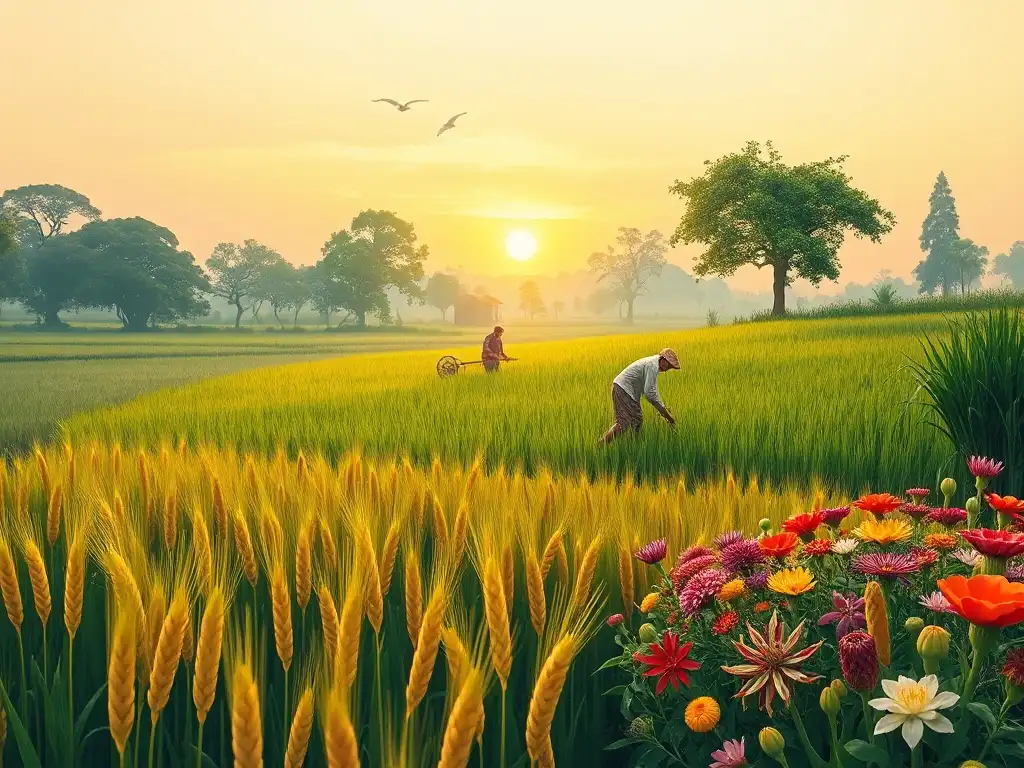
The genetic diversity of crops in ancient India was influenced by a multitude of factors that shaped agricultural practices. These factors ranged from environmental conditions to socio-economic structures.
Climate and Geographic Diversity
India's diverse climatic zones—from the tropical south to the temperate north—created an environment conducive to the cultivation of a wide variety of crops.
- Topography: The varied topography, including hills, plains, and river valleys, allowed for the cultivation of different crops suited to each region's specific conditions.
- Monsoon Patterns: The monsoon rains played a crucial role in determining agricultural cycles. Regions dependent on seasonal rains developed crops that thrived under such conditions, leading to the selection of drought-resistant varieties.
The interplay of these climatic and geographic factors contributed significantly to the rich genetic diversity observed in ancient Indian crops.
Socio-Cultural Practices Impacting Agriculture
Cultural practices and social structures greatly influenced agricultural techniques and crop diversity in ancient India.
- Agricultural Techniques: Methods such as terrace farming, slash-and-burn agriculture, and the use of irrigation systems were developed according to local traditions and environmental needs, allowing for the cultivation of a variety of crops.
- Cultural Values: The reverence for certain crops, such as rice and barley, often linked to religious and cultural traditions, encouraged their cultivation and preservation. Festivals and rituals centered around harvests promoted the diversity of agricultural practices.
These socio-cultural dimensions were vital in maintaining and enhancing crop diversity, ensuring sustainable agricultural practices.
Trade and Exchange of Crop Varieties
Trade networks significantly contributed to the genetic diversity of crops in ancient India. The exchange of crop varieties between regions and cultures facilitated the introduction of new species and farming techniques.
- Inter-Regional Trade: Ancient trade routes connected various regions, allowing for the movement of not only goods but also agricultural knowledge and crop varieties. This led to the adaptation of crops to different climatic and soil conditions.
- Cultural Exchanges: Interaction with neighboring civilizations, such as the Mesopotamians and Egyptians, opened avenues for the exchange of seeds and agricultural practices, enriching the genetic pool of crops in India.
The dynamic nature of trade and cultural exchange played a pivotal role in shaping the agricultural landscape of ancient India, ensuring a diverse and resilient agricultural system.
Genetic Preservation Techniques in Ancient Indian Agriculture
The genetic preservation of crops in ancient India was a deliberate and methodical process that contributed significantly to the agricultural landscape. Farmers employed a variety of techniques to ensure the sustainability and resilience of their crops. One of the primary methods was seed selection, where farmers would choose the best-performing plants for seed saving. This practice enabled them to cultivate varieties that were more suited to local conditions, thereby enhancing yield and quality.
Another vital technique was crop rotation, which not only helped in maintaining soil fertility but also minimized the risk of pest and disease outbreaks. By alternating different crops in a systematic manner, farmers could support diverse genetic traits within their fields. Additionally, the practice of poly-cropping, where multiple crops were grown together, promoted genetic diversity and reduced dependency on a single crop. These techniques were crucial in adapting to the changing environmental conditions and ensured a stable food supply for ancient Indian communities.
Traditional Farming Practices and Crop Selection
Traditional farming practices in ancient India were intricately linked to the selection of crops that thrived in specific regions. Farmers relied on their intimate knowledge of the local ecosystem to choose varieties that would yield the best results. This practice was often guided by local climatic conditions, soil types, and available water resources.
The use of indigenous varieties was common, as these crops were well-adapted to the local environment. For instance, farmers in the Deccan Plateau favored drought-resistant varieties, while those in fertile river valleys opted for high-yielding types. Rituals and cultural practices also played a role in crop selection, with certain crops being sown during auspicious times to ensure good harvests. This blend of practical knowledge and cultural significance solidified the agricultural practices of ancient Indian societies.
Role of Farmers in Maintaining Genetic Diversity
Farmers were the stewards of crop genetic diversity in ancient India, playing a pivotal role in preserving a wide array of plant genetics. Their keen observation and selection of superior traits led to the development of many local varieties. By engaging in practices like seed sharing and community exchanges, farmers maintained a rich pool of genetic resources, fostering resilience against climate variability and pests.
Moreover, the role of women in agriculture cannot be overlooked, as they often were responsible for seed preservation and selection, thus contributing to the genetic diversity of crops. Their knowledge passed down through generations ensured that beneficial traits were retained and enhanced over time. As custodians of agricultural heritage, farmers not only preserved genetic diversity but also adapted crops to meet the changing needs of society.
Influence of Local Ecological Knowledge
Local ecological knowledge (LEK) was a cornerstone of agricultural practices in ancient India, influencing crop diversity significantly. Farmers possessed an intricate understanding of their environment, which informed their choices regarding crop cultivation. Knowledge about seasonal changes, soil health, and water availability allowed them to make informed decisions about which crops to plant and when.
This intimate relationship with the environment fostered a sense of stewardship, where farmers worked in harmony with nature rather than against it. Such practices included the use of natural fertilizers, like compost and manure, which improved soil fertility without harming the ecosystem. Additionally, intercropping and agroforestry systems were employed to enhance biodiversity, creating a balanced agro-ecosystem that supported multiple species and improved resilience against environmental stressors.
Case Studies of Crop Diversity in Ancient Indian Regions
Crop Diversity in the Indus Valley
The Indus Valley Civilization (IVC) is renowned for its advanced agricultural practices and the remarkable diversity of crops cultivated during this period. Archaeological evidence indicates that the IVC farmers grew a variety of crops, including wheat, barley, peas, and cotton. The presence of dried grains and seeds in excavated sites demonstrates a sophisticated understanding of crop cultivation and storage.
Moreover, the strategic location of the Indus Valley, with its rich alluvial plains, allowed for the cultivation of both rain-fed and irrigated crops. The use of sophisticated irrigation techniques, evidenced by the remnants of canals and reservoirs, supported a robust agricultural system that thrived on diverse crop varieties. This genetic diversity not only provided food security but also laid the foundation for trade and economic development in ancient India.
Agricultural Innovations in Southern India
Southern India was a hub of agricultural innovation, showcasing a remarkable array of crop diversity. The region's farmers were pioneers in cultivating rice, which became a staple food source. They developed various indigenous rice varieties that were well-adapted to the local conditions, exhibiting resilience to monsoons and pests.
Innovations such as terracing and wetland cultivation allowed for efficient land use, maximizing yields while maintaining soil health. The region also benefited from the introduction of millets, pulses, and spices, contributing to a rich agricultural tapestry. Traditional practices like paddy field cultivation combined with local knowledge ensured that Southern India remained a vital center for crop genetic diversity.
Contributions from the Himalayan Regions
The Himalayan regions of ancient India played a crucial role in the preservation and enhancement of crop diversity. The unique climatic conditions and varied altitudes supported the cultivation of an array of crops, including barley, buckwheat, and various legumes. The farmers in these regions adapted their agricultural practices to the challenging environment, often cultivating hardy and resilient crop varieties.
Additionally, the practice of terrace farming was prevalent, allowing farmers to maximize arable land while minimizing soil erosion. The cultural significance of certain crops, such as medicinal herbs and spices, further enriched the agricultural diversity of the Himalayas. This biodiversity not only catered to local consumption but also contributed to trade networks, linking the Himalayan regions with other parts of ancient India and beyond.
The Legacy of Ancient Indian Crop Diversity
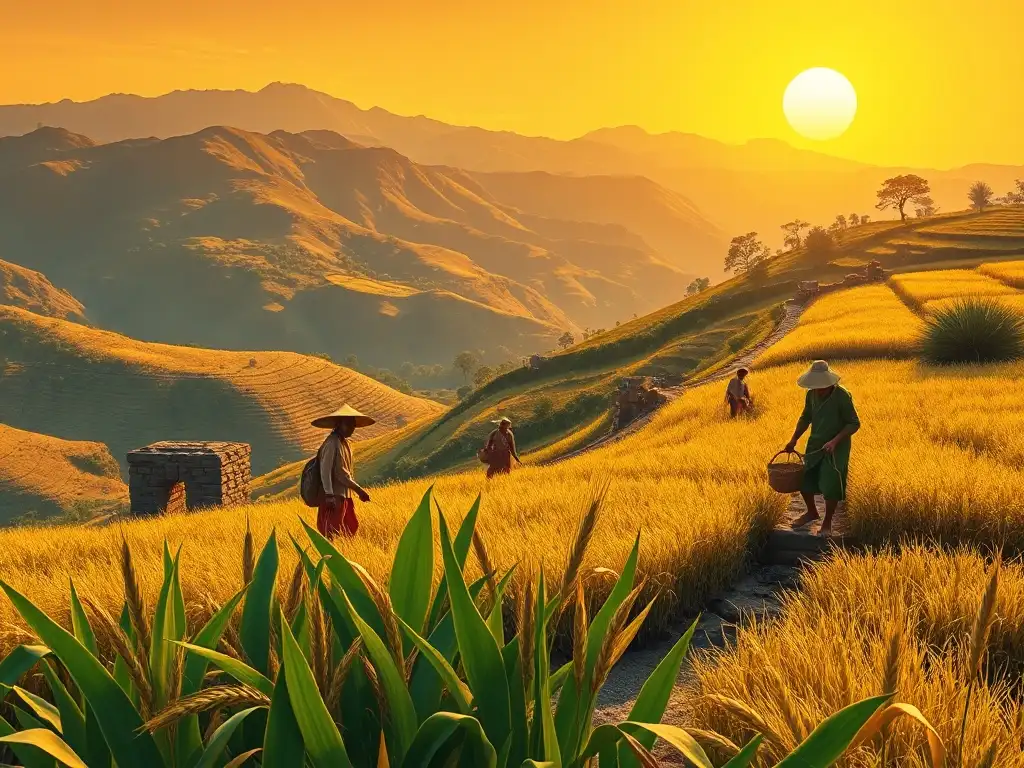
The legacy of ancient Indian crop diversity is a testament to the agricultural advancements and innovations that flourished in the subcontinent. From the Indus Valley Civilization, where evidence of sophisticated irrigation and agricultural practices was found, to the later Vedic period, ancient Indians cultivated a wide array of crops, including grains, fruits, and vegetables. This diversity not only ensured food security but also supported the burgeoning population and trade networks that characterized ancient Indian society.
The cultivation of crops such as rice, wheat, barley, and pulses can be traced back thousands of years. The genetic diversity present in these crops reflects the rich agricultural practices adopted by ancient farmers, who selectively bred plants for desirable traits. This practice led to the emergence of numerous varieties that were adapted to local climates and soils, showcasing the ingenuity and adaptability of ancient Indian agriculture.
Moreover, ancient texts such as the Arthashastra and agricultural manuals provide insights into the methods employed by farmers, including crop rotation, mixed cropping, and the use of organic fertilizers. These techniques contributed to the resilience of crop varieties and laid the groundwork for sustainable agricultural practices that are still relevant today.
Influence on Modern Indian Agriculture
The influence of ancient Indian crop diversity on modern agriculture is profound, as many traditional varieties continue to be cultivated and valued for their resilience and nutritional benefits. For instance, indigenous varieties of rice, such as 'Kankuni' and 'Swarna', are celebrated for their flavor, aroma, and adaptability to varying climatic conditions. These varieties are not only important for local diets but also play a role in enhancing food security and biodiversity.
Modern agricultural practices have increasingly recognized the value of these traditional crops, leading to efforts aimed at their preservation and integration into contemporary farming systems. Initiatives that promote organic farming and agroecological approaches are drawing inspiration from ancient practices, emphasizing the importance of crop diversity in sustainable agriculture.
Furthermore, the resurgence of interest in heirloom varieties is a response to the challenges posed by monoculture and climate change. Farmers and researchers are now working collaboratively to revive and maintain the genetic diversity of ancient crops, ensuring their availability for future generations.
Preservation of Traditional Crop Varieties
Preserving traditional crop varieties is crucial for maintaining genetic diversity, which serves as a buffer against pests, diseases, and changing environmental conditions. Ancient Indian agricultural systems developed a vast array of crop varieties that were well-suited to local ecosystems. Today, organizations and communities are actively engaged in efforts to conserve these varieties through seed banks and community seed-saving initiatives.
Farmers play a vital role in this preservation process by continuing to cultivate and share traditional seeds. This practice not only sustains agricultural biodiversity but also fosters a sense of community and cultural identity. Various NGOs and government programs have been established to support farmers in their efforts to conserve traditional seeds, providing them with resources and training to enhance their agricultural practices.
The documentation and promotion of traditional crop varieties also contribute to the understanding of their unique characteristics and potential uses. By showcasing the benefits of these crops, including their nutritional value and resilience, the importance of preserving ancient Indian crop diversity is being highlighted on both national and global platforms.
Contemporary Studies on Ancient Crop Diversity
Contemporary studies on ancient crop diversity have gained momentum, as researchers seek to unravel the genetic and cultural significance of traditional Indian crops. Utilizing modern techniques such as DNA sequencing and genomic studies, scientists are examining the genetic makeup of ancient varieties to understand their adaptability and resilience.
These studies provide valuable insights into how ancient agricultural practices can inform modern breeding programs aimed at developing climate-resilient crops. By tapping into the genetic diversity of ancient varieties, researchers can identify traits that may be beneficial for future agricultural challenges, such as drought resistance or pest tolerance.
Additionally, interdisciplinary research that combines history, archaeology, and agronomy is enriching our understanding of ancient Indian crop cultivation. By exploring the interconnections between agricultural practices, trade, and cultural exchange, contemporary studies are illuminating the complex legacy of ancient Indian crop diversity and its relevance in today’s agricultural landscape.
Conclusion: The Significance of Ancient Indian Crop Diversity
The significance of ancient Indian crop diversity extends beyond its historical context—it is a vital component of current agricultural practices and food security strategies. The rich tapestry of crops cultivated by ancient civilizations has laid the foundation for a sustainable agricultural future. By understanding and valuing this diversity, we can harness its potential to address contemporary challenges in agriculture.
Summary of Key Insights
The exploration of ancient Indian crop diversity reveals several key insights:
- Ancient agricultural practices fostered a rich variety of crops, enhancing food security and resilience.
- Traditional crop varieties continue to influence modern agriculture, offering solutions to current challenges.
- Preservation efforts are essential for maintaining genetic diversity and promoting sustainable practices.
- Contemporary research is unlocking the potential of ancient crops for future agricultural innovation.
Future Research Directions in Ancient Crop Diversity
Future research directions in ancient crop diversity should focus on several areas:
- Genetic Characterization: Further studies on the genetic traits of traditional varieties can enhance breeding programs.
- Climate Adaptation: Research on how ancient crops can adapt to changing climates will be crucial for sustainable agriculture.
- Cultural Studies: Exploring the cultural significance of traditional crops can deepen our understanding of their role in society.
- Integration with Modern Practices: Investigating ways to integrate ancient agricultural wisdom with contemporary farming techniques will promote a more holistic approach to agriculture.
By prioritizing these research areas, we can ensure that the legacy of ancient Indian crop diversity continues to thrive and contribute to the agricultural landscape of the future.
References
The exploration of ancient Indian crop diversity is supported by a wide array of scholarly works and historical texts. These references not only provide insight into the agricultural practices of ancient India but also shed light on the genetic diversity of crops that flourished during various periods. Below are some significant references that can enhance your understanding of this topic.
Suggested Reading on Ancient Indian Agriculture
-
"The Agriculture of Ancient India" by R. S. Sharma
This comprehensive book delves into the agricultural practices, tools, and the socio-economic context of farming in ancient India. It highlights how ancient civilizations adapted to their environment through innovative farming techniques.
-
"Indian Agriculture: A Historical Perspective" by D. N. Dhanagare
Dhanagare provides a detailed analysis of the evolution of agriculture in India, tracing its roots from the Indus Valley Civilization to the medieval period. This text is essential for understanding the continuity and changes in agricultural practices.
-
"The Indus Valley Civilization: An Overview" by Gregory L. Possehl
Focusing on one of the earliest urban cultures in the world, this book discusses the agricultural methods employed by the Indus Valley people, including crop selection and irrigation practices.
-
"Crops and Civilization: The Agricultural Origins of Ancient Indian Society" by R. V. Sharma
This work explores the interplay between agriculture and societal development in ancient India, emphasizing the role of crop diversity in supporting various civilizations.
-
"Food and Society in Early Modern India" by R. B. Bhattacharya
This book examines the transition of agricultural practices in ancient India and their impact on food culture, highlighting the importance of crop diversity in sustaining populations.
Academic Works on Genetic Diversity in Crops
-
"Genetic Resources of Indian Crops" by P. K. Gupta
This academic text investigates the genetic diversity of staple crops in India, focusing on the historical context and the significance of conserving genetic resources for future generations.
-
"Diversity and Conservation of Indian Crop Genetic Resources" edited by S. R. Reddy
This compilation of research articles discusses the conservation strategies for crop genetic diversity in India, emphasizing the need for sustainable practices and the role of traditional farming.
-
"The Role of Traditional Knowledge in Crop Genetic Diversity in India" by A. K. Singh
Singh's research highlights the importance of indigenous knowledge systems in maintaining crop diversity, showcasing how local farmers have preserved and adapted various crop varieties over centuries.
-
"Plant Genetic Resources: A Global Perspective" by V. H. M. V. S. G. R. Manickam
While focusing on a global context, this book references India's rich agricultural heritage and the genetic diversity of its crops, placing ancient Indian practices within a broader framework of agricultural evolution.
-
"Ancient Indian Agriculture: The Genetic Heritage" by M. P. Ranjan
This work specifically addresses the genetic lineage of crops cultivated in ancient India, providing insights into how various civilizations contributed to the genetic diversity we see today.
These references and suggested readings form a robust foundation for anyone interested in delving deeper into the intricate relationship between ancient Indian crop diversity and the socio-cultural fabric of its civilizations.
- Introduction to Ancient Indian Crop Diversity
- The Historical Context of Agriculture in Ancient India
- Major Crops Cultivated in Ancient India
- Factors Influencing Crop Diversity in Ancient India
- Genetic Preservation Techniques in Ancient Indian Agriculture
- Case Studies of Crop Diversity in Ancient Indian Regions
- The Legacy of Ancient Indian Crop Diversity
- Conclusion: The Significance of Ancient Indian Crop Diversity
- References
Frequently Asked Questions
What is the significance of ancient Indian crop diversity?
Ancient Indian crop diversity played a crucial role in sustaining early civilizations, contributing to their economic stability and cultural practices.
Which crops were prominent in ancient India?
Key crops included rice, wheat, barley, and millets, which showcased a wide range of genetic diversity suited to various climates and soils.
How did ancient Indian civilizations contribute to crop diversity?
Ancient Indian civilizations engaged in selective breeding and agricultural practices that enhanced crop resilience and yield, laying the foundation for modern agriculture.
What role did trade play in the spread of crop diversity?
Trade routes facilitated the exchange of seeds and agricultural techniques, promoting the diversification of crops across regions and cultures within ancient India.
How can we learn from ancient Indian crop diversity today?
Studying ancient Indian crop diversity provides insights into sustainable agriculture, helping modern farmers adapt to climate change and maintain biodiversity.
Final Reflection: Embracing the Legacy of Ancient Indian Crop Diversity
The exploration of ancient Indian crop diversity reveals not only the ingenuity of our ancestors but also underscores the critical importance of preserving genetic diversity in agriculture today. As we face unprecedented challenges such as climate change, food insecurity, and loss of biodiversity, the lessons from ancient practices become increasingly relevant. The rich tapestry of crop varieties cultivated in ancient India serves as a testament to the resilience and adaptability of agricultural systems that have sustained civilizations for millennia.
The influence of ancient Indian crop diversity extends far beyond historical interest; it shapes our contemporary agricultural practices and cultural identity. By understanding the sophisticated methods employed by ancient farmers, we can appreciate the intricate relationship between biodiversity and sustainability. As noted by agricultural historian Dr. Vandana Shiva, Biodiversity is the foundation of food security and resilience in the face of climate change.
This perspective highlights the ongoing relevance of ancient practices, reminding us that the seeds of our past can guide us toward a more sustainable future.
As we reflect on the significance of ancient Indian crop diversity, I invite you to consider your own relationship with food and agriculture. How can you contribute to preserving biodiversity in your community? Whether through supporting local farmers, engaging in sustainable practices, or advocating for policies that protect genetic diversity, each of us has a role to play. Let us honor the legacy of our ancestors by nurturing the diversity that sustains us and ensuring that future generations inherit a rich and resilient agricultural heritage.
Unveil the Rich Tapestry of Crop Heritage!
Thank you for diving into the fascinating world of crop genetic diversity in ancient India! By exploring this rich history, you’ve uncovered insights into the resilience and ingenuity of our ancestors. Now, it’s time to take action and contribute to this vital conversation.
Here are a few ways you can keep the momentum going:
- Join a local community garden to engage with traditional farming practices and help preserve local crop diversity.
- Share this article on social media to raise awareness about the importance of preserving our agricultural heritage.
- Explore your own backyard— plant heirloom seeds to connect with the past while nurturing a sustainable future.
What unique crop varieties have you discovered in your local area, and how can you help preserve them for future generations?