
The Gupta Empire's Contribution to Indian Art: A Golden Age of Creativity

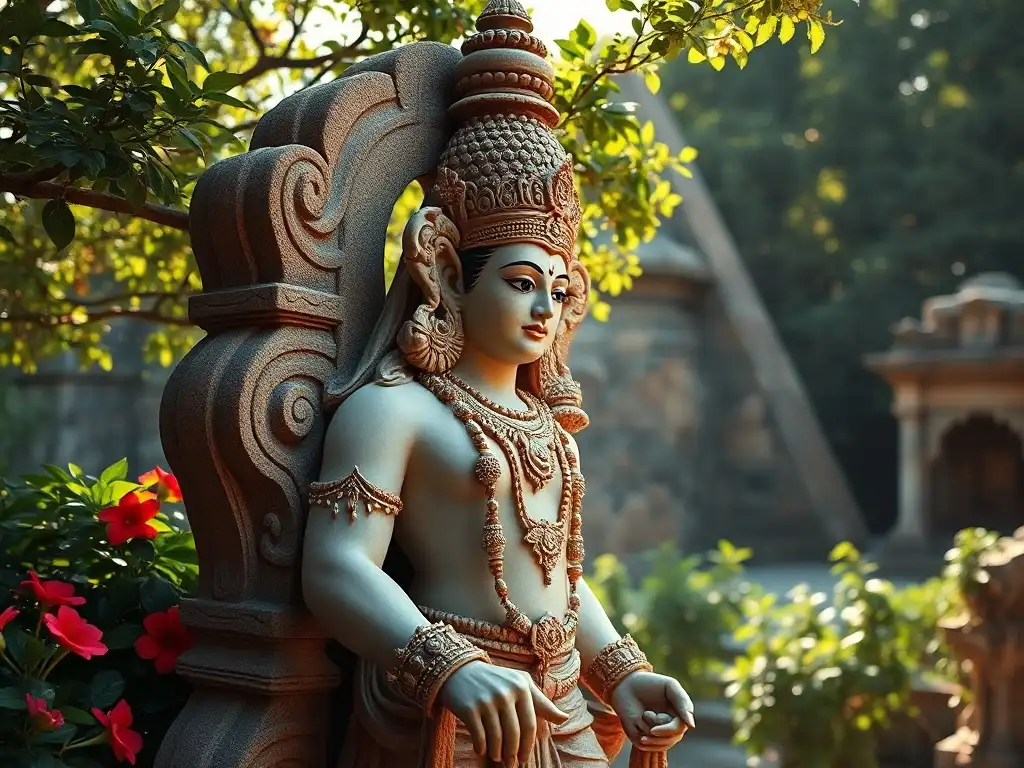
Welcome to Ancient India History, where we invite you to embark on a journey through the captivating tapestry of India’s past. In this exploration, we delve into The Gupta Empire's Contribution to Indian Art: A Golden Age of Creativity, uncovering the remarkable innovations and artistic achievements that defined this vibrant era. As you navigate through the intricate details of Gupta artistry, you'll discover how this civilization not only shaped the visual landscape of its time but also left an enduring legacy that continues to inspire. Are you ready to witness the splendor of ancient creativity? Let’s dive deeper!
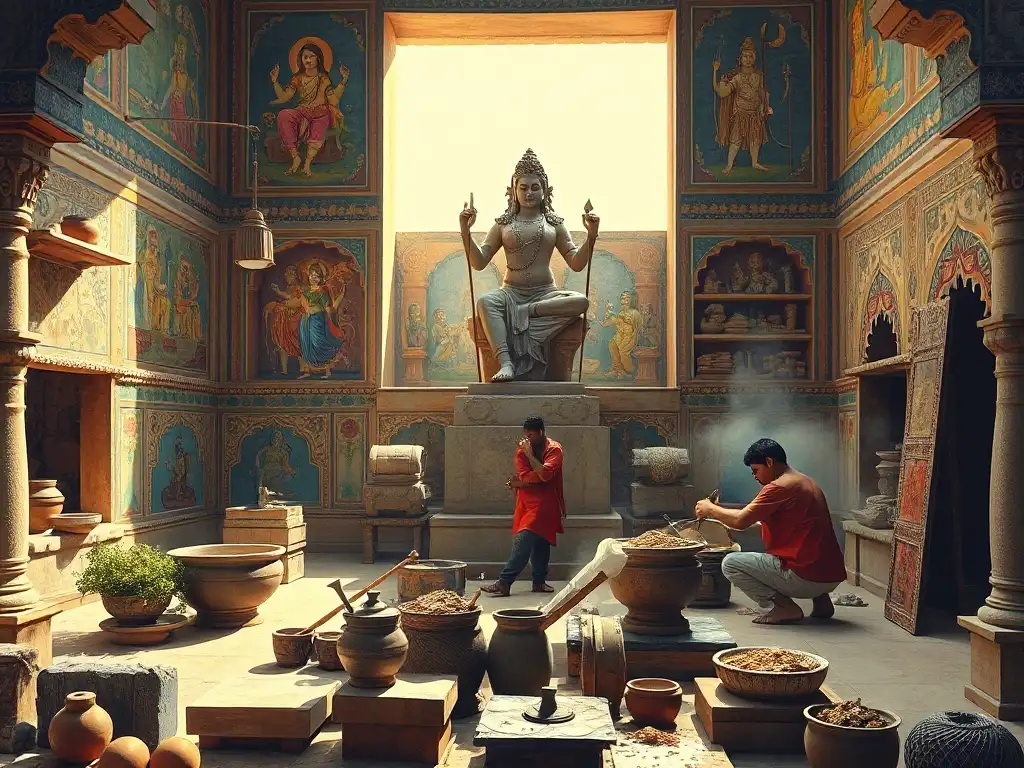
Introduction to the Gupta Empire and Its Cultural Significance
The Gupta Empire, often referred to as the "Golden Age" of India, marked a significant period in the history of Indian art and culture. Spanning from approximately 320 CE to 550 CE, this era is characterized by remarkable advancements in various domains, including literature, science, and most notably, the arts.
The Gupta emperors, renowned for their patronage of the arts, fostered an environment where creativity thrived, leading to the emergence of unique artistic expressions that left a lasting impact on Indian culture. This article delves into the Gupta Empire contributions to art, exploring how this period represents a pinnacle of artistic achievement in ancient India.
Overview of the Gupta Empire
The Gupta Empire was established by Maharaja Sri Gupta and later expanded under the rule of notable monarchs such as Chandragupta I, Samudragupta, and Chandragupta II. The empire predominantly covered northern India, with its capital situated in Pataliputra (modern-day Patna). The Gupta rulers embraced a policy of religious tolerance, allowing Hinduism, Buddhism, and Jainism to flourish. This inclusivity not only enriched the cultural tapestry of the empire but also laid the foundation for artistic innovation.
Key features of the Gupta Empire include:
- Political Stability: The unification of various regions under a centralized authority facilitated trade and cultural exchange.
- Patronage of the Arts: Emperors supported artists, scholars, and philosophers, leading to a vibrant cultural milieu.
- Religious Influence: The interplay between religion and art resulted in diverse artistic expressions across different faiths.
The Period of Golden Age in India
The Gupta period is often referred to as a "Golden Age" due to its profound contributions to various fields, particularly in art and architecture. This era witnessed significant developments in:
- Sculpture: Intricate carvings and statues, often depicting deities and mythological figures, showcased the skill and creativity of Gupta artisans.
- Painting: The emergence of exquisite frescoes, particularly in sites such as Ajanta and Ellora, highlighted the innovative techniques and themes of the time.
- Architecture: The construction of temples with detailed ornamentation and structural innovations reflected the architectural prowess of Gupta builders.
This golden age laid the groundwork for future artistic endeavors in India, influencing generations of artists and craftsmen.
The Gupta Empire Contributions to Art
The Gupta Empire's contributions to art are multifaceted, encompassing various artistic forms that reflect the society's cultural and spiritual values. From intricate stone carvings to vibrant murals, this period is marked by creativity and excellence.
Artistic Flourishing During the Gupta Era
During the Gupta period, art flourished like never before, characterized by:
- Innovative Techniques: Artists employed advanced techniques, including the use of natural pigments for painting and sophisticated chiseling methods for sculpture.
- Diverse Subject Matter: Artworks often depicted religious themes, everyday life, and nature, emphasizing the harmony between spirituality and existence.
- Cultural Syncretism: The fusion of various cultural influences resulted in a distinctive Gupta art style that celebrated both local traditions and external influences.
These factors contributed to the emergence of a cohesive artistic identity that resonated with the people of the Gupta Empire.
Key Characteristics of Gupta Art Forms
Gupta art is distinguished by several key characteristics, including:
- Realism and Idealism: Gupta artists skillfully balanced realistic portrayals with idealized forms, creating a sense of harmony in their works.
- Symbolism: Art was imbued with deep symbolic meanings, often reflecting philosophical and religious concepts.
- Attention to Detail: Meticulous attention to detail in sculptures and paintings showcased the exceptional craftsmanship of the period.
The Gupta Empire's contributions to art not only enriched the cultural landscape of ancient India but also set the stage for the evolution of artistic expressions in subsequent eras. This golden age remains a testament to the creative spirit of one of India's most illustrious civilizations.
Sculpture and Sculpture Styles in the Gupta Period
The Gupta Empire, often referred to as the golden age of Indian art, witnessed an unprecedented flourishing of sculpture that was characterized by its exquisite craftsmanship, intricate details, and spiritual significance. During this period, artists developed unique styles that emphasized realism, proportion, and expressiveness. The sculptures from this era reflect the socio-religious environment of the time, with many pieces celebrating Hindu deities, Buddhist figures, and Jain tirthankaras.
The Gupta sculptural style is primarily recognized for its graceful figures, smooth surfaces, and refined facial expressions, which convey a sense of tranquility and divine beauty. This artistic style not only showcased the technical skills of the artisans but also their deep understanding of human anatomy and emotions, resulting in lifelike representations.
Major Sculptural Techniques
The Gupta period is notable for several advanced sculptural techniques that set it apart from preceding eras. Among these, relief carving was particularly significant, allowing artists to create intricate scenes that depicted religious narratives and mythological stories. Techniques such as chiseling and polishing were refined to produce smooth and glossy finishes on stone sculptures, enhancing their aesthetic appeal.
Furthermore, the use of sandstone gained prominence during this period, enabling artists to achieve finer details and intricate patterns. Techniques like the lost-wax casting method were also employed for metal sculptures, allowing for the creation of delicate and detailed bronze figures. These advancements not only elevated the quality of the sculptures but also expanded the themes and subjects explored by Gupta artists.
Iconography and Themes in Gupta Sculpture
Iconography played a crucial role in Gupta sculpture, with each figure and motif carrying specific symbolic meanings. Common themes included depictions of Hindu gods and goddesses, such as Vishnu, Shiva, and Durga, often represented in dynamic poses and adorned with elaborate jewelry and clothing. The sculptures frequently conveyed narratives from sacred texts, illustrating stories from the Mahabharata and Ramayana, which were integral to the cultural fabric of the time.
Buddhist iconography also thrived, particularly in regions influenced by Buddhist patronage. The serene figures of the Buddha depicted in various mudras (hand gestures) reflected the spiritual essence of Buddhism and appealed to devotees seeking enlightenment. Jain themes, including representations of tirthankaras, showcased the influence of Jainism during the Gupta period, emphasizing non-violence and spiritual liberation.
Gupta Architecture: Innovations and Masterpieces
The architectural achievements of the Gupta Empire are nothing short of remarkable, showcasing advancements in design, engineering, and aesthetics. This period saw the construction of grand temples, monasteries, and public structures that reflected both religious devotion and artistic ingenuity. Gupta architecture is characterized by its use of stone masonry, intricate carvings, and a focus on symmetry and proportion.
Temples built during this time often featured important architectural elements such as shikharas (towers), mandapas (pillared halls), and sanctums housing deities. The layout and design of these structures were meticulously planned to enhance the spiritual experience of worshippers, creating a sense of harmony between the sacred and the earthly.
Influential Architectural Styles of the Gupta Empire
The Gupta Empire is credited with the development of several influential architectural styles that laid the groundwork for later Indian architecture. One significant style is the Nagara style, which emerged in northern India and is characterized by its beehive-shaped shikharas and ornate carvings. This style focused on verticality and grandeur, drawing the eye upward toward the heavens.
In contrast, the Dravidian style, predominant in southern India, emphasized horizontal lines and intricate sculptures on the temple walls. Although primarily associated with the later Chola and Pandya dynasties, the roots of Dravidian architecture can be traced back to the Gupta period. The fusion of these styles contributed to the diverse architectural landscape of India, influencing temple designs for centuries to come.
Notable Structures and Monuments from the Gupta Period
Several notable structures from the Gupta period exemplify the artistic and architectural excellence of this era. The Dasavatara Temple in Deogarh is a prime example, showcasing intricate carvings depicting scenes from Hindu mythology. This temple’s architectural design embodies the hallmark features of Gupta architecture, including detailed stonework and a harmonious layout.
Another significant monument is the Udayagiri Caves, which house remarkable rock-cut sculptures and inscriptions that date back to the Gupta period. The sculptures within these caves, including the famous figure of the Varaha (boar) incarnation of Vishnu, illustrate the artistic prowess of Gupta artisans.
Additionally, the Kushinagar Stupa, an important Buddhist site, reflects the fusion of Buddhist architecture with Gupta artistic styles. The stupas and monasteries built during this time served as centers for spiritual learning and practice, further solidifying the Gupta Empire's contributions to Indian art and architecture.
The Gupta Empire's contributions to art and architecture represent a pinnacle of creativity and craftsmanship that not only enriched Indian culture but also laid the foundation for future artistic endeavors.
Painting and Frescoes: Visual Expressions of the Gupta Era
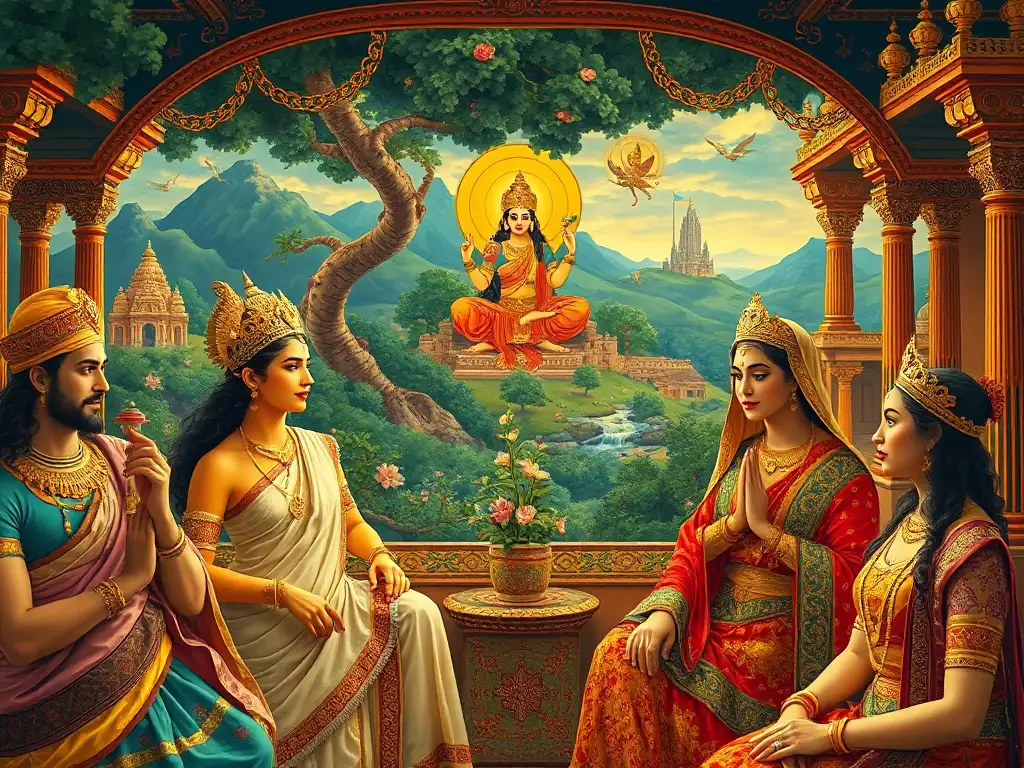
The Gupta Empire, often referred to as the Golden Age of India, witnessed a flourishing of arts, particularly in the realm of painting and frescoes. This period, spanning from approximately 320 to 550 CE, is characterized by significant advancements in artistic techniques and themes that reflected the cultural and spiritual life of the time. The paintings and frescoes of the Gupta era are renowned for their vibrant colors, intricate details, and innovative styles, often depicting religious themes, daily life, and natural beauty.
One of the most notable sites for Gupta painting is the Ajanta Caves in Maharashtra. These rock-cut caves feature a series of stunning murals that illustrate Jataka tales—stories of the Buddha's previous lives. The use of perspective, depth, and shading in these works was groundbreaking for the period and set a precedent for future Indian art. Additionally, the frescoes at the Bagh Caves also showcase the technical skill and artistic flair of Gupta artists, often employing complex compositions that integrate figures and landscapes harmoniously.
The Gupta period's emphasis on storytelling through art not only highlights the aesthetic values of the time but also serves as a crucial historical record, providing insight into the cultural dynamics and everyday life in ancient India.
Techniques and Materials Used in Gupta Painting
Gupta painters employed a variety of techniques and materials that contributed to the distinctiveness of their artworks. One of the most significant techniques was the use of natural pigments derived from minerals and plants, which resulted in rich and vibrant colors. These pigments were mixed with binders like gum or resin, allowing for a durable finish that has withstood the test of time.
The fresco technique, in which pigments are applied to wet plaster, was particularly popular in Gupta art. This method not only enhanced the luminosity of the colors but also ensured that the images became an integral part of the wall surface. Moreover, artists utilized a method known as "tempera," where pigments were mixed with a water-soluble binder, allowing for detailed brushwork and fine lines.
In addition to the materials, the tools used by Gupta artists were also noteworthy. Brushes made from animal hair allowed for precision in detailing, while the use of metal tools helped in carving and defining shapes on various surfaces. The combination of these techniques and materials resulted in captivating artworks that showcased the high level of skill and creativity present during the Gupta Empire.
Famous Paintings and Frescoes from Gupta Sites
Several remarkable paintings and frescoes from the Gupta period have been discovered, each showcasing the artistic brilliance of the time. The Ajanta Caves stand out as a UNESCO World Heritage site, featuring over 30 rock-cut Buddhist caves adorned with exquisite murals. Key works include the Bodhisattva Padmapani and the Bodhisattva Avalokiteshvara, both of which exemplify the grace and elegance characteristic of Gupta art.
Another important site is the Bagh Caves, which also contain impressive frescoes depicting various scenes from Buddhist life and mythology. Among them, the Fresco of the Dancing Girl is particularly noteworthy for its dynamic composition and portrayal of movement, highlighting the artists' ability to convey life and action.
Additionally, the Sihastambha at Udayagiri showcases carvings and paintings that reflect the religious fervor of the Gupta period, while the Kanha Shivalinga in Madhya Pradesh features intricate depictions of deities and mythological narratives, emphasizing the diverse religious influences on Gupta art.
These artworks not only represent the technical proficiency of Gupta artists but also provide valuable insights into the spiritual and cultural milieu of ancient India.
Influence of Religion on Gupta Art
Religion played a pivotal role in shaping the artistic expressions of the Gupta Empire. The period is marked by a harmonious coexistence of Hinduism, Buddhism, and Jainism, which significantly influenced the themes and styles of art. Artists often drew inspiration from religious texts, myths, and philosophies, leading to the creation of works that conveyed spiritual messages and moral teachings.
The patronage of religious institutions and rulers was instrumental in fostering artistic development during this time. Many temples and monasteries commissioned artworks that adorned their interiors and exteriors, creating a visual narrative that complemented the spiritual practices of the time. This religious influence not only elevated the status of artists but also provided them with a platform to explore complex themes within their work.
Hindu, Buddhist, and Jain Artistic Expressions
The Gupta Empire was characterized by a rich tapestry of religious influences, with Hindu, Buddhist, and Jain artistic expressions coexisting and enriching one another. Hindu art during this period often depicted deities such as Vishnu, Shiva, and Durga, showcasing their attributes and stories through intricate sculptures and murals.
In contrast, Buddhist art was focused on the life of the Buddha and his teachings. This is evident in the exquisite frescoes found in the Ajanta Caves, which illustrate various Jataka tales and the compassionate nature of the Buddha. The serene and meditative expressions of figures in these paintings reflect the spiritual ideals of Buddhism.
Jain art, while less prominent than Hindu and Buddhist forms, contributed significantly to the diversity of Gupta artistic expression. Jain temples featured elaborate carvings and paintings that depicted Tirthankaras—spiritual teachers in Jainism—often surrounded by followers and divine beings. This art emphasized themes of non-violence, truth, and asceticism, resonating deeply with the Jain philosophy.
The Role of Religious Patronage in Artistic Development
Religious patronage was a crucial factor in the flourishing of art during the Gupta Empire. Many rulers were devout followers of various religions and actively supported artistic endeavors that aligned with their beliefs. For instance, the Gupta emperors, particularly Chandragupta II, were known for their patronage of the arts, which included funding the construction of temples and monasteries adorned with intricate sculptures and murals.
This patronage extended beyond financial support; it also involved the commissioning of specific artworks that reflected the religious and cultural identity of the time. Temples such as the Dashavatara Temple in Deogarh, dedicated to Vishnu, and the Mahabodhi Temple in Bodh Gaya, a significant Buddhist pilgrimage site, are prime examples of how religious institutions became centers for artistic production.
Moreover, the competition among various religious groups for patronage led to a dynamic artistic environment, where artists were encouraged to innovate and excel in their craft. This resulted in a rich legacy of artistic achievements that not only served religious purposes but also fostered a sense of cultural unity and identity among the diverse populations of the Gupta Empire.
Legacy of Gupta Contributions to Indian Art
The Gupta Empire, often referred to as the Golden Age of India, left an indelible mark on the landscape of Indian art. This era, spanning from approximately the 4th to the 6th century CE, was characterized by remarkable advancements in various art forms, including sculpture, painting, and architecture. The Gupta artists demonstrated a profound understanding of aesthetics, which blended religious themes with natural beauty, resulting in works that not only captured the essence of their time but also influenced future generations.
Gupta art is distinguished by its intricate craftsmanship and attention to detail. Sculptures from this period are often characterized by their graceful proportions and serene expressions, reflecting a harmonious balance between form and spirituality. Temples built during the Gupta period, such as the famous Dashavatara Temple at Deogarh, showcase the use of stone carvings that depict mythological narratives, enhancing the visual storytelling inherent in Indian culture. This legacy of artistic excellence set a precedent that would shape the trajectory of Indian art for centuries to come.
Lasting Impact on Subsequent Indian Art Forms
The contributions of the Gupta Empire to Indian art have had a lasting impact on subsequent artistic movements and styles. The techniques developed during this period were foundational in shaping the aesthetics of later Indian art forms, including the medieval and modern periods. For instance, the realism and emotional depth found in Gupta sculptures laid the groundwork for the later development of regional styles such as the Chola and Rajput schools of art.
Moreover, the Gupta period's emphasis on iconography and narrative storytelling influenced the depiction of deities and religious themes in subsequent art. The stylistic elements, such as the use of drapery and facial expressions, were adopted and adapted by later artists, ensuring the continuity of Gupta artistic principles. The legacy of Gupta art is also visible in the miniature paintings of the Mughal period, which drew inspiration from the intricate detailing and compositional balance characteristic of Gupta works.
Recognition of Gupta Art in Modern Scholarship
In modern scholarship, Gupta art is recognized as a pivotal chapter in the history of Indian aesthetics. Scholars have extensively studied the nuances of this period, exploring its techniques, themes, and cultural significance. Archaeological discoveries, including the stunning frescoes of Ajanta and the intricate sculptures of Sarnath, have garnered international acclaim, leading to a resurgence of interest in Gupta artistic achievements.
The dialogue surrounding Gupta art often centers on its role in the broader context of Indian civilization, examining how it reflects the socio-political environment of the time. Academic institutions and museums worldwide have begun to feature Gupta art in their exhibitions, highlighting its importance in understanding the evolution of Indian art and culture. This recognition not only honors Gupta artists but also emphasizes the need for continued exploration of their contributions to the global artistic heritage.
Conclusion: The Enduring Legacy of the Gupta Empire's Artistic Contributions
The legacy of the Gupta Empire's contributions to Indian art is profound and enduring. The artistic advancements made during this period have not only enriched Indian culture but have also left a lasting imprint on the global art narrative. By bridging the gap between spirituality and aesthetics, Gupta art has continued to inspire artists and scholars alike, solidifying its place in the annals of history.
Summary of Key Contributions to Indian Art
The Gupta Empire's contributions to Indian art can be encapsulated in several key areas:
- Sculptural Excellence: The period is renowned for its exquisite sculptures that balance realism with spiritual expression.
- Architectural Innovations: The construction of temples with detailed carvings and intricate designs set new standards in architectural beauty.
- Influence on Iconography: Gupta artists established iconographic conventions that influenced representations of deities in subsequent periods.
- Narrative Art: The storytelling aspect of art, particularly in frescoes and reliefs, became a hallmark of later Indian artistic traditions.
The Importance of Preserving Gupta Artistic Heritage
Preserving the Gupta artistic heritage is crucial for several reasons. Firstly, it serves as a window into the cultural and spiritual life of ancient India, allowing contemporary society to appreciate the historical context from which modern Indian art has emerged. Secondly, safeguarding these works ensures that future generations can study and learn from the artistic techniques and themes that the Gupta artists so masterfully developed.
Efforts to preserve Gupta art include restoration projects, conservation initiatives, and the promotion of awareness about the significance of this period in art history. Institutions dedicated to the study and exhibition of Indian art play a pivotal role in fostering appreciation for Gupta contributions. By ensuring that these artistic legacies are recognized and preserved, we honor the creativity and innovation of the Gupta Empire and its lasting impact on the world of art.
- Introduction to the Gupta Empire and Its Cultural Significance
- The Gupta Empire Contributions to Art
- Sculpture and Sculpture Styles in the Gupta Period
- Gupta Architecture: Innovations and Masterpieces
- Painting and Frescoes: Visual Expressions of the Gupta Era
- Influence of Religion on Gupta Art
- Legacy of Gupta Contributions to Indian Art
- Conclusion: The Enduring Legacy of the Gupta Empire's Artistic Contributions
- What were the main artistic contributions of the Gupta Empire?
- How did the Gupta period influence Indian culture?
- What types of sculptural techniques were developed during the Gupta Empire?
- Can you name some famous artworks from the Gupta Empire?
- How did the patronage of art by Gupta rulers impact society?
Frequently Asked Questions
What were the main artistic contributions of the Gupta Empire?
The Gupta Empire is known for its exceptional advancements in sculpture, painting, and architecture, which laid the foundations for future Indian art.
How did the Gupta period influence Indian culture?
The Gupta period significantly enriched Indian culture through its patronage of the arts, literature, and scientific achievements, leading to a profound cultural renaissance.
What types of sculptural techniques were developed during the Gupta Empire?
During the Gupta Empire, artists perfected realistic human forms and intricate carvings, often depicting mythological themes and religious figures.
Can you name some famous artworks from the Gupta Empire?
Notable artworks include the Ajanta Caves frescoes and the Sarnath Lion Capital, which exemplify the period's artistic excellence and spiritual depth.
How did the patronage of art by Gupta rulers impact society?
The patronage of art by Gupta rulers not only fostered creativity but also enhanced social cohesion and promoted cultural identity among the people.
Final Reflection: Celebrating the Gupta Empire's Enduring Legacy in Art
The Gupta Empire's contributions to art not only defined a golden age of creativity in ancient India but also continue to resonate in our contemporary world. As we explore the intricate sculptures, vibrant paintings, and profound architectural innovations that emerged during this period, we recognize that these artistic achievements are not merely relics of the past; they are a testament to the enduring human spirit and creativity. The beauty and sophistication of Gupta art remind us that cultural expressions can transcend time, inspiring generations to come.
The influence of the Gupta Empire on the cultural and social landscape of India is profound and ongoing. From the intricate carvings of the Ajanta Caves to the delicate craftsmanship of temple architecture, the legacy of Gupta art shapes our understanding of identity and heritage. As we engage with these artistic treasures, we find ourselves connected to a rich tapestry of history that informs our present. Art is the most beautiful of all lies.
This quote resonates deeply, as it encapsulates the transformative power of art to convey truths about our existence, culture, and aspirations.
As we reflect on the Gupta Empire's remarkable contributions to art, I invite you to consider how these lessons can be applied in your own life. Embrace creativity in your daily endeavors, whether through art, music, or any form of expression that speaks to you. Let the legacy of the Gupta Empire inspire you to explore your own creative potential and contribute to the world in meaningful ways. Together, we can honor the past while shaping a vibrant future filled with artistic expression and cultural appreciation.
Unveil the Beauty of Gupta Art Today!
Thank you for diving into the rich tapestry of the Gupta Empire's artistic legacy! We hope you’ve enjoyed uncovering how this golden age of creativity has influenced Indian art. Now, let’s take that inspiration and turn it into action!
Here are some exciting ways to engage further with the world of Gupta art:
- Visit a local museum or gallery to explore Indian art exhibits, paying special attention to pieces from the Gupta period.
- Join an online community of art enthusiasts and historians to share your thoughts on Gupta creativity and its relevance in today’s world.
- Create your own artwork inspired by Gupta styles—whether it’s painting, sculpture, or digital art! Share your creations on social media using the hashtag #GuptaArtInspired.
What aspect of Gupta art has sparked your interest the most, and how do you plan to explore it further?