
The Role of Festivals in Ancient Indian Trade and Commerce

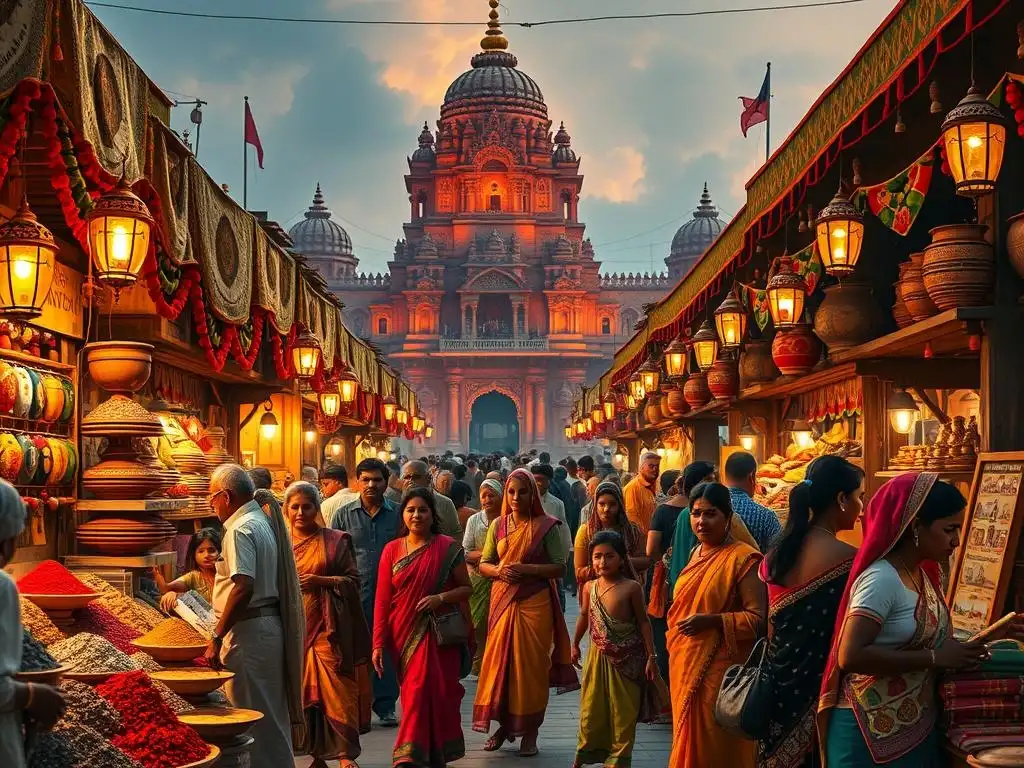
Welcome to Ancient India History, where we embark on a fascinating journey through the rich tapestry of ancient Indian civilizations. In our exploration today, we delve into the vibrant world of ancient Indian festivals and trade, uncovering how these celebrations fueled commerce and cultural exchange across the ages. What role did festivals play in shaping the economic landscape of ancient India? Join us as we unravel the intricate connections between celebration and commerce, and discover stories that have shaped a remarkable heritage. Let your curiosity guide you deeper into the vibrant past that awaits!
Introduction to Ancient Indian Festivals and Trade
The intricate tapestry of ancient Indian civilization is woven with a multitude of threads, among which festivals hold a significant place. These vibrant celebrations were not merely occasions for revelry; they played a pivotal role in the economic landscape of ancient India. The relationship between festivals and trade in ancient Indian society is a fascinating subject that reveals how cultural practices influenced economic activities and facilitated commerce across vast regions. From the bustling markets of the Indus Valley to the thriving trade routes of the Gupta Empire, festivals acted as essential touchpoints, fostering connections between traders, artisans, and consumers.
Exploring ancient Indian festivals and trade provides insight into how these celebrations contributed to the overall prosperity of the civilization. As we delve deeper, we will uncover the multifaceted ways in which festivals served as catalysts for economic exchange, shaped trade practices, and enriched the cultural fabric of ancient Indian society.
Overview of Ancient Indian Festivals
Ancient Indian festivals were diverse, reflecting the rich cultural heritage of the subcontinent. They celebrated various aspects of life, including agricultural cycles, religious beliefs, and seasonal changes. Key festivals such as Diwali, Holi, and Makar Sankranti not only marked significant events in the agricultural calendar but also created opportunities for trade and commerce.
- Diwali, the festival of lights, saw a surge in demand for goods such as sweets, decorative items, and new clothing, prompting artisans and merchants to engage in extensive trade activities.
- Holi, the festival of colors, inspired the sale of colors, flowers, and festive foods, making it a significant occasion for local and regional trade.
These festivals often attracted traders from various regions, contributing to a vibrant marketplace where goods, ideas, and cultures intersected.
Significance of Trade in Ancient Indian Society
Trade was a cornerstone of ancient Indian society, facilitating the exchange of not just commodities but also cultures and innovations. The vast network of trade routes, including the celebrated Silk Road, enabled merchants to connect with distant lands, bringing in exotic goods and enriching local economies.
- Barter System: Initially, trade was conducted through barter, where goods were exchanged directly. However, as commerce evolved, the introduction of currency made transactions more efficient.
- Marketplaces: Festivals played a crucial role in establishing temporary marketplaces, where traders could showcase their goods to a larger audience, thereby enhancing sales and fostering community ties.
The economic significance of trade cannot be overstated; it was instrumental in shaping ancient Indian society's wealth, social structure, and cultural exchanges.
The Cultural Influence of Festivals on Trade
The interplay between festivals and trade in ancient India was profound, with cultural celebrations acting as a driving force for economic activity. This section delves into how festivals influenced trade practices and created opportunities for commerce.
Festivals as Economic Catalysts
Festivals often served as economic catalysts that stimulated trade and commerce. During these celebrations, the demand for various goods surged, prompting merchants and traders to prepare in advance.
For example:
- Increased Production: Artisans would ramp up production of items like jewelry, textiles, and handicrafts to meet the heightened demand during festivals.
- Trade Fairs: Many festivals coincided with trade fairs, where merchants from different regions gathered. These fairs became melting pots of cultural exchange and economic activity, leading to the proliferation of trade networks.
The cyclical nature of festivals ensured that trade remained vibrant throughout the year, as different regions celebrated at different times.
The Role of Rituals in Trade Activities
Rituals associated with festivals played a pivotal role in trade activities. Many festivals included specific rituals that were closely linked to commerce.
- Blessings for Prosperity: Traders often performed rituals to seek blessings for prosperity and success in their ventures. This included offerings to deities and conducting ceremonies to ensure favorable trading conditions.
- Community Engagement: Festivals fostered a sense of community, where local artisans and traders collaborated, enhancing their visibility and encouraging collective marketing efforts.
These rituals not only reinforced cultural values but also created an environment conducive to trade, illustrating the deep connections between cultural practices and economic activities in ancient India.
Major Ancient Indian Festivals and Their Economic Impact
Ancient Indian festivals were not merely occasions for celebration; they played a pivotal role in the economy and trade dynamics of the time. These festivals were instrumental in fostering social cohesion, enhancing market activities, and facilitating trade between various regions. The vibrancy of these events attracted merchants, artisans, and consumers, creating bustling marketplaces where goods—from local crafts to exotic imports—were exchanged. The economic impact of these festivals can be observed in several key celebrations, each contributing to the trade networks and local economies in unique ways.
Diwali: The Festival of Lights and Market Expansion
Diwali, often referred to as the Festival of Lights, is one of the most significant festivals in ancient India. Celebrated with great enthusiasm, it marked the end of the harvest season and heralded the onset of the new year. The festival's prominence led to an expansion of market activities, as people adorned their homes, purchased new clothes, and exchanged gifts.
The economic impact of Diwali was particularly noticeable in the following ways:
- Increased Trade Activity: Merchants prepared well in advance for Diwali, stocking up on goods ranging from sweets to decorative items. This surge in demand resulted in a bustling marketplace and enhanced trade relationships.
- Artisan Opportunities: Local artisans often showcased their crafts during Diwali, creating a platform for small-scale producers to sell their goods and gain visibility among a wider audience.
- Role of Moneylenders: The festival also saw an increase in transactions involving moneylenders, who provided credit to families to facilitate their spending, thereby stimulating economic activities.
Makar Sankranti: Agricultural Trade and Harvest Celebrations
Makar Sankranti is celebrated as a harvest festival, marking the end of winter and the transition of the sun into the zodiac sign of Capricorn. This festival holds significant agricultural importance and has a direct impact on trade related to agricultural products.
Key aspects of its economic contribution include:
- Harvest Celebrations: Farmers celebrated the successful harvest, leading to the flourishing of local markets where surplus produce was sold. The festival encouraged the exchange of grains, vegetables, and other agricultural products.
- Cultural Exchanges: Makar Sankranti was a time for communities to come together, fostering interactions between different regions. This not only promoted local trade but also facilitated cultural exchanges that influenced trade practices.
- Increased Demand for Goods: The festival created a spike in the demand for traditional sweets made from newly harvested crops, which in turn boosted local confectionery trade.
Holi: The Festival of Colors and Trade Dynamics
Holi, known as the Festival of Colors, symbolizes the arrival of spring and the victory of good over evil. It is characterized by vibrant celebrations, and its economic impact extended beyond just the joy of the festival.
The dynamics of trade influenced by Holi include:
- Market Flourishing: The demand for color powders, water balloons, and festive food items surged during Holi, prompting merchants to stock their wares. This seasonal demand led to increased sales and economic activity.
- Artisan Involvement: Artisans producing traditional items for Holi, such as clay pots and colorful decorations, benefited from heightened consumer interest. This generated income and supported local craftsmanship.
- Network Expansion: The festival served as a platform for traders to connect with customers from varied regions, expanding their networks and reinforcing trade relationships.
Festivals and Trade Routes in Ancient India
The interconnection between festivals and trade routes was a defining feature of ancient Indian commerce. Festivals acted as catalysts for trade, drawing people from different regions together and facilitating the movement of goods along major trade routes.
Connection Between Festivals and Major Trade Routes
The relationship between ancient Indian festivals and trade routes is notable. Key festivals often coincided with peak trading seasons, which enhanced economic activities along these routes. Merchants utilized these occasions to travel and trade, creating a vibrant exchange of goods, cultures, and ideas.
- Seasonal Trading Patterns: Many festivals were aligned with harvest cycles, prompting traders to travel to main markets. This seasonal rhythm allowed for the efficient movement of agricultural products and handicrafts.
- Cultural Gatherings: Festivals attracted not only local traders but also those from distant regions, encouraging exchanges that were crucial for trade relationships. These gatherings provided opportunities for merchants to establish contacts and negotiate deals.
The Silk Road and Its Influence on Indian Festivals
The Silk Road was a significant trade network that connected India with Central Asia, the Middle East, and beyond. Its influence on ancient Indian festivals was profound, as it facilitated cultural and economic exchanges.
- Cultural Exchange: Festivals became avenues for cultural mingling, with influences from various regions enriching the celebration of Indian festivals. This resulted in the incorporation of new customs, foods, and practices.
- Trade of Exotic Goods: The Silk Road enabled the import of exotic goods such as silk, spices, and precious stones, which became integral to festival celebrations. The demand for these luxury items increased during festivals, boosting trade activity significantly.
- Merchants' Role: Merchants traveling the Silk Road often timed their journeys to coincide with major festivals, ensuring they could capitalize on the heightened buying spirit of the population.
Sea Trade Routes and Festival Celebrations
Ancient India was also connected through extensive maritime trade routes, which played a vital role in facilitating trade across the seas. Festivals celebrated in coastal regions often reflected this maritime connectivity.
- Port City Vibrancy: Coastal cities would come alive during festivals, attracting traders from various parts of the world. The influx of goods—ranging from spices to textiles—during these celebrations stimulated local economies.
- Cultural Interactions: Festivals provided opportunities for cultural exchange between Indian traders and foreign merchants, leading to a fusion of traditions that enriched the celebrations.
- Economic Boost: The celebration of maritime festivals often resulted in increased shipping activity, as merchants sought to transport goods to meet the demands of festival-goers, thereby enhancing the overall trade volume.
Ancient Indian festivals were deeply intertwined with trade and commerce, influencing economic activities, trade routes, and cultural exchanges, ultimately contributing to the rich tapestry of ancient Indian civilization.
The Role of Festivals in Promoting Local Industries
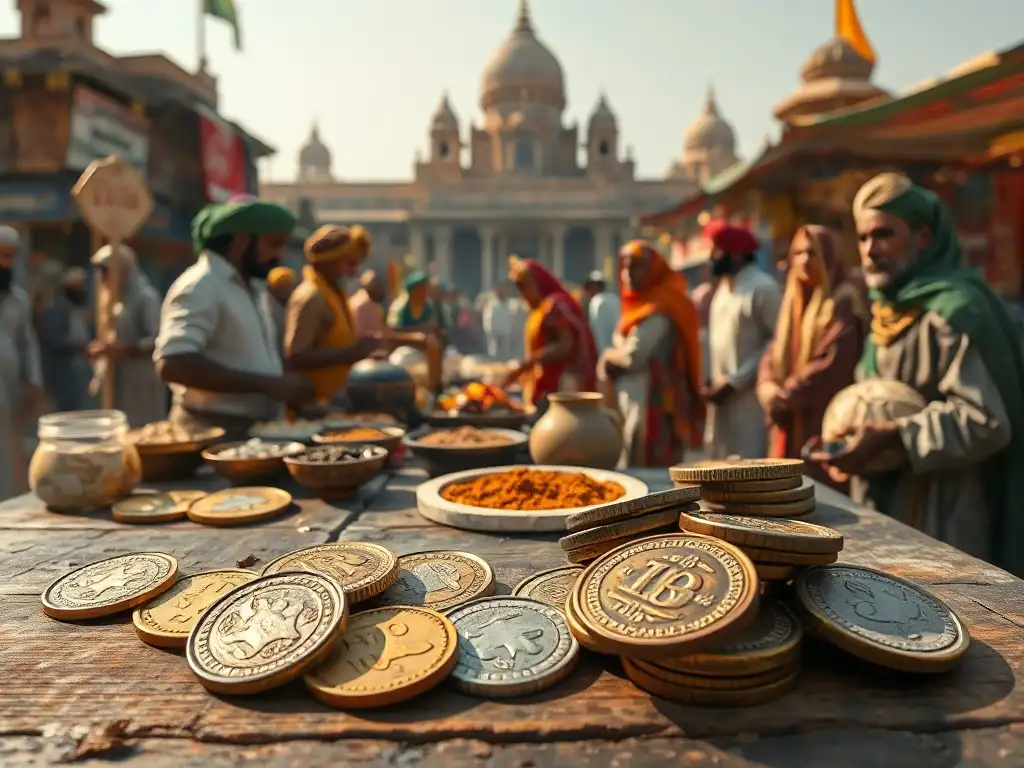
Festivals in ancient India served as vibrant catalysts for local industries, fostering economic growth and cultural exchange. The celebration of various festivals not only brought communities together but also created unique opportunities for artisans, farmers, and traders to showcase their products and services. This interaction facilitated a thriving marketplace where local goods were exchanged, enhancing the overall economic landscape of the region.
During these festivities, local industries flourished due to the increased demand for goods, including textiles, handicrafts, and agricultural produce. Festivals often attracted visitors from neighboring regions, thereby expanding the market reach for local artisans and traders. The influx of people during these celebrations led to temporary markets and fairs, providing a platform for trade and commerce to thrive. This symbiotic relationship between festivals and local industries significantly contributed to the economy of ancient Indian civilizations.
Handicrafts and Artisanship During Festivals
Handicrafts and artisanship played a pivotal role in the celebrations of ancient Indian festivals. Festivals such as Diwali and Navratri were characterized by an array of handmade items, from intricate decorations to religious artifacts. Artisans utilized these occasions to display their craftsmanship, often creating unique items that reflected the cultural significance of the festival.
The demand for decorative items, such as earthen lamps (diyas) during Diwali, or intricate idols for worship during Navratri, provided artisans with a lucrative market. This not only helped preserve ancient crafting techniques but also ensured the economic sustenance of countless families who relied on these skills for their livelihood. Furthermore, festivals often encouraged collaboration among artisans, leading to the creation of specialized guilds that contributed to the richness of local economies.
Agricultural Goods and Seasonal Trade Festivals
Agricultural festivals in ancient India were closely linked to the agricultural calendar, marking the harvesting seasons and promoting the trade of seasonal produce. Festivals such as Pongal and Makar Sankranti celebrated the harvest, creating a vibrant marketplace for farmers to exchange their goods with traders and consumers.
These agricultural festivals facilitated the trade of a variety of products, including grains, fruits, and vegetables. Farmers would bring their harvests to local fairs, where they could barter and sell their goods, thus ensuring a fair price while also meeting the demands of the local populace. The seasonal nature of these festivals not only promoted food security but also strengthened the economic ties between agrarian communities and urban markets, fostering a sustainable trade ecosystem.
Case Studies of Festivals Boosting Ancient Indian Trade
Examining specific case studies of ancient Indian festivals reveals their significant impact on trade and commerce. These festivals not only provided a backdrop for social and cultural activities but also acted as key drivers of economic activity, influencing patterns of trade that resonate even today.
Case Study 1: Diwali and Its Economic Impact
Diwali, one of the most celebrated festivals in ancient India, had profound economic implications. As the festival of lights approached, merchants and traders prepared for a surge in consumer demand. The exchange of gifts and sweets during Diwali created a bustling marketplace, with businesses seeing a significant increase in sales.
The preparation for Diwali also involved the production and sale of decorative items, clothes, and food, stimulating local industries. This festival encouraged trade across regions as people traveled to purchase unique items, thus enhancing intra-regional commerce. The economic upliftment experienced during Diwali was not just limited to urban centers; rural artisans and farmers also benefitted from the increased demand for their goods, illustrating the festival's far-reaching impacts on the economy.
Case Study 2: Makar Sankranti in the Context of Trade
Makar Sankranti, marking the transition of the sun into the zodiac sign of Capricorn, was celebrated with great fervor and had a crucial role in ancient Indian trade. Known for its emphasis on harvest, this festival saw an influx of agricultural products into local markets, particularly grains and sweets made from jaggery and sesame.
The festival also fostered trade connections between different regions, as people traveled to fairs and markets to exchange goods. The tradition of kite flying during Makar Sankranti exemplified this spirit of community and commerce, as kite makers and sellers capitalized on the festive atmosphere. This interplay between cultural practices and economic activity highlights how Makar Sankranti not only celebrated agricultural prosperity but also reinforced the trade networks essential for sustaining ancient Indian economies.
Conclusion: The Lasting Legacy of Festivals in Ancient Indian Trade and Commerce
The role of festivals in ancient Indian trade and commerce extends far beyond mere celebration; it encapsulates a rich tapestry of cultural exchange, economic vitality, and social cohesion that has left an indelible mark on India's historical landscape. Festivals served as vital nodes in the complex web of trade routes, including the Silk Road, where merchants, artisans, and traders converged, fostering not only economic transactions but also the sharing of ideas, technologies, and artistic expressions.
The legacy of these ancient festivals is evident in how they shaped the commercial practices of their time. They facilitated trade by creating a festive atmosphere that attracted large crowds, enabling merchants to showcase their goods and expand their customer base. Furthermore, these celebrations often coincided with agricultural cycles, providing a timely opportunity for the exchange of harvests and artisan crafts. As such, festivals were not just social events; they were integral to the rhythm of economic life in ancient India.
The influence of these traditions persists in various forms today, as modern commerce continues to be intertwined with cultural and religious celebrations. Even in contemporary India, festivals like Diwali and Makar Sankranti drive significant economic activities, highlighting the enduring connection between culture and commerce.
Summary of Key Points
- Cultural Exchange: Ancient Indian festivals were pivotal in facilitating cultural exchanges among diverse communities along major trade routes, enriching both social and economic landscapes.
- Commercial Opportunities: Festivals created vibrant marketplaces where goods were exchanged, allowing merchants to increase their visibility and engage with a broader audience.
- Agricultural Synchronization: Many festivals were aligned with agricultural cycles, providing optimal occasions for the exchange of agricultural products and artisan crafts, thus boosting trade.
- Legacy and Influence: The practices established during ancient festivals continue to influence modern trade, demonstrating the lasting impact of these traditions on contemporary economic activities.
The Continued Relevance of Ancient Traditions in Modern Trade
The influence of ancient Indian festivals on modern trade is strikingly evident in how these customs have been adapted and integrated into contemporary commercial practices. Festivals like Diwali, Holi, and Eid are not only celebrated for their cultural significance but also serve as major economic events that stimulate various sectors, including retail, hospitality, and tourism.
- Economic Boost: During these festivals, businesses often see a surge in sales as consumers engage in shopping sprees to prepare for celebrations. This phenomenon is not limited to India but can be observed in various cultures worldwide, where festivals drive consumer spending.
- Cultural Branding: Many brands leverage the festive spirit to create marketing campaigns that resonate with cultural values, enhancing consumer engagement and loyalty. By aligning their products with the emotional and cultural significance of festivals, companies can effectively tap into the festive market.
- Globalization of Traditions: As Indian diaspora communities celebrate these festivals globally, they bring elements of ancient traditions into new markets, creating opportunities for cross-cultural trade and exchange.
The interplay of ancient Indian festivals and trade exemplifies how deeply interwoven cultural practices and commerce can be. The traditions established in ancient times continue to influence modern economic activities, underscoring the importance of preserving and celebrating these rich cultural heritages.
- Introduction to Ancient Indian Festivals and Trade
- The Cultural Influence of Festivals on Trade
- Major Ancient Indian Festivals and Their Economic Impact
- Festivals and Trade Routes in Ancient India
- The Role of Festivals in Promoting Local Industries
- Case Studies of Festivals Boosting Ancient Indian Trade
- Conclusion: The Lasting Legacy of Festivals in Ancient Indian Trade and Commerce
- What role did festivals play in ancient Indian trade?
- How did religious festivals influence commercial activities?
- Were there specific festivals dedicated to trade in ancient India?
- How did the cultural significance of festivals impact trade relationships?
- Which ancient Indian civilizations were known for their trade festivals?
Frequently Asked Questions
What role did festivals play in ancient Indian trade?
Festivals served as significant occasions for trade, allowing merchants to showcase their goods and engage with a broad audience, fostering economic interactions.
How did religious festivals influence commercial activities?
Religious festivals attracted large crowds, which encouraged trade as vendors capitalized on the influx of visitors, boosting local economies during these times.
Were there specific festivals dedicated to trade in ancient India?
Yes, certain festivals were specifically designed for commercial purposes, featuring markets and exchanges that facilitated transactions among merchants and consumers.
How did the cultural significance of festivals impact trade relationships?
The cultural significance of festivals helped to build trust and relationships among traders from different regions, promoting long-term trade partnerships.
Which ancient Indian civilizations were known for their trade festivals?
Civilizations like the Indus Valley and the Gupta Empire are known for their vibrant trade festivals, which played a crucial role in their economic growth and cultural exchange.
Final Reflection: Celebrating the Interconnection of Ancient Indian Festivals and Trade
The exploration of ancient Indian festivals and trade reveals a profound connection that resonates with our contemporary society. In an era where cultural exchange and economic collaboration are more vital than ever, understanding how festivals served as a catalyst for trade in ancient India underscores their enduring significance. Festivals were not merely celebrations; they were pivotal events that fostered commerce and community, illustrating how cultural practices can drive economic vitality.
The influence of ancient Indian festivals on trade has left an indelible mark on our cultural and social landscape. These vibrant celebrations were not just occasions for joy but also platforms for economic interaction and cultural exchange. As we reflect on this rich history, we see how the spirit of these festivals continues to thrive in modern marketplaces, where cultural heritage and commerce intertwine. Festivals are the heartbeat of a culture, where commerce and community come together in a vibrant tapestry of shared experiences.
As we conclude this exploration, I invite you to reflect on the lessons of ancient Indian festivals and their role in trade. Consider how you can incorporate the spirit of celebration and community into your own life, fostering connections that transcend mere transactions. Embrace the idea that every festival, whether ancient or modern, holds the potential to unite people and stimulate economic growth. Let us honor this legacy by actively participating in our cultural celebrations and recognizing their power to shape our communities and economies for the better.
Revive the Spirit of Ancient Trade!
Thank you for exploring the fascinating world of festivals in ancient Indian trade and commerce. You’ve uncovered how these vibrant celebrations were essential to economic exchange and cultural interaction. Now, let’s take the next step to connect further with this rich history!
Here’s how you can engage and expand your understanding of ancient trade practices:
- Immerse yourself in local festivals: Visit a festival in your area that celebrates cultural diversity and observe its trading aspects. **Consider what connections you can draw to the practices of ancient traders. **
- Share your insights: Discuss your discoveries with friends or on social media to spark conversations about cultural heritage and trade. **You may uncover new perspectives together. **
- Delve into literature and media: Explore books or documentaries focused on ancient Indian trade routes and the significance of festivals. **Reflect on how these themes can enhance your appreciation for modern commerce. **
What unique festival or trade practice from ancient India do you find most intriguing, and why? We’d love to hear your thoughts in the comments!