
The Mahabharata and the Festival of Diwali: Celebrating Themes of Victory

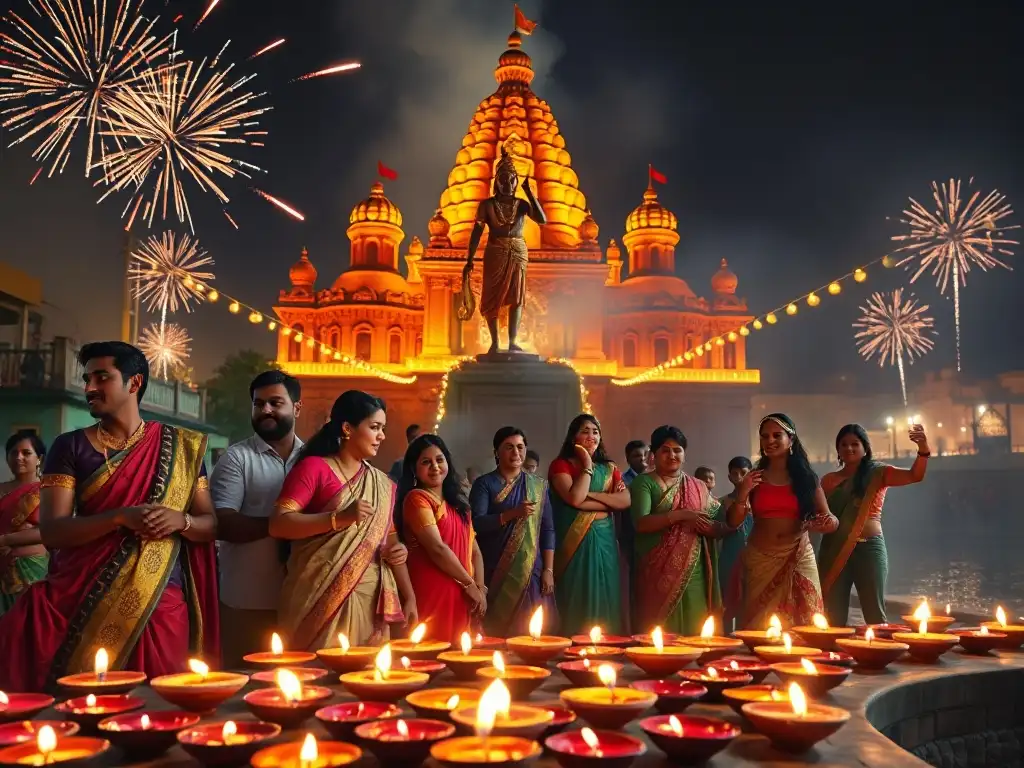
Welcome to Ancient India History, where we embark on a journey through the tapestry of time, exploring the rich and diverse histories, cultures, and contributions of ancient Indian civilizations. Today, we delve into the enchanting connection between the Mahabharata and the vibrant celebration of Diwali. Have you ever wondered how the epic's themes of victory and dharma resonate through the festival's lights and joy? Join us as we uncover the profound significance of these themes and their enduring impact on one of India's most cherished celebrations. Your adventure into the depths of epic literature and cultural heritage begins here!
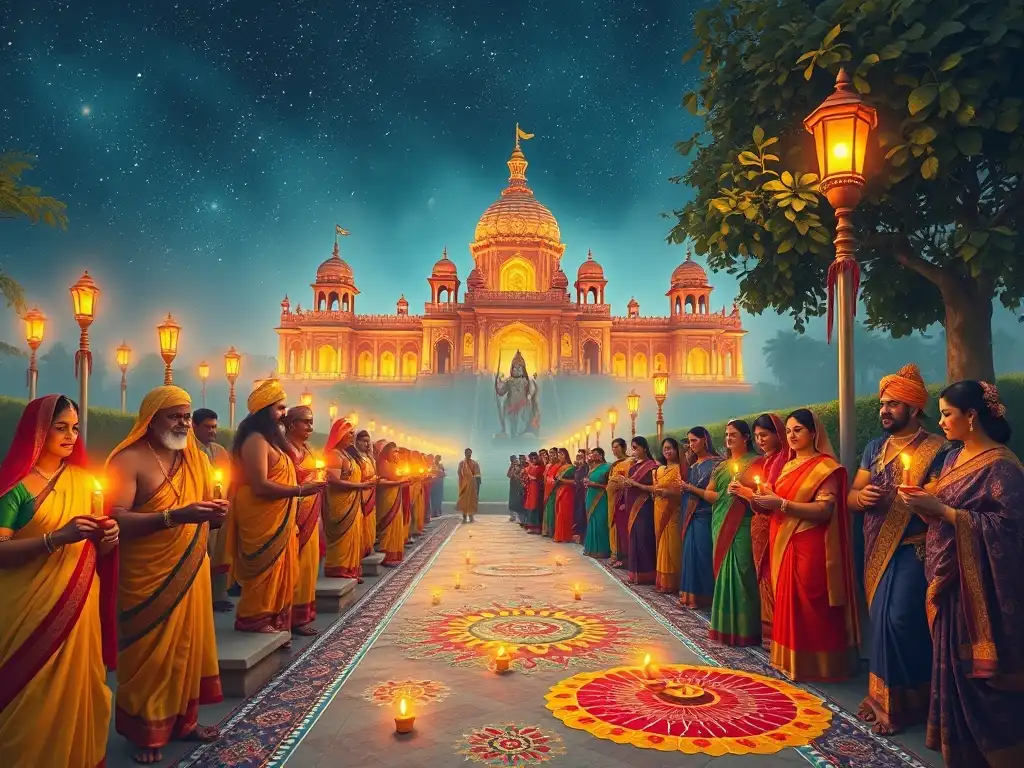
Introduction to the Mahabharata and Diwali
The Mahabharata is not just an epic; it is a monumental narrative that encapsulates the essence of ancient Indian values, philosophies, and the complexities of human nature. This epic poetry, attributed to the sage Vyasa, weaves together tales of valor, ethics, and the timeless struggle between good and evil. As we delve into the Mahabharata, we uncover profound themes that resonate through the ages, particularly the themes of victory and righteousness that echo in various facets of Indian culture.
One of the most celebrated festivals in India, Diwali, also known as the Festival of Lights, holds significant cultural and spiritual importance. It symbolizes the triumph of light over darkness and good over evil, beautifully paralleling the moral lessons found in the Mahabharata. The convergence of these two rich narratives, the epic tale and the festival, creates a vibrant tapestry of celebration that emphasizes themes of victory, making them deeply interwoven in the cultural consciousness of India.
Overview of the Mahabharata as Epic Literature
The Mahabharata is considered one of the longest epics in the world, comprising over 100,000 verses and spanning 18 books, or parvas. Its narrative is centered around the Kurukshetra War and the fates of the Kaurava and Pandava princes. This epic is not merely a tale of war; it encompasses philosophical discourse, moral dilemmas, and complex character portrayals.
Key features include:
- Dharma (righteous duty): Central to the epic, illustrating the moral complexities faced by its characters.
- Bhagavad Gita: A philosophical dialogue between Lord Krishna and Arjuna, addressing the ethics of war and duty.
- Divine interventions: Depictions of gods and supernatural elements that illustrate the epic's spiritual dimensions.
Through its intricate storytelling, the Mahabharata provides insights into ancient Indian society, its values, and the universal themes that continue to resonate today.
Significance of Diwali in Indian Culture
Diwali, celebrated by millions across the globe, marks various historical and mythological events, primarily the return of Lord Rama to Ayodhya after defeating the demon king Ravana, as narrated in the Ramayana. However, its connection to the Mahabharata is equally significant, as it represents the victory of the Pandavas after the tumultuous war.
The festival is characterized by:
- Lighting of lamps: Symbolizing the dispelling of darkness and ignorance.
- Family gatherings: Strengthening bonds and celebrating togetherness.
- Rituals and prayers: Devotees perform rituals to invoke blessings for prosperity and well-being.
Diwali serves not only as a celebration of victory but also as a reminder of the virtues upheld in the Mahabharata, reinforcing the cultural ethos of righteousness and justice.
Themes of Victory in the Mahabharata
The Mahabharata is replete with themes of victory that extend beyond mere triumph on the battlefield. These themes encompass moral victories, the struggle for righteousness, and the ultimate quest for justice, reflecting the deeper philosophical underpinnings of the epic.
The Concept of Dharma and Righteousness
At the heart of the Mahabharata lies the concept of dharma, which is often translated as duty or righteousness. Characters in the epic grapple with their dharmic responsibilities, leading to profound moral dilemmas. The choices made by these characters, especially Arjuna on the battlefield, highlight the significance of adhering to one's dharma despite personal conflicts.
- Moral dilemmas: Characters face choices that test their values and ethical beliefs.
- Righteousness in action: The narrative emphasizes the importance of action aligned with moral principles.
This theme of dharma resonates deeply with the celebrations of Diwali, where the victory of good over evil is celebrated, reinforcing the importance of righteousness in all aspects of life.
The Role of Heroes and Heroism in the Mahabharata
The Mahabharata is populated with a myriad of heroes and heroic figures, each embodying different facets of courage and valor. From the noble Arjuna to the wise Krishna, these characters illustrate what it means to be a hero in the face of adversity.
- Arjuna: Represents the ideal warrior grappling with doubt and moral conflict.
- Krishna: The divine charioteer, symbolizing wisdom and guidance in times of crisis.
These heroic narratives inspire the values celebrated during Diwali, as families honor not only the stories of their deities but also the ideals of heroism that resonate within the epic.
Symbolic Victories: Overcoming Adversity
The ultimate victories in the Mahabharata are not just those won on the battlefield; they also represent the triumph of the human spirit over adversity. The characters' journeys often involve personal struggles, losses, and the quest for justice, culminating in symbolic victories that transcend physical conquest.
- Resilience: Characters display strength in adversity, embodying the spirit of perseverance.
- Restoration of justice: The resolution of conflicts in the epic reflects the broader themes of justice and moral order.
These symbolic victories echo the sentiments of Diwali, where the celebration of light represents the overcoming of darkness and ignorance, further tying the themes of the Mahabharata to the cultural festivities of the festival.
The Connection Between the Mahabharata and Diwali
The Mahabharata, one of the two major Sanskrit epics of ancient Indian literature, is deeply intertwined with the festival of Diwali. This connection stems from the overarching themes of victory, righteousness, and the eternal battle between good and evil that both the epic and the festival encapsulate. Diwali is celebrated with fervor across India and among Indian communities worldwide, symbolizing the triumph of light over darkness and good over evil. The Mahabharata's narrative, particularly the Kurukshetra War, illustrates these themes vividly, making it a significant cultural touchstone during Diwali celebrations.
Historical Context of Diwali Celebrations
Diwali, also known as Deepavali, has its roots in various historical and religious traditions across India. Its origins can be traced back to ancient agricultural practices marking the end of the harvest season, symbolizing prosperity and abundance. Over the centuries, Diwali has evolved to encompass various mythological stories, including the return of Lord Rama to Ayodhya after defeating the demon king Ravana, as recounted in the Ramayana.
Although primarily associated with Lord Rama, the festival also resonates with the themes depicted in the Mahabharata, particularly regarding the celebration of victory and justice. This historical context enriches the significance of Diwali as it stands as a reminder of the lessons learned from epic narratives.
Diwali as a Celebration of Good Over Evil in the Mahabharata
The Mahabharata is replete with instances where good ultimately prevails over evil, a core principle that resonates with the essence of Diwali. The festival, celebrated with the lighting of diyas (lamps), reflects the illumination of wisdom and virtue over ignorance and vice. In the Mahabharata, characters like Arjuna and Krishna embody righteousness and moral integrity, culminating in the victory of the Pandavas over the Kauravas.
This narrative parallels the theme of Diwali, where the defeat of evil forces signifies hope and renewal. As people celebrate Diwali, they are reminded of these epic tales, reinforcing the belief that righteousness will ultimately triumph.
Interpretations of Victory in Both the Mahabharata and Diwali Celebrations
Victory in the context of both the Mahabharata and Diwali can be interpreted on multiple levels. In the Mahabharata, victory is not merely about winning battles; it encompasses ethical dilemmas, sacrifice, and the quest for dharma (righteousness). The Pandavas' victory, although hard-fought, comes with profound personal losses and moral challenges, making it a bittersweet triumph.
Similarly, Diwali's celebration of victory extends beyond the surface-level joy of lighting lamps and bursting crackers; it invites individuals to reflect on their personal struggles against adversity and the moral choices they must make. This duality of victory highlights the deeper philosophical undercurrents of both the epic and the festival, encouraging introspection and a commitment to uphold righteousness.
The celebration of Diwali is rich in cultural practices that draw inspiration from the Mahabharata. These practices not only enhance the festive atmosphere but also serve to remind participants of the epic's enduring themes of victory, duty, and moral integrity.
Rituals and Traditions Inspired by the Mahabharata
Many rituals associated with Diwali reflect themes from the Mahabharata. One of the prominent practices is the worship of Lord Ganesha and Goddess Lakshmi, symbolizing the removal of obstacles and the attainment of wealth and prosperity. In the Mahabharata, Ganesha is depicted as the scribe of the epic, highlighting his significance in the narrative. Additionally, the tradition of exchanging sweets and gifts during Diwali can be seen as a way to foster goodwill and strengthen community ties, mirroring the alliances formed in the epic's storyline.
Storytelling and Recitations of Mahabharata During Diwali
During Diwali, storytelling sessions and recitations of selected passages from the Mahabharata become a focal point of family gatherings. These narratives not only entertain but also serve as moral lessons that resonate with the values celebrated during the festival. Families share tales of valor, wisdom, and the complexities of human relationships depicted in the Mahabharata, reinforcing the importance of these themes in their lives. This practice of storytelling fosters a sense of continuity and cultural identity, linking generations through shared knowledge and values.
The Role of Rangoli and Decorations Reflecting Mahabharata Themes
Rangoli, the traditional art of decorating floors with colorful patterns, often features motifs inspired by the Mahabharata during Diwali. These intricate designs may depict significant symbols such as the conch (shankha) associated with Lord Krishna or the chariot of Arjuna, serving as a visual representation of the epic's narratives.
Additionally, decorations within homes often showcase scenes from the Mahabharata, creating a festive ambiance that celebrates both the festival and the epic's profound themes. This intertwining of visual art and storytelling enriches the Diwali experience, making it a celebration not only of light and victory but also of cultural heritage and literary legacy.
Conclusion: The Enduring Legacy of the Mahabharata in Diwali Celebrations
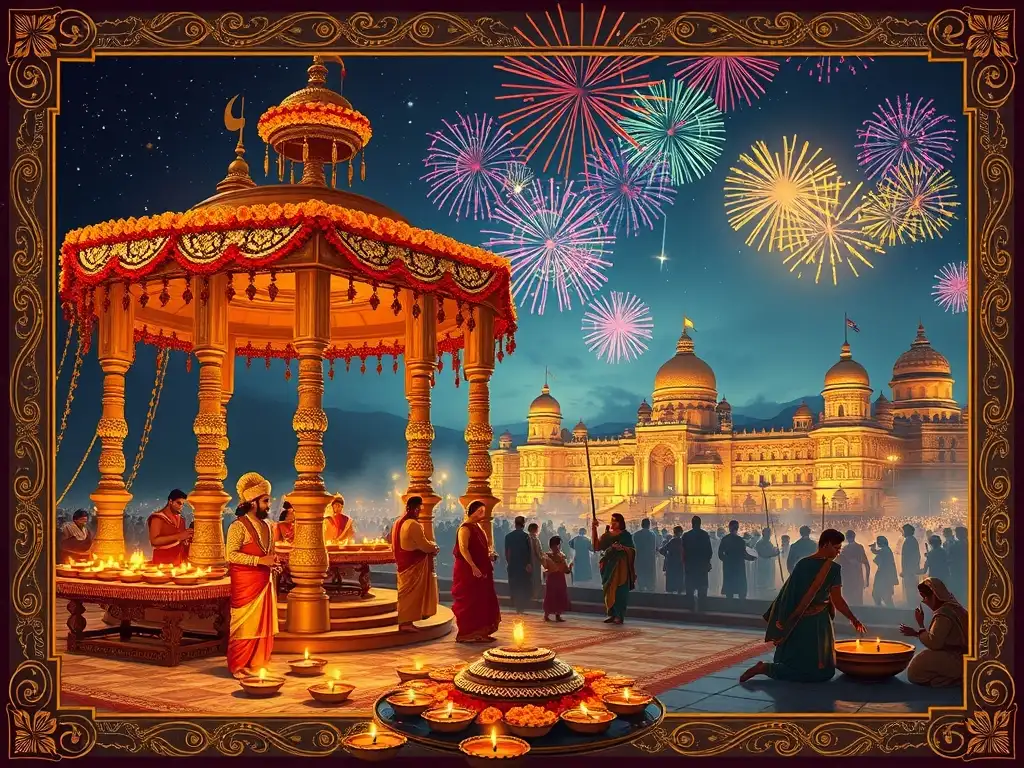
The Mahabharata, one of the most revered epic texts in Indian literature, has left an indelible mark on the cultural fabric of India, particularly in the context of festivals like Diwali. Its themes of duty, righteousness, and the ultimate triumph of good over evil resonate deeply during the celebrations of Diwali, a festival that commemorates the victory of Lord Rama over the demon king Ravana. This epic not only provides a narrative of heroic deeds and moral dilemmas but also serves as a source of inspiration, encouraging individuals to reflect on their own lives and the choices they make.
The enduring legacy of the Mahabharata is evident in the way Diwali is celebrated across diverse communities, where stories from the epic are recounted, and values are reinforced. The tales of valor from the Mahabharata, such as the Kurukshetra war and the principles of dharma (duty), are often interwoven into the celebrations, reminding participants of the importance of justice and moral integrity. As families gather to light lamps and share sweets, they also engage in discussions about the lessons imparted in the Mahabharata, ensuring that these timeless teachings continue to inspire future generations.
Reflection on the Interplay of Literature and Festival
The interplay between literature and festival is a powerful example of how narratives shape cultural practices. The Mahabharata, with its intricate characters and profound themes, provides a rich tapestry that enhances the spirit of Diwali. Festivals like Diwali are not merely about celebrations; they are a time for storytelling and remembering the deeper meanings behind the festivities.
During Diwali, the recitation of portions of the Mahabharata, especially the Bhagavad Gita, is a common practice that highlights the philosophical underpinnings of the epic. This integration of literary elements into festive rituals elevates the experience, allowing individuals to connect with the cultural and spiritual significance of the Mahabharata. Moreover, as people engage in reenactments or storytelling sessions, they reinforce community bonds and pass down the wisdom contained within these ancient texts.
The Continued Relevance of Mahabharata Diwali Celebration Themes in Modern Times
In today's rapidly changing world, the themes of the Mahabharata remain remarkably relevant, particularly in the context of Diwali celebrations. The epic's exploration of complex human emotions, ethical dilemmas, and the pursuit of justice resonates with contemporary audiences, encouraging a thoughtful examination of personal and societal issues.
Modern Diwali celebrations often incorporate these themes, as individuals and communities reflect on their own struggles and triumphs. The festival serves as a reminder of the ongoing battle between light and darkness, both externally in the world and internally within oneself. As people celebrate Diwali, they are inspired to embrace the Mahabharata's teachings on resilience, compassion, and the importance of standing up for what is right.
Furthermore, as global interest in Indian culture and philosophy grows, the Mahabharata's influence extends beyond Indian borders. International celebrations of Diwali increasingly highlight these themes, fostering a deeper understanding of the epic's significance in promoting universal values of peace and justice. In this way, the Mahabharata continues to inspire and guide individuals in their personal journeys, making its themes an integral part of modern Diwali celebrations.
- Introduction to the Mahabharata and Diwali
- Themes of Victory in the Mahabharata
- The Connection Between the Mahabharata and Diwali
- Cultural Practices During Diwali Related to the Mahabharata
- Conclusion: The Enduring Legacy of the Mahabharata in Diwali Celebrations
- Reflection on the Interplay of Literature and Festival
- The Continued Relevance of Mahabharata Diwali Celebration Themes in Modern Times
- What is the significance of the Mahabharata in Indian culture?
- How is Diwali celebrated in relation to the Mahabharata?
- What are some common Diwali celebration themes inspired by the Mahabharata?
- How do the stories from the Mahabharata enhance the Diwali celebrations?
- Can you explain the connection between victory and Diwali as shown in the Mahabharata?
Frequently Asked Questions
What is the significance of the Mahabharata in Indian culture?
The Mahabharata is an ancient epic that embodies moral lessons, dharma, and the complexities of human nature, making it a cornerstone of Indian culture and philosophy.
How is Diwali celebrated in relation to the Mahabharata?
During Diwali, themes from the Mahabharata, such as victory over evil and the importance of good deeds, are celebrated through rituals, storytelling, and festive gatherings.
What are some common Diwali celebration themes inspired by the Mahabharata?
Common themes include triumph of light over darkness, family unity, and the significance of righteousness, reflecting the epic's core messages during the Diwali festivities.
How do the stories from the Mahabharata enhance the Diwali celebrations?
Stories from the Mahabharata provide moral guidance and inspiration, encouraging people to reflect on virtues like courage, honor, and the pursuit of justice during the Diwali celebrations.
Can you explain the connection between victory and Diwali as shown in the Mahabharata?
Diwali symbolizes the victory of good over evil, mirroring the battles fought in the Mahabharata, where righteousness ultimately prevails, reinforcing the festival's message of hope and renewal.
Final Reflection: Embracing the Themes of Victory in the Mahabharata and Diwali
The themes of victory and righteousness found in the Mahabharata resonate profoundly in today’s world, reminding us that the struggle for justice and truth is timeless. As we celebrate Diwali, the festival of lights, we are not merely honoring a tradition; we are reaffirming our commitment to overcoming darkness with light, both in our personal lives and in society at large. The lessons from this epic continue to inspire us to strive for victory over our own challenges, making the connection between the Mahabharata and Diwali more relevant than ever.
Culture is a living tapestry woven from the threads of our shared stories, and the Mahabharata is a cornerstone of this narrative. Its themes of conflict, resolution, and moral dilemmas shape our understanding of justice and ethics. As we partake in the Diwali celebrations, we are reminded of the ongoing influence of these ancient tales on our modern lives. The Mahabharata teaches us that every battle we face is not just external but also an internal struggle for virtue.
This reflection invites us to consider how these stories guide our actions and decisions today, shaping our values and aspirations.
As we move forward, let us take a moment to reflect on the lessons embedded in the Mahabharata and the spirit of Diwali. I invite you to embrace the themes of victory in your own life—whether it’s overcoming personal challenges, standing up for what is right, or spreading kindness and joy in your community.
Each Diwali celebration is an opportunity to ignite the light within us, to champion the values of courage and integrity that the Mahabharata exemplifies. Let this festival inspire you to be a beacon of hope and strength, illuminating the path for others as we collectively strive for a brighter future.
Celebrate Your Victory: Embrace the Spirit of Diwali!
Thank you for diving into the rich narrative of The Mahabharata and the joyous celebration of Diwali! You've explored not just stories of victory but also the deeper values of hope and resilience. Now, let’s translate that inspiration into action!
Here are some ways you can keep the spirit of victory alive:
- Embrace your own victories: Reflect on your recent accomplishments, whether they are significant milestones or small wins. Celebrate them by sharing your story with friends or family, or even on social media!
- Create a Diwali-inspired tradition: Consider starting a tradition that embodies the themes of kindness and success. This could be as simple as preparing a new recipe or volunteering in your community during the festival.
- Share the wisdom: Discuss the lessons learned from The Mahabharata with your friends or at a local gathering. Organizing a book club or a discussion circle to explore these themes more deeply can be a rewarding experience.
What victory will you celebrate this Diwali? Share your plans in the comments below and inspire others on their journey!