
Onam: Exploring the Rich Traditions of Kerala’s Harvest Festival

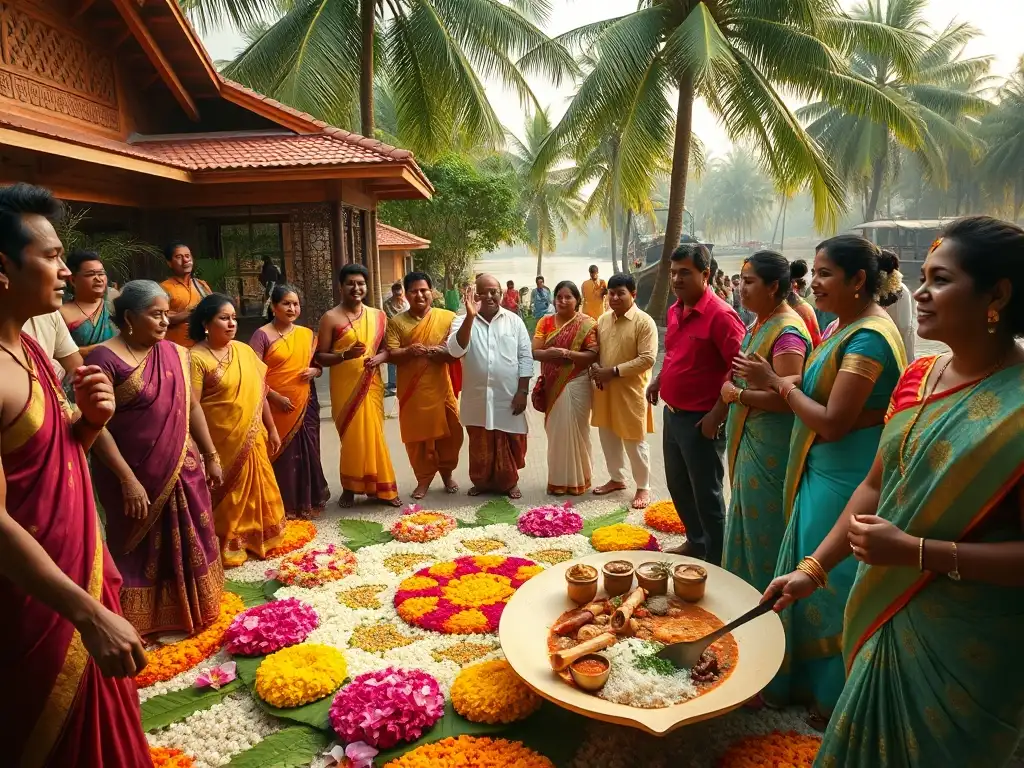
Welcome to Ancient India History, where we journey through the remarkable tapestry of India's past, uncovering the vibrant cultures and groundbreaking contributions of ancient civilizations. In this captivating exploration, we invite you to delve into the Kerala Onam festival traditions, a celebration steeped in history and rich with meaning. Discover how this harvest festival not only honors the bounties of nature but also embodies the spirit of unity and joy within the community.
What secrets does Onam hold about the ancient customs of Kerala? Join us as we unravel the fascinating stories behind this cherished festival and inspire your curiosity to learn more about the vibrant traditions that continue to shape India today.
Introduction to Onam
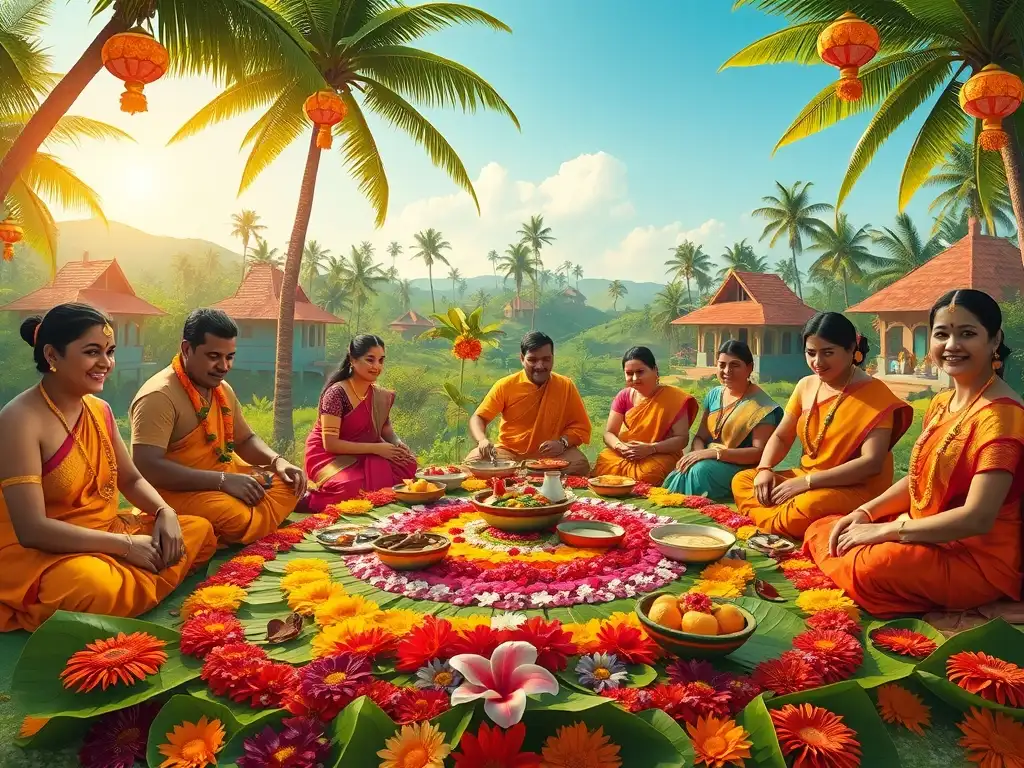
The Kerala Onam festival is a vibrant celebration that marks the harvest season in the southwestern Indian state of Kerala. This multi-day festival, typically celebrated in August or September, is a time when communities come together to honor prosperity, unity, and the rich cultural heritage of the region.
Onam is not merely a harvest festival; it encapsulates the essence of Kerala’s diverse traditions, showcasing colorful festivities that reflect the state's agricultural bounty and its people's rich cultural tapestry. From elaborate feasts to intricate floral designs, Onam is a significant event that resonates deeply within the hearts of Keralites, both at home and across the globe.
Overview of Kerala Onam Festival Traditions
The Onam festival is celebrated with a plethora of traditions, each contributing to the overall festive spirit. Here are some key elements:
- Pookalam: The creation of floral designs at the entrance of homes symbolizes welcome and abundance.
- Onam Sadya: A grand vegetarian feast served on banana leaves, featuring a variety of traditional dishes that signify hospitality and the bounty of the harvest.
- Vallam Kali: The famous boat races that demonstrate teamwork and excitement, showcasing the region's connection to water and agriculture.
- Kaikottikali: A traditional dance performed by women, celebrating the harvest and the spirit of community.
These traditions not only reflect the cultural richness of Kerala but also highlight the harmonious relationship between the people and their environment.
Significance of Onam in Kerala’s Culture
Onam holds profound significance in Kerala’s culture, symbolizing more than just a harvest festival. It is a time to commemorate the mythical King Mahabali, whose spirit is believed to visit his subjects during this period. The festival promotes values such as:
- Unity: Onam transcends social and economic barriers, bringing people together in celebration.
- Gratitude: It is a time to express gratitude for the harvest and the sustenance it provides.
- Cultural Identity: The various traditions and rituals associated with Onam serve as a reminder of Kerala's rich heritage and cultural diversity.
These elements combine to create an atmosphere of joy, reflection, and togetherness, making Onam a cherished occasion for all Keralites.
Historical Background of Onam
Origins of the Onam Festival
The origins of Onam can be traced back to ancient agricultural practices in Kerala. Initially celebrated as a harvest festival, it gradually evolved to incorporate various cultural rituals and mythological narratives. Historical texts suggest that Onam has been celebrated for centuries, originating from the agrarian society that thrived in the region.
Mythological Stories Associated with Onam
The festival is steeped in mythology, with the most popular story being that of King Mahabali. According to legend, Mahabali was a benevolent demon king who ruled Kerala with prosperity and justice. However, the gods, feeling threatened by his growing power, sent Lord Vishnu in the form of Vamana to subdue him. After defeating Mahabali, Vishnu granted him the boon to visit his kingdom once a year during Onam, symbolizing the king’s enduring connection to his people.
Evolution of Onam Celebrations Over the Years
Over the years, Onam has evolved from a primarily agrarian festival to a grand celebration that encompasses various aspects of Kerala's cultural identity. While traditional practices remain, modern interpretations have introduced new elements, such as cultural programs, artistic performances, and community events. This evolution reflects the adaptability of Kerala's traditions while maintaining reverence for their historical roots.
The Kerala Onam festival traditions encapsulate a rich tapestry of cultural heritage, history, and community spirit, making it a significant event in the lives of Keralites, both past and present.
Major Traditions of the Kerala Onam Festival
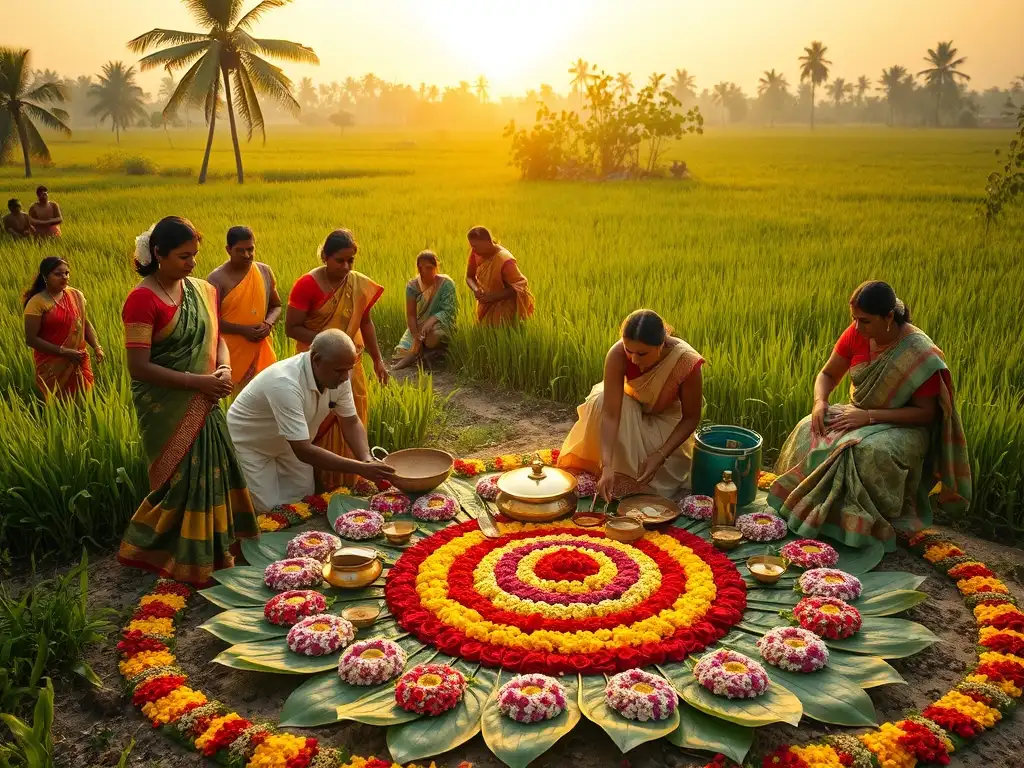
The Kerala Onam festival is a vibrant celebration marked by a variety of traditions that reflect the rich cultural heritage of the state. Each tradition holds a special significance and contributes to the overall festivities, embodying the spirit of unity and gratitude. From intricate floral decorations to grand feasts, these traditions are integral to the celebration of Onam and illustrate the deep-rooted customs of Kerala.
Pookalam: The Floral Rangoli
One of the most enchanting traditions of the Onam festival is the creation of Pookalam. This floral rangoli is crafted using a variety of colorful flowers, often arranged in intricate patterns and designs.
- Symbolism: Pookalam symbolizes prosperity and welcomes the spirit of King Mahabali, the legendary figure central to the Onam festivities.
- Crafting: Families gather each morning during the festival to create and embellish their Pookalam, often competing with neighbors in creativity and size.
- Materials: Commonly used flowers include marigolds, chrysanthemums, and jasmine, which are not only vibrant but also fragrant, enhancing the festive atmosphere.
The sight of these floral designs adorning homes and public spaces is a visual representation of the joy and celebration that defines Onam.
Onam Sadhya: The Grand Feast
The Onam Sadhya is perhaps the most awaited aspect of the festival, celebrated with immense enthusiasm. This grand feast features a variety of traditional Kerala dishes served on a banana leaf.
- Culinary Diversity: The Sadhya typically includes over 20 dishes, showcasing the culinary richness of Kerala. Popular items include sambar, avial, thoran, and payasam, each contributing to the meal's flavor and essence.
- Cultural Significance: The preparation of Onam Sadhya is a communal affair, often involving family members gathering to cook together, further strengthening bonds and celebrating unity.
- Serving Style: Traditionally, the Sadhya is served in a specific order, starting from the savory dishes to the sweet dishes, culminating in a delightful experience for the palate.
The Onam Sadhya is not just a meal; it is a celebration of Kerala's agricultural prosperity and the abundance of harvest.
Vallamkali: The Traditional Boat Race
Another thrilling tradition of the Onam festival is Vallamkali, the traditional boat race that showcases the strength and teamwork of local communities.
- Event Highlights: Teams of rowers compete in long, snake-shaped boats called Chundan Vallams, racing down the backwaters of Kerala amidst cheers from enthusiastic spectators.
- Cultural Importance: Vallamkali is not just about competition; it is a celebration of unity, skill, and the rich maritime heritage of Kerala.
- Timing: The boat races are typically held during the Onam festival, drawing large crowds and adding excitement to the festivities.
This event exemplifies the spirit of camaraderie and the thrill of competition that characterizes the Onam celebrations.
Onathappan: The Clay Idol of King Mahabali
During Onam, the Onathappan represents King Mahabali, the mythical ruler whose annual visit is celebrated during the festival.
- Symbolic Representation: The idol is crafted from clay and is often adorned with traditional attire and ornaments, symbolizing the king's prosperity and benevolence.
- Ceremonial Significance: Onathappan is placed in homes and worshipped during the festival, expressing gratitude for the blessings received and honoring the king's legacy.
- Rituals: The idol is sometimes immersed in water at the end of the festivities, symbolizing the return of King Mahabali to his realm, a poignant reminder of the cycle of life and celebration.
The Onathappan serves as a focal point for the spiritual aspects of the Onam festival.
Rituals and Celebrations During Onam
The Onam festival is not limited to a single day; it unfolds over ten days filled with rituals and celebrations that reflect the heritage and traditions of Kerala.
The Ten Days of Onam Celebrations
The Onam celebrations commence with Atham, the first day, and continue until Thiruvonam, the main day of the festival. Each day holds unique rituals and activities:
- Atham: The day marks the start of festivities, with families beginning to create Pookalam.
- Chithira: This day is dedicated to preparing for the upcoming celebrations, including shopping for new clothes.
- Chodi: The day focuses on cleaning homes and decorating them, setting the stage for Onam.
- Vishakam: Special prayers and rituals are performed to invite King Mahabali's spirit.
- Anizham: The excitement builds as preparations for Vallamkali begin, with community gatherings.
- Thriketa: Involves small feasts and cultural performances, enhancing the festive atmosphere.
- Moolam: The significance of family and community is emphasized with gatherings and celebrations.
- Pooradam: The Onathappan idol is made and decorated, preparing for worship.
- Uthradom: Families prepare for the grand Onam Sadhya, inviting friends and relatives.
- Thiruvonam: The climax of the festival, featuring the grand feast, boat races, and various cultural performances.
Each day is a blend of rituals, community participation, and joyous celebrations, culminating in a rich tapestry of traditions that define the Onam festival in Kerala.
Cultural Significance of Onam
Onam is not merely a festival; it is a vibrant celebration that encapsulates the essence of Kerala's rich cultural heritage. This harvest festival, which falls during the month of Chingam in the Malayalam calendar, is a time when the people of Kerala come together to celebrate the bountiful harvest and their agrarian roots.
It is deeply intertwined with the legend of King Mahabali, a mythical figure who is said to visit his people during this time. The cultural significance of Onam transcends mere festivities; it is a reflection of the values of generosity, unity, and the importance of community in Kerala’s society.
The festival showcases the colorful traditions of Kerala, from intricate floral arrangements known as "Pookalam" to the sumptuous Onam feast, or "Onam Sadhya," which features a wide array of vegetarian dishes served on banana leaves. These elements not only highlight the agricultural abundance but also serve as a reminder of the state's unique cultural identity. As families and friends gather for the celebrations, Onam strengthens social bonds and rekindles a sense of belonging among the people.
Onam as a Harvest Festival
At its core, Onam is a harvest festival that marks the end of the monsoon season and the beginning of the harvest season in Kerala. Traditionally, it celebrates the agricultural prosperity of the region, with farmers expressing gratitude for the bountiful yield of rice, the staple food of Kerala. The celebrations are marked by various activities that showcase the agrarian lifestyle, including boat races, traditional dances, and folk songs that narrate the joys of farming.
The festival's agricultural significance is highlighted in the rituals and customs that accompany it. For instance, the preparation of the Onam Sadhya includes the use of fresh, locally sourced ingredients, symbolizing the importance of sustainable farming practices and the connection between the land and its people. Furthermore, the timing of Onam aligns with the cultivation cycle, reminding the community of the vital role agriculture plays in their lives.
Onam and the Unity of People in Kerala
One of the most remarkable aspects of the Onam festival is its role in fostering unity among the diverse communities of Kerala. Regardless of caste, creed, or religion, people come together to celebrate this festival, reinforcing the spirit of inclusivity. The legend of King Mahabali, who is believed to have ruled justly and fairly, serves as a powerful symbol of equality and harmony among all people.
During Onam, the communal spirit is palpable as families and neighbors engage in various festivities, such as decorating their homes with vibrant floral designs and preparing the elaborate Onam Sadhya. The festival encourages social gatherings, where people share meals, participate in traditional games, and enjoy folk performances. This collective participation not only enhances community bonds but also instills a sense of pride in Kerala's rich cultural tapestry.
Economic Impact of Onam Celebrations
The economic impact of Onam on Kerala cannot be understated. As one of the most significant festivals in the state, Onam generates substantial economic activity across various sectors. The preparations for the festival stimulate local businesses, from flower vendors selling Pookalam materials to restaurants and caterers providing Onam Sadhya meals.
Moreover, the influx of tourists during this period further boosts the economy. Many visitors come to Kerala specifically to experience the vibrant celebrations, which in turn supports the hospitality industry, including hotels, travel agencies, and local artisans. The festival also promotes the sale of traditional handicrafts and souvenirs, thereby preserving and showcasing Kerala's rich artisanal heritage. Overall, Onam functions as a catalyst for economic growth while simultaneously celebrating the cultural identity of the region.
Contemporary Celebrations of Onam
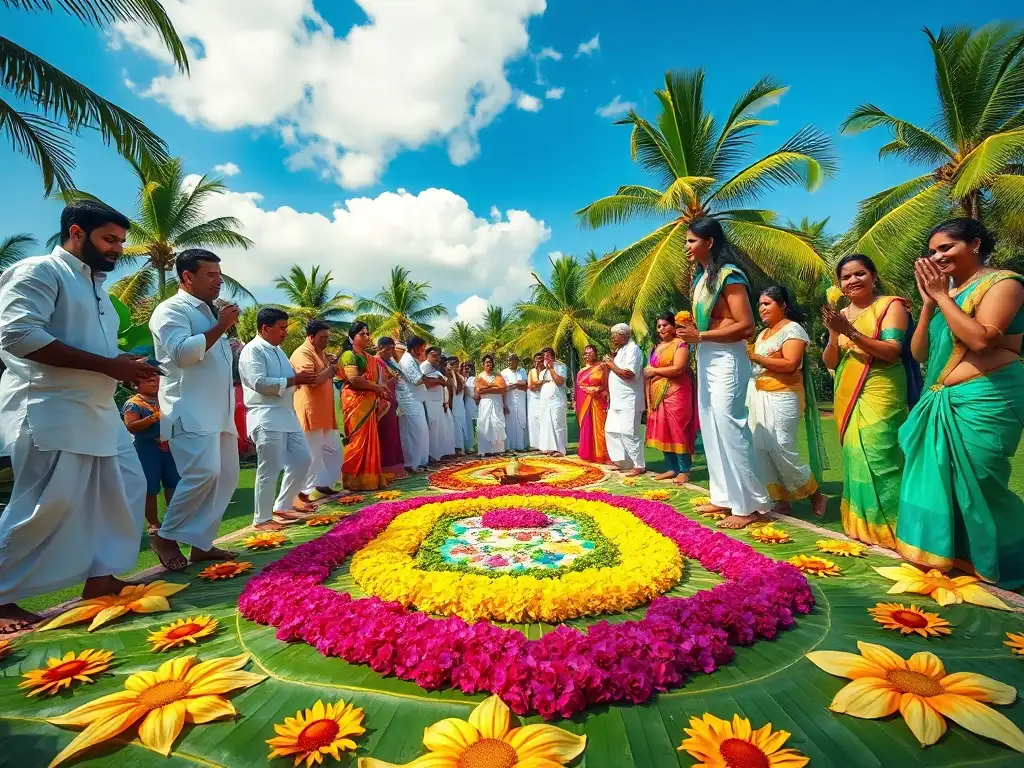
In modern times, the celebrations of Onam have evolved, incorporating contemporary elements while still honoring traditional practices. Urbanization and globalization have influenced the way Onam is celebrated, leading to a blend of old and new customs that reflect the changing dynamics of Kerala society.
Modern Adaptations of Onam Traditions
Today, while the traditional aspects of Onam remain intact, many modern adaptations have emerged. The use of technology in organizing events and promoting Onam celebrations has become commonplace. Social media platforms play a significant role in spreading awareness about Onam, encouraging younger generations to engage with their cultural heritage.
Festivals now include a wider array of activities, such as fashion shows, cultural exhibitions, and food festivals that showcase Kerala's culinary diversity. Many families opt for modern conveniences, such as pre-prepared meals for the Onam Sadhya, reflecting the busy lifestyles of contemporary society. Despite these changes, the essence of Onam as a time for family bonding and community celebration continues to thrive.
Onam Festivals in Diaspora Communities
The celebration of Onam is not limited to Kerala; it has found its way into diaspora communities around the world. Keralites living abroad actively participate in Onam festivities, organizing events that bring together individuals from various backgrounds to experience the culture of Kerala. These celebrations often feature traditional music, dance performances, and culinary showcases that highlight the diverse heritage of the region.
In countries like the United States, Canada, and the Middle East, Onam serves as a means of preserving cultural identity among the diaspora. Community halls are transformed into festive venues adorned with flowers and traditional decorations, where families come together to share the Onam Sadhya and partake in cultural programs. This global celebration not only strengthens community ties among Keralites abroad but also introduces the rich traditions of Kerala to a wider audience, ensuring the legacy of Onam continues to flourish across borders.
Conclusion
The Kerala Onam festival is a vivid celebration that encapsulates the essence of the region’s culture, traditions, and agricultural heritage. As a time-honored event, it not only marks the harvest season but also serves as a reminder of the rich history and communal harmony that define the state of Kerala.
Through its colorful festivities, elaborate feasts, and vibrant rituals, Onam fosters a sense of unity and pride among the people, bridging the past with the present. As we explore the various traditions associated with Onam, it becomes evident that this festival is more than just a celebration; it is a living testament to the enduring spirit of Kerala’s diverse culture.
The Enduring Legacy of Kerala Onam Festival Traditions
The Onam festival traditions have been passed down through generations, maintaining their significance and relevance in contemporary society. The practices associated with Onam, such as the intricate floral designs (Pookalam), the grand feasts (Onam Sadhya), and the traditional games and performances, reflect the agricultural roots and communal spirit of ancient Kerala. These customs are not merely remnants of the past; they continue to evolve while preserving their core values.
The participation of diverse communities in the celebrations showcases the inclusivity and unity that have characterized Kerala's social fabric for centuries. As each Onam approaches, the legacy of this festival is further enriched, ensuring that future generations can experience and appreciate its profound cultural significance.
Celebrating Kerala’s Rich Heritage Through Onam
Onam serves as a vibrant expression of Kerala’s rich heritage, illustrating the intricate interplay between agriculture, mythology, and community bonding. The festival is steeped in legends, particularly the story of King Mahabali, whose annual visit is celebrated with great enthusiasm. This narrative not only highlights the importance of generosity and equality but also fosters a spirit of togetherness among all participants.
Additionally, the artistic performances, such as Kathakali and Thiruvathira, and the colorful boat races, further emphasize the artistic and athletic prowess of the region. Through these festivities, Onam stands as a powerful reminder of Kerala's unique cultural identity, inviting everyone to partake in the joy and spirit of the harvest season.
References
Suggested Reading on Kerala Onam Festival Traditions
- "Onam: The Festival of Kerala" by Dr. Anjali Menon
- "Harvest Celebrations in India" by Ravi Kumar
- "The Cultural Significance of Onam in Kerala" by Shreya Nair
Additional Resources on Ancient Indian Festivals
- "Festivals of India: A Cultural Journey" by Priya Joshi
- "Understanding Ancient Indian Traditions" by Vishal Gupta
- "The Role of Festivals in Ancient Indian Society" by Neelam Sharma
- Introduction to Onam
- Overview of Kerala Onam Festival Traditions
- Significance of Onam in Kerala’s Culture
- Historical Background of Onam
- Major Traditions of the Kerala Onam Festival
- Rituals and Celebrations During Onam
- Cultural Significance of Onam
- Contemporary Celebrations of Onam
- Conclusion
- References
Frequently Asked Questions
What is the significance of the Onam festival in Kerala?
The Onam festival is a harvest celebration that symbolizes the prosperity and unity of the people in Kerala, reflecting the rich cultural heritage of the region.
When is Onam celebrated?
Onam is celebrated during the month of Chingam in the Malayalam calendar, typically falling between August and September, marking the end of the monsoon season.
What are some traditional activities associated with Onam?
During Onam, people engage in various traditional activities such as Onam Sadhya (a festive meal), Pookkalam (flower decorations), and Vallam Kali (boat races), showcasing the vibrant culture of Kerala.
How does Onam reflect the culture of Kerala?
Onam reflects the diverse culture of Kerala through its festivals, customs, and rituals, which promote community bonding and celebrate the abundance of nature.
Are there any unique customs specific to Onam?
Yes, unique customs such as welcoming King Mahabali and organizing cultural performances like Kathakali and Mohiniyattam are integral to Onam celebrations, emphasizing the mythological significance of the festival.
Final Reflection: Embracing the Spirit of Kerala's Onam Festival Traditions
The Kerala Onam festival traditions are not just a celebration of harvest but a vibrant tapestry of culture, community, and continuity that resonates deeply in today's world. As we navigate through modern challenges, the essence of Onam reminds us of the importance of togetherness, gratitude, and the rich heritage that shapes our identities. In a time when individualism often prevails, the communal spirit of Onam stands as a striking testament to the power of unity and shared joy.
The influence of Onam extends far beyond the borders of Kerala, weaving its way into the cultural fabric of India and beyond. This festival serves as a reminder of our roots and the values we cherish. The colorful celebrations, traditional feasts, and the spirit of giving encapsulate the essence of humanity.
As Mahatma Gandhi once said, "> The best way to find yourself is to lose yourself in the service of others." This quote resonates profoundly with the communal activities during Onam, where sharing and caring for one another take center stage, fostering a sense of belonging and collective happiness.
As we reflect on the significance of the Onam festival traditions, I invite you to embrace the lessons it offers in your own life. Consider how you can cultivate a spirit of gratitude and community in your daily interactions. Whether it's through sharing a meal with loved ones, participating in local traditions, or simply extending kindness to those around you, let the spirit of Onam inspire you to create connections that transcend barriers. Together, we can honor these rich traditions and carry their legacy forward into the future, enriching our lives and the lives of those we touch.
Celebrate and Cherish Kerala’s Onam Traditions!
Thank you for diving into the vibrant world of Onam with us! We hope you discovered the richness of Kerala’s harvest festival and the beautiful traditions that make it a cherished occasion. Now, let’s take your interest a step further and immerse yourself in the spirit of Onam!
Here are some exciting ways to continue your journey:
- Participate in a local Onam celebration: Seek out events in your community and engage with your neighbors to experience the festivities firsthand.
- Share your favorite Onam stories or recipes: Connect with others by sharing your experiences on social media or in community groups. Everyone loves a good story or a delicious dish!
- Explore Kerala’s cultural heritage: Take a virtual tour or read books that delve deeper into the customs, art forms, and history associated with Onam.
What aspect of Onam inspires you the most to celebrate and keep its traditions alive? We would love to hear your thoughts in the comments below!