
The Influence of Ancient Indian Festivals on Modern Celebrations

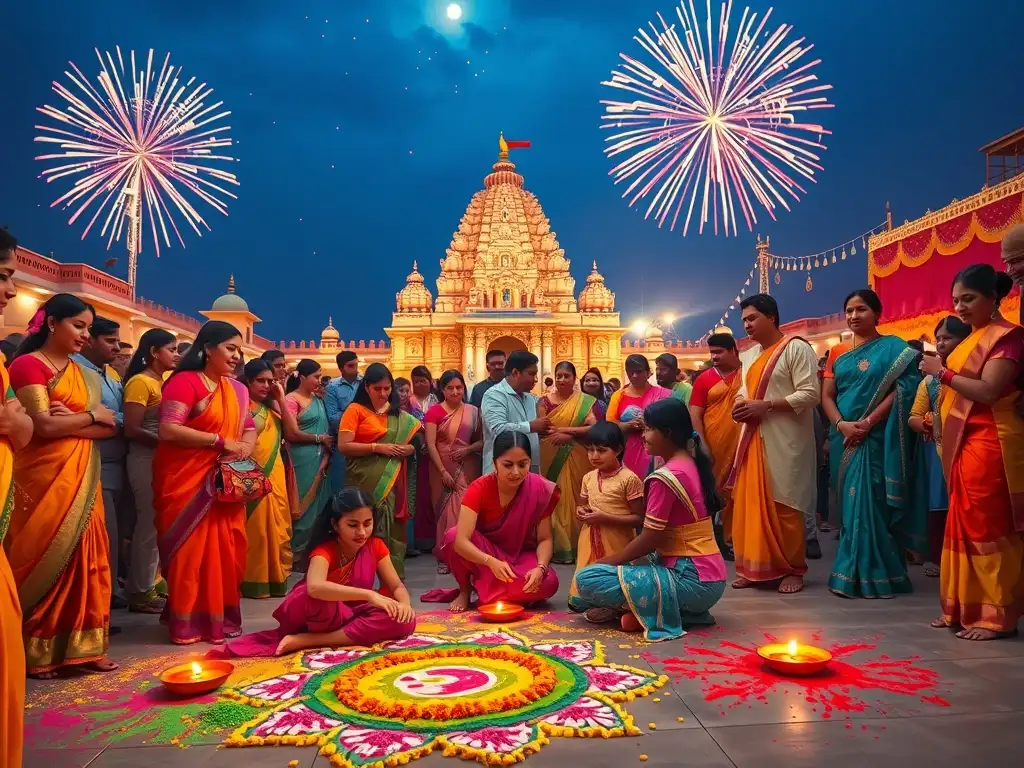
Welcome to Ancient India History, where we embark on a fascinating journey through the vibrant tapestry of ancient civilizations that shaped India’s rich heritage. In our latest exploration, we delve into the influence of ancient Indian festivals on modern celebrations, revealing how age-old traditions continue to resonate in today's vibrant cultural landscape. Prepare to be intrigued as we uncover the remarkable connections between the past and the present, and discover how these timeless festivals have left an indelible mark on contemporary life. Join us as we celebrate this enduring legacy!
Introduction to Ancient Indian Festivals Influence
Ancient Indian festivals have played a pivotal role in shaping the cultural landscape of India, leaving an indelible mark that continues to resonate in modern celebrations. These festivals, rich in tradition and diversity, reflect the values, beliefs, and practices of ancient Indian civilizations, from the Indus Valley to the Gupta Empire.
The influence of these ancient Indian festivals is not merely historical; it is a living heritage that informs contemporary practices, rituals, and community celebrations across the country and beyond. Understanding this influence offers valuable insights into how traditions evolve while retaining their essential characteristics, ensuring that the essence of ancient cultures endures through the ages.
Overview of Ancient Indian Festivals
Ancient Indian festivals were vibrant occasions that brought communities together, celebrating various aspects of life, spirituality, and nature. These festivals were often closely tied to agricultural cycles, religious observances, and seasonal changes, serving as a means to express gratitude and seek blessings. Key festivals such as Diwali, Holi, and Makar Sankranti not only mark significant seasonal transitions but also embody the rich tapestry of mythology and folklore that characterizes Indian culture.
- Key Features of Ancient Indian Festivals:
- Religious Significance: Most festivals had deep-rooted connections to deities and religious texts.
- Community Engagement: Festivals fostered a sense of belonging and unity among participants.
- Cultural Exchange: They served as platforms for the exchange of ideas, customs, and artistic expressions.
Significance of Festivals in Ancient Indian Culture
The significance of festivals in ancient Indian culture extends beyond mere celebration. They were integral to the social fabric, shaping community identities and reinforcing moral values. Festivals acted as a conduit for storytelling, allowing the transmission of oral traditions and teachings from one generation to the next. Through rituals, music, dance, and feasting, ancient Indian festivals created a shared experience that strengthened communal bonds.
- Core Values Highlighted in Festivals:
- Harmony and Peace: Many festivals emphasized unity and the importance of living in harmony with others.
- Renewal and Rebirth: Festivals often celebrated themes of renewal, symbolizing the cyclical nature of life and the environment.
- Cultural Identity: They served as a reminder of cultural heritage and promoted pride in one’s roots.
Historical Context of Festivals in Ancient India
Understanding the historical context of ancient Indian festivals requires exploring their origins and the socio-political landscapes in which they flourished. The evolution of these festivals was influenced by various factors, including religious reforms, regional variations, and interactions with neighboring cultures. For centuries, festivals have been a reflection of the changing dynamics in Indian society, adapting while retaining their core essence.
Major Ancient Indian Festivals and Their Origins
Several major festivals can be traced back to ancient times, each with its unique origin story and significance. For instance:
- Diwali: Celebrated as the festival of lights, its origins lie in the ancient Hindu epic, the Ramayana, where it marks the return of Lord Rama to Ayodhya after defeating Ravana.
- Holi: Known as the festival of colors, Holi celebrates the victory of good over evil, rooted in the legend of Prahlad and Holika.
- Navaratri: This nine-night festival honors the goddess Durga and symbolizes the triumph of divine forces over demonic powers.
Cultural Practices Associated with Ancient Festivals
The cultural practices associated with ancient festivals varied widely, reflecting the diversity of India's geography and communities. Rituals included:
- Puja (Worship): Devotional offerings and prayers to deities were central to festival observances.
- Dance and Music: Traditional performances, often narrating mythological stories, were integral to celebrations.
- Feasting: Special foods were prepared, symbolizing abundance and community sharing.
The influence of ancient Indian festivals on modern celebrations can be seen in the enduring customs, rituals, and communal experiences that continue to thrive today. As we delve deeper into this topic, we will explore specific examples and the lasting impact of these traditions on contemporary festivities.
The Evolution of Festivals: From Ancient to Modern Times
The evolution of festivals in India is a fascinating journey that mirrors the cultural, social, and religious transformations the country has undergone through centuries. Ancient Indian festivals were deeply rooted in agrarian cycles, seasonal changes, and religious observances, serving as occasions for communities to come together, celebrate, and renew their social bonds. As time progressed, these festivals adapted to changing societal norms, influences from various religions, and regional variations, leading to the rich tapestry of celebrations we see today.
As civilizations evolved, so did the significance and forms of these festivals. For instance, while ancient festivals were primarily local and often celebrated with specific rituals and agricultural practices, modern celebrations have grown to encompass broader themes of unity, inclusivity, and multiculturalism. The interplay between ancient traditions and contemporary practices illustrates how cultural heritage can be preserved while also adapting to new realities.
Transition of Ancient Indian Festivals into Modern Celebrations
The transition of ancient Indian festivals into modern celebrations can be traced through several key factors. The spread of religions such as Hinduism, Buddhism, Jainism, and Sikhism introduced new rituals and beliefs, which were often integrated into existing festivals. Over time, many of these ancient customs were reinterpreted to align with modern values and lifestyles.
In addition, globalization has played a significant role in this transition. The influence of Western culture, along with the migration of Indian communities around the world, has led to the adaptation of traditional festivals to fit contemporary contexts. For instance, festivals like Diwali and Holi are now celebrated not only in India but also in various countries, often incorporating local elements and practices while retaining their ancient heritage.
Moreover, technological advancements have transformed the way festivals are celebrated. Social media platforms allow for wider participation and sharing of experiences, making festivals more accessible and inclusive. This evolution reflects a blend of ancient customs with modern sensibilities, ensuring that the essence of these celebrations remains intact while also embracing innovation.
Key Changes in Festival Celebrations Over Time
Key changes in festival celebrations over time highlight the dynamic nature of cultural practices in India. One significant shift has been the commercialization of festivals, where traditional rituals are often overshadowed by consumerism. Festivals that were once centered on community gatherings and spiritual observance now involve elaborate decorations, extensive marketing, and significant economic expenditures.
Another notable change is the increasing emphasis on environmental awareness. Many modern celebrations are incorporating eco-friendly practices, such as using biodegradable materials for decorations and promoting sustainable ways to celebrate. This shift reflects a growing consciousness about environmental issues, which contrasts with some ancient practices that may have been less mindful of ecological impact.
Furthermore, the nature of participation in festivals has evolved. While ancient festivals typically saw participation from local communities, modern celebrations often attract diverse groups, including non-Indians and individuals from various backgrounds. This inclusivity fosters a sense of unity and shared cultural appreciation, showcasing the adaptability of ancient traditions to contemporary society.
Modern Celebrations Inspired by Ancient Indian Festivals
Modern celebrations in India are heavily inspired by ancient Indian festivals, retaining the core themes and rituals while adapting them to contemporary lifestyles. This continuity of tradition serves as a bridge between the past and the present, enriching the cultural landscape of modern India.
Diwali: The Festival of Lights and Its Historical Roots
Diwali, known as the Festival of Lights, has its roots in ancient Indian traditions that celebrate the victory of light over darkness and good over evil. Historically linked to various legends, including the return of Lord Rama to Ayodhya after defeating Ravana, Diwali has evolved into a grand celebration marked by the lighting of lamps, fireworks, and family gatherings.
In modern times, Diwali has become synonymous with prosperity and joy, with widespread celebrations that include elaborate decorations, exchange of gifts, and festive meals. The core symbolism of the festival remains intact, as families continue to honor their deities and seek blessings for health and happiness. However, the modern celebration often also highlights commercial activities, with an emphasis on shopping and elaborate festivities, reflecting a blend of ancient significance and contemporary consumer culture.
Holi: The Colorful Festival of Spring and Its Ancient Significance
Holi, the vibrant Festival of Colors, has a rich historical significance that dates back to ancient times. Traditionally, it marks the arrival of spring and the end of winter, symbolizing renewal and the triumph of love and devotion, particularly in the context of the divine love story of Radha and Krishna.
Today, Holi is celebrated with exuberance across the globe, transcending its religious origins. The playful throwing of colored powders and water serves as a means of breaking social barriers, promoting inclusivity and joy among participants. While the essence of Holi as a celebration of love and unity remains, modern celebrations often feature music, dance, and large gatherings, further enhancing its appeal and reach.
Makar Sankranti: The Harvest Festival's Transformation
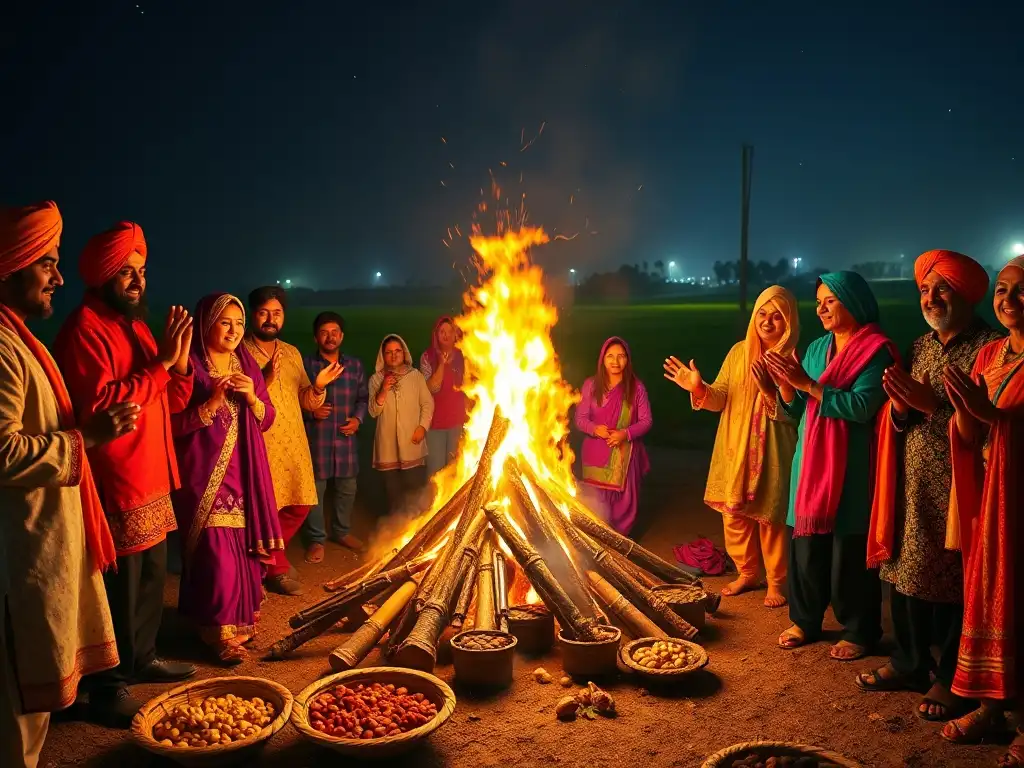
Makar Sankranti, an ancient harvest festival, marks the transition of the sun into the zodiac sign of Capricorn. Traditionally, it was celebrated with various rituals, including the preparation of special foods and community gatherings, emphasizing gratitude for the harvest.
In contemporary times, Makar Sankranti has transformed into a more widespread celebration that includes kite flying, feasting, and various regional customs. While the agricultural roots of the festival are still acknowledged, the modern interpretation often incorporates local variations, showcasing a rich diversity of cultural practices. The festival has also gained popularity outside of India, with diaspora communities celebrating it globally, reflecting the enduring influence of ancient traditions in modern times.
The Impact of Ancient Indian Festivals on Contemporary Culture
Ancient Indian festivals have played a pivotal role in shaping contemporary culture in India and beyond. These festivals are not merely occasions for celebration; they embody the values, traditions, and spiritual beliefs of ancient civilizations. The influence of ancient Indian festivals can be observed in various aspects of modern life, including social interactions, community bonding, and cultural identity. As these festivals continue to evolve, they maintain a connection to their historical roots, enriching the cultural tapestry of modern society.
One of the most significant impacts is the promotion of unity and harmony among diverse communities. Festivals such as Diwali, Holi, and Eid bring together people from various backgrounds, fostering a sense of belonging and shared heritage. This collective celebration encourages understanding and respect among different cultures, reinforcing the idea that festivals are a reflection of both individual and communal identities.
Influence on Art, Music, and Dance Forms
The influence of ancient Indian festivals on art, music, and dance forms is profound and multifaceted. Traditional festivals often serve as a backdrop for artistic expressions that celebrate cultural heritage. For instance, the vibrant colors and intricate patterns of Rangoli during Diwali reflect ancient artistic traditions, while the music and dance forms associated with various festivals—such as Kathak during Holi or Bharatanatyam during Pongal—are rooted in historical narratives and religious stories.
Moreover, many contemporary artists and performers draw inspiration from ancient themes and motifs found in these festivals. The revival of classical dance forms and folk music during festival celebrations not only preserves these art forms but also introduces them to newer generations. This cycle of inspiration and innovation ensures that the rich artistic legacies of ancient India continue to thrive in modern cultural expressions.
Preservation of Traditions in Modern Celebrations
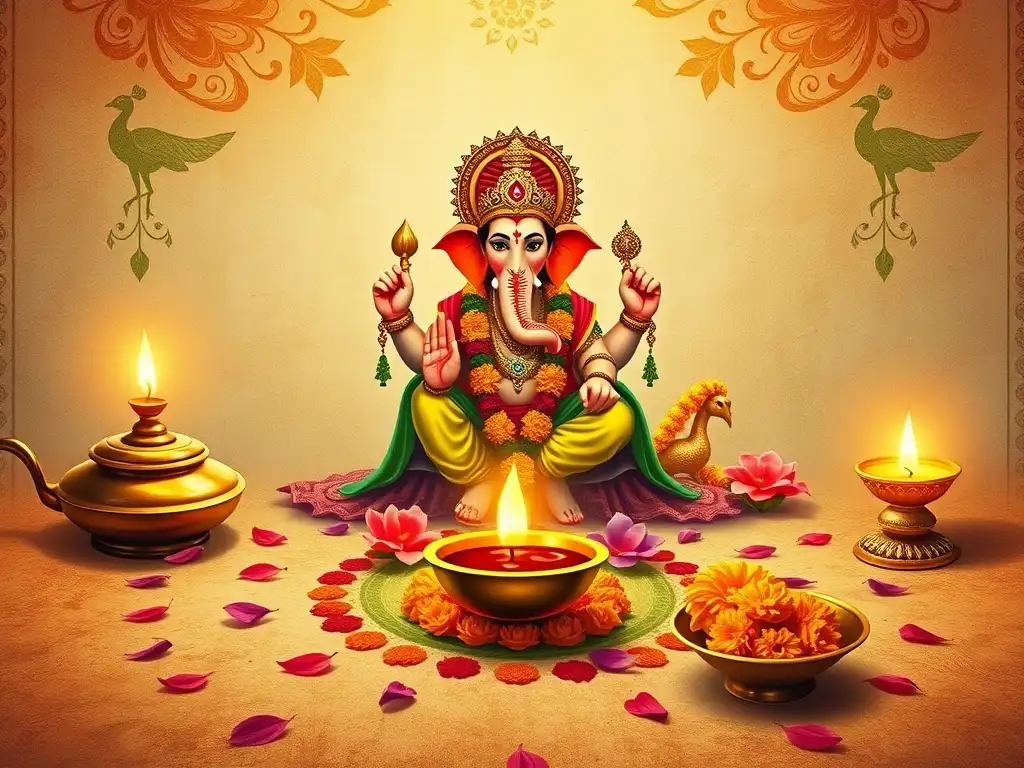
Modern celebrations often incorporate ancient rituals and practices, ensuring the preservation of traditions passed down through generations. For example, the custom of lighting lamps during Diwali symbolizes the victory of light over darkness and good over evil, a practice that remains central to contemporary celebrations. Similarly, the ritual of breaking a coconut during Ganesh Chaturthi reflects ancient offerings to deities, demonstrating how these practices have remained integral to the modern spiritual experience.
Additionally, festivals serve as a platform for storytelling, where ancient myths and legends are recounted, often through theatrical performances or community gatherings. This preservation of oral traditions helps keep the narratives of ancient Indian civilizations alive, allowing contemporary society to connect with its historical roots while celebrating the present.
Regional Variations of Festival Celebrations in Modern India
The diverse cultural landscape of India is reflected in the regional variations of festival celebrations. Each state and community adds its unique flavor to ancient festivals, creating a rich tapestry of customs and practices that vary from one region to another. This regional diversity not only enhances the vibrancy of celebrations but also showcases the adaptability of ancient traditions in contemporary contexts.
How Different Regions Adapt Ancient Festivals
Different regions adapt ancient festivals to align with local customs, agricultural cycles, and cultural narratives. For instance, the festival of Pongal in Tamil Nadu celebrates the harvest season with specific rituals unique to the region, such as cooking sweet rice and decorating homes with kolams. In contrast, Baisakhi in Punjab marks the beginning of the harvest year and is celebrated with exuberant dance and music, emphasizing the agrarian lifestyle of the community.
These adaptations demonstrate how ancient festivals are not static; they evolve and transform in response to the socio-cultural dynamics of each region. Such adaptations illustrate the resilience of ancient traditions while also reflecting the values and beliefs of contemporary society.
Unique Practices and Rituals in Modern Celebrations
Modern celebrations often feature unique practices and rituals that distinguish them from their ancient counterparts, while still honoring the essence of the original festivities. For example, the public celebration of Durga Puja in West Bengal has transformed into a grand cultural event, incorporating elaborate decorations, artistic installations, and community participation that attract visitors from all over the world.
Similarly, the practice of eco-friendly celebrations, such as using biodegradable materials for idols during Ganesh Chaturthi, showcases a contemporary awareness of environmental issues while preserving the core essence of the festival. These unique practices highlight the ability of ancient Indian festivals to adapt to modern values and challenges, ensuring their relevance in today’s world.
The influence of ancient Indian festivals on modern celebrations is both profound and dynamic. By blending tradition with contemporary practices, these festivals continue to play a vital role in shaping cultural identities and fostering community bonds across India.
Conclusion: The Lasting Legacy of Ancient Indian Festivals
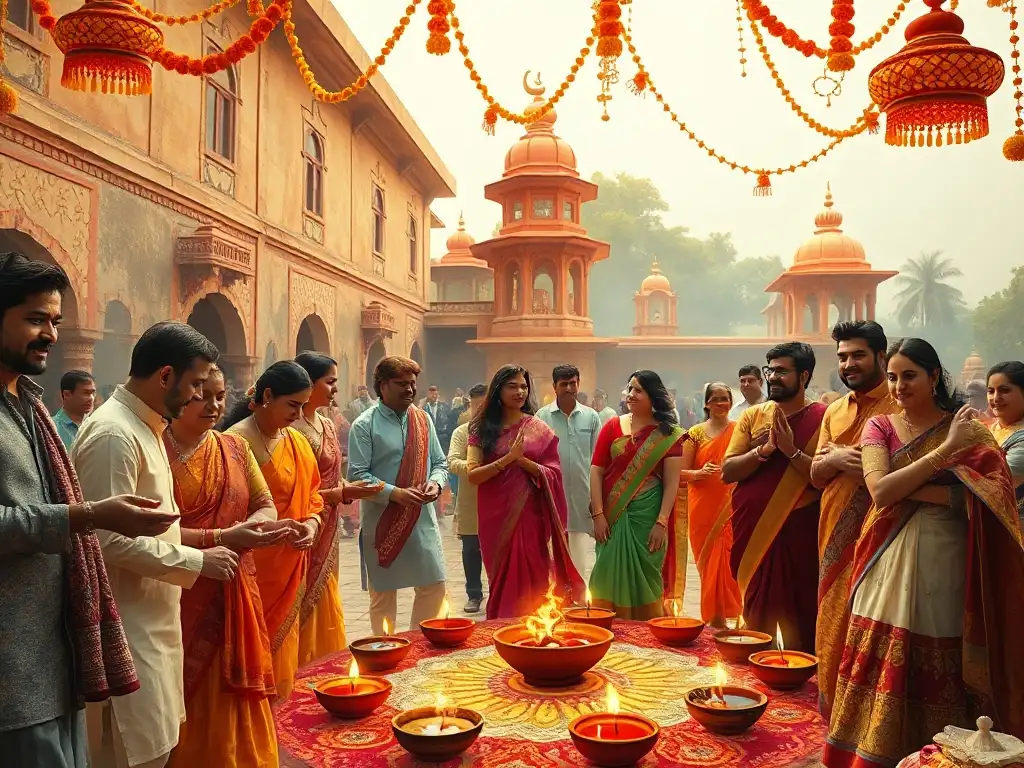
The rich tapestry of ancient Indian festivals has woven itself into the fabric of modern celebrations, leaving an indelible mark on cultural practices and societal values. From the age-old traditions rooted in the Vedic texts to the vibrant festivities that characterize contemporary India, the influence of ancient festivals is profound and far-reaching. These festivals not only serve as a reminder of our historical heritage but also foster a sense of community, belonging, and continuity among generations.
Through the evolution of these celebrations, we witness a remarkable blend of old and new, where ancient rituals are adapted to fit modern contexts. For instance, Diwali, originally a harvest festival, has transformed into a pan-Indian celebration recognized globally, reflecting the enduring significance of light over darkness. Similarly, the principles of unity, gratitude, and reverence found in ancient festivals continue to resonate in today's social gatherings, emphasizing their lasting legacy.
Reflection on the Influence of Ancient Festivals on Modern Society
The influence of ancient Indian festivals on modern society is multifaceted, impacting various aspects of daily life, including social norms, family structures, and even economic activities. Festivals such as Holi and Navaratri are not just celebrations; they encapsulate values of love, forgiveness, and resilience, which are essential in today's fast-paced world. They provide a respite from daily challenges, encouraging people to come together, celebrate diversity, and foster camaraderie.
Moreover, ancient festivals often carry deep philosophical meanings and moral lessons that are relevant even today. For instance, the celebration of Makar Sankranti, which marks the transition of the sun into Capricorn, underscores the importance of nature and seasonal changes, reminding us of our connection to the environment. This mindfulness is increasingly crucial in contemporary discussions surrounding sustainability and ecological awareness.
The commercialization and globalization of these festivals have also highlighted their universal appeal, allowing them to transcend cultural boundaries and reach a global audience. While this may lead to some dilution of traditions, it also offers opportunities to share the rich cultural heritage of India with the world, fostering intercultural dialogue and understanding.
The Importance of Preserving Festival Traditions for Future Generations
Preserving the traditions of ancient Indian festivals is paramount for several reasons. First and foremost, these festivals embody the collective wisdom, creativity, and spirituality of our ancestors, serving as a repository of cultural identity. As modern society grapples with rapid change and globalization, maintaining these traditions helps anchor individuals to their heritage, providing a sense of belonging and continuity.
Furthermore, preserving festival traditions encourages intergenerational bonds. When families pass down the stories, rituals, and customs associated with these celebrations, they cultivate a shared history that strengthens familial ties. This transmission of knowledge is critical for fostering respect and appreciation for one's cultural roots among younger generations.
In addition, the preservation of these festivals contributes to the diversity of cultural expressions in a globalized world. By celebrating and maintaining the unique aspects of ancient Indian festivals, we enrich the global cultural landscape, promoting a more inclusive and vibrant society.
The influence of ancient Indian festivals is a testament to their enduring relevance and significance. It is our responsibility to honor and preserve these traditions, ensuring that future generations can experience and learn from the rich cultural heritage that has shaped their identities. Through celebration, reflection, and preservation, we can keep the spirit of ancient Indian festivals alive for years to come.
- Introduction to Ancient Indian Festivals Influence
- Overview of Ancient Indian Festivals
- Significance of Festivals in Ancient Indian Culture
- Historical Context of Festivals in Ancient India
- The Evolution of Festivals: From Ancient to Modern Times
- Modern Celebrations Inspired by Ancient Indian Festivals
- The Impact of Ancient Indian Festivals on Contemporary Culture
- Regional Variations of Festival Celebrations in Modern India
- Conclusion: The Lasting Legacy of Ancient Indian Festivals
- Reflection on the Influence of Ancient Festivals on Modern Society
- The Importance of Preserving Festival Traditions for Future Generations
- What are some examples of ancient Indian festivals?
- How did ancient Indian festivals influence modern celebrations?
- What role did religion play in ancient Indian festivals?
- Are there any specific contributions of ancient Indian festivals to global culture?
- How can understanding ancient Indian festivals enhance modern celebrations?
Frequently Asked Questions
What are some examples of ancient Indian festivals?
Ancient Indian festivals like Diwali, Holi, and Makar Sankranti have roots in early Indian traditions and are celebrated for their cultural significance and spiritual meanings.
How did ancient Indian festivals influence modern celebrations?
The rituals, symbols, and themes from ancient festivals have shaped contemporary celebrations, promoting values of community, joy, and spirituality in modern society.
What role did religion play in ancient Indian festivals?
Religion was a central element in ancient Indian festivals, often linked to mythological stories and deities, serving as a means of both worship and cultural expression.
Are there any specific contributions of ancient Indian festivals to global culture?
Ancient Indian festivals have contributed to global culture by promoting values of unity, diversity, and celebration of life, influencing festivals worldwide, such as Holi gaining recognition in various countries.
How can understanding ancient Indian festivals enhance modern celebrations?
Understanding ancient Indian festivals can enrich modern celebrations by fostering a deeper appreciation for cultural heritage, encouraging inclusivity, and inspiring new traditions that honor the past.
Final Reflection: The Enduring Legacy of Ancient Indian Festivals
The influence of ancient Indian festivals on modern celebrations is not just a historical curiosity; it is a vibrant thread woven into the fabric of contemporary culture. As we navigate a world that often feels disconnected from its roots, the traditions and values embedded in these festivals remind us of our shared humanity and the importance of community. The way we celebrate today—through rituals, gatherings, and shared joy—echoes the practices of our ancestors, highlighting the timeless nature of these cultural expressions.
The impact of ancient Indian festivals extends far beyond their original contexts, shaping the social and cultural landscape of modern society. These celebrations foster a sense of belonging and continuity, bridging generations and uniting diverse communities. As we partake in these festivities, we not only honor our heritage but also cultivate a deeper understanding of our identity. Tradition is not the worship of ashes, but the preservation of fire.
This quote encapsulates the essence of how ancient practices continue to illuminate our present, urging us to keep the flame of cultural heritage alive.
As you reflect on the influence of ancient Indian festivals in your own life, consider how these celebrations can inspire you to create meaningful connections with others. Embrace the lessons of unity, joy, and gratitude that these festivals embody, and let them guide your actions and interactions. In a rapidly changing world, take a moment to celebrate your roots and share the richness of your culture with those around you. Your engagement in these traditions can foster a sense of community and continuity, ensuring that the spirit of ancient festivals thrives for generations to come.
Celebrate the Rich Legacy of Ancient Festivals!
Thank you for exploring the fascinating connection between ancient Indian festivals and our modern celebrations! You've uncovered how historical traditions shape our contemporary festivities, and now it's time to take that insight into action.
Here are some ways you can actively engage with this vibrant heritage:
- Join a local cultural festival that embodies ancient traditions—immerse yourself in the music, dance, and rituals that have stood the test of time.
- Share your favorite festival memory in the comments below or on social media—let's celebrate these moments together and inspire others to connect with our rich cultural legacy!
- Research and try out traditional recipes associated with these festivals—bring the taste of history into your own kitchen!
Which ancient festival resonates with you the most, and how can you incorporate its essence into your next celebration? Let's start a discussion!