
The Mahabharata’s Pilgrimage Sites: Exploring Sacred Geography

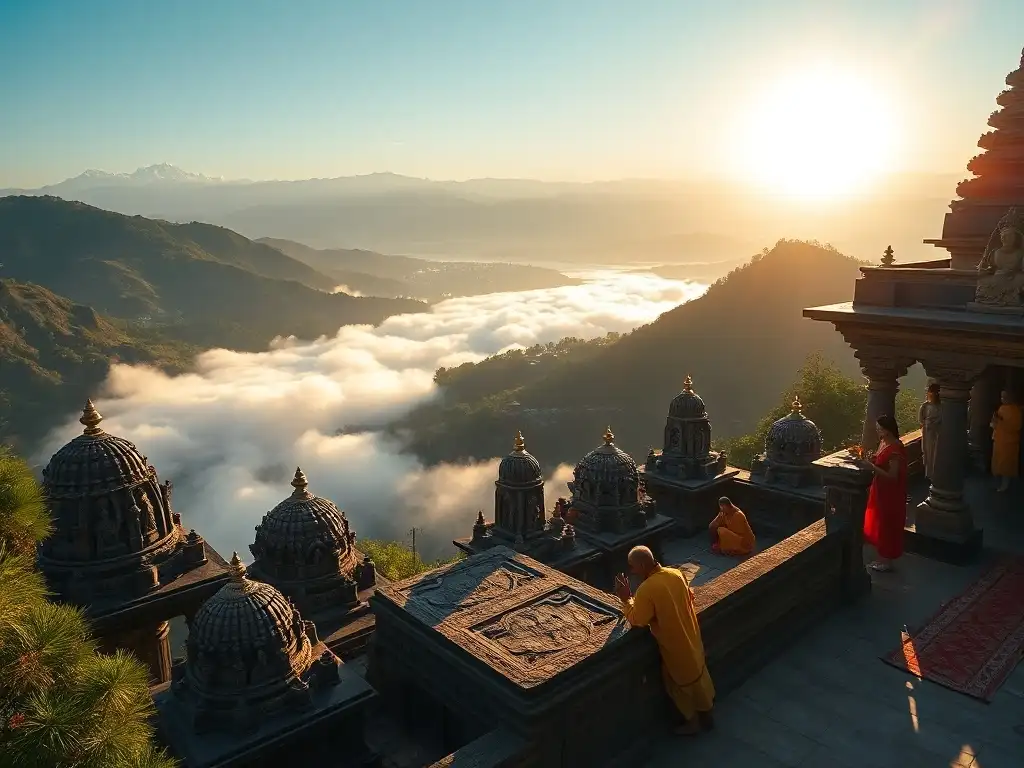
Welcome to Ancient India History—your gateway to discovering the rich tapestry of civilization that shaped one of the world's oldest cultures. In this exploration, we delve into the Mahabharata pilgrimage sites in India, where the echoes of epic tales resonate through sacred landscapes. Join us as we unveil the spiritual significance and historical depth of these revered locations, inviting you to wander through time and uncover the profound stories interwoven in the fabric of ancient Indian heritage. Are you ready to embark on a journey that transcends the ordinary? Dive into our article and let the adventure begin!
Introduction to the Mahabharata and Its Significance
The Mahabharata, one of the two major Sanskrit epics of ancient Indian literature, stands as a monumental narrative that intertwines history, philosophy, and spirituality. Composed by the sage Vyasa, it narrates the tale of the Kurukshetra War and the fates of the Kaurava and Pandava princes.
This epic not only provides profound insights into the culture and values of ancient India but also serves as a crucial link to understanding the sacred geography of the subcontinent. Pilgrimage sites associated with the Mahabharata are more than mere locations; they embody the spiritual essence and historical narratives that continue to resonate in Indian society today.
Overview of the Mahabharata Epic
The Mahabharata spans over 100,000 verses, making it one of the longest poems in the world. It encompasses various subplots, including the Bhagavad Gita, which is a spiritual and philosophical dialogue between Lord Krishna and Arjuna. The epic is not just a story of war and rivalry; it also delves into themes of duty (dharma), righteousness, and the moral dilemmas faced by its characters. The Mahabharata's vast narrative is divided into 18 books, or Parvas, each contributing to the rich tapestry of ancient Indian thought, culture, and ethics.
Importance of Sacred Geography in Ancient India
In ancient India, geography held profound spiritual significance. Sacred geography refers to locations imbued with religious meaning, where the physical landscape intersects with spiritual beliefs. Such sites often become focal points for pilgrimage, reflecting the cultural and religious ethos of the time. The Mahabharata is replete with references to various geographical locations that are revered in Hindu tradition, transforming them into pilgrimage sites where devotees seek blessings and spiritual fulfillment. Understanding these locations helps illuminate the connections between geography, spirituality, and the cultural heritage of ancient India.
Understanding Mahabharata Pilgrimage Sites in India
The pilgrimage sites associated with the Mahabharata are diverse and span across the Indian subcontinent. They serve as a testament to the epic's enduring impact on Indian spirituality and culture. These sites not only attract pilgrims but also historians and scholars seeking to understand the intertwining of the epic's narratives with the land.
Definition of Pilgrimage Sites in the Context of the Mahabharata
Pilgrimage sites in the context of the Mahabharata are locations that hold historical and spiritual significance linked to the events or characters of the epic. These sites often serve as places of worship, reflection, and cultural gatherings. They attract devotees who undertake journeys to honor the legacy of the Mahabharata, seeking to connect with the divine narratives that these locations embody. Examples include sites like Kurukshetra, where the great battle occurred, and other significant locations that played a role in the lives of the epic's characters.
Historical Context of Pilgrimage Practices in Ancient India
Pilgrimage practices in ancient India can be traced back to Vedic times, where sacred journeys played a crucial role in religious life. The Mahabharata, with its deep-rooted connections to these practices, reflects a culture where pilgrimage was seen as an essential aspect of spiritual growth and community identity. Historical texts and archaeological findings indicate that these journeys were often undertaken for spiritual merit, to seek forgiveness, or to fulfill vows. The practice of pilgrimage has evolved over centuries but continues to be a vital expression of faith and devotion in India today.
Major Mahabharata Pilgrimage Sites Across India
The Mahabharata, one of the two major Sanskrit epics of ancient India, not only tells the tale of the Kuru dynasty but also maps out significant geographical locations that have become pilgrimage sites over the centuries. These sites are revered not only for their historical significance but also for their spiritual and cultural importance in Hindu tradition. Below, we explore some of the most prominent Mahabharata pilgrimage sites across India.
1. Kurukshetra: The Battlefield of Dharma
Kurukshetra is undoubtedly the most significant site associated with the Mahabharata, as it is the very location where the great battle of Kurukshetra took place. This battlefield is regarded as the land of Dharma (righteousness) and is a vital pilgrimage destination. The Bhagavad Gita, a sacred text that emerged from this epic, was narrated by Lord Krishna to Arjuna on the battlefield.
Visitors flock to the numerous temples in Kurukshetra, such as the Brahma Sarovar and Jyotisar, believed to be the birthplace of the Gita. The town also hosts the Kurukshetra Mahabharata Festival, which attracts devotees and tourists alike, providing a rich cultural experience steeped in the epic's narratives.
2. Haridwar: The Gateway to the Gods
Haridwar, meaning "Gateway to God," is another significant pilgrimage site linked to the Mahabharata. It is located on the banks of the Ganges River and is known for its religious importance in Hinduism. According to the Mahabharata, this city is where the Pandavas came to perform the last rites for their ancestors.
The Kumbh Mela, held every twelve years, is one of the largest religious gatherings in the world, where millions gather to bathe in the sacred Ganges, believed to purify the soul. Temples such as Mansa Devi and Chandi Devi are also major attractions, enhancing Haridwar’s status as a spiritual center.
3. Dwarka: The City of Lord Krishna
Dwarka, located in Gujarat, is renowned as the legendary city founded by Lord Krishna. According to the Mahabharata, after the Kurukshetra war, Krishna established Dwarka as a safe haven for the Yadavas. The city is home to the famous Dwarkadhish Temple, dedicated to Lord Krishna, which attracts devotees from all over India.
The archaeological excavations in the area have unveiled remnants of ancient structures, supporting the narrative of Dwarka's historical and mythological significance. The city's coastal setting adds to its allure, making it a vital pilgrimage destination that embodies Krishna's legacy.
4. Badrinath: A Sacred Abode
Badrinath is one of the four Char Dham (four sacred pilgrimage sites) and is located in the Himalayas. It is dedicated to Lord Vishnu, who is believed to have meditated here in the form of Badrinarayan. The site is intimately connected with the Mahabharata, as it is said that the Pandavas made their way to Badrinath to seek salvation after the war.
The temple, set against the stunning backdrop of the mountains, is an architectural marvel and attracts thousands of pilgrims annually. The sacred waters of the Alaknanda River and the surrounding natural beauty contribute to the site's spiritual ambiance.
5. Rameswaram: The Sacred Island
Rameswaram, situated on Pamban Island in Tamil Nadu, is famous for the Ramanathaswamy Temple dedicated to Lord Shiva. It holds a unique connection to the Mahabharata as well, where it is believed that the Pandavas visited to worship Lord Shiva and seek his blessings.
The site is also associated with the epic Ramayana, as it is thought to be the place from which Lord Rama built the bridge to Lanka. The sacred waters of the Agni Theertham and the numerous rituals performed here make Rameswaram a significant pilgrimage site in the context of both epics.
Lesser-Known Mahabharata Pilgrimage Sites
While the major pilgrimage sites attract significant attention, there are numerous lesser-known locations tied to the Mahabharata that hold their own unique charm and significance.
1. Prayag: The Confluence of Sacred Rivers
Prayag, now known as Allahabad, is the confluence of three sacred rivers: the Ganges, Yamuna, and the mythical Saraswati. The Mahabharata mentions this confluence as a sacred place for performing rituals. It is believed that the Pandavas visited this site and performed the "Shraddha" rites for their ancestors.
The Kumbh Mela is also held here, attracting millions of devotees who come to bathe in the confluence’s holy waters, believing it to wash away sins and grant liberation.
2. Ujjain: The City of Mahakal
Ujjain is another city of immense spiritual significance and is associated with the Mahabharata. It is known for the Mahakaleshwar Temple, one of the twelve Jyotirlingas dedicated to Lord Shiva. According to the epic, Ujjain was a significant city during the time of the Pandavas.
The city is also famous for the Simhastha Kumbh Mela, which occurs every 12 years, drawing immense crowds to partake in the holy baths and rituals.
3. Kamakhya: The Shakti Peeth
Kamakhya, located in Assam, is a revered Shakti Peeth, dedicated to the goddess Kamakhya. Its connection to the Mahabharata lies in the belief that the Pandavas visited this site to seek blessings. The temple is renowned for its unique rituals and is associated with fertility and feminine power, drawing numerous pilgrims for its mystical aura and cultural richness.
4. Kashi: The City of Light
Kashi, known as Varanasi, is one of the oldest cities in the world and holds profound significance in Hinduism. It is believed that the Pandavas visited Kashi to seek spiritual solace. The Kashi Vishwanath Temple, dedicated to Lord Shiva, is a major pilgrimage destination, attracting millions who wish to attain moksha (liberation) by dying in this sacred city.
Kashi’s ghats, rituals, and vibrant spiritual life make it a unique place where the essence of the Mahabharata is felt deeply in the air, fostering an atmosphere of devotion and reverence.
Cultural Significance of Mahabharata Pilgrimage Sites
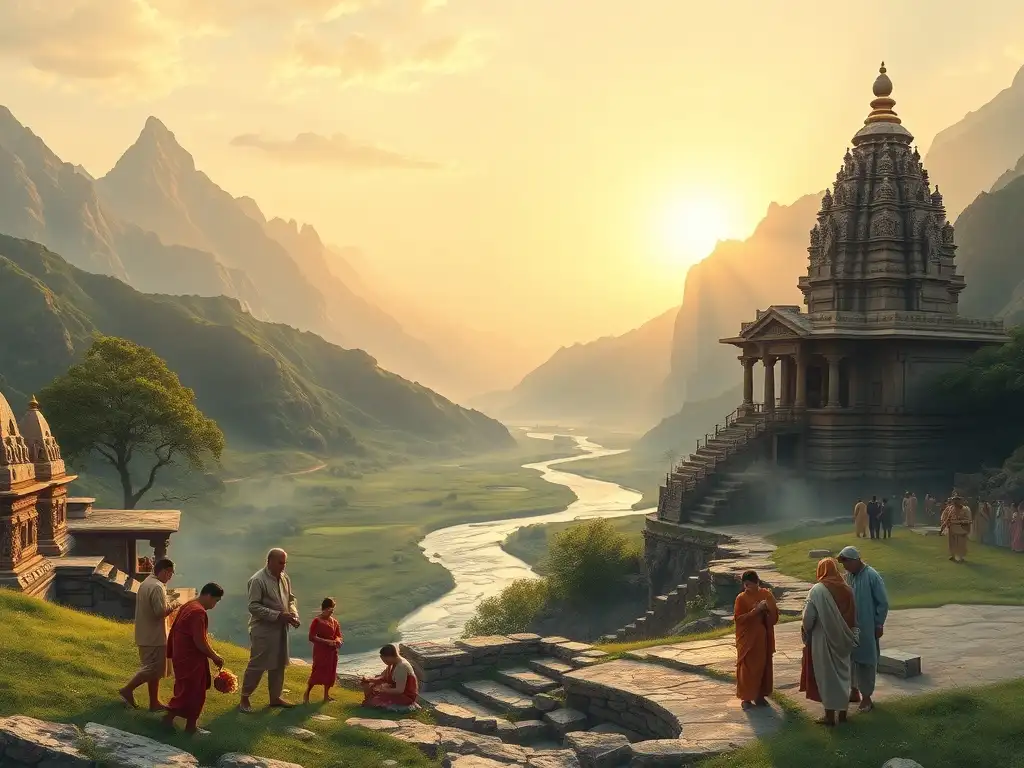
The Mahabharata is not just a literary masterpiece; it holds profound cultural significance that intertwines with the geography of India. The pilgrimage sites associated with this epic serve as a testament to the ancient narratives and the spiritual landscape of the time. Each site reflects not only the events narrated in the epic but also the practices and beliefs of the communities that have revered them over centuries. These locations, from the banks of the Ganges to the hills of Kurukshetra, are steeped in myth and history, attracting devotees and historians alike.
Pilgrimage to these sites fosters a sense of identity and continuity among followers of the Mahabharata. It embodies the intrinsic connection between the land and the epic's characters and events, allowing modern pilgrims to engage with the ancient narratives in a deeply personal way. Moreover, the practice of visiting these sacred sites revitalizes local traditions, sustains cultural heritage, and strengthens communal bonds among the pilgrims. The Mahabharata pilgrimage sites are thus pivotal in maintaining the cultural fabric of ancient traditions within contemporary society.
Pilgrimage as a Spiritual Practice in Ancient India
Pilgrimage in ancient India was more than a mere journey; it was a spiritual quest imbued with religious significance. The Mahabharata highlights various forms of pilgrimage, showcasing the diverse beliefs and practices of the time. These journeys were often undertaken to seek blessings, atone for sins, or fulfill vows, reflecting a deep-seated belief in the transformative power of sacred spaces.
The pilgrimage routes mentioned in the Mahabharata, such as the journey to the holy city of Haridwar or the sacred waters of the Ganges, were designed to connect devotees with divine energies. The act of traveling to these sites was seen as a purification process, enabling pilgrims to shed worldly burdens and gain spiritual insights. This practice not only reinforced individual faith but also fostered a collective sense of purpose among groups of pilgrims, enhancing communal identities and shared spiritual experiences.
Influence on Art, Literature, and Local Culture
The Mahabharata pilgrimage sites have significantly influenced various forms of art and literature throughout history. Temples and monuments erected at these locations often depict scenes from the epic, showcasing the rich artistic traditions that flourished in response to the narrative's themes. Sculptures, paintings, and murals serve as visual narrations of the Mahabharata, allowing devotees to experience the story in a tangible form.
Furthermore, local cultures have integrated the stories and characters of the Mahabharata into their folklore, music, and dance. Festivals celebrated at these pilgrimage sites often feature performances that reenact key episodes from the epic, thus keeping the narrative alive in the cultural consciousness. This blending of art, literature, and local practices not only enriches the pilgrimage experience but also ensures that the values and teachings of the Mahabharata continue to resonate through generations.
Conclusion: The Enduring Legacy of Mahabharata Pilgrimage Sites
The pilgrimage sites associated with the Mahabharata are more than just geographical locations; they are living symbols of an epic that shapes the spiritual and cultural landscape of India. Their enduring legacy lies in their ability to connect past and present, offering insights into ancient beliefs while inviting contemporary reflection on their significance.
Reflection on the Sacred Geography of the Mahabharata
The sacred geography of the Mahabharata is a vibrant tapestry woven from the threads of myth, spirituality, and the natural world. Each pilgrimage site, with its unique landscape and historical context, serves as a focal point for contemplation and reverence. The rivers, mountains, and villages mentioned in the epic are not merely backdrops; they are integral to the spiritual narratives that unfold within them. This sacred geography invites pilgrims to reflect on their own journeys, drawing parallels between the epic's trials and their personal experiences.
Importance for Modern Pilgrims and Tourists
For modern pilgrims and tourists, the Mahabharata pilgrimage sites offer a unique opportunity to explore the intersection of history, spirituality, and culture. Visiting these sites allows individuals to engage with the ancient narratives in a contemporary context, fostering a deeper understanding of India’s rich heritage. Additionally, these locations serve as educational hubs, providing insights into the epic's themes and their relevance today.
As interest in spiritual tourism grows, the Mahabharata pilgrimage sites are increasingly recognized not only for their religious significance but also for their potential to promote cultural exchange and understanding. The enduring allure of these sacred places continues to inspire both devotion and curiosity, ensuring that the legacy of the Mahabharata remains vibrant and relevant in the modern world.
Call to Action
Embarking on a journey through the sacred geography of the Mahabharata offers a unique opportunity to connect with the rich tapestry of ancient Indian culture and spirituality. Whether you are a devout follower, a history enthusiast, or someone seeking a deeper understanding of India's epic narratives, visiting these pilgrimage sites can be a transformative experience. We invite you to step into the world of the Mahabharata, walk the paths of its legendary characters, and immerse yourself in the stories that have shaped Indian civilization for millennia.
Encouragement to Explore Mahabharata Pilgrimage Sites in India
India is home to numerous pilgrimage sites that hold immense significance in the Mahabharata. From the serene banks of the Ganges to the majestic mountains of the Himalayas, each location tells a story intertwined with the epic's characters and events. Exploring these sites not only enriches your understanding of the Mahabharata but also allows you to experience the spiritual essence of India.
Consider visiting places such as:
- Kurukshetra: The battlefield where the great war took place, known for its historical and spiritual significance.
- Badrinath: Associated with the Pandavas and their spiritual journey.
- Rameswaram: A site linked to Lord Rama and the Ramayana, but also mentioned in the Mahabharata.
By visiting these sacred locations, you can witness the interplay of history, mythology, and spirituality that defines the essence of the Mahabharata.
Tips for Planning a Pilgrimage Journey in India
Planning a pilgrimage journey to Mahabharata sites requires careful consideration to ensure a fulfilling experience. Here are some practical tips:
- Research the Sites: Familiarize yourself with the locations, their historical significance, and the stories associated with each site. This will enhance your appreciation of the journey.
- Choose the Right Time: Consider visiting during festivals or auspicious days, which often attract larger gatherings and provide a more vibrant atmosphere.
- Travel Logistics: Plan your itinerary, keeping in mind the distances between sites and available transportation options. Hiring a local guide can also enrich your experience.
- Stay Open-Minded: Be prepared to encounter diverse practices and beliefs at each site. Embrace the local customs and engage with fellow pilgrims for a more immersive experience.
- Respect the Sacred: Remember that these sites hold deep spiritual significance for many. Approach the pilgrimage with reverence and mindfulness.
By following these tips, you can create a memorable pilgrimage journey that deepens your connection to the Mahabharata and its teachings.
References and Further Reading
Suggested Books and Articles on Mahabharata and Pilgrimage Sites
To enhance your understanding of the Mahabharata and its pilgrimage sites, consider exploring the following resources:
- "Mahabharata: An Inquiry in the Human Condition" by Chaturvedi Badrinath: This book provides a profound exploration of the epic's themes and characters.
- "The Mahabharata: A Modern Rendering" by Ramesh Menon: A contemporary retelling of the Mahabharata that makes the epic accessible to modern readers.
- "Sacred Geography of the Mahabharata" by Dharmendra Kumar: A detailed examination of the geographical locations mentioned in the epic and their significance.
Online Resources for Exploring Sacred Geography in India
The internet offers a plethora of resources for those interested in exploring the sacred geography of the Mahabharata. Here are some valuable online platforms:
- Digital Library of India: A repository of texts related to Indian epics, including the Mahabharata.
- Virtual Tours of Pilgrimage Sites: Websites that offer virtual experiences and guided tours of significant Mahabharata locations.
- YouTube Channels on Indian Mythology: Channels dedicated to explaining the stories and teachings of the Mahabharata, often featuring on-site explorations.
These resources can provide additional insights, enriching your pilgrimage experience and understanding of the Mahabharata's sacred geography.
- Introduction to the Mahabharata and Its Significance
- Understanding Mahabharata Pilgrimage Sites in India
- Major Mahabharata Pilgrimage Sites Across India
- Lesser-Known Mahabharata Pilgrimage Sites
- Cultural Significance of Mahabharata Pilgrimage Sites
- Conclusion: The Enduring Legacy of Mahabharata Pilgrimage Sites
- Call to Action
- References and Further Reading
Frequently Asked Questions
What are the Mahabharata pilgrimage sites in India?
The Mahabharata pilgrimage sites in India are locations that are believed to be associated with the events and characters of the Mahabharata epic, including Kurukshetra, Hastinapura, and Varanasi.
Why are these sites considered sacred?
These sites are considered sacred due to their connection to the epic's spiritual teachings and the historical significance of the events that took place there, attracting thousands of devotees each year.
How can one plan a visit to these pilgrimage sites?
Visitors can plan a visit by researching local tours, checking the best times for travel, and understanding the cultural practices at each site to ensure a respectful and enriching experience.
What is the significance of Kurukshetra in the Mahabharata?
Kurukshetra is significant as the battlefield where the great war of the Mahabharata took place, and it is also the site of Lord Krishna's teachings in the Bhagavad Gita.
Are there any festivals celebrated at these sites?
Yes, many of the Mahabharata pilgrimage sites host specific festivals, such as Kurukshetra's Jyotisar Fair, celebrating the teachings of the Bhagavad Gita and attracting many visitors and pilgrims.
Final Reflection: The Enduring Legacy of Mahabharata Pilgrimage Sites
The exploration of Mahabharata pilgrimage sites in India is not merely a journey through sacred geography; it is a profound connection to our cultural heritage and spiritual identity. In today’s fast-paced world, where the significance of tradition often fades into the background, these sites serve as a reminder of our rich history and the timeless narratives that shape our beliefs. The Mahabharata, with its intricate tales of duty, righteousness, and the human experience, continues to resonate, urging us to reflect on our own paths and choices.
Cultural landscapes are shaped by the stories we tell and the places we revere. The pilgrimage sites associated with the Mahabharata are not just geographical locations; they are vibrant spaces where history, spirituality, and community converge.
They invite us to engage with the past while fostering a sense of belonging in the present. As Mahatma Gandhi once said, “The best way to find yourself is to lose yourself in the service of others.” This sentiment echoes through the pilgrimage experience, reminding us that these sacred sites are not only about personal reflection but also about collective memory and shared values.
As you contemplate the significance of the Mahabharata pilgrimage sites, I encourage you to embark on your own journey of discovery. Visit these sacred places, immerse yourself in their stories, and allow their teachings to inspire your life. Reflect on how the lessons from the Mahabharata can guide you in your daily decisions and interactions. Let the wisdom of the ancients illuminate your path, and carry forward the legacy of these pilgrimage sites, ensuring that their significance endures for generations to come.
Embark on Your Sacred Journey Today!
Thank you for exploring the rich tapestry of pilgrimage sites in the Mahabharata! Your journey through these sacred landscapes has unveiled the profound connections between history, spirituality, and geography. Now, it's time to take the next step in your exploration of ancient India.
Here are some actionable ways to deepen your understanding and experience:
- Plan a visit to a pilgrimage site associated with the Mahabharata and immerse yourself in the spiritual aura of the location.
- Share your insights on social media or with friends—spark conversations about the significance of these sacred places.
- Join a local community or group focused on Indian spirituality where you can discuss and learn more about these ancient stories and their relevance in today's world.
What aspect of the Mahabharata's sacred geography intrigues you the most, and how does it inspire your personal journey?