
The Cultural Impact of Surgery in Ancient Indian Society

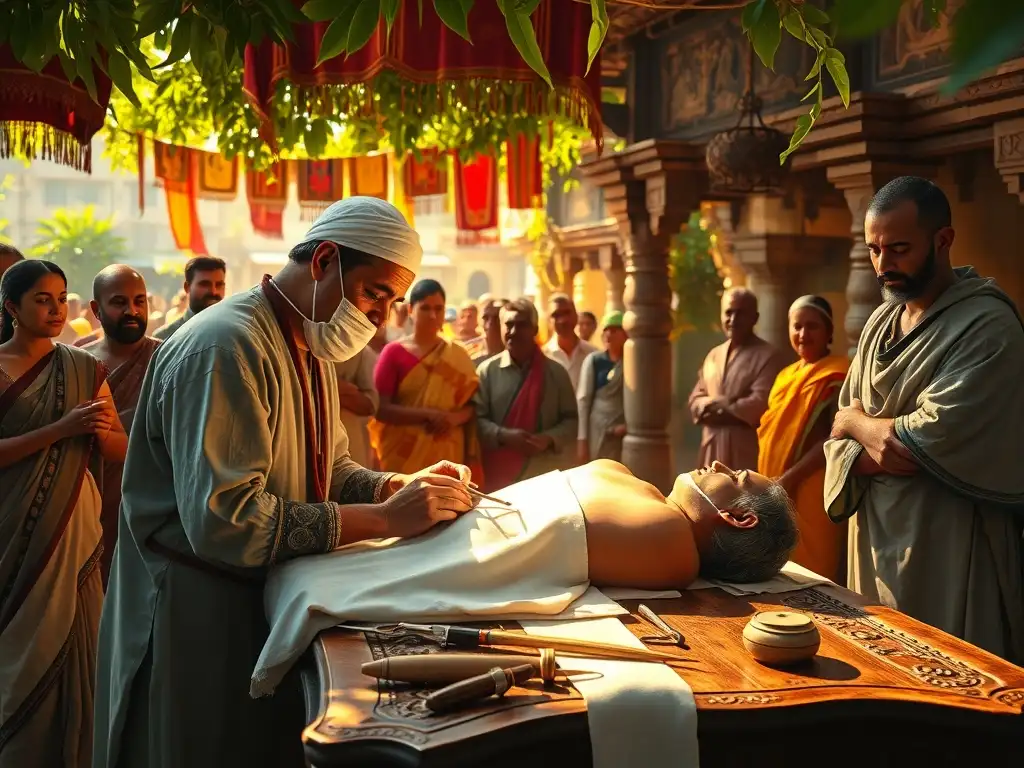
Welcome to Ancient India History, where we embark on a fascinating journey through the rich tapestry of ancient Indian civilizations. In this exploration, we delve into the cultural significance of ancient Indian surgery, a remarkable facet that reveals how medical practices influenced societal norms and traditions. Discover the groundbreaking techniques that not only advanced the field of medicine but also shaped the social structure and daily life of our ancestors.
Join us as we unravel the intricate connections between science, culture, and heritage, igniting your curiosity about the profound contributions of the past. Let’s dive deeper into this captivating subject that promises to enlighten and inspire!
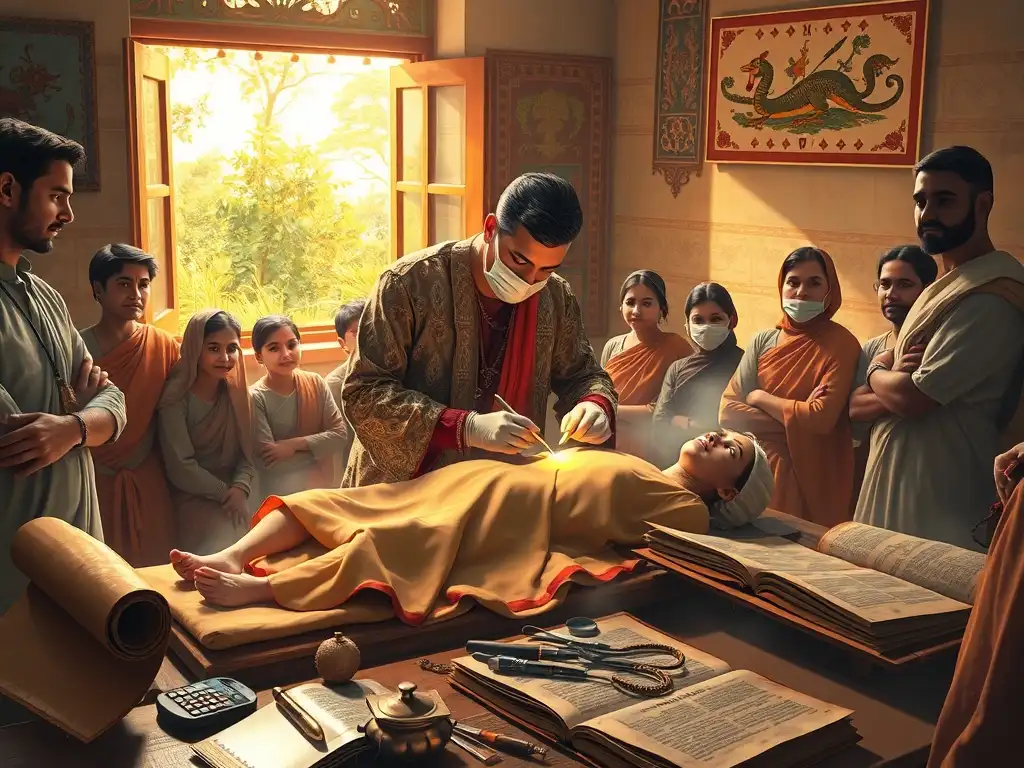
The cultural significance of ancient Indian surgery extends far beyond the mere practice of medical procedures; it encapsulates a profound understanding of human anatomy, ethics, and holistic health that has shaped societal norms and values. As one delves into the history of ancient Indian surgery, it becomes clear that these medical practices were not only instrumental in advancing healthcare but also played a pivotal role in the cultural and philosophical landscape of the time.
This exploration will illuminate how surgery in ancient India reflected and influenced the broader spectrum of societal beliefs, practices, and advancements, offering a glimpse into the interconnectedness of medicine, culture, and society.
Introduction to Ancient Indian Surgery
Ancient India is renowned for its sophisticated medical practices, particularly in the field of surgery. The surgeons of this era, often referred to as "Shalya Chikitsa" practitioners, utilized a blend of practical skills, knowledge, and philosophical principles. Their work was underpinned by a rich tradition of texts and teachings that contributed to a unique approach to health and healing.
Overview of Surgical Practices in Ancient India
Surgical practices in ancient India were comprehensive and varied, addressing a wide range of medical conditions. Some notable techniques included:
- Suturing and Wound Care: Surgeons employed advanced suturing methods to treat wounds, ensuring minimal scarring and promoting healing.
- Amputation: In cases of severe injury or disease, amputation was performed with a focus on preserving the patient's quality of life.
- Plastic Surgery: Techniques for reconstructive surgery, particularly for facial injuries, were well-documented, showcasing the emphasis on aesthetics and functionality.
These practices were not only technical feats but also deeply embedded in the cultural ethos of the society, reflecting a respect for life and an understanding of the human body.
Importance of Surgery in Ancient Indian Medicine
Surgery held a significant place in the broader context of Ayurveda, the ancient system of medicine in India. The integration of surgical practices within Ayurvedic principles highlighted the holistic approach to health, emphasizing the balance of body, mind, and spirit. Furthermore, the successful application of surgical techniques contributed to the overall reputation of ancient Indian medicine, attracting scholars and practitioners from various regions.
Historical Context of Surgery in Ancient India
To fully appreciate the cultural impact of surgery in ancient Indian society, it is essential to explore the historical context in which these practices evolved.
Development of Surgical Techniques in Ancient Civilizations
The evolution of surgical techniques in ancient India can be traced back to a blend of indigenous knowledge and influences from neighboring civilizations. As trade routes flourished, knowledge was exchanged, leading to advancements in surgical methods and instruments. The development of specialized tools, such as scalpels and forceps, marked a significant leap in surgical precision and safety.
Key Texts on Surgery: Sushruta Samhita and Other Contributions
One of the cornerstones of ancient Indian surgical knowledge is the Sushruta Samhita, attributed to the ancient surgeon Sushruta. This seminal text not only codified surgical techniques but also emphasized ethical considerations, patient care, and the surgeon's role in society. Other contributions to surgical literature included the Charaka Samhita and various treatises on Ayurveda, which collectively enriched the understanding of surgery within the medical community.
The profound cultural significance of these texts cannot be overstated; they served as a bridge between practical surgical knowledge and the philosophical underpinnings of ancient Indian thought, reflecting a society deeply engaged with the complexities of life, health, and the human condition.
Cultural Significance of Ancient Indian Surgery
The cultural significance of ancient Indian surgery extends beyond mere medical practice; it embodies a rich tapestry of knowledge, tradition, and societal values. Surgery in ancient India was not only an essential aspect of healthcare but also held a profound influence on various cultural and spiritual dimensions of life. The texts of Ayurveda, particularly the Sushruta Samhita, illustrate how surgical knowledge was intertwined with philosophical beliefs and ethical considerations, reflecting the holistic approach to health that characterized Indian civilization.
Surgical practices were often seen as an extension of the divine, with procedures performed as acts of healing that aligned with the broader cosmic order. This connection to spirituality elevated the status of surgeons and promoted a reverence for their skills, linking the art of surgery to notions of duty, ethics, and responsibility in society. Furthermore, these practices contributed to a sense of communal identity, as successful surgeries not only saved lives but also fostered trust in medical practitioners and the health systems of the time.
Influence of Surgical Practices on Ancient Indian Culture
Ancient Indian surgical practices significantly influenced various aspects of culture, including art, literature, and philosophy. The intricate descriptions of surgical techniques found in texts like the Sushruta Samhita inspired various art forms, including sculptures and paintings that depicted surgical instruments and procedures. This artistic representation served to educate the public about surgical practices and their benefits, thereby integrating medical knowledge into the cultural fabric of society.
Moreover, the philosophical underpinnings of surgery in ancient India reflected a broader understanding of life and death. The belief that surgical intervention could restore balance and harmony to the body mirrored the cultural emphasis on maintaining equilibrium in all aspects of life. This perspective not only shaped the practice of surgery but also influenced the ethical considerations surrounding it, establishing a framework within which surgeons operated.
Role of Surgeons in Society: Social Status and Responsibilities
Surgeons in ancient India held a unique position within society, often regarded with a mix of respect and awe. Their extensive training and expertise in complex surgical procedures granted them a high social status, akin to that of scholars and priests. This elevated position came with significant responsibilities, including ethical obligations to their patients and the community.
Surgeons were often required to demonstrate not only technical skill but also compassion and moral integrity. The practice of surgery was seen as a vocation that demanded commitment to the well-being of others, reinforcing the idea that healing was a sacred duty. This cultural expectation was reflected in the rigorous training and moral instruction that aspiring surgeons underwent, promoting a professional ethos that valued both skill and character.
Surgical Techniques and Their Cultural Implications
The surgical techniques developed in ancient India were remarkable for their sophistication and effectiveness. These methods not only advanced medical knowledge but also had profound cultural implications, shaping societal views on health, illness, and the human body.
Overview of Surgical Techniques Used in Ancient India
Ancient Indian surgical techniques encompassed a wide range of procedures, from basic wound care to complex operations like rhinoplasty and cataract surgery. The methodologies outlined in the Sushruta Samhita reveal a comprehensive understanding of anatomy and surgical principles. Techniques such as Ksharasutra (a method for treating fistulas) and Sutra-sthana (ligating blood vessels) demonstrated advanced surgical skills that were ahead of their time.
The use of various surgical instruments, meticulously described in ancient texts, indicates a high level of craftsmanship and technical knowledge. Instruments like scalpels, forceps, and probes were not only functional but also reflected the cultural significance of surgery as a disciplined and respected profession. The emphasis on cleanliness and sterilization practices also highlights a cultural awareness of the importance of hygiene in medical procedures.
Case Studies of Notable Surgical Procedures and Their Impact
Several notable surgical procedures from ancient India serve as prime examples of the cultural impact of surgery. One of the most famous cases is that of Sushruta, the renowned surgeon credited with performing one of the earliest recorded rhinoplasties. This procedure not only restored physical appearance but also had profound social implications, as it helped reintegrate individuals into society after traumatic disfigurements.
Another significant case involved the surgical treatment of cataracts, which greatly improved the quality of life for many individuals. These successful surgeries not only showcased the technical prowess of surgeons but also enhanced the public's perception of surgical practices, leading to increased acceptance and trust in medical interventions.
The cultural implications of surgery in ancient India are vast and multifaceted. From the elevated status of surgeons to the intricate techniques developed over centuries, the interplay between surgery and culture has left a lasting legacy that continues to resonate in modern discussions of medicine and ethics.
The Intersection of Surgery and Religion in Ancient India
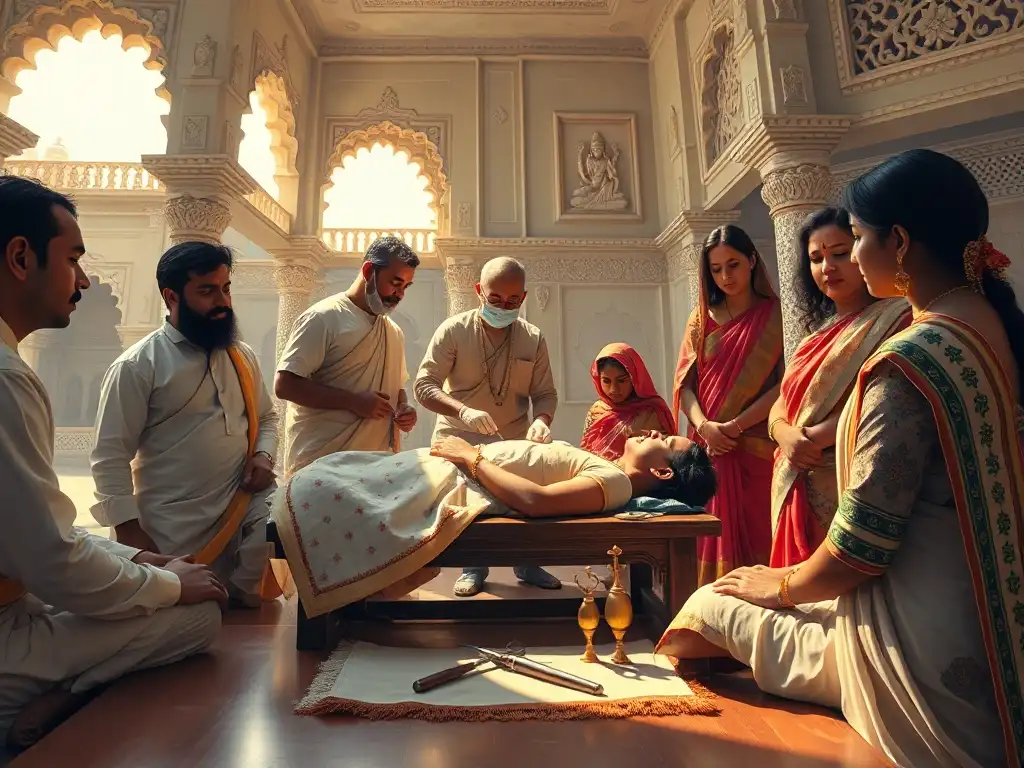
In ancient India, surgery was not merely a medical practice but was deeply intertwined with religious beliefs and spiritual perspectives. This intersection significantly influenced how surgical techniques were developed, practiced, and perceived within society. The ancient Indian texts, particularly the Sushruta Samhita, which is attributed to the physician Sushruta, reflect a rich amalgamation of medical knowledge and spiritual wisdom, emphasizing the holistic approach to health and healing.
One of the notable aspects is the reverence for the human body, viewed as a sacred vessel. This perspective fostered a mindset where surgical interventions were approached with care and respect, possibly seen as a form of divine intervention or healing. The intricate relationship between surgery and religious rituals also contributed to the cultural significance of surgical practices, often elevating the status of surgeons to that of spiritual healers.
Spiritual Perspectives on Surgery in Ancient Texts
Ancient Indian texts provide profound insights into the spiritual dimensions of surgery. For instance, the Sushruta Samhita not only details surgical techniques but also delves into the moral obligations of a surgeon. It emphasizes the need for surgeons to possess not just technical skill but also a compassionate heart and ethical integrity.
Moreover, these texts often describe the surgeon’s role in the context of a broader spiritual journey. The act of surgery was sometimes framed as an offering to the divine, where the surgeon sought blessings for successful outcomes. The belief that health and illness were manifestations of divine will reinforced a spiritual underpinning to surgical practices, making them a vital part of the community's religious fabric.
Rituals and Beliefs Surrounding Surgical Practices
Rituals played a crucial role in ancient Indian surgical practices, often serving to sanctify the procedure and ensure its success. Before a surgical operation, various rituals would be performed, including prayers and offerings to deities associated with healing. These practices aimed to invoke divine protection for both the patient and the surgeon.
Additionally, certain surgical procedures were accompanied by specific chants or mantras, believed to enhance the efficacy of the surgery and promote healing. The integration of rituals into surgical practices not only highlighted the cultural significance of surgery but also reinforced the community's collective faith in the healing process. This blend of medical and spiritual practices created a unique environment where surgery was seen as a sacred duty rather than merely a technical intervention.
Legacy of Ancient Indian Surgery in Modern Medicine
The legacy of ancient Indian surgery is profound, with many of its techniques and philosophies continuing to influence modern medicine. The foundational work of ancient surgeons like Sushruta laid the groundwork for various surgical practices still in use today. Techniques such as rhinoplasty (reconstruction of the nose) and cataract surgery have their origins in ancient Indian texts, showcasing the advanced understanding of anatomy and surgical methods that existed centuries ago.
How Ancient Techniques Influence Contemporary Surgical Practices
Modern surgical practices have not only drawn from ancient techniques but have also been enriched by the philosophical insights of ancient Indian medicine. The emphasis on holistic treatment approaches, patient care, and ethical considerations evident in the Sushruta Samhita still resonate in contemporary medical ethics.
Furthermore, the ancient Indian understanding of surgical tools and procedures laid the groundwork for advancements in surgical instruments and methodologies. For instance, the meticulous descriptions of surgical instruments and their uses in ancient texts have influenced the design and development of modern surgical tools. This continuity from ancient practices to modern techniques underscores the enduring relevance of ancient Indian surgery in today’s medical landscape.
Continuing Cultural Significance of Ancient Surgical Knowledge
The cultural significance of ancient surgical knowledge extends beyond its historical relevance; it continues to be celebrated and integrated into contemporary practices. In India today, traditional healing systems such as Ayurveda incorporate surgical techniques alongside herbal remedies, reflecting a holistic approach to health that values both ancient wisdom and modern science.
Moreover, the recognition of ancient surgical practices in academic settings and medical curricula serves to preserve this rich legacy. Workshops, seminars, and research initiatives focused on ancient surgical techniques illustrate the ongoing interest and respect for this knowledge within the medical community. As a result, the cultural impact of ancient Indian surgery remains vibrant, ensuring its place in the broader narrative of medical history and cultural identity.
Conclusion
The cultural significance of ancient Indian surgery is a testament to the advanced medical knowledge and practices that flourished in ancient India. The contributions made by ancient surgeons not only impacted medical techniques but also influenced broader cultural and philosophical perspectives on health and wellness. This intricate interplay between surgery and society reflects a holistic understanding of the human body and its ailments, emphasizing the importance of both physical and spiritual well-being.
Summary of the Cultural Impact of Surgery in Ancient Indian Society
Ancient Indian surgery, particularly evident in texts such as the Sushruta Samhita, played a pivotal role in shaping the medical landscape of the time. The surgical techniques developed were not merely practical solutions to physical ailments; they also held significant cultural weight. The practice of surgery was intertwined with religious beliefs and rituals, showcasing a deep respect for the human body and the healing process.
- Integration of Knowledge: Ancient Indian surgeons like Sushruta integrated knowledge from various fields, including philosophy, Ayurveda, and even literature, to establish a medical practice that was comprehensive and culturally relevant.
- Gender Roles: The presence of female practitioners in ancient surgical practices highlighted progressive views on gender roles in health care, allowing women to play active roles in medical fields, which was quite progressive for the time.
- Medical Ethics: The ethical guidelines outlined in surgical texts emphasized the moral responsibilities of surgeons, underscoring the cultural importance of integrity and care in medical practices.
Final Thoughts on the Relevance of Ancient Surgical Practices Today
The ancient surgical practices of India continue to resonate in contemporary medicine and culture. As modern medical practices increasingly recognize the value of holistic and integrative approaches to health, the principles established by ancient Indian surgeons are being revisited and appreciated.
- Modern Medical Techniques: Many surgical techniques and instruments developed in ancient India have laid the groundwork for current practices, highlighting the timelessness of this knowledge.
- Cultural Heritage: The cultural legacy of ancient surgery serves as a reminder of the rich history of medical science in India, inspiring current and future generations of practitioners to honor and build upon this foundation.
- Education and Awareness: Promoting the historical significance of ancient surgical practices can enhance public awareness of traditional medicine's contributions, encouraging a greater appreciation for diverse medical heritages.
The cultural significance of ancient Indian surgery not only reflects the sophistication of medical practices at the time but also offers valuable lessons that remain relevant in today's rapidly evolving medical landscape. The reverence for the art of surgery in ancient India serves as an enduring legacy that continues to inspire and inform modern healthcare practices.
- Introduction to Ancient Indian Surgery
- Historical Context of Surgery in Ancient India
- Cultural Significance of Ancient Indian Surgery
- Surgical Techniques and Their Cultural Implications
- The Intersection of Surgery and Religion in Ancient India
- Legacy of Ancient Indian Surgery in Modern Medicine
- Conclusion
Frequently Asked Questions
What was the role of surgery in ancient Indian society?
Surgery held great significance in ancient Indian society, being viewed as both a medical practice and a form of art. It was integral to healthcare, reflecting the advanced understanding of human anatomy and techniques.
Who were the prominent figures in ancient Indian surgery?
Sushruta, often referred to as the "father of surgery," and Charaka, known for his contributions to medicine, were two pivotal figures. Their texts, particularly the Sushruta Samhita, laid the foundation for surgical practices.
How did ancient Indian surgery influence modern medicine?
The innovative techniques and surgical methods developed in ancient India significantly influenced global medical practices. Many of these methods are still relevant in contemporary surgical procedures.
What were some common surgical procedures in ancient India?
Common procedures included plastic surgery, cataract surgery, and various minor operations. The emphasis on hygiene and careful techniques showcased the cultural respect for health and healing.
What is the cultural significance of ancient Indian surgery?
The cultural significance lies in its reflection of the advanced medical knowledge of the time, its integration into spiritual beliefs, and its influence on societal views regarding health and wellness. This underscores the holistic approach to medicine in ancient Indian civilization.
Final Reflection: The Enduring Legacy of Ancient Indian Surgery
The cultural significance of ancient Indian surgery resonates profoundly in today's society, revealing how medical practices from centuries past continue to shape contemporary health care and cultural perceptions of healing. The intricate techniques and philosophical underpinnings of ancient Indian surgical practices not only highlight the advanced understanding of anatomy and medicine but also underscore the holistic approach to health that remains relevant in modern times. As we navigate a world increasingly focused on technology and specialization, the wisdom of our ancestors reminds us of the importance of integrating compassion and understanding into our healing practices.
The influence of ancient Indian surgery extends beyond the operating table, permeating the very fabric of cultural identity and social norms. The meticulous methods and ethical considerations of ancient surgeons have inspired generations of practitioners and scholars, fostering a rich dialogue about the intersection of medicine, spirituality, and community well-being. The art of healing is not just about the body; it is about the spirit and the mind, intertwined in a dance of life.
This perspective encourages us to appreciate the holistic nature of health, prompting a reevaluation of how we approach healing in our own lives and communities.
As we reflect on the lessons from ancient Indian surgery, let us embrace the call to integrate these timeless principles into our daily practices. Consider how you can apply the wisdom of the past to enhance your understanding of health and well-being. Whether through mindfulness, compassion, or a commitment to holistic healing, each of us has the power to carry forward the legacy of those who came before us. In doing so, we honor their contributions and ensure that the cultural significance of ancient Indian surgery remains a vital part of our collective journey toward health and harmony.
Unveil the Legacy of Ancient Indian Surgery!
Thank you for taking the time to explore the fascinating cultural impact of surgery in ancient Indian society! Your interest in this topic highlights the rich tapestry of medical knowledge that shaped history. Now, let's build upon your newfound insights with a few action-oriented steps you can take today.
- Dive Deeper: Visit your local library or explore online resources to uncover ancient texts and modern interpretations of Indian surgical practices. Discover how these historical methods have influenced contemporary medicine!
- Join the Conversation: Connect with fellow history enthusiasts by sharing your insights and questions on social media or specialized forums. Engaging in community discussions can open new perspectives and deepen your understanding.
- Experience the Culture: Plan a visit to a museum or cultural exhibit that focuses on ancient India. Observing artifacts and displays firsthand can transform your understanding of surgical practices and their societal roles.
What aspect of ancient Indian surgery fascinates you the most, and how do you believe it has influenced modern medical practices?