
Ancient Indian Treatments for Eye Surgery: Techniques and Tools

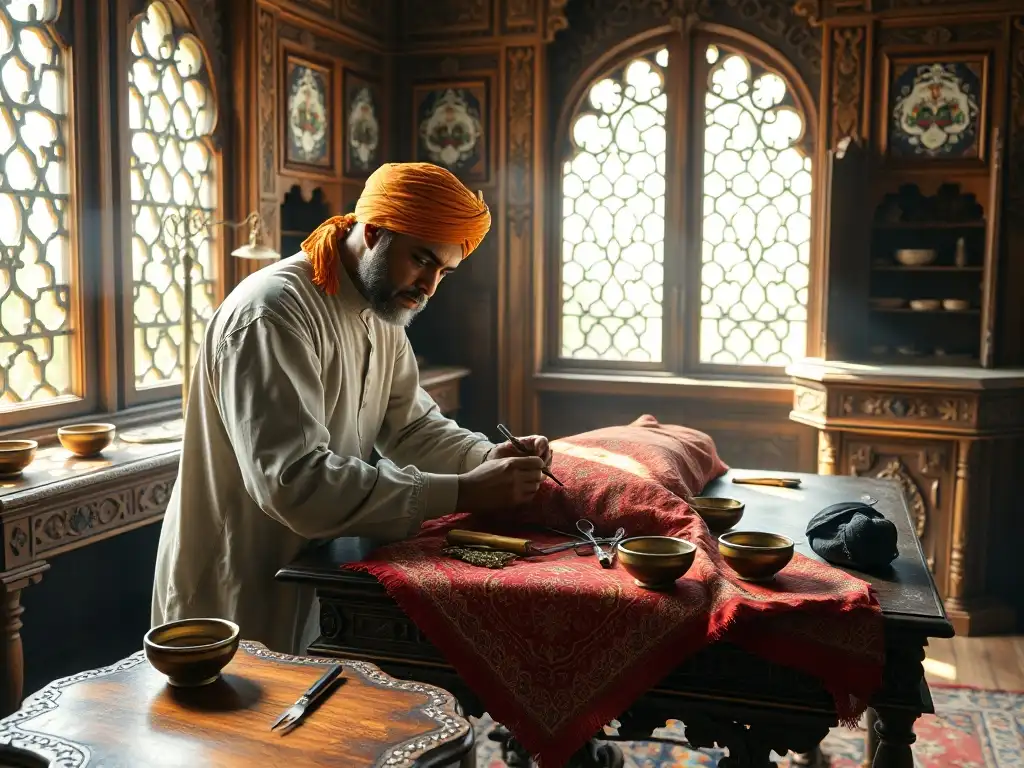
Welcome to Ancient India History, where we embark on a fascinating journey through time, uncovering the remarkable achievements and innovations of ancient Indian civilizations. In this enlightening exploration, we delve into the intriguing realm of ancient Indian eye surgery techniques, revealing how these early practices laid the groundwork for modern medicine. Prepare to be captivated as we unveil the sophisticated tools and methods that ancient healers employed, offering a glimpse into a world where science and culture intertwined seamlessly. Join us as we unravel these stories and discover the profound contributions of ancient India to the field of medicine!
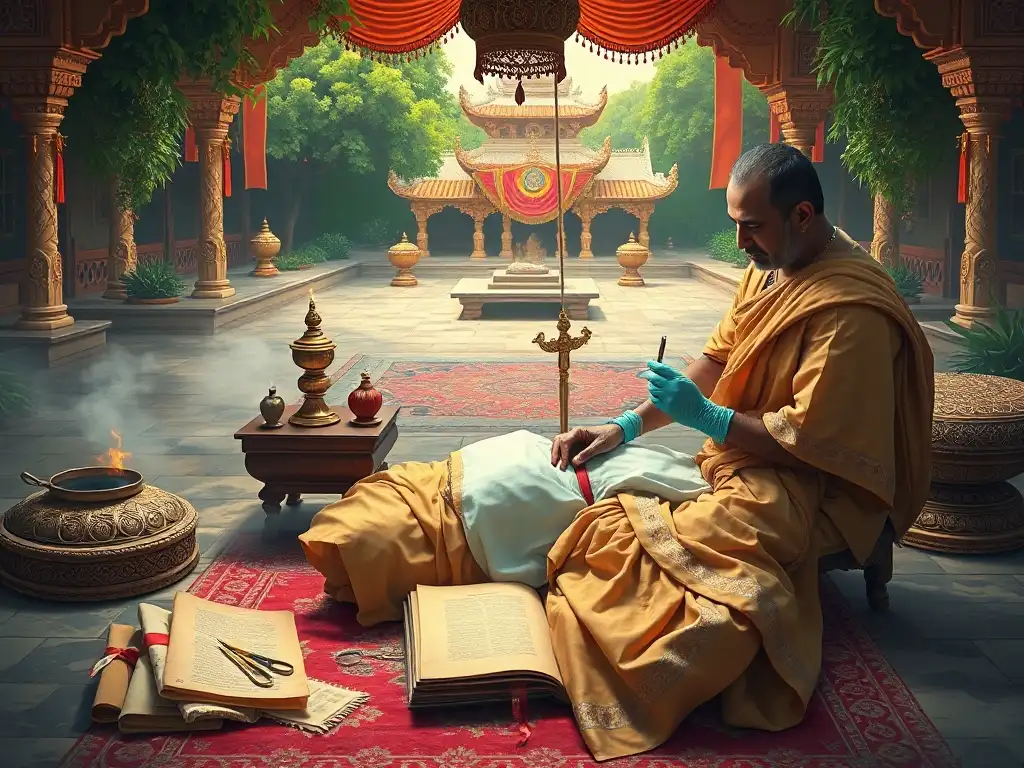
Introduction to Ancient Indian Eye Surgery Techniques
The realm of ancient Indian medicine is a fascinating tapestry woven with intricate knowledge and profound practices, particularly in the field of surgery. Among various medical specialties, eye surgery stands out as a significant domain where ancient Indian practitioners demonstrated remarkable skill and understanding. The techniques employed for eye surgery in ancient India not only reflect the advanced medical knowledge of the time but also highlight the holistic approach that characterized Indian medical traditions.
This article delves into the diverse treatments and surgical methods used for eye ailments, shedding light on the tools and techniques that were pivotal in ancient Indian eye surgery. By exploring these methods, we can appreciate the contributions of ancient Indian civilizations to the field of medicine, particularly in ophthalmology.
Overview of Ancient Indian Medical Practices
Ancient Indian medicine, deeply rooted in the principles of Ayurveda, encompassed a range of practices aimed at promoting health and treating diseases. The Ayurvedic texts, written over thousands of years ago, provide a wealth of information on various medical practices, including surgical techniques. These texts emphasized a comprehensive understanding of the human body, the interplay of doshas (bodily energies), and the importance of balancing physical and mental health.
Surgery, or "Shalya Tantra," was regarded as an essential aspect of Ayurveda. Ancient surgeons were trained in a variety of surgical procedures, including those for treating eye conditions. They utilized a combination of herbal remedies, dietary recommendations, and surgical interventions to restore sight and alleviate pain. This holistic approach ensured that the patient’s overall well-being was prioritized during treatment.
Importance of Eye Surgery in Ancient India
Eye health was a significant concern in ancient Indian society, as it is today. Vision-related ailments were common, and the ability to see was considered vital for an individual's quality of life. Consequently, ancient Indian practitioners developed various surgical techniques to address issues such as cataracts, glaucoma, and injuries to the eye.
The importance of eye surgery is evident in the extensive references found in ancient texts, which document the procedures, tools, and outcomes associated with eye surgeries. Successful eye surgeries not only restored vision but also had profound implications on a person's social standing and livelihood, further emphasizing the critical role of these techniques in ancient Indian culture.
Historical Context of Eye Surgery in Ancient India
Ancient Texts and Literature on Eye Surgery
The historical context of eye surgery in ancient India is richly documented in various texts. One of the most notable sources is the Sushruta Samhita, attributed to the ancient physician Sushruta, who is often referred to as the "Father of Surgery." This text, dating back to around 600 BCE, provides detailed descriptions of surgical techniques, including those specifically for eye ailments.
Sushruta's work outlines numerous surgical procedures involving the eye, such as the removal of cataracts through a technique known as "couching." This method involved the dislocation of the lens of the eye, restoring vision in many cases. Additionally, the Charaka Samhita, another foundational text of Ayurveda, also mentions treatments for eye diseases, further highlighting the significance of ophthalmology in ancient medical practices.
Influence of Ayurveda on Eye Surgery Techniques
Ayurveda, the ancient Indian system of medicine, played a crucial role in shaping the techniques used for eye surgery. The Ayurvedic philosophy emphasizes the importance of balancing the three doshas—Vata, Pitta, and Kapha—along with the need for a strong constitution and healthy lifestyle to prevent diseases.
In eye surgery, Ayurvedic principles guided practitioners in selecting appropriate herbs, dietary changes, and surgical methods tailored to the individual patient's needs. This integration of holistic healing with surgical techniques not only improved patient outcomes but also ensured a comprehensive approach to eye health.
Key Figures in Ancient Indian Ophthalmology
Several key figures emerged in the field of ancient Indian ophthalmology, contributing to the knowledge and practice of eye surgery. One such figure is Sushruta, whose surgical prowess and teachings laid the foundation for future generations of surgeons. His methods were widely studied and practiced, influencing both Indian and global medical traditions.
Another notable figure is Vagbhatta, who authored the Ashtanga Hridaya, a comprehensive text that includes discussions on eye diseases and treatments. His contributions, along with those of other scholars, underscore the collaborative nature of ancient Indian medicine, where knowledge was shared, adapted, and built upon to advance the field of ophthalmology.
Ancient Indian eye surgery techniques represent a remarkable fusion of surgical skill and holistic healing, reflecting the advanced understanding of medicine in ancient India. The techniques, tools, and philosophies developed during this time continue to inspire modern medical practices, highlighting the enduring legacy of ancient Indian contributions to the field of eye care.
Techniques of Ancient Indian Eye Surgery
Ancient Indian eye surgery was notably advanced, characterized by a variety of techniques that were meticulously documented in texts such as the Sushruta Samhita. This ancient treatise, attributed to Sushruta, is often regarded as one of the earliest surgical manuals in history. The techniques used for eye surgery included procedures for cataracts, eyelid corrections, and the treatment of various eye injuries.
One of the most remarkable techniques was couching for cataracts, where a sharp instrument was used to dislodge the lens clouding the vision. This procedure involved a careful incision in the eye followed by a maneuver to push the opaque lens away from the pupil. Alongside couching, excision of growths and the treatment of pterygium were also common practices, aimed at enhancing the quality of vision.
The surgical procedures were often performed under local anesthesia, utilizing substances like cannabis or alcohol to minimize pain and discomfort. The combination of surgical innovation and herbal medicine illustrated the holistic approach of ancient Indian physicians, who emphasized the importance of both surgical skill and post-operative care.
Surgical Procedures for Eye Conditions
The surgical procedures for eye conditions in ancient India were diverse and tailored to specific ailments. The Sushruta Samhita outlines several key procedures:
- Couching for Cataracts: As mentioned, this technique involved the displacement of the cloudy lens through a careful surgical process. It was typically performed using a specially designed hook-like instrument, which allowed for precision and minimized damage to surrounding tissues.
- Eyelid Surgery: Conditions like ptosis and entropion were addressed through procedures that involved the excision of excess skin or repositioning of eyelids. Techniques were developed to restore functionality and aesthetic appearance, showcasing a blend of practical and cosmetic surgery.
- Removal of Eye Tumors: Tumors or growths on the eye were often surgically removed. The surgeons employed careful dissection techniques to ensure complete excision while preserving surrounding eye structures.
These procedures required not only surgical expertise but also a profound understanding of anatomy and the healing process. Surgeons were highly regarded and often trained rigorously to master these intricate techniques.
Innovative Tools Used in Ancient Indian Eye Surgery
The tools used for eye surgery in ancient India were innovative and specialized, reflecting the advanced understanding of surgical practices at the time. Instruments were crafted from various materials, including metals, wood, and bone.
Some of the notable tools included:
- Surgical Knives and Scalpels: These instruments were meticulously sharpened and designed for precision cutting. Different shapes and sizes were employed depending on the specific procedure.
- Couching Instruments: Unique tools resembling hooks or needles were utilized for the couching technique, allowing surgeons to displace cataracts effectively.
- Forceps and Clamps: These were essential for holding delicate tissues in place during surgery, ensuring that surgeons could operate with accuracy.
The invention of these tools demonstrated the ingenuity of ancient Indian surgeons, who developed instruments that facilitated complex surgeries, thus enhancing the outcomes for patients.
Tools and Instruments in Ancient Indian Eye Surgery
The tools and instruments utilized in ancient Indian eye surgery were not only effective but also reflected the sophistication of surgical practice during that era. Each instrument was designed with specific functionalities in mind, contributing to the overall success of various surgical procedures.
Description of Specific Surgical Tools
- Sushruta's Knife (Shalaka): A specialized surgical knife, known as Shalaka, was used predominantly for incisions in eye surgery. Its design allowed for precise cuts, essential for delicate operations.
- Couching Hooks: These were instrumental in the cataract procedure, designed to gently manipulate the lens within the eye without causing excessive trauma.
- Scissors (Parshni): Used for cutting and trimming tissues, these scissors were crafted for surgical accuracy and ease of handling.
- Probes and Dilators: Employed to examine or enlarge openings in tissues, these tools helped in diagnosing and treating various eye conditions effectively.
The craftsmanship of these tools highlights the advanced metallurgical and surgical knowledge of ancient Indian practitioners, which laid the groundwork for future advancements in ophthalmic surgery.
Materials and Techniques for Tool Making
The creation of surgical tools in ancient India involved meticulous attention to detail and the use of various materials. Metals such as steel, bronze, and gold were commonly used, with steel being favored for its durability and sharpness.
The techniques for tool making included:
- Forging and Tempering: Blacksmithing techniques were employed to shape and harden the metal, ensuring that tools maintained their sharpness and resilience through multiple uses.
- Polishing and Finishing: Tools underwent polishing to create a smooth surface, minimizing the risk of infection and ensuring ease of handling during surgical procedures.
- Embellishment and Identification: Many tools were etched or engraved for identification, often reflecting the status of the surgeon or the specific purpose of the instrument.
This intricate process of tool making underscored the importance of both functionality and artistry in ancient Indian medicine, emphasizing their commitment to high standards in surgical practice.
Legacy and Influence of Ancient Indian Eye Surgery
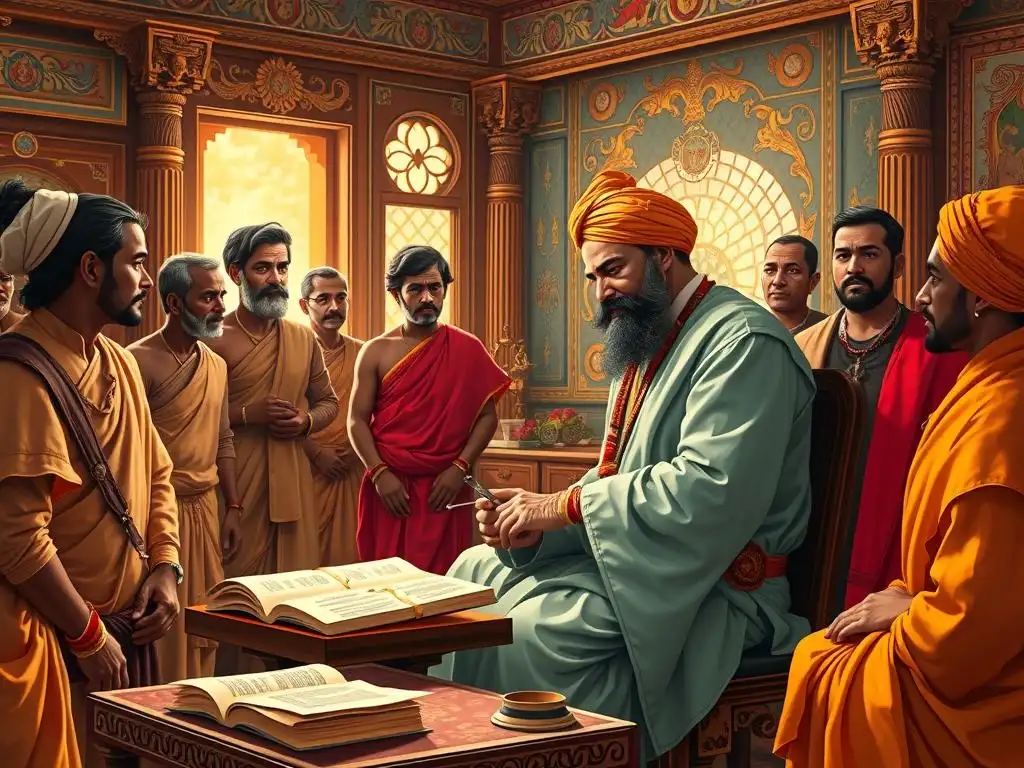
The legacy of ancient Indian eye surgery is profound, reflecting a blend of empirical observation and surgical innovation that laid the groundwork for modern ophthalmology. Ancient texts, particularly the Sushruta Samhita, authored by the revered surgeon Sushruta around 600 BCE, serve as a testament to the advanced medical understanding of the time. This foundational work outlined various surgical techniques for eye ailments, including cataracts, and introduced a range of instruments that would influence surgical practices for centuries.
The meticulous nature of these early practices is evident in the detailed descriptions of surgical procedures and tools. Sushruta's emphasis on patient care, hygiene, and the importance of a skilled surgeon has resonated through the ages. The teachings and methodologies outlined in these texts were not only crucial for local practitioners but also spread to neighboring cultures, thereby enriching the global tapestry of medical knowledge.
Impact on Modern Ophthalmology
Ancient Indian eye surgery techniques have significantly impacted modern ophthalmology, particularly in surgical methodologies and instruments. The procedures documented in the Sushruta Samhita, such as cataract extraction, demonstrate a high level of surgical precision that echoes in contemporary practices. For instance, the technique known as couching, which involves displacing the cataract lens, has its roots in ancient practices and has evolved into modern surgical techniques like phacoemulsification.
Moreover, the use of specific surgical instruments, many of which were first designed in ancient India, can still be seen in today’s operating rooms. Instruments such as the cataract needle and the curved knife are direct descendants of ancient tools, showcasing the ingenuity and skill of early Indian surgeons. This historical continuity underscores the profound influence of ancient Indian medicine on current medical practices.
Preservation of Ancient Techniques in Contemporary Medicine
The preservation of ancient Indian eye surgery techniques can be observed through various avenues, including traditional medicine practices and academic research. In many regions of India, traditional healers continue to employ age-old techniques, integrating them with modern practices to treat eye conditions. This blend of old and new not only preserves the historical techniques but also enhances their relevance in contemporary healthcare.
Furthermore, universities and medical institutions in India are increasingly recognizing the importance of ancient medical texts. Courses in Ayurveda and traditional surgery are being offered, ensuring that the wisdom of the past is not lost. Research on ancient surgical methods has gained traction, with scholars delving into historical manuscripts to extract valuable insights that can inform modern medical practices.
Comparisons with Other Ancient Civilizations' Eye Surgery Techniques
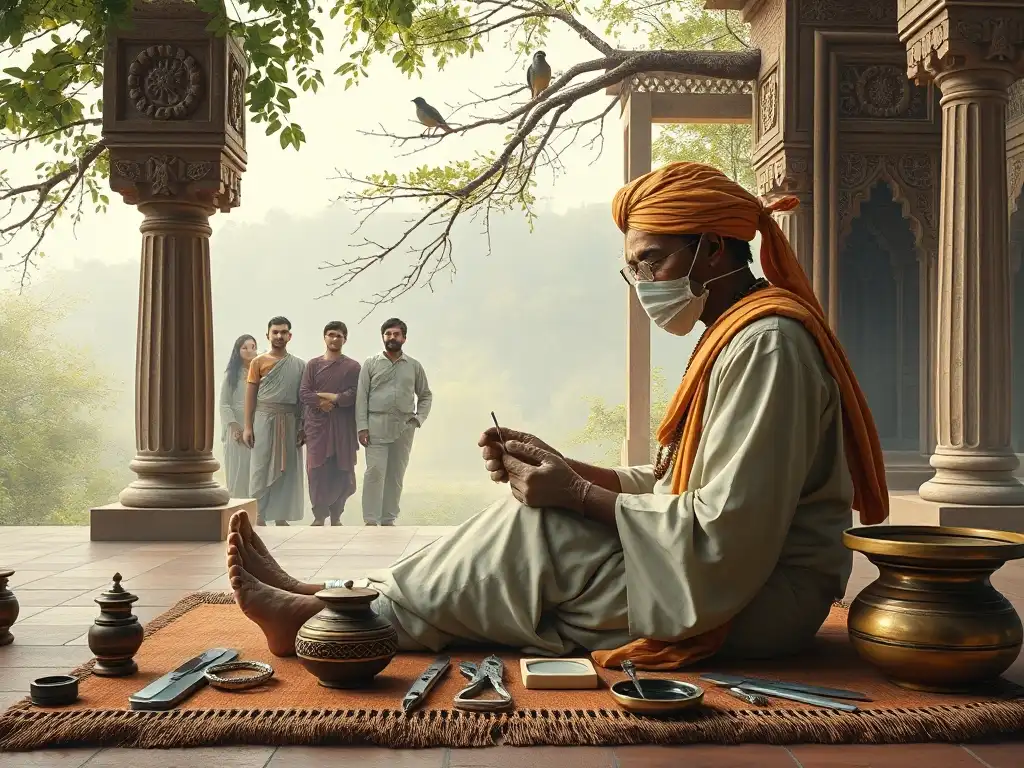
When comparing ancient Indian eye surgery techniques to those of other civilizations, such as Ancient Egypt and Greece, distinct similarities and differences emerge. Ancient Egyptian texts, like the Ebers Papyrus, also document surgical practices, including eye treatments, but often lack the detailed procedural insights found in Indian texts.
Similarly, Greek physician Galen and later figures in Roman medicine contributed to the understanding of eye surgery, yet their approaches often incorporated more philosophical elements rather than the practical, hands-on techniques emphasized by Indian surgeons. The differences in focus and methodology highlight the unique contributions of ancient Indian medicine to the broader field of ophthalmology, showcasing a more systematic and procedural approach to surgical practices.
Conclusion
Summary of Ancient Indian Eye Surgery Innovations
Ancient Indian eye surgery represents a remarkable blend of innovation, skill, and knowledge that has significantly contributed to the medical field. The techniques and tools developed during this era have not only shaped the landscape of ophthalmology but have also provided a foundation for future medical advancements.
The Relevance of Ancient Techniques in Today's Medical Field
The relevance of ancient Indian eye surgery techniques in today's medical field cannot be overstated. By studying these historical practices, modern medicine can gain valuable insights into surgical precision, patient care, and the importance of skilled practitioners. As contemporary medicine continues to evolve, the integration of ancient techniques with modern advancements ensures that the legacy of ancient Indian eye surgery endures, providing a rich source of knowledge and inspiration for future generations of medical professionals.
References
The study of ancient Indian eye surgery techniques is supported by various historical texts and research papers that delve into the medical practices of the time. These references provide insights into the methodologies, tools, and philosophies that underpinned ancient Indian ophthalmology.
Notable Texts and Research on Ancient Indian Eye Surgery
- Sushruta Samhita: Authored by Sushruta, this foundational text is considered the earliest comprehensive treatise on surgery and medicine in ancient India. It includes detailed descriptions of eye surgeries, particularly cataract operations, and lists various instruments used during procedures. The Sushruta Samhita outlines techniques such as 'couching' for cataracts and emphasizes the importance of surgical precision and patient care.
- Charaka Samhita: While primarily focused on internal medicine and Ayurveda, this text also touches upon eye health and treatments. It complements the surgical insights found in the Sushruta Samhita, offering a holistic view of health that includes preventative measures and herbal remedies for eye conditions.
- Research Papers and Journals: Various contemporary studies have examined ancient Indian surgical practices. For instance, articles published in journals such as the Indian Journal of Ophthalmology and Ophthalmology Times provide analyses of ancient texts, linking historical practices with modern surgical techniques. Researchers have highlighted the sophistication of ancient Indian methods, suggesting that they laid the groundwork for future advancements in ophthalmology.
- Historical Analyses: Books such as "Surgery and Surgery Instruments in Ancient India" by Dr. K. K. S. Rao and "Ancient Indian Medicine: A Historical Overview" provide a critical examination of the evolution of surgical practices, including eye surgery. These texts contextualize the contributions of ancient Indian medical practitioners within the broader scope of global medical history.
Further Reading on Ancient Indian Medical Contributions
- "The History of Indian Medical Science": This book offers a comprehensive overview of the developments in Indian medicine, including surgical techniques and their impact on modern practices. It elaborates on the cultural significance of medicine in ancient India, exploring how it intertwined with philosophy and spirituality.
- "Ayurveda: The Science of Self-Healing": Focused on the Ayurvedic tradition, this text discusses various treatments and practices, including those related to eye health. It provides insights into the holistic approach adopted by ancient practitioners, emphasizing the balance between body, mind, and spirit.
- "Ancient Medicine: A History of Medical Ideas": This work investigates the evolution of medical ideas across different cultures, including those from ancient India. It highlights the innovations of Indian surgeons and their contributions to the field of medicine, particularly in surgical techniques.
- Journal Articles on Ancient Indian Medical Practices: Academic journals often publish special issues or articles dedicated to ancient Indian medicine. These scholarly works dissect the intricacies of ancient practices, offering a deeper understanding of how these methods have influenced contemporary medicine.
By exploring these references and further readings, scholars and enthusiasts can gain a richer understanding of the remarkable advancements made in ancient Indian eye surgery techniques and their enduring legacy in the field of medicine.
- Introduction to Ancient Indian Eye Surgery Techniques
- Historical Context of Eye Surgery in Ancient India
- Techniques of Ancient Indian Eye Surgery
- Tools and Instruments in Ancient Indian Eye Surgery
- Legacy and Influence of Ancient Indian Eye Surgery
- Impact on Modern Ophthalmology
- Preservation of Ancient Techniques in Contemporary Medicine
- Comparisons with Other Ancient Civilizations' Eye Surgery Techniques
- Conclusion
- References
Frequently Asked Questions
What were some ancient Indian eye surgery techniques?
Ancient Indian eye surgery techniques included cataract removal using a method called couching, which involved displacing the cloudy lens. These techniques showcased the advanced medical knowledge of ancient Indian physicians.
How did ancient Indian surgeons acquire their skills?
Surgeons in ancient India typically learned through apprenticeships and the study of medical texts, such as the Sushruta Samhita, which detailed various surgical procedures and techniques.
What tools were used in ancient Indian eye surgeries?
Ancient Indian surgeons utilized specialized tools like scalpels, forceps, and cautery instruments crafted from metals, reflecting their understanding of surgical practices and the importance of sterilization.
How did ancient Indian eye surgery compare to contemporary practices?
While ancient Indian eye surgery techniques were innovative for their time, modern practices benefit from advanced technology and anesthesia, making procedures safer and more effective.
What impact did ancient Indian eye surgery have on global medicine?
The advancements in eye surgery from ancient India significantly influenced medical practices in other cultures, contributing to the development of surgical techniques worldwide and highlighting the rich legacy of Indian medicine.
Final Reflection: The Enduring Legacy of Ancient Indian Eye Surgery Techniques
The exploration of ancient Indian eye surgery techniques reveals a profound understanding of medical science that resonates with contemporary practices. As we delve into the intricacies of these historical methods, we uncover not only the ingenuity of ancient practitioners but also the timeless relevance of their approaches in today's medical landscape. The remarkable achievements in eye surgery from centuries past remind us that innovation is often rooted in the wisdom of those who came before us.
The influence of these ancient techniques extends far beyond their time, shaping the very foundations of modern ophthalmology. The meticulous methods and tools developed by ancient Indian surgeons have paved the way for advancements that continue to save and enhance lives today. As we reflect on this legacy, we are reminded of the words of Hippocrates: Wherever the art of medicine is loved, there is also a love of humanity.
This sentiment underscores the enduring impact of these ancient practices, which were driven by a commitment to healing and the betterment of society.
As we contemplate the lessons from ancient Indian eye surgery techniques, let us be inspired to embrace the wisdom of the past while fostering innovation in our own lives. Consider how you can apply the principles of dedication, precision, and compassion in your daily endeavors. Whether in your personal or professional life, strive to honor the legacy of those who laid the groundwork for modern medicine by pursuing excellence and caring for others with the same fervor.
Unlock the Secrets of Ancient Wisdom!
Thank you for diving into the fascinating world of ancient Indian eye surgery techniques! You've uncovered remarkable insights into the innovative methods and tools that shaped medical practices centuries ago. Now, let’s take a step forward and explore how you can further engage with this captivating history.
- Dive Deeper: Read more about other ancient medical practices and their relevance today. You can find these articles in our specialized section!
- Share Your Knowledge: Discuss these techniques with friends or on social media. Inspire others by sharing what you've learned about the sophistication of ancient healthcare.
- Get Involved: Join a community or forum dedicated to the study of ancient medical history to exchange ideas and insights with fellow enthusiasts.
Which technique from ancient Indian eye surgery intrigued you the most, and how do you believe it could inspire modern medical practices today?