
The Role of Indian Merchants in the Silk Road Economy

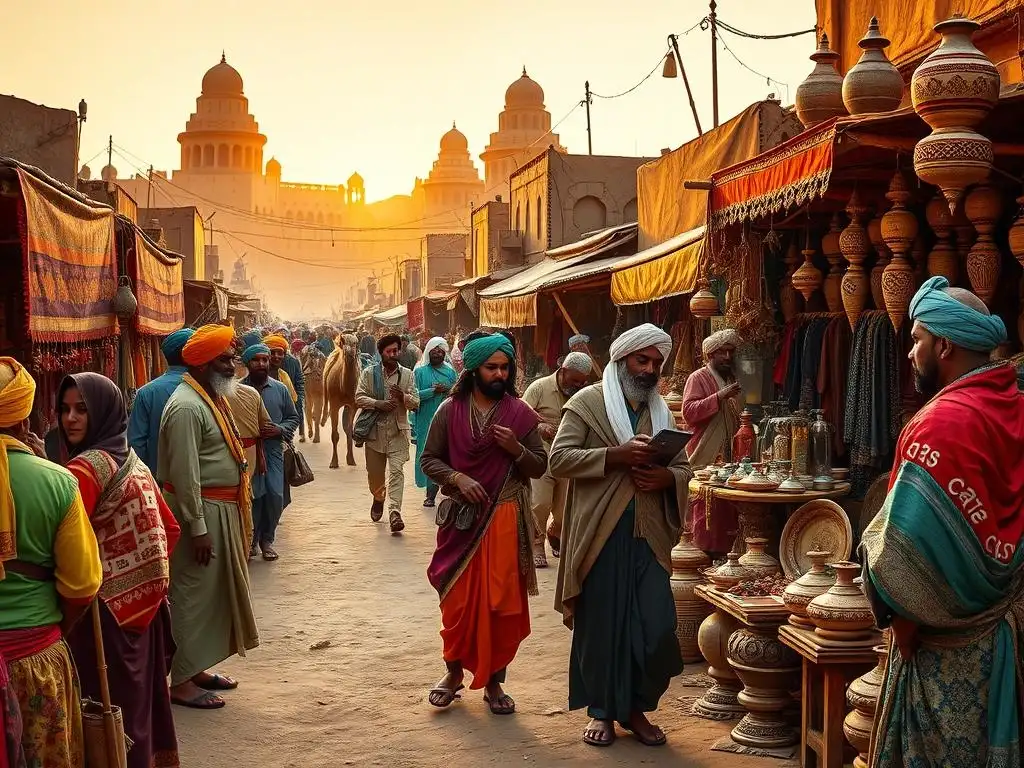
Welcome to Ancient India History, where we embark on a fascinating journey through the rich tapestry of ancient Indian civilizations. From the enigmatic Indus Valley to the illustrious Gupta Empire, our exploration unveils the cultural treasures and monumental contributions that shaped the subcontinent.
In this article, we delve into the intriguing role of Indian merchants in the Silk Road economy, revealing how their trade networks not only connected distant lands but also influenced the very fabric of global commerce. Prepare to uncover stories of adventure, innovation, and cultural exchange that will ignite your curiosity and inspire further exploration into the vibrant past of India!
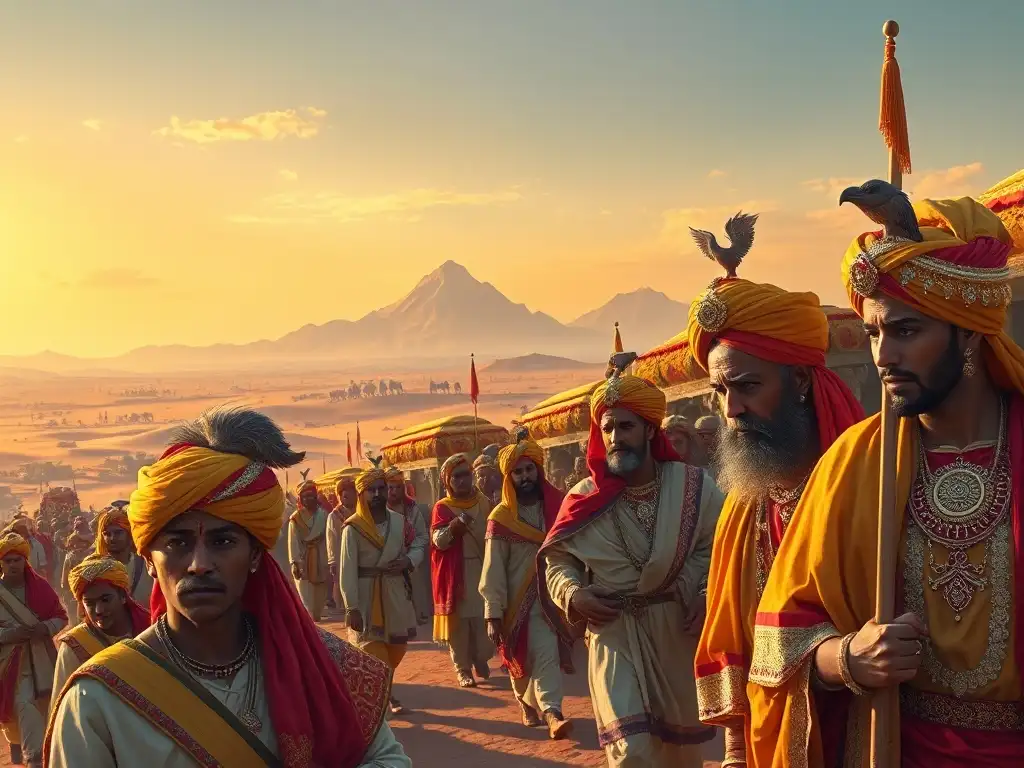
Introduction to the Indian Merchants and the Silk Road History
The intricate tapestry of the Silk Road not only interwove various cultures and civilizations but also served as a vital artery for trade across continents. Among the many contributors to this expansive network were Indian merchants, whose roles were pivotal in shaping the economic landscape of ancient trade.
This article delves into the fascinating history of Indian merchants within the context of the Silk Road, highlighting their contributions, practices, and the cities that became the epicenters of trade. Understanding the Indian merchants' Silk Road history offers valuable insights into how commerce facilitated cultural exchange and economic prosperity during ancient times.
Overview of the Silk Road
The Silk Road was not a singular route but rather a complex network of trade pathways that connected the East and West, spanning thousands of miles. Established during the Han Dynasty (206 BCE – 220 CE), this network facilitated the exchange of silk, spices, precious metals, textiles, and a plethora of other goods.
- Key Features of the Silk Road:
- Diverse Routes: Included both overland and maritime paths.
- Cultural Exchange: Enabled the transfer of not only goods but also ideas, religions, and innovations.
- Economic Impact: Boosted the economies of various regions, fostering the rise of powerful empires.
The Silk Road's legacy is profound, as it laid the groundwork for the global trade routes we see today.
Importance of Indian Merchants in Trade
Indian merchants were integral to the Silk Road economy, acting as intermediaries between Eastern and Western markets. Their contributions were multifaceted:
- Cultural Ambassadors: They facilitated the exchange of cultural practices and ideas, promoting the spread of religions such as Buddhism and Hinduism.
- Economic Catalysts: By trading goods such as spices, textiles, and gems, Indian merchants not only enriched their own economy but also stimulated the economies of the regions they interacted with.
- Technological Innovators: They introduced innovations in trade practices and navigation techniques, enhancing the efficiency of long-distance trade.
Their roles extended beyond mere trading; they were essential in forging connections between diverse cultures along the Silk Road.
Historical Context of Indian Merchants on the Silk Road
Ancient Indian Trade Practices
Ancient India boasted a rich tradition of trade, with merchants employing sophisticated methods that set the foundation for their success on the Silk Road.
- Bartering System: Trade often relied on bartering, where merchants exchanged goods directly without the use of currency.
- Trade Guilds: Organized groups of merchants, known as shrenis, played a significant role in regulating trade practices, ensuring quality, and providing mutual support.
- Navigational Skills: Indian merchants developed advanced navigational techniques, enabling them to traverse both land and maritime routes effectively.
These practices not only facilitated trade within India but also positioned Indian merchants as key players on the global stage.
Key Indian Trade Cities along the Silk Road
Several cities in ancient India became prominent trade hubs along the Silk Road, each contributing uniquely to the economy and culture.
- Taxila: A major center for trade and education, Taxila attracted merchants from various regions, fostering a vibrant marketplace.
- Ujjain: Known for its astronomical significance, Ujjain was also a bustling trade city where merchants exchanged goods from different parts of the world.
- Kannauj: Often referred to as the "capital of trade," Kannauj was pivotal in the silk and spice trade, connecting India with Central Asia and beyond.
These cities not only facilitated trade but also became melting pots of cultures, ideas, and innovations, further enriching the Silk Road's legacy.
Contributions of Indian Merchants to the Silk Road Economy
Indian merchants played a pivotal role in the Silk Road economy, serving as vital intermediaries between the East and West. Their contributions were not only economic but also cultural, fostering connections that transcended geographical boundaries. Indian traders facilitated the exchange of a wide array of goods, ideas, and innovations that enriched the cultures they interacted with.
The Silk Road, a complex network of trade routes, enabled these merchants to transport valuable commodities such as spices, textiles, and precious stones. Indian merchants were instrumental in establishing trade links that connected regions like the Indian subcontinent, Central Asia, and beyond. Their expertise in navigation and trade practices allowed them to thrive in a competitive environment, where they adapted to the needs of diverse markets.
Moreover, Indian merchants helped in the dissemination of technologies and cultural practices, including advancements in mathematics, astronomy, and medicine. Their interactions with various civilizations along the Silk Road fostered a spirit of collaboration, leading to a more interconnected world. The impact of Indian merchants on the Silk Road economy is a testament to their resilience and adaptability in an ever-changing landscape.
Trade Goods and Commodities Exchanged
The exchange of goods along the Silk Road was a dynamic process, with Indian merchants contributing significantly to this vibrant trade network. Some of the primary commodities exchanged included:
- Spices: India was renowned for its spices, including black pepper, cardamom, and cinnamon, which were highly sought after in markets across Asia and Europe.
- Textiles: Indian silk and cotton fabrics were prized for their quality and intricate designs. These textiles were often traded for precious metals and other goods.
- Precious Stones: Indian merchants also dealt in gemstones, including diamonds, rubies, and emeralds, which were considered luxury items in various cultures.
- Medicinal Herbs: Indian knowledge of herbal medicine made their herbs and spices popular among traders and consumers along the Silk Road.
The diversity of goods exchanged was not just limited to physical items; Indian merchants also facilitated the trade of ideas, philosophies, and religions, such as Buddhism and Hinduism, enriching the cultural tapestry of the regions they encountered.
Cultural Exchange and Influence
The role of Indian merchants in the Silk Road economy extended beyond commerce; they were catalysts for cultural exchange. As they traveled through various regions, they brought with them unique cultural practices, artistic expressions, and religious beliefs. This exchange led to significant influences on art, architecture, and social customs in the regions they visited.
For instance, the introduction of Indian art forms, such as sculpture and painting, influenced local artistic traditions in Central Asia and Southeast Asia. Additionally, Indian merchants often served as cultural ambassadors, promoting the teachings of Buddhism, which gradually spread into Central Asia and China, leading to the establishment of monasteries and a rich exchange of philosophical ideas.
The impact of this cultural interchange was profound, leading to the development of hybrid cultures that blended Indian traditions with local customs. This cultural fusion not only enriched the societies involved but also laid the foundation for future exchanges and interactions along the Silk Road.
Challenges Faced by Indian Merchants on the Silk Road
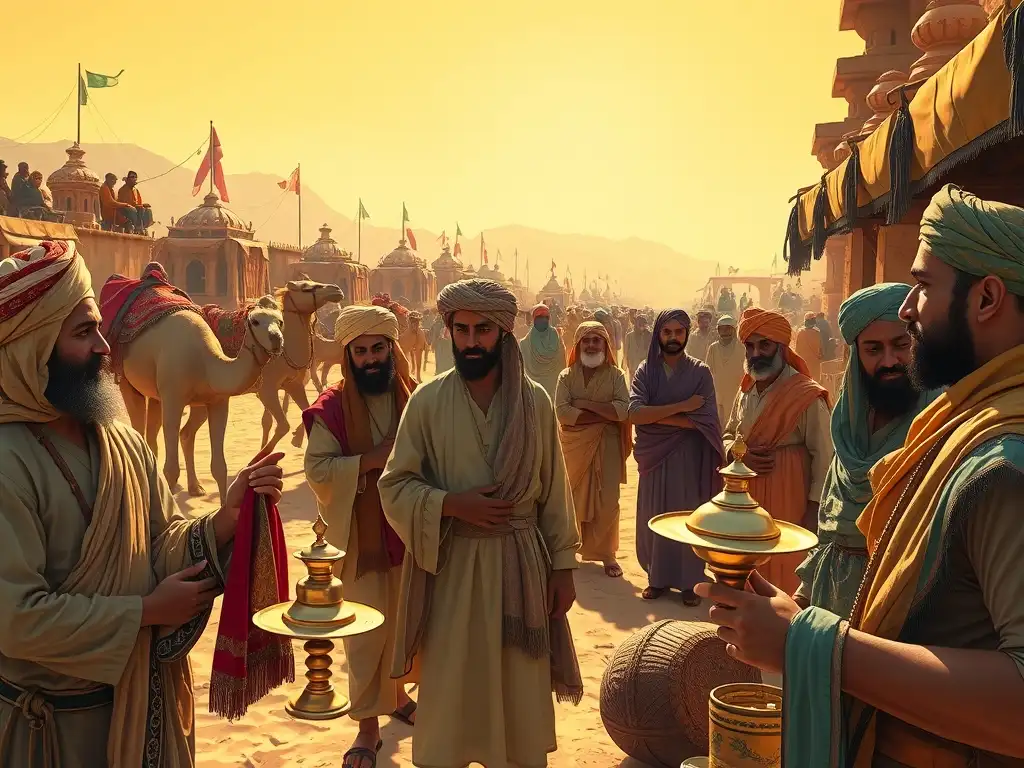
Despite their significant contributions, Indian merchants faced numerous challenges while navigating the complexities of the Silk Road. These obstacles often hindered trade and posed risks to their livelihoods.
Geographical Barriers and Travel Risks
The geographical landscape of the Silk Road presented substantial challenges for Indian merchants. The vast and varied terrain included:
- Mountain Ranges: The Himalayas and the Pamirs presented formidable barriers, making overland travel perilous due to harsh weather conditions and difficult routes.
- Deserts: The arid expanses of the Thar and Gobi Deserts posed risks of dehydration and disorientation, requiring careful planning and resource management.
- Rivers and Valleys: Navigating rivers and valleys could be treacherous, with potential for flooding or sudden changes in water levels.
Additionally, travel along the Silk Road was fraught with dangers, including:
- Banditry: Merchants often faced threats from bandits who targeted caravans, leading to the loss of goods and lives.
- Natural Disasters: Earthquakes, landslides, and sandstorms were common in certain regions, disrupting trade routes and causing delays.
Navigating these geographical challenges required not only resilience but also strategic planning and local knowledge, which Indian merchants developed over generations.
Political Turmoil and Changing Alliances
Political instability along the Silk Road also posed significant challenges for Indian merchants. The shifting landscape of power dynamics often created uncertainty in trade. Key factors included:
- Changing Borders: Frequent changes in territorial control and alliances among regional powers could affect the safety and legality of trade routes.
- Wars and Conflicts: Ongoing conflicts between empires and kingdoms disrupted trade and made certain routes dangerous or impassable.
- Economic Policies: Fluctuations in trade tariffs and regulations imposed by different rulers could impact profitability and access to markets.
Indian merchants had to navigate these political complexities, often relying on diplomacy and forging alliances with local leaders to ensure safe passage and favorable trading conditions. Their adaptability in the face of political turmoil was essential for their survival and success in the Silk Road economy.
The Legacy of Indian Merchants in Silk Road History
The legacy of Indian merchants in the context of the Silk Road is profound and multifaceted, reflecting their pivotal role in the exchange of goods, culture, and ideas across vast regions. Indian traders were not only involved in the direct trade of commodities such as spices, textiles, and precious stones, but they also acted as intermediaries, facilitating connections between the East and West. Their influence extended beyond mere commerce; they contributed to the cultural and intellectual exchanges that enriched societies along the Silk Road.
One of the most significant aspects of this legacy is the introduction of Indian goods and cultural elements to other civilizations. Indian merchants were instrumental in spreading the use of silk, spices, and intricate textiles, which became highly sought after in markets as far away as Rome and Persia. This cross-cultural exchange helped to shape the tastes and preferences of various societies, leading to a more interconnected world.
Moreover, Indian merchants established trade networks that laid the groundwork for future commerce. They utilized maritime routes alongside overland paths, which allowed them to access new markets and increase their trading power. This adaptability and innovation in trade practices set a precedent for future traders and merchants, influencing trade dynamics for centuries to come.
Long-term Economic Impact on India
The long-term economic impact of Indian merchants on the Silk Road was significant and transformative. As they engaged in trade with various cultures, Indian merchants contributed to the prosperity of local economies while simultaneously enriching their own. The influx of wealth from trade fostered urbanization, leading to the growth of cities that became important commercial hubs during the ancient and medieval periods.
Notably, the wealth generated from trade on the Silk Road allowed for advancements in infrastructure, such as improved roads and ports, which facilitated further trade activities. Indian cities, particularly those along the western coast such as Bharuch and Surat, became thriving centers of commerce, attracting merchants from diverse backgrounds. This economic prosperity also encouraged the development of various crafts and industries, enhancing India's production capabilities and fostering a culture of innovation.
Additionally, the exchange of goods and ideas contributed to the diversification of the Indian economy. The demand for exotic goods from other regions led to an increase in agricultural production, as well as advancements in textile manufacturing and metallurgy. Thus, the legacy of Indian merchants on the Silk Road not only bolstered their own economy but also played a crucial role in the broader economic landscape of Asia.
Influence on Future Trade Routes and Practices
The influence of Indian merchants on future trade routes and practices cannot be overstated. Their established networks and trading practices set foundational principles for commerce that would be utilized by subsequent generations. For instance, the importance of establishing trust and relationships in trade was emphasized by Indian merchants, who often relied on familial and community ties to facilitate transactions.
Additionally, the integration of various cultural elements into trade practices, such as the use of a common language for communication, became essential for enhancing trade efficiency. Merchants from India often adopted local customs and languages, which not only eased trade negotiations but also fostered mutual respect and understanding among diverse cultures. This practice would later be adopted by merchants across different regions, further promoting intercultural dialogue.
Furthermore, the routes pioneered by Indian merchants influenced the development of maritime trade in the Indian Ocean, which became a vital corridor for commerce between Asia, Africa, and Europe. The knowledge and navigational skills that Indian merchants possessed in maritime trade laid the groundwork for future explorations and trade expansions, showcasing their long-lasting impact on global trade dynamics.
Conclusion
Summary of Indian Merchants' Role in the Silk Road Economy
Indian merchants played an indispensable role in the Silk Road economy, acting as vital conduits for trade between diverse civilizations. Their contributions not only enriched their own society but also facilitated cultural and economic exchanges that shaped the historical trajectory of multiple regions. Through their innovative trading practices, establishment of networks, and dedication to fostering relationships, Indian merchants left a lasting imprint on the Silk Road's legacy.
Reflection on the Importance of Understanding Ancient Trade Dynamics
Understanding the dynamics of ancient trade, particularly the role of Indian merchants in the Silk Road, is crucial for comprehending the historical context of globalization. By examining how these merchants navigated complex trade networks and established cross-cultural connections, we gain insights into the early foundations of economic interdependence. This knowledge not only enriches our understanding of ancient history but also provides valuable lessons that can be applied to contemporary trade practices, illustrating the timeless nature of commerce and cultural exchange.
- Introduction to the Indian Merchants and the Silk Road History
- Historical Context of Indian Merchants on the Silk Road
- Contributions of Indian Merchants to the Silk Road Economy
- Challenges Faced by Indian Merchants on the Silk Road
- The Legacy of Indian Merchants in Silk Road History
- Conclusion
- What was the role of Indian merchants in the Silk Road economy?
- How did Indian merchants contribute to cultural exchange along the Silk Road?
- What were the key goods traded by Indian merchants on the Silk Road?
- How did the Silk Road impact the economy of ancient India?
- What were some challenges faced by Indian merchants on the Silk Road?
Frequently Asked Questions
What was the role of Indian merchants in the Silk Road economy?
Indian merchants played a crucial role by facilitating trade between Asia and Europe, exchanging goods such as spices, textiles, and precious stones.
How did Indian merchants contribute to cultural exchange along the Silk Road?
Through their trade activities, Indian merchants not only exchanged goods but also spread ideas, religions, and cultural practices, enriching the civilizations they interacted with.
What were the key goods traded by Indian merchants on the Silk Road?
Indian merchants primarily traded silks, spices, gems, and cotton textiles, which were highly valued in different cultures along the Silk Road.
How did the Silk Road impact the economy of ancient India?
The Silk Road significantly boosted the Indian economy by opening up new markets, increasing wealth through trade, and promoting urban development in key trading cities.
What were some challenges faced by Indian merchants on the Silk Road?
Indian merchants faced challenges such as banditry, harsh climates, and political instability in regions along the Silk Road, which could disrupt trade routes and affect their businesses.
Final Reflection: The Enduring Legacy of Indian Merchants on the Silk Road
The exploration of Indian merchants' pivotal role in the Silk Road economy reveals not only a rich historical tapestry but also a profound relevance to our contemporary global trade dynamics. As we navigate an increasingly interconnected world, understanding the contributions of these early traders offers invaluable insights into the foundations of commerce, cultural exchange, and diplomacy that continue to shape our societies today. The legacy of Indian merchants is a testament to the power of trade as a bridge between diverse cultures and economies.
Clearly, the influence of Indian merchants extends far beyond their historical context; it resonates in our modern cultural and social landscapes. Their ability to navigate complex trade routes and foster relationships across vast distances exemplifies the spirit of collaboration and innovation that is essential in today's global economy. Trade is not just about goods; it is about building relationships and understanding different cultures.
This perspective encourages us to appreciate the intricate web of connections that commerce creates, reminding us that every transaction carries the potential for cultural enrichment and mutual respect.
As we reflect on the lessons from the history of Indian merchants along the Silk Road, I invite you to consider how you can embody their spirit of connection and collaboration in your own life. Embrace the opportunities to engage with diverse cultures and perspectives, whether through travel, education, or community involvement. Let the legacy of these merchants inspire you to forge your own paths of understanding and cooperation in a world that often feels divided. In doing so, we honor their contributions and continue the journey of building bridges that transcend borders.
Unveil the Legacy of Indian Merchants!
Thank you for taking the time to explore the pivotal role of Indian merchants in the Silk Road economy. Your interest not only sheds light on a fascinating chapter of history but also highlights the enduring impact of trade and cultural exchange. Now, let's transform your newfound knowledge into action!
- Dive deeper into the stories of specific Indian merchants and their contributions by exploring additional resources available on our website.
- Share this article with friends or on social media to inspire discussions about the rich history of the Silk Road.
- Join a community of history enthusiasts by participating in our forum, where you can discuss trends, share insights, and connect with others who share your passion.
What aspect of the Silk Road do you find most intriguing—trade, cultural exchange, or the personal stories of the merchants? We would love to hear your thoughts!