
The Journey of Indian Mythology in Southeast Asian Arts

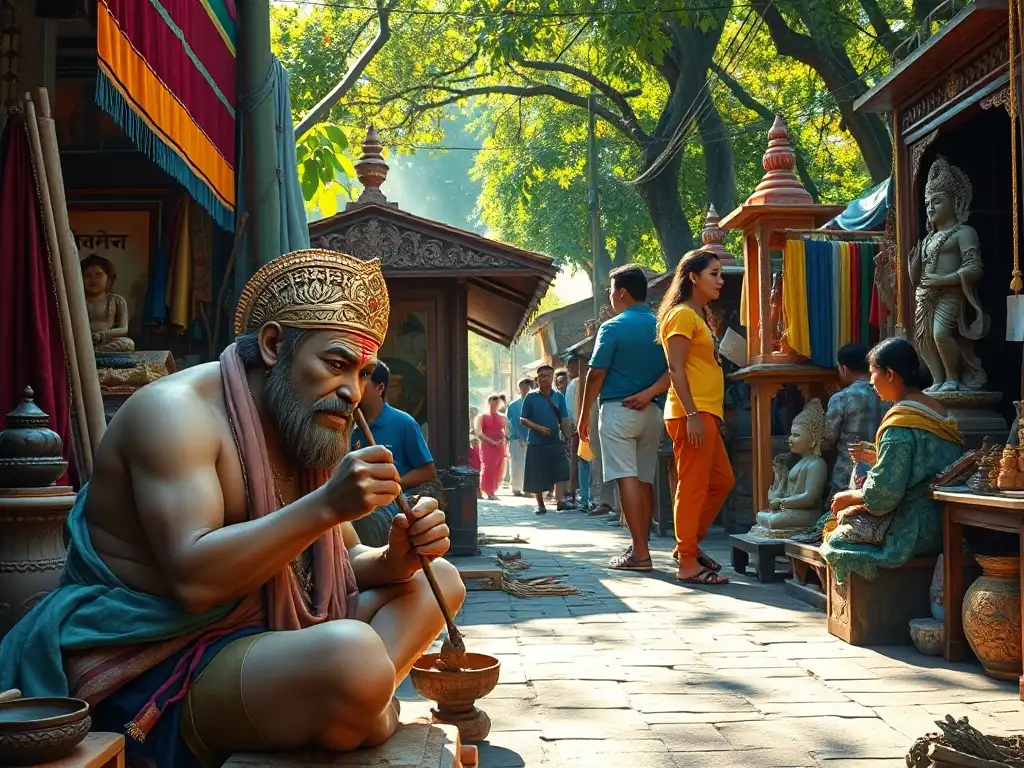
Welcome to Ancient India History, where we embark on a fascinating exploration of the rich and diverse tapestry woven by ancient Indian civilizations. From the vibrant streets of the Indus Valley to the intellectual heights of the Gupta Empire, the influence of Indian mythology has transcended borders, leaving an indelible mark on cultures far and wide. In our featured article, "The Journey of Indian Mythology in Southeast Asian Arts," we delve into how these age-old stories have shaped artistic expressions throughout Southeast Asia.
Join us on this enlightening journey and uncover the profound connections that continue to resonate through time. Are you ready to discover the captivating legacy of Indian mythology?
Introduction to Indian Mythology and Its Significance
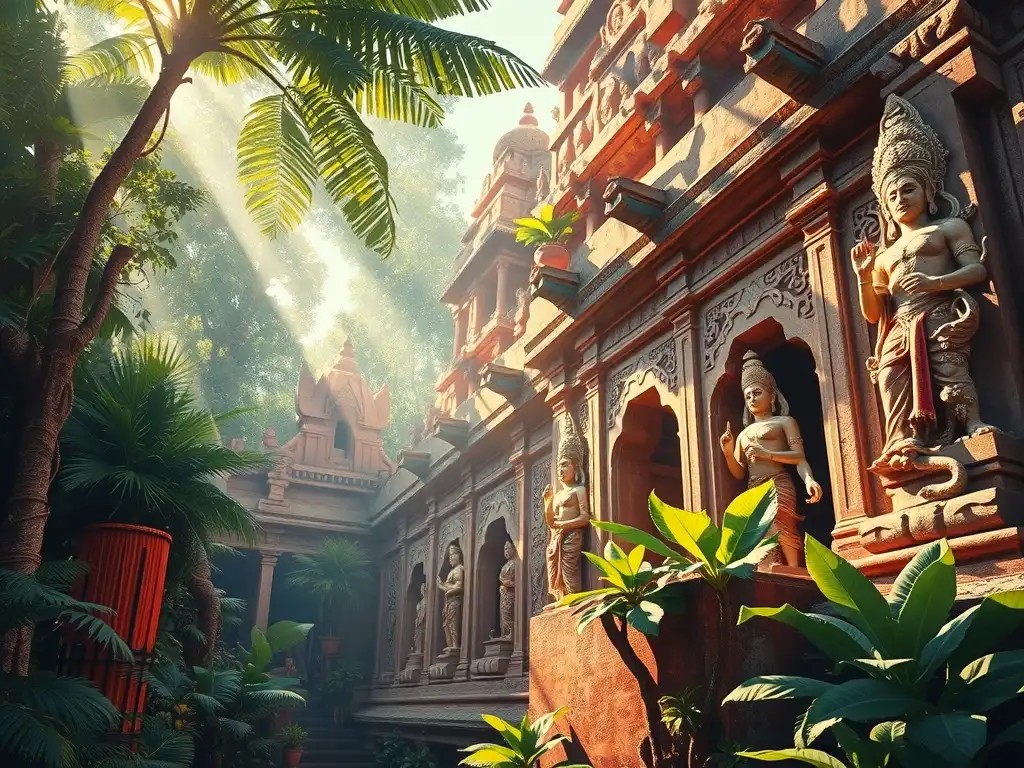
Indian mythology, a rich tapestry of stories, deities, and epic narratives, has significantly shaped not only the cultural landscape of India but also the broader regions of Southeast Asia. This influence is deeply rooted in the shared history of trade, migration, and cultural exchanges that occurred over centuries.
The captivating tales from the Vedas, Puranas, and epics like the Mahabharata and Ramayana have transcended geographical boundaries, resonating with diverse audiences. As we delve into the journey of Indian mythology in Southeast Asian arts, we uncover how these narratives have inspired artistic expressions, religious practices, and cultural identities throughout the region.
Overview of Indian Mythology
Indian mythology encompasses a wide array of deities, myths, and legends that reflect the philosophical and spiritual ethos of ancient Indian civilizations. Key elements include:
- Deities: Major gods and goddesses such as Brahma, Vishnu, Shiva, and Devi, each representing different aspects of life and the cosmos.
- Epics: The Mahabharata and Ramayana serve as foundational texts that not only narrate heroic tales but also impart moral and ethical lessons.
- Cosmology: Concepts of creation, destruction, and the cyclical nature of time are central to Indian mythological thought.
These narratives have been intricately woven into the cultural fabric of Southeast Asia, influencing local beliefs, rituals, and artistic traditions.
Importance of Mythology in Cultural Identity
Mythology plays a crucial role in shaping cultural identity by providing a shared narrative that binds communities together. In Southeast Asia, the adoption and adaptation of Indian myths have led to:
- Religious Syncretism: The integration of Hindu and Buddhist elements in local beliefs, creating unique spiritual practices.
- Artistic Expression: Mythological themes have inspired various art forms, including dance, sculpture, and theater, enriching the cultural heritage of countries like Indonesia, Cambodia, and Thailand.
- National Identity: Myths often serve as symbols of national pride and heritage, reinforcing a sense of belonging and continuity among diverse populations.
The impact of Indian mythology on Southeast Asian arts is profound, serving as a bridge between ancient traditions and contemporary cultural expressions.
Historical Context of Indian Influence in Southeast Asia
To fully appreciate the journey of Indian mythology in Southeast Asian arts, it is essential to understand the historical context of Indian influence in the region. This influence can be traced back to early trade routes and maritime networks that facilitated cultural exchanges between India and Southeast Asia.
Early Trade Routes and Cultural Exchanges
From as early as the 1st century CE, Indian merchants and traders established significant trade routes connecting the Indian subcontinent with Southeast Asia. These routes facilitated not only the exchange of goods such as spices, textiles, and precious metals but also the dissemination of ideas, beliefs, and artistic practices. Key aspects include:
- Cultural Interactions: Indian traders brought with them not just commodities but also stories, religious practices, and artistic techniques that were absorbed and adapted by local cultures.
- Establishment of Indian Kingdoms: The rise of Indianized kingdoms such as Srivijaya and Majapahit in Southeast Asia further solidified the influence of Indian mythology and culture.
The Spread of Indian Culture through Maritime Networks
The maritime routes, particularly through the Indian Ocean, became conduits for cultural exchange between coastal regions of India and Southeast Asia. This interaction led to:
- Spread of Hinduism and Buddhism: Indian religious philosophies found fertile ground in Southeast Asia, resulting in a harmonious blend of local traditions with Indian mythological themes.
- Artistic Flourishing: The integration of Indian mythology into local art forms, such as the intricate bas-reliefs of Angkor Wat and the shadow puppetry of Java, showcases the enduring legacy of Indian influence in Southeast Asian arts.
As we continue to explore the journey of Indian mythology in Southeast Asian arts, it becomes evident that this cultural exchange has left an indelible mark on the artistic expressions and spiritual practices of the region.
Key Aspects of Indian Mythology in Southeast Asian Arts
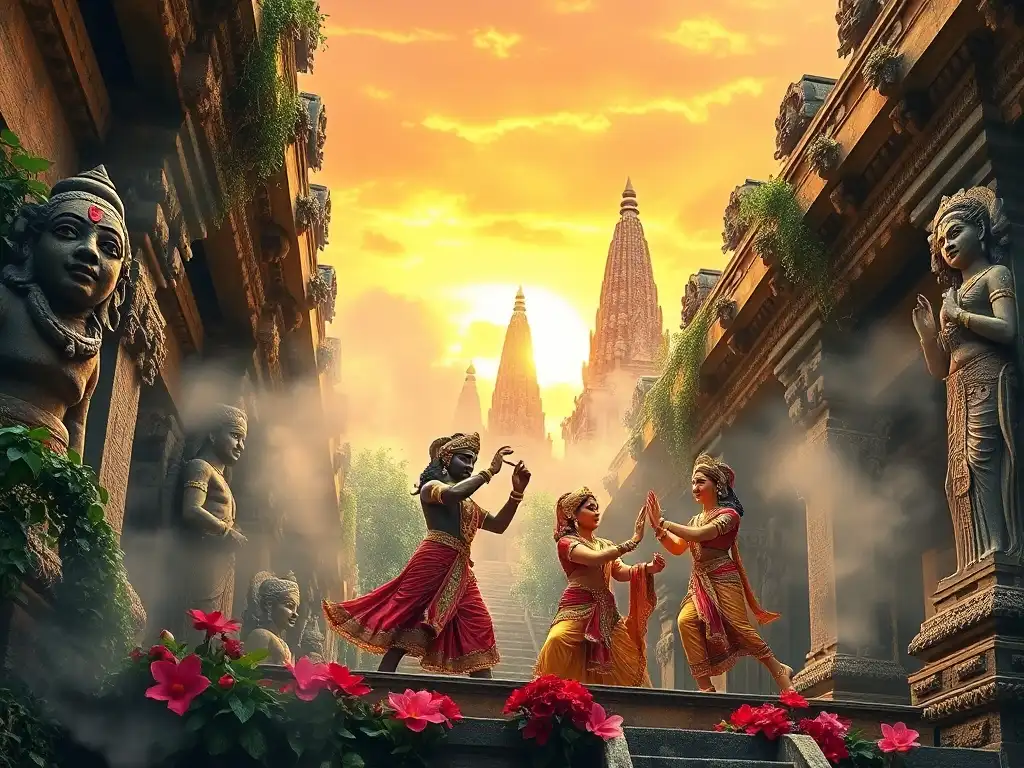
The influence of Indian mythology on Southeast Asian arts is profound and multifaceted, weaving a rich tapestry that reflects the cultural exchanges between India and its southeastern neighbors. This influence can be observed in various art forms, storytelling traditions, and religious practices that have evolved over centuries. Key aspects include:
- Integration of Mythological Themes: Indian mythology, particularly the epics like the Ramayana and the Mahabharata, has inspired countless tales, sculptures, and performances across Southeast Asia. These narratives often undergo localization, adapting to the local cultural context while retaining core mythological themes.
- Symbolism and Iconography: The symbolism inherent in Indian mythology, such as the representation of divine figures and significant motifs, has been embraced and reinterpreted in Southeast Asian art. This includes the use of specific colors, forms, and patterns that reflect both Indian and local beliefs.
- Religious Syncretism: The melding of Hindu and Buddhist ideologies in Southeast Asia has led to unique artistic expressions that incorporate elements from both traditions. This syncretism can be seen in the architectural designs of temples and the depiction of mythological figures in various art forms.
Representation of Hindu Deities in Southeast Asian Art
The representation of Hindu deities in Southeast Asian art showcases the deep-rooted influence of Indian mythology in the region. Temples such as Angkor Wat in Cambodia and Prambanan in Indonesia are adorned with intricate carvings depicting Hindu gods like Vishnu, Shiva, and Durga.
- Stylistic Adaptations: While the representations often follow traditional Indian iconography, local artistic styles have infused these depictions with unique characteristics. For example, the features of the deities may reflect regional aesthetics, showcasing a blend of Indian and indigenous artistic elements.
- Cultural Significance: The portrayal of these deities not only serves a religious purpose but also acts as a means of cultural identity for various Southeast Asian societies. Temples dedicated to these deities often become centers of community life and spiritual practice.
- Festivals and Rituals: Many Southeast Asian cultures celebrate festivals that honor these Hindu deities, further embedding their representations in local art. This interplay of art, mythology, and ritual underscores the enduring legacy of Indian mythology in the region.
Influence of Buddhist Mythology on Southeast Asian Art Forms
Buddhism, which spread from India to Southeast Asia, also brought along its rich mythology, significantly influencing local art forms. The stories of the Buddha, bodhisattvas, and various Buddhist deities have been creatively interpreted across different mediums.
- Narrative Reliefs: Many Buddhist temples, such as Borobudur in Indonesia, feature elaborate reliefs that depict the life of the Buddha and key events from Buddhist texts. These artworks serve both educational and spiritual purposes, inviting viewers to engage with the teachings of Buddhism.
- Iconography of Compassion: The representation of compassionate figures like Avalokiteshvara in Southeast Asian art highlights the integration of Buddhist values into the region’s artistic expression. These figures are often depicted with distinctive attributes that resonate with local beliefs.
- Cultural Fusion: The interaction between Buddhist and local traditions has led to the creation of hybrid art forms that showcase the unique cultural identity of Southeast Asian societies, illustrating how Indian mythology has been adapted and reinterpreted.
Specific Art Forms Influenced by Indian Mythology
The impact of Indian mythology on Southeast Asian arts is evident in several specific forms, each reflecting the rich cultural exchanges between the regions.
Sculpture and Relief Work
Sculpture and relief work in Southeast Asia have been significantly shaped by Indian mythology, with intricate carvings and statues often depicting mythological figures and narratives.
- Temple Architecture: Many temples showcase grand sculptures that illustrate stories from the Ramayana and Mahabharata, often integrated into the very architecture of the structures. These sculptures serve as both decorative elements and didactic tools.
- Local Techniques: While Indian techniques and styles laid the foundation, local artisans have developed their own methods, resulting in a distinctive style that reflects both Indian influence and local craftsmanship.
- Cultural Narratives: The sculptures often tell stories that resonate with local audiences, making mythological themes accessible and relevant to the cultural context of Southeast Asia.
Painting and Mural Art
Painting and mural art in Southeast Asia have also been deeply influenced by Indian mythology, often used to convey religious narratives and cultural stories.
- Narrative Murals: Many temples and public spaces feature murals that depict mythological scenes, serving as visual storytelling tools. These murals are essential for preserving and communicating cultural heritage.
- Color and Symbolism: The use of vibrant colors and symbolic representations in these artworks reflects the aesthetic values of both Indian and Southeast Asian traditions, creating a unique visual language.
- Cultural Heritage: The integration of Indian mythological themes into local painting styles not only enhances artistic expression but also reinforces cultural identity and continuity.
Dance and Performance Arts
Dance and performance arts are another area where Indian mythology has made a significant impact in Southeast Asia, blending storytelling with physical expression.
- Classical Dance Forms: Many traditional dance forms in Southeast Asia, such as Balinese and Thai dance, incorporate movements and stories derived from Indian mythology. These performances often depict mythological narratives, engaging audiences with their rich storytelling.
- Ritualistic Performances: Dance is frequently used in religious rituals, serving as a medium to honor deities and narrate mythological tales. This performance aspect reinforces the spiritual significance of the stories conveyed.
- Cultural Exchange: The adaptation of Indian dance forms into local traditions illustrates a dynamic cultural exchange, with performances evolving to reflect the unique identities of various Southeast Asian cultures while maintaining their mythological roots.
Case Studies of Indian Mythology Influence in Southeast Asian Countries
The influence of Indian mythology on Southeast Asian cultures can be observed through various art forms, architecture, and traditions. The migration of Indian traders, scholars, and monks brought narratives, beliefs, and practices that intermingled with local cultures, resulting in unique adaptations of Indian mythological tales and figures. Let's explore specific case studies from three Southeast Asian countries that highlight this rich cultural exchange.
Indonesia: The Ramayana in Wayang Kulit
In Indonesia, particularly in Java and Bali, Wayang Kulit, a traditional puppet theater, serves as a vibrant medium for retelling the Ramayana. This ancient epic, originally from India, finds new expression through intricate shadow puppetry, with stories often adapted to reflect local values and societal norms.
The characters of the Ramayana, such as Rama, Sita, and Hanuman, are portrayed through elaborately crafted puppets made from buffalo hide. The performances are not merely entertainment; they are infused with deep philosophical and spiritual meanings.
The Wayang Kulit shows often incorporate gamelan music, which enriches the storytelling experience. These performances are typically held during important cultural celebrations, showcasing how Indian mythology has been seamlessly woven into the fabric of Indonesian cultural identity.
Cambodia: Indian Mythology in Angkor Wat
Angkor Wat, the largest religious monument in the world, is a testament to the profound influence of Indian mythology in Cambodia. Originally built as a Hindu temple dedicated to the god Vishnu, the temple complex is adorned with intricate bas-reliefs that narrate scenes from the Ramayana and the Mahabharata.
These carvings not only depict mythological stories but also reflect the Khmer empire's cultural and spiritual beliefs, demonstrating a fusion of Indian and local artistic styles. The Churning of the Ocean of Milk, a popular motif, symbolizes the cosmic struggle between good and evil, emphasizing the moral lessons central to Indian mythology.
Over time, Angkor Wat transitioned into a Buddhist temple, yet the Indian mythological elements remain integral to its identity, showcasing the enduring legacy of Indian influence in Cambodia's cultural landscape.
Thailand: The Role of Hindu Gods in Thai Culture
In Thailand, Indian mythology has significantly shaped the cultural and religious practices, particularly through the integration of Hindu deities such as Brahma, Vishnu, and Shiva. The Thai version of the Ramayana, known as Ramakien, is a staple of Thai literature and dance, illustrating the adaptability of Indian narratives to local contexts.
The annual Loy Krathong festival, which celebrates the goddess of water, reflects the intertwining of Hindu and Buddhist traditions, showcasing the reverence for deities from Indian mythology. In Thai temples, intricate murals often depict scenes from the Ramayana and Mahabharata, merging the aesthetics of Indian art with Thai craftsmanship.
Moreover, the royal ceremonies in Thailand frequently invoke Hindu elements, highlighting the continued relevance of these mythological figures in contemporary Thai identity and culture.
The Contemporary Relevance of Indian Mythology in Southeast Asian Arts
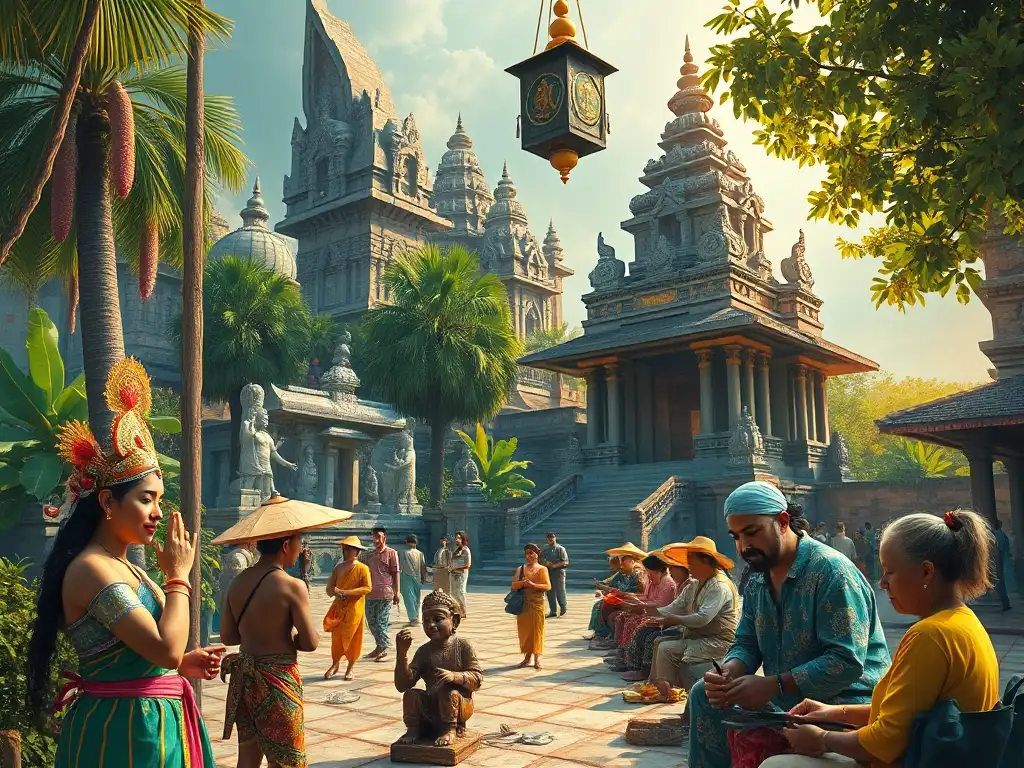
The impact of Indian mythology on Southeast Asian arts is not confined to historical narratives; it continues to resonate in modern forms of expression. Contemporary artists and writers draw inspiration from these ancient tales, reflecting their relevance in today’s society.
Revival of Traditional Arts and Mythology
In recent years, there has been a revival of interest in traditional art forms that integrate Indian mythology. This revival is characterized by a renewed appreciation for local interpretations of epic tales.
Performances of Wayang Kulit and traditional dance dramas based on the Ramayana and Mahabharata are being revitalized, often infused with contemporary themes that resonate with modern audiences. Art festivals and cultural events across Southeast Asia now feature these traditional performances, showcasing the adaptability and enduring relevance of Indian mythology in a rapidly changing world.
Indian Mythology in Modern Southeast Asian Literature and Media
The influence of Indian mythology extends into modern literature and media, where authors and filmmakers incorporate mythological themes and characters into their narratives.
In Thailand, for instance, contemporary novels and films often reference the Ramakien, exploring themes of love, duty, and morality through a modern lens. In Indonesia, popular television series frequently adapt the Ramayana, bringing these ancient stories to life for new generations.
This blend of traditional and modern storytelling not only keeps the mythological narratives alive but also encourages cultural dialogue and appreciation among diverse audiences. By bridging the past with the present, Southeast Asian artists continue to celebrate and reinterpret the influence of Indian mythology in ways that are relevant and engaging today.
Conclusion: The Enduring Legacy of Indian Mythology in Southeast Asia
The influence of Indian mythology on Southeast Asian arts is profound and enduring. This legacy is visible in the region's architecture, literature, dance, and visual arts, revealing a complex tapestry of cultural integration. As Indian mythological themes interwove with local traditions, they not only enriched the aesthetic landscape but also fostered a shared cultural identity. The recurring motifs of gods and goddesses, epic narratives, and moral lessons from Indian texts like the Ramayana and Mahabharata continue to resonate in Southeast Asian societies, highlighting the historical connections forged through trade, migration, and the dissemination of ideas.
The cultural exchanges that transpired over centuries have resulted in a unique amalgamation of styles and forms, exemplified in the intricate carvings of Angkor Wat in Cambodia and the classical dance forms in Thailand and Indonesia. These art forms not only serve as a testament to the artistic ingenuity of the region but also as a medium for spiritual expression and communal storytelling. The endurance of Indian mythological influences in Southeast Asia underscores the dynamic nature of cultural interactions and their capacity to transcend geographical and temporal boundaries.
Summary of Cultural Exchanges and Their Impact
Cultural exchanges between India and Southeast Asia have been pivotal in shaping the artistic landscape of the region. From the early centuries of trade routes that facilitated the movement of goods and ideas, elements of Indian mythology began to permeate local cultures.
- Trade and Migration: Merchants, scholars, and monks traveled between India and Southeast Asia, bringing with them not only goods but also religious beliefs and mythological narratives.
- Adaptation and Assimilation: Southeast Asian cultures adapted Indian myths to reflect their own values and societal norms. For instance, the story of Rama has been localized in various forms, such as the "Ramayana" in Indonesia, where it is infused with local legends and characters.
- Artistic Expression: The impact of Indian mythology is evident in the visual arts, such as the bas-reliefs of temples that depict scenes from Indian epics, as well as in traditional performances that narrate these stories through dance and music.
These exchanges have not only enriched Southeast Asian arts but have also fostered a sense of unity and shared heritage among diverse communities.
Future Directions for Research on Indian Mythology Influence in Southeast Asia
As we continue to explore the influence of Indian mythology in Southeast Asia, several avenues for future research emerge. Scholars can focus on:
- Interdisciplinary Approaches: Combining archaeology, anthropology, and art history to provide a more holistic understanding of the cultural exchanges.
- Contemporary Interpretations: Investigating how modern artists and performers draw upon Indian mythological themes in their work today, thereby reflecting ongoing cultural dialogues.
- Comparative Studies: Examining the similarities and differences in the adaptation of Indian myths across various Southeast Asian nations, which could uncover unique regional interpretations and innovations.
Additionally, engaging with local communities and practitioners can offer valuable insights into the living traditions that continue to be influenced by Indian mythology.
References and Further Reading
Recommended Books and Articles on Indian Mythology
- "The Ramayana: A New Translation": by Robert Alter - This modern translation provides insights into the epic's themes and its cultural significance.
- "Indian Mythology: A Captivating Guide to Indian Mythology": by Matt Clayton - A comprehensive overview of the myths and their influence across cultures, including Southeast Asia.
- "The Mahabharata: A Modern Rendering": by Ramesh Menon - This retelling captures the essence of the Mahabharata and its relevance in various cultural contexts.
Online Resources for Exploring Indian Influence in Southeast Asian Arts
- Southeast Asian Arts Online Portal: A digital resource featuring articles, videos, and galleries showcasing the impact of Indian mythology on local arts.
- The Indus Valley Civilization and Beyond: An online repository of research papers and findings related to ancient cultural exchanges between India and Southeast Asia.
- YouTube Channels on Cultural Heritage: Channels dedicated to exploring the connections between Indian and Southeast Asian arts, providing visual representations of performances and art forms influenced by Indian mythology.
By diving into these resources, readers can further appreciate the intricate web of cultural exchanges that continue to shape Southeast Asia's artistic landscape, rooted deeply in Indian mythology.
- Introduction to Indian Mythology and Its Significance
- Overview of Indian Mythology
- Importance of Mythology in Cultural Identity
- Historical Context of Indian Influence in Southeast Asia
- Key Aspects of Indian Mythology in Southeast Asian Arts
- Specific Art Forms Influenced by Indian Mythology
- Case Studies of Indian Mythology Influence in Southeast Asian Countries
- The Contemporary Relevance of Indian Mythology in Southeast Asian Arts
- Conclusion: The Enduring Legacy of Indian Mythology in Southeast Asia
- References and Further Reading
- What is the significance of Indian mythology in Southeast Asia?
- How did Indian mythology spread to Southeast Asia?
- What are some key artistic influences of Indian mythology in Southeast Asia?
- Can you provide examples of Indian mythology in Southeast Asian architecture?
- How does Indian mythology continue to influence contemporary Southeast Asian culture?
Frequently Asked Questions
What is the significance of Indian mythology in Southeast Asia?
Indian mythology has had a profound influence on Southeast Asian culture, shaping art, literature, and religious practices throughout the region.
How did Indian mythology spread to Southeast Asia?
The spread of Indian mythology occurred through trade routes, cultural exchanges, and the efforts of Brahmin priests who traveled to Southeast Asia, introducing their beliefs and narratives.
What are some key artistic influences of Indian mythology in Southeast Asia?
Southeast Asian art often reflects Indian themes, such as the depiction of gods like Vishnu and Shiva, and stories from epic texts like the Ramayana and Mahabharata.
Can you provide examples of Indian mythology in Southeast Asian architecture?
Temples like Angkor Wat in Cambodia and the Prambanan in Indonesia showcase intricate carvings and designs that are deeply rooted in Indian mythology and narrative traditions.
How does Indian mythology continue to influence contemporary Southeast Asian culture?
Even today, festivals, traditional performances, and literature in Southeast Asia are heavily inspired by Indian mythology, demonstrating its lasting impact on the region's cultural identity.
Final Reflection: The Enduring Legacy of Indian Mythology in Southeast Asia
The intricate tapestry of Indian mythology has woven itself deeply into the cultural fabric of Southeast Asia, illustrating how stories transcend borders and time. Today, as we witness a resurgence of interest in cultural heritage and identity, the influence of Indian mythology remains a powerful testament to the interconnectedness of our histories. The rich narratives and archetypes that originated in India continue to resonate, reminding us that these ancient tales are not merely relics of the past, but living stories that shape contemporary art and culture.
The impact of Indian mythology on Southeast Asian arts is profound and multifaceted, influencing everything from dance and theater to visual arts and literature. This cultural exchange has fostered a unique blend of traditions, enriching local narratives while preserving the essence of Indian mythological themes. As noted by scholar R. S. Sharma, Cultural exchanges are not just about borrowing; they are about transformation and adaptation.
This ongoing dialogue between cultures highlights the importance of understanding our shared histories and the ways in which they continue to inform our identities today.
As we reflect on the journey of Indian mythology in Southeast Asia, I invite you to explore how these ancient stories resonate in your own life. Consider the values, lessons, and archetypes present in these narratives and how they might inspire you to embrace your cultural roots while celebrating the diversity of others. Let us carry forward the legacy of these timeless tales, allowing them to guide our actions and foster a deeper appreciation for the rich tapestry of human experience that connects us all.
Unveil the Richness of Indian Mythology in Southeast Asian Arts!
Thank you for taking the time to explore the fascinating interplay between Indian mythology and Southeast Asian arts. You've unlocked the door to a captivating historical journey that highlights cultural exchange and artistic evolution. Now it's time to take that inspiration further!
Here's how you can dive deeper:
- Visit local museums or galleries that showcase Southeast Asian art. Seek out exhibitions that focus on mythological influences!
- Join an online community dedicated to the exploration of mythology and the arts, where you can share your insights and discoveries with fellow enthusiasts.
- Create an artwork or compose a piece of writing inspired by a mythological story that captivates you; let your imagination breathe new life into ancient tales!
Which aspects of Indian mythology in Southeast Asian arts resonate most deeply with you, and how do you envision incorporating them into your own creative expression?