
How the Indus Valley Civilization Contributed to Modern Urban Planning

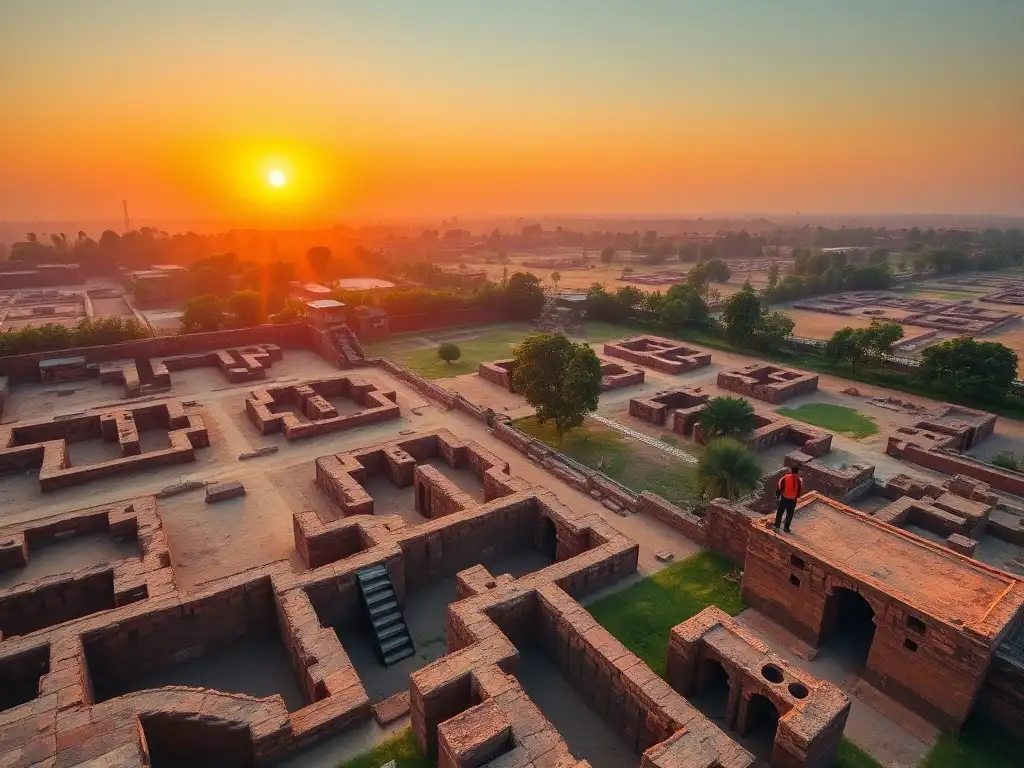
Welcome to Ancient India History, where we embark on an exhilarating journey through time to uncover the rich tapestry of ancient Indian civilizations. As we explore the intricate details of their culture and remarkable contributions, prepare to be captivated by the groundbreaking achievements of the Indus Valley Civilization. In our featured article, "How the Indus Valley Civilization Contributed to Modern Urban Planning," we delve deep into the innovative urban planning contributions that continue to influence contemporary society. Join us as we unravel the mysteries of the past and discover how these ancient pioneers shaped the cities we inhabit today.
- Introduction to the Indus Valley Civilization and Urban Planning
- Key Features of Indus Valley Urban Planning
- The Social and Economic Impacts of Urban Planning in the Indus Valley
- Technological Innovations in Indus Valley Urban Planning
- Comparisons with Modern Urban Planning Concepts
- Conclusion: Lasting Legacy of Indus Valley Urban Planning Contributions
-
Frequently Asked Questions
- What were the key features of Indus Valley urban planning?
- How did the drainage system of the Indus Valley impact urban planning?
- What role did the concept of zoning play in Indus Valley cities?
- How did the Indus Valley contribute to modern architectural practices?
- Why is the study of Indus Valley urban planning relevant today?
- Final Reflection: The Enduring Legacy of Indus Valley Urban Planning
- Unveil the Secrets of Urban Innovation!
Introduction to the Indus Valley Civilization and Urban Planning
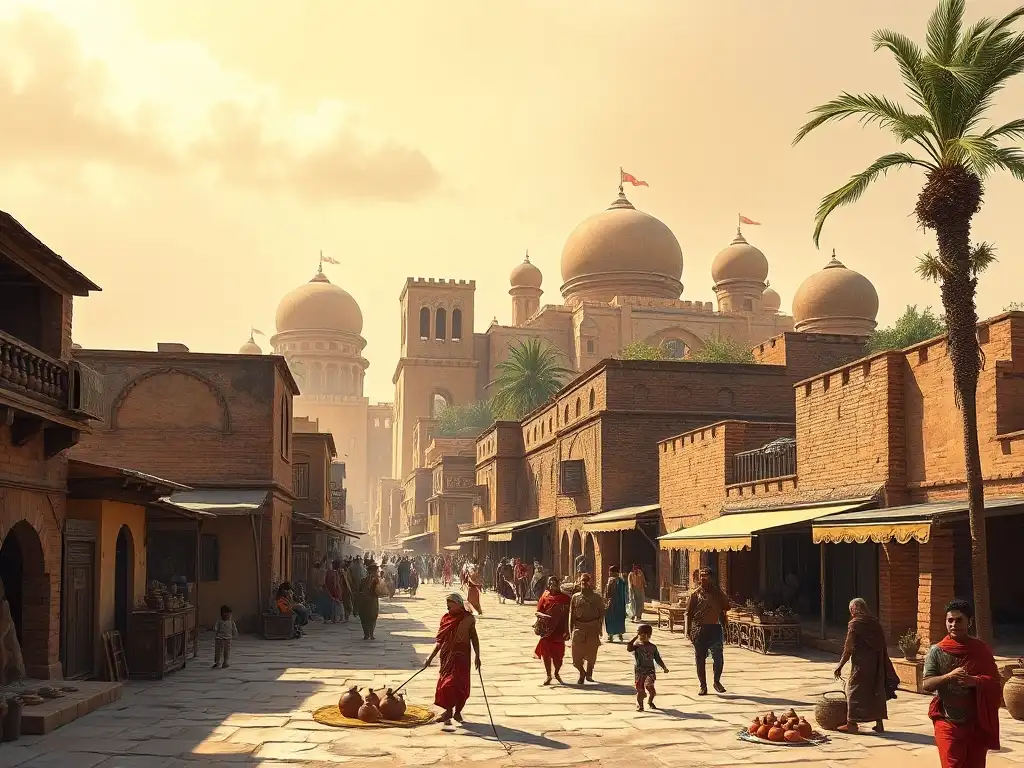
The Indus Valley Civilization (IVC), one of the earliest urban cultures in the world, flourished around 2500 BCE in what is now modern-day Pakistan and northwest India. Known for its advanced city planning, sophisticated drainage systems, and standardized weights and measures, the IVC stands as a testament to the ingenuity and organizational skills of its people. This civilization not only laid the foundations for urban development in the region but also influenced future generations. In this article, we will explore how the urban planning contributions of the Indus Valley Civilization resonate in contemporary urban design and infrastructure.
Overview of the Indus Valley Civilization
The Indus Valley Civilization, often referred to as the Harappan Civilization, emerged as a major urban center during the Bronze Age. It encompassed a vast geographical area, with significant cities such as Harappa, Mohenjo-Daro, and Dholavira. Key characteristics of this civilization include:
- Urban Layout: Cities were meticulously planned with a grid-like structure, featuring wide streets and well-defined residential and commercial areas.
- Advanced Drainage Systems: The IVC is renowned for its sophisticated drainage systems, which included covered drains and individual toilets in homes, showcasing an early understanding of sanitation and public health.
- Standardized Weights and Measures: The civilization developed a uniform system of weights and measures, facilitating trade and economic activity across vast distances.
- Public Amenities: Structures such as the Great Bath at Mohenjo-Daro indicate a strong emphasis on public hygiene and communal activities.
These elements reflect a high level of social organization and an understanding of urban needs that paved the way for future urban planning concepts.
Importance of Urban Planning in Ancient Civilizations
Urban planning has always played a pivotal role in the development of societies, influencing everything from economic prosperity to social cohesion. In ancient civilizations, effective urban planning contributed to:
- Economic Efficiency: Well-planned cities enabled efficient trade and commerce, facilitating the exchange of goods and ideas.
- Social Stability: A structured urban environment fostered community ties and facilitated social interactions, promoting a sense of belonging among inhabitants.
- Public Health: Advanced sanitation and waste management systems helped prevent disease outbreaks, enhancing the overall quality of life for residents.
- Cultural Exchange: Urban centers acted as hubs for cultural interaction, allowing for the exchange of knowledge, art, and traditions.
The urban planning strategies employed by the Indus Valley Civilization not only addressed the needs of their society but also set a precedent for future cities around the world.
Purpose of the Article: Exploring Indus Valley Urban Planning Contributions
This article aims to delve into the specific contributions of the Indus Valley Civilization to modern urban planning. By examining their innovative approaches to city design, infrastructure, and public amenities, we can uncover valuable lessons that remain relevant in today's urban contexts.
Through a detailed analysis, we will highlight:
- The architectural features that defined Indus Valley cities.
- The impact of their urban planning principles on contemporary city design.
- Case studies that illustrate the enduring legacy of the Indus Valley Civilization in modern urban environments.
Join us as we explore the rich legacy of the Indus Valley Civilization and its contributions to the field of urban planning, shedding light on the remarkable foresight of this ancient society.
Key Features of Indus Valley Urban Planning
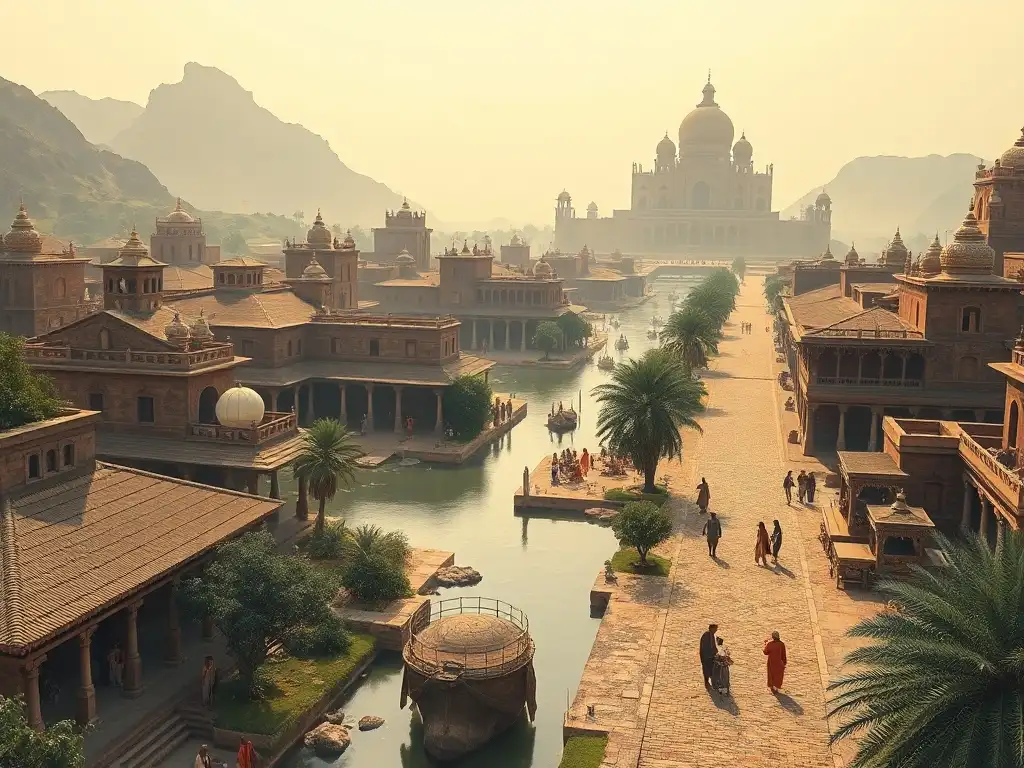
The Indus Valley Civilization (IVC), which thrived around 2500 BCE, is renowned for its remarkable urban planning that laid the groundwork for modern cities. Its contributions to urban design are still evident in contemporary practices, showcasing innovative approaches to city layout, infrastructure, and building materials. Below, we explore the key features that characterize the IVC's urban planning.
Grid Layout of Cities
One of the most striking aspects of Indus Valley urban planning is its grid layout, which reflects a high level of organization and foresight.
- City Planning: The cities of Harappa and Mohenjo-Daro exemplify this layout, displaying streets arranged in a precise grid pattern. Streets were typically 9 to 12 meters wide, facilitating easy movement and traffic management.
- Zoning: The layout often included distinct zones designated for residential, administrative, and industrial activities, indicating an early understanding of functional zoning. This organization helped streamline city operations and enhance livability.
- Orientation: Many cities were oriented to maximize sunlight and natural ventilation, which not only contributed to comfort but also reduced reliance on artificial lighting, showcasing an early grasp of environmental factors in urban design.
This grid layout has influenced modern urban planning, where organized street networks enhance accessibility and efficiency.
Advanced Drainage Systems
The advanced drainage systems of the Indus Valley Civilization set a precedent for sanitation and public health in urban areas.
- Sewage Systems: The IVC is known for its sophisticated drainage systems that included covered drains running alongside streets, effectively managing wastewater. These drains were made from baked brick, demonstrating an understanding of materials suitable for durability and water resistance.
- Public Toilets: Many homes had private toilets connected to the drainage system, which was a remarkable innovation for its time. This feature not only facilitated hygiene but also reflects a societal emphasis on cleanliness and public health.
- Water Management: The civilization also implemented water management techniques, including wells and reservoirs, which ensured a reliable water supply for both domestic use and agricultural activities.
The emphasis on sanitation and drainage in IVC urban planning has significantly influenced modern urban infrastructure, particularly in the context of public health and environmental management.
Standardized Building Materials
Another hallmark of Indus Valley urban planning is the use of standardized building materials, which contributed to structural integrity and aesthetic uniformity across the civilization.
- Uniform Bricks: The IVC predominantly utilized kiln-fired bricks, which were uniformly sized (approximately 4:2:1 ratio). This standardization not only ensured consistency in construction but also enhanced the durability of buildings.
- Construction Techniques: The use of advanced construction techniques, including the integration of load-bearing walls, allowed for multi-story buildings, which was innovative for that period.
- Civic Structures: Public buildings, such as granaries and assembly halls, were built using these standardized materials, showcasing a communal approach to architecture that emphasized functionality and resilience.
The principles of standardized materials and construction methods seen in the IVC continue to resonate in modern architecture, where uniformity and quality control are critical for urban development.
The Indus Valley Civilization's contributions to urban planning—through its grid layouts, advanced drainage systems, and standardized building materials—have left an enduring legacy that continues to inform contemporary urban design practices. Understanding these features not only enriches our knowledge of ancient civilizations but also inspires current and future urban planners.
Zoning and Land Use
The concept of zoning and land use in the Indus Valley Civilization (IVC) stands as a remarkable example of early urban planning that has influenced modern practices. The cities of the IVC, such as Mohenjo-Daro and Harappa, displayed a sophisticated approach to spatial organization that facilitated efficient living, trade, and governance.
Urban Layout
The urban layout of IVC cities was meticulously planned, with a grid-like pattern that divided the city into distinct zones. This systematic arrangement allowed for the separation of residential, commercial, and industrial areas, contributing to organized urban life. Streets were often straight, wide, and laid out at right angles, showcasing a level of planning that prioritized accessibility and movement.
- Residential Zones: These areas housed the general population and were characterized by compact, multi-storied houses made from baked bricks. The uniformity of the housing structures suggests an advanced understanding of community living and the importance of shared resources.
- Commercial Areas: The presence of marketplaces indicates that trade was a vital aspect of IVC life. These zones were strategically located near residential areas to facilitate easy access for citizens. Artisans and merchants would have operated in these spaces, contributing to a vibrant local economy.
- Industrial Zones: The IVC also featured areas dedicated to specific industries, such as pottery, bead-making, and metallurgy. This zoning allowed for specialization, promoting economic growth and innovation within the civilization.
Infrastructure and Services
The zoning approach extended to infrastructure, including drainage systems, water supply, and public buildings. The advanced drainage systems found in the IVC cities are a testament to their commitment to public health and sanitation. Each residential area was equipped with access to clean water and sophisticated drainage channels, showcasing an understanding of urban hygiene that is still relevant today.
- Public Buildings: Structures such as granaries, baths, and assembly halls were strategically placed within the urban layout, emphasizing the importance of communal spaces in ancient Indian society. These buildings served various functions, from storage to social gatherings, indicating a well-organized societal structure.
- Waste Management: The careful planning of waste disposal systems reflects a proactive approach to urban living. The separation of zones allowed for efficient waste management practices, which is a crucial aspect of modern urban planning.
Conclusion
The zoning and land use strategies of the Indus Valley Civilization laid the groundwork for modern urban planning principles. Their thoughtful organization of urban spaces not only catered to the immediate needs of their population but also demonstrated an understanding of sustainability and community welfare. As we explore the contributions of the IVC to contemporary urban planning, it becomes clear that their innovations continue to resonate in the design and organization of cities today.
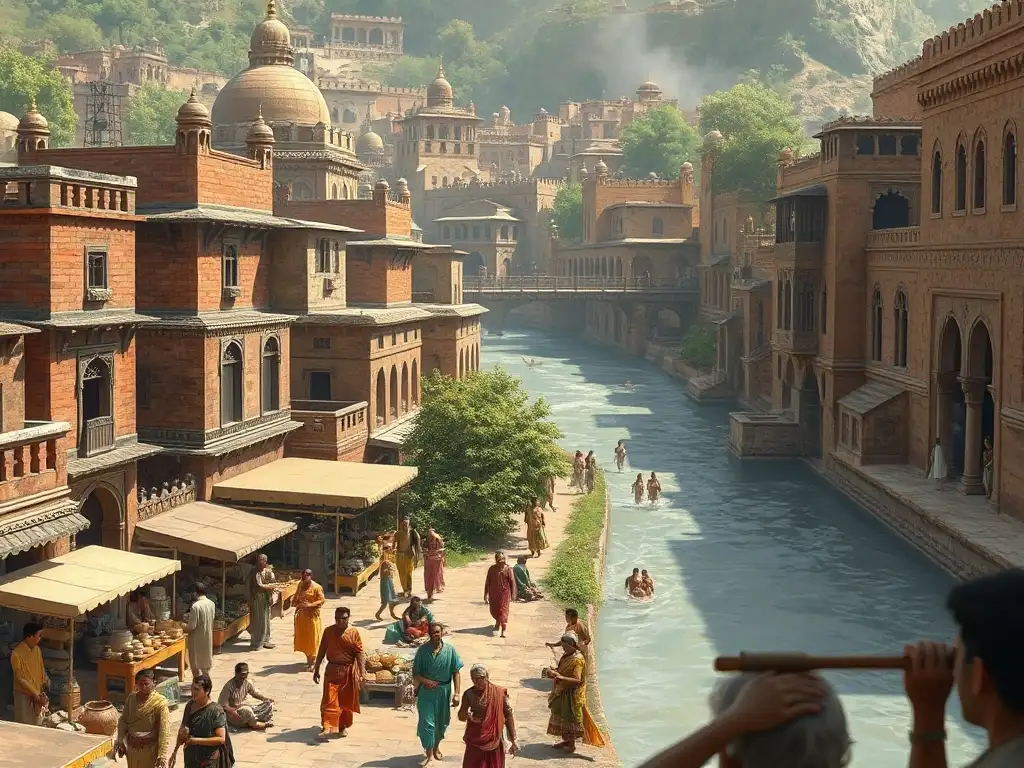
Population Density and Urbanization
The Indus Valley Civilization (IVC), flourishing around 2500 BCE, showcased remarkable urban planning that directly influenced population density and urbanization patterns. Cities like Harappa and Mohenjo-Daro exemplified advanced planning, with grid layouts and sophisticated drainage systems that supported higher population densities than contemporary civilizations.
- Grid Pattern Layout: The cities were constructed using a standardized grid pattern, allowing for efficient land use and facilitating movement. Each block typically contained residential houses, often with shared walls, which maximized space.
- Water Management: The IVC implemented advanced water management systems, including wells and public baths, which promoted hygiene and public health. This infrastructure was critical in supporting larger populations by ensuring a sustainable water supply.
The urbanization of IVC cities led to the emergence of a dense population, estimated to be around 40,000 inhabitants in major urban centers. This density not only provided economic benefits but also fostered a vibrant social life, leading to the development of various cultural practices.
Trade and Economic Development
The strategic urban planning of the Indus Valley Civilization significantly boosted trade and economic development. The civilization's cities were strategically located near major trade routes, facilitating commerce both locally and with distant regions.
- Marketplaces: Urban centers featured well-organized marketplaces that promoted trade. Artisans and merchants could showcase their products, ranging from textiles to pottery, encouraging economic interactions.
- Standardized Weights and Measures: The civilization is known for its sophisticated system of standardized weights and measures, aiding in fair trade practices. This standardization allowed for smoother transactions and fostered trust among traders.
The economic prosperity of the Indus Valley was further bolstered by the cultivation of crops such as wheat and barley, alongside advancements in agricultural techniques. This agricultural surplus supported the burgeoning urban population and enabled the growth of specialized crafts, contributing to a thriving economy.
The urban planning of the Indus Valley Civilization also played a crucial role in shaping social organization and community living. The design of the cities fostered a sense of community, with features that encouraged interaction and cooperation among residents.
- Public Spaces: The presence of public baths and large gathering areas indicated a strong focus on community life. These spaces served as venues for social interactions, rituals, and public gatherings, reinforcing societal bonds.
- Housing Structures: Homes in the IVC were often constructed with similar materials and designs, reflecting a degree of egalitarianism in social structure. This uniformity in housing patterns suggested a community-oriented approach, where social status was less emphasized compared to communal living.
Moreover, archaeological findings suggest that the society was likely organized into various occupational groups, with craftsmen, traders, and farmers coexisting and contributing to the urban fabric. This collaborative social structure was essential for the maintenance and success of the urban centers, showcasing the advanced social dynamics of the Indus Valley Civilization.
The Indus Valley urban planning contributions had profound social and economic impacts, shaping population density, boosting trade, and fostering community-oriented living. The innovative urban designs laid down by the IVC continue to influence modern urban planning principles, emphasizing sustainability and community engagement.
Technological Innovations in Indus Valley Urban Planning
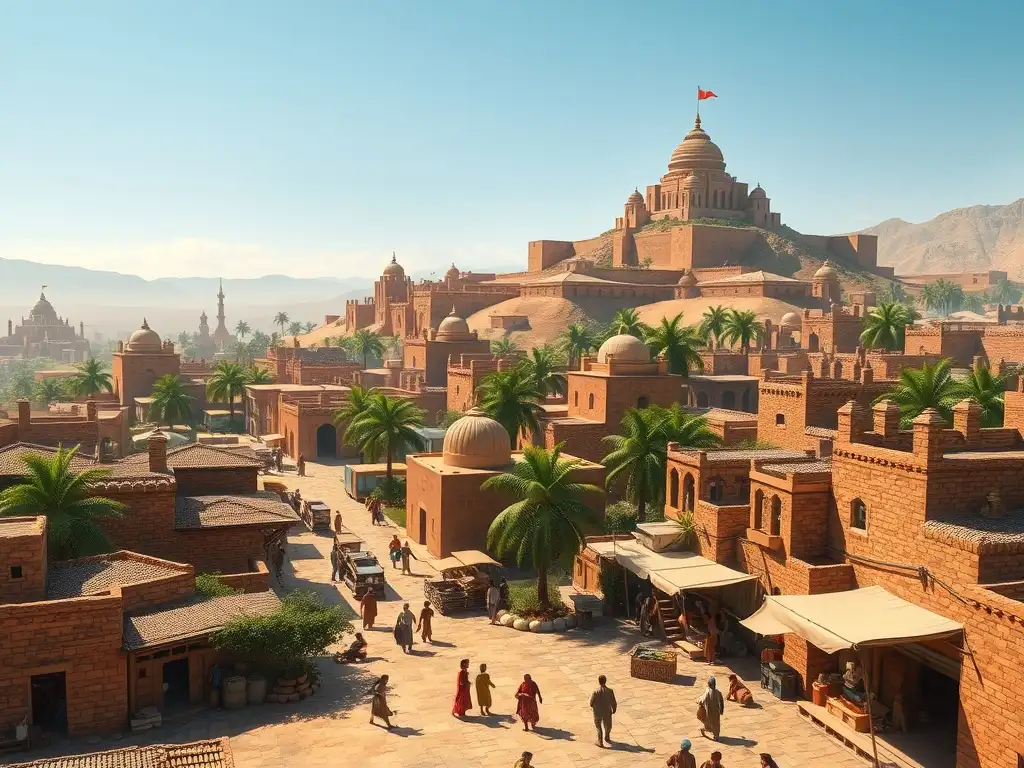
The Indus Valley Civilization (IVC), which thrived between approximately 3300 BCE and 1300 BCE, is renowned for its remarkable urban planning and engineering prowess. The contributions of this ancient civilization to modern urban planning are profound, especially in the areas of water management, waste disposal, and architectural innovations. Understanding these technological advancements provides valuable insights into the sophistication of urban life in the IVC and its lasting impact on contemporary urban design.
Water Management Techniques
One of the most significant Indus Valley urban planning contributions lies in its advanced water management techniques. The IVC was characterized by a comprehensive system of reservoirs, wells, and drainage systems that ensured a reliable water supply for its inhabitants. Here are some key aspects of their water management methods:
- Wells and Reservoirs: Cities like Mohenjo-Daro and Harappa were equipped with deep wells that accessed groundwater, providing fresh water for drinking and daily activities. Some of these wells demonstrated remarkable engineering, with brick lining that prevented contamination.
- Cisterns and Tanks: The construction of large cisterns and water tanks facilitated the collection and storage of rainwater, crucial for sustaining the population during dry periods. These reservoirs were often strategically located within the city to optimize accessibility.
- Drainage Systems: The IVC showcased sophisticated drainage systems, with covered drains made of brick that ran along the streets. This infrastructure not only prevented flooding but also ensured that wastewater was efficiently channeled away from living areas, promoting public health.
Waste Disposal Systems
Effective waste disposal systems were another hallmark of the Indus Valley urban planning contributions. The civilization placed a strong emphasis on hygiene and sanitation, which is evident in the following practices:
- Individual Toilets: Many houses in the IVC featured private toilets connected to an advanced drainage system. These toilets used a flush mechanism, showcasing an understanding of sanitation practices that would not be seen again until much later in history.
- Public Bathing Facilities: The Great Bath of Mohenjo-Daro is one of the most iconic structures from the Indus Valley, serving as a communal bathing area. This not only promoted cleanliness but also likely held social or ritual significance, reflecting the cultural values of the society.
- Comprehensive Waste Management: The presence of covered drains and the systematic layout of the cities indicate that waste was collected and disposed of efficiently. This organized approach to waste management is a precursor to modern urban sanitation practices.
Architectural Innovations
The architectural innovations of the Indus Valley Civilization significantly influenced urban planning and design. Their cities were meticulously laid out, reflecting an advanced understanding of urban infrastructure. Key features include:
- Grid Layouts: The cities of the IVC were designed using a grid pattern, with streets that intersected at right angles. This organized layout facilitated navigation and efficient land use, a principle still evident in modern urban planning.
- Standardized Brick Sizes: The use of uniformly sized baked bricks in construction allowed for consistent building practices. This standardization not only ensured structural integrity but also simplified the construction process.
- Multi-Story Buildings: Evidence of multi-story residential structures indicates an understanding of vertical expansion to accommodate growing populations. This architectural choice maximized space and reflected the community's adaptability to urban challenges.
The technological innovations in water management, waste disposal systems, and architectural design from the Indus Valley Civilization illustrate their significant contributions to urban planning. These advancements not only catered to the needs of their society but also laid foundational principles that continue to shape modern urban environments. The legacy of the Indus Valley Civilization serves as a testament to the ingenuity and foresight of one of the world's earliest urban societies.
Comparisons with Modern Urban Planning Concepts
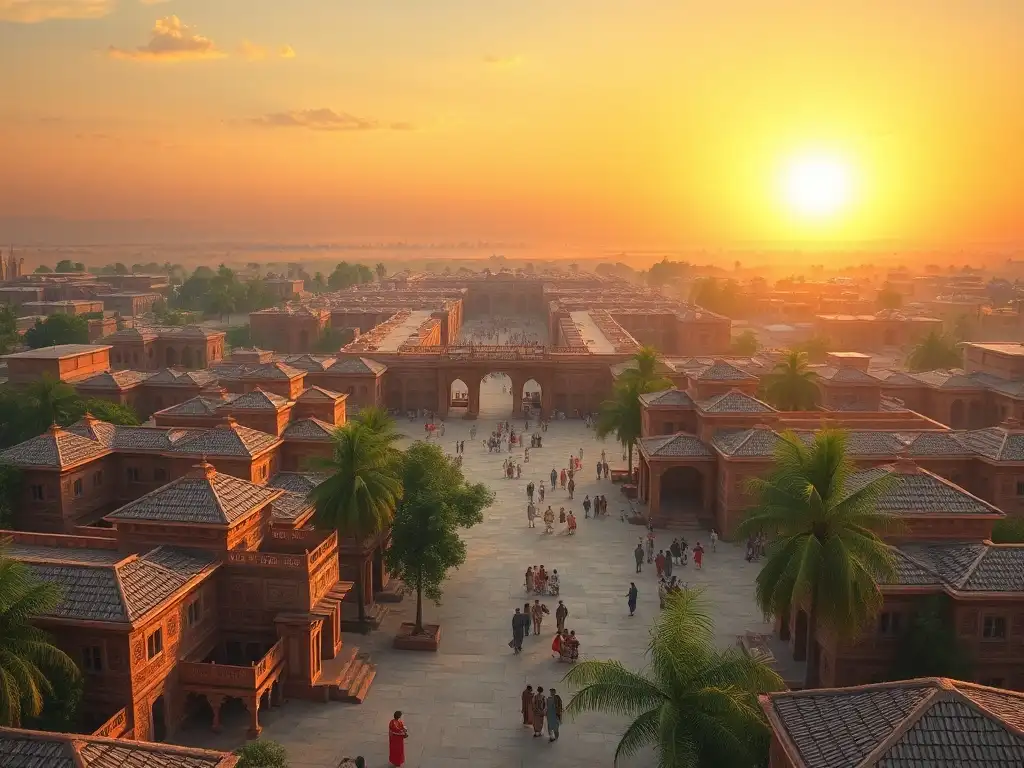
The Indus Valley Civilization (IVC), flourishing between 3300 BCE and 1300 BCE, has left an indelible mark on the evolution of urban planning. By examining the urban planning concepts of the Indus Valley, we can draw intriguing comparisons to modern urban planning practices. This section delves into the similarities in urban layouts, sustainability practices, and the valuable lessons contemporary cities can glean from the IVC.
Similarities in Urban Layouts
The urban layouts of the Indus Valley cities, such as Harappa and Mohenjo-Daro, showcase advanced planning that resonates with contemporary urban design principles. Some key similarities include:
- Grid Patterns:
- The cities were meticulously organized in a grid layout, featuring streets that intersected at right angles. This systematic approach not only facilitated efficient movement but also indicated a keen understanding of space management comparable to modern city grids.
- Zoning:
- The IVC employed a form of zoning, with distinct areas designated for residential, commercial, and industrial purposes. This concept mirrors today's urban planning strategies aimed at segregating land uses to enhance functionality and reduce congestion.
- Public Infrastructure:
- The presence of public baths, granaries, and assembly halls in the IVC reflects a commitment to community welfare. Modern urban planning similarly emphasizes the importance of public spaces and infrastructure in promoting social interaction and accessibility.
Sustainability Practices in Ancient Planning
The Indus Valley civilization exhibited remarkable foresight in incorporating sustainable practices within their urban planning. Key aspects include:
- Water Management:
- Advanced drainage systems and well-planned water supply networks ensured effective management of water resources. The use of large reservoirs for rainwater harvesting aligns with contemporary sustainable practices aimed at conserving water in urban environments.
- Building Materials:
- Structures were primarily constructed from locally sourced materials, such as baked bricks and wood. This practice not only reduced transportation costs but also minimized the ecological footprint, echoing modern preferences for sustainable building materials.
- Waste Management:
- Evidence suggests that the IVC had systematic waste disposal methods, including covered drains and designated refuse areas. This proactive approach to waste management is particularly relevant today, as cities grapple with increasing waste production and environmental concerns.
Lessons Modern Cities Can Learn from Indus Valley Urban Planning
The legacy of the Indus Valley Civilization offers invaluable insights for modern urban planners. Some lessons that can be drawn include:
- Holistic Planning:
- Integrating various aspects of urban life—such as residential, commercial, and recreational spaces—can enhance the quality of life for residents. The IVC's approach to balanced urban development serves as a reminder of the importance of comprehensive planning.
- Emphasis on Community:
- Prioritizing community spaces and public facilities fosters social cohesion, a lesson that remains vital for contemporary urban environments. Modern cities can benefit from incorporating more public gathering spaces, akin to the IVC’s assembly halls.
- Environmental Considerations:
- The sustainable practices of the IVC highlight the critical need for environmental stewardship in urban planning. Adopting strategies that prioritize sustainability can lead to healthier and more resilient cities.
The urban planning contributions of the Indus Valley Civilization not only shaped their contemporaneous society but also continue to resonate with modern urban planning concepts. By studying these ancient practices, we can glean insights that inform the development of sustainable, efficient, and community-focused urban environments today.
Conclusion: Lasting Legacy of Indus Valley Urban Planning Contributions
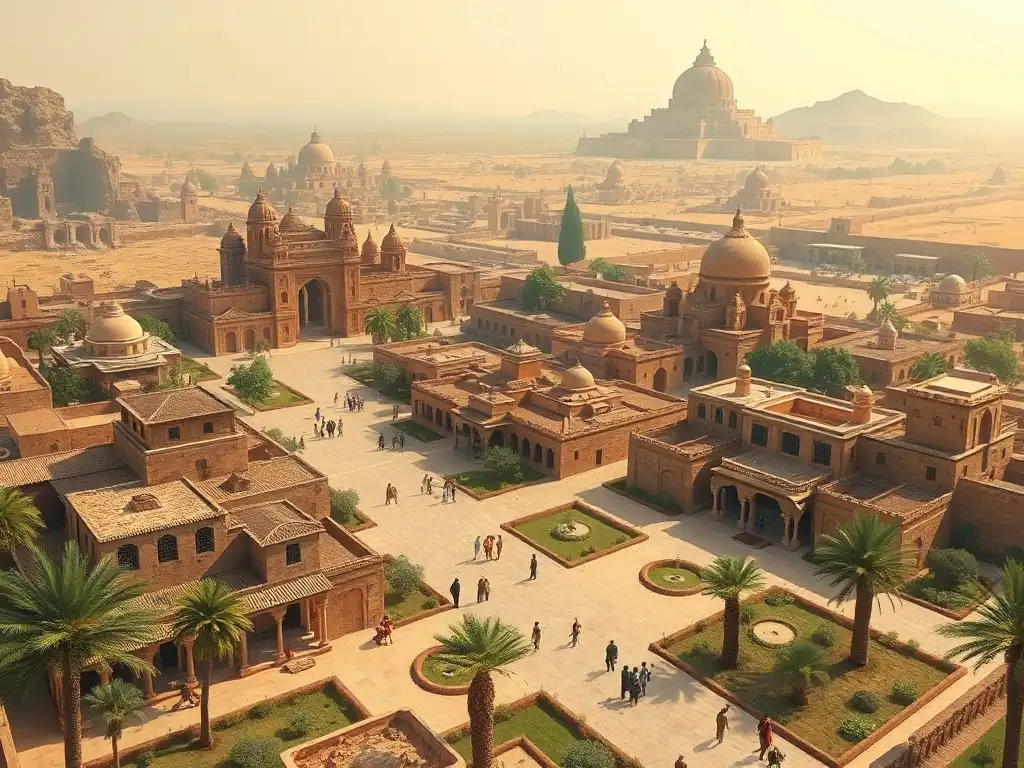
The Indus Valley Civilization (IVC), flourishing between 3300 and 1300 BCE, stands as a remarkable testament to early urban planning. Its innovative approaches to city layout, infrastructure, and sanitation have left an indelible mark on modern urban planning practices. As we reflect on their contributions, it becomes evident that the principles established by the IVC continue to influence contemporary urban design, emphasizing functionality, sustainability, and community well-being.
Reflection on Ancient Contributions to Modern Urban Planning
The urban planning strategies of the Indus Valley Civilization were characterized by several key features that resonate with today's urban design principles:
- Grid Layout: Cities like Mohenjo-Daro and Harappa were meticulously planned with a grid system. This arrangement facilitated efficient movement and organization, a concept that is mirrored in modern urban layouts.
- Advanced Drainage Systems: The IVC implemented sophisticated drainage systems, including covered drains and soak pits, ensuring effective waste management. This foresight in sanitation remains a crucial aspect of modern urban planning, particularly in densely populated areas.
- Zoning: The separation of residential, commercial, and industrial zones in IVC cities reflects an early understanding of land use that is essential in contemporary urban development. This zoning approach enhances functionality and quality of life for city dwellers.
- Public Spaces: The presence of public baths and assembly areas in Indus cities underscores the importance of communal spaces, a principle that modern urban planners continue to prioritize to foster social interaction and community engagement.
In essence, the urban planning contributions of the Indus Valley Civilization serve as a foundation upon which modern cities are built. By understanding and integrating these ancient practices, contemporary urban planners can address current challenges related to urbanization, sustainability, and community health.
Importance of Preserving Historical Knowledge for Future Urban Development
Preserving the historical knowledge of ancient civilizations, particularly the Indus Valley, is crucial for several reasons:
- Learning from the Past: By studying the successes and failures of ancient urban planning, modern planners can glean valuable insights that inform current and future development projects. This historical context allows for informed decision-making that respects both tradition and innovation.
- Cultural Heritage: The IVC is a significant part of India's cultural heritage. Protecting and promoting knowledge about its urban planning contributions helps foster a sense of identity and continuity within communities, linking the past with the present.
- Sustainable Practices: Ancient practices often emphasize sustainability, showcasing how civilizations thrived in harmony with their environment. This understanding can guide modern urban planners in developing eco-friendly strategies that are responsive to climate change and resource scarcity.
- Interdisciplinary Collaboration: The study of ancient urban planning encourages collaboration across various fields, such as archaeology, architecture, and environmental science. This interdisciplinary approach can lead to innovative solutions that address the complexities of modern urban challenges.
The Indus Valley urban planning contributions are not merely historical artifacts but living legacies that continue to shape our approach to urban development. By preserving and learning from this rich history, we can create cities that honor the past while paving the way for a sustainable future.
Frequently Asked Questions
What were the key features of Indus Valley urban planning?
The Indus Valley Civilization showcased advanced urban planning with features like grid layouts, drainage systems, and standardized brick sizes, which influenced modern city layouts.
How did the drainage system of the Indus Valley impact urban planning?
The sophisticated drainage systems of the Indus Valley enabled effective waste management and sanitation, setting a precedent for modern urban infrastructure and public health initiatives.
What role did the concept of zoning play in Indus Valley cities?
Indus Valley cities utilized zoning to separate residential, industrial, and commercial areas, a practice that remains a fundamental principle in urban planning today.
How did the Indus Valley contribute to modern architectural practices?
The Indus Valley Civilization emphasized the use of uniform construction materials and techniques, which influenced contemporary architectural standards and practices in urban environments.
Why is the study of Indus Valley urban planning relevant today?
Understanding Indus Valley urban planning contributions helps modern urban planners learn from ancient practices, promoting sustainability and efficiency in contemporary city development.
Final Reflection: The Enduring Legacy of Indus Valley Urban Planning
The contributions of the Indus Valley Civilization to modern urban planning are not just historical footnotes; they are foundational principles that resonate in today's urban landscapes. As we navigate the complexities of contemporary city living, the innovative designs and systematic approaches of the Indus Valley serve as a reminder of how ancient wisdom can inform our present and future. The meticulous grid layouts, advanced drainage systems, and emphasis on public spaces illustrate that effective urban planning is timeless and essential for fostering community and sustainability.
Clearly, the influence of the Indus Valley Civilization extends beyond mere architectural achievements; it has shaped our understanding of urban environments and their role in society. The principles of organization and functionality that emerged from this ancient civilization continue to inspire architects and urban planners today. As noted by urban theorist Jane Jacobs, Cities have the capability of providing something for everybody, only because, and only when, they are created by everybody.
This sentiment echoes the inclusive and thoughtful planning of the Indus Valley, reminding us that successful urban spaces are those that cater to the needs of all their inhabitants.
As we reflect on the lessons learned from the Indus Valley, I invite you to consider how these ancient practices can be applied in your own community. What steps can you take to advocate for thoughtful urban design that prioritizes sustainability, accessibility, and community engagement?
By embracing the principles of the Indus Valley Civilization, we can contribute to creating urban spaces that not only meet the needs of today but also honor the legacy of those who came before us. Let us be inspired to build cities that are not only functional but also vibrant and inclusive, ensuring a better quality of life for all.
Unveil the Secrets of Urban Innovation!
Thank you for diving into the fascinating world of the Indus Valley Civilization with us! You’ve discovered how their pioneering urban planning still influences modern cities today. Now, it's time to take that knowledge and turn it into action!
Here’s how you can engage further with this incredible topic:
- Explore ancient principles: Investigate urban planning strategies in your own city and consider how the design elements from ancient civilizations can inspire contemporary solutions.
- Share your insights: Engage in discussions about this topic with friends or on social media platforms. Initiate conversations about the valuable lessons we can glean from historical urban planning.
- Get creative: Imagine designing your own city inspired by the innovative layouts of the Indus Valley. What features would you incorporate to promote sustainability and enhance the quality of life for residents?
As you reflect on these ideas, let me ask you: How can we integrate ancient wisdom into our current urban challenges for a better future? We would love to hear your thoughts below!