
The Ramayana in the Context of Global Literature: A Comparative Study


Welcome to Ancient India History, where we embark on a journey through the rich tapestry of India's past, exploring its vibrant cultures and monumental contributions to global civilization. In today’s featured article, we're diving deep into the epic realm of literature with our comparative study of the Ramayana and its resonance across global narratives. What makes this ancient epic a cornerstone not just in India, but in the literary heritage of the world?
Join us as we uncover the intricate threads that connect the Ramayana to other literary masterpieces, inviting you to delve further into the captivating world of epic storytelling. Your adventure through ancient wisdom and timeless tales begins now!
- Introduction to the Ramayana in Global Literature
- Historical Context of the Ramayana
- Key Themes in the Ramayana
- The Ramayana Compared to Other Global Epics
- Cultural Impact of the Ramayana
- The Ramayana's Relevance in Contemporary Society
- Conclusion: The Ramayana's Place in Global Literature
-
Frequently Asked Questions
- What is the Ramayana and its significance in global literature?
- How does the Ramayana compare to other epic narratives worldwide?
- What are some cultural influences of the Ramayana outside of India?
- How has the Ramayana contributed to literary studies?
- Why is the Ramayana considered a timeless classic?
- Final Reflection: The Ramayana's Enduring Legacy in Global Literature
- Unveil the Timeless Wisdom of the Ramayana!
Introduction to the Ramayana in Global Literature
The Ramayana, one of the two great epics of ancient India, holds a significant place not only in Indian culture but also in the broader context of world literature. This epic narrative, attributed to the sage Valmiki, recounts the life and adventures of Lord Rama, his wife Sita, and his loyal companion Hanuman, interweaving themes of dharma (duty), devotion, and righteousness.
As we delve into the Ramayana in the context of global literature, it becomes crucial to explore its narrative similarities, thematic parallels, and cultural impacts across various civilizations. This comparative study will shed light on how the Ramayana resonates with and enriches the literary traditions of other cultures, thereby contributing to a deeper understanding of its universal significance.
Overview of the Ramayana
The Ramayana consists of approximately 24,000 verses and is divided into seven Kandas (books), each detailing different phases of Rama's life. Some key elements include:
- Central Characters:
- Rama: The protagonist and an incarnation of the god Vishnu.
- Sita: Rama's devoted wife, embodying virtue and fidelity.
- Hanuman: The monkey god, symbolizing devotion and strength.
- Ravana: The antagonist, king of Lanka, representing adharma (unrighteousness).
- Core Themes:
- The struggle between good and evil.
- The importance of loyalty and duty.
- The consequences of actions and moral choices.
The Ramayana has inspired various adaptations, retellings, and interpretations across different cultures, making it a vital subject for comparative literary analysis.
Importance of Comparative Literature
Comparative literature serves as a lens to examine the interconnections between different literary traditions, allowing scholars to identify universal themes and cultural exchanges. The significance of this field can be summarized as follows:
-
Cultural Exchange:
Understanding how texts from different cultures interact can reveal the shared human experiences and values that transcend geographical boundaries.
-
Thematic Exploration:
Comparative literature enables a deeper analysis of recurring motifs, such as heroism, sacrifice, and morality, found in the Ramayana and other global epics like the Iliad and the Mahabharata.
-
Literary Influence:
Analyzing the influence of the Ramayana on global literature can illuminate how ancient narratives shape contemporary storytelling methods and themes in various cultures.
Through this comparative lens, we can appreciate the Ramayana not just as an Indian epic but as a significant contributor to the tapestry of world literature.
Purpose of the Study: Ramayana Global Literature Comparison
This study aims to provide a comprehensive comparison of the Ramayana with other global literary works, focusing on its thematic elements and narrative structures. The objectives include:
-
Analyzing Similarities:
Identifying common motifs and themes in the Ramayana and other literary traditions, such as the hero's journey and moral dilemmas.
-
Cultural Impact Assessment:
Evaluating the impact of the Ramayana on global literature and how its themes resonate with diverse audiences.
-
Encouraging Interdisciplinary Dialogue:
Fostering discussions among scholars from various fields, including literature, history, and cultural studies, to enrich our understanding of the Ramayana’s place in global literature.
This comparative study of the Ramayana is not merely an academic exercise; it is a journey into the heart of storytelling that binds humanity through shared narratives and values across time and space.
Historical Context of the Ramayana
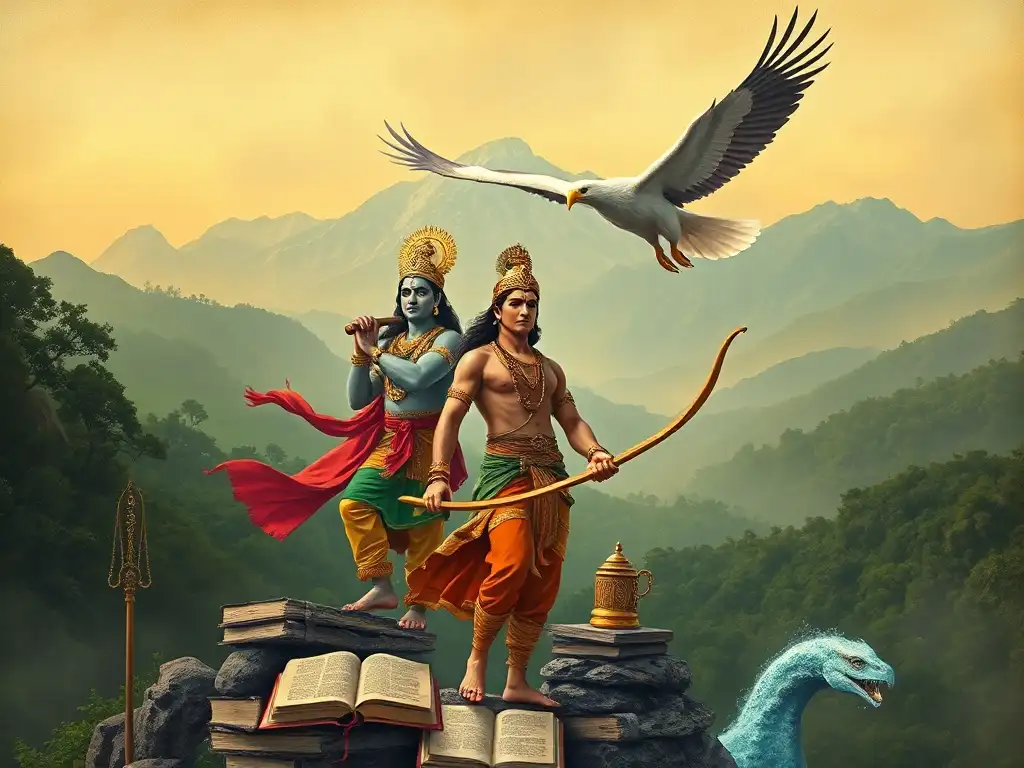
The Ramayana, one of the two major Sanskrit epics of ancient Indian literature, is not only pivotal to Indian culture but also holds a significant place in the context of global literature. This epic narrates the life of Prince Rama, his wife Sita, and his loyal companion Hanuman, delving into themes of duty, righteousness, and the struggle between good and evil. Understanding the historical context of the Ramayana provides essential insights into its origins, its role in ancient Indian civilization, and its influence on subsequent cultures around the world.
Origins of the Ramayana
The origins of the Ramayana are steeped in myth and tradition, attributed primarily to the sage Valmiki, who is often referred to as the first poet or Adi Kavi. Scholars suggest that the composition of the Ramayana occurred between the 5th century BCE and the 1st century CE, although oral traditions likely predate the written text. The epic comprises approximately 24,000 verses, divided into seven books, or Kandas, detailing Rama's adventures from his exile to his eventual return to Ayodhya.
- Cultural Significance: The Ramayana reflects the socio-political and moral fabric of ancient Indian society, intertwining philosophy and ethics with narrative.
- Symbolism: Key characters symbolize various human virtues and flaws. For example, Rama embodies dharma (righteousness), while Ravana represents adharma (unrighteousness).
- Regional Variations: The Ramayana has inspired numerous adaptations and retellings across different languages and cultures, showcasing the versatility and enduring nature of its themes.
The Ramayana in Ancient Indian Civilization
In ancient Indian civilization, the Ramayana served multiple purposes beyond mere entertainment. It was a vital educational tool, imparting moral lessons and cultural values. The epic's teachings were integral to the social and political philosophies of the time.
- Religious Significance: The Ramayana is not only a literary work but also a religious scripture for millions. It promotes ideals of devotion, duty, and righteousness, influencing various sects and communities, particularly within Hinduism.
- Art and Architecture: The Ramayana has inspired an extensive body of art, ranging from ancient sculptures and paintings to contemporary performances like dance and theater.
- Literature and Scholarship: Its narrative structure and character development have drawn scholarly attention, prompting comparative studies with other global literary works, such as The Iliad and The Odyssey.
Influence on South Asian Cultures
The influence of the Ramayana extends far beyond the Indian subcontinent, permeating the cultures of neighboring regions. Its themes and narratives have shaped the cultural identity of various South Asian countries.
- Southeast Asia: Countries like Indonesia, Thailand, and Malaysia have their unique adaptations of the Ramayana, often incorporating local customs and traditions. For instance, the Ramayana is performed as Wayang Kulit (shadow puppetry) in Indonesia, illustrating the epic's adaptability.
- Cultural Practices: Festivals such as Dussehra and Diwali celebrate the triumph of Rama over Ravana, showcasing the epic's role in communal identity and cultural continuity.
- Modern Reinterpretations: In contemporary literature and media, the Ramayana continues to inspire works that explore its themes in a modern context, highlighting its relevance in today’s world.
The Ramayana's rich tapestry of history, culture, and literature places it as a significant pillar in the study of global literature, inviting ongoing exploration and comparison across diverse cultural landscapes.
Key Themes in the Ramayana
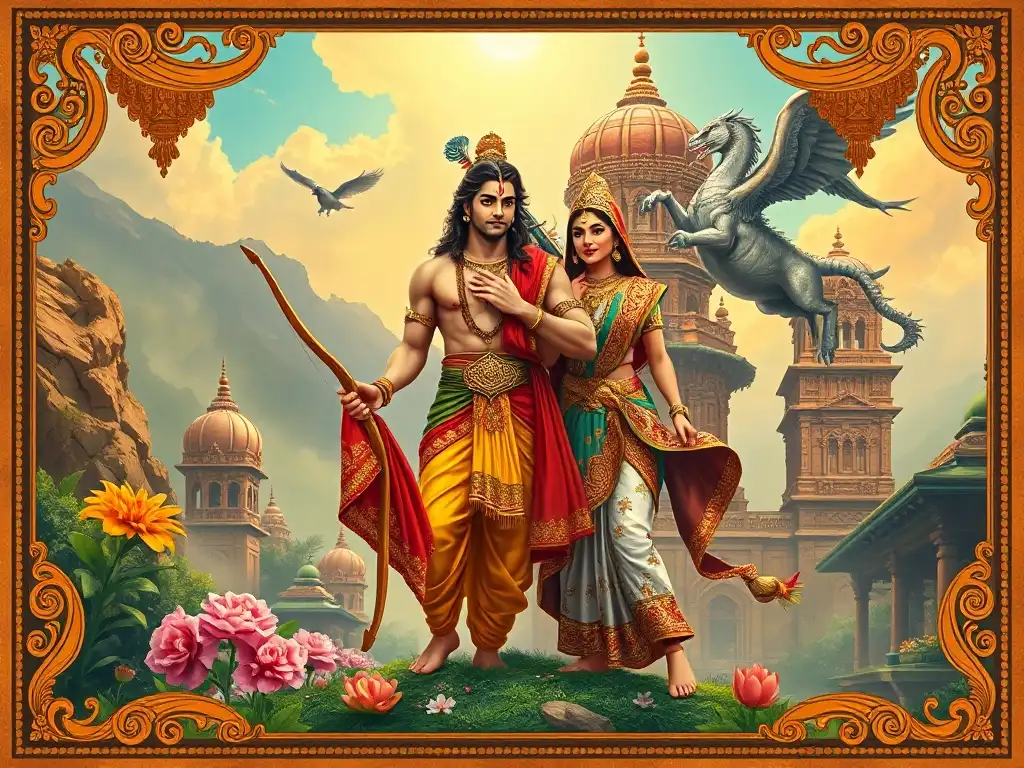
The Ramayana, an ancient Indian epic, is not just a story of heroism and adventure but a profound exploration of several key themes that resonate within the fabric of human existence. Its influence extends beyond geographical boundaries, making it a significant piece of global literature. Below, we delve into the pivotal themes that define the Ramayana and their relevance in the context of global literature comparison.
Dharma and Morality in the Ramayana
At the heart of the Ramayana lies the concept of Dharma, which encompasses duty, righteousness, and moral order. This theme is portrayed through the protagonist, Rama, whose life is a model of virtue and adherence to Dharma.
- Rama's Exile: His acceptance of exile to honor his father's promise illustrates the theme of duty over personal desire. This act is not just a personal sacrifice but signifies the broader moral implications of adhering to promises and societal expectations.
- Sita's Trial by Fire: Sita’s unwavering loyalty and purity are tested through her trial by fire (Agni Pariksha), symbolizing the societal pressures and expectations placed upon women. This moment serves as a reflection of moral integrity and the harsh realities of societal judgment.
These moral dilemmas and the adherence to Dharma resonate with various global literary works, such as the Iliad and Divine Comedy, where characters face similar ethical challenges. The exploration of morality in the Ramayana encourages readers to contemplate the complexities of right and wrong across cultures.
The Role of Divine Intervention
Divine intervention plays a crucial role in the Ramayana, demonstrating the belief that the gods are intricately involved in human affairs.
- Hanuman’s Devotion: The character of Hanuman exemplifies the ideal devotee, whose unwavering faith and divine abilities significantly alter the course of events. His leap to Lanka to find Sita is not just a physical journey but a manifestation of divine will and intervention.
- Rama as an Incarnation of Vishnu: Rama’s identity as an incarnation of Vishnu underscores the theme of divine purpose in human existence. The intervention of gods highlights the idea that righteousness will ultimately prevail, a concept mirrored in various mythologies, such as the Greek pantheon, where deities frequently influence mortal destinies.
This element of divine guidance offers a comparative lens through which to examine other literary epics, such as the Epic of Gilgamesh, where gods both intervene and complicate human affairs.
Love and Sacrifice: A Comparative Perspective
The themes of love and sacrifice are woven throughout the Ramayana, illustrating the profound connections between characters and the lengths they go to for one another.
- Rama and Sita's Love: The unwavering bond between Rama and Sita epitomizes ideal love, characterized by mutual respect and sacrifice. Sita’s abduction by Ravana and Rama's relentless pursuit to rescue her showcases the theme that true love often necessitates great sacrifice.
- Lakshmana’s Loyalty: Lakshmana’s dedication to Rama, choosing to accompany him into exile and protect Sita, exemplifies brotherly love and loyalty. His willingness to sacrifice personal comfort for the sake of his brother’s duty mirrors similar themes found in global literature, such as in The Brothers Karamazov, where familial bonds and sacrifices are pivotal to the narrative.
By analyzing these themes of love and sacrifice against other literary masterpieces, such as Romeo and Juliet, we can appreciate the universal nature of these emotions and their representation across cultures. The Ramayana serves as a profound reflection on human relationships, bridging the cultural divides that exist in global literature.
The Ramayana offers rich themes of Dharma, divine intervention, love, and sacrifice that contribute significantly to its standing in global literature. By comparing these elements with other literary works, we can gain deeper insights into the shared human experiences that transcend cultural boundaries.
The Ramayana Compared to Other Global Epics
The Ramayana, one of the two major Sanskrit epics of ancient Indian literature, has often been discussed in the context of global literature due to its profound influence and rich narratives. When we explore the Ramayana alongside other epic narratives from diverse cultures, we can see both unique features and striking similarities that offer valuable insights into the shared human experience.
Comparison with the Iliad and the Odyssey
The Ramayana shares several thematic and structural elements with Homer's Iliad and Odyssey. All three epics explore fundamental human experiences such as love, duty, honor, and the consequences of war.
- Heroic Figures:
- Rama (from the Ramayana), Achilles (from the Iliad), and Odysseus (from the Odyssey) all embody the qualities of a hero.
- Each character faces personal dilemmas and moral choices that shape their journeys, illustrating the complexities of heroism.
- Divine Intervention:
- All three epics involve divine beings influencing the events. In the Ramayana, Rama receives guidance from Lord Vishnu, while in the Iliad, gods like Zeus and Athena intervene in human affairs.
- This divine aspect reflects the belief in higher powers that govern the fates of mortals.
- Themes of War and Peace:
- War is a central theme in both the Iliad and the Ramayana, with battles fought over honor, love, and duty.
- The Odyssey, although less focused on warfare, addresses the aftermath and consequences of conflict, similar to Rama's journey home after the war against Ravana.
- Narrative Structure:
- Both the Iliad and the Odyssey utilize a linear narrative interspersed with flashbacks, while the Ramayana employs a more episodic structure, with each section focusing on different aspects of Rama's life and challenges.
The Ramayana and the Epic of Gilgamesh
The Epic of Gilgamesh, one of the oldest known works of literature, also parallels the Ramayana in various ways:
- Quest for Immortality:
- Both epics grapple with the theme of mortality. Rama seeks to uphold dharma (righteousness) and fulfill his duties, while Gilgamesh embarks on a quest for eternal life following the death of his friend Enkidu.
- This exploration reflects the universal human concern with legacy and the quest for meaning beyond life.
- Friendship and Loyalty:
- The bonds of friendship are central to both narratives. Rama's relationship with Lakshmana echoes the deep camaraderie between Gilgamesh and Enkidu.
- Loyalty and sacrifice are pivotal, demonstrating how these relationships drive the narratives forward.
- Cultural Reflections:
- Both texts provide insights into the values and societal norms of their respective cultures. The Ramayana emphasizes dharma, while the Epic of Gilgamesh reflects Sumerian views on kingship and the human condition.
- These cultural contexts offer readers a glimpse into how ancient civilizations understood their world.
Similarities with the Divine Comedy
Dante Alighieri's Divine Comedy presents several thematic parallels with the Ramayana, despite the vast temporal and cultural differences:
- Moral and Ethical Journeys:
- Both epics feature a journey that is not just physical but also moral. Rama navigates challenges that test his virtue, while Dante’s journey through Hell, Purgatory, and Paradise serves to illustrate the consequences of sin and the pursuit of redemption.
- These journeys highlight the importance of morality in achieving one's ultimate goals.
- Symbolism and Allegory:
- The Ramayana uses allegorical elements to represent the struggle between good and evil, akin to Dante's use of allegory to express spiritual truths and moral lessons.
- Both works serve as reflections on the human experience, using their narratives to communicate deeper philosophical insights.
- Influence on Later Literature:
- Both the Ramayana and the Divine Comedy have had a lasting impact on subsequent literature and culture in their respective regions and beyond.
- Their themes and character archetypes continue to resonate, influencing countless works throughout history.
The Ramayana stands as a monumental work within the tapestry of global literature, drawing connections with other great epics while maintaining a distinct cultural identity. The comparative study of these texts not only enriches our understanding of the Ramayana but also highlights the shared human values that transcend geographical and temporal boundaries.
Cultural Impact of the Ramayana
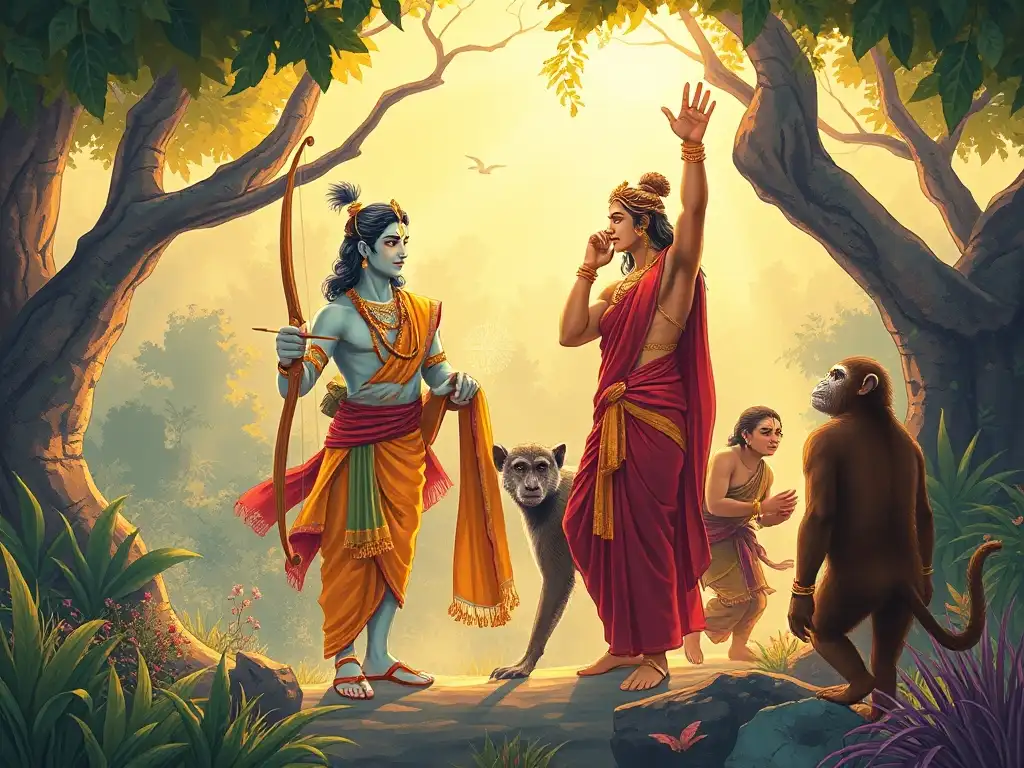
Adaptations Across Different Cultures
The Ramayana has transcended its Indian origins to inspire various adaptations across different cultures, reflecting a remarkable testament to its universal themes of duty, honor, and the struggle between good and evil. This epic has been translated and reinterpreted in numerous languages, each culture adding its unique flavor to the narrative.
- Southeast Asia: Countries like Indonesia, Thailand, and Malaysia have their own versions of the Ramayana. For instance:
- Wayang Kulit: In Indonesia, the Ramayana is performed as a shadow puppet show known as Wayang Kulit. The performance integrates local customs and traditions, offering a unique interpretation of the story.
- Khmer Culture: In Cambodia, the Ramayana is adapted into the Reamker, a version that emphasizes the roles of local deities and moral lessons relevant to Khmer society.
- Middle East: The Ramayana has also found its way into Middle Eastern literature, where it has been referenced in works exploring themes of heroism and ethics, influencing local storytelling traditions.
- Western Adaptations: In modern Western literature, authors have drawn inspiration from the Ramayana, incorporating its characters and themes into contemporary narratives, providing an avenue for readers unfamiliar with the original text to engage with its core messages.
The Ramayana in Modern Literature and Media
In recent years, the Ramayana has gained significant traction in modern literature and media, serving as a source of inspiration for various artistic expressions. This resurgence can be observed in:
- Novels and Poetry: Contemporary authors have penned retellings and adaptations of the Ramayana, often placing it within modern contexts. For example:
- "The Palace of Illusions" by Chitra Banerjee Divakaruni offers a feminist retelling from the perspective of Draupadi, showcasing her experiences and emotions.
- "Asura: Tale of the Vanquished" by Anand Neelakantan: presents the story from Ravana's viewpoint, challenging traditional narratives and prompting readers to reconsider protagonists and antagonists.
- Film and Television: The Ramayana has been adapted into numerous films and TV series, with the most notable being the 1987 television series directed by Ramanand Sagar, which played a crucial role in popularizing the epic across India and beyond. Modern adaptations continue to explore the Ramayana through various genres, including animation and live-action, catering to diverse audiences.
- Theatre and Dance: Various forms of dance and theater, such as Kathakali and Bharatanatyam, have incorporated the Ramayana into their performances, allowing artists to express the epic's themes through movement and drama.
Global Festivals and Celebrations Inspired by the Ramayana
The Ramayana has significantly influenced cultural and religious festivals around the world, celebrating its themes and characters through various rituals and performances. Key celebrations include:
- Diwali: In India, Diwali, the festival of lights, commemorates the return of Lord Rama to Ayodhya after defeating Ravana. This celebration encapsulates the Ramayana's message of victory over darkness and ignorance.
- Rama Navami: This Hindu festival marks the birth of Lord Rama, celebrated with recitations of the Ramayana and various cultural performances, drawing crowds from across the globe to participate in its festivities.
- Ramaayana Mela: In regions where the Ramayana has been embraced, such as in certain Southeast Asian countries, grand fairs and events, known as Melas, are organized. These festivals feature theatrical performances, dance, and music that narrate the epic's story, fostering cultural exchanges and community bonding.
The cultural impact of the Ramayana extends beyond mere storytelling; it continues to shape traditions, inspire adaptations, and foster celebrations that resonate with diverse audiences worldwide. The Ramayana's role in global literature comparison underscores its significance as a narrative that transcends geographical and cultural boundaries, making it a vital part of the human heritage.
The Ramayana's Relevance in Contemporary Society
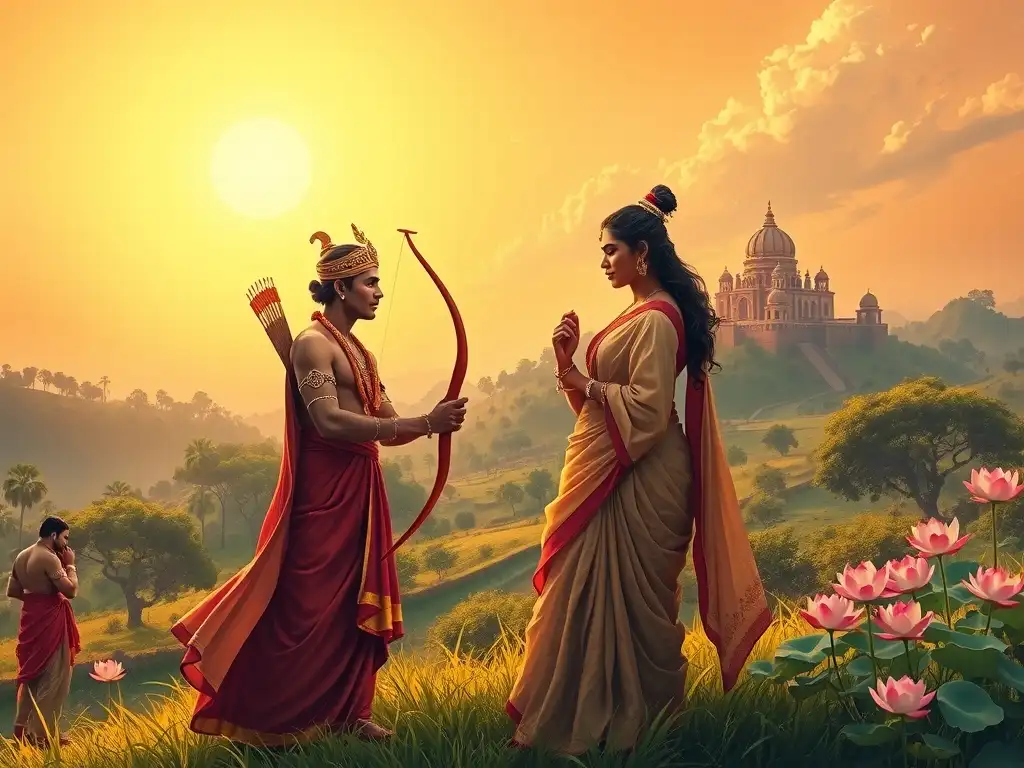
The Ramayana, one of the two major Sanskrit epics of ancient Indian literature, remains a vital cultural artifact that transcends its historical context. Its themes of duty, righteousness, and the complexities of human relationships resonate with contemporary society, making it relevant even today. As we explore the significance of the Ramayana in modern contexts, we can discern how its teachings can be applied to various facets of life, from personal ethics to societal norms.
Lessons from the Ramayana for Modern Readers
The Ramayana is rich with moral and ethical lessons that can be particularly instructive for contemporary readers. Here are several key takeaways:
- Dharma (Righteousness): The concept of Dharma is central to the Ramayana. Characters like Rama exemplify the importance of adhering to one's duty, even in the face of adversity. This lesson encourages modern individuals to uphold their responsibilities, whether in personal relationships or professional settings.
- The Power of Sacrifice: The sacrifices made by characters such as Sita and Lakshmana highlight the importance of selflessness. These narratives encourage readers to consider the greater good over personal desires, fostering a sense of community and collective responsibility.
- Complexity of Relationships: The Ramayana delves into intricate relationships, from familial bonds to friendships. It portrays the struggles and conflicts inherent in these relationships, offering insights into conflict resolution and the importance of empathy and understanding.
- Gender Roles and Feminism: Sita's portrayal has sparked discussions on gender roles within the Ramayana. Modern interpretations challenge traditional views, prompting critical examination of female agency and empowerment in both ancient and contemporary contexts.
- Courage and Resilience: The journeys of Rama and Sita embody resilience against overwhelming odds. Their perseverance serves as an inspiring reminder of the human spirit's capability to overcome challenges.
By drawing lessons from these narratives, modern readers can engage with the Ramayana not merely as a historical text but as a source of wisdom applicable to contemporary life.
The Ramayana in Educational Curricula Worldwide
The Ramayana's influence extends beyond literature; it has found a place in educational curricula across various countries. Its inclusion serves several purposes:
- Cultural Literacy: Understanding the Ramayana provides students with insights into the cultural and historical context of South Asia. This knowledge fosters cultural literacy and appreciation among diverse student populations.
- Comparative Literature Studies: Many academic programs incorporate the Ramayana in comparative literature courses, allowing students to analyze its themes alongside global literary works. This comparative approach enriches discussions about narrative structures, character development, and moral dilemmas.
- Ethics and Morality: The epic is often utilized in courses focused on ethics, providing a framework for discussing moral philosophy. Educators encourage students to reflect on the ethical dilemmas faced by characters and their relevance to contemporary moral challenges.
- Interdisciplinary Studies: The Ramayana is also featured in interdisciplinary studies that combine literature, history, and sociology. This holistic approach allows students to explore the broader implications of the text on social values, gender roles, and historical events.
By incorporating the Ramayana into educational systems, institutions promote critical thinking and cultural awareness, preparing students to engage thoughtfully with global narratives.
Interfaith and Cross-Cultural Dialogues
The Ramayana plays a significant role in fostering interfaith and cross-cultural dialogues, particularly in regions where multiple religions coexist. Its themes resonate across various belief systems, facilitating discussions on shared values:
- Shared Ethical Frameworks: Many of the moral lessons in the Ramayana align with principles found in other religious texts, encouraging dialogue about common ethical values. This common ground can serve as a foundation for interfaith discussions.
- Cross-Cultural Adaptations: The Ramayana has inspired adaptations in various cultures, such as the Indonesian "Ramayana" ballet and the Thai version known as "Ramakien." These adaptations illustrate how stories can transcend cultural boundaries, promoting a sense of shared humanity.
- Conflict Resolution: The narrative's emphasis on compassion, forgiveness, and understanding can contribute to conflict resolution initiatives within and between communities. By examining the Ramayana's teachings, groups can find pathways to reconciliation and harmony.
- Cultural Exchange: Events such as performances, discussions, and workshops centered around the Ramayana foster cultural exchange and appreciation. These initiatives celebrate diversity while highlighting the universal themes present in the epic.
The Ramayana's relevance in today's society is multifaceted, with its lessons applicable to modern readers, its presence in educational curricula worldwide, and its role in promoting interfaith dialogues. As we continue to explore its themes, the Ramayana will undoubtedly remain a significant text in the realm of global literature.
Conclusion: The Ramayana's Place in Global Literature
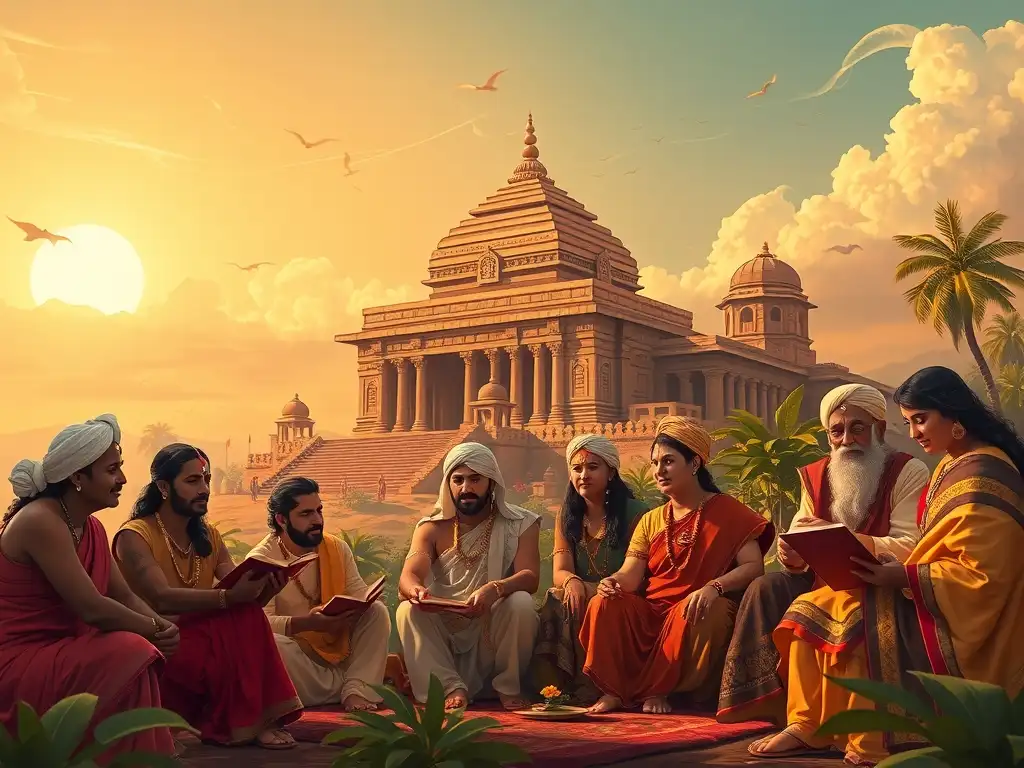
Summary of Key Comparisons
The Ramayana, an epic poem attributed to Valmiki, holds a significant place in global literature, drawing compelling comparisons with other world epics such as the Iliad, Odyssey, and Aeneid. Each of these texts not only narrates heroic deeds but also encapsulates profound philosophical and moral lessons.
- Heroic Archetypes
- Rama vs. Odysseus: Rama embodies the ideals of dharma (righteousness) and virtue, contrasting with Odysseus, whose cunning often borders on deceit.
- Sita and Penelope: Both characters showcase loyalty and resilience, yet Sita's trials highlight gender roles and societal expectations unique to ancient Indian culture.
- Themes of Duty and Morality
- Dharma: The concept of dharma is central to the Ramayana and differs from the more individualistic morality found in Western epics.
- Fate and Free Will: The interplay between fate and free will is another common theme, with characters in the Ramayana often facing preordained challenges that test their moral fiber.
- Cultural Reflections
- Societal Values: The Ramayana reflects ancient Indian societal values, particularly regarding family, loyalty, and justice, which can be compared to the societal norms depicted in other epics.
Future Directions for Research on the Ramayana
As the Ramayana continues to inspire scholars, various future research directions can be explored:
- Cross-Cultural Adaptations: Investigating how the Ramayana has influenced literature and arts across different cultures, including its adaptations in Southeast Asia, could yield insights into its universal themes and local interpretations.
- Interdisciplinary Approaches: Scholars can apply methodologies from anthropology, sociology, and comparative literature to deepen understanding of the epic's impact on identity and heritage in various cultural contexts.
- Digital Humanities: Utilizing digital platforms to create interactive comparisons of the Ramayana with other global epics can enhance accessibility and engagement for a broader audience.
Final Thoughts on the Ramayana Global Literature Comparison
The Ramayana stands as a monumental work within the tapestry of global literature, offering rich narratives that transcend cultural boundaries. Its exploration of universal themes such as duty, honor, and the human condition renders it not only a national treasure for India but also a global legacy deserving of comparative analysis. As scholars continue to examine its relevance and influence, the Ramayana will undoubtedly sustain its position as a vital cornerstone in the study of epic literature, providing a profound lens through which to view the shared narratives of humanity.
By positioning the Ramayana within the framework of global literature, we not only honor its historical significance but also pave the way for deeper cultural understanding and appreciation across civilizations. The journey of the Ramayana is far from over; it continues to inspire curiosity, dialogue, and scholarship in an ever-evolving literary world.
Frequently Asked Questions
What is the Ramayana and its significance in global literature?
The Ramayana is an ancient Indian epic that narrates the life of Lord Rama. Its themes of dharma (duty) and devotion resonate globally, making it a significant work in the study of world literature.
How does the Ramayana compare to other epic narratives worldwide?
Similar to Homer's Iliad and Odyssey, the Ramayana explores heroic journeys and moral dilemmas, offering insight into the values and beliefs of ancient societies.
What are some cultural influences of the Ramayana outside of India?
The Ramayana has influenced various cultures, especially in Southeast Asia, where it has been adapted into local traditions, art forms, and performances, showcasing its universal themes.
How has the Ramayana contributed to literary studies?
The Ramayana serves as a vital text for comparative literature studies, allowing scholars to analyze narrative techniques, character development, and the moral frameworks it presents alongside other global epics.
Why is the Ramayana considered a timeless classic?
Its exploration of universal themes such as love, sacrifice, and righteousness, along with its rich cultural heritage, makes the Ramayana a timeless classic in both Indian and global literature.
Final Reflection: The Ramayana's Enduring Legacy in Global Literature
The Ramayana stands as a monumental work that transcends cultural boundaries, illustrating the universal themes of duty, honor, and the eternal struggle between good and evil. In today's interconnected world, the relevance of this ancient epic continues to resonate, reminding us that stories have the power to bridge divides and foster understanding among diverse cultures. The Ramayana's influence on global literature is not merely historical; it is a living testament to the shared human experience that shapes our narratives across time and space.
Culturally, the Ramayana has woven itself into the fabric of societies far beyond its Indian origins, inspiring countless adaptations and interpretations that reflect local values and beliefs. The epic's themes of love, sacrifice, and righteousness resonate deeply, prompting readers and audiences to explore their own identities and moral dilemmas. As noted by literary scholar Arvind Sharma, The Ramayana is not just a story; it is a lens through which we can examine our own lives and the choices we make.
This ongoing dialogue between the text and its readers underscores the Ramayana's role as a catalyst for cultural exchange and introspection.
As we reflect on the lessons embedded within the Ramayana, let us embrace the opportunity to engage with its teachings in our own lives. Consider how the values of courage, loyalty, and compassion can guide your actions and decisions in an increasingly complex world.
By drawing inspiration from this timeless epic, we can cultivate a deeper understanding of ourselves and others, fostering a sense of unity that transcends cultural differences. In doing so, we not only honor the legacy of the Ramayana but also contribute to the rich tapestry of global literature that continues to evolve and inspire future generations.
Unveil the Timeless Wisdom of the Ramayana!
Thank you for diving into the captivating world of the Ramayana and its global implications! By exploring this epic, you've gained insights into its profound themes and cross-cultural resonances. Now, it’s time to take the next steps to deepen your understanding and engagement.
Here are a few actions you can take today:
- Join a local or online discussion group focused on epic literature to share insights about the Ramayana and compare it with other myths and epics from around the world.
- Explore adaptations of the Ramayana in different cultures by reading a translated version or watching a film based on the epic. You might be surprised by the unique interpretations!
- Share your thoughts! Consider writing a short reflection or post on social media about how the themes of the Ramayana resonate with today's world, using the hashtag #RamayanaInGlobalLiterature.
Which aspect of the Ramayana do you find most relevant to contemporary global issues? Let's discuss in the comments below!