
The Digital Transformation of Indian Handicrafts: Embracing Technology for Growth

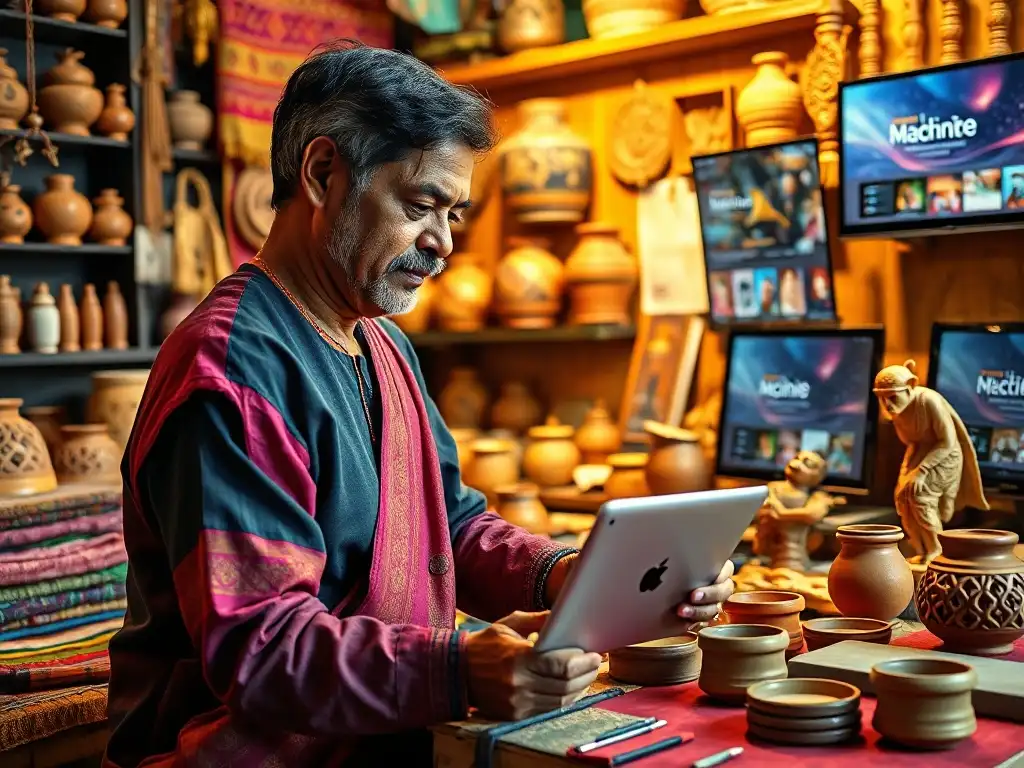
Welcome to Ancient India History, where we delve into the rich tapestry of India's past—a journey through time that uncovers the profound legacies of ancient civilizations from the Indus Valley to the Gupta Empire. In this edition, we shine a spotlight on the fascinating topic of "Indian handicrafts digital transformation", exploring how traditional artisans are embracing technology to not only preserve their heritage but also unlock new avenues for growth.
As you navigate through our insights, prepare to be captivated by the harmonious blend of age-old craftsmanship and modern innovation, paving the way for a brighter future. Join us as we unravel this compelling narrative that is reshaping the landscape of Indian handicrafts!
Introduction to Indian Handicrafts and Digital Transformation
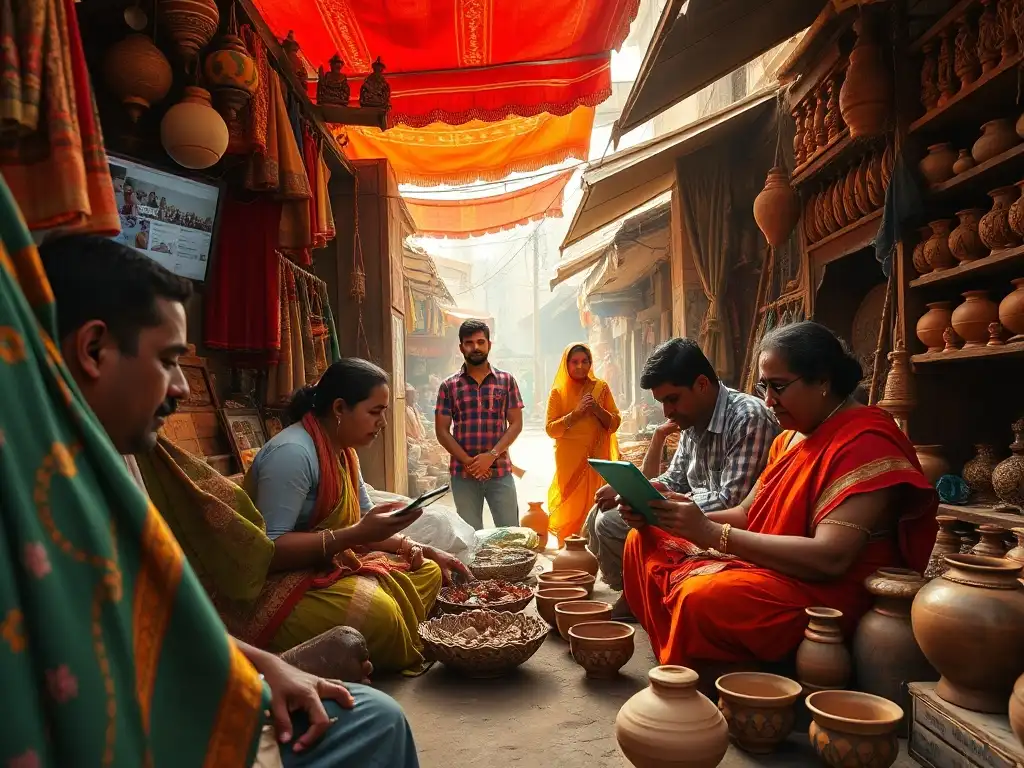
The world of Indian handicrafts is a vibrant tapestry woven from centuries of tradition, skill, and artistry. From the intricate patterns of Madhubani paintings to the exquisite craftsmanship of Kanchipuram silk sarees, Indian artisans have long been celebrated for their creative prowess and cultural heritage. However, as the global market evolves, so too must these artisans adapt to new realities. The digital transformation of Indian handicrafts is not just a trend; it represents a vital shift that can empower artisans, expand market reach, and enhance sustainability.
In an era where technology permeates every aspect of life, the handicraft sector is leveraging digital tools to connect with consumers, streamline operations, and preserve traditional skills. This transformation is pivotal for artisans who often face challenges such as limited access to markets, lack of visibility, and fluctuating demand.
By embracing technology, these artisans can not only safeguard their livelihoods but also promote the rich cultural legacy of India on a global stage. As we delve deeper into this article, we will explore the key drivers behind this digital transformation and how they are revolutionizing the landscape of Indian handicrafts.
Key Drivers of Digital Transformation in Indian Handicrafts
The digital transformation of Indian handicrafts is fueled by several interconnected factors that are reshaping the industry. These drivers not only provide artisans with new tools and platforms but also create opportunities for growth and innovation.
E-commerce Platforms Revolutionizing the Market
E-commerce has emerged as a game-changer for Indian handicrafts, providing artisans with a direct channel to consumers both domestically and internationally. Platforms such as Amazon Handmade, Etsy, and Craftsvilla have made it possible for artisans to showcase their products to a broader audience, breaking down geographical barriers.
- Increased Sales Opportunities: Artisans can now sell their products 24/7, reaching customers who may never have visited local markets.
- Lower Overhead Costs: By operating online, artisans can reduce the costs associated with maintaining a physical storefront.
- Global Reach: E-commerce allows artisans to tap into international markets, significantly expanding their customer base.
These platforms also offer valuable insights into consumer preferences, enabling artisans to tailor their offerings and optimize inventory management.
Social Media and Brand Awareness
Social media has emerged as a powerful tool for artisans to build their brand and engage with potential customers. Platforms such as Instagram, Facebook, and Pinterest have democratized marketing, allowing artisans to showcase their craftsmanship and tell their stories.
- Visual Storytelling: Through captivating images and videos, artisans can highlight the intricate details of their work, attracting a wider audience.
- Community Building: Social media fosters a sense of community among artisans, enabling them to share tips, collaborate, and support one another.
- Direct Consumer Interaction: Artisans can communicate directly with consumers, gaining insight into customer preferences and feedback.
This shift towards social media-driven marketing is crucial for artisans to establish a unique identity in a competitive marketplace.
Technology Adoption among Artisans
The adoption of technology among artisans is essential for the successful digital transformation of Indian handicrafts. Training and access to modern tools can empower artisans to innovate and improve their production processes.
- Skill Development: Workshops and online courses on digital tools can enhance artisans' skills, from photography to digital marketing.
- Access to Tools: The availability of affordable software and hardware empowers artisans to design, produce, and market their products effectively.
- Sustainability Practices: Technology can facilitate the adoption of sustainable practices, helping artisans minimize waste and optimize resources.
By embracing technology, artisans not only enhance their craftsmanship but also contribute to the overall growth and modernization of the handicraft sector in India.
The Benefits of Embracing Digital Transformation
The digital transformation of Indian handicrafts offers numerous benefits that can significantly enhance the growth and sustainability of this vital sector. By leveraging technology, artisans can unlock new opportunities, streamline operations, and connect with consumers in innovative ways. Here are some of the key advantages of embracing digital transformation:
Expanding Market Reach for Indian Handicrafts
One of the most significant benefits of digital transformation is the ability to reach a broader audience. Traditional sales channels, such as local markets and exhibitions, often limit artisans to a regional customer base. However, with the advent of e-commerce platforms and social media, artisans can showcase their products to a global audience.
- Online Marketplaces: Platforms like Etsy, Amazon, and specialized handicraft websites allow artisans to list their products and gain visibility among international buyers.
- Social Media Marketing: Utilizing platforms like Instagram and Facebook helps artisans visually present their work, engage with potential customers, and build a brand presence.
- Direct-to-Consumer Sales: By establishing their own websites, artisans can sell directly to consumers, increasing their profit margins and building customer loyalty.
This expanded market reach not only enhances sales opportunities but also promotes the rich cultural heritage of Indian handicrafts on a global stage.
Enhancing Customer Engagement and Experience
Digital transformation enables artisans to create more interactive and personalized experiences for customers. By utilizing technology, artisans can engage with their audience in ways that were previously unattainable.
- Customizable Products: Through digital platforms, customers can request bespoke items, allowing artisans to cater to individual preferences and increase customer satisfaction.
- Virtual Showrooms: Technologies like augmented reality allow potential buyers to visualize products in their own space, enhancing the shopping experience and reducing return rates.
- Feedback and Interaction: Social media and online platforms provide artisans with immediate feedback, enabling them to understand customer needs better and adapt their offerings accordingly.
These enhancements not only improve the customer experience but also foster a community around the brand, encouraging repeat purchases and brand loyalty.
Streamlining Production and Supply Chain Management
Digital tools can significantly optimize the production processes and supply chain management of handicraft businesses. This efficiency leads to cost savings and improved delivery times.
- Inventory Management Software: Artisans can use technology to track their inventory levels in real time, reducing waste and ensuring that popular items are always available.
- Production Scheduling Tools: These tools help artisans manage their workload more effectively, allowing for timely delivery and better planning of resources.
- Supply Chain Transparency: Digital platforms can facilitate better communication with suppliers, ensuring consistent quality and timely procurement of materials.
By streamlining these processes, artisans can focus more on creativity and craftsmanship rather than being bogged down by logistical challenges.
Challenges Faced by Artisans in the Digital Age
While the digital transformation of Indian handicrafts presents exciting opportunities, it also comes with its set of challenges that artisans must navigate to succeed in the digital landscape.
Digital Literacy and Skill Gap
One of the primary challenges is the varying levels of digital literacy among artisans. Many traditional artisans may lack the necessary skills to effectively utilize digital tools and platforms.
- Training Needs: There is a pressing need for training programs that can equip artisans with essential digital skills, from basic computer use to online marketing strategies.
- Access to Resources: In rural areas, limited access to the internet and modern technology can hinder artisans from fully embracing digital transformation.
- Adapting to Change: Some artisans may resist adopting new technologies due to fear of change or lack of understanding, which can impede their growth.
Addressing the digital literacy gap is crucial for enabling artisans to take full advantage of digital opportunities.
Competition and Market Saturation
As more artisans enter the digital space, competition is becoming increasingly fierce. This saturation can pose significant challenges for individual artisans looking to stand out.
- Brand Differentiation: With many similar products available online, artisans must find ways to differentiate their offerings through unique designs, storytelling, and branding.
- Pricing Pressure: Increased competition can lead to price wars, which may adversely affect the livelihoods of artisans who rely on fair pricing to sustain their craft.
- Maintaining Quality: As production scales up to meet demand, there is a risk that quality may suffer, which can harm an artisan's reputation and customer trust.
Navigating this competitive landscape requires strategic marketing and a focus on quality to ensure that artisans can thrive in the digital economy.
Future Trends in the Digital Transformation of Indian Handicrafts
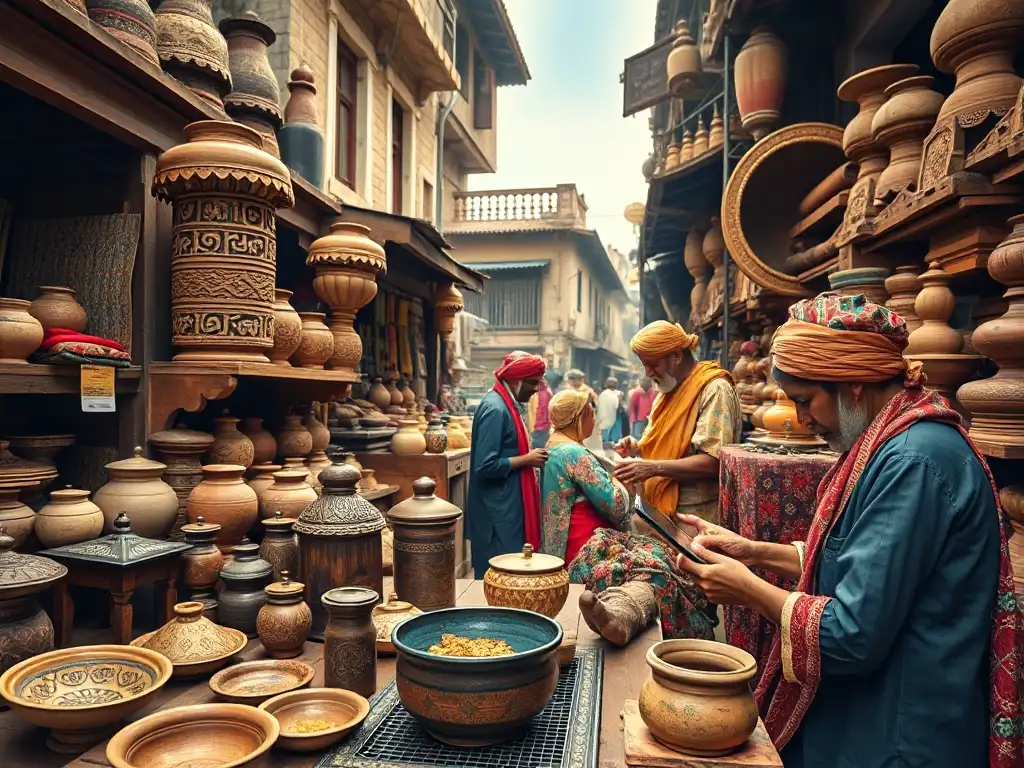
The digital transformation of Indian handicrafts is entering a new phase as artisans and entrepreneurs adapt to changing technologies and consumer preferences. With increased internet penetration and the rise of e-commerce platforms, the future holds substantial possibilities for growth. The integration of artificial intelligence, augmented reality, and blockchain technology is set to revolutionize how handicrafts are marketed, sold, and valued.
In the coming years, we can expect a significant shift toward personalized consumer experiences, where customers can engage directly with artisans through virtual platforms. This not only enhances customer satisfaction but also helps artisans build their brand identity and market presence. As the demand for unique, handcrafted products grows, technology will play a crucial role in connecting artisans with a global audience.
Innovations on the Horizon
Innovations in technology are driving new avenues for Indian handicrafts. One of the most notable trends is the use of augmented reality (AR) and virtual reality (VR), allowing consumers to visualize products in their homes before purchase. This immersive experience can significantly enhance consumer confidence, leading to increased sales for artisans.
Additionally, artificial intelligence (AI) is being leveraged to analyze consumer behavior and preferences, enabling artisans to tailor their products accordingly. AI-powered chatbots can facilitate customer interactions, providing instant responses to queries and improving overall customer service.
Another promising innovation is the use of blockchain technology for supply chain transparency. By tracking the origins of handicrafts, artisans can assure customers of the authenticity and ethical sourcing of their products. This is particularly important in a market increasingly concerned with sustainability and ethical consumption.
Sustainable Practices and Eco-Friendly Products
As the digital transformation of Indian handicrafts progresses, there is a growing emphasis on sustainability. Artisans are recognizing the importance of eco-friendly materials and processes, which resonate with the environmentally-conscious consumer. This shift not only aligns with global sustainability trends but also enhances the marketability of their products.
The use of natural dyes, organic materials, and sustainable methods of production is becoming more prevalent. Artisans are increasingly adopting practices that minimize waste and reduce their carbon footprint, which can be promoted through digital marketing channels to attract eco-conscious buyers.
Moreover, platforms that support fair trade and ethical practices are gaining traction, helping artisans reach consumers who prioritize sustainability in their purchasing decisions. The integration of sustainable practices into the digital transformation of handicrafts not only benefits the environment but also opens up new market opportunities for Indian artisans.
Conclusion: The Path Forward for Indian Handicrafts
The digital transformation of Indian handicrafts presents a unique opportunity for artisans to thrive in a competitive global market. By embracing technology, artisans can enhance their visibility, connect with consumers directly, and showcase the rich cultural heritage embedded in their crafts.
As innovations continue to emerge, it is crucial for artisans to stay informed and adaptable. By leveraging sustainable practices and incorporating new technologies, they can ensure their crafts remain relevant and appealing to modern consumers. The path forward involves a harmonious blend of tradition and innovation, allowing Indian handicrafts to flourish in the digital age while preserving their unique cultural significance.
Additional Resources
To further explore the theme of digital transformation in Indian handicrafts, a variety of resources can provide deeper insights and valuable information. Below are several categories of resources that can be beneficial for entrepreneurs, artisans, and researchers interested in this evolving landscape.
Books
-
"Handmade in India: A Geographic Encyclopedia of Indian Handicrafts"
This comprehensive book offers an in-depth look at various handicrafts across different regions of India, exploring traditional techniques and the artisans behind them.
-
"The Art of Indian Handicrafts: A Study of Cultural Heritage and Economic Development"
This book discusses the intersection of culture and commerce and examines how digital innovations can enhance the economic viability of traditional crafts.
Websites and Online Platforms
- Craftsvilla: A leading e-commerce platform that promotes Indian handicrafts and connects artisans directly with consumers globally, fostering a digitally enabled marketplace.
- IndiaMART: A B2B marketplace that supports small and medium enterprises, providing artisans with a platform to showcase their products and reach a wider audience.
- eChai: A networking platform for entrepreneurs, including those in the handicrafts sector, focusing on collaboration and sharing of digital strategies for growth.
Online Courses and Webinars
- "Digital Marketing for Artisans" by Skillshare: This course teaches artisans how to leverage digital marketing strategies to enhance their visibility and sales online.
- Webinars by the Ministry of Textiles: Regular webinars focusing on the adoption of technology in handicrafts, offering practical insights and success stories from industry leaders.
Research Papers and Articles
-
"The Role of E-commerce in Revitalizing Indian Handicrafts"
This research paper analyzes the impact of e-commerce on traditional crafts and highlights case studies of successful digital transformations.
-
Articles on platforms like Medium and LinkedIn: Many industry experts share their thoughts and experiences on digital transformation in handicrafts, providing valuable perspectives and actionable advice.
Social Media Groups and Communities
- Facebook Groups like "Indian Handicrafts" and "Craft Entrepreneurs": These communities allow artisans to share experiences, tips, and resources related to digital transformation and marketing.
- Instagram: Following hashtags such as #IndianHandicrafts and #DigitalArtisans can connect individuals with trends, success stories, and innovative practices within the community.
By leveraging these resources, stakeholders in the Indian handicrafts sector can enhance their understanding of digital transformation and implement strategies that promote growth and sustainability in their businesses.
- Introduction to Indian Handicrafts and Digital Transformation
- Key Drivers of Digital Transformation in Indian Handicrafts
- The Benefits of Embracing Digital Transformation
- Challenges Faced by Artisans in the Digital Age
- Future Trends in the Digital Transformation of Indian Handicrafts
- Conclusion: The Path Forward for Indian Handicrafts
- Additional Resources
- What is the significance of Indian handicrafts in the context of history?
- How is technology impacting the digital transformation of Indian handicrafts?
- What role do social media platforms play in promoting Indian handicrafts?
- How can artisans benefit from the digital transformation?
- What challenges do artisans face during the digital transformation of their crafts?
Frequently Asked Questions
What is the significance of Indian handicrafts in the context of history?
Indian handicrafts have a rich heritage, showcasing the cultural diversity and artistic skills of ancient civilizations, which contribute to the identity and economy of India today.
How is technology impacting the digital transformation of Indian handicrafts?
The digital transformation is enabling artisans to reach a wider market through e-commerce, enhancing visibility and sales while preserving traditional techniques.
Social media platforms serve as powerful tools for artisans to share their work, connect with customers, and promote the unique qualities of their handicrafts, fostering global awareness.
How can artisans benefit from the digital transformation?
Artisans can gain access to resources, training, and platforms that help them innovate, market their products effectively, and improve their livelihoods through enhanced business opportunities.
What challenges do artisans face during the digital transformation of their crafts?
Artisans often encounter limited digital literacy, lack of access to technology, and challenges in adapting traditional methods to modern market demands, hindering their growth in the digital space.
Final Reflection: Embracing Change in Indian Handicrafts
The digital transformation of Indian handicrafts is not just a trend; it is a vital evolution that connects artisans with global markets and preserves cultural heritage. As we navigate an increasingly digital world, the integration of technology into traditional crafts is reshaping the landscape of Indian handicrafts, allowing artisans to reach wider audiences and ensuring that their skills and stories are not lost to time. This transformation is a powerful reminder that innovation can coexist with tradition, creating a harmonious balance that benefits both artisans and consumers alike.
Culturally, the impact of this transformation is profound. The infusion of technology into the realm of Indian handicrafts has not only revitalized the industry but has also fostered a sense of community among artisans. By leveraging digital platforms, artisans can share their narratives, showcase their craftsmanship, and connect with consumers who value authenticity and creativity. As Mahatma Gandhi once said, “The best way to find yourself is to lose yourself in the service of others.” This sentiment resonates deeply within the context of handicrafts, where artisans serve not just their craft but also their communities and heritage.
As we reflect on the lessons of this digital transformation, I invite you to consider how you can support and engage with Indian handicrafts in your own life. Explore the stories behind the products you purchase, advocate for fair trade practices, and celebrate the artisans who pour their passion into their work. By embracing this change and recognizing the value of tradition intertwined with technology, we can contribute to a sustainable future for Indian handicrafts, ensuring that they thrive for generations to come.
Embrace the Future of Indian Handicrafts Today!
Thank you for joining us on this enlightening journey through the digital transformation of Indian handicrafts! By engaging with this article, you’ve uncovered the immense potential that technology offers to artisans and the rich tradition of handicrafts. Now, let’s take actionable steps to support this incredible movement!
- Start by exploring local handicraft websites to discover unique, handmade products that utilize digital platforms. Your purchase could make a significant difference!
- Share your newfound knowledge about the digital transformation in handicrafts on social media. Use the hashtag #TechForTradition to inspire your friends and followers!
- Join a community or forum that focuses on empowering local artisans through technology. This engagement can lead to fascinating discussions and collaborations.
As you reflect on how technology can enhance our cultural heritage, consider this: How can you contribute to the revival and support of traditional craftsmanship in your community?