
The Future of Indian Exports: Trends and Predictions for Global Markets

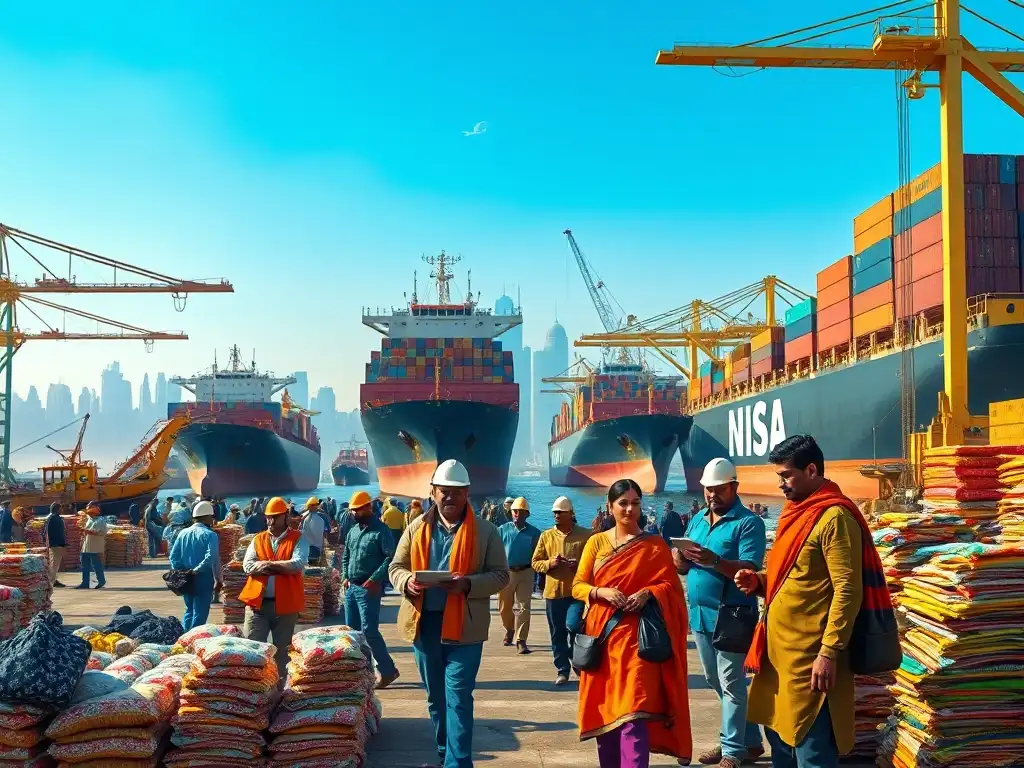
Welcome to Ancient India History, where we embark on a fascinating journey through the tapestry of time, exploring the rich and diverse history of ancient Indian civilizations. From the remarkable Indus Valley to the illustrious Gupta Empire, each era has left an indelible mark on our world today. In this enlightening space, we invite you to delve into the extraordinary contributions of ancient Indian civilization, which continue to influence modern society.
As we transition from the echoes of the past to the thriving prospects of the future, be sure to discover how these ancient legacies intertwine with current trends and predictions for Indian exports in our latest article. Your adventure into history and its enduring impact starts here!
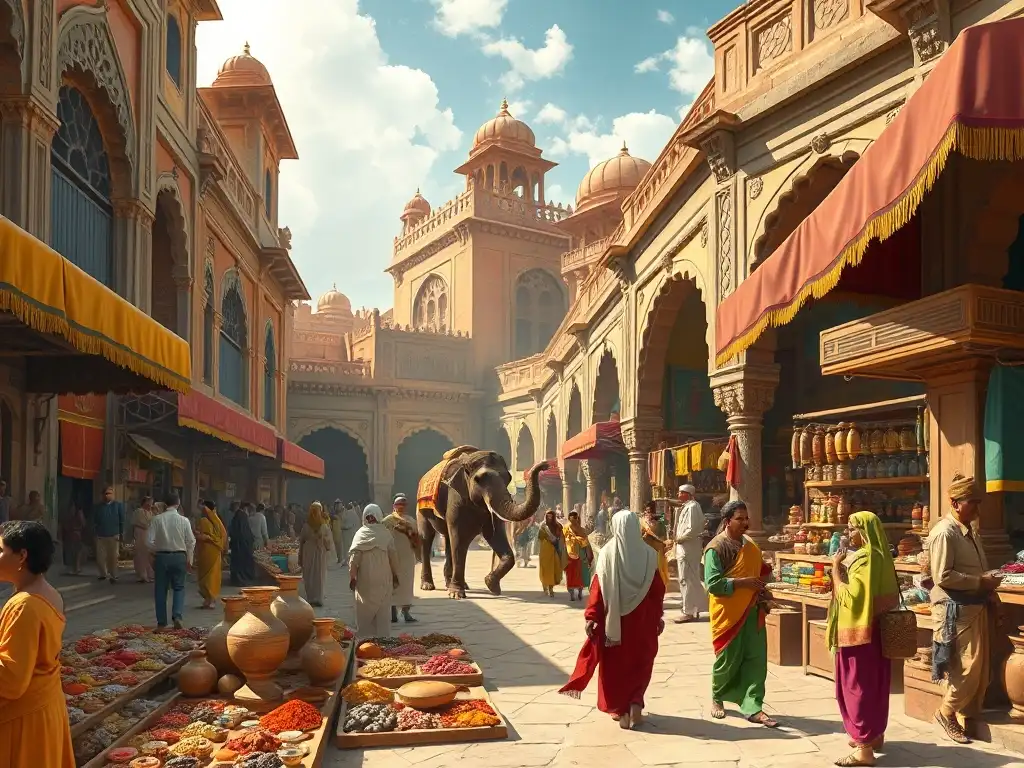
As the world becomes increasingly interconnected, understanding the historical context of trade can provide valuable insights into contemporary export strategies. The contributions of ancient Indian civilizations—ranging from the well-organized trade networks of the Indus Valley to the sophisticated economic structures of the Gupta Empire—have laid a strong foundation for India's current position in the global market.
This article delves into the remarkable legacy of ancient Indian civilization contributions, particularly focusing on how these historical practices influence modern trade and export strategies. By exploring the rich tapestry of India's past, we can uncover trends and predictions for the future of Indian exports, emphasizing the importance of cultural heritage in promoting Indian goods on the international stage.
Understanding Ancient Indian Civilization Contributions to Modern Trade
Overview of Ancient Indian Trade Practices
Ancient India was characterized by its vibrant trade practices, which were integral to the economy and cultural exchange. Notably, the Indus Valley Civilization (circa 3300–1300 BCE) established one of the earliest known urban trading networks, where goods such as textiles, beads, and pottery were exchanged not only within the subcontinent but also with distant lands like Mesopotamia and Egypt.
Key elements of ancient trade practices include:
- Trade Routes: The use of land and maritime routes facilitated extensive trade networks.
- Standardized Weights and Measures: The introduction of uniform measures allowed for fair trade.
- Barter System: Goods were often exchanged directly without the use of currency, showcasing the ingenuity of early economic systems.
These foundational practices have evolved, but their essence remains vital in shaping India's modern export strategies.
The Impact of Ancient Indian Civilization Contributions on Today's Export Strategies
The legacies of ancient Indian civilizations continue to resonate in today’s export landscape. Many of the fundamental principles established thousands of years ago are reflected in contemporary practices:
- Cultural Heritage: The rich cultural legacy, including craftsmanship and traditional arts, has become a unique selling point for Indian exports.
- Sustainable Practices: Many ancient methods of production, such as organic farming and handloom weaving, are being revisited to meet global demands for sustainability.
- Market Adaptability: The ability to adapt trade practices based on regional and international needs, a hallmark of ancient trade, is crucial for modern exporters.
By leveraging these historical contributions, Indian exporters can enhance their strategies to meet contemporary market demands effectively.
Current Trends in Indian Exports
Key Export Commodities from India: A Historical Perspective
Throughout history, India has been known for exporting various commodities, each reflecting the skills and resources of its civilizations. In ancient times, textiles, spices, and precious stones were among the most sought-after goods. Today, while the list has expanded, these commodities still play a significant role in India's export portfolio.
| Commodity | Historical Significance | Current Relevance |
|---|---|---|
| Textiles | Known for intricate designs and craftsmanship | Continues to be a leading export category |
| Spices | Integral to trade routes and culinary arts | Remains a staple in global markets |
| Handicrafts | Reflects cultural diversity and heritage | Gaining popularity in niche markets |
This historical perspective not only highlights the evolution of these commodities but also signals their continued importance in the global marketplace.
The Role of Culture and Heritage in Promoting Indian Goods
Cultural elements and heritage play a critical role in marketing Indian goods internationally. The stories behind traditional crafts, the artistry involved, and the historical narratives associated with various products create a compelling narrative for consumers.
- Brand Storytelling: Exporters are increasingly using the rich stories of ancient Indian civilizations to differentiate their products in competitive markets.
- Cultural Festivals and Exhibitions: Participation in global exhibitions and cultural festivals helps promote Indian goods, enhancing visibility and appreciation for their historical significance.
- Government Initiatives: Programs aimed at promoting traditional crafts and heritage goods have gained momentum, further bridging the gap between ancient contributions and modern market needs.
By integrating cultural heritage into marketing strategies, Indian exporters are not only preserving their history but also ensuring the sustainable growth of their industries in the global market.
Predictions for Global Markets: Indian Exports in 2025 and Beyond
As we look towards 2025 and beyond, predictions for Indian exports indicate a robust trajectory fueled by several key factors. The global demand for Indian goods is anticipated to rise, driven by a combination of competitive pricing, quality improvements, and a diversified product base. Analysts forecast that sectors such as textiles, pharmaceuticals, and information technology will see significant growth, potentially contributing to an increase in the overall export volume by approximately 10-15% annually.
Moreover, the strategic initiatives taken by the Indian government, including the Make in India campaign and various trade agreements, are expected to bolster export performance. Countries in Southeast Asia, Africa, and Latin America are becoming increasingly important trading partners, presenting untapped markets for Indian products. With the current trend towards localization in supply chains, Indian exporters may also find new opportunities in regional markets, aligning with global companies seeking to diversify their sourcing.
Emerging Markets for Indian Exports: Opportunities and Challenges
Emerging markets present a dual-edged sword for Indian exporters, offering both opportunities and challenges. On one hand, countries in Africa and Southeast Asia are witnessing rapid economic growth and rising middle-class populations, creating a higher demand for consumer goods, textiles, and electronics. For instance, India has already established a significant footprint in countries like Nigeria and Vietnam, where the demand for affordable yet quality products is on the rise.
However, these markets also come with inherent challenges, such as political instability, fluctuating currencies, and varying regulatory environments. For exporters, understanding local cultures and establishing reliable distribution networks are crucial for success. Additionally, competition from other emerging economies, such as Vietnam and Bangladesh, poses a significant threat that Indian exporters must navigate. Thus, a well-researched approach, focusing on market entry strategies and risk management, will be essential for capitalizing on these opportunities.
The Influence of Digital Transformation on Export Strategies
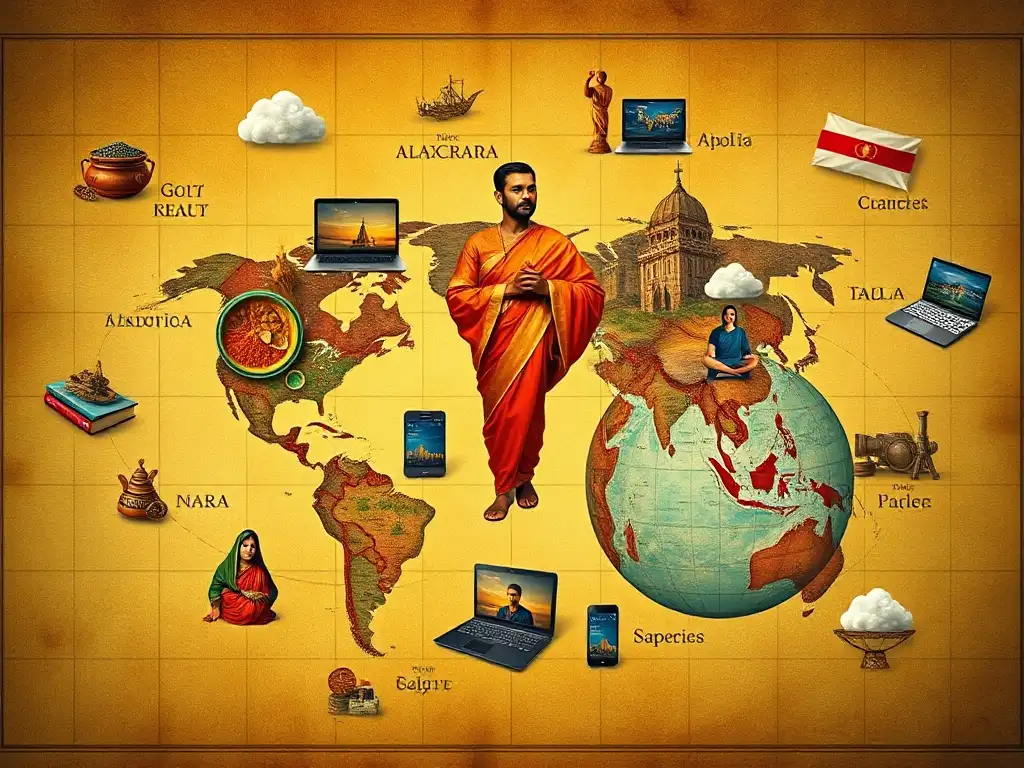
Digital transformation is reshaping the landscape of Indian exports, enabling businesses to enhance their strategies and operations dramatically. With the rise of e-commerce platforms, Indian exporters can now reach global consumers directly, bypassing traditional distribution channels. This has democratized access to international markets, allowing small and medium-sized enterprises (SMEs) to participate actively in export activities.
Additionally, advancements in technology such as big data analytics and artificial intelligence are empowering exporters to make data-driven decisions. By analyzing market trends and consumer behavior, businesses can tailor their offerings and optimize pricing strategies, ultimately improving competitiveness. Moreover, digital tools facilitate better supply chain management, allowing for real-time tracking of shipments and inventory, thereby enhancing operational efficiency. As digital adoption increases, Indian exporters who leverage these technologies will likely see improved performance and growth.
The Role of Sustainable Practices in Future Exports
Sustainability is becoming a crucial element in the global trade landscape, and Indian exporters are increasingly recognizing the importance of adopting sustainable practices. With consumers and businesses alike prioritizing environmental and social responsibility, incorporating sustainability into export strategies is no longer optional but a necessity. This includes practices such as reducing carbon footprints, ensuring fair labor practices, and utilizing eco-friendly materials.
By embracing sustainable practices, Indian exporters can enhance their brand image, meet international standards, and gain a competitive edge in global markets. Furthermore, sustainability can lead to cost savings through efficient resource use and waste reduction. As global regulations on environmental practices tighten, those who proactively adopt sustainable measures will not only comply with regulations but also appeal to a growing segment of conscientious consumers.
Integrating Ancient Wisdom with Modern Sustainability Efforts
The integration of ancient wisdom into modern sustainability efforts is a unique approach that can enhance the appeal of Indian exports. Ancient Indian civilizations, known for their rich cultural heritage and sustainable practices, have much to offer in terms of organic farming, traditional craftsmanship, and resource conservation. Techniques such as zero-budget natural farming, which emphasizes minimal input costs and sustainable agricultural practices, are gaining traction among modern farmers.
Additionally, traditional Indian crafts often utilize local materials and age-old techniques, embodying sustainability in their very essence. By promoting products that reflect these ancient practices, Indian exporters can differentiate themselves in the global marketplace, appealing to eco-conscious consumers. This blend of tradition and modernity not only preserves India's cultural heritage but also positions the country as a leader in sustainable business practices, paving the way for a brighter and more responsible future in exports.
Strategies for Leveraging Ancient Indian Civilization Contributions in Exports
India's rich history and diverse contributions from ancient civilizations offer unique opportunities for exporters looking to differentiate their products in global markets. By leveraging the cultural heritage and historical significance behind various goods, exporters can create compelling value propositions that resonate with consumers worldwide.
One effective strategy is to highlight the traditional craftsmanship and techniques rooted in ancient Indian practices. For instance, textiles produced using age-old weaving methods, such as those from Varanasi or Kanchipuram, can be marketed as not only fabric but as a narrative of heritage and skill passed down through generations. This approach not only appeals to consumers interested in authentic products but also fosters a sense of connection to India’s history.
Furthermore, exporters can also tap into the growing demand for sustainable and ethically sourced products. Many ancient Indian practices emphasize harmony with nature and responsible sourcing, which can be attractive to environmentally conscious consumers. By aligning modern products with these ancient principles, businesses can enhance their market appeal.
Crafting Authentic Narratives Around Indian Goods
Crafting authentic narratives around Indian goods is crucial for establishing a strong brand identity in the competitive global market. These narratives can be built upon the rich tapestry of India’s ancient civilizations, emphasizing the cultural, spiritual, and artistic significance of the products. For example, when selling handmade pottery from Rajasthan, exporters can share stories about the region's artistic traditions and the historical significance of pottery in ancient Indian society.
Incorporating storytelling into marketing strategies not only enhances consumer engagement but also allows potential buyers to connect emotionally with the products. This can be achieved through various channels, including social media, e-commerce platforms, and packaging. Visual storytelling, such as videos showcasing artisans at work or the historical journey of a product, can significantly increase consumer interest.
Moreover, exporters should consider collaborating with local artisans and historians to ensure the narratives are authentic and respectful of the cultural heritage. This collaboration can help maintain the integrity of the stories while providing an additional layer of credibility to the brand.
Utilizing E-commerce for Global Reach
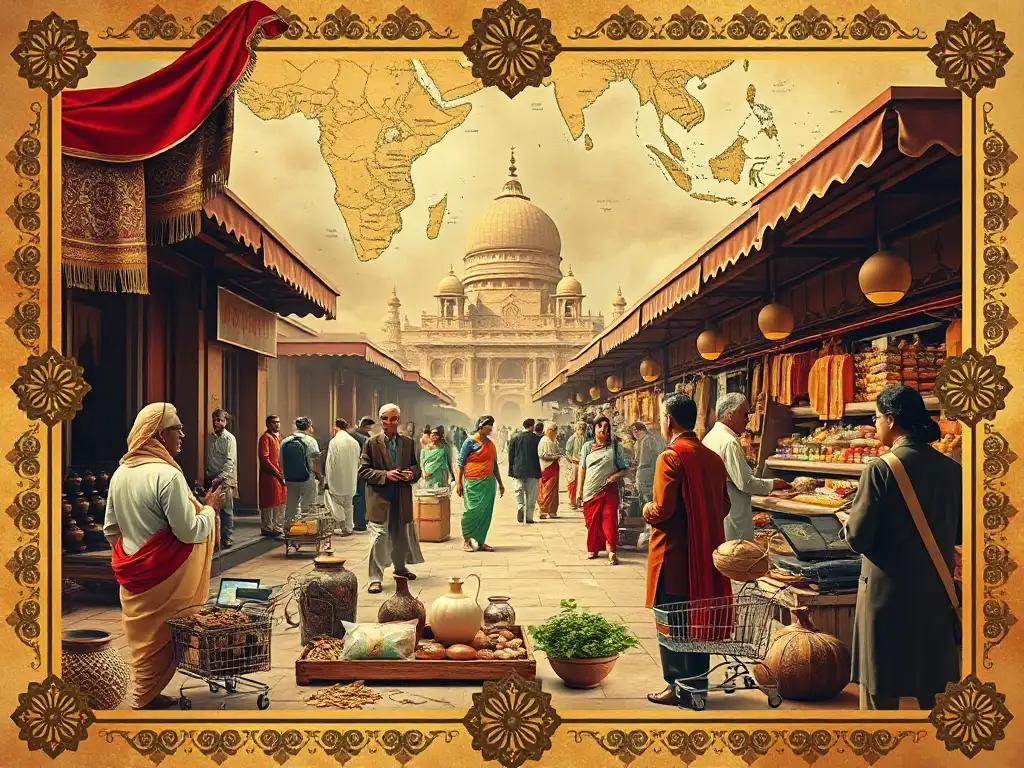
E-commerce presents a powerful avenue for Indian exporters to expand their reach in global markets. By leveraging digital platforms, businesses can connect with consumers across the world, breaking geographical barriers that traditionally hindered exports.
Establishing a strong online presence is essential. Exporters should create user-friendly websites that showcase their products, including detailed descriptions and historical context linked to ancient Indian civilization contributions. Utilizing SEO strategies, such as incorporating relevant keywords and optimizing product listings, can improve visibility in search engines, attracting more potential customers.
Social media marketing is another crucial component in the e-commerce strategy. Platforms like Instagram and Facebook allow exporters to showcase their products visually, telling the stories behind them while engaging with a global audience. Additionally, participating in online marketplaces such as Etsy or Amazon can provide access to established customer bases seeking unique and culturally rich products.
Challenges Faced by Indian Exporters in the Global Market
Despite the potential for growth, Indian exporters encounter several challenges in the global market. Understanding these hurdles is vital for devising effective strategies to overcome them.
Navigating Regulatory Barriers: Lessons from History
One of the primary challenges faced by Indian exporters is navigating complex regulatory frameworks. Different countries have varying import regulations, tariffs, and compliance requirements that can pose significant obstacles. Drawing lessons from history, Indian exporters can benefit from studying ancient trade routes and practices, which often required adaptability and negotiation skills to overcome similar barriers.
For instance, ancient Indian traders, who ventured along the Silk Road, learned to navigate diverse regulatory environments through local alliances and an understanding of cultural nuances. Modern exporters can adopt similar strategies by seeking local partners who understand the market and can help navigate the regulatory landscape.
The Importance of Quality Control and Compliance
Quality control and compliance are crucial for maintaining competitiveness in the global market. Exporters must ensure that their products meet international standards to avoid rejections and penalties. This requirement is particularly important for goods that tie back to ancient Indian civilization contributions, as consumers often expect authenticity and high quality.
Implementing stringent quality control measures based on historical craftsmanship can enhance product reliability. Additionally, exporters should stay informed about international compliance regulations and invest in training programs for their teams to ensure adherence to these standards. By prioritizing quality and compliance, Indian exporters can build trust with international buyers and foster long-term relationships in the global marketplace.
Conclusion: The Path Forward for Indian Exports
As we look ahead, the future of Indian exports appears to be shaped by a confluence of traditional strengths and modern innovations. The rich tapestry of ancient Indian civilization contributions, ranging from textiles and spices to art and metallurgy, provides a robust foundation for contemporary export strategies. The global market continues to evolve, and India’s ability to adapt to these changes while leveraging its historical strengths will be crucial.
India's exports can thrive by focusing on sustainable practices, enhancing quality, and maintaining competitive pricing. The integration of technology in manufacturing and supply chain processes will not only streamline operations but also enhance product visibility in international markets. Additionally, fostering strong relationships with global partners and understanding diverse consumer preferences will be vital in reaching a broader audience.
To capitalize on the growing demand for authentic and culturally significant products, Indian exporters must weave the legacy of ancient craftsmanship and knowledge into modern offerings. This unique blend of tradition and innovation can create distinctive products that resonate with consumers worldwide, ensuring that India remains a key player in global trade.
Embracing Innovation While Honoring Ancient Indian Civilization Contributions
The journey of Indian exports is not merely about meeting current market demands; it is also about celebrating and honoring the contributions of ancient Indian civilizations. By embracing innovation while respecting historical legacies, businesses can create a powerful narrative that enhances brand value and connects with consumers on a deeper level.
Innovative practices such as the adoption of eco-friendly materials, modern production techniques, and digital marketing strategies can be effectively combined with traditional craftsmanship. For instance, using sustainable methods to produce handwoven textiles not only preserves ancient techniques but also appeals to environmentally conscious consumers.
Moreover, storytelling plays a crucial role in this endeavor. Sharing the history and significance of ancient Indian goods—such as the rich heritage of Ayurveda or the intricate techniques of traditional artisans—can enhance consumer engagement and appreciation. By promoting products as not just commodities but as carriers of culture and history, exporters can differentiate themselves in competitive markets.
The future of Indian exports lies in a harmonious balance between innovation and tradition. By valuing the contributions of ancient Indian civilizations while adapting to contemporary trends, India can pave the way for robust and sustainable growth in global markets. This approach not only honors the past but also sets the stage for future success in the realm of international trade.
- Understanding Ancient Indian Civilization Contributions to Modern Trade
- Current Trends in Indian Exports
- Predictions for Global Markets: Indian Exports in 2025 and Beyond
- Emerging Markets for Indian Exports: Opportunities and Challenges
- The Influence of Digital Transformation on Export Strategies
- The Role of Sustainable Practices in Future Exports
- Strategies for Leveraging Ancient Indian Civilization Contributions in Exports
- Crafting Authentic Narratives Around Indian Goods
- Utilizing E-commerce for Global Reach
- Challenges Faced by Indian Exporters in the Global Market
- Conclusion: The Path Forward for Indian Exports
- What are some key contributions of ancient Indian civilizations?
- How did the Indus Valley Civilization influence later cultures?
- What role did the Gupta Empire play in ancient Indian achievements?
- How did ancient Indian philosophy contribute to world thought?
- What is the significance of studying ancient Indian civilization contributions today?
Frequently Asked Questions
What are some key contributions of ancient Indian civilizations?
Ancient Indian civilizations made significant contributions in various fields such as mathematics, astronomy, medicine, and art, showcasing their rich cultural heritage.
How did the Indus Valley Civilization influence later cultures?
The Indus Valley Civilization laid the foundation for urban planning and trade, influencing subsequent Indian cultures with its advanced city layouts and economic practices.
What role did the Gupta Empire play in ancient Indian achievements?
The Gupta Empire is often referred to as the Golden Age of India, marked by advancements in science, literature, and philosophy, which had a lasting impact on both Indian and global history.
How did ancient Indian philosophy contribute to world thought?
Ancient Indian philosophies, such as Buddhism and Hinduism, introduced concepts of karma and dharma, influencing spiritual and ethical frameworks worldwide.
What is the significance of studying ancient Indian civilization contributions today?
Studying these contributions helps us understand the cultural roots of modern society and promotes appreciation for the diverse heritage that has shaped global history.
Final Reflection: Embracing the Legacy of Ancient Indian Civilization in Modern Exports
The contributions of ancient Indian civilization continue to shape our global economic landscape, reminding us that the roots of innovation and trade run deep. As we explore the future of Indian exports, it is essential to recognize how the rich heritage of craftsmanship, trade routes, and cultural exchanges established by our ancestors still resonate today. The insights gleaned from this historical context not only inform our current strategies but also inspire a renewed sense of purpose in navigating the complexities of global markets.
Cultural heritage plays a pivotal role in defining our identity and influencing contemporary practices. The legacy of ancient Indian civilization, with its emphasis on trade, art, and knowledge, has laid the groundwork for a vibrant export sector that is both diverse and dynamic. As we witness the resurgence of interest in sustainable and ethically sourced products, we can draw parallels to the age-old practices of our forebears who valued quality and integrity in their crafts. The past is not dead; it is living in us, and we are its future.
This quote encapsulates the essence of how our historical contributions continue to shape our present and future endeavors in the global marketplace.
As we look ahead, I invite you to reflect on how the lessons from ancient Indian civilization can inspire your own journey in the world of exports and beyond. Consider how you can integrate the values of innovation, sustainability, and cultural appreciation into your personal or professional life.
By embracing the wisdom of the past, we can forge a path that honors our heritage while actively contributing to a more interconnected and prosperous future. Let us carry forward the spirit of our ancestors, ensuring that their contributions remain a guiding light in our quest for excellence in the global arena.
Embrace the Future: Propel Indian Exports Forward!
Thank you for diving into the insightful world of Indian exports! Your interest in understanding the trends and predictions for global markets lays the foundation for empowering your own journey in this thriving sector.
Now, let’s take some actionable steps to bring these insights to life:
- Explore the latest export data and market trends to identify opportunities that align with your business goals.
- Join online forums and community groups dedicated to Indian exports to network, share experiences, and collaborate on innovative ideas.
- Attend upcoming trade shows and webinars that focus on international trade to enhance your knowledge and build valuable connections.
By implementing these steps, you can not only navigate the evolving landscape of Indian exports but also actively contribute to its growth!
What opportunities do you envision for innovation in India's export strategies over the next few years? Share your thoughts below!