
The Ultimate Guide to Exporting Handicrafts from India: A StepbyStep Approach

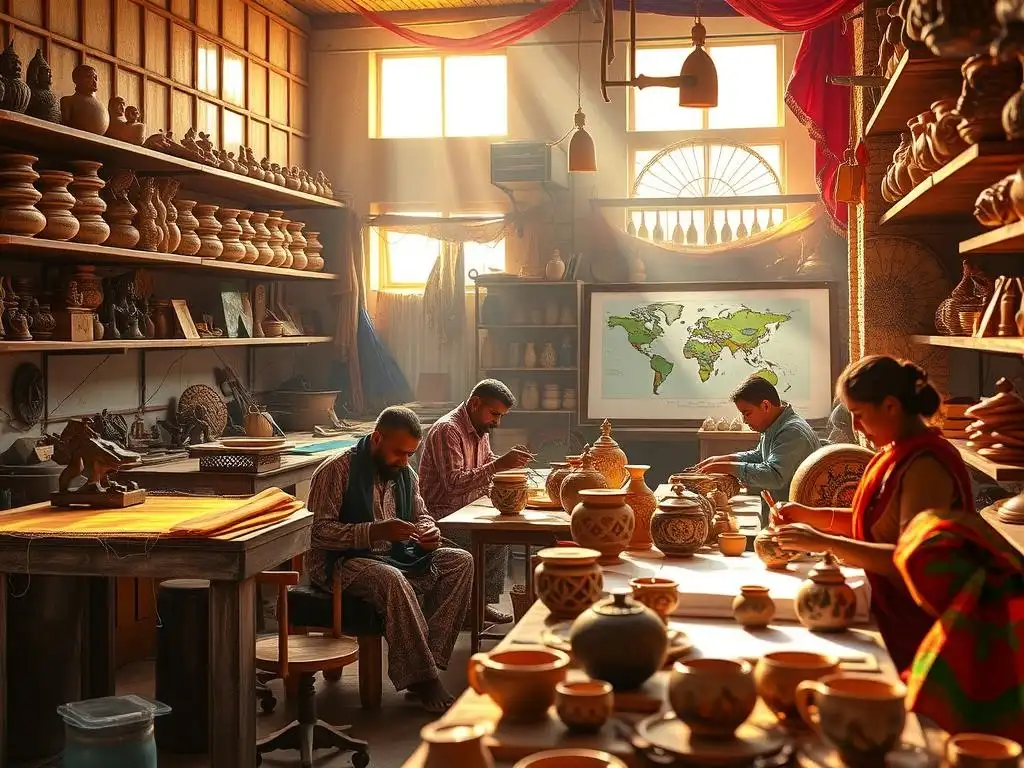
Welcome to Ancient India History, where we delve deep into the rich and diverse tapestry of India’s illustrious past. Here, you will uncover the remarkable contributions of ancient civilizations, from the enigmatic Indus Valley to the sophisticated Gupta Empire. In our featured article, “The Ultimate Guide to Exporting Handicrafts from India: A Step-by-Step Approach,” we invite you to explore the vibrant world of Indian handicrafts and learn how you can tap into this thriving market. Ready to embark on a journey that blends tradition with opportunity? Let’s dive in and discover the treasures that await!
- Introduction to Exporting Indian Handicrafts
- Understanding the Market for Indian Handicrafts
- Step 1: Researching Handicraft Products
- Step 2: Legal Requirements for Exporting Handicrafts
- Step 3: Sourcing Handicrafts from Indian Artisans
- Step 4: Setting Up Your Export Business
- Step 5: Marketing Your Handicrafts
- Step 6: Shipping and Logistics for Handicraft Exports
- Case Studies: Successful Handicraft Exporters
- Common Challenges in Exporting Handicrafts
- Conclusion: The Future of Exporting Indian Handicrafts
- Additional Resources for Exporting Indian Handicrafts
-
Frequently Asked Questions
- What are the key steps in exporting handicrafts from India?
- What types of handicrafts are popular for export from India?
- How can I ensure the quality of handicrafts before exporting?
- Are there specific regulations for exporting handicrafts from India?
- What are some tips for marketing Indian handicrafts internationally?
- Final Reflection: Embracing the Art of Exporting Indian Handicrafts
- Unleash Your Creativity and Export Your Handicrafts Today!
Introduction to Exporting Indian Handicrafts
Exporting Indian handicrafts is not just a business venture; it is a journey through the vibrant tapestry of India's rich cultural heritage. Handicrafts are a significant part of India's identity, showcasing the artistic skills and traditions passed down through generations. As global demand for unique, handmade products continues to rise, understanding how to effectively export these treasures becomes essential for artisans, entrepreneurs, and exporters alike. This comprehensive guide aims to navigate you through the intricate process of exporting Indian handicrafts, ensuring you grasp the nuances and best practices that are crucial to success in this dynamic market.
The Importance of Handicrafts in Indian Culture
Handicrafts hold a revered place in Indian culture, symbolizing the country's diverse traditions, regional identities, and artistic expressions. Each piece tells a story, reflecting the skills of artisans from various states, whether it be the intricate embroidery of Kantha from West Bengal or the exquisite pottery of Khurja. The significance of handicrafts can be encapsulated in several key aspects:
- Cultural Heritage: Handicrafts serve as a tangible representation of India's rich cultural history and diversity, often incorporating traditional techniques and motifs that narrate local legends and lifestyles.
- Economic Impact: The handicraft sector is a vital source of employment for millions of artisans, particularly in rural areas. By exporting these goods, we not only promote economic growth but also support sustainable livelihoods.
- Global Recognition: Indian handicrafts have gained international acclaim for their craftsmanship, quality, and uniqueness. This global recognition opens numerous avenues for export, allowing artisans to reach a wider audience and enhance their income.
Overview of the Exporting Process for Handicrafts
The process of exporting handicrafts from India involves several key steps, each requiring careful planning and execution. Understanding this process is crucial for anyone looking to enter the international market successfully. Here’s an overview:
- Market Research: Identify target markets and understand consumer preferences. This includes analyzing trends, pricing, and competition.
- Product Selection: Choose handicrafts that appeal to international buyers while ensuring they comply with export regulations and quality standards.
- Legal Compliance: Familiarize yourself with the legal requirements for exporting, including obtaining necessary licenses, permits, and adhering to customs regulations.
- Logistics and Shipping: Plan the logistics of transporting goods, including packaging, documentation, and choosing the right shipping methods.
- Marketing and Sales: Develop a marketing strategy to promote your handicrafts globally, utilizing online platforms, trade fairs, and export promotion councils.
- Building Relationships: Establish strong connections with overseas buyers and distributors, which can significantly enhance your export opportunities.
By following these steps diligently, exporters can navigate the complexities of international trade, ensuring that the beauty and artistry of Indian handicrafts reach appreciative audiences around the world.
Understanding the Market for Indian Handicrafts
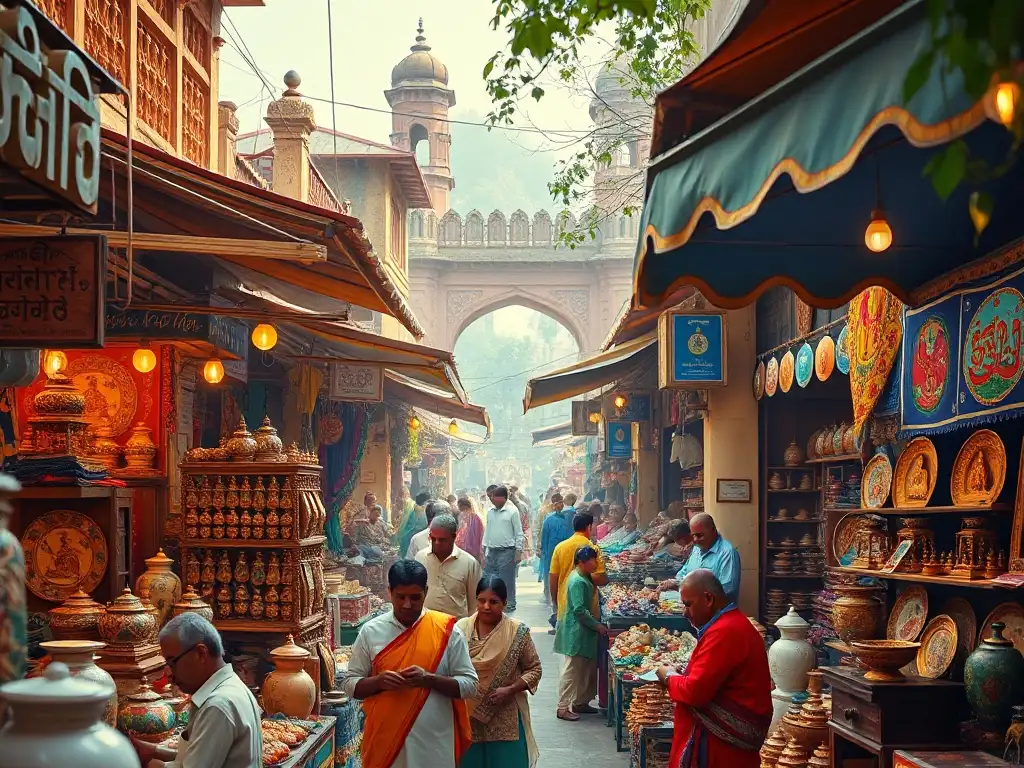
The market for Indian handicrafts is a vibrant and dynamic sector that reflects the rich cultural heritage and artistic traditions of the country. With a variety of products ranging from textiles and pottery to jewelry and wooden crafts, Indian handicrafts cater to diverse consumer preferences around the world. Understanding the nuances of this market is crucial for anyone looking to engage in exporting Indian handicrafts.
Identifying Key Export Markets for Indian Handicrafts
Identifying the right export markets is a pivotal step in the exporting process. Here are some of the key markets for Indian handicrafts:
- United States: The U.S. is one of the largest consumers of Indian handicrafts, particularly in categories such as home décor, textiles, and jewelry. The demand for sustainable and handmade products has significantly increased among American consumers.
- European Union: Countries like Germany, France, and the UK have a strong appreciation for Indian craftsmanship. The EU market is particularly responsive to unique, eco-friendly products.
- Middle East: Nations such as the UAE and Saudi Arabia exhibit a growing demand for Indian textiles and decorative items, influenced by cultural similarities and a strong expatriate community.
- Australia and New Zealand: These markets show an increasing interest in Indian handicrafts, especially in the home décor and fashion sectors.
- Southeast Asia: Countries like Singapore and Malaysia are emerging markets, where Indian handicrafts are gaining popularity due to their rich aesthetic appeal.
Trends in Global Demand for Handicrafts
The global demand for handicrafts is shaped by various trends. Some of the notable trends include:
- Sustainability: There is a growing preference for eco-friendly products. Consumers are now more inclined to purchase handicrafts that are made using sustainable practices.
- Customization: Tailored products that reflect personal stories or cultural significance are highly sought after. This trend encourages artisans to create unique pieces that cater to individual tastes.
- Online Sales Channels: The rise of e-commerce platforms has changed the landscape of handicraft sales. Artisans and exporters are increasingly utilizing online marketplaces to reach global customers directly.
- Cultural Appreciation: As globalization continues, there is a heightened interest in diverse cultures. Handicrafts that reflect the unique traditions of India are increasingly valued in international markets.
- Artisanal Quality: Consumers are looking for high-quality, handcrafted items that stand out from mass-produced goods. This demand for artisanal quality emphasizes the skills of Indian artisans.
When engaging in the exporting of Indian handicrafts, it is essential to consider high CPC (Cost Per Click) keywords to enhance online visibility and attract potential buyers. Here are some high CPC keywords related to handcraft exports:
| Keyword | CPC (approx.) |
|---|---|
| Exporting Indian handicrafts | $2.50 |
| Buy Indian handicrafts online | $3.00 |
| Wholesale Indian handicrafts | $2.80 |
| Indian handicrafts suppliers | $2.30 |
| Handmade Indian crafts export | $3.50 |
| Indian handicraft market trends | $2.00 |
| Sustainable handicrafts from India | $3.20 |
| Custom Indian handicrafts | $2.40 |
Incorporating these keywords into your marketing strategy can significantly improve your reach and effectiveness in the competitive market of exporting Indian handicrafts. By focusing on these aspects, exporters can better position themselves to capitalize on the rich heritage of Indian craftsmanship while meeting the demands of a global audience.
Step 1: Researching Handicraft Products
Popular Handicraft Categories for Export
When delving into the realm of exporting Indian handicrafts, it's crucial to understand the diverse categories that not only represent the rich cultural heritage of India but also attract global buyers. Here are some of the most popular handicraft categories for export:
Textiles: Sarees, Scarves, and Fabrics
Indian textiles are renowned worldwide for their intricate designs, vibrant colors, and high-quality craftsmanship. Key highlights include:
- Sarees: Traditional garments that come in various styles, fabrics, and weaving techniques. Popular varieties include Banarasi, Kanjivaram, and Chanderi sarees, each with unique motifs and weaving patterns.
- Scarves: Lightweight and versatile, Indian scarves often feature hand-block printed designs and embroidery, appealing to both casual and formal fashion markets.
- Fabrics: Cotton, silk, and woolen fabrics, including handloom textiles, are sought after for both clothing and home décor, showcasing the artistry of Indian weavers.
Pottery: Traditional Indian Ceramics
Indian pottery reflects the region's cultural diversity and artistic expression. Noteworthy types include:
- Terracotta: Handcrafted pottery that often features earthy tones and intricate designs, commonly used for decorative and functional items.
- Blue Pottery: Originating from Jaipur, this pottery is characterized by its distinctive blue glaze and intricate designs, making it a popular choice for home décor.
- Stoneware: Known for its durability and versatility, stoneware pottery includes various items, from dinnerware to decorative pieces, often embellished with traditional motifs.
Jewelry: Unique Artisanal Pieces
India's jewelry-making tradition boasts a rich history, with each piece telling a story. Notable categories include:
- Kundan Jewelry: A traditional form of gem-setting, Kundan jewelry features uncut diamonds and colorful gemstones set in gold or silver, known for its opulence.
- Meenakari: This art involves enameling on gold or silver, resulting in vibrant, colorful designs that are highly sought after in both domestic and international markets.
- Tribal Jewelry: Crafted by local artisans, tribal jewelry often showcases unique designs and materials, appealing to niche markets seeking authentic, handmade pieces.
Evaluating Quality and Authenticity in Handicrafts
Ensuring the quality and authenticity of handicrafts is essential for successful exporting. Here are key factors to consider when evaluating these aspects:
- Material Selection: Authentic handicrafts are made from quality raw materials. Verify the source of materials, such as natural fibers or genuine gemstones, to ensure sustainability and authenticity.
- Craftsmanship: Examine the level of skill and detail involved in the creation of the product. High-quality handicrafts often exhibit precision in craftsmanship, with no visible flaws or rough edges.
- Certification and Labels: Look for certifications that indicate authenticity, such as geographical indications (GI) for specific products. These certifications provide assurance to buyers of the product's origin and quality.
- Artisan Background: Understanding the artisan's background and techniques can enhance the product's value. Engaging with artisans directly can also foster better relationships and ensure fair trade practices.
- Market Trends: Stay updated on consumer preferences and market trends to ensure that the handicrafts align with current demands. Researching popular styles and designs can help in curating a desirable product range for export.
By conducting thorough research on the various categories of Indian handicrafts and evaluating their quality and authenticity, exporters can effectively position themselves in the global market, catering to the diverse tastes of consumers worldwide.
Step 2: Legal Requirements for Exporting Handicrafts
When venturing into exporting Indian handicrafts, it is crucial to navigate the legal landscape effectively. Adhering to legal requirements not only ensures compliance but also builds trust with international buyers. This section will guide you through the necessary documentation, compliance with international trade regulations, and the licensing and registration needed for exporters.
Understanding Export Documentation
Export documentation is a foundational aspect of the exporting process. It involves a series of documents that facilitate the international shipment of goods. Key documents include:
- Commercial Invoice: This is a bill for the goods provided by the seller to the buyer. It outlines the details of the sale, including the description of goods, quantity, price, and payment terms.
- Packing List: This document details the contents of each package, including item descriptions and weights. It helps customs officials verify the shipment.
- Bill of Lading: A contract between the exporter and the shipping company, this document outlines the shipment details and serves as a receipt for the goods.
- Certificate of Origin: Issued by a recognized authority, this document certifies the country of origin of the goods, which may be necessary for tariffs and trade agreements.
- Export License: Some products may require an export license to comply with governmental regulations.
- Insurance Certificate: This document provides proof of insurance for the goods being shipped.
These documents must be prepared accurately and submitted to the appropriate authorities to avoid delays or penalties.
Compliance with International Trade Regulations
Adhering to international trade regulations is essential for a successful export venture. Understanding the following aspects can mitigate risks and ensure smoother transactions:
- Harmonized System (HS) Codes: These codes classify traded products and determine applicable tariffs. It is important to identify the correct HS code for your handicrafts to ensure compliance with tariff regulations.
- Import Regulations of Destination Countries: Each country has specific rules regarding the importation of goods. Researching these regulations will help you understand any restrictions or additional documentation required.
- Trade Agreements: Familiarize yourself with trade agreements between India and the importing country, as these can influence tariffs and export procedures. For instance, agreements under the South Asian Association for Regional Cooperation (SAARC) may provide preferential treatment for certain products.
- Sanctions and Embargoes: Ensure that your target markets are not subject to any trade sanctions or embargoes imposed by the Indian government or the government of the importing country.
Licensing and Registration for Exporters
To legally export handicrafts from India, obtaining the necessary licenses and registrations is critical. Here are the key steps:
- Obtain an Importer Exporter Code (IEC):
- The first step for any exporter is to apply for an IEC from the Directorate General of Foreign Trade (DGFT). This unique code is mandatory for all international trade activities.
- Register with Export Promotion Councils:
- Depending on your specific handicraft sector, you may need to register with relevant export promotion councils (EPCs) like the Handicrafts Export Promotion Council (HEPC). These councils provide valuable resources, support, and information for exporters.
- Obtain Additional Licenses if Necessary:
- Certain handicrafts, especially those derived from protected species or requiring special handling, may necessitate additional licenses (e.g., CITES for wildlife products).
- Compliance with GST Regulations:
- Ensure that you are compliant with Goods and Services Tax (GST) regulations, which may involve registering for GST if your turnover exceeds the prescribed limit.
- Customs Registration:
- Register with the customs department to facilitate the export process and ensure compliance with customs regulations.
By fulfilling these legal requirements, you will not only enhance your credibility as an exporter but also protect your business from potential legal issues down the line.
Step 3: Sourcing Handicrafts from Indian Artisans
Sourcing handicrafts from Indian artisans is a crucial step in the exporting process, as it ensures authenticity, quality, and the preservation of traditional skills. This step not only supports the local economy but also promotes the rich cultural heritage of India. Below, we explore how to effectively source handicrafts by building relationships with artisans, understanding fair trade practices, and utilizing various platforms.
Building Relationships with Local Artisans
Establishing strong relationships with local artisans is essential for successful sourcing. This can be achieved through several key practices:
- Visit Craft Villages and Workshops: Engaging directly with artisans in their workshops or during craft fairs can provide insight into their work and create strong connections. Personal visits help build trust and understanding.
- Participatory Approach: Involve artisans in the decision-making process regarding the designs, materials, and pricing. This not only empowers them but also ensures that the products reflect their skills and cultural significance.
- Long-term Partnerships: Aim to establish long-term relationships rather than one-off transactions. This fosters loyalty and encourages artisans to prioritize quality in their work, knowing they have a reliable buyer.
Building these relationships also allows for better communication regarding the artisans' needs and challenges, leading to more sustainable sourcing practices.
Fair Trade Practices in Handicraft Sourcing
Implementing fair trade practices is vital for ethical sourcing and ensuring that artisans receive fair compensation for their work. Here are some principles to consider:
- Fair Wages: Ensure that artisans are paid fair wages that reflect their skills and the time invested in their craft. This can help improve their living standards and encourage continued craftsmanship.
- Transparency: Maintain transparency in pricing and sourcing processes. Artisans should be informed about how their work will be sold and the prices that will be charged to consumers.
- Support for Communities: Consider investing in community development initiatives, such as education and healthcare, which benefit artisans and their families. This fosters goodwill and strengthens the communities from which you source handicrafts.
- Sustainability: Promote sustainable practices by sourcing materials responsibly and encouraging artisans to adopt eco-friendly methods. This not only helps the environment but also appeals to conscious consumers.
Platforms for Connecting with Artisans (e.g., IndiaMART, Craftsvilla)
Utilizing online platforms can significantly enhance your ability to connect with artisans across India. Here are some notable platforms:
- IndiaMART: This leading B2B marketplace connects exporters with manufacturers and artisans. It offers a wide variety of handicrafts, allowing you to reach a diverse range of suppliers. The platform provides features such as product listings, inquiries, and communication tools to facilitate sourcing.
- Craftsvilla: Focused on promoting Indian handicrafts, Craftsvilla connects artisans directly with buyers. It emphasizes authentic products and fair trade practices, making it an excellent platform for sourcing unique and culturally significant handicrafts.
- Etsy: Although primarily known for handmade goods, Etsy can also be a valuable resource for finding Indian artisans who specialize in handicrafts. This platform allows you to explore individual shops and communicate directly with sellers.
- Local Craft Fairs and Exhibitions: In addition to online platforms, participating in local craft fairs and exhibitions can help you discover artisans and their work. These events provide opportunities for face-to-face interactions, enabling a deeper understanding of the crafts.
By effectively utilizing these platforms and fostering strong relationships with artisans, you can enhance your sourcing strategy for exporting Indian handicrafts, ensuring that you provide high-quality, authentic products to your customers.
Step 4: Setting Up Your Export Business

Choosing the Right Business Model for Handicraft Exports
When embarking on the journey of exporting Indian handicrafts, selecting the appropriate business model is crucial. The choice you make will significantly impact your operational strategy, marketing approach, and ultimately, your profitability. Here are the primary business models to consider:
- Direct Exporting:
- You sell your products directly to overseas buyers.
- Advantages: Higher profit margins, direct customer feedback.
- Disadvantages: More responsibility in terms of marketing and logistics.
- Indirect Exporting:
- You work with intermediaries such as export agents or distributors who handle the selling process.
- Advantages: Reduced risk and overhead; access to established networks.
- Disadvantages: Lower profit margins due to commissions.
- Joint Ventures:
- Partnering with local businesses in the target market.
- Advantages: Shared resources and reduced risk.
- Disadvantages: Potential conflicts and shared profits.
- Licensing and Franchising:
- Allowing foreign companies to produce and sell your handicrafts under your brand.
- Advantages: Less operational involvement.
- Disadvantages: Loss of control over quality and brand reputation.
Wholesaling vs. Retailing
In the realm of exporting handicrafts, understanding the distinction between wholesaling and retailing is essential for establishing the right strategy.
- Wholesaling:
- Selling large quantities of handicrafts to retailers or other businesses.
- Pros:
- Faster inventory turnover.
- Simplified logistics as fewer transactions occur.
- Cons:
- Lower prices per unit.
- Dependence on retailer sales for your income.
- Retailing:
- Selling directly to consumers, often through physical stores or online platforms.
- Pros:
- Higher profit margins.
- Direct relationship with customers allows for better feedback and brand loyalty.
- Cons:
- More complex marketing strategies are needed.
- Higher costs associated with customer service and returns.
In determining the best approach, consider your target market, operational capacity, and long-term goals.
E-commerce Options for Selling Handicrafts
In today’s digital age, e-commerce provides a plethora of options for exporting Indian handicrafts. Here are some avenues to explore:
- Online Marketplaces:
- Platforms like Amazon, Etsy, and eBay allow you to reach a global audience.
- Benefits: Established traffic and customer base, ease of setup.
- Own E-commerce Website:
- Creating a dedicated website for your handicrafts enables full control over branding and customer experience.
- Benefits: Flexibility in marketing and direct customer engagement.
- Social Media Selling:
- Utilizing platforms like Instagram and Facebook to showcase and sell your products.
- Benefits: Engaging visuals can attract potential customers and create a community around your brand.
- B2B Platforms:
- Websites like Alibaba cater to bulk buyers and retailers looking for products to sell.
- Benefits: Direct access to retailers and wholesalers globally.
Creating a Business Plan for Handicraft Exports
A well-structured business plan is vital for the success of your handicraft export business. It serves as a roadmap for your operations and helps to secure funding if required. Here are key components to include:
- Executive Summary:
- Overview of your business idea, mission, and objectives.
- Market Analysis:
- Research on industry trends, target market demographics, and competition analysis.
- Marketing Strategy:
- Define how you will promote your handicrafts, including pricing, branding, and sales tactics.
- Operational Plan:
- Outline production, logistics, and supply chain methods. Consider sourcing materials, manufacturing processes, and distribution channels.
- Financial Projections:
- Include estimated costs, revenue forecasts, and profitability analysis. This section should also detail funding requirements if applicable.
- Risk Analysis:
- Identify potential challenges in the export process, including regulatory issues, market volatility, and competition.
Developing a comprehensive business plan not only guides your operations but also enhances your chances of attracting investors by showcasing your understanding of the market and strategic approach to exporting Indian handicrafts.
Step 5: Marketing Your Handicrafts
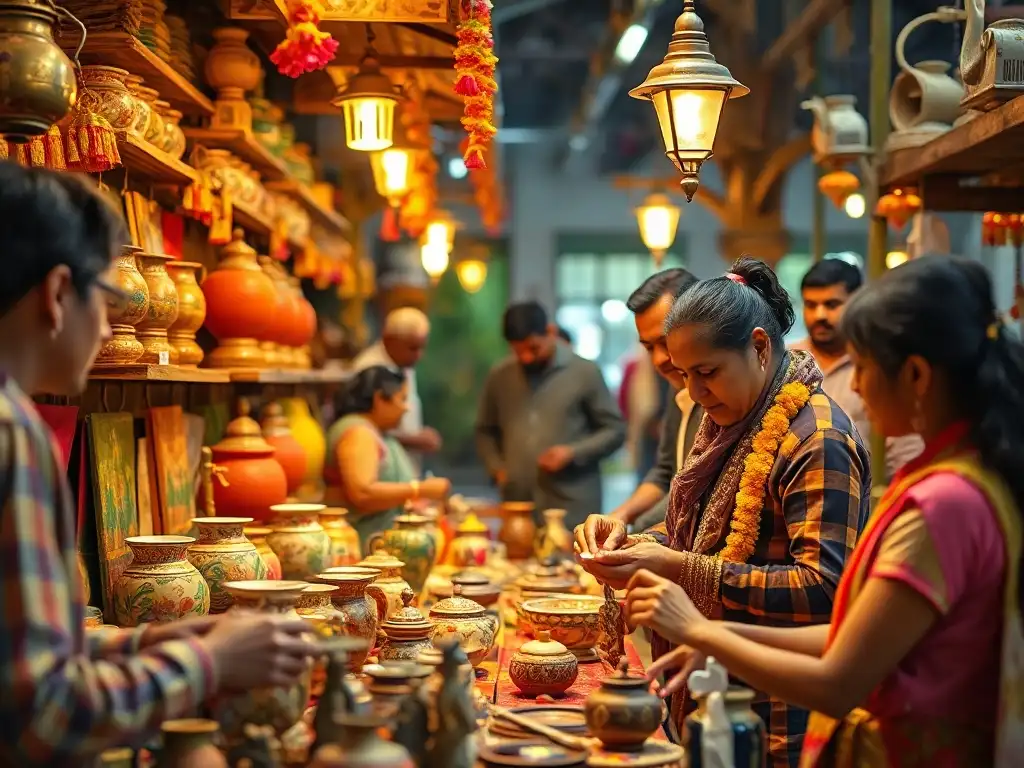
Effective Strategies for Promoting Indian Handicrafts
Marketing plays a crucial role in the success of exporting Indian handicrafts. To effectively reach international buyers and increase sales, it’s essential to adopt a variety of marketing strategies. Here are some notable approaches:
- Branding: Develop a strong brand identity that reflects the craftsmanship and cultural significance of your handicrafts. Use distinctive logos, packaging, and storytelling to create an emotional connection with customers.
- Target Audience Analysis: Identify your target market by analyzing demographics, preferences, and buying behaviors. Tailor your marketing messages to resonate with potential customers in different regions.
- Trade Shows and Exhibitions: Participate in international trade fairs and exhibitions dedicated to handicrafts. This provides an excellent opportunity to showcase products, meet potential buyers, and network with industry professionals.
- Collaborations: Partner with artists, designers, and influencers to expand your reach. Collaborations can introduce your handicrafts to new audiences and enhance credibility.
- Promotional Offers: Implement limited-time promotions, discounts, or bundle offers to attract customers and encourage repeat purchases.
Social media platforms are invaluable tools for promoting Indian handicrafts. They provide direct access to a global audience and allow for engaging content sharing. Here are some effective strategies:
- Visual Storytelling: Use platforms like Instagram and Pinterest to showcase beautiful images and videos of your handicrafts. Highlight their unique features, craftsmanship, and cultural heritage.
- Engagement: Interact with followers by responding to comments, hosting Q&A sessions, or running contests. Engagement builds community and loyalty among potential buyers.
- Targeted Ads: Utilize paid advertising options on social media platforms to target specific demographics. Facebook and Instagram ads can effectively reach users interested in handicrafts.
- Influencer Marketing: Collaborate with influencers who align with your brand values. Their endorsement can lend authenticity and attract their followers to your products.
- User-Generated Content: Encourage customers to share their experiences with your products through photos and reviews. This not only builds trust but also creates a sense of community around your brand.
Content Marketing and SEO for Handicraft Websites
A well-optimized website with quality content is critical for attracting and retaining customers. Here are key strategies to enhance your online presence:
- Keyword Research: Identify relevant keywords, including variations like "exporting Indian handicrafts guide," and incorporate them naturally into your website content.
- Blogging: Create a blog that provides valuable information about Indian handicrafts, their history, and cultural significance. This not only positions you as an expert but also improves SEO.
- Product Descriptions: Write detailed and engaging product descriptions that highlight the uniqueness and craftsmanship of each item. Use keywords strategically to enhance search visibility.
- Email Marketing: Build an email list and send newsletters featuring new products, promotions, and updates. Personalized emails can significantly increase customer engagement.
- Backlinking: Seek opportunities for guest posting on relevant blogs or collaborating with other websites to build backlinks. This boosts your website’s authority and improves search rankings.
Affiliate Marketing Opportunities in Handicraft Exports
Affiliate marketing can be a powerful way to expand your reach and sales in the handicraft export sector. Here’s how to leverage it effectively:
- Affiliate Programs: Create an affiliate program that allows bloggers and influencers to earn a commission for referring customers to your store. This motivates them to promote your products actively.
- Promotional Materials: Provide affiliates with high-quality images, banners, and content they can use to promote your handicrafts effectively.
- Performance Tracking: Use tracking software to monitor affiliate performance. This helps in understanding which affiliates are driving sales and allows for adjustments in strategy.
- Incentives: Offer bonuses or higher commission rates for top-performing affiliates. This encourages them to promote your products more vigorously.
- Building Relationships: Maintain strong relationships with affiliates through regular communication and support. This can lead to long-term partnerships that benefit both parties.
By implementing these marketing strategies and exploring affiliate opportunities, you can significantly enhance your efforts in exporting Indian handicrafts and ensure your products reach a broader audience.
Step 6: Shipping and Logistics for Handicraft Exports
Efficient shipping and logistics are critical to the successful export of handicrafts from India. This step involves selecting suitable shipping methods, understanding customs regulations, and implementing effective insurance and risk management strategies. Each of these components plays a vital role in ensuring that your products reach their international destinations safely and timely.
Selecting the Right Shipping Methods
When exporting Indian handicrafts, choosing the appropriate shipping method can significantly affect delivery times and costs. The primary shipping options include air freight, sea freight, and courier services. Each method has its advantages and limitations:
- Air Freight:
- Pros: Fastest shipping option, ideal for high-value or perishable items.
- Cons: Higher costs compared to other methods.
- Sea Freight:
- Pros: Cost-effective for large volumes, suitable for bulky items.
- Cons: Slower transit times, can take weeks to reach the destination.
- Courier Services:
- Pros: Convenient for smaller shipments, offers tracking and door-to-door delivery.
- Cons: Higher rates for heavy or oversized packages.
To make an informed decision, consider the following factors:
- Nature of the handicrafts: Fragile items may require faster shipping and careful handling.
- Destination: Remote locations may have limited shipping options.
- Budget: Balance cost against the urgency of delivery.
- Volume of shipment: Larger shipments may benefit from sea freight.
Understanding Customs Regulations and Duties
Navigating customs regulations is crucial for successful export operations. Each country has specific rules regarding the importation of goods, and understanding these regulations can prevent delays and additional costs. Here are key aspects to consider:
- Documentation: Ensure you have all necessary documents, including:
- Commercial Invoice
- Packing List
- Bill of Lading
- Certificate of Origin
- Duties and Tariffs: Familiarize yourself with the customs duties that may apply to your handicrafts. These can vary widely based on the product category and the destination country. Utilize resources like the Harmonized System (HS) codes to determine applicable tariffs.
- Import Restrictions: Some countries have restrictions on specific materials (e.g., certain types of wood or animal products). Research the importing country’s regulations to avoid complications.
- Customs Brokers: Consider hiring a customs broker to help navigate these regulations. They can facilitate the clearance process and ensure compliance with local laws.
Insurance and Risk Management for Handicraft Shipments
Protecting your investment through insurance and risk management strategies is essential in the exporting business. Handicrafts can be vulnerable during transit, and having a solid insurance plan can mitigate potential losses. Key considerations include:
- Types of Insurance:
- Marine Insurance: Covers loss or damage to goods while in transit over water.
- Air Cargo Insurance: Specifically for goods transported by air.
- Valuation of Goods: Accurately assess the value of your handicrafts to ensure adequate coverage. This should include not only the cost of production but also potential profit margins.
- Risk Assessment: Identify potential risks associated with shipping, such as theft, damage, or delays. Implement strategies to minimize these risks, such as:
- Using reliable carriers with good track records.
- Packaging items securely to withstand handling and transit.
- Claim Process: Familiarize yourself with the procedures for filing insurance claims in case of loss or damage. Timely and accurate documentation will facilitate this process.
Effective shipping and logistics strategies are essential for successful handicraft exports. By selecting the right shipping methods, understanding customs regulations, and implementing robust insurance and risk management practices, exporters can significantly enhance their chances of success in international markets.
Case Studies: Successful Handicraft Exporters

Example 1: Rajasthani Handicrafts – Journey to International Markets
Rajasthani handicrafts are renowned for their intricate designs, vibrant colors, and skilled craftsmanship. Over the years, several exporters have successfully navigated the complexities of international markets, showcasing the beauty of these traditional artworks.
One notable case is that of Rajasthan Handicrafts, a company that began as a small family business and gradually expanded its reach across the globe. They primarily focus on products such as blue pottery, block-printed textiles, and wooden artifacts. Their journey is characterized by a few key strategies:
- Quality Control: The company emphasizes maintaining high standards by collaborating with local artisans and providing them with training and resources. This commitment ensures that the crafts retain their authenticity while meeting international quality norms.
- Market Research: Conducting thorough market research helped them identify trends and preferences in target markets such as the USA and Europe. By understanding consumer behavior, they tailored their product offerings to suit local tastes.
- Participation in Trade Fairs: By showcasing their products at international trade fairs, Rajasthan Handicrafts significantly increased their visibility. Events like the Delhi International Trade Fair and Ambiente in Frankfurt allowed them to network with potential buyers and distributors.
- E-commerce Adoption: With the rise of online shopping, they established a robust e-commerce platform that attracted international customers. This move not only facilitated direct sales but also allowed them to share the stories behind each piece, further enhancing their appeal.
Example 2: Craftsvilla – Innovative Marketing Strategies
Craftsvilla is an online marketplace that has successfully positioned itself as a hub for Indian handicrafts. Founded in 2011, it has revolutionized the way handicrafts are marketed and exported. Here are some innovative strategies they employed:
- Curated Collections: Craftsvilla offers curated collections of handicrafts from various regions in India, allowing them to highlight the diversity of Indian craftsmanship. This strategy appeals to international buyers looking for unique and culturally rich products.
- Artisan Empowerment: By partnering directly with artisans, Craftsvilla ensures fair pricing and sustainable practices. They focus on empowering artisans by providing them access to a global audience without the need for intermediaries.
- Digital Marketing: Craftsvilla employs a robust digital marketing strategy, utilizing platforms like Instagram and Facebook to showcase their products. Their visually appealing content, combined with storytelling about the artisans and their crafts, resonates well with the audience.
- Customer Engagement: The platform prioritizes customer engagement through feedback loops and interactive content. They encourage customers to share their experiences and stories, which helps build a community around Indian handicrafts.
The success of these case studies illustrates the potential of exporting Indian handicrafts when combined with effective strategies and a deep understanding of both domestic and international markets. By learning from these examples, aspiring exporters can gain valuable insights into navigating their own journeys in the handicraft sector.
Common Challenges in Exporting Handicrafts
Exporting Indian handicrafts presents a plethora of opportunities, but it is not without its challenges. Addressing these hurdles effectively can determine the success of your export business. Below, we explore some of the most common challenges faced by exporters, including navigating cultural differences, dealing with quality control issues, and managing competition in the global market.
Understanding cultural nuances is vital when exporting Indian handicrafts. Each market has its own set of customs, preferences, and consumer behaviors. For instance:
- Communication Styles: Different countries may have varying approaches to communication. Some cultures favor directness, while others may rely on subtle cues.
- Consumer Preferences: Aesthetic preferences can vary significantly across nations. For example, Western markets may favor minimalistic designs, while Middle Eastern or Asian cultures might prefer intricate patterns and vibrant colors.
- Holiday Seasons and Purchasing Habits: Familiarizing yourself with local holidays and festivals is crucial, as these can influence buying patterns. For instance, Diwali in India sees a surge in handicraft sales, but this may not align with other countries' significant holidays.
To effectively navigate these cultural differences, consider the following strategies:
- Research Target Markets: Invest time in understanding the cultural context of your target audience. This includes demographic studies, consumer behavior analysis, and trend research.
- Engage Local Experts: Collaborate with local partners or consultants who understand the market dynamics and can bridge cultural gaps.
- Tailor Marketing Strategies: Customize your marketing message to resonate with local values and sentiments, ensuring that it aligns with cultural expectations.
Dealing with Quality Control Issues
Quality is paramount when exporting handicrafts. Maintaining high standards ensures customer satisfaction and repeat business. However, exporters often face several quality control challenges:
- Consistency: Handcrafted items may vary in quality, even if produced by the same artisan. This inconsistency can lead to customer complaints and returns.
- Material Sourcing: Sourcing high-quality raw materials is essential. Fluctuations in material quality can impact the final product, making it crucial to establish reliable suppliers.
- Compliance with International Standards: Each country has its own regulations regarding product quality and safety. Understanding these standards is essential to avoid legal complications.
To mitigate quality control issues, exporters can implement the following practices:
- Establish Quality Guidelines: Create clear quality standards that all artisans must adhere to, ensuring uniformity.
- Conduct Regular Inspections: Regular quality checks during production can help identify issues early and ensure that products meet the desired standards.
- Training and Development: Invest in training artisans to enhance their skills and understanding of quality requirements, leading to improved product consistency.
Managing Competition in the Global Market
The global market for handicrafts is highly competitive, with numerous players vying for attention. To succeed, exporters must navigate several challenges related to competition:
- Price Sensitivity: Many markets are price-sensitive, making it challenging to maintain profitability while remaining competitive.
- Brand Differentiation: Standing out in a crowded marketplace is essential. Exporters need to identify unique selling points (USPs) that set their products apart.
- Market Trends: Keeping up with changing consumer trends and preferences is crucial for maintaining relevance in the market.
Here are some strategies to manage competition effectively:
- Develop a Strong Brand Identity: A well-defined brand can create customer loyalty and differentiate your products from competitors. Consider storytelling and highlighting the artisans behind the crafts to create emotional connections with customers.
- Utilize Digital Marketing: Leverage social media and e-commerce platforms to reach a wider audience. Engaging content and targeted advertising can significantly enhance visibility.
- Focus on Niche Markets: Explore niche markets where your products may face less competition. This could involve specializing in a particular type of handicraft or targeting specific customer demographics.
By addressing these common challenges strategically, exporters can enhance their chances of success in the global handicrafts market, making the journey of exporting Indian handicrafts not only feasible but also rewarding.
Conclusion: The Future of Exporting Indian Handicrafts
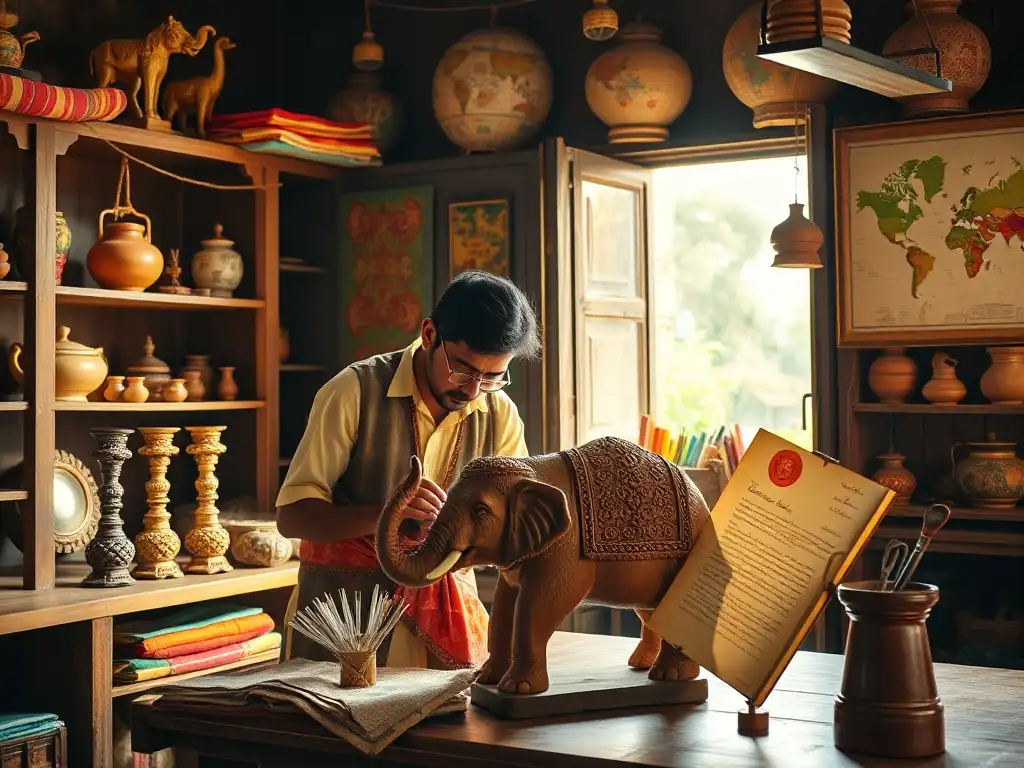
As the global market continues to evolve, the future of exporting Indian handicrafts looks promising yet challenging. The rich heritage and exquisite craftsmanship of Indian artisans have positioned these products favorably in international markets. However, exporters must adapt to changing consumer preferences, sustainability concerns, and technological advancements to remain competitive. By embracing innovation while maintaining traditional values, the potential for growth in this sector is immense.
Trends to Watch in Handicraft Exports
The landscape of handicraft exports from India is influenced by various dynamic trends that exporters should be aware of:
- Increasing Demand for Eco-Friendly Products: There is a growing preference among consumers for sustainable and eco-friendly handicrafts. Products made from natural materials and produced through traditional methods are gaining traction in international markets.
- E-commerce and Digital Marketing: The rise of e-commerce platforms has revolutionized the way handicrafts are marketed and sold. Exporters can leverage online marketplaces to reach a global audience, utilizing digital marketing strategies to enhance visibility.
- Customization and Personalization: Modern consumers are increasingly seeking unique and personalized products. Exporters who offer customizable options for their handicrafts can cater to this demand, enhancing customer satisfaction and loyalty.
- Government Initiatives and Support: The Indian government is actively promoting the handicraft sector through various initiatives, including financial support, skill development programs, and participation in international trade fairs. Exporters should stay informed about these opportunities to maximize their potential.
Final Tips for Aspiring Handicraft Exporters
For those looking to enter the handicraft export market, consider the following essential tips:
- Research the Market: Understand the demands and preferences of your target market. Conduct thorough research to identify trends, competitors, and pricing strategies.
- Quality Control: Ensure that the handicrafts meet international quality standards. Regular quality checks can prevent rejections and enhance customer trust.
- Build Strong Relationships: Establishing connections with suppliers, artisans, and buyers is crucial. Networking can provide valuable insights and open doors to new opportunities.
- Stay Compliant: Familiarize yourself with export regulations, customs requirements, and documentation. Compliance is key to avoiding delays and penalties.
- Invest in Branding: A strong brand identity can differentiate your products in a competitive market. Focus on storytelling and highlighting the uniqueness of your handicrafts.
- Utilize Technology: Embrace technology for inventory management, sales tracking, and marketing. Tools like CRM systems can streamline operations and enhance customer engagement.
Encouraging Sustainable Practices in Handicraft Exporting
Sustainability is becoming a focal point in the export of handicrafts, and exporters can take several steps to promote eco-friendly practices:
- Source Materials Responsibly: Opt for sustainable and ethically sourced materials. This not only helps the environment but also appeals to conscious consumers.
- Promote Fair Trade: Ensure fair wages and working conditions for artisans. Supporting fair trade practices enhances the sustainability of the handicraft sector and fosters community development.
- Reduce Waste: Implement strategies to minimize waste throughout the production process. This can include using by-products creatively or implementing recycling programs.
- Educate Consumers: Raise awareness about the importance of sustainable handicrafts. Use your platforms to educate consumers about the environmental benefits of choosing eco-friendly products.
By integrating sustainable practices into the handicraft exporting process, exporters can not only contribute to a healthier planet but also attract a growing demographic of environmentally conscious consumers. The future of exporting Indian handicrafts is bright for those who are willing to adapt and innovate.
Additional Resources for Exporting Indian Handicrafts
Recommended Books and Guides
When delving into the world of exporting Indian handicrafts, having the right resources can make a significant difference in your success. Here are some highly recommended books and guides that provide valuable insights into the intricacies of the handicraft export business:
- “The Business of Handicrafts” by Ramesh Kumar
- This book offers a comprehensive overview of the handicraft industry in India, detailing the processes involved in exporting these products effectively. It covers market trends, pricing strategies, and the legal aspects of exporting.
- “Exporting Handmade Products” by Suman Verma
- Suman Verma’s guide is particularly useful for artisans and small business owners. It provides step-by-step instructions on how to navigate the export process, including documentation and compliance requirements.
- “Crafting a Business: The Handbook for Artisans” by Anjali Mehta
- This handbook focuses on the business side of handicrafts, offering tips on branding, marketing, and reaching international buyers. It also includes case studies of successful artisans.
- “The Art of Exporting: A Guide for Indian Artisans”
- This guide emphasizes the cultural aspects of handicrafts, helping artisans understand how to present their work to foreign markets while maintaining authenticity.
- “Handicrafts of India: A Comprehensive Guide” by Prakash Sharma
- Sharma’s book is an extensive resource that covers various handicrafts across different states in India, providing insights into sourcing, pricing, and marketing.
These resources can serve as foundational texts for anyone interested in exporting Indian handicrafts, offering both theoretical knowledge and practical advice.
Useful Websites and Online Communities
The digital landscape offers a wealth of resources for those involved in exporting Indian handicrafts. Here are some websites and online communities that can provide ongoing support, networking opportunities, and valuable information:
- Crafts Council of India
- A pivotal organization dedicated to the promotion of Indian handicrafts. Their website features resources on exporting, as well as access to workshops and exhibitions.
- IndiaMART
- An online marketplace where artisans can connect with potential buyers and wholesalers. It also provides tools for managing orders and transactions.
- Export Genius
- A website offering trade data and analytics for exporters. It helps users identify potential markets and understand import-export trends.
- Handicrafts Export Promotion Council (HEPC)
- This government-backed organization aids artisans and businesses in navigating the export process, including financial assistance and market intelligence.
- Facebook Groups & LinkedIn Communities
- Joining groups such as "Indian Handicrafts Exporters" or "Artisan Entrepreneurs" on these platforms can provide networking opportunities, insights, and peer support. Engaging with these communities allows for the sharing of experiences and best practices among exporters.
By utilizing these resources, exporters can enhance their understanding of the market, connect with other professionals, and stay updated on the latest trends and regulations in the handicrafts export sector.
Frequently Asked Questions
What are the key steps in exporting handicrafts from India?
The key steps include market research, understanding regulations, finding reliable suppliers, and establishing a distribution channel. Each of these steps is crucial for successful exportation.
What types of handicrafts are popular for export from India?
Popular handicrafts include textiles, pottery, jewelry, and woodwork. These products are known for their unique craftsmanship and cultural significance, making them appealing to international markets.
How can I ensure the quality of handicrafts before exporting?
To ensure quality, conduct thorough inspections at the production site, collaborate with skilled artisans, and establish quality control measures. This helps maintain the standards expected in global markets.
Are there specific regulations for exporting handicrafts from India?
Yes, exporters must comply with government regulations, including obtaining necessary licenses and adhering to customs procedures. Familiarizing yourself with these regulations is essential for smooth operations.
What are some tips for marketing Indian handicrafts internationally?
Effective strategies include utilizing online platforms, participating in trade fairs, and leveraging social media. Highlighting the cultural stories behind the handicrafts can also attract more buyers.
Final Reflection: Embracing the Art of Exporting Indian Handicrafts
The journey of exporting Indian handicrafts is not just a business venture; it is a celebration of culture and creativity. In today's globalized world, the demand for unique, handcrafted products is surging, making this an opportune time for artisans and entrepreneurs alike to share their stories and skills with a wider audience. The intricate craftsmanship and rich heritage embedded in each piece of Indian handicraft resonate with consumers seeking authenticity and connection in their purchases. This is not merely a market trend; it is a movement towards valuing artistry and tradition in a fast-paced, mass-produced world.
Cultural heritage is a powerful force that shapes our identities and communities. The act of exporting Indian handicrafts does more than just generate revenue; it fosters a deeper appreciation for the artisans' skills and the stories behind their creations. As we navigate this landscape, we witness a growing recognition of the importance of sustainable practices and fair trade, which empower local artisans and preserve their crafts for future generations. Art is the most beautiful of all lies.
This quote encapsulates the essence of handicrafts, where each piece tells a story, transcending borders and connecting people through shared appreciation for art and culture.
As you reflect on the insights shared in this guide, I invite you to consider your role in this vibrant tapestry of handicrafts. Whether you are an artisan, an entrepreneur, or a consumer, your choices can contribute to a more sustainable and equitable future. Embrace the opportunity to support local artisans, advocate for fair trade practices, and celebrate the beauty of handcrafted products. Together, we can ensure that the legacy of Indian handicrafts continues to thrive, enriching lives and cultures around the world.
Unleash Your Creativity and Export Your Handicrafts Today!
Thank you for exploring our ultimate guide on exporting handicrafts from India! We hope you found valuable insights that will inspire you to dive into the vibrant world of craft exportation. Now is the perfect time to put your newfound knowledge into action!
Here are a few clear steps you can take to get started:
- Start Your Export Journey: Research potential markets for your handicrafts and identify your target audience. Consider joining online export platforms to showcase your unique creations.
- Connect with Fellow Artisans: Engage in discussions in forums or social media groups dedicated to handicrafts. Collaboration and networking can open doors to new opportunities and ideas!
- Attend Local Craft Fairs: Get involved in events where you can display your products and interact with potential buyers, gaining firsthand feedback and insights into market trends.
Now, let’s spark a conversation! What’s the one handmade item you’re most excited to share with the world, and how do you envision it being received in international markets?