
The Poetic Legacy of Sangam Literature: How Ancient Tamil Poems Shaped Culture

Welcome to Ancient India History, where we embark on a mesmerizing journey through the rich tapestry of ancient Indian civilizations. Today, we delve into the profound cultural impact of Sangam literature, a treasure trove of poetic expression that not only reflects the ethos of its time but also continues to resonate in modern culture. Discover how these ancient Tamil poems have shaped societal values, artistic endeavors, and philosophical thought.
As you explore our article, “The Poetic Legacy of Sangam Literature: How Ancient Tamil Poems Shaped Culture,” prepare to uncover the intricate connections between literature and the evolution of a vibrant civilization. Dive in and let the legacy of the Sangam poets inspire your understanding of India's illustrious past!
Sangam literature represents one of the most significant and profound cultural contributions of ancient India, particularly within the Tamil-speaking regions. Spanning from approximately 300 BCE to 300 CE, this body of work encompasses a rich collection of poems composed by various poets, reflecting the intricate tapestry of life, love, valor, and philosophy of the time. These ancient Tamil poems, celebrated for their artistic expression and depth, not only served as a means of literary expression but also played a crucial role in shaping societal values, norms, and identity among the Tamil people.
By delving into the cultural impact of Sangam literature, we can uncover how these poetic works influenced not only literature but also social structures, political landscapes, and even linguistic development in ancient Tamil Nadu. This exploration will reveal the enduring legacy of Sangam poetry, showcasing its relevance in contemporary society and its role in fostering a sense of belonging and cultural pride among Tamils across generations.
In this article, we will navigate through the historical context of Sangam literature, its thematic richness, and the profound impact it has had on culture, arts, and society, thus illuminating the legacy that continues to resonate today.
- Introduction to Sangam Literature
- Cultural Impact of Sangam Literature
- Themes and Motifs in Sangam Poetry
- The Role of Sangam Literature in Shaping Cultural Narratives
- Comparison with Other Literary Traditions
- Legacy of Sangam Literature in Modern Times
- Conclusion: The Enduring Legacy of Sangam Literature
- Frequently Asked Questions
- Final Reflection: The Enduring Echoes of Sangam Literature
- Unveil the Richness of Sangam Literature Today!
Introduction to Sangam Literature
Sangam literature represents a pivotal chapter in the literary heritage of ancient India, particularly within the Tamil-speaking regions. This body of work, which flourished between approximately 300 BCE and 300 CE, encapsulates a rich tapestry of themes, emotions, and insights into the cultural and social dynamics of its time. Sangam literature is not merely a collection of poems; it is a profound reflection of the lives, aspirations, and beliefs of the people living in ancient Tamil Nadu.
Definition and Overview of Sangam Literature
Sangam literature comprises a vast corpus of Tamil poetry produced by a group of poets known as "Sangam poets." The term "Sangam" itself denotes an assembly or gathering, hinting at the collaborative nature of this literary movement. This literature is characterized by its focus on love (akam) and valor (puram), alongside a vivid portrayal of nature, society, and the human experience.
- Key Features:
- Akam (Inner Life): Poems that explore themes of love, personal relationships, and emotional expressions.
- Puram (Outer Life): Verses that celebrate heroism, valor, and the social responsibilities of individuals.
- Nature Imagery: Rich descriptions of the natural world, reflecting the intimate relationship between people and their environment.
The poetic forms used in Sangam literature include elegies, ballads, and odes, often written in a highly refined and sophisticated Tamil. The verses convey deep philosophical insights and have been instrumental in shaping the Tamil language and literature.
Historical Context of Sangam Era in Ancient Tamil Nadu
The Sangam era coincided with a period of significant political, economic, and cultural development in ancient Tamil Nadu. Several kingdoms, notably the Cholas, Pandyas, and Cheras, thrived during this time, fostering an environment conducive to artistic and literary expression.
- Cultural Flourishing:
- The establishment of trade routes facilitated interactions with other cultures, bringing new ideas and influences.
- Temples and educational institutions became centers for literary and artistic pursuits.
- Political Landscape:
- The Sangam period witnessed the rise of powerful dynasties that patronized poets and scholars, leading to a vibrant literary culture.
- The Tamil Sangams were reputed to be gatherings of poets and scholars, where new works were composed and celebrated.
The historical context of the Sangam era is crucial for understanding the cultural impact of Sangam literature, as it reflects the values, beliefs, and aspirations of a society in transition.
Significance of Sangam Literature in Indian History
Sangam literature holds a prominent place in Indian history due to its multifaceted contributions to the cultural landscape of the subcontinent. Its impact is evident in several domains:
- Cultural Identity:
- Sangam literature has played a vital role in shaping Tamil identity, serving as a foundation for subsequent Tamil literary traditions.
- The themes explored in these poems resonate with the cultural ethos of Tamil Nadu, reinforcing a sense of belonging and continuity.
- Literary Influence:
- The poetic techniques and themes established during the Sangam era influenced later Tamil literature, including the works of medieval poets and modern writers.
- The adoption of specific poetic forms and motifs can be traced back to the Sangam period, highlighting its enduring legacy.
- Sociopolitical Commentary:
- Many poems provide insights into the sociopolitical dynamics of the time, offering a nuanced understanding of the challenges faced by individuals and communities.
- The narratives within Sangam literature often reflect broader themes of justice, ethics, and societal responsibilities, making them relevant even today.
The cultural impact of Sangam literature extends beyond mere poetry; it encapsulates the essence of ancient Tamil civilization and continues to influence contemporary culture and identity. The legacy of these poetic works remains a testament to the richness of Tamil heritage and its contributions to the broader Indian narrative.
Cultural Impact of Sangam Literature
Sangam literature, a collection of ancient Tamil poems, serves as a cornerstone of Tamil culture and heritage. This body of work, composed between approximately 300 BCE and 300 CE, encompasses themes of love, heroism, and the natural world, reflecting the complexities of the society from which it emerged. Its cultural impact extends far beyond mere literary significance, influencing language, identity, and societal values in profound ways.
Influence on Tamil Language and Linguistic Development
The Sangam period marked a pivotal moment in the evolution of the Tamil language. The poetic forms, vocabulary, and stylistic nuances established during this era laid the groundwork for modern Tamil.
- Poetic Forms: The Sangam poets utilized various poetic forms, including akaval, venba, and kural, which have shaped the structural framework of Tamil poetry. These forms have continued to inspire generations of poets and writers.
- Lexical Enrichment: The rich vocabulary found in Sangam literature introduced numerous words and expressions into the Tamil lexicon. Many of these terms are still in use today, demonstrating the lasting linguistic influence of Sangam texts.
- Dialectical Variations: The literature also showcased the diversity of dialects within Tamil, contributing to linguistic development by highlighting regional variations and dialectical nuances. This aspect has fostered a deeper appreciation for Tamil's linguistic richness.
The impact of Sangam literature on the Tamil language can be summarized in the following table:
| Aspect | Details |
|---|---|
| Poetic Forms | Introduction of akaval, venba, and kural forms |
| Lexical Enrichment | Expansion of vocabulary still in use today |
| Dialectical Variations | Highlighting of regional dialects contributing to linguistic diversity |
Contributions to Tamil Identity and Heritage
Sangam literature plays a critical role in shaping Tamil identity and reinforcing cultural heritage. The themes and narratives within these poems resonate deeply with the Tamil people, fostering a sense of belonging and cultural pride.
- Cultural Narratives: The poems often celebrate the beauty of the Tamil landscape, the valor of its warriors, and the complexities of love, embedding these elements within the cultural consciousness of the Tamil people.
- Mythology and History: Many Sangam poems reference historical events and figures, intertwining mythology with history. This fusion has helped preserve Tamil history and heritage, providing a narrative framework for future generations.
- Unity and Diversity: The literature has also promoted a sense of unity among Tamils, despite regional diversities. By emphasizing common values and experiences, Sangam poetry has acted as a unifying force across Tamil-speaking populations.
The contributions of Sangam literature to Tamil identity can be encapsulated in the following bullet points:
- Strengthening cultural narratives that celebrate Tamil history and landscape.
- Fostering a sense of pride in Tamil heritage and traditions.
- Promoting unity among diverse Tamil-speaking communities.
Reflection of Ancient Tamil Society and Values
Sangam literature offers a vivid reflection of the social, economic, and moral values of ancient Tamil society. The poems provide insights into the lives of the people and the societal norms that governed their interactions.
- Social Structures: The texts reveal the hierarchical nature of society, with references to kings, warriors, and commoners. They reflect the roles individuals played within this structure, showcasing the importance of duty and honor.
- Moral Values: Themes of love ( kamam), valor ( veera), and ethics are prevalent throughout Sangam poetry. The emphasis on moral conduct and the consequences of actions underscore the ethical framework of ancient Tamil society.
- Nature and Environment: The deep connection between the Tamil people and their environment is a recurring theme. The descriptions of flora, fauna, and landscapes illustrate the significance of nature within the cultural identity of the Tamils.
Through Sangam literature, we gain a comprehensive understanding of ancient Tamil society, which can be summarized as follows:
- Social Hierarchies: Insights into the roles of different societal classes.
- Ethical Framework: Morality and ethics as central themes in the literature.
- Connection to Nature: The significance of the natural world in shaping cultural identity.
The cultural impact of Sangam literature is profound and multifaceted, influencing language, identity, and societal values in ancient Tamil civilization. Its legacy continues to resonate in contemporary Tamil culture, reminding us of the timeless nature of these poetic works.
Themes and Motifs in Sangam Poetry
Sangam literature, a treasure trove of ancient Tamil poetry, showcases a multitude of themes and motifs that reflect the cultural and social fabric of early Tamil society. These poems, composed between 300 BCE and 300 CE, capture the essence of human emotions and experiences, offering insights into the life and values of the time. The richness of Sangam poetry lies in its ability to encapsulate complex themes through simple yet profound expressions.
Love and Relationships in Sangam Poems
Love, in its various forms, is a dominant theme in Sangam literature. The poems often explore the nuances of romantic relationships, including unrequited love, celebration of union, and the pain of separation. The portrayal of love is not merely personal; it is interwoven with the social and cultural contexts of the time.
- Types of Love:
- Muthal Azhvaar (First Love): Capturing the innocence and excitement of young love.
- Kadal Azhvaar (Love of the Sea): Reflecting the longing and desire associated with distant lovers.
- Vallal Azhvaar (Generous Love): Highlighting the deeper emotional bonds and sacrifices made in love.
In these poems, love is often depicted through the metaphor of nature, where the beloved is compared to elements such as the moon, stars, and flowers, enhancing the emotive power of the verses. For example, in the poem "Aham," the poet articulates the feelings of longing and desire through the imagery of a night filled with stars, symbolizing hope and connection.
Nature and Landscape in Tamil Poetry
Nature plays a crucial role in Sangam literature, acting as both a backdrop and a character in the poems. The poets have an extraordinary ability to evoke the beauty of the Tamil landscape, which ranges from lush forests to tranquil seashores. This intimate connection with nature not only reflects the aesthetic sensibilities of the time but also underscores the cultural significance of the environment in shaping human experiences.
- Landscapes of Sangam Poetry:
- Marudham: Fertile agricultural lands representing prosperity and abundance.
- Neytal: Coastal regions symbolizing love and longing, often linked to the theme of separation.
- Mullai: Forested areas embodying tranquility and the innocent joys of rural life.
Through vivid descriptions of these landscapes, poets express deep reverence for nature, illustrating how it influences their emotions and relationships. The use of sensory imagery—sights, sounds, and smells—immerses the reader in the natural world, enhancing the emotional depth of the poetry.
War and Valor: The Heroic Ideals Portrayed
Sangam literature also encompasses themes of war, valor, and heroism, reflecting the martial ethos of ancient Tamil society. The depiction of warriors and battles serves to celebrate the ideals of courage, honor, and loyalty, which were highly regarded in Tamil culture.
- Heroic Ideals:
- Valour in Battle: Many poems depict heroic feats in wars, emphasizing the bravery and tactical skills of warriors.
- Loyalty and Duty: The loyalty of warriors to their chieftains and the importance of duty are recurrent motifs, showcasing the social values of the time.
An example of this is the poem "Purananuru," where the valor of a fallen warrior is honored, illustrating the communal respect for those who sacrifice for their land and people. This theme not only serves to inspire future generations but also reinforces the collective identity of the Tamil people.
The themes and motifs in Sangam poetry reveal the profound cultural impact of this literary heritage. Through explorations of love, nature, and valor, the poems provide a window into the values and beliefs of ancient Tamil society, making Sangam literature a significant contributor to the cultural landscape of India.
The Role of Sangam Literature in Shaping Cultural Narratives
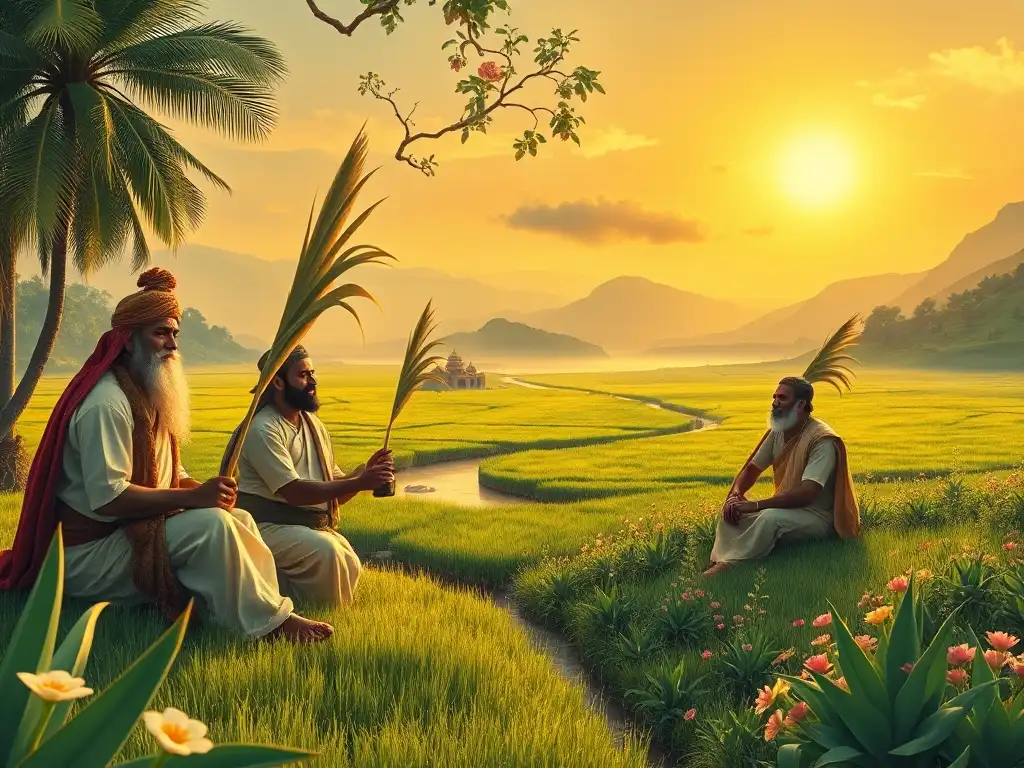
Sangam literature, dating back to the early centuries of the Common Era, serves as a vital cornerstone in the formation of Tamil culture and identity. Comprising a collection of poems and songs composed by various poets, this body of work not only reflects the societal norms, values, and beliefs of the time but also plays a significant role in shaping cultural narratives that continue to resonate today.
Preservation of Oral Traditions through Poetry
Sangam literature is a remarkable testament to the oral traditions that preceded its written form. The poems were crafted through a rich oral culture, where stories, myths, and histories were passed down through generations.
- Collective Memory: The poets of the Sangam era were instrumental in preserving the collective memory of the Tamil people. By weaving historical events, local legends, and familial lineages into their verses, they ensured that these narratives remained alive in the minds of the community.
- Language and Dialects: The use of Tamil in its various dialects in Sangam poetry not only celebrated linguistic diversity but also solidified a sense of belonging among different communities. For instance, the use of specific colloquialisms and regional expressions helped ground the listeners in their cultural roots.
- Musicality and Performance: The lyrical nature of Sangam poems was designed for recitation and performance, making them accessible to a wider audience. This oral tradition allowed for interactive storytelling, where listeners could engage with the narrative, ask questions, and share interpretations, thus fostering a communal cultural identity.
Influence on Subsequent Literary Movements in Tamil Culture
The cultural impact of Sangam literature extends beyond its immediate historical context, significantly influencing later literary movements in Tamil culture.
- Foundational Texts: Sangam poetry laid the groundwork for future literary works in Tamil, providing a stylistic and thematic framework that later poets would draw upon. The emphasis on nature, love, and heroism became central themes in later Tamil literature, influencing genres such as the Kavya and Puranas.
- Emergence of New Genres: The narrative techniques and poetic forms established during the Sangam period set the stage for the evolution of new literary genres. For example, the Aham and Puram categories of Sangam poetry inspired subsequent works that explored personal emotions and societal values.
- Cultural Renaissance: The resurgence of interest in Sangam literature during the Tamil Renaissance in the 19th century further illustrates its enduring legacy. Scholars and poets sought to revive and reinterpret the themes of Sangam poetry, thus reinvigorating Tamil literary culture and identity in a modern context.
Beyond its aesthetic appeal, Sangam literature served as a powerful medium for social commentary, reflecting and critiquing the societal structures of its time.
- Caste and Class: Many poems addressed issues of caste and social hierarchy, often challenging the status quo. Through vivid imagery and poignant narratives, poets highlighted the injustices faced by marginalized groups, fostering a sense of awareness and empathy among the listeners.
- Gender Roles: The portrayal of women in Sangam literature is particularly noteworthy. Female characters often emerge as strong, independent figures, defying traditional gender roles. These representations contributed to a broader discourse on women's agency and societal expectations.
- Moral and Ethical Discourse: Sangam poets frequently employed their verses to explore moral dilemmas and ethical questions, encouraging readers to reflect on their own lives and choices. This aspect of the literature not only shaped cultural values but also served as a catalyst for social change.
The cultural impact of Sangam literature is profound and multifaceted. It preserved oral traditions, influenced subsequent literary movements, and provided a platform for social commentary, thereby shaping the cultural narratives of ancient Tamil civilization and leaving a lasting legacy that endures to this day.
Comparison with Other Literary Traditions
Sangam Literature vs. Sanskrit Epics: A Cultural Perspective
Sangam literature, originating from the Tamil-speaking regions of South India, stands in stark contrast to the Sanskrit epics, such as the Mahabharata and Ramayana. While both traditions are rich in poetic expression and cultural significance, their thematic focus and cultural contexts diverge profoundly.
- Themes and Subjects:
- Sangam Literature: Primarily concerned with the everyday lives, emotions, and experiences of people. It celebrates love, valor, and the beauty of nature, often embedding these themes within a socio-cultural backdrop. The poems are categorized into Akam (interior) and Puram (exterior), focusing on personal emotions and public heroism, respectively.
- Sanskrit Epics: These narratives often revolve around grand themes of dharma (duty), righteousness, and cosmic battles between good and evil. Characters like Rama and Arjuna are depicted in epic quests, emphasizing moral dilemmas and the importance of duty.
- Cultural Context:
- Sangam Literature: Reflects the socio-political structures and the local customs of ancient Tamil society. The poems serve not only as artistic expressions but also as historical documents that provide insight into the life of the Tamil people.
- Sanskrit Epics: Rooted in a broader Indo-Aryan culture, these texts often reflect the ideals of a more centralized society with a focus on kingship and the cosmic order.
Distinct Features of Sangam Poetry Compared to Other Ancient Indian Literature
Sangam poetry showcases unique characteristics that set it apart from other ancient Indian literary forms. Some of these distinct features include:
- Language and Dialect: Written in Tamil, Sangam poetry employs a rich linguistic tradition that is different from the more formalized Sanskrit. The use of local dialects and idioms gives the literature an authentic voice that resonates with its audience.
- Imagery and Symbolism: Sangam poets skillfully use natural imagery and regional symbols to evoke emotional responses. For instance, the landscape of Tamil Nadu—mountains, rivers, and forests—often serves as a metaphorical canvas for expressing human feelings.
- Structure and Form: The poetry is characterized by its structured forms, including venba, azhiyinai, and kural. These specific forms contribute to the rhythmic quality of the poems and enhance their oral delivery, which was essential in an era of limited written records.
- Cultural Specificity: While many ancient Indian texts address universal themes, Sangam literature remains deeply rooted in the specificities of Tamil culture, including local customs, rituals, and social structures. This cultural specificity allows readers to engage with the literature on a more personal level.
Cross-Cultural Influences: Sangam Literature and Its Impact Beyond Tamil Nadu
The influence of Sangam literature extends beyond the boundaries of Tamil Nadu, showcasing its relevance in a broader cultural context. Key aspects of its cross-cultural impact include:
- Trade and Cultural Exchange: As trade routes expanded, Tamil poets traveled and interacted with diverse cultures, sharing their literary traditions. The Maritime Silk Road facilitated exchanges not only of goods but also of ideas, leading to the assimilation of Tamil literary styles in Southeast Asia.
- Influence on Other Literary Traditions: Elements of Sangam poetry can be seen in the poetry of other Indian regions. For instance, the Bhakti movement, which emphasized personal devotion to deities, drew inspiration from the emotional depth and lyrical quality of Sangam texts.
- Modern Reception: In contemporary times, Sangam literature has found a place in modern Indian literature and cinema, influencing writers and filmmakers with its themes of love and nature. The resurgence of interest in Tamil culture has led to a re-evaluation of these ancient poems, reinforcing their significance in the cultural fabric of India.
The cultural impact of Sangam literature is profound and multifaceted, extending its legacy far beyond the Tamil-speaking world. Its themes, language, and distinct characteristics not only enrich Tamil culture but also contribute to the broader tapestry of Indian literary heritage.
Legacy of Sangam Literature in Modern Times
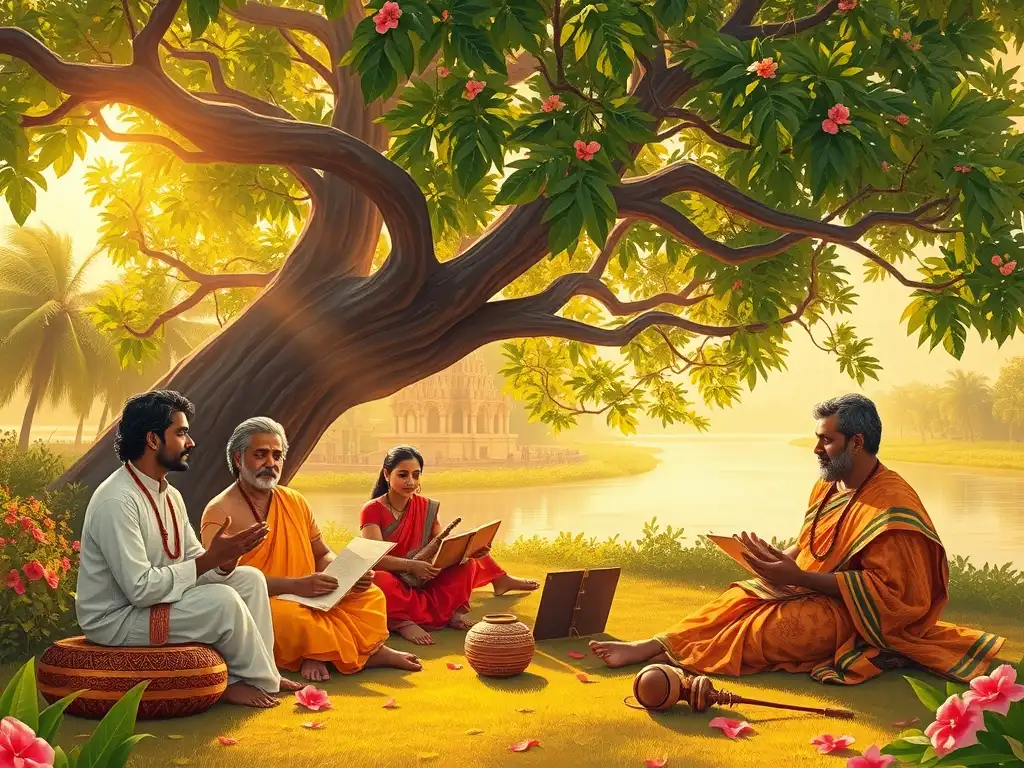
Sangam literature, a treasure trove of ancient Tamil poetry, has left an indelible mark on the cultural landscape of Tamil Nadu and beyond. This literary legacy, rich in themes of love, valor, and nature, continues to resonate in various aspects of modern life, highlighting the enduring relevance of these ancient texts.
Revitalization of Sangam Themes in Contemporary Literature
In recent years, contemporary Tamil writers have increasingly drawn inspiration from Sangam literature, revitalizing its themes to address modern issues.
- Interpersonal Relationships: The emotional depth and complexity found in Sangam poems concerning love and relationships are often reflected in modern Tamil novels and short stories. Authors such as Perumal Murugan and S. Ramakrishnan weave narratives that echo the passionate and sometimes tumultuous relationships depicted in Sangam works.
- Nature and Environment: The celebration of nature, a hallmark of Sangam poetry, has found renewed expression in contemporary environmental literature. Writers focus on ecological themes, emphasizing the connection between humanity and nature, reminiscent of the Sangam poets' reverence for the natural world.
- Social Issues: Many modern writers utilize Sangam themes to comment on contemporary social challenges, such as caste discrimination and gender inequality. By echoing the voices of ancient poets, they invite readers to reflect on the progress made and the work still needed in society.
The rich tapestry of themes in Sangam literature serves as a foundation for modern storytelling, allowing writers to engage with traditional narratives while addressing present-day realities.
Influence on Tamil Cinema and Music
The cinematic and musical landscapes of Tamil Nadu have also been significantly influenced by the poetic legacy of Sangam literature.
- Film Adaptations: Several Tamil films have adapted stories and themes from Sangam poetry, infusing them with visual artistry and contemporary storytelling techniques. Movies like Sivaji Ganesan’s "Veerapandiya Kottaiyadavar" and Gautham Menon’s "Vaaranam Aayiram" incorporate elements of Sangam poetry, showcasing its enduring appeal.
- Music and Lyrics: The lyrical beauty of Sangam poems has inspired numerous songwriters in Tamil cinema. Composers like A.R. Rahman and Ilaiyaraaja have drawn from the rhythmic and thematic richness of Sangam literature to create memorable soundtracks that resonate with audiences. The incorporation of classical Tamil poetry into contemporary music serves as a bridge connecting the past with the present.
- Cultural Festivals: Events celebrating Tamil culture often feature performances based on Sangam poetry, allowing artists to bring ancient texts to life through dance and drama. This not only preserves the cultural heritage but also educates younger generations about the significance of these literary works.
The influence of Sangam literature on cinema and music underscores its role in shaping modern Tamil identity and cultural expressions.
Preservation Efforts of Sangam Texts and Manuscripts
Efforts to preserve and promote the texts of Sangam literature are crucial in maintaining this rich cultural heritage.
- Archiving Manuscripts: Organizations and scholars are actively engaged in the preservation of ancient manuscripts, ensuring that these texts are protected from deterioration. Institutions such as the Tamil Nadu Archives and various universities are involved in digitizing and cataloging these invaluable works.
- Educational Initiatives: Educational programs aimed at introducing Sangam literature to students have gained traction in Tamil Nadu. Schools and universities are increasingly incorporating Sangam texts into their curricula, fostering an appreciation for this literary heritage among the youth.
- Research and Publications: Scholars continue to explore the depths of Sangam literature, producing research articles, commentaries, and translations that make these texts accessible to a broader audience. This scholarly attention not only enriches the understanding of Sangam literature but also keeps its legacy alive in academic discourse.
- Cultural Institutions: Various cultural organizations host workshops, seminars, and public readings focused on Sangam literature, engaging the community in its appreciation and study. These initiatives play a vital role in ensuring that the poetic legacy of Sangam literature endures through generations.
Through these preservation efforts, Sangam literature remains a living tradition, continuing to inspire and influence contemporary culture while safeguarding its historical significance.
Conclusion: The Enduring Legacy of Sangam Literature
Sangam literature stands as a monumental testament to the cultural richness of ancient Tamil civilization, echoing through the ages and shaping the cultural landscape of South India. Its profound influence is evident not only in the literary realm but also in various aspects of societal life, from philosophy and ethics to art and music.
The poems of Sangam literature encapsulate the ethos of their time, reflecting the complexities of human emotions, the beauty of nature, and the intricacies of social relationships. This body of work has not only preserved the Tamil language but has also fostered a sense of identity and continuity among Tamil speakers across generations.
Summary of Cultural Impact of Sangam Literature
The cultural impact of Sangam literature can be categorized into several key areas:
- Language and Literature:
- Preservation of Tamil: Sangam poetry has played a crucial role in developing and preserving the Tamil language, making it one of the oldest continuously spoken languages in the world.
- Literary Techniques: The use of metaphors, similes, and imagery in Sangam poems has influenced subsequent generations of poets and writers, laying the groundwork for modern Tamil literature.
- Cultural Identity:
- Sense of Belonging: The themes of love, valor, and nature found in Sangam literature resonate deeply with Tamil culture, fostering a strong sense of identity among Tamil speakers.
- Tradition and Festivals: Many cultural practices and festivals in Tamil Nadu find their roots in the themes and narratives of Sangam poetry, bridging the ancient with the contemporary.
- Philosophy and Ethics:
- Moral Lessons: The poems often convey ethical teachings and philosophies that continue to influence Tamil society's moral framework. Concepts of dharma (duty) and aram (righteousness) are prevalent.
- Cultural Norms: The portrayal of societal roles and expectations in Sangam literature reflects the norms of ancient Tamil society, shaping understanding and practices over centuries.
- Art and Aesthetics:
- Influence on Visual Arts: The vivid imagery in Sangam poetry has inspired various art forms, including paintings and sculptures, that depict the themes of love and nature.
- Music and Dance: Many compositions in Tamil music and dance draw inspiration from the lyrical quality of Sangam poetry, ensuring its continued relevance in performing arts.
Final Thoughts on the Relevance of Sangam Poetry Today
Today, the relevance of Sangam poetry extends beyond academic circles and literature enthusiasts. The enduring themes of love, nature, and human experience resonate with modern audiences, making Sangam literature an invaluable cultural resource.
- Cultural Revivals: There has been a resurgence of interest in Sangam poetry among younger generations, with initiatives to include it in educational curricula and cultural programs. This revival emphasizes its importance in understanding Tamil heritage and identity.
- Global Influence: As Tamil culture spreads globally, the themes and philosophies of Sangam literature find new expressions in diaspora communities, fostering a connection to their ancestral roots.
- Interdisciplinary Studies: Scholars from various fields, including anthropology, sociology, and history, continue to explore the rich tapestry of Sangam literature, revealing its profound insights into human nature and societal constructs.
The cultural impact of Sangam literature is not merely a relic of the past; it is a living tradition that continues to shape the identities, values, and artistic expressions of Tamil culture today. Its legacy serves as a bridge connecting ancient wisdom with contemporary life, ensuring that the voices of the past continue to inspire future generations.
Frequently Asked Questions
What is Sangam literature?
Sangam literature refers to a collection of ancient Tamil poems composed during the Sangam period (approximately 300 BCE to 300 CE), showcasing the rich cultural heritage of Tamil Nadu.
How did Sangam literature influence Tamil culture?
Sangam literature has had a profound cultural impact, shaping social values, art, and literature in Tamil society, and continues to influence modern Tamil identity today.
What themes are commonly found in Sangam literature?
Common themes in Sangam literature include love, war, nature, and ethics, reflecting the complex emotional landscape and social dynamics of ancient Tamil society.
Who were the key poets of the Sangam period?
Some notable poets include Auvaiyar, Kapilar, and Tiruvalluvar, whose works contributed significantly to the philosophical and moral foundations of Tamil literature.
Why is Sangam literature considered a significant cultural artifact?
Sangam literature is viewed as a significant cultural artifact because it not only records the linguistic and artistic expressions of the time but also provides insights into the social structures and belief systems of ancient Tamil civilization.
Final Reflection: The Enduring Echoes of Sangam Literature
The cultural impact of Sangam literature resonates profoundly in today's society, reminding us of the timelessness of human expression and connection. As we explore the rich tapestry of ancient Tamil poems, we uncover not only the beauty of their verses but also their ability to shape identities, values, and social norms across generations. The legacy of Sangam literature is not merely a relic of the past; it is a living testament to the power of words to transcend time and influence contemporary culture.
Sangam literature has woven itself into the very fabric of Tamil culture, inspiring countless artists, writers, and thinkers. Its themes of love, valor, and nature continue to echo in modern artistic expressions, fostering a sense of belonging and cultural pride among Tamil speakers worldwide. As poet Subramania Bharati once said, The beauty of Tamil literature lies in its ability to speak to the heart, transcending the barriers of time and space.
This enduring influence serves as a reminder of the importance of our cultural heritage and the stories that define us.
As we reflect on the profound lessons embedded in Sangam literature, I invite you to consider how these ancient poems can inspire your own journey. Embrace the richness of your cultural narratives and allow them to guide your actions and aspirations. Whether through creative expression, community engagement, or personal introspection, let the legacy of Sangam literature encourage you to honor your roots while forging a path toward a future that celebrates diversity and unity.
Unveil the Richness of Sangam Literature Today!
Thank you for diving into the poetic world of Sangam literature with us! You’ve discovered how these ancient Tamil poems have crafted the tapestry of culture and identity. Now, it's time to take the next step in your journey of appreciation and exploration.
- Engage with the verses: Read a Sangam poem and reflect on its themes. What emotions do you feel? How do they resonate with contemporary life?
- Join the conversation: Share this article with friends or on social media—let’s spread the beauty of Sangam literature together!
- Explore further: Visit your local library or online resources to uncover more about Tamil culture and its rich history.
What wisdom or inspiration from Sangam literature do you believe holds the most relevance in our lives today?