
Sangam Literature: A Window into the Lives and Values of Ancient Tamil Society

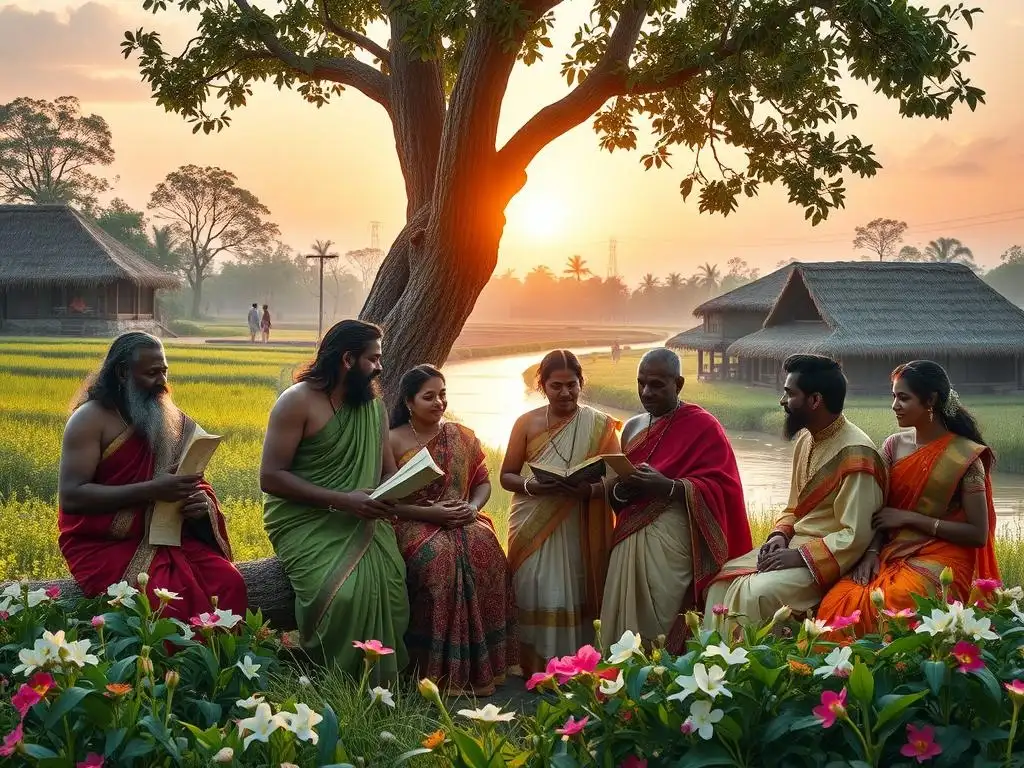
Welcome to Ancient India History, where we embark on an enlightening journey through the rich tapestry of ancient Indian civilizations. In this exploration, we delve into the profound depths of Sangam literature, a remarkable window into the lives and values of ancient Tamil society. Discover how this vibrant body of work reflects the cultural, social, and emotional landscapes of its time, offering insights that resonate even today.
Curiosity piqued? Join us as we unravel the stories and significance of this literary treasure, and uncover how these ancient texts shaped the identity of a society long gone but not forgotten. Dive in to learn more!
- Introduction to Sangam Literature and Its Significance in Ancient Tamil Society
- Key Features of Sangam Literature
- The Societal Values Reflected in Sangam Literature
- Major Works and Poets of Sangam Literature
- Economic and Political Life in Ancient Tamil Society as Reflected in Sangam Literature
- Spiritual and Philosophical Insights from Sangam Literature
- The Legacy of Sangam Literature in Contemporary Tamil Culture
- Conclusion: The Enduring Impact of Sangam Literature on Tamil Heritage
- Frequently Asked Questions
- Final Reflection: Sangam Literature as a Mirror of Ancient Tamil Society
- Dive Deep into the Richness of Sangam Literature!
Introduction to Sangam Literature and Its Significance in Ancient Tamil Society
Sangam literature serves as a profound testament to the intricate tapestry of ancient Tamil society, providing insight into its values, traditions, and everyday life. Dating back to the early centuries of the Common Era, this body of work emerged from the Tamil-speaking regions of South India and is renowned for its poetic richness and thematic diversity.
Comprising a collection of poems and literary compositions, Sangam literature reflects not only the artistic expression of its time but also the socio-political and cultural landscape that shaped the lives of its people. Understanding Sangam literature is essential for anyone seeking to grasp the essence of ancient Tamil civilization, as it encapsulates the ethos and nuances of a society that thrived long before the advent of modernity.
Definition of Sangam Literature
Sangam literature refers to the corpus of Tamil poetry composed during the Sangam period, which is believed to have lasted from around 300 BCE to 300 CE. This literature is characterized by its lyrical beauty and thematic concerns, including love, valor, nature, and the human experience.
The term "Sangam" itself denotes a gathering or assembly, signifying the collaborative efforts of poets and literary figures who contributed to this rich literary tradition. The works were primarily compiled in three anthologies: Ettuthokai, Pattupattu, and Naalayira Divya Prabandham, each encompassing a multitude of poems that portray various aspects of life in ancient Tamil society.
Historical Context of Sangam Literature
The historical backdrop of Sangam literature is deeply intertwined with the socio-political dynamics of ancient Tamil Nadu. Emerging during a time of flourishing trade and cultural exchange, the Sangam era witnessed the rise of several prominent dynasties, including the Cholas, Pandyas, and Cheras. These kingdoms not only patronized art and literature but also facilitated interactions with other cultures through maritime trade routes. The poets of this period often drew inspiration from their surroundings and experiences, reflecting the rich landscape and vibrant society in which they lived.
The Sangam literature also provides glimpses into the political intrigues, heroic deeds, and social structures of the time, thus acting as a vital historical source that complements archaeological and epigraphical evidence.
Importance of Sangam Literature in Understanding Ancient Tamil Society
Sangam literature is invaluable in its ability to illuminate the social fabric of ancient Tamil society. Through its verses, we gain insights into the values that shaped the lives of its people, such as heroism, hospitality, love, and community. Themes of nature and the environment are prevalent, showcasing the deep connection the Tamils had with their land.
Moreover, the literature presents a diverse range of voices, from the perspectives of kings and warriors to those of common folk and women, thereby offering a more inclusive narrative of the time. This body of work not only enriches our understanding of Tamil culture and identity but also serves as a crucial link to the past, allowing contemporary society to appreciate and learn from the wisdom of ancient civilizations.
Sangam literature stands as a vital key to unlocking the complexities of ancient Tamil society, making it an essential subject of study for historians, linguists, and literature enthusiasts alike.
Key Features of Sangam Literature
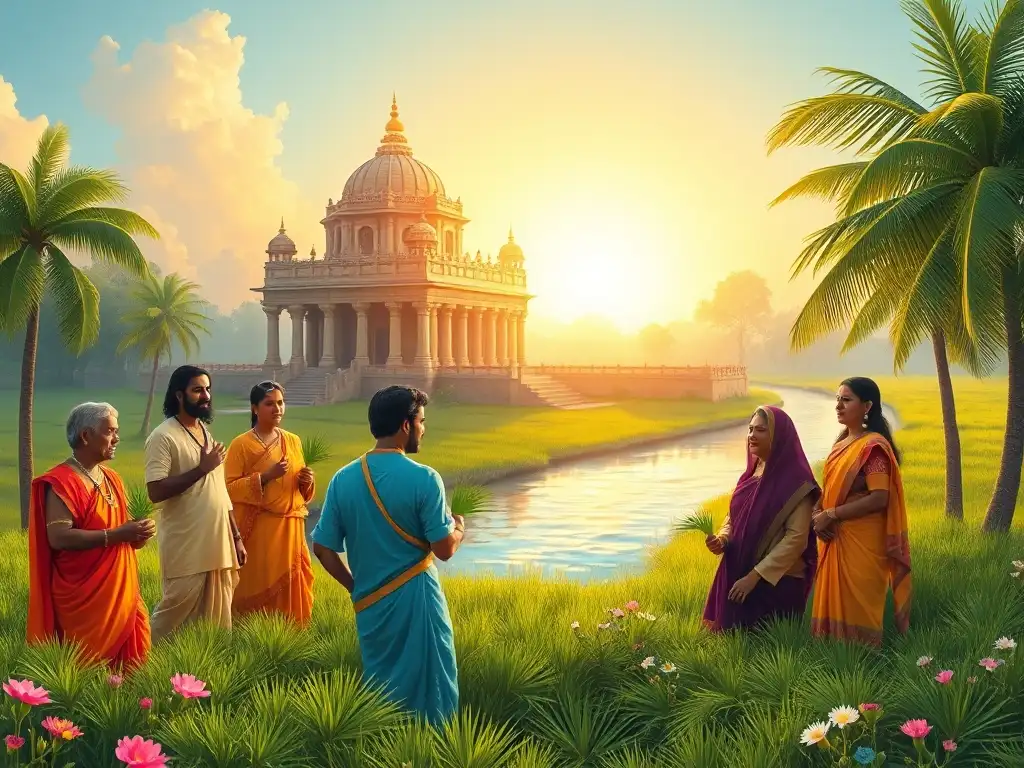
Sangam literature is a remarkable corpus of ancient Tamil writings that flourished between approximately 300 BCE and 300 CE. This literature provides a unique insight into the lives, values, and social structures of ancient Tamil society. Here are some of its key features:
- Historical Context: Sangam literature was produced during the Sangam period, a time characterized by the emergence of city-states in Tamil Nadu. It reflects the socio-political dynamics, trade relations, and cultural exchanges that shaped this era.
- Collective Authorship: Unlike many literary traditions that highlight individual authors, Sangam literature is attributed to a collective of poets known as the "Sangam poets." This collaborative spirit emphasizes the community's shared experiences and values.
- Rich Imagery and Symbolism: The poetry is renowned for its vivid imagery and intricate symbolism. Poets employed metaphors and similes that drew from nature, everyday life, and social interactions, creating a rich tapestry of meaning.
- Focus on Human Emotions: Sangam literature delves deep into human emotions, capturing the nuances of love, war, valor, and sorrow. The exploration of emotional landscapes showcases the poets' profound understanding of human psychology.
- Cultural Significance: The works serve not only as literary texts but also as historical documents that provide insights into the cultural practices, traditions, and societal norms of ancient Tamil society.
Themes Explored in Sangam Poetry
Sangam poetry encompasses a wide range of themes that reflect the complexities of life in ancient Tamil society. Some of the most notable themes include:
- Love (Akam): The theme of love is predominant in Sangam literature, often depicted through intimate relationships between lovers. The poems explore various stages of love, including passion, separation, and longing.
- Sub-themes:
- Courtship: The excitement and anticipation of budding romance.
- Separation: The deep anguish of lovers parted by circumstances, often portrayed with poignant imagery.
- Sub-themes:
- War (Puram): In contrast to the intimate themes of love, the valor and honor associated with warfare are also explored. These poems celebrate heroic deeds and the warrior ethos prevalent in society.
- Sub-themes:
- Heroism: The valor of warriors and their sacrifices for their kingdoms.
- Glory of Kings: The praise of rulers and their military conquests, showcasing the political landscape of the time.
- Sub-themes:
- Nature and Environment: Sangam literature often draws upon natural imagery to reflect emotional states and societal issues. The landscape is not merely a backdrop but a character that interacts with human experiences.
- Sub-themes:
- Seasons: The changing seasons symbolize the cycles of life, love, and loss.
- Geography: Specific references to geographical features highlight the connection between people and their land.
- Sub-themes:
Literary Devices and Poetic Techniques
The Sangam poets utilized a variety of literary devices and poetic techniques, enriching the texture of their work. Key techniques include:
- Alliteration: The use of repeated consonant sounds creates a musical quality in the verses, enhancing their memorability.
- Metaphor and Simile: Poets frequently employed metaphors and similes to draw vivid comparisons, allowing readers to visualize complex emotions and scenarios.
- Imagery: Rich sensory descriptions engage the reader's senses, bringing scenes to life. For instance, references to flowers, birds, and landscapes create a vivid picture of the Tamil environment.
- Structure: Many poems follow specific structural patterns, such as the Kural form, which consists of couplets. This brevity allows for deep exploration of themes within a compact form.
- Irony and Paradox: The use of irony and paradox adds depth to the emotional impact of the poems, often contrasting the ideal with the real.
Varieties of Sangam Literature: Genres and Forms
Sangam literature is categorized into several genres and forms, each serving a distinct purpose and audience. Major categories include:
- Akam: Poetry focused on love and personal relationships, often exploring the emotional experiences of individuals. It is characterized by its intimate tone and detailed portrayal of romantic life.
- Puram: This genre celebrates heroic deeds, valor, and the societal role of warriors. It often includes praise for kings and recounts battles, highlighting the ethos of honor and bravery.
- Thinai: A unique classification based on the geographical and environmental settings of the poems. Each thinai corresponds to specific landscapes (e.g., forest, coastal, agricultural) and reflects the lifestyles associated with them.
- Anthologies: Collections such as Ettuthokai and Pattupattu compile numerous poems and serve as significant sources for understanding the breadth of Sangam literature. These anthologies include both akam and puram poems, providing a comprehensive view of ancient Tamil life.
Conclusion
Sangam literature serves as a vital window into the values, emotions, and societal structures of ancient Tamil society. It captures a rich tapestry of human experiences through its diverse themes, sophisticated literary techniques, and varying genres. The study of this literature not only enhances our understanding of Tamil culture but also reveals the universal nature of human emotions and relationships across time.
The Societal Values Reflected in Sangam Literature
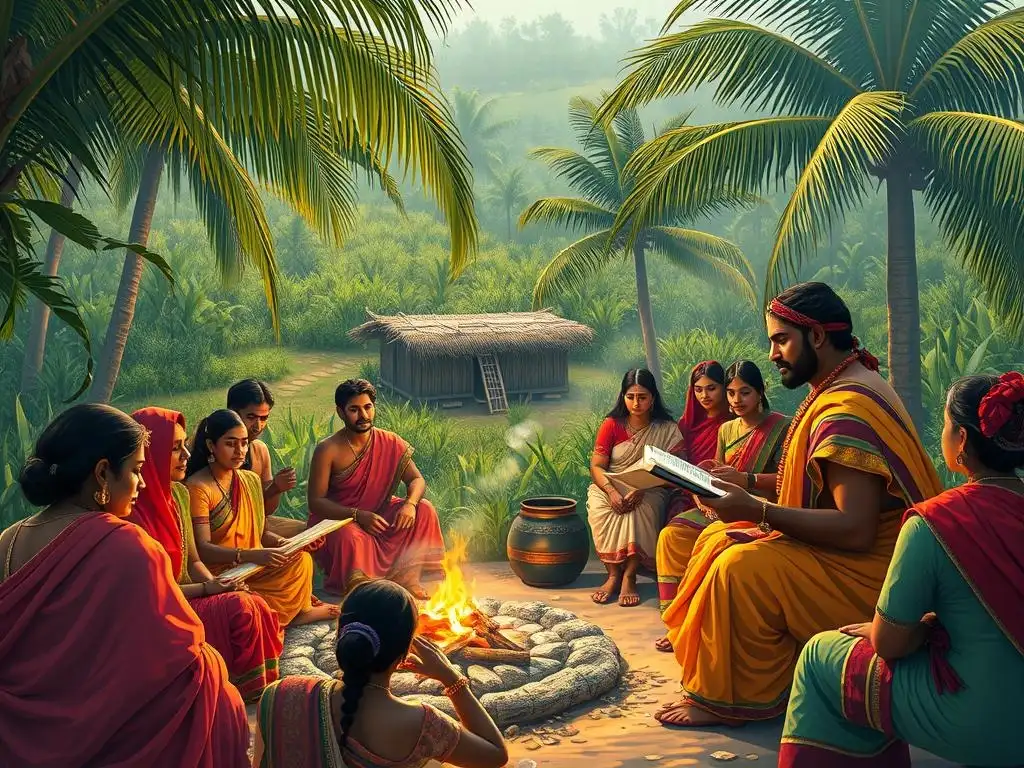
Sangam literature is a pivotal element in understanding the societal values of ancient Tamil society. Composed between approximately 300 BCE and 300 CE, these poems and texts reveal intricate insights into the lives, beliefs, and cultural norms of the Tamil people. The literature encapsulates a myriad of themes, including family structures, love dynamics, and the relationship with the natural environment, which are essential for comprehending the ethos of that era.
Family and Kinship in Ancient Tamil Society
Family and kinship play a central role in Sangam literature, reflecting the deep-rooted values that governed social interactions. The concept of "kuḷam" (family) is often highlighted, emphasizing the importance of familial bonds and responsibilities.
- Patriarchal Structure: The texts often depict a patriarchal society where lineage and heritage are traced through male descendants. Fathers are portrayed as protectors and providers, while mothers are revered for their nurturing roles.
- Kinship Ties: The concept of "maṇi" (relatives) signifies the importance of extended family, where loyalty and support among kin were paramount. The poems frequently celebrate these ties, illustrating their significance in daily life and community interactions.
- Marriage and Alliances: Marriages are depicted not merely as personal unions but as strategic alliances that strengthen familial bonds. The literature provides insights into the customs surrounding marriage, including dowries and rituals, which further illustrate the societal emphasis on kinship.
By exploring these family dynamics, Sangam literature reveals how familial relationships influenced individual identities and societal structures in ancient Tamil society.
Love and Relationships in Sangam Poetry
Sangam poetry is renowned for its profound exploration of love, encapsulating various dimensions of romantic relationships. The treatment of love in these verses is multifaceted, often categorized into distinct types, each reflecting different emotional nuances.
- Types of Love: The poetry frequently distinguishes between "āḻvār" (passionate love) and "puṟam" (social love). While the former focuses on personal, intimate connections, the latter emphasizes social and public expressions of love.
- Themes of Longing and Separation: A prevalent theme is the pain of separation ( "viyal"), where lovers express their longing for each other. The poignant depiction of emotional turmoil highlights the depth of human feelings and the intensity of romantic attachments.
- Nature as a Love Companion: Nature plays an essential role in expressing love; landscapes, seasons, and elements often mirror the emotions of lovers. For instance, the monsoon rains symbolize both the joy of reunion and the sorrow of separation, showcasing how intertwined love and nature are in Sangam poetry.
Through these portrayals, Sangam literature provides a nuanced understanding of love and relationships, reflecting the complexities of human emotions in ancient Tamil culture.
The Role of Nature and Environment in Tamil Literature
Nature is a recurring motif in Sangam literature, serving not only as a backdrop for human experiences but also as an integral character that influences the lives and emotions of individuals. The relationship between humanity and the environment is depicted with deep reverence and understanding.
- Geographical Diversity: The literature categorizes landscapes into five distinct terrains ( "tinai")— marudham (fertile lands), palai (desert), neithal (coastal), mullai (forests), and kurinji (mountains). Each terrain is associated with specific lifestyles, occupations, and emotional states, reflecting the interconnectedness of environment and culture.
- Nature's Influence on Emotions: The natural world is often used as a metaphor for human feelings. The changing seasons and landscapes symbolize joy, sorrow, and longing, making nature an essential component of emotional expression in the poetry.
- Cultural Significance: The reverence for nature is evident in the way poets celebrate its beauty and bounty, highlighting the sustainable practices of ancient Tamil society. This respect for the environment underscores the values of harmony and balance that were integral to their way of life.
In sum, the role of nature in Sangam literature not only enriches the poetic landscape but also emphasizes the profound connection between the Tamil people and their environment, reflecting core societal values that persist across generations.
Major Works and Poets of Sangam Literature
Notable Poets and Their Contributions
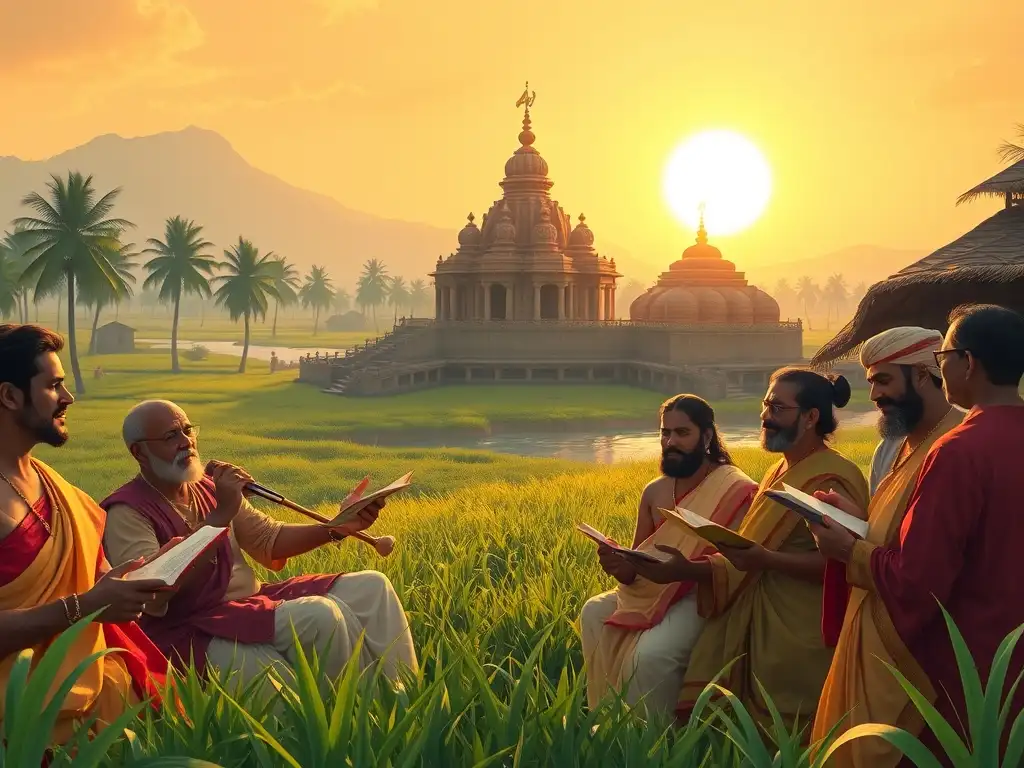
Sangam literature, a cornerstone of ancient Tamil culture, is characterized by its rich tapestry of poetry and prose composed by numerous poets during the Sangam period (approximately 300 BCE to 300 CE). The poets of this era were not only skilled wordsmiths but also cultural historians who reflected the society's values, beliefs, and lifestyles.
- Thiruvalluvar: Perhaps the most celebrated poet of the Sangam age, Thiruvalluvar authored the Thirukkural, a seminal work that addresses ethics, politics, and love. His couplets offer profound insights into human behavior and morality, making the text enduringly relevant.
- Kapilar: A prominent figure in the Sangam tradition, Kapilar is known for his poems that often explore themes of love and nature. His works reflect the everyday lives of people and the beauty of the Tamil landscape, thereby fostering a connection between nature and emotions.
- Auvaiyar: A female poet of the Sangam era, Auvaiyar’s contributions are significant, particularly her wisdom and moral teachings. Her poems often provide guidance on ethical living and emphasize the importance of community and familial bonds.
- Immaiyavar Ambalam: Known for his poems on love and valor, Immaiyavar Ambalam's works capture the essence of human relationships and the complexities of emotion, providing a glimpse into the societal norms of the time.
These poets collectively contributed to a body of work that not only showcases literary brilliance but also serves as a social commentary on the values and practices of ancient Tamil society.
Important Texts of Sangam Literature
Sangam literature comprises a vast array of texts, distinguished by their thematic diversity and stylistic richness. The major texts include:
| Text | Description |
|---|---|
| Thirukkural | A philosophical treatise consisting of 1,330 couplets, addressing ethics, politics, and love. |
| Akananuru | A collection of 400 poems focused on love and personal relationships, highlighting emotional nuances. |
| Purananuru | Consisting of 400 poems, this work deals with the broader themes of heroism, war, and nature. |
| Pathitrupathu | A compilation of 10 poems that celebrate the lives and virtues of ancient Tamil kings and their accomplishments. |
| Silappatikaram | An epic poem that intertwines love, justice, and fate, telling the story of Kannagi and Kovalan. |
These texts are invaluable resources for understanding the socio-political landscape, cultural practices, and emotional expressions of ancient Tamil society. They offer insights into the everyday lives of people and the rich heritage of Tamil Nadu.
Analysis of Key Poems and Their Cultural Significance
The poems of Sangam literature are not merely artistic expressions; they encapsulate the very essence of ancient Tamil life and values. Below are analyses of key poems that highlight their significance:
-
"Kural 1" from Thirukkural:
This couplet begins with the assertion that the pursuit of virtue is paramount. It sets the tone for the entire text, emphasizing moral integrity as the foundation of a meaningful life. This reflects the Tamil society's high regard for ethics and virtue.
-
"Kalaviyin Kuraimai" from Akananuru:
This poem delves into the theme of love and separation. It portrays the deep emotional turmoil faced by lovers, illustrating the cultural importance of love in Tamil society. The vivid imagery evokes a sense of longing and attachment, resonating with the reader's emotions.
-
"Sitridaiyiruppu" from Purananuru:
This poem celebrates the valor of a king in battle. It underscores the societal admiration for bravery and heroism, portraying the king not just as a ruler but as a protector of his people. Such themes reinforce the values of courage and leadership within the ancient Tamil ethos.
-
"Kannagi's Lament" from Silappatikaram:
This poignant poem addresses themes of justice and revenge. Kannagi’s unwavering determination to seek justice for her husband’s wrongful death speaks volumes about the societal values of loyalty and righteousness. This narrative serves as a moral lesson for the audience, emphasizing the consequences of injustice.
The cultural significance of these poems lies in their ability to bridge the past with the present, offering timeless wisdom and reflections on human experience. The themes explored in Sangam literature continue to resonate, providing valuable insights into the evolution of Tamil identity and societal values throughout history.
Economic and Political Life in Ancient Tamil Society as Reflected in Sangam Literature
Agriculture, Trade, and Economy in Sangam Texts
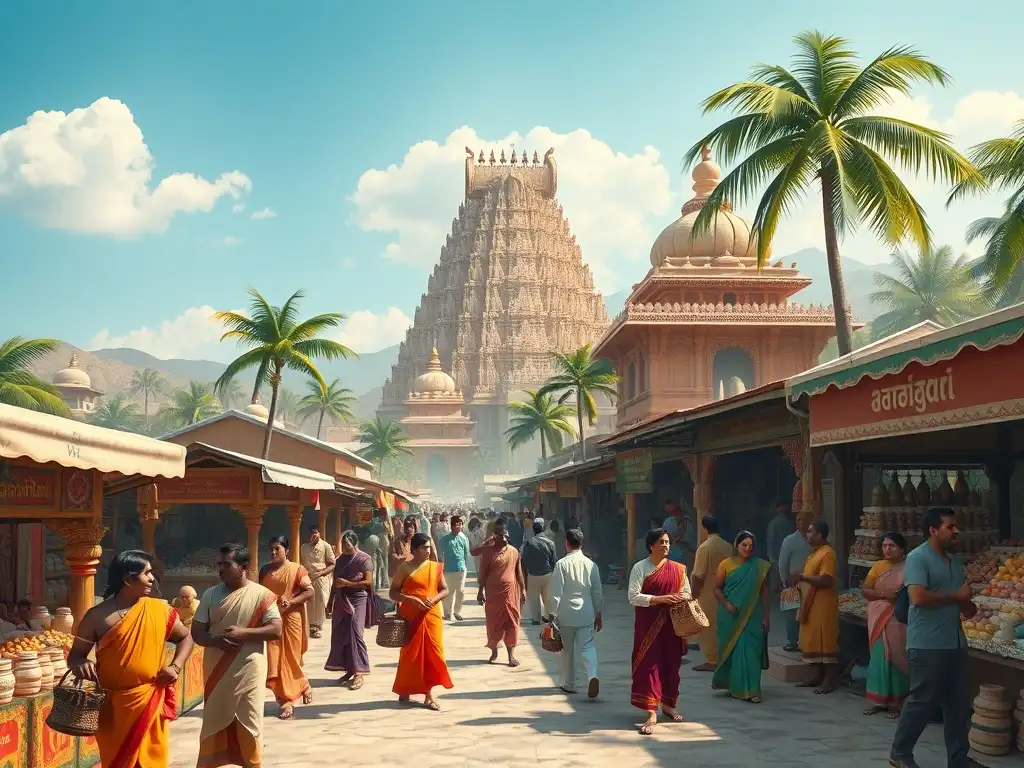
Sangam literature provides a vivid depiction of the agricultural practices, trade, and economic structures of ancient Tamil society. The texts often highlight the significance of agriculture as the backbone of the economy, with references to various crops such as rice, millet, and sugarcane. The portrayal of the fertile lands of Tamil Nadu, particularly in regions like the Kaveri delta, underscores the connection between the environment and sustenance.
- Agricultural Practices:
- The Sangam poets elaborate on the seasonal cycles, showcasing the dependence on monsoon rains for successful harvests.
- Tools and techniques of farming, such as plowing and irrigation, are celebrated, indicating a developed understanding of agronomy.
- Trade Networks:
- Sangam literature details extensive trade networks, both inland and maritime. The mention of ports like Kaveripattinam and Musiri illustrates vibrant trade with other regions, including the West and Southeast Asia.
- Goods traded included textiles, spices, and precious stones, which were highly valued in both local and international markets.
- Economic Classes:
- The texts reflect a stratified society where wealth accumulation was evident. The emergence of merchant classes, known as the Soodrans, alongside agrarian communities is highlighted.
- The poets often praise wealthy merchants, indicating their role as patrons of art and culture, further intertwining economic prosperity with cultural development.
Governance and Leadership in Ancient Tamil Society
The governance structures in ancient Tamil society, as depicted in Sangam literature, reveal a complex political landscape characterized by various kingdoms and chieftains. The texts offer insights into the nature of leadership, administration, and the political ethos prevalent during the Sangam period.
- Kingship and Rule:
- The portrayal of kings often echoes the ideals of Dharma (righteousness) and Artha (prosperity). Kings were expected to be just rulers, protectors of their people, and patrons of arts.
- Notable kings such as Chola, Pandya, and Cheras are frequently mentioned, emphasizing their military prowess and contributions to culture.
- Decentralized Governance:
- The Sangam texts indicate a confederation of smaller kingdoms and chiefdoms, where local chieftains held significant power. This decentralized approach allowed for a degree of autonomy within the larger political framework.
- The concept of Uzhavar (farmers) as integral to the governance process is highlighted, indicating a participatory model in decision-making.
- Political Alliances:
- The literature also discusses alliances formed through marriage and diplomacy, demonstrating the strategic importance of relationships in maintaining power and stability.
- Conflicts between kingdoms, often depicted through poetic metaphors, reflect the competitive nature of political life, where valor and warfare were glorified.
Warfare and Valor in Sangam Poetry
Warfare, valor, and heroism are central themes in Sangam poetry, reflecting the martial ethos of ancient Tamil society. The texts not only celebrate individual bravery but also illustrate the societal values surrounding conflict and honor.
- Heroic Tales:
- The portrayal of legendary warriors and their feats is common in Sangam literature. Heroes like Kannan and Valluvan are celebrated for their courage and strategic skills in battle.
- The emphasis on individual valor is accompanied by a sense of collective identity, where warriors are seen as protectors of their communities.
- Battlefield Depictions:
- Sangam poems vividly describe the chaos and glory of battle, using rich metaphors and imagery. The battlefield is often depicted as a place where honor is won or lost, reinforcing the importance of bravery.
- The texts also reflect the consequences of warfare, such as loss and suffering, highlighting the moral dilemmas faced by warriors.
- Cultural Significance of Warfare:
- Warfare is not only a means of territorial expansion but also a way to establish social status and legitimacy. Successful military leaders gained the respect of their peers and the loyalty of their subjects.
- The valorization of warfare in Sangam literature sheds light on the cultural fabric of Tamil society, where martial prowess was intertwined with identity and pride.
Sangam literature serves as a rich source for understanding the economic and political life of ancient Tamil society. Through its exploration of agriculture, trade, governance, and warfare, it reveals the intricate tapestry of values and practices that defined this vibrant civilization.
Spiritual and Philosophical Insights from Sangam Literature
Religious Beliefs and Practices in Ancient Tamil Society
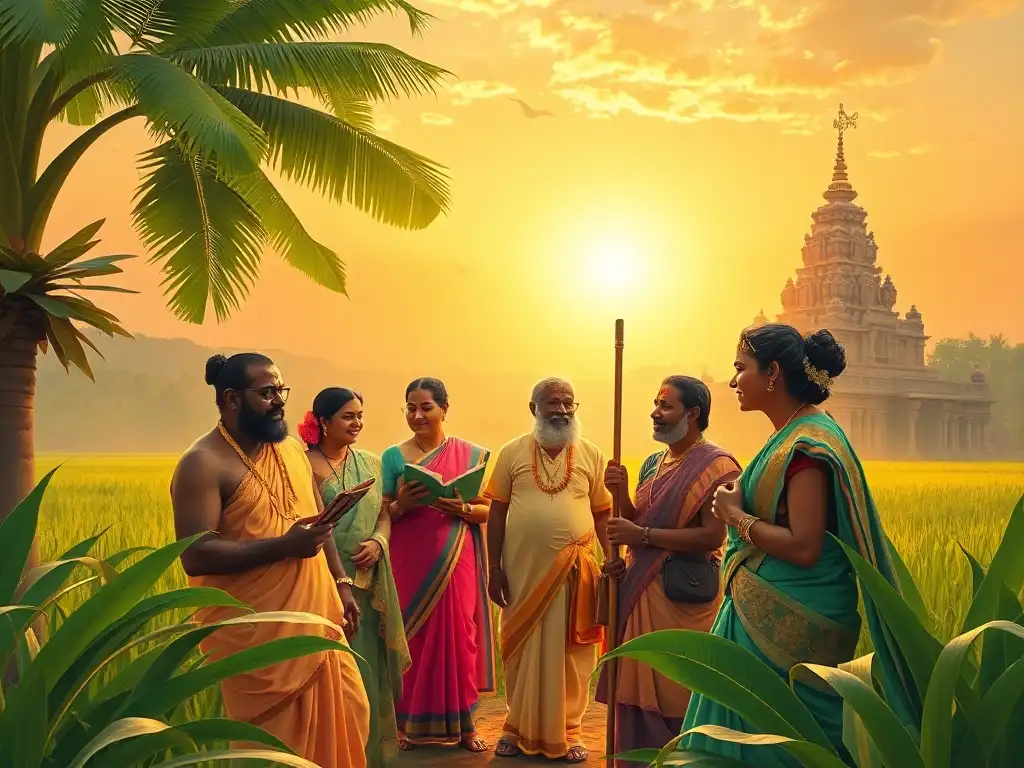
Sangam literature serves as a rich repository of the religious beliefs and practices that permeated ancient Tamil society. The texts, composed between approximately 300 BCE and 300 CE, reflect a time when various faiths coexisted and influenced one another.
- Polytheism and Nature Worship:
- Ancient Tamils worshipped a myriad of deities, each representing different aspects of nature and daily life. The gods of agriculture, fertility, and war were particularly revered, illustrating the connection between the land and the people's sustenance.
- For instance, the goddess Muthirai, associated with fertility, was invoked in many poems, showcasing the agrarian roots of Tamil society.
- Cults and Local Deities:
- Besides the major deities, local cults flourished, with specific rituals and festivals dedicated to village gods. These practices fostered a sense of community and identity among the Tamils.
- Notably, the Ayyanar cult, celebrated in rural Tamil Nadu, exemplifies this local devotion, emphasizing the importance of community in ancient spirituality.
- Influence of Jainism and Buddhism:
- The Sangam period also witnessed the emergence of Jainism and Buddhism, which introduced new philosophical ideas and ethical practices.
- Poets like Sangam poets such as Avvaiyar and Kaniyan Poongundranar articulated ideas of non-violence, moderation, and compassion, reflecting the influence of these religions.
Philosophical Concepts in Sangam Poetry
Sangam poetry is imbued with profound philosophical concepts that offer insights into the values and worldview of ancient Tamil society.
- **Concept of "Vallal":
- The idea of the "Vallal," or a generous person, permeates Sangam literature, symbolizing the ideal human who embodies altruism and selflessness. This concept highlights the importance of societal welfare over personal gain.
- The depiction of Vallals in various poems encourages readers to aspire to virtues that strengthen community bonds.
- Transience of Life:
- Many poems reflect on the ephemeral nature of life, urging individuals to embrace the present and act virtuously. This philosophy encourages a deeper understanding of mortality and the human condition.
- For instance, poems often juxtapose the beauty of youth with the inevitability of aging, prompting reflections on the importance of legacy and memory.
- Unity of Opposites:
- The Sangam poets frequently explored the unity of opposites, such as love and war, joy and sorrow. This philosophical perspective illustrates a balanced worldview, recognizing that life's dualities are interconnected.
- This theme resonates in works like Kuruntokai and Akananuru, where the emotional spectrum of human experience is celebrated.
The Intersection of Spirituality and Daily Life
Sangam literature intricately weaves spirituality into the fabric of daily life, reflecting how ancient Tamils navigated their existence through a spiritual lens.
- Rituals and Festivals:
- The regular observance of rituals and festivals is a recurring theme, emphasizing the role of spirituality in communal life. Festivals often coincide with agricultural cycles, reinforcing the connection between spirituality and sustenance.
- Seasonal festivals, like Pongal, are celebrated not only for their agricultural significance but also as acts of devotion and gratitude to the deities.
- Moral and Ethical Living:
- The literature underscored the importance of leading a life rooted in morality and ethics, guiding individuals to make choices that reflect their spiritual beliefs.
- Concepts such as "Aram" (righteousness) are frequently invoked, encouraging readers to uphold moral values in their daily interactions.
- Nature as a Spiritual Teacher:
- Nature is often portrayed as a teacher, offering wisdom and insight. The landscapes described in Sangam poetry serve as metaphors for spiritual journeys, reinforcing the idea that the natural world is imbued with divine presence.
- The vivid imagery of rivers, mountains, and forests not only enhances the poetic narrative but also symbolizes the eternal connection between humanity and the divine.
The spiritual and philosophical insights embedded in Sangam literature provide a comprehensive view of the values, beliefs, and practices that characterized ancient Tamil society, illustrating how spirituality was interwoven with daily life and cultural identity.
The Legacy of Sangam Literature in Contemporary Tamil Culture
Influence on Modern Tamil Literature and Arts
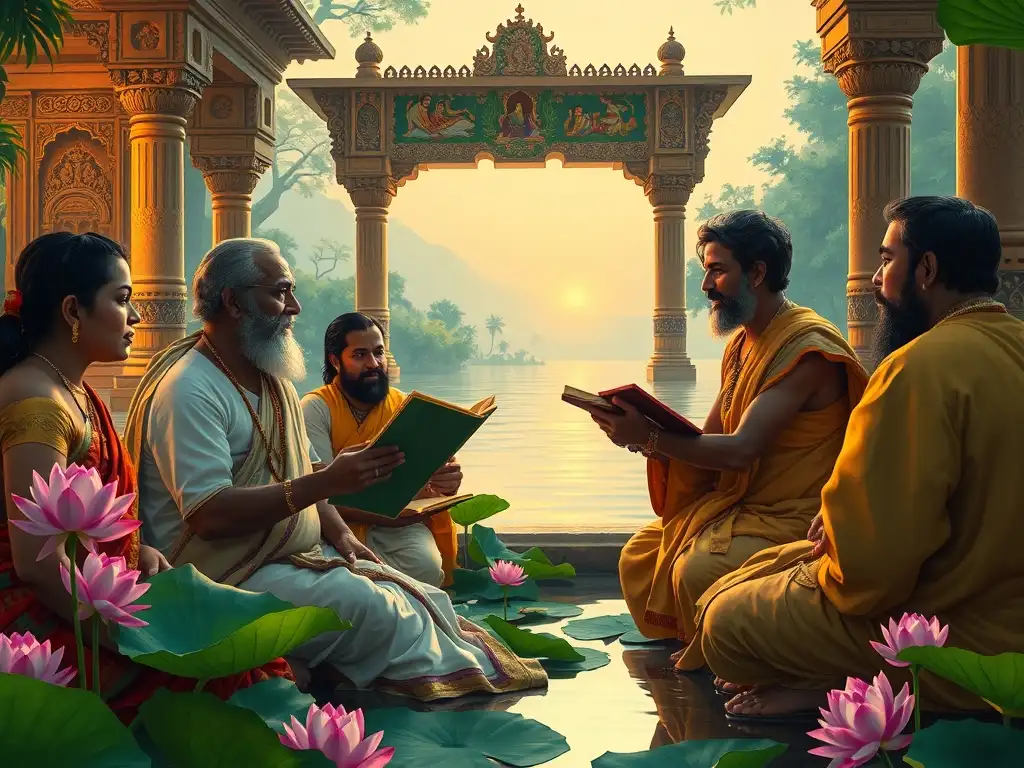
Sangam literature, with its rich tapestry of themes and styles, has left an indelible mark on modern Tamil literature and arts. The poetic traditions established during the Sangam period (approximately 300 BCE to 300 CE) continue to resonate in contemporary works, influencing not only poets and writers but also artists and filmmakers.
- Poetic Forms and Styles: The Aham and Puram divisions of Sangam poetry, which explore themes of love, valor, and nature, have inspired modern Tamil poets. Notable figures like Subramania Bharati and Kannadasan drew heavily from these forms, adapting them to express contemporary sentiments while preserving the structural elegance of the Sangam tradition.
- Cultural Themes: Themes central to Sangam literature, such as heroism, love, and the beauty of nature, are often echoed in modern Tamil literature. The emotional depth and vivid imagery found in works like Kavimani Desigavinayagam Pillai's poetry demonstrate the enduring relevance of these ancient motifs.
- Visual Arts: The influence of Sangam literature extends into visual arts, with artists often depicting scenes from Sangam poetry. The imagery of lush landscapes, pastoral life, and the intricate relationships between characters is prevalent in contemporary paintings and sculptures, bridging the ancient with the modern.
- Cinema and Performing Arts: Tamil cinema has also taken cues from Sangam literature. Films often incorporate themes and narratives from Sangam texts, showcasing the values and lives of ancient Tamil society. Moreover, traditional dance forms, like Bharatanatyam, frequently draw inspiration from the poetic expressions of the Sangam era, integrating these ancient stories into their performances.
Preservation and Revival of Sangam Texts
The preservation and revival of Sangam literature have been crucial in maintaining Tamil cultural heritage. Various initiatives and scholarly efforts have played a significant role in ensuring that these ancient texts remain accessible and relevant.
- Academic Research: Universities and research institutions have undertaken extensive studies of Sangam literature, publishing critical editions and translations. Scholars like M. S. Swaminathan and A. K. Ramanujan have contributed significantly to the understanding of these texts, making them available to a wider audience.
- Digital Archives: With the advent of technology, several digital platforms have been created to archive and disseminate Sangam literature. These online resources allow readers from around the world to explore these ancient texts through translations, commentaries, and multimedia presentations.
- Cultural Festivals: Events such as the Tamil Sangamam celebrate Sangam literature, bringing together scholars, artists, and enthusiasts. These festivals often feature performances, discussions, and workshops focused on the relevance of Sangam themes in modern contexts, fostering a sense of community and cultural pride.
- Educational Curriculums: Many educational institutions have integrated Sangam literature into their syllabi, ensuring that students engage with these texts from a young age. This initiative not only preserves the literature but also instills an appreciation for Tamil heritage among the youth.
Sangam Literature's Role in Tamil Identity
Sangam literature plays a pivotal role in shaping Tamil identity, serving as a cultural touchstone that connects contemporary Tamils to their ancient roots. The texts encapsulate the values, beliefs, and social norms of ancient Tamil society, providing insights into the collective consciousness of the Tamil people.
- Cultural Pride: The exploration of themes such as bravery, love, and community in Sangam works fosters a sense of pride among Tamils. Celebrating these literary achievements reinforces a shared heritage and cultural continuity that transcends generations.
- Moral and Ethical Framework: The values espoused in Sangam literature, including respect for nature, commitment to duty, and the importance of relationships, continue to influence the moral and ethical framework of modern Tamil society. These texts serve as guiding principles for personal conduct and social interactions.
- Social Cohesion: Sangam literature’s emphasis on community and kinship ties strengthens social bonds within Tamil society. The texts often depict a world where individuals derive meaning and identity from their connections with others, reinforcing the importance of collective identity.
- Global Tamil Identity: As Tamil communities spread across the globe, Sangam literature remains a vital link to their ancestral heritage. It fosters a sense of belonging and shared history among Tamils worldwide, allowing them to connect with their roots regardless of their geographical location.
The legacy of Sangam literature is not only a testament to the literary brilliance of ancient Tamil society but also a living tradition that continues to influence contemporary culture, identity, and values among Tamils today.
Conclusion: The Enduring Impact of Sangam Literature on Tamil Heritage
Sangam literature serves as a profound testament to the values, culture, and social dynamics of ancient Tamil society. This body of work not only reflects the historical context of its time but also highlights the enduring legacy that continues to resonate within Tamil culture today. The themes, poetic forms, and philosophical underpinnings conveyed through Sangam texts provide a unique lens through which we can understand the intricacies of social life, ethics, and emotional expression in ancient Tamil Nadu.
The impact of Sangam literature extends beyond mere historical documentation; it has influenced various art forms, including music, dance, and visual arts, further embedding itself into the cultural fabric of Tamil heritage. The rich metaphors and vivid imagery in the poetry have inspired generations of artists and scholars, ensuring that the essence of Sangam literature remains alive in modern Tamil identity.
Reflection on the Values of Ancient Tamil Society
Sangam literature encapsulates the core values that defined ancient Tamil society, such as love (akam), valor (puram), and community. The poems explore the emotional complexities of human relationships, often depicting themes of love and longing in various forms. This exploration reveals a society that valued personal connections and emotional depth, demonstrating how love transcended social boundaries.
Moreover, the literature reflects the societal norms and moral codes of the time. The emphasis on dharma (righteousness) and social duty illustrates the importance of ethical conduct and responsibility within the community. The poets of the Sangam period often celebrated the virtues of bravery and honor, portraying heroes who upheld justice and defended their land.
In essence, Sangam literature provides a rich tapestry of the values that were intrinsic to ancient Tamil society, showcasing how these ideals were woven into the daily lives and beliefs of its people.
Sangam Literature as a Cultural Heritage of India
Sangam literature is not only a significant aspect of Tamil heritage but also a vital part of India's broader cultural heritage. The texts, primarily composed between 300 BCE and 300 CE, are among the earliest examples of Tamil literature and showcase the linguistic and literary sophistication of the time.
The detailed descriptions of nature, society, and human emotions in Sangam poetry offer insights into the socio-economic conditions and cultural practices of ancient Tamil civilizations. They provide evidence of thriving trade networks, agricultural practices, and rich artistic expressions that characterized the era.
The preservation and study of Sangam literature are crucial for understanding the evolution of Indian languages and literature. The rich tradition of Tamil poetry has influenced countless writers and poets across generations, contributing to the diversity of India's literary landscape.
In recognizing Sangam literature as a cultural heritage, we also acknowledge its role in fostering a sense of identity and continuity among Tamil people. As modern Tamil society grapples with globalization and cultural shifts, the teachings and themes of Sangam literature continue to inspire and guide, reminding us of the timeless values that have shaped the Tamil ethos.
The enduring impact of Sangam literature on Tamil heritage is profound, as it not only preserves the voices of ancient Tamil society but also serves as a beacon for future generations to explore and cherish their rich cultural legacy.
Frequently Asked Questions
What is Sangam literature?
Sangam literature refers to a collection of ancient Tamil texts composed between 300 BCE and 300 CE, reflecting the social, cultural, and political aspects of ancient Tamil society.
How does Sangam literature represent ancient Tamil society?
It offers insights into the values, customs, and daily life of the people through poetry, highlighting themes like love, valor, and nature, which were significant to their culture.
What are the main themes found in Sangam literature?
Key themes include heroism, love, and morality, as well as nature and rural life, portraying the complexities of relationships and societal norms in ancient Tamil culture.
Why is Sangam literature important for understanding ancient India?
Sangam literature serves as a crucial historical source, providing a glimpse into the linguistic, artistic, and philosophical developments of ancient Tamil civilization, contributing to the broader narrative of Indian history.
How has Sangam literature influenced modern Tamil culture?
It has profoundly shaped Tamil identity, language, and arts, with its poetic forms and themes continuing to inspire contemporary literature, music, and cultural expressions within Tamil society.
Final Reflection: Sangam Literature as a Mirror of Ancient Tamil Society
The exploration of Sangam literature reveals not only the artistic brilliance of ancient Tamil poets but also the profound values and social structures that shaped their society. Today, as we navigate a world increasingly disconnected from its roots, the insights gleaned from these texts remind us of the enduring human experiences that transcend time. The intricate tapestry of love, valor, and community woven into Sangam poetry serves as a striking testament to the resilience and complexity of human nature.
The impact of Sangam literature on contemporary culture cannot be overstated. It continues to inspire modern Tamil identity and cultural pride, fostering a sense of belonging and continuity. The themes of kinship, honor, and the celebration of nature resonate deeply within the hearts of many, bridging the gap between past and present. As noted by Tamil scholar A.K. Ramanujan, The Sangam poets were not just chroniclers of their time; they were the architects of a cultural ethos that still influences us today.
As we reflect on the lessons embedded in Sangam literature, let us take a moment to consider how these ancient values can guide our actions and interactions in the modern world. I invite you to delve deeper into your own cultural heritage and recognize the wisdom it holds. Embrace the stories of your ancestors, and allow them to inspire you to foster connections, celebrate diversity, and contribute positively to the tapestry of society. In doing so, we honor the legacy of Sangam literature and ensure that its lessons continue to resonate for generations to come.
Dive Deep into the Richness of Sangam Literature!
Thank you for taking the time to explore the fascinating world of Sangam literature with us! We hope you gained valuable insights into the vibrant lives and enduring values of ancient Tamil society. Now it's time to take your newfound knowledge a step further and immerse yourself even more deeply.
Here are a few actionable steps you can take today:
- Explore further: Check out our curated list of Sangam poems and commentaries on ancientindiahistory.com to gain a richer understanding of this literary treasure.
- Share with friends: Discuss your favorite poems or themes from Sangam literature with your friends or on social media to spark interest and create a larger dialogue.
- Join our community: Participate in our upcoming forum or book club dedicated to ancient literature—it's a fantastic way to connect with fellow enthusiasts and share your insights!
What’s one unexpected lesson about ancient Tamil society that you find most inspiring from Sangam literature? **We would love to hear your thoughts! ** Please share your reflections below!