
The Significance of the Rice Cultivation in Ancient Indian Societies

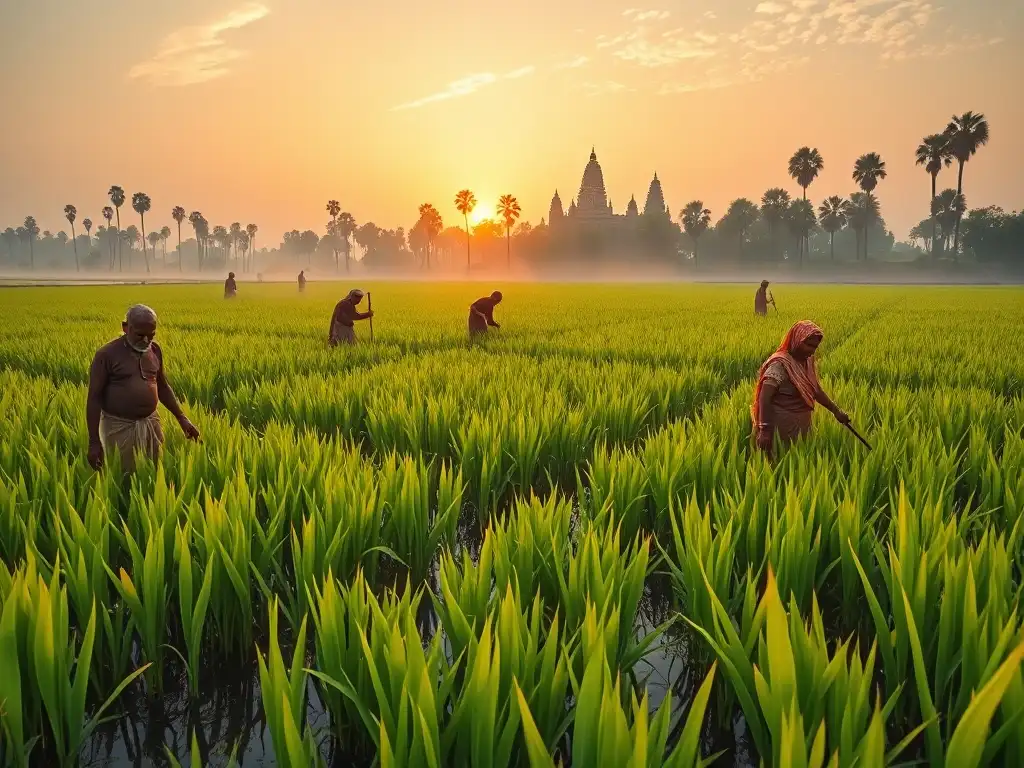
Welcome to Ancient India History, where we delve into the fascinating tapestry of our past! In this exploration, we uncover the profound impact of rice cultivation in ancient India—a cornerstone of agricultural and economic development that shaped societies from the bustling cities of the Indus Valley to the flourishing realms of the Gupta Empire. What secrets lie within the fields that fed millions and drove cultural innovations?
Join us as we embark on a journey through time, revealing how this essential crop transformed lives and landscapes, and discover the intricate connections between agriculture and the rise of ancient civilizations. Prepare to be captivated!
-
The Significance of Rice Cultivation in Ancient Indian Societies
- Introduction to Rice Cultivation in Ancient India
- Historical Context of Rice Cultivation
- Techniques and Innovations in Rice Farming
- Socio-Economic Impact of Rice Cultivation
- Environmental Considerations in Ancient Rice Cultivation
- Conclusion: Legacy of Rice Cultivation in Ancient India
- References and Further Reading on Rice Cultivation in Ancient India
-
Frequently Asked Questions
- What was the role of rice cultivation in ancient Indian societies?
- How did rice cultivation influence ancient Indian culture?
- What techniques were used for rice cultivation in ancient India?
- How did rice cultivation contribute to trade in ancient India?
- What were the environmental impacts of rice cultivation in ancient India?
- Final Reflection: The Enduring Legacy of Rice Cultivation in Ancient India
- Unveil the Rich Legacy of Rice Cultivation!
The Significance of Rice Cultivation in Ancient Indian Societies
Introduction to Rice Cultivation in Ancient India
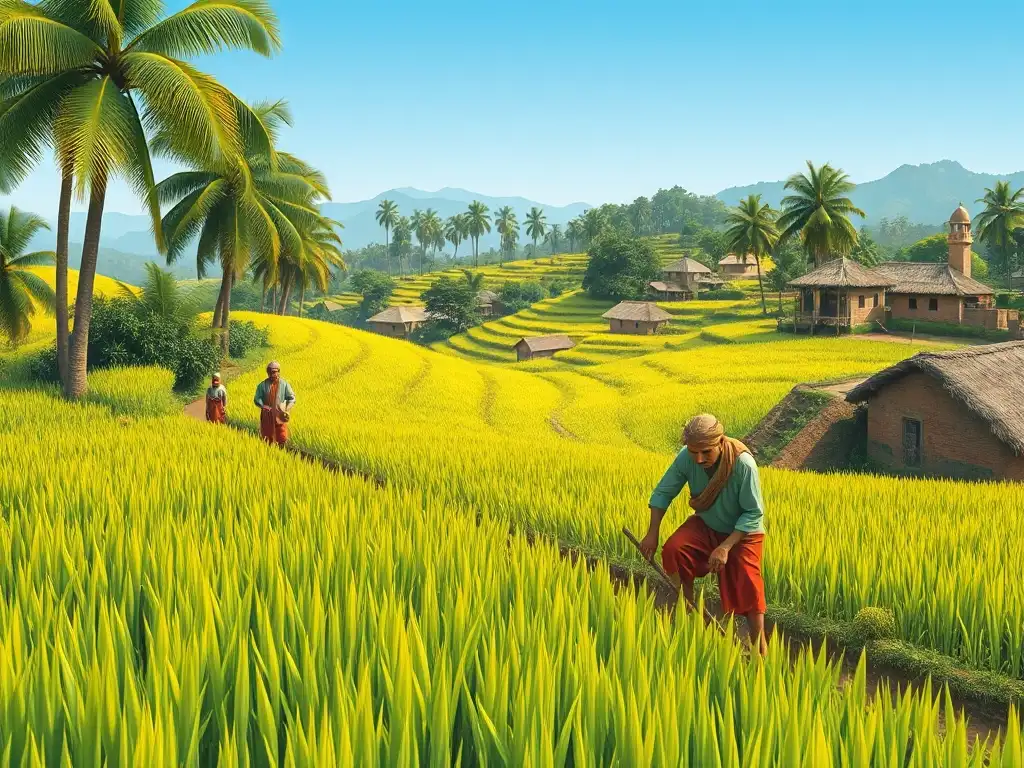
Rice cultivation has played an integral role in shaping the agricultural landscape and socio-economic fabric of ancient India. As one of the staple foods, rice not only supported the sustenance of vast populations but also influenced cultural practices, trade routes, and societal structures. The practice of cultivating rice can be traced back to the early civilizations that flourished in the region, emphasizing its significance in the development of ancient Indian societies. Understanding the depth of rice cultivation allows us to appreciate its contributions to ancient Indian culture, economy, and daily life.
Overview of Agricultural Practices in Ancient India
Agricultural practices in ancient India were diverse and sophisticated, reflecting the various climatic zones and geographic conditions of the subcontinent. Key elements of these practices included:
- Crop Rotation: Farmers often rotated crops to maintain soil fertility, ensuring sustainable yields.
- Irrigation Techniques: Ancient Indians developed various irrigation systems, such as canals and tanks, to manage water supply effectively.
- Farming Tools: The usage of plows made from wood and later metal improved farming efficiency.
- Seasonal Planting: The timing of planting was crucial, with monsoon rains dictating the agricultural calendar.
These practices laid the foundation for successful rice cultivation, which became a dominant agricultural activity in many regions.
The Importance of Rice in Ancient Indian Diets
Rice was not merely a food source; it held a central place in the dietary practices of ancient Indians. Its significance can be observed through:
- Nutritional Value: Rice provided essential carbohydrates, making it a primary energy source.
- Culinary Versatility: It was used in various dishes, from simple boiled rice to elaborate festive foods, reflecting the culinary richness of the culture.
- Cultural Symbolism: Rice was often associated with prosperity and fertility, playing a significant role in rituals and celebrations.
Thus, rice cultivation was pivotal not only for sustenance but also for cultural identity and social cohesion.
Historical Context of Rice Cultivation
Understanding rice cultivation in ancient India requires a look into its historical roots and the civilizations that embraced this agricultural practice.
The Origins of Rice Cultivation in India
The origins of rice cultivation in India can be traced back to the Neolithic period, with evidence suggesting domestication around 7000 to 6000 BCE in regions like the Indo-Gangetic plains. Archaeological findings indicate that ancient communities began to cultivate wild rice species, gradually leading to the domestication of rice varieties. This transition marked the beginning of agricultural practices that would sustain generations and transform societies.
Key Ancient Civilizations Involved in Rice Cultivation
Several ancient civilizations played a significant role in the advancement of rice cultivation:
- Indus Valley Civilization: One of the earliest urban cultures, known for its advanced agricultural techniques, including irrigation.
- Maurya Empire: Established extensive trade networks that facilitated the exchange of rice and agricultural knowledge.
- Gupta Empire: Promoted agricultural innovations that enhanced rice production, contributing to economic stability.
These civilizations not only adopted rice cultivation but also contributed to its evolution, ensuring its place as a cornerstone of ancient Indian agriculture and society.
Techniques and Innovations in Rice Farming
Rice cultivation in ancient India was marked by a plethora of techniques and innovations that significantly enhanced agricultural productivity. The cultivation process evolved over centuries, with farmers adapting to regional climates, water availability, and soil types. Ancient Indian societies were adept at implementing various farming methods, which laid the foundation for the sophisticated agricultural practices seen today.
Traditional Methods of Rice Cultivation
Traditional methods of rice cultivation in ancient India were deeply rooted in the agrarian lifestyle of the time. Farmers primarily relied on transplanting seedlings from nurseries to fields, a technique that allowed for better growth and higher yields. The following are key aspects of traditional rice farming:
- Paddy Fields: Rice was primarily cultivated in wet, flooded fields known as paddies. These fields were designed to retain water, creating a suitable environment for rice growth.
- Manual Labor: The cultivation process involved significant manual labor, including hand sowing, weeding, and harvesting. Each stage was integral to ensuring the crops thrived.
- Use of Local Varieties: Farmers often used indigenous rice varieties that were well-adapted to local conditions, which enhanced resilience against pests and diseases.
These traditional practices not only reflected the ingenuity of ancient farmers but also fostered a deep connection between the communities and their agricultural landscape.
Innovations in Rice Cultivation Techniques
As societies advanced, so did the techniques of rice cultivation. Innovations emerged that transformed agricultural practices in ancient India:
- Irrigation Systems: The development of sophisticated irrigation systems, such as canals and reservoirs, allowed farmers to cultivate rice in drier regions and ensured a more reliable water supply.
- Crop Rotation: Farmers began to incorporate crop rotation, alternating rice with legumes and other crops to enhance soil fertility and reduce pest populations.
- Plowing Techniques: The introduction of wooden plows significantly improved the efficiency of soil preparation, enabling deeper tilling and better aeration for the rice plants.
These innovations not only increased the productivity of rice farming but also contributed to the sustainability of agricultural practices in ancient Indian societies.
Socio-Economic Impact of Rice Cultivation
Rice cultivation played a pivotal role in shaping the socio-economic landscape of ancient India. It influenced various aspects of daily life, trade, and social structures within communities.
Role of Rice in Trade and Economy
Rice was more than just a staple food; it was a crucial commodity in trade and economic exchanges. The following points highlight its significance:
- Trade Networks: Rice was traded both locally and across regions, with established trade routes facilitating the exchange of rice for goods such as textiles, spices, and metalwork.
- Taxation and Revenue: Ancient Indian rulers often implemented taxes on rice production, which contributed to the state’s revenue and allowed for the funding of infrastructure and public projects.
- Cultural Exchange: The trade of rice fostered cultural exchanges between different regions, leading to the dissemination of agricultural knowledge, techniques, and varieties.
These economic activities underscored rice’s importance as a vital resource that supported the prosperity of ancient Indian societies.
Rice Cultivation and Social Structure in Ancient Societies
The cultivation of rice had a profound impact on the social structure of ancient Indian communities. It influenced various social dynamics:
- Social Hierarchies: Rice farming often created distinct social classes, with wealth distribution linked to land ownership and agricultural productivity. Landowners typically held higher social status compared to laborers.
- Community Cooperation: The labor-intensive nature of rice cultivation fostered a sense of community, as farmers often collaborated during planting and harvesting seasons, reinforcing social bonds.
- Cultural Significance: Rice was imbued with cultural and religious significance, often featured in rituals and ceremonies, further embedding it into the social fabric of ancient societies.
Rice cultivation was not only a fundamental agricultural practice but also a cornerstone of the socio-economic and cultural identity of ancient Indian civilizations.
Environmental Considerations in Ancient Rice Cultivation
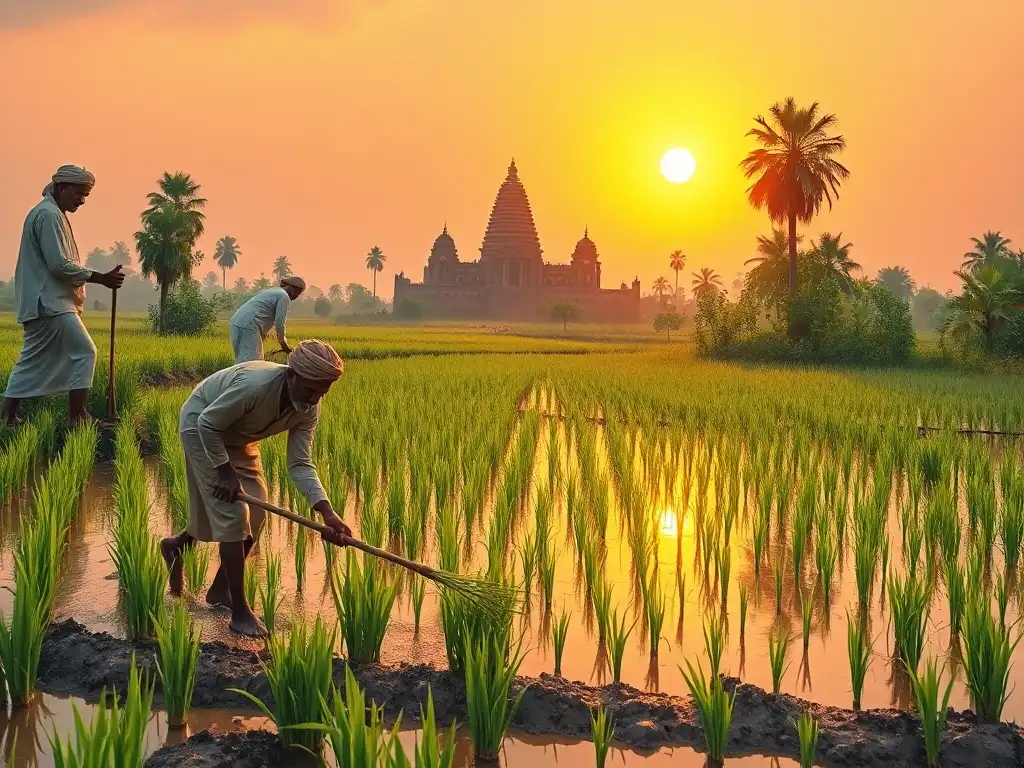
Rice cultivation in ancient India was profoundly intertwined with the region's diverse environmental conditions. The geographical landscape, including river valleys, floodplains, and monsoon patterns, played a crucial role in shaping the agricultural practices of ancient societies. These environmental factors not only determined the viability of rice cultivation but also influenced the socio-economic structures of the communities that depended on this staple crop.
Ancient Indian farmers were adept at understanding their local ecosystems. They utilized knowledge passed down through generations to select suitable rice varieties that could thrive in different climates, whether in the humid regions of the Ganges Valley or the drier areas of the Deccan Plateau. This adaptability to various environmental conditions was critical for successful cultivation, allowing communities to optimize yields while minimizing risks associated with crop failures.
The Relationship Between Rice Cultivation and Ecosystems
The relationship between rice cultivation and ecosystems in ancient India can be characterized as symbiotic. Rice paddies often served as habitats for diverse wildlife, including fish and birds, promoting biodiversity in agricultural landscapes. The intricate systems of irrigation and water management developed by ancient societies not only supported rice farming but also contributed to the health of surrounding ecosystems.
For instance, the use of traditional techniques like bunding (creating earthen barriers) helped manage water levels in rice fields, which, in turn, supported aquatic life and improved soil fertility. Moreover, the seasonal flooding of fields during monsoon rains facilitated nutrient replenishment, enhancing the productivity of rice crops. This interconnectedness illustrates how ancient Indian societies recognized the importance of sustainable practices that harmonized agriculture with nature.
Challenges Faced by Ancient Rice Farmers
Despite their advancements, ancient rice farmers encountered a variety of challenges that threatened their agricultural productivity. One significant challenge was the dependency on monsoon rains, which were often unpredictable. Droughts or excessive rainfall could devastate harvests, leading to food shortages and economic instability.
Additionally, soil fertility was a constant concern. Over time, continuous rice cultivation without proper soil management techniques could lead to nutrient depletion. Farmers had to implement crop rotation and incorporate organic matter to maintain soil health, but these practices varied widely among different regions and communities.
Pests and diseases also posed threats to rice cultivation. Ancient farmers relied on traditional methods, such as crop diversity and natural pest deterrents, to manage these issues. However, the effectiveness of these strategies was often limited, leading to variable yields and economic uncertainty.
Conclusion: Legacy of Rice Cultivation in Ancient India
The legacy of rice cultivation in ancient India is significant, shaping not only agricultural practices but also the cultural and economic frameworks of society. The establishment of rice as a staple food profoundly impacted population growth, urbanization, and trade networks. The social rituals surrounding rice cultivation and consumption further highlight its cultural importance, embedding rice deeply into the fabric of Indian life.
Lasting Influence on Modern Indian Agriculture
The agricultural innovations and practices developed by ancient rice farmers laid the foundation for modern Indian agriculture. Techniques such as efficient irrigation, crop rotation, and soil management continue to influence contemporary farming methods. The resilience demonstrated by ancient farmers in the face of environmental challenges serves as a blueprint for modern agricultural practices, particularly in the face of climate change.
Moreover, the cultural significance of rice remains evident today, as it continues to be a dietary staple and plays a central role in festivals and ceremonies across India. This deep-rooted connection to rice underscores its enduring impact on Indian civilization.
Reflections on Ancient Agricultural Innovations
Reflecting on the ancient agricultural innovations associated with rice cultivation reveals a wealth of knowledge and practices that resonate with contemporary agricultural challenges. The holistic approach to farming, which emphasized sustainability and ecosystem management, serves as a reminder of the importance of harmonizing agriculture with environmental stewardship.
As modern agricultural practices evolve, revisiting these ancient methods can provide valuable insights into sustainable farming. The lessons learned from ancient rice cultivation in India highlight the significance of adapting to local environments and maintaining biodiversity, principles that are increasingly relevant in today's world.
References and Further Reading on Rice Cultivation in Ancient India
To gain a deeper understanding of rice cultivation in ancient India and its significance in shaping the agricultural landscape and society, the following references and resources are invaluable:
- Books and Academic Journals
- "Rice in Ancient India: A Historical Perspective": by R. S. Sharma: This comprehensive book explores the origins, development, and socio-economic impact of rice cultivation in ancient Indian civilizations, drawing on archaeological and literary evidence.
- "Agriculture and Society in Ancient India" by A. K. Dutta: This work analyzes agricultural practices, including rice cultivation, within the broader context of ancient Indian society and economy, focusing on the interrelationship between farming and social structures.
- "The Cultivation of Rice in South Asia: History and Techniques": in the Journal of Asian Studies: This article delves into the historical methods of rice cultivation in South Asia, including ancient Indian techniques and their evolution over time.
- Research Papers
- "The Role of Rice Cultivation in the Indus Valley Civilization": This paper investigates the archaeological findings related to rice farming in the Indus Valley, highlighting its importance in urban planning and trade.
- "Agricultural Innovations in Ancient India": This research discusses various agricultural practices, including irrigation and crop rotation, with a focus on rice and its significance in sustaining ancient Indian societies.
- Online Resources
- The Archaeological Survey of India (ASI): The ASI website offers extensive reports and findings related to ancient agricultural practices, including the significance of rice cultivation in various archaeological sites.
- Digital South Asia Library (DSAL): This online library provides access to a wealth of historical documents, maps, and images related to agricultural practices in ancient India, including details on rice cultivation.
- Documentaries and Lectures
- "The Harvest of History: Rice Cultivation in Ancient India": This documentary presents a visual account of rice farming practices in ancient Indian societies, featuring expert interviews and field research.
- Lectures by Historians and Agronomists: Various universities and institutions often host lectures and webinars focusing on ancient agricultural practices, including those specific to rice cultivation in India.
- Cultural Studies
- "Food and Culture in Ancient India": This study examines the cultural significance of staple crops like rice, highlighting its role in rituals, festivals, and daily life in ancient Indian societies.
By exploring these resources, one can gain a nuanced understanding of how rice cultivation influenced not only agricultural practices but also the economic and social fabric of ancient Indian civilizations.
Frequently Asked Questions
What was the role of rice cultivation in ancient Indian societies?
Rice cultivation was crucial for sustaining large populations and contributed significantly to the economic stability of ancient Indian civilizations.
How did rice cultivation influence ancient Indian culture?
The practice of rice cultivation shaped various aspects of culture, including festivals, rituals, and social structures, making it a central element in daily life.
What techniques were used for rice cultivation in ancient India?
Ancient Indians employed various agricultural techniques such as irrigation, crop rotation, and the use of fertilizers to enhance the productivity of rice fields.
How did rice cultivation contribute to trade in ancient India?
The surplus production of rice allowed ancient Indian societies to engage in trade with other regions, facilitating the exchange of goods and ideas.
What were the environmental impacts of rice cultivation in ancient India?
Rice cultivation led to the development of diverse ecosystems, but also posed challenges such as flooding and soil depletion if not managed sustainably.
Final Reflection: The Enduring Legacy of Rice Cultivation in Ancient India
The significance of rice cultivation in ancient India transcends mere agricultural practice; it was a cornerstone of societal development and cultural identity. Today, as we face challenges related to food security and sustainable agriculture, the lessons learned from ancient practices become increasingly relevant. Understanding how rice cultivation shaped communities and economies in ancient India offers us profound insights into the interconnectedness of agriculture, culture, and human resilience.
Cultivating rice was not just about growing food; it was about nurturing a way of life that fostered community and sustainability. The intricate systems of irrigation, crop rotation, and social organization that emerged around rice cultivation have left an indelible mark on the cultural landscape of India. As we reflect on this legacy, we are reminded of the words of Mahatma Gandhi: To forget how to dig the earth and to tend the soil is to forget ourselves.
This quote encapsulates the essence of our relationship with agriculture and the importance of remembering our roots.
As we look to the future, let us embrace the wisdom of ancient practices in our modern context. I invite you to reflect on your own relationship with food and agriculture. Consider how you can incorporate sustainable practices into your life, whether through supporting local farmers, growing your own food, or advocating for agricultural policies that honor the environment. By doing so, we not only honor the legacy of rice cultivation in ancient India but also contribute to a more sustainable and interconnected world.
Unveil the Rich Legacy of Rice Cultivation!
Thank you for taking the time to explore the vital role of rice cultivation in ancient Indian societies. You’ve uncovered its profound impact on culture and economy—now, it’s time to take your interest a step further!
Here are some actionable ways to deepen your engagement with this intriguing topic:
- Dive into local heritage: Visit a historical site or museum dedicated to agriculture in your area to see how ancient practices have shaped modern traditions.
- Join a community: Connect with fellow history enthusiasts through online forums or social media groups to share your insights and learn from others.
- Share what you’ve learned: Write a blog post or discuss this topic at your next gathering—spreading knowledge is a powerful way to honor ancient wisdom.
What aspects of rice cultivation do you believe could inspire innovations in today’s agricultural practices? Let’s continue the conversation in the comments!