
The Shift in Gender Roles: From Ancient India to Today

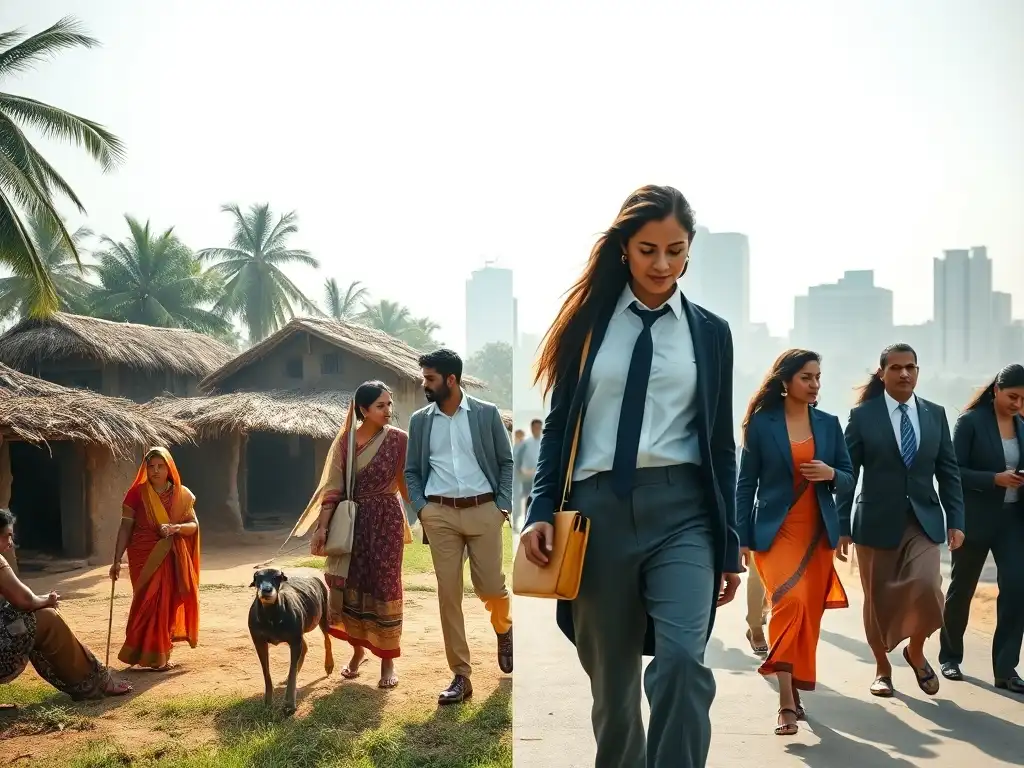
Welcome to Ancient India History, where we embark on a fascinating journey through the tapestry of time, unraveling the rich and diverse narratives of ancient Indian civilizations. In our featured article, "The Shift in Gender Roles: From Ancient India to Today," we delve into the intricate dynamics of gender roles in ancient India—a topic that sheds light on societal structures and cultural evolution. Prepare to discover how these roles have transformed over centuries, influencing the very fabric of daily life and society. Join us as we explore the past and uncover the stories that continue to resonate today!
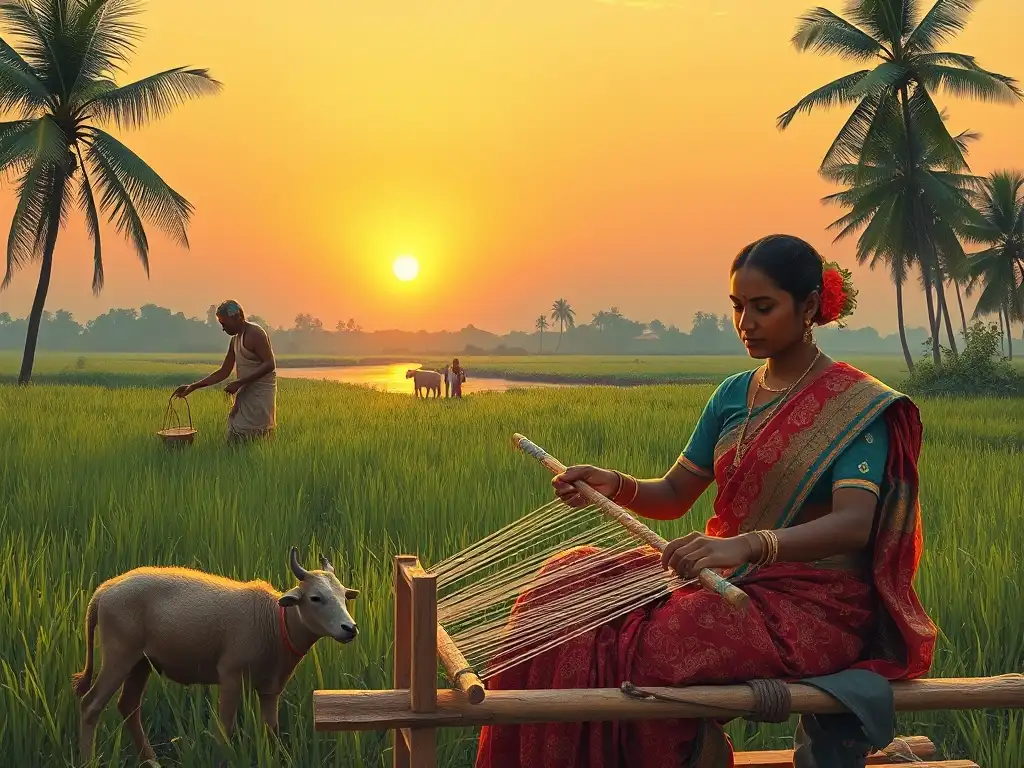
Introduction to Gender Roles in Ancient India
The concept of gender roles in ancient India has undergone significant transformations throughout history, reflecting broader societal changes and cultural evolution. Understanding these roles provides valuable insights into the everyday lives of individuals within ancient Indian civilizations, particularly in how they structured family dynamics, social interactions, and community responsibilities.
From the egalitarian principles observed in the Indus Valley Civilization to the more defined hierarchies that emerged during the Vedic and post-Vedic periods, the evolution of gender roles reveals much about the values and beliefs of ancient Indian societies. This article will explore these shifts and their implications, drawing connections to contemporary understandings of gender.
Definition of Gender Roles
Gender roles refer to the societal expectations and norms that dictate how individuals should behave based on their gender. These roles are often shaped by cultural, economic, and historical contexts, leading to distinct divisions of labor, responsibilities, and privileges. In ancient India, these roles were deeply intertwined with religious beliefs, social structures, and economic necessities, influencing the day-to-day experiences of men and women alike.
Overview of Gender Roles in Ancient Indian Society
In ancient Indian society, gender roles were primarily influenced by religious texts, cultural norms, and the agrarian economy. Men were often seen as breadwinners and decision-makers, while women were typically assigned domestic responsibilities, including child-rearing and household management. However, this binary division was not absolute; women could wield influence in certain contexts, particularly in spiritual and familial domains. As we navigate through the historical context of gender roles in ancient India, it becomes evident that these roles were not only reflective of societal norms but also subject to change over time.
Historical Context of Gender Roles in Ancient India
The historical context surrounding gender roles in ancient India is crucial for understanding how these dynamics evolved. Each significant period brought its own cultural shifts, impacting the perception and reality of gender roles.
Gender Roles in the Indus Valley Civilization
The Indus Valley Civilization (circa 3300–1300 BCE) is one of the earliest known urban cultures, characterized by advanced city planning and a relatively egalitarian social structure. Archaeological evidence suggests that women in this period enjoyed a degree of autonomy and participation in economic activities, including trade and craftsmanship. The presence of female figurines indicates that women may have held significant spiritual and social roles, which challenges the notion of rigid gender roles.
The Vedic Period and Gender Dynamics
The Vedic Period (circa 1500–500 BCE) marked a transition toward more defined gender roles. Texts such as the Rigveda illustrate a complex interplay of roles, where women were revered as goddesses and spiritual figures. However, the emergence of patriarchal structures began to limit women's participation in public life. The practice of sati and restrictions on women's education became more pronounced, reflecting a societal shift towards male dominance in both familial and societal spheres.
Gender Hierarchies in Post-Vedic Society
As Indian society progressed into the post-Vedic period, gender roles became increasingly stratified. The codification of laws and social norms further entrenched the patriarchal system, leading to the marginalization of women's rights and roles. The Manusmriti, a legal text from this period, outlines strict guidelines for women's conduct, emphasizing obedience to male figures and limiting their autonomy. This period solidified the notion of gender hierarchies, influencing social practices that persisted for centuries.
Through exploring these historical contexts, we gain a deeper understanding of how gender roles in ancient India were shaped, challenged, and transformed, setting the stage for contemporary discussions on gender equality and social justice.
Key Factors Influencing Gender Roles in Ancient India
Gender roles in ancient India were shaped by a complex interplay of religious, social, and economic factors. Understanding these influences provides insight into the daily lives of men and women in ancient Indian civilizations.
Religious Texts and Their Impact on Gender Roles
Religious texts such as the Vedas, Upanishads, and later, the Manusmriti, played a pivotal role in defining gender roles. The Vedic texts celebrate the idea of Stri Dharma, which outlines the duties and responsibilities of women within the family and society. For instance, the Manusmriti, often cited for its rigid social norms, asserts that a woman's primary role is to support her husband and manage the household. These texts not only codified the expectations of women but also provided justification for their subordinate status in society.
Moreover, the portrayal of female deities in Hinduism, such as Durga and Saraswati, presents a duality: while women are revered as powerful goddesses, their societal roles often remained confined to domestic duties. This dichotomy reflects the complex perceptions of femininity and power in ancient Indian culture, influencing women's participation in both religious and social spheres.
Social Structures and Caste Systems
The caste system significantly influenced gender roles in ancient India. Each caste had distinct expectations and responsibilities, which were also gendered. For example, women from higher castes were often more restricted than those from lower castes, who might have had greater freedom in economic activities and social interactions. This stratification created a hierarchy that not only dictated social relationships but also reinforced gender norms.
In addition, the practice of Purdah (the seclusion of women) and the prevalence of child marriage further reflected and reinforced these gender roles. Women’s mobility was often limited, shaping their identities and opportunities in society. The caste system thus created a complex layer of gender dynamics that intertwined with social status, impacting women's rights and freedoms throughout ancient India.
Economic Contributions of Women in Ancient India
Despite the restrictions placed on women, they played a significant role in the economic landscape of ancient India. Women were actively involved in agriculture, textile production, and trade, contributing to both household economies and broader markets. In rural areas, women’s labor was essential for agricultural productivity, as they participated in sowing, harvesting, and processing crops.
Moreover, craftswomen and traders were integral in sustaining local economies. Historical evidence suggests that women often worked alongside men in family businesses, indicating that their economic contributions were vital for the survival and prosperity of households. This dual role of women as both homemakers and economic contributors illustrates a nuanced understanding of gender roles that extended beyond mere domesticity.
Major Shifts in Gender Roles Throughout Indian History
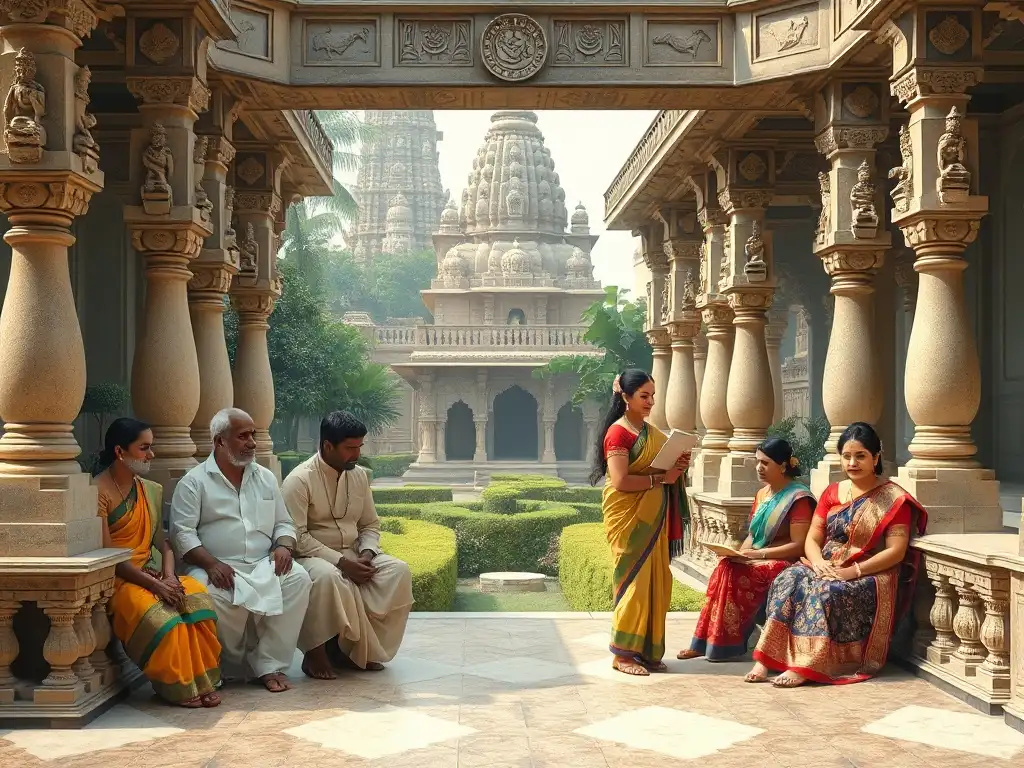
The evolution of gender roles in India is marked by significant historical shifts influenced by political, social, and cultural changes.
The Influence of Empires on Gender Dynamics
Various empires, such as the Maurya and Gupta empires, had profound effects on gender roles. During the Maurya period, the presence of powerful queens like Chandragupta Maurya's mother, Moira, signifies that women could wield political influence. The Gupta era, often referred to as the "Golden Age," saw a temporary increase in women's status, where education and participation in cultural activities were encouraged.
However, as these empires evolved, so did the expectations of women. The transition from matrilineal practices in some regions to more patriarchal norms in others indicates a fluctuating landscape of gender dynamics. These imperial influences highlight how political changes can reshape societal values related to gender roles.
Colonialism and Its Effect on Gender Roles
The arrival of British colonialism introduced new perspectives on gender roles, often challenging traditional practices. While colonial powers aimed to "civilize" Indian society, they inadvertently highlighted the injustices faced by women, leading to social reform movements. Activists like Raja Ram Mohan Roy and Ishwar Chandra Vidyasagar advocated for women’s rights, including the abolition of Sati and the promotion of widow remarriage.
Colonial discourse also prompted Indian society to reflect on its own gender norms, leading to a reevaluation of women's roles in both public and private spheres. The impact of colonialism thus catalyzed significant discussions around gender equity that would later influence the struggle for independence.
The Role of Women in Independence Movements
Women played a crucial role in India’s struggle for independence from British rule. Figures such as Sarojini Naidu, Kamaladevi Chattopadhyay, and many others emerged as leaders and activists, challenging the prevailing gender norms of their time. Their involvement in protests, political discourse, and social reforms demonstrated that women were not merely passive observers but active participants in shaping the nation’s future.
The participation of women in the independence movement also served to redefine their roles within society, leading to greater awareness of gender issues and paving the way for future advancements. This historical shift marked a significant turning point in how gender roles were perceived and enacted in post-colonial India, promoting a legacy of empowerment and activism that continues to resonate today.
Contemporary Gender Roles in India
Contemporary gender roles in India reflect a complex interplay of tradition and modernity. The country is home to diverse cultures and practices, which influence perceptions and expectations related to gender. While traditional views often assign distinct roles to men and women, the past few decades have seen a gradual shift towards more egalitarian perspectives. Women are increasingly participating in the workforce, pursuing higher education, and asserting their rights, yet societal expectations can still impose limitations.
In urban areas, women often take on roles beyond homemaking, engaging in professions across various sectors. Conversely, traditional roles still dominate in many rural settings, where women often engage in agriculture and household duties. This dichotomy highlights the ongoing tension between progressive ideals and entrenched cultural norms, shaping the contemporary landscape of gender roles in India.
Evolving Gender Roles in Modern Indian Society
In modern Indian society, gender roles are evolving significantly, influenced by factors such as globalization, economic development, and social movements. The rise of women in leadership positions across various fields—from politics to corporate sectors—illustrates this shift. Furthermore, the proliferation of women's rights organizations and advocacy groups has played a crucial role in challenging patriarchal norms and promoting gender equality.
Despite these advancements, traditional gender roles persist in many areas. Expectations related to marriage, family responsibilities, and career paths often still conform to historical frameworks. However, younger generations are increasingly questioning these norms, leading to a gradual redefinition of gender roles. This evolving landscape reflects a broader trend towards inclusivity and equality, though challenges remain in achieving full societal acceptance of these changes.
The Impact of Education on Gender Dynamics
Education is a pivotal factor in transforming gender dynamics in India. Access to quality education has been shown to empower women, providing them with the skills and knowledge necessary to pursue careers and assert their rights. Increased literacy rates among women correlate with improved health, economic independence, and participation in decision-making processes within households and communities.
Moreover, educational institutions are increasingly promoting gender sensitivity and awareness, fostering an environment that challenges traditional stereotypes. Programs aimed at encouraging girls to pursue fields traditionally dominated by men, such as science and technology, are gaining traction. This educational empowerment is crucial for dismantling the barriers that have historically constrained women's roles in society.
Gender Roles in Urban vs. Rural Areas
The contrast in gender roles between urban and rural areas of India is stark. Urban environments tend to offer greater opportunities for women to engage in diverse professional roles, driven by access to education and employment resources. Women in cities often navigate a dual role, balancing professional responsibilities with traditional family expectations.
In contrast, rural areas frequently adhere to more rigid gender roles, where women are primarily responsible for household tasks and agricultural work. Cultural norms and limited access to education can perpetuate these traditional expectations. However, initiatives aimed at rural development and women's empowerment are beginning to shift this paradigm, empowering women to partake in economic activities outside the home.
Comparison of Gender Roles: Ancient vs. Modern India
Examining gender roles in ancient India compared to modern times reveals both similarities and significant shifts. In ancient societies, roles were often defined by social class and regional customs, with a patriarchal structure prevailing in most communities. Women had defined roles, primarily centered around family and household management, yet they also held positions of respect and influence in certain contexts, such as in spiritual or educational spheres.
Similarities in Gender Expectations
Despite the passage of time, some similarities in gender expectations persist from ancient India to the present. For instance, the societal emphasis on marriage and family remains strong, with women often expected to prioritize these roles. Cultural narratives continue to glorify traditional femininity, emphasizing qualities such as nurturing and supportiveness.
Furthermore, notions of honor and family reputation often still influence women's behavior and choices, drawing parallels with historical expectations. These enduring elements indicate that while progress has been made, remnants of ancient gender roles continue to shape contemporary societal norms.
Significant Changes in Women's Rights and Status
The evolution of women's rights and status marks a significant departure from ancient gender roles. In ancient India, women had limited legal rights and were often viewed through the lens of their familial relationships. Today, women enjoy legal protections and rights that empower them to participate fully in society. Legislative reforms, such as the Dowry Prohibition Act and the Protection of Women from Domestic Violence Act, reflect this shift towards recognizing women's autonomy and rights within the family and society.
Moreover, women's movements throughout India's history have played a crucial role in advocating for gender equality. These movements have highlighted issues such as education, employment, and reproductive rights, leading to increased awareness and societal change regarding women's roles.
The Role of Men in Shifting Gender Roles
Men play a crucial role in the ongoing transformation of gender roles in India. As gender dynamics evolve, men are increasingly encouraged to challenge traditional notions of masculinity and embrace shared responsibilities in domestic and professional spheres. This shift is essential for promoting gender equality, as it allows for a more balanced distribution of labor and caregiving.
Moreover, men who advocate for women's rights and support their partners’ aspirations contribute to reshaping societal attitudes towards gender roles. By actively participating in discussions around gender equality and challenging patriarchal norms, men can help foster an environment where both men and women can thrive, ultimately leading to a more equitable society.
Challenges and Opportunities in Current Gender Roles
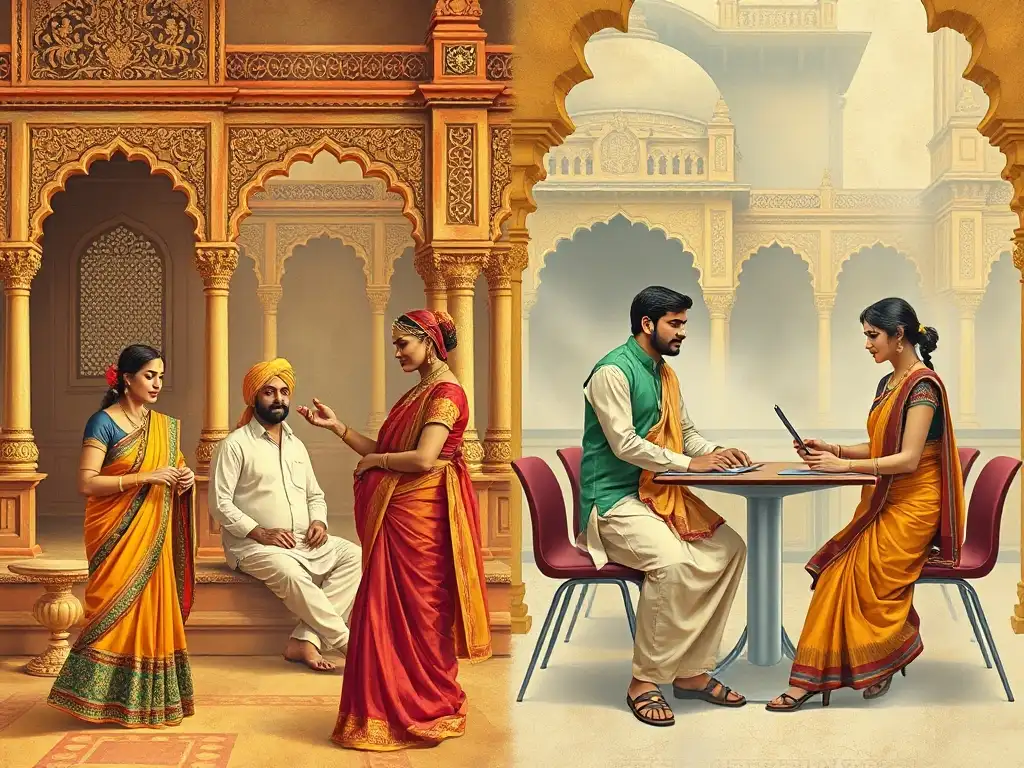
The landscape of gender roles in contemporary India is marked by a complex interplay of challenges and opportunities. Despite significant strides toward gender equality, traditional expectations continue to shape societal norms and individual experiences. Women often face barriers in accessing education, employment, and leadership roles, which perpetuate cycles of inequality. On the other hand, the rise of digital platforms and social media has created new avenues for advocacy and awareness, empowering individuals to challenge outdated norms and promote gender equality.
Ongoing Gender Inequality Issues
Gender inequality remains a pressing issue in India, manifesting in various forms such as wage disparity, limited access to healthcare, and high rates of violence against women. According to recent studies, women in India earn about 34% less than their male counterparts for similar work, and their representation in leadership roles is still alarmingly low. Additionally, cultural practices such as dowry and son preference continue to exert a significant impact on women's status in society, leading to a preference for male children and a devaluation of female lives.
Movements Advocating for Gender Equality
In response to ongoing gender inequality, numerous movements have emerged across India, advocating for women's rights and social justice. Organizations such as Beti Bachao Beti Padhao (Save the Girl Child, Educate the Girl Child) and #MeToo have mobilized public support and brought attention to issues like female infanticide and sexual harassment. These movements not only empower women but also engage men and boys in the conversation about gender equality, fostering a more inclusive dialogue about changing societal norms.
Future Trends in Gender Roles in India
Looking ahead, the future of gender roles in India is likely to be influenced by several factors, including technological advancements, educational reforms, and changing economic landscapes. As more women enter the workforce and pursue higher education, traditional gender roles may continue to evolve. Additionally, increasing awareness and advocacy for gender rights could lead to more progressive policies and social attitudes. Young generations, empowered by technology and global perspectives, are poised to challenge longstanding stereotypes and redefine what gender roles mean in contemporary society.
Conclusion: The Legacy of Gender Roles from Ancient India to Today
The evolution of gender roles from ancient India to the present day reflects a rich tapestry of cultural, social, and economic changes. Understanding this legacy is crucial for recognizing the progress made as well as the challenges that persist.
Summary of Historical Shifts
Historically, gender roles in ancient India were primarily defined by caste, class, and regional practices. Women held significant positions in some periods, especially in matrilineal societies, while in others, they faced severe restrictions. Over the centuries, these roles have transformed, influenced by various dynasties, religions, and colonial powers. The shift towards a more patriarchal society during certain eras has led to the complexities faced by women today.
The Importance of Understanding Gender Roles in Cultural Context
Understanding gender roles in cultural context is essential for addressing contemporary issues of inequality. It allows for a nuanced perspective on how historical practices shape current realities and informs strategies for promoting gender equality. By acknowledging the rich historical background, advocates can better tailor their approaches to foster an inclusive society that respects and celebrates diversity in gender identities and roles. Recognizing these dynamics is vital for ensuring that the lessons of the past contribute to a more equitable future for all individuals in India.
References and Further Reading on Gender Roles in Ancient India
Understanding the evolution of gender roles in ancient India requires exploring a variety of scholarly works. The following sections provide a curated list of suggested books, articles, and research studies that delve into the complexities of gender dynamics throughout Indian history.
Suggested Books and Articles
-
"The Origins of Evil in Hindu Mythology" by Wendy Doniger
This book provides insights into the mythological narratives that shape gender roles and expectations within ancient Indian society. Doniger's analysis gives a nuanced understanding of how mythology influences perceptions of masculinity and femininity.
-
"Women in Ancient India" by Ramesh Chandra Dutta
This comprehensive work explores the historical context of women in ancient India, examining their roles in family, society, and religion. Dutta's research highlights the contributions of women and the shifting perceptions of gender over time.
-
"Gender and Society in India: Theoretical Perspectives" edited by Ranjana Khanna
This anthology compiles various perspectives on gender roles in India, including historical and contemporary analyses. It offers a critical view of how societal structures influence gender dynamics.
-
"The Status of Women in Ancient India" by Kumkum Sangari
Sangari's work investigates the legal and social status of women in ancient India, shedding light on their roles in marriage, property rights, and education.
-
"Hindu Women: Normative Models in a Patriarchal Society" by Patricia Jeffery
This article discusses the normative models of womanhood in Hindu society and how these ideals have been perpetuated or challenged over centuries.
Notable Research Studies on Gender Dynamics in India
-
"Gender Roles and Family Structures in Ancient India" by S. R. Sharma
This study provides a detailed analysis of family structures and gender roles in ancient Indian society, emphasizing how social norms dictated the behavior and responsibilities of men and women.
-
"The Changing Face of Gender Roles in Indian Society" by R. K. Gupta
Gupta's research traces the historical changes in gender roles from ancient times to modern India, analyzing the impact of colonialism and globalization on traditional practices.
-
"Women and Gender in Ancient India: A Historical Overview" by R. Shukla
This comprehensive overview examines the historical context of women's roles and status in ancient India through various periods, including the Vedic, Mauryan, and Gupta eras.
-
"Patriarchy and Gender in Ancient Indian Texts" by Aditi Banerjee
Banerjee's research critically evaluates ancient texts to uncover underlying patriarchal structures and their implications for gender roles in society.
These references and studies provide a foundational understanding of gender roles in ancient India, offering valuable insights for further exploration of this intricate topic.
- Introduction to Gender Roles in Ancient India
- Historical Context of Gender Roles in Ancient India
- Key Factors Influencing Gender Roles in Ancient India
- Major Shifts in Gender Roles Throughout Indian History
- Contemporary Gender Roles in India
- Comparison of Gender Roles: Ancient vs. Modern India
- Challenges and Opportunities in Current Gender Roles
- Conclusion: The Legacy of Gender Roles from Ancient India to Today
- References and Further Reading on Gender Roles in Ancient India
- What were the primary gender roles in ancient India?
- How did the Indus Valley Civilization influence gender roles?
- What changes occurred in gender roles during the Gupta Empire?
- How do modern perspectives compare to ancient gender roles in India?
- What are some key factors that influenced the changes in gender roles over time?
Frequently Asked Questions
What were the primary gender roles in ancient India?
In ancient India, gender roles were largely defined by social hierarchy and cultural norms, with men typically assuming roles as warriors and providers, while women were often responsible for home-making and family care.
How did the Indus Valley Civilization influence gender roles?
The Indus Valley Civilization demonstrated a relatively egalitarian society, where both men and women participated in various economic activities, suggesting that gender roles were less rigid compared to later periods.
What changes occurred in gender roles during the Gupta Empire?
During the Gupta Empire, there was a noticeable shift towards patriarchy, where women's roles became more confined to the domestic sphere, and ideals of female virtue and submission were emphasized.
How do modern perspectives compare to ancient gender roles in India?
Today's views on gender roles in India have evolved, with greater emphasis on equality, education, and women's rights, contrasting sharply with the restrictive norms of ancient times.
What are some key factors that influenced the changes in gender roles over time?
Key factors include religious texts, social reforms, and colonial influences, which collectively contributed to the evolving perceptions and expectations surrounding gender roles in ancient India and beyond.
Final Reflection: The Evolution of Gender Roles from Ancient India to Today
The exploration of gender roles in ancient India reveals a profound transformation that resonates powerfully in our contemporary society. As we dissect the historical context and the shifts that have occurred over centuries, it becomes clear that the foundations laid in ancient times continue to shape our understanding of gender today. This evolution is not merely a historical curiosity; it is a living narrative that informs our current dialogues on equality, identity, and social justice.
The impact of these evolving gender roles is evident in the cultural and social landscape we navigate today. From the rigid structures of ancient society to the more fluid identities we see now, the journey reflects a broader struggle for recognition and rights. The voices of those who have fought against oppressive norms echo through time, reminding us of the resilience inherent in the quest for gender equity. The history of women is the history of humanity,
as noted by feminist scholar Gerda Lerner, encapsulates the idea that understanding our past is crucial in shaping a more inclusive future.
As we reflect on the lessons drawn from this historical perspective, I invite you to consider your own role in this ongoing narrative. How can you contribute to the dialogue surrounding gender roles in your community? Each of us has the power to challenge stereotypes, support equality, and foster an environment where all identities are celebrated. Embrace this opportunity to reflect on your beliefs and actions, and let them inspire you to be an advocate for change in the world around you.
Embrace the Evolution: Take Action Today!
Thank you for exploring the fascinating journey of gender roles from ancient India to modern times. Your understanding illuminates the remarkable changes and challenges faced throughout history. Now, let’s channel that knowledge into meaningful action!
- Reflect and Share: Engage in conversations with friends or family about the evolution of gender roles and their implications for our lives today. Consider writing a blog post or sharing your thoughts on social media to raise awareness!
- Explore Further: Deepen your understanding of this topic by reading insightful books or articles related to gender studies and their societal impact.
- Join the Movement: Get involved in local initiatives or online communities dedicated to discussing gender equality and women's rights, allowing you to become an active participant in the ongoing dialogue.
What insights have you gained about gender roles that you'd like to share with others?