
Family Life in the Vedic Period: Insights and Influences


Welcome to Ancient India History, where we embark on a fascinating journey through the tapestry of rich and diverse civilizations that shaped the Indian subcontinent. Today, we invite you to delve into the Vedic period family life insights, a captivating exploration of how familial structures and social norms influenced daily existence. As we unravel the complexities of relationships, rituals, and responsibilities during this pivotal era, you'll discover how these ancient practices continue to resonate in modern society.
Join us as we uncover the hidden gems of history and gain a deeper understanding of the profound legacy left by the Vedic people. Are you ready to explore the intricate world of family life in ancient India?
Introduction to Vedic Period Family Life
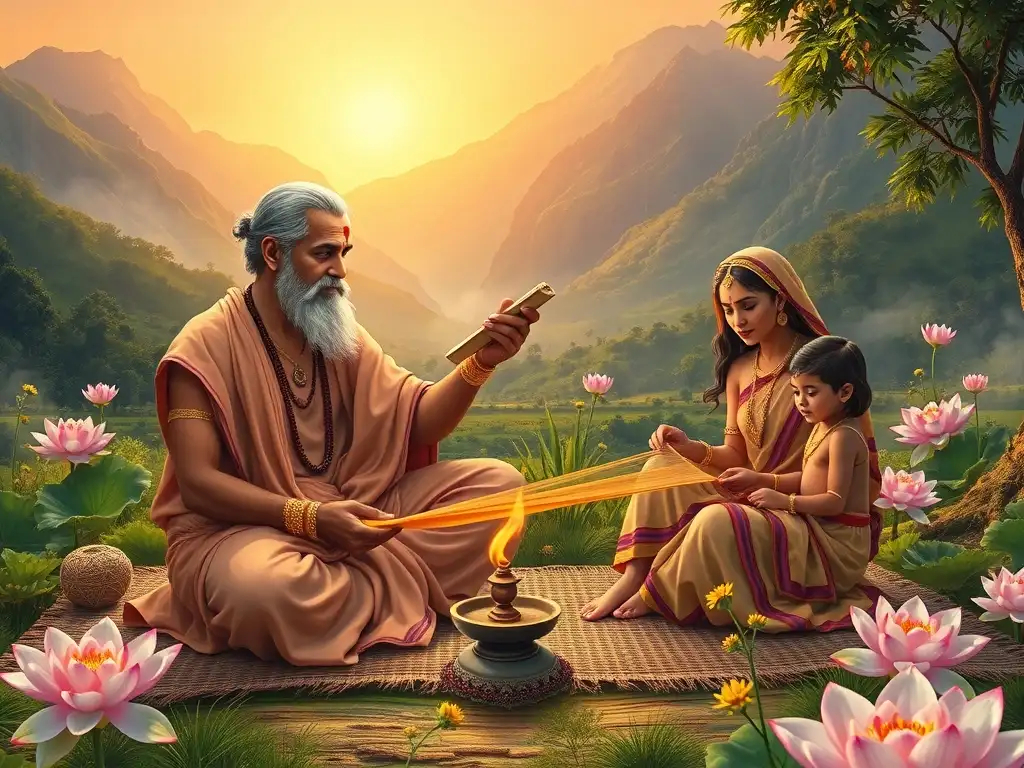
The Vedic period, spanning roughly from 1500 BCE to 500 BCE, represents a significant era in ancient Indian history marked by profound philosophical, cultural, and social transformations. The insights into family life during this period reveal a society that not only valued familial bonds but also structured its social fabric around intricate relationships and roles. Understanding Vedic period family life insights provides a window into how these early civilizations functioned, the values they upheld, and how they laid the groundwork for future societal structures in India.
Overview of the Vedic Period in Ancient India
The Vedic period is characterized by the emergence of the Vedas, the oldest sacred texts of Hinduism, which form the foundation of Indian culture and spirituality. This era saw the rise of settled agricultural communities, the introduction of rituals and ceremonies, and the establishment of the caste system. The family unit during this time was crucial, serving not only as a social support system but also as a means of transmitting values, traditions, and knowledge across generations.
- Key Features of the Vedic Period:
- Emergence of Vedic literature
- Development of agriculture and settlements
- Establishment of social hierarchies and the caste system
- Ritualistic practices and religious ceremonies
Importance of Family in Vedic Society
Family life in the Vedic period was central to the social structure and cultural practices. The family was not merely a unit of individuals; rather, it was viewed as a microcosm of society, where values and norms were cultivated. Key aspects of family importance included:
- Social Cohesion: Families provided stability and support, ensuring that members worked together for common goals.
- Cultural Transmission: Traditions, rituals, and religious practices were passed down through generations, reinforcing cultural identity.
- Economic Functions: Families engaged in agriculture and trade, forming the backbone of the economy during the Vedic period.
Vedic Family Structure and Dynamics
The family structure in the Vedic period was predominantly patriarchal, with clear roles and responsibilities assigned to each family member. This hierarchical setup influenced daily life and social interactions.
Patriarchal System in Vedic Families
In Vedic society, the family was headed by the eldest male, known as the pati or grihapati, who held authority over family matters. This patriarchal system dictated the dynamics within families, where:
- Men were responsible for decision-making and economic activities.
- Women, while integral to family life, were primarily viewed as caretakers and nurturers, focusing on domestic responsibilities and upholding family honor.
Roles and Responsibilities of Family Members
Family members in the Vedic period had distinct roles that contributed to the overall functioning of the household:
- Men: Engaged in agricultural work, rituals, and protection of the family.
- Women: Managed the household, cared for children, and participated in religious ceremonies.
- Children: Were educated in the family traditions and trained to fulfill their roles as future adults.
This structured approach to family life not only reinforced societal norms but also ensured the continuity of cultural practices essential for the survival of Vedic civilization.
Marriage Practices during the Vedic Period
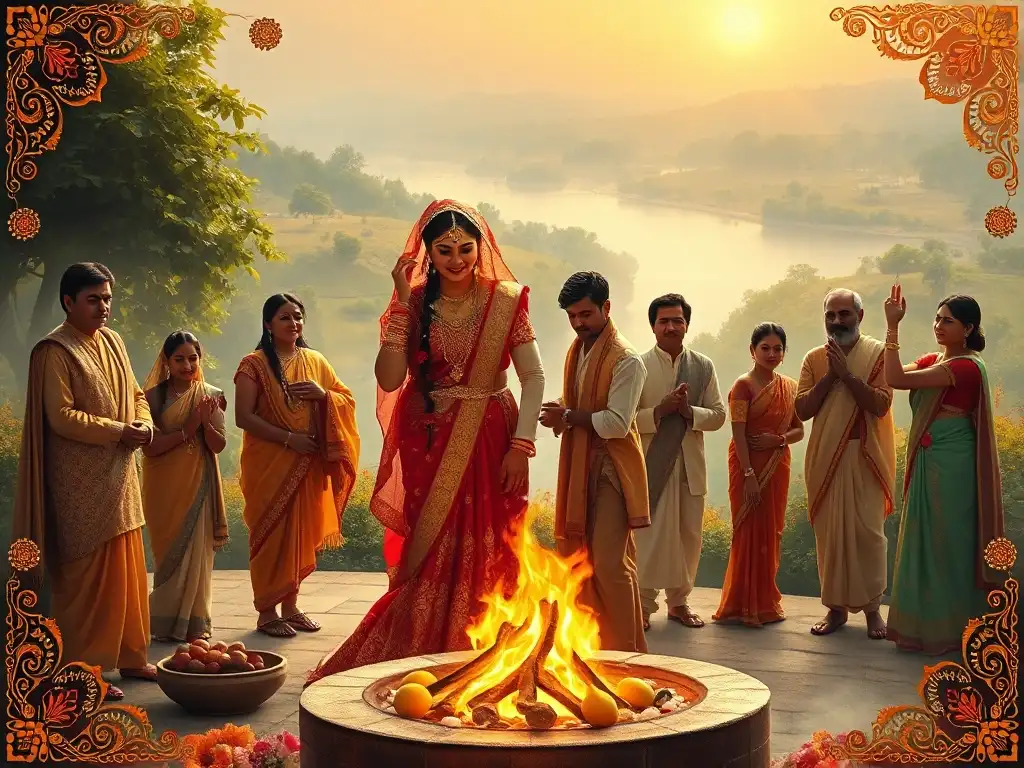
Marriage in the Vedic period was a fundamental aspect of social life, deeply rooted in the cultural and religious beliefs of the time. It served not only as a personal union but also as a crucial means of preserving family lineage, ensuring social stability, and fulfilling religious duties. The Vedic texts, including the Rigveda and the Brahmanas, provide insights into the rituals, customs, and significance of marriage, which was often seen as a sacred bond ordained by the gods.
The marriage ceremony was elaborate, involving various rituals such as the Saptapadi (seven steps) and the tying of the sacred thread. These rituals symbolized the couple’s commitment to each other and to their families. Marriages were typically arranged by families, emphasizing the importance of social status and economic considerations. The role of the bride and groom, as well as their families, was defined within the broader context of societal norms and expectations.
Types of Marriages in Vedic Culture
The Vedic period recognized several types of marriages, reflecting diverse customs and practices. Some of the prominent forms included:
- Brahma Marriage: This was considered the most ideal form, where the bride was given away by her father to a deserving groom, emphasizing mutual respect and noble attributes.
- Daiva Marriage: In this type, the bride was offered to a priest as a part of a sacrificial rite, highlighting the interplay between religion and marriage.
- Arsha Marriage: This involved the bridegroom paying a nominal bride price, symbolizing a union based on mutual consent rather than economic transaction.
- Gandharva Marriage: A more romantic form where the couple eloped based on mutual love and attraction, often without parental consent.
- Asura Marriage: This involved the purchase of a bride, which was often viewed negatively due to its transactional nature.
Each of these marriage types played a role in shaping family dynamics and societal structures, ultimately influencing the inheritance and lineage of families.
Influence of Marriage on Family Structure
Marriage during the Vedic period significantly influenced family structure, which was predominantly patriarchal. The husband assumed the role of the family head, while the wife managed household affairs and upbringing of children. The family unit was extended, often including multiple generations under one roof, which fostered strong familial bonds and support systems.
The choice of marriage type could also affect family hierarchy and relationships. For example, Brahma marriages often led to more stable family structures with a focus on dharma (duty) and adherence to societal norms. In contrast, Gandharva marriages, rooted in personal choice, sometimes led to conflicts with traditional norms, illustrating the tension between individual desires and societal expectations.
Overall, marriage not only served as a personal bond but also reinforced social order, lineage, and the transmission of cultural values, impacting family life in profound ways.
Daily Life and Family Activities in the Vedic Period
Daily life in the Vedic period was characterized by a blend of agricultural practices, communal living, and religious observances. Families engaged in various activities that revolved around sustaining their livelihoods and fulfilling social and spiritual duties.
The Vedic texts highlight the importance of rituals, festivals, and communal gatherings, which played a crucial role in reinforcing family ties and community bonds. Daily life was often structured around the rhythms of nature, with activities aligned to seasonal changes and agricultural cycles.
Typical Daily Routines of Vedic Families
Vedic families typically followed a structured daily routine that included:
- Morning Rituals: Families began their day with spiritual practices, including prayers and offerings to deities, which instilled a sense of discipline and devotion.
- Agricultural Activities: As agrarian societies, families engaged in farming, tending to crops, and livestock management. This was crucial for economic sustainability.
- Household Responsibilities: Women played a vital role in managing the household, which included cooking, weaving, and taking care of children. Men often took on the responsibilities of safeguarding and providing for the family.
- Community Engagement: Families participated in community activities, festivals, and rituals, fostering social cohesion and shared cultural identity.
- Evening Rituals: The day typically concluded with family gatherings around shared meals and evening prayers, reinforcing family bonds.
This structured routine reflected the values of cooperation, duty, and spirituality that were central to Vedic life.
Educational Practices within the Family
Education in the Vedic period was primarily informal and took place within the family context. Knowledge was passed down orally, with significant emphasis placed on learning sacred texts, rituals, and ethical conduct.
- Role of Gurus: While formal education was available through Gurukuls (traditional schools), the family played a vital role in the early education of children. Fathers often acted as the primary teachers, imparting knowledge about scriptures, philosophy, and practical skills.
- Skill Development: Children learned various skills necessary for their future roles in society, including agriculture, crafting, and household management.
- Moral and Ethical Lessons: Families instilled values such as respect, duty, and community service, ensuring that children grew up with a strong sense of identity and responsibility.
- Participation in Rituals: Engaging in family rituals and ceremonies served as a practical education in cultural practices, reinforcing their importance in daily life.
Overall, family life during the Vedic period was rich with practices and traditions that shaped individual identities and societal structures, providing insights into the values and beliefs of ancient Indian civilization.
Religious and Cultural Influences on Family Life
Family life during the Vedic period was deeply intertwined with religious and cultural practices that shaped everyday activities and social structures. The Vedic texts, primarily the Rigveda, Samaveda, Yajurveda, and Atharvaveda, not only provided spiritual guidance but also laid the foundations for societal norms and values. These texts emphasized the importance of family as a unit of societal stability and spiritual growth.
The concept of Dharma, or duty, was central to Vedic family life. Each family member had specific roles and responsibilities, often dictated by their age and gender. Fathers were typically seen as the heads of the household, responsible for protecting and providing for their families. Mothers played a crucial nurturing role, embodying the ideals of selflessness and support within the familial structure. The teachings of the Vedas encouraged harmony within families, promoting values such as respect, loyalty, and cooperation.
Moreover, the Vedic religion's emphasis on rituals and sacrifices (yajnas) further reinforced the family’s role in maintaining cosmic order (Rta). Families participated in these rituals collectively, fostering a sense of unity and shared purpose. This communal engagement not only strengthened familial bonds but also connected families to the larger community and the divine.
Rituals and Festivals Celebrated by Families
Rituals and festivals were central to family life in the Vedic period, marking significant life events and seasonal changes. These celebrations served both religious purposes and community bonding, providing families with opportunities to engage in shared traditions.
Common rituals included:
- Samskaras: These were sacraments or rites of passage that marked important life stages, such as childbirth (Jatakarma), marriage (Vivaha), and the education of children (Upanayana). Each Samskara reinforced family ties and cultural identity.
- Seasonal Festivals: Families celebrated various seasonal festivals that were often linked to agricultural cycles, such as harvesting. These festivals not only honored deities but also provided a time for families to come together, share food, and participate in communal activities.
- Ritual Offerings: Daily rituals, such as the Agnihotra (fire sacrifice), were typically performed by the head of the family. These practices were believed to ensure the family’s prosperity and well-being while fostering a connection with the divine.
Through these rituals and festivals, families not only maintained their cultural heritage but also reinforced their social structures, ensuring the transmission of traditions to future generations.
The Role of Vedic Texts in Family Practices
The Vedic texts played a pivotal role in shaping family practices during the Vedic period. They provided guidelines on various aspects of family life, including marriage, education, and social responsibilities. These texts emphasized the importance of adhering to Dharma, which delineated the duties of each family member.
- Marriage Practices: The Vedas outlined different types of marriages, such as Brahma (a marriage based on mutual consent) and Asura (a transactional marriage). These guidelines influenced how families arranged marriages and the values they instilled in their children about partnership and familial loyalty.
- Education and Upbringing: The Vedas stressed the importance of education for both boys and girls. While boys typically received formal education through Gurukulas, girls were taught domestic skills and moral values, reflecting the belief in balanced family roles.
- Social Conduct: Ethical teachings and codes of conduct within the Vedic texts guided families on how to interact with others in society. The emphasis on hospitality, respect for elders, and compassion influenced family dynamics and the broader community.
Overall, the Vedic texts were foundational in establishing norms and practices that governed family life, ensuring continuity and cohesion within Vedic society.
Challenges Faced by Vedic Families
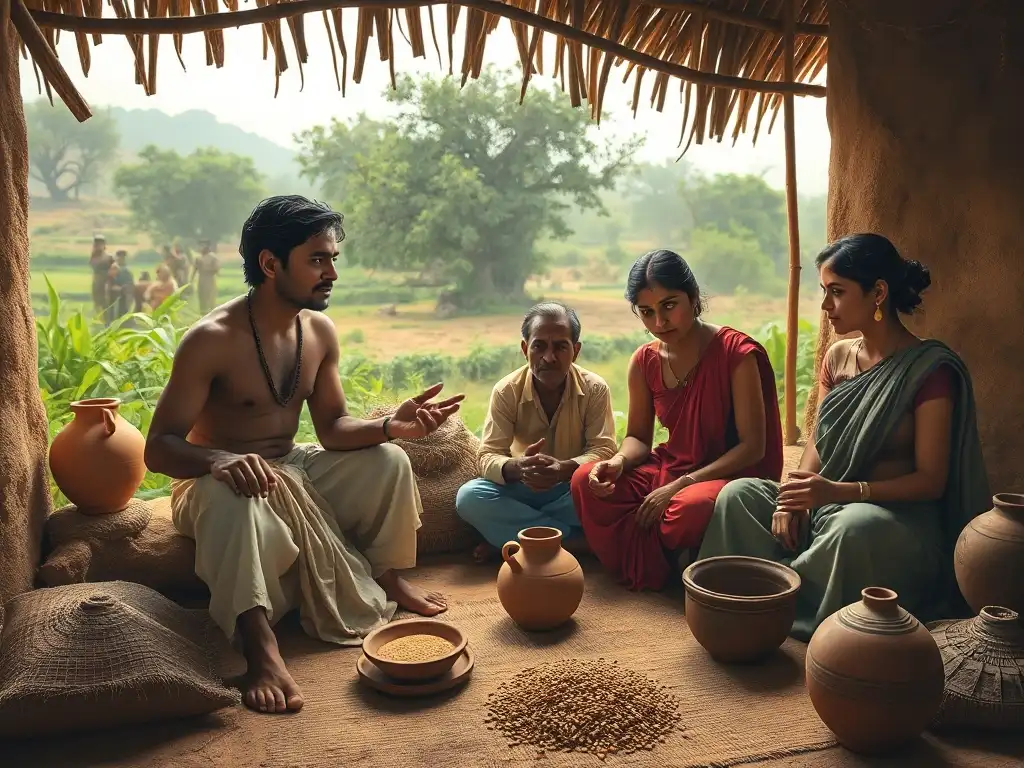
Despite the rich cultural and religious framework that supported family life during the Vedic period, families faced various challenges that impacted their dynamics and stability.
Socio-economic Factors Affecting Family Life
Socio-economic conditions significantly influenced Vedic family life. The agrarian economy was the backbone of society, and families were primarily engaged in farming and livestock rearing. However, the economic stability of a family was often subject to:
- Land Ownership: Families that owned larger tracts of land enjoyed greater prosperity, while those with limited resources struggled to meet basic needs. This disparity affected family roles, with wealthier families having more resources for education and social mobility.
- Trade and Commerce: As trade flourished, some families transitioned from agrarian lifestyles to merchant activities. This shift often led to changes in family structures, with increased mobility and less emphasis on traditional roles.
- Caste System: The emerging caste system during this period limited social mobility and affected family dynamics. Families belonging to higher castes had access to better resources and educational opportunities, while lower caste families faced systemic barriers, impacting their overall well-being.
Impact of Warfare and Social Changes on Families
Warfare and social changes during the Vedic period also posed significant challenges to families.
- Invasions and Conflicts: Frequent tribal conflicts and invasions disrupted family structures and led to displacement. Families often had to flee their homes, leading to a loss of stability and continuity.
- Social Change: As Vedic society evolved, changes in social norms and values began to emerge. The increasing importance of Brahmins and Kshatriyas challenged traditional family hierarchies and roles, creating tensions within families and communities.
- Gender Roles: While the Vedic texts promoted certain ideals for women, the realities of warfare and economic pressures often forced women into more demanding roles, challenging the traditional balance within families.
These challenges highlighted the resilience of Vedic families as they navigated a complex landscape of socio-economic pressures and societal transformations while striving to maintain their cultural identity and familial bonds.
Conclusion: Legacy of Vedic Family Life Insights
The Vedic period, spanning approximately from 1500 BCE to 500 BCE, laid the foundation for many aspects of Indian culture, including family life. This era is characterized by a rich tapestry of traditions, beliefs, and social structures that have left an indelible mark on the fabric of Indian society. The insights gained from studying Vedic family life reveal a system that emphasized familial bonds, gender roles, and rites of passage, shaping not only personal identities but also societal norms.
The legacy of Vedic family life is evident in contemporary practices such as marriage rituals, religious observances, and the reverence for lineage. The structured family units and the emphasis on dharma (duty) continue to influence modern family dynamics. Understanding these historical insights provides a deeper appreciation of the complexities of family life in ancient India and its evolution over centuries.
Enduring Influences of Vedic Family Practices on Modern Society
The family practices of the Vedic period have a remarkable endurance, influencing various facets of modern Indian society. Marriages, often viewed as sacred unions, reflect the Vedic traditions of saptapadi (the seven steps) and the importance of familial approval. The roles of men and women, as shaped by ancient texts, continue to resonate today, albeit with evolving interpretations.
Moreover, the focus on education and the transmission of knowledge through generations, as seen in the Vedic emphasis on guru-shishya (teacher-student) relationships, remains a cornerstone of Indian familial values. The communal aspect of family gatherings, festivals, and rituals, deeply rooted in Vedic customs, fosters a strong sense of identity and belonging among family members.
The influence of these ancient practices can also be observed in the social constructs surrounding inheritance, property rights, and familial duties. While modern society experiences shifts in these areas, the essence of Vedic family life—centered on respect, duty, and continuity—persists as a guiding principle.
Reflection on the Importance of Understanding Vedic Period Family Life
Understanding Vedic period family life is crucial for several reasons. Firstly, it provides insights into the evolution of societal norms and values that continue to shape contemporary life in India and beyond. Recognizing the historical context of family practices allows for a more nuanced appreciation of current family dynamics, particularly in how traditional roles are being redefined in modern society.
Secondly, the study of Vedic family life highlights the significance of cultural heritage and identity. It encourages individuals to reflect on their roots and the influences that have shaped their familial structures over generations. This reflection fosters a sense of continuity and connection to the past, which can be empowering for individuals navigating the complexities of modern life.
Lastly, understanding the Vedic period's family dynamics can inform discussions on gender equality, social responsibilities, and the balance between tradition and modernity. By examining these ancient insights, contemporary society can better address challenges related to family life and work towards creating inclusive and equitable family structures.
References and Further Reading on Vedic Period Family Life Insights
- The History of Ancient India: From 3000 BC to 1200 AD by Ramesh Chandra Dutta
- Vedic Society: A Study of the Vedic Period by S.K. Sinha
- Family and Marriage in India: A Historical Perspective by D.N. Mookherjee
- The Vedas: An Introduction to Hinduism’s Sacred Texts by David Frawley
- Women in Ancient India: A Historical Perspective by Kumkum Roy
These resources provide a comprehensive exploration of Vedic family life, highlighting its significance and influence throughout history and its enduring impact on modern society.
- Introduction to Vedic Period Family Life
- Overview of the Vedic Period in Ancient India
- Importance of Family in Vedic Society
- Vedic Family Structure and Dynamics
- Marriage Practices during the Vedic Period
- Daily Life and Family Activities in the Vedic Period
- Religious and Cultural Influences on Family Life
- Challenges Faced by Vedic Families
- Conclusion: Legacy of Vedic Family Life Insights
- References and Further Reading on Vedic Period Family Life Insights
Frequently Asked Questions
What was the structure of family life during the Vedic period?
Family life in the Vedic period was primarily patriarchal, with the father as the head. Families were often joint or extended, living together and sharing resources.
How did the Vedic texts influence family dynamics?
The Vedic texts provided guidelines on marriage, roles, and rituals, establishing norms that shaped family relationships and responsibilities in ancient Indian society.
What were the roles of women in Vedic family life?
Women in the Vedic period had significant roles, often engaging in household management and education of children, though their status was generally subordinate to men.
How did the Vedic period view marriage and family?
Marriage was considered a sacred duty in the Vedic period, emphasizing rituals and alliances that strengthened family ties and societal bonds.
What are some key contributions of the Vedic period to modern family life?
The Vedic period laid the foundation for many cultural practices and social norms that continue to influence family life in modern India, including marriage customs and familial duties.
Final Reflection: Embracing the Wisdom of Vedic Period Family Life
The insights gleaned from family life during the Vedic period remain profoundly relevant today, as they illuminate the foundations of familial bonds and societal structures. In a world increasingly characterized by rapid change and disconnection, the values of unity, respect, and shared responsibilities that were central to Vedic family life serve as a timeless reminder of the importance of nurturing our relationships. The Vedic period teaches us that strong families are not merely a product of lineage but are cultivated through love, understanding, and mutual respect.
The cultural and social landscape continues to be shaped by the principles established during the Vedic period, influencing modern family dynamics and societal expectations. The emphasis on dharma, or duty, within the family unit fosters a sense of responsibility that resonates in contemporary discussions about family roles and ethics. As we navigate the complexities of modern life, we can draw inspiration from the Vedic teachings that remind us of the importance of harmony and balance within our households. The family is the first essential cell of human society.
As we conclude this exploration of Vedic period family life insights, I invite you to reflect on how these ancient teachings can be woven into the fabric of your own family life. Consider how you can embody the values of respect, duty, and connection in your daily interactions. Let the wisdom of the past guide you in nurturing your relationships, fostering a sense of belonging, and creating a legacy of love that transcends generations. Embrace the lessons of the Vedic period and allow them to inspire a more profound connection within your family and community.
Unveil Your Family's Roots in Ancient Wisdom!
Thank you for taking the time to explore the fascinating world of family life during the Vedic period. You've gained valuable insights into how ancient traditions and values shaped familial structures, enriching our understanding of history. Now, it's time to dive deeper and apply this newfound knowledge!
Here are a few engaging steps you can take:
- Explore local resources: Visit a library or museum dedicated to Indian history, and seek out exhibits or books related to the Vedic period to further immerse yourself in this rich heritage.
- Share your insights: Discuss what you've learned with friends and family. Consider how Vedic values might influence modern family dynamics.
- Join a community: Connect with online forums or social media groups that focus on ancient Indian history to exchange ideas and learn from others who share your interests.
How might understanding ancient family dynamics enhance your own family life today?