
The Evolution of Grain Storage Techniques in Ancient India


Welcome to Ancient India History, where we embark on a captivating journey through the rich tapestry of India's past! Here, we delve into the evolution of grain storage techniques, a fascinating aspect of ancient Indian agriculture that reveals the ingenuity and resourcefulness of civilizations from the Indus Valley to the Gupta Empire. How did these early societies ensure their sustenance and economic stability? Join us as we uncover the secrets behind their innovative methods and explore the profound impact they had on the development of agriculture and economy in ancient India. Your adventure into history starts now!
Introduction to Ancient Indian Grain Storage Methods
The evolution of grain storage techniques in ancient India is a significant aspect of the broader narrative surrounding agricultural practices and innovations in one of the world's oldest civilizations. Understanding these methods not only sheds light on the agricultural ingenuity of ancient Indian societies but also highlights their adaptability to environmental and societal changes.
Grain storage was essential for ensuring food security, supporting trade, and sustaining population growth in the diverse landscapes of ancient India. From the sophisticated urban centers of the Indus Valley to the agrarian societies during the Gupta Empire, various techniques were developed and refined, reflecting the rich tapestry of ancient Indian culture and technology.
Importance of Grain Storage in Ancient Indian Agriculture
Grain storage played a pivotal role in ancient Indian agriculture for several reasons:
- Food Security: Proper storage methods helped protect harvested grains from pests, moisture, and spoilage, ensuring a stable food supply throughout the year.
- Economic Stability: Surplus grain could be stored for trade, contributing to economic exchanges and the growth of cities.
- Social Structure: Grain storage facilities often acted as community hubs, reinforcing social ties and collaborative efforts among farmers.
- Cultural Practices: Grain storage was intertwined with rituals and festivals, symbolizing abundance and prosperity in ancient Indian society.
Overview of Agricultural Practices in Ancient India
Ancient Indian agriculture was characterized by a diverse set of practices that reflected the region's varied climates and geographies. Key elements included:
- Crop Diversity: Farmers cultivated a wide range of crops, including rice, wheat, barley, and pulses, adapting their techniques to local conditions.
- Irrigation Systems: Advanced irrigation methods, such as channeling river water and constructing reservoirs, were developed to enhance agricultural productivity.
- Seasonal Farming: The monsoon played a critical role in the agricultural calendar, with farmers timing their sowing and harvesting to coincide with rainfall patterns.
Historical Context of Grain Storage in Ancient India
The historical context of grain storage in ancient India is deeply rooted in the agricultural practices of its various civilizations, which laid the groundwork for innovative storage techniques.
The Indus Valley Civilization: Pioneers of Grain Storage
The Indus Valley Civilization, flourishing around 2500 BCE, is often recognized as the pioneer of grain storage techniques. Archaeological findings reveal:
- Granaries: Large, standardized granaries made of baked bricks were discovered in cities like Mohenjo-Daro and Harappa, indicating organized agricultural practices and efficient storage.
- Sealed Storage: The use of seals and storage containers suggests that the Indus people employed methods to protect their grains from pests and moisture, thereby enhancing preservation.
Early Grain Storage Techniques and Innovations
As ancient Indian societies evolved, so did their grain storage methods. Some notable innovations included:
- Clay Pots and Baskets: Various materials, such as clay and woven baskets, were used to store grains, allowing for ventilation and reducing spoilage.
- Burial Storage: In some regions, grains were buried underground in pits to protect them from environmental factors and pests, showcasing early forms of underground storage techniques.
- Natural Preservatives: The use of natural substances, such as ash and neem leaves, was common to deter pests and maintain the quality of stored grains.
Through a combination of these techniques, ancient Indian civilizations not only secured their food supply but also contributed significantly to the agricultural knowledge that has influenced modern practices. The exploration of these ancient Indian grain storage methods offers valuable insights into the ingenuity and resilience of early agricultural societies.
Traditional Grain Storage Methods in Ancient India
Grain storage has been a critical aspect of agricultural practice in ancient India, shaping the economy and societal structure. Farmers employed various methods to store surplus grain harvested during the monsoon season, ensuring food security and availability throughout the year. These methods not only reflect the ingenuity of ancient Indian civilizations but also their understanding of preservation techniques suited to the local climate and environmental conditions.
Ancient Indian grain storage methods ranged from simple, temporary solutions to more sophisticated, permanent structures. These techniques were essential for preventing spoilage and pest infestations, which could devastate entire harvests. The evolution of these methods illustrates the adaptability of ancient societies to their surroundings and the technological advancements achieved over time.
Granaries: Structures and Materials Used
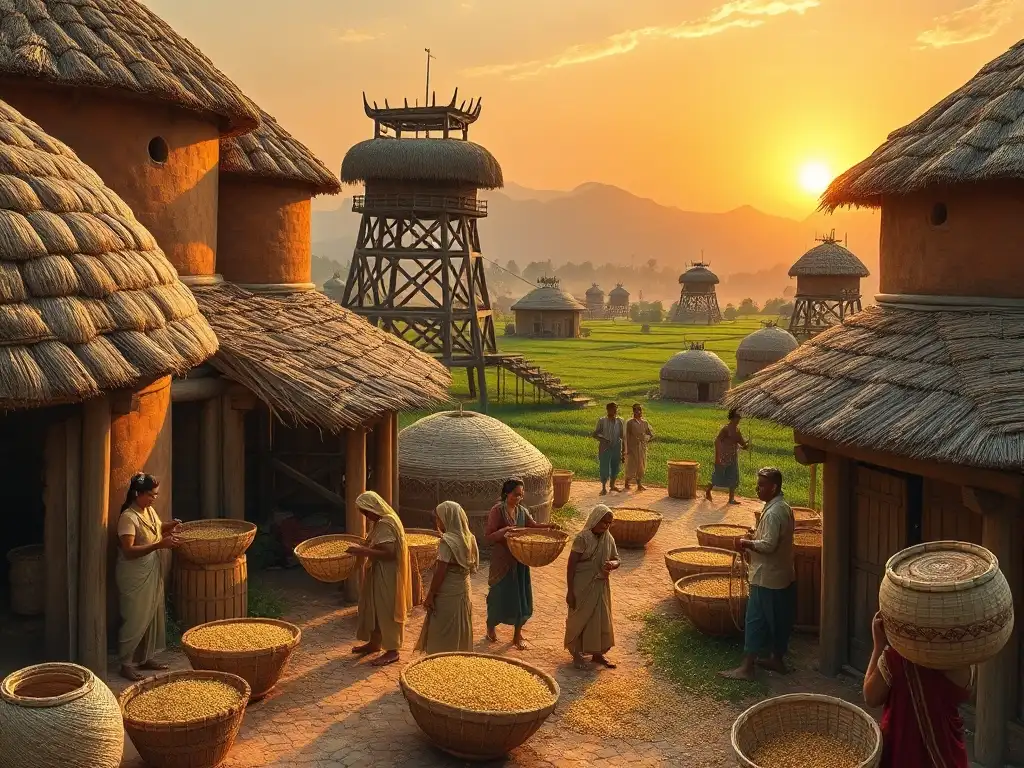
Granaries were one of the most significant innovations in grain storage in ancient India. These structures varied in design and materials depending on the region, but they all served the primary purpose of protecting grain from environmental factors and pests. Typically built of mud, brick, or stone, granaries were raised above the ground to prevent water accumulation and deter rodents.
The walls of granaries were often thick and insulated, providing a stable internal environment. Some granaries featured ventilation systems that allowed air circulation, which helped to keep the stored grain dry and reduce the risk of mold. Additionally, many granaries were designed with multiple compartments, allowing for the storage of different types of grains separately, thus minimizing the risk of cross-contamination.
Pottery and Earthenware in Grain Preservation
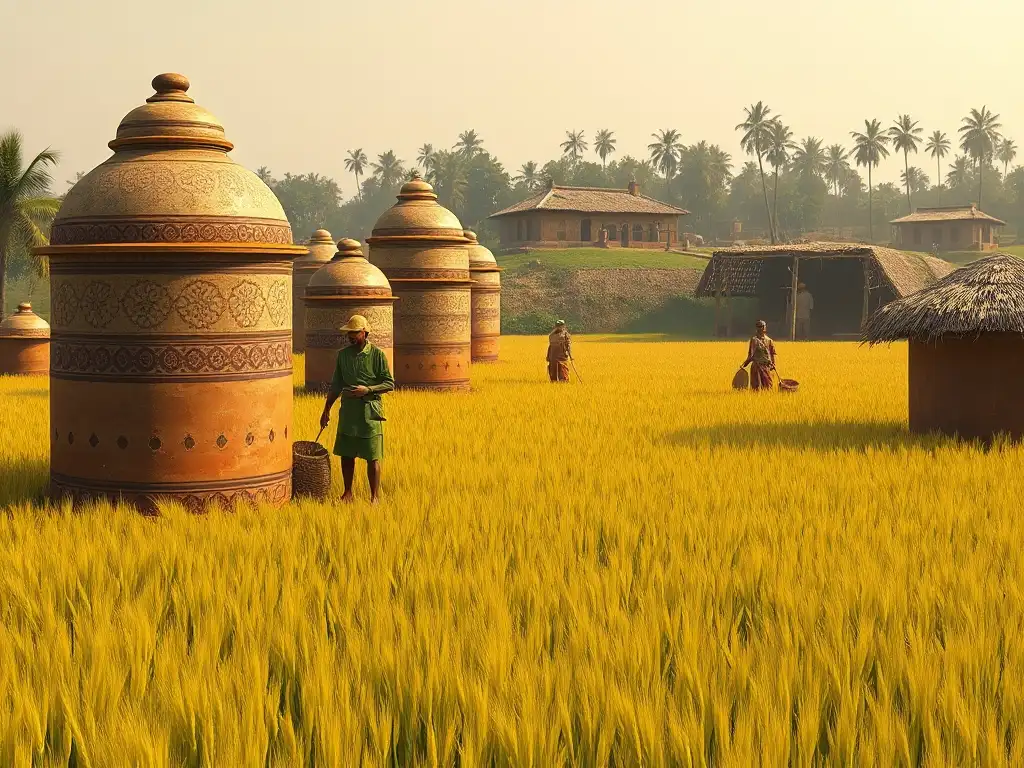
Pottery played a crucial role in the preservation of grains in ancient India. Large earthen pots, known as "matkas" or "gharas," were commonly used to store grains like rice, wheat, and pulses. These pots were often sealed with lids to protect the contents from moisture and pests. The porous nature of earthenware allowed for some air exchange, helping to maintain an optimal environment for the grain.
In some regions, pottery was treated with natural oils or resins to enhance its protective qualities. The use of decorated pottery also reflects cultural practices, as these containers were often adorned with intricate designs, signifying their importance in domestic life. The craftsmanship of ancient potters contributed significantly to the effectiveness of grain preservation techniques.
Use of Natural Materials for Grain Storage
Natural materials were extensively utilized in ancient Indian grain storage methods. Farmers often relied on locally available resources such as bamboo, leaves, and straw to create temporary storage solutions. For instance, bundles of straw were used to wrap grains, providing a protective layer against moisture and pests. Similarly, bamboo baskets were commonly employed for storing grains, as they allowed for good air circulation.
In coastal regions, palm leaves were sometimes woven into baskets to store smaller quantities of grain. These natural materials not only facilitated effective storage but also highlighted the sustainable practices of ancient farmers who utilized their surroundings efficiently. The use of organic materials also ensured that the grain remained free from harmful chemicals, promoting healthier consumption.
Regional Variations in Grain Storage Techniques
The diversity of ancient Indian civilizations led to regional variations in grain storage techniques, influenced by local climate, available resources, and agricultural practices. Each region developed unique methods suited to its specific challenges and needs, showcasing the adaptability of ancient Indian cultures.
Grain Storage Practices in Northern India
In Northern India, particularly in the fertile plains of the Indo-Gangetic region, granaries made of mud and brick were prevalent. These structures were often built on raised platforms to prevent moisture from the ground. The use of thick walls ensured insulation against extreme temperatures, while the design sometimes included multiple chambers for different types of grains.
Additionally, communities in this region developed practices of using wooden chests lined with cloth to store fine grains. This method not only protected the grains but also allowed for easy access during the harvesting season. The northern regions also saw the use of traditional silos, which were vertical structures designed to store large quantities of grain.
Unique Techniques in Southern India
Southern India presented a different agricultural landscape, characterized by its tropical climate. Here, traditional grain storage methods included the use of thatched huts, known as "kottai," which were constructed using bamboo and palm leaves. These huts provided adequate ventilation, which was crucial in the humid environment to prevent spoilage.
Moreover, in certain areas, farmers employed a unique technique of burying grains in the ground, covered with a layer of leaves and soil. This method utilized the natural cooling properties of the earth to preserve the grains, protecting them from pests and moisture. The ingenuity of these techniques demonstrated a deep understanding of local climatic conditions.
Eastern and Western Indian Grain Preservation Methods
In the eastern regions of India, such as Bengal, rice was the predominant crop, and grain storage methods often involved elevated wooden platforms called "khutis." These platforms kept the rice above ground level, reducing the risk of water damage during the monsoon season. Additionally, the use of large earthen pots for storing rice was common, allowing for effective preservation.
Conversely, in Western India, particularly in Gujarat and Rajasthan, farmers utilized stone or mud granaries, often built into the walls of their homes. This practice not only maximized space but also provided additional security against theft. Farmers in these areas also employed techniques such as mixing grains with salt or ash to deter pests, showcasing a blend of traditional knowledge and practical innovation in their storage methods.
Innovations and Advancements in Grain Storage
The evolution of grain storage techniques in ancient India showcases remarkable innovations that were pivotal in ensuring food security and sustainability. Early farmers in the Indus Valley Civilization (approximately 3300–1300 BCE) developed advanced storage systems using granaries, which were often built with mud bricks. These granaries featured raised floors and ventilation systems to prevent moisture accumulation, thus safeguarding grain from spoilage.
As time progressed, various advancements were made in materials and methods. For instance, the introduction of clay pots and baskets made from reeds or grasses allowed for more accessible storage options. These containers were not only lightweight but also effective in keeping grains dry and protected from environmental factors. Additionally, the use of cow dung and ash as natural preservatives was noted, which helped to deter pests and maintain the quality of stored grains.
By the time of the Maurya Empire (322–185 BCE), more sophisticated storage facilities appeared, including larger granaries that could accommodate surplus harvests. These advancements played a crucial role in sustaining larger populations and enabling trade across vast regions, further integrating grain storage into the socio-economic fabric of ancient Indian society.
The Role of Climate in Shaping Storage Techniques
Climate had a significant influence on the development of grain storage methods in ancient India. The subcontinent experiences diverse climatic zones, from the arid regions of Rajasthan to the humid coastal areas of Kerala. These variations necessitated different storage strategies tailored to local environmental conditions.
In arid regions, where humidity levels are low, grains could be stored in simple, open-air granaries or underground pits, preventing moisture-related spoilage. In contrast, in the monsoon-prone areas, farmers had to develop more secure storage solutions, such as elevated granaries or thatched structures, to protect grains from excessive moisture. The innovative use of materials, such as bamboo and mud, helped create robust storage solutions that could withstand heavy rains.
Additionally, seasonal variations influenced grain storage practices. During harvest seasons, temporary storage methods were often employed, while during lean periods, more permanent storage facilities were utilized. This adaptability to climate not only ensured the preservation of grains but also supported agricultural resilience in the face of environmental challenges.
Influence of Trade and Cultural Exchanges on Storage Methods
Trade and cultural exchanges played a pivotal role in shaping ancient Indian grain storage methods. The extensive trade routes established during the Mauryan and Gupta empires facilitated interactions with neighboring civilizations, leading to the exchange of agricultural practices and storage technologies.
For example, the contact with Mesopotamian and Egyptian cultures introduced new techniques such as hermetic sealing and the use of specialized storage vessels. These innovations were adapted to fit local contexts, enhancing the efficiency of grain storage. The influence of trade also led to the introduction of various grains, which required distinct storage approaches tailored to their specific needs.
Moreover, as trade flourished, the necessity for reliable grain storage became evident to support long-distance trade. Merchants invested in better storage solutions, leading to the construction of larger communal granaries, which not only served individual farmers but also acted as reserves for trade. This collective approach to grain storage helped stabilize local economies and fostered a sense of community.
Challenges Faced in Ancient Grain Storage
Despite the advancements in grain storage techniques, ancient Indian civilizations encountered several challenges that affected the efficacy of their methods. Understanding these challenges provides insight into the complexities of agricultural practices during this period.
Pest Control and Preservation Challenges
One of the most significant challenges in grain storage was the threat of pests, such as rodents, insects, and fungi. These pests could rapidly infest stored grains, leading to substantial losses. The ancient farmers employed various strategies to combat these issues, including the use of natural repellents like neem leaves and the application of ash to deter insects.
However, the effectiveness of these methods varied, and many farmers faced difficulties in maintaining the quality of their stored grains. The lack of sophisticated pest control techniques often resulted in extensive grain wastage, impacting food security and the economy.
Environmental Factors Affecting Grain Storage
Environmental factors such as humidity, temperature fluctuations, and natural disasters posed significant challenges to grain storage in ancient India. High humidity levels, particularly during the monsoon season, increased the risk of mold and spoilage. Moreover, extreme temperatures could cause grains to become too dry or too moist, further complicating storage efforts.
Natural disasters, such as floods and droughts, could devastate grain supplies, disrupting the storage systems in place. Communities had to develop contingency plans for such events, but the unpredictability of nature often left them vulnerable.
Social and Economic Impacts of Grain Storage Failures
Failures in grain storage had profound social and economic impacts on ancient Indian societies. When grain storage systems failed due to pest infestations, environmental factors, or inadequate techniques, the consequences were dire. Food shortages often led to increased prices, resulting in economic instability and hardship for farming communities.
Socially, these failures could lead to unrest and conflict over scarce resources. The dependence on stored grain for sustenance made societies particularly vulnerable; a failed harvest or poor storage could lead to famine, forcing communities to rely on aid or trade for survival. The interconnectedness of grain storage practices and societal well-being highlights the critical importance of effective agricultural strategies in ancient India.
Conclusion: Legacy of Ancient Indian Grain Storage Techniques
The legacy of ancient Indian grain storage techniques is profound, shaping not only the agricultural landscape of the subcontinent but also influencing practices worldwide. These techniques were vital for ensuring food security in a time when agriculture was the backbone of society. The innovative methods developed by ancient civilizations, such as the use of granaries and earthen storage pits, showcased a deep understanding of climate, humidity, and pest management.
This knowledge was passed down through generations, laying the groundwork for modern agricultural storage solutions. The ingenuity of these methods reflects the importance of adaptability and sustainability in agricultural practices, which remain relevant today.
Influence on Modern Agricultural Practices

Ancient Indian grain storage methods have left an indelible mark on modern agricultural practices. Techniques such as the construction of ventilated storage structures and the use of natural preservatives are still in use today. For instance:
- Ventilated Granaries: Inspired by ancient designs, contemporary granaries often incorporate ventilation systems to reduce moisture and prevent spoilage.
- Natural Pest Control: The use of neem leaves and other natural repellents, which have roots in ancient practices, continues to be an eco-friendly approach to pest management.
- Community Storage Solutions: The concept of communal storage, found in ancient societies, has been revived in modern cooperative farming, allowing farmers to pool resources and ensure collective food security.
These enduring practices demonstrate how ancient wisdom can inform and enhance current agricultural techniques, leading to more sustainable food systems.
Importance of Understanding Ancient Techniques for Future Innovations
Understanding ancient grain storage techniques is crucial for future innovations in agriculture. As the world faces challenges such as climate change, population growth, and food scarcity, revisiting these time-tested methods can provide valuable insights. Key reasons for this importance include:
- Sustainability: Ancient methods were often designed with sustainability in mind, utilizing local materials and minimizing environmental impact. Learning from these practices can inspire modern innovations that prioritize ecological balance.
- Cultural Heritage: Recognizing the agricultural practices of ancient civilizations fosters appreciation for cultural heritage, encouraging the preservation of traditional knowledge that can inform future developments.
- Resilience: The adaptability of ancient grain storage techniques can offer solutions to contemporary problems, including the increase in extreme weather events that threaten food supply chains.
By integrating ancient wisdom with modern science, we can develop innovative solutions that not only address current agricultural challenges but also honor the rich history of agricultural practices in ancient India.
References and Further Reading on Ancient Indian Agricultural Practices
- "The Agricultural History of India" - This book provides an in-depth look at the evolution of agricultural practices in India, including grain storage techniques.
- "Ancient Indian Agriculture: A Historical Perspective": - A comprehensive study that explores the agricultural innovations of ancient Indian civilizations.
- "Food Security and Ancient Indian Practices" - An analysis of how ancient methods contributed to food security and their relevance in today’s context.
- Research Articles in Journals - Various academic journals publish articles on ancient agricultural practices, highlighting case studies and archaeological findings related to grain storage.
- Local Historical Societies - Many regions in India have historical societies that offer resources and workshops on traditional agricultural practices and their significance.
These resources provide a deeper understanding of ancient Indian agricultural practices, emphasizing the importance of grain storage techniques in the broader context of agricultural history.
- Introduction to Ancient Indian Grain Storage Methods
- Historical Context of Grain Storage in Ancient India
- Traditional Grain Storage Methods in Ancient India
- Regional Variations in Grain Storage Techniques
- Innovations and Advancements in Grain Storage
- Challenges Faced in Ancient Grain Storage
- Conclusion: Legacy of Ancient Indian Grain Storage Techniques
- Influence on Modern Agricultural Practices
- Importance of Understanding Ancient Techniques for Future Innovations
- References and Further Reading on Ancient Indian Agricultural Practices
- What were the primary grain storage methods used in ancient India?
- How did the Indus Valley Civilization contribute to grain storage techniques?
- What innovations in grain storage emerged during the Gupta Empire?
- How did climate influence grain storage practices in ancient India?
- Why is the study of ancient Indian grain storage methods important today?
Frequently Asked Questions
What were the primary grain storage methods used in ancient India?
Ancient Indian civilizations utilized granaries, pits, and jars to store grains, ensuring protection from pests and moisture.
How did the Indus Valley Civilization contribute to grain storage techniques?
The Indus Valley Civilization is known for its advanced urban planning and used well-constructed granaries that showcased an understanding of agricultural storage needs.
What innovations in grain storage emerged during the Gupta Empire?
During the Gupta Empire, advancements included improved container designs and methods that enhanced shelf life and protection against spoilage.
How did climate influence grain storage practices in ancient India?
Different climatic conditions led to the development of various storage solutions, such as elevated platforms in humid areas to prevent water damage.
Why is the study of ancient Indian grain storage methods important today?
Understanding these ancient techniques offers insights into sustainable practices and can inform modern agricultural storage solutions to enhance food security.
Final Reflection: The Enduring Legacy of Ancient Indian Grain Storage Methods
The exploration of ancient Indian grain storage methods reveals not only the ingenuity of past civilizations but also their profound understanding of sustainability and resource management. Today, as we grapple with food security and environmental challenges, the lessons from these ancient techniques resonate more than ever. The ability to preserve and store grains effectively was crucial for the survival of communities, and it serves as a striking reminder of the importance of innovation in addressing contemporary issues.
The influence of these ancient storage methods extends beyond mere historical curiosity; they have shaped cultural practices and agricultural strategies that persist in modern India. Reflecting on the resilience and adaptability of these techniques, we can appreciate how they have informed contemporary agricultural policies and practices. As noted by historian R. S. Sharma, “The methods of storage were not just about preservation; they were about ensuring the continuity of life itself.” This observation underscores the critical role that effective grain storage played in sustaining societies and highlights its relevance in our current quest for sustainable food systems.
As we conclude this exploration, I invite you to reflect on the significance of these ancient practices in your own life. Consider how the principles of sustainability, resourcefulness, and community resilience can be applied to modern challenges. Whether it's in your personal habits, community initiatives, or broader societal contributions, let the wisdom of ancient Indian grain storage methods inspire you to cultivate a more sustainable future. Embrace the lessons of the past as we forge ahead, ensuring that the legacy of innovation continues to thrive in our ever-evolving world.
Unveil the Secrets of Ancient Grain Storage!
Thank you for diving into the fascinating evolution of grain storage techniques in Ancient India! You've uncovered not just methods, but the ingenuity of a civilization that thrived on innovation. Now, let's take this knowledge further and transform your understanding into action.
Here are some ways you can deepen your exploration of this captivating topic:
- Visit local museums or historical sites to discover artifacts or exhibits related to ancient agriculture and grain storage practices.
- Join a historical discussion group or online community to share your insights and learn from others who are equally passionate about the rich history of Ancient India.
- Consider creating an educational project that visualizes these techniques through illustrations or models, helping to engage your community in this fascinating history.
What intriguing discoveries have you made about ancient practices that could inspire modern solutions in your life or community?