
The Architectural Significance of the Jagannath Temple in Puri

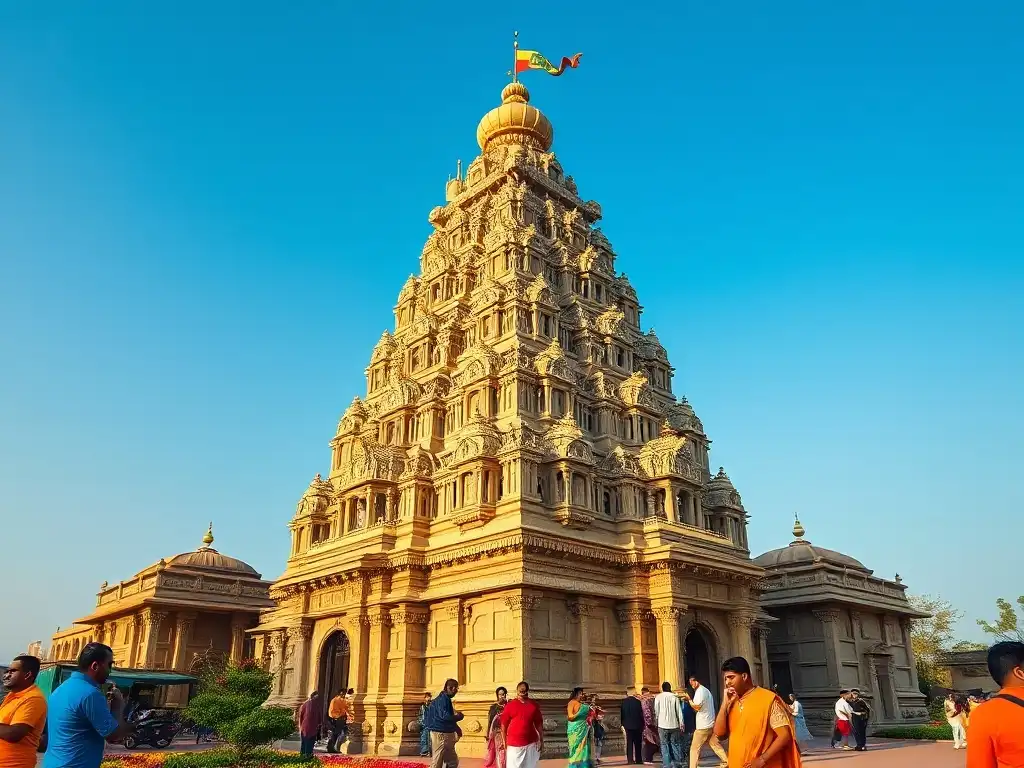
Welcome to Ancient India History, where we embark on a fascinating journey through the rich tapestry of India’s past. In this exploration, we delve into the architectural significance of the Jagannath Temple in Puri, a masterpiece that not only showcases the ingenuity of ancient Indian craftsmanship but also reflects the profound cultural and religious heritage of the region. What secrets lie within its intricate carvings and grand design? Join us as we uncover the stories and philosophies embedded in this iconic structure, inviting you to discover the depths of ancient Indian civilization’s contributions to art and architecture.
- Introduction to the Jagannath Temple Architectural Significance
- Historical Context of Jagannath Temple
- Architectural Features of the Jagannath Temple
- Cultural Significance of Jagannath Temple Architecture
- Comparison with Other Temples in India
- Preservation and Conservation of Jagannath Temple
- Conclusion: The Lasting Impact of Jagannath Temple's Architectural Significance
-
Frequently Asked Questions
- What is the architectural significance of the Jagannath Temple in Puri?
- How does the Jagannath Temple reflect ancient Indian culture?
- What are the key architectural features of the Jagannath Temple?
- Why is the Jagannath Temple considered a pilgrimage site?
- When was the Jagannath Temple built, and what is its historical context?
- Final Reflection: The Enduring Legacy of Jagannath Temple's Architectural Significance
- Unveil the Mysteries of Jagannath Temple: Take Your Journey Further!
Introduction to the Jagannath Temple Architectural Significance
The Jagannath Temple in Puri stands as a monumental testament to the architectural brilliance and cultural richness of ancient India. Renowned not only for its religious significance but also for its unique architectural features, this temple attracts millions of devotees and tourists alike, eager to witness its grandeur. The Jagannath Temple is dedicated to Lord Jagannath, a form of Lord Krishna, and is an integral part of the annual Rath Yatra, which showcases the temple's vibrant cultural heritage.
Understanding the architectural significance of the Jagannath Temple offers insights into the advanced construction techniques and artistic expressions prevalent during the era of its establishment. This article delves into the intricate details of the temple's design, its historical context, and the broader implications of its architectural marvels within ancient Indian civilization.
Overview of Jagannath Temple in Puri
The Jagannath Temple, located in the coastal city of Puri in Odisha, India, is one of the four sacred pilgrimage sites known as the Char Dham. The temple, believed to have been constructed in the 12th century under the reign of King Ananta Varman Chodaganga Deva, showcases a blend of Kalinga architectural styles characterized by its towering spire, intricate carvings, and vibrant iconography.
Key Architectural Features:
- Shikhara (Tower): The temple's towering shikhara rises approximately 65 meters, making it one of the tallest in India. Its distinct design symbolizes Mount Meru, the axis of the universe in Hindu cosmology.
- Vimana (Sanctum): The sanctum sanctorum houses the wooden idols of Lord Jagannath, his siblings Balabhadra and Subhadra. The unique feature of these idols, with their large round eyes and absence of arms, represents the deities' connection to the devotees.
- Carvings and Sculptures: The temple walls are adorned with intricate carvings that depict various deities, mythological scenes, and motifs that reflect the rich cultural narratives of the time.
The architectural composition of the Jagannath Temple not only serves a religious purpose but also reflects the socio-economic and artistic evolution of the time, making it a vital study for historians and architecture enthusiasts alike.
Importance of Architectural Marvels in Ancient India
The architectural marvels of ancient India, such as the Jagannath Temple, play a crucial role in understanding the cultural and historical landscape of the subcontinent. These structures are not merely edifices; they are repositories of history that encapsulate the artistic, religious, and social dynamics of their respective eras.
Significance of Architectural Marvels:
- Cultural Identity: Temples and monuments like the Jagannath Temple serve as symbols of regional identity and pride, representing the unique traditions and beliefs of the communities that built them.
- Technological Advancements: The construction techniques employed in these architectural wonders reflect the ingenuity and craftsmanship of ancient builders, showcasing their understanding of materials, engineering, and aesthetics.
- Spiritual and Social Hub: These structures often functioned as centers of learning, art, and community interaction, fostering a sense of unity among diverse groups within ancient Indian society.
The architectural significance of the Jagannath Temple in Puri not only highlights the artistic achievements of ancient Indian civilizations but also underscores the enduring legacy of these structures in shaping cultural narratives and identities through the ages.
Historical Context of Jagannath Temple
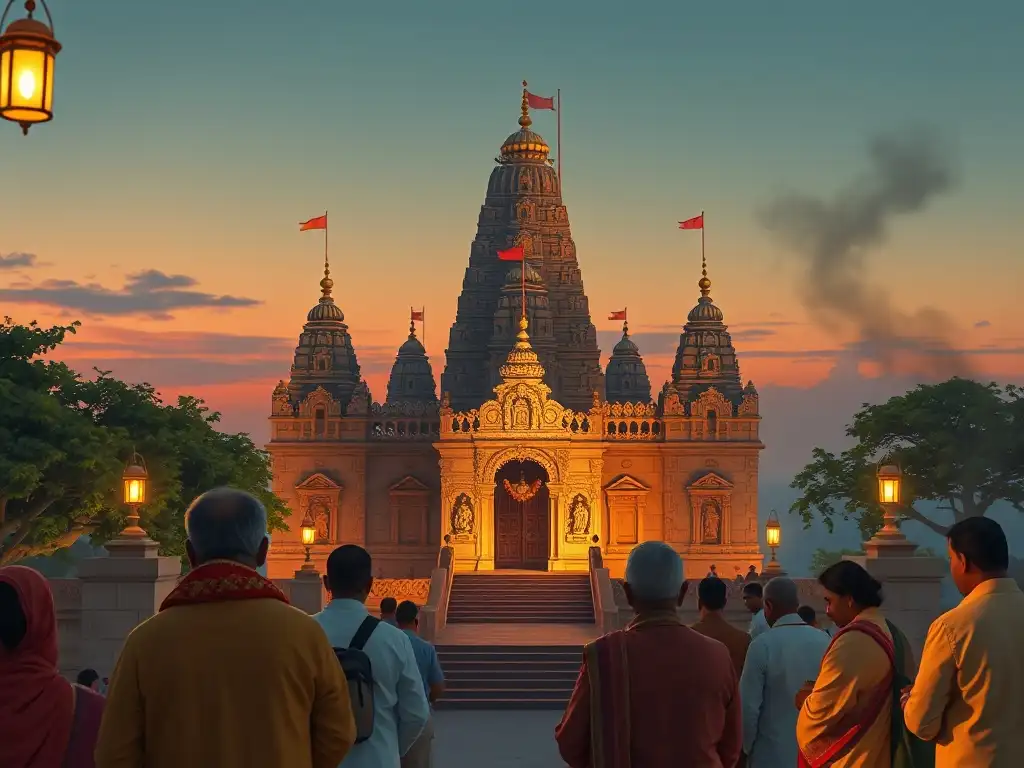
The Jagannath Temple in Puri, Odisha, stands as a monumental testament to the architectural prowess and cultural richness of ancient Indian civilizations. This temple, dedicated to Lord Jagannath, a form of Lord Krishna, is not only a site of religious significance but also an architectural marvel that reflects the historical context in which it was built and evolved. Understanding this context is crucial to appreciating the temple's architectural significance and its role in the broader narrative of Indian history.
Origins and Founding of the Jagannath Temple
The origins of the Jagannath Temple can be traced back to the 12th century CE, during the reign of King Anantavarman Chodaganga Deva of the Ganga dynasty. According to various historical accounts, the temple was established to honor the deities of Jagannath, Balabhadra, and Subhadra, who are believed to have their roots in the ancient tribal worship of the region.
- Key Highlights of the Founding:
- Construction Timeline: The temple's construction is believed to have begun around 1150 CE, with significant contributions made by later rulers.
- Architectural Style: The temple showcases the Kalinga architectural style, characterized by its towering spires (shikharas) and intricate carvings.
- Sacred Iconography: The deities are represented not in typical human forms but in a unique, abstract manner, which is integral to the temple's identity.
The temple's founding was not merely an architectural endeavor but a fusion of cultural and religious influences that were prevalent in ancient India. The integration of local tribal practices with mainstream Hindu beliefs exemplifies the syncretic nature of Indian society during this period.
Influence of Historical Events on Temple Architecture
The architectural significance of the Jagannath Temple has been profoundly shaped by various historical events that occurred over the centuries. Each of these events has left an indelible mark on the temple's structure, aesthetics, and cultural practices.
- Mughal Invasions: The temple faced threats during the Mughal invasions in the 16th and 17th centuries, leading to a fortification of its structures. This period saw the incorporation of defensive elements into the temple architecture, reflecting the need for protection.
- Colonial Period: The British colonial era brought about significant changes to the temple's administration and rituals. The introduction of new architectural elements, such as the use of iron and other materials, can be traced back to this period.
- Cultural Renaissance: The 19th and early 20th centuries witnessed a resurgence of interest in Hindu rituals and temple architecture. This cultural renaissance inspired restoration projects and the revival of traditional craftsmanship, which further enhanced the temple's grandeur.
| Historical Event | Influence on Architecture |
|---|---|
| Mughal Invasions | Fortification of structures; incorporation of defensive elements |
| Colonial Period | Introduction of new materials; changes in administration |
| Cultural Renaissance | Restoration projects; revival of traditional craftsmanship |
The architectural significance of the Jagannath Temple is thus a reflection of the dynamic interplay between historical events and cultural expressions. Each layer of architecture tells a story, revealing the temple's resilience and its role as a vibrant center of pilgrimage and devotion throughout history.
The Jagannath Temple is not merely an edifice; it is a living chronicle of ancient India's architectural evolution, embodying the rich tapestry of its historical context and cultural heritage.
Architectural Features of the Jagannath Temple
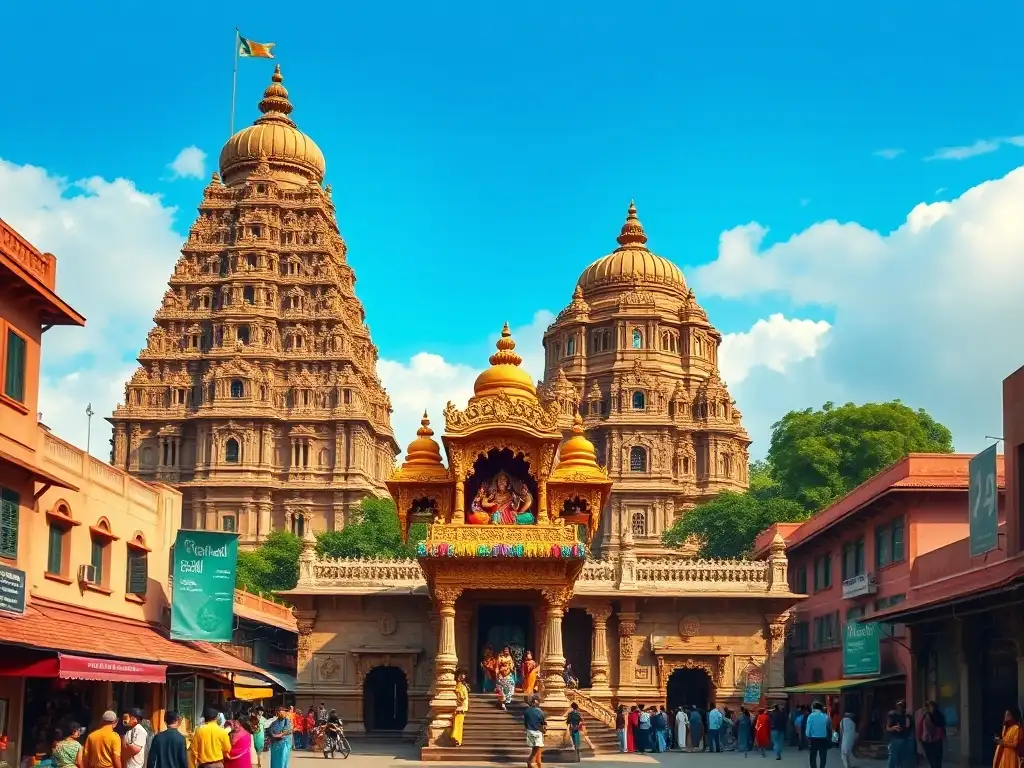
The Jagannath Temple, located in Puri, Odisha, is a remarkable example of Kalinga architecture that showcases a blend of artistic ingenuity and spiritual significance. The temple is not only a place of worship but also a symbol of cultural heritage, embodying various architectural features that reflect the spiritual and artistic ethos of ancient Indian civilization.
The temple complex is expansive, encompassing several structures that serve different purposes, including shrines, halls, and numerous lesser temples. The architecture is characterized by intricate carvings, towering shikharas (spires), and expansive courtyards, all of which contribute to its grandeur and aesthetic appeal.
Key architectural features include:
- The Main Shrine: The central sanctum houses the deities Jagannath, Balabhadra, and Subhadra.
- The Jagamohan: This is the assembly hall leading to the sanctum, adorned with numerous sculptures and carvings.
- The Rath Mandap: A structure where the chariots are assembled during the Rath Yatra festival.
- The Boundary Walls: The temple is enclosed by high walls, showcasing elaborate carvings that depict various mythological stories and deities.
The temple's architectural significance is further enhanced by its alignment with astrological principles, which is believed to amplify its spiritual energy.
Unique Design Elements of the Jagannath Temple
The Jagannath Temple is distinguished by its unique design elements that set it apart from other temples in India. One of the most notable features is the absence of traditional idol representation. Instead, the deities are represented by wooden blocks, which are considered to be living entities. This aspect alone makes the temple a focal point of devotion and a subject of architectural intrigue.
Key unique design elements include:
- The Lion’s Gate (Singha Dwara): The entrance to the temple is adorned with two majestic stone lions, symbolizing strength and protection.
- The Wheel of Dharma: The temple's structure often features the iconic wheel, representing the cycle of life and the pursuit of dharma (righteousness).
- The Use of Laterite Stone: The primary material used in the construction is laterite, known for its durability and ability to withstand weathering over time.
- Intricate Carvings: The temple is replete with carvings of deities, floral designs, and mythological motifs that tell stories from ancient texts.
These design elements intricately blend spiritual symbolism with artistic expression, making the Jagannath Temple a masterpiece of ancient Indian architecture.
The Shikhara: Symbolism and Structure
The shikhara of the Jagannath Temple is a towering spire that dominates the skyline of Puri. Standing at a height of 65 meters, it is not only a remarkable feat of engineering but also rich in symbolism. The shikhara represents the sacred Mount Meru, which is considered the axis of the universe in Hindu cosmology.
Features of the Shikhara include:
- Architectural Style: The shikhara follows the curvilinear style typical of Kalinga architecture, tapering upwards to create a sense of verticality.
- Symbolic Representation: The upward curve of the shikhara symbolizes spiritual ascent, guiding devotees towards the divine.
- Artistic Details: The shikhara is adorned with intricate sculptures and motifs that narrate various legends associated with Lord Jagannath, enhancing its visual appeal.
The shikhara not only serves an aesthetic purpose but also plays a crucial role in the temple's overall spiritual ambiance, as it is believed to channel divine energy.
The Rath Yatra: Architectural Implications
The Rath Yatra, or the Chariot Festival, is one of the most significant events associated with the Jagannath Temple, showcasing the architectural ingenuity of the temple. During this festival, the deities are transported in grand chariots, which are meticulously designed and constructed for this purpose.
Architectural implications of the Rath Yatra include:
- Chariot Design: The chariots are massive, measuring around 45 feet in height and adorned with vibrant fabrics and intricate carvings. Each chariot represents a different deity, with the one for Lord Jagannath being the largest.
- Ritualistic Space: The design of the temple complex accommodates the large crowds that gather during the festival, ensuring smooth movement and participation in the rituals.
- Temporary Structures: During the Rath Yatra, temporary structures are erected to support various activities, showcasing the adaptability of the temple's architectural design to accommodate dynamic cultural practices.
The Rath Yatra not only emphasizes the architectural significance of the Jagannath Temple but also reinforces the temple's role as a living cultural heritage site, where tradition and architecture converge in celebration.
Cultural Significance of Jagannath Temple Architecture
Integration of Religious and Cultural Practices
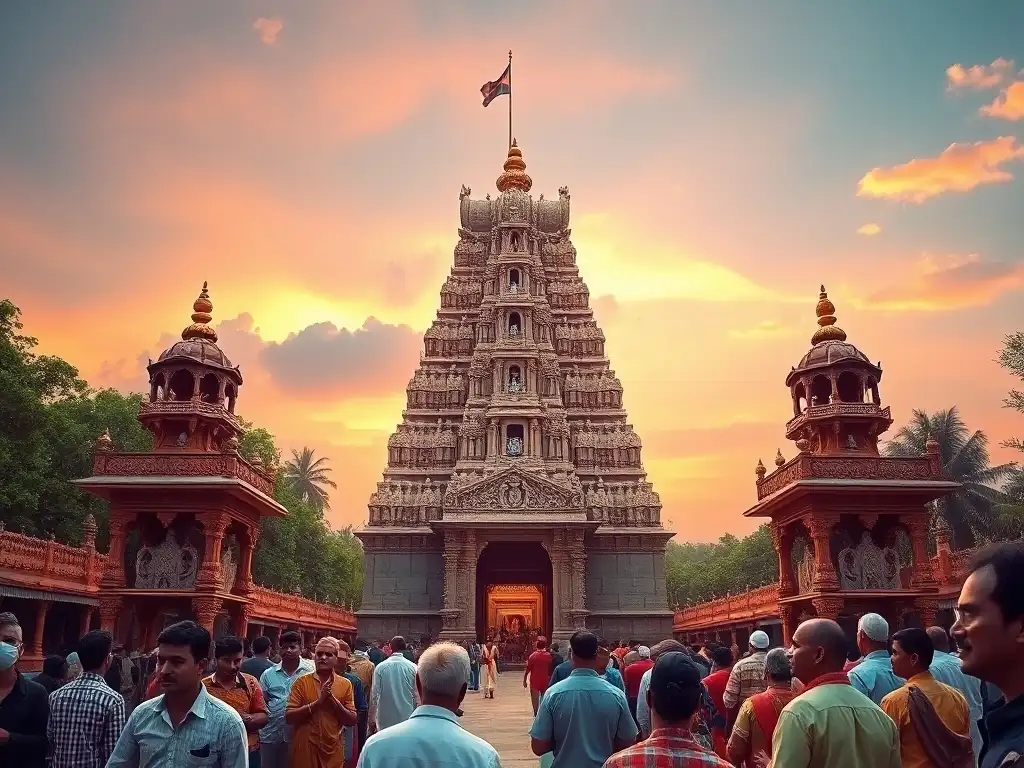
The Jagannath Temple in Puri is not just an architectural marvel; it is a profound embodiment of the spiritual and cultural ethos of ancient India. The temple's architecture integrates various religious practices and cultural traditions, making it a vibrant center for both worship and community gatherings. The design of the temple itself is symbolic, reflecting the principles of Hindu cosmology.
- Sacred Geometry: The temple follows a specific layout that is believed to represent the universe. The central shrine, housing the deities Jagannath, Balabhadra, and Subhadra, is positioned to symbolize the cosmic center, echoing the ancient Indian concept of a sacred space.
- Festivals and Rituals: The architecture facilitates several rituals and festivals, including the famous Ratha Yatra (Chariot Festival), where the deities are taken in massive chariots through the streets. This event showcases the temple's design, which allows for the procession to take place seamlessly, uniting thousands of devotees in a shared experience of devotion and celebration.
- Artistic Expression: The intricate carvings and sculptures adorning the temple walls depict various deities, mythological stories, and social scenes, serving both decorative and didactic purposes. They narrate the cultural narratives of the period and engage devotees in the artistic representation of their beliefs.
The architectural design of the Jagannath Temple is a confluence of art, religion, and community, illustrating how deeply intertwined these elements are in ancient Indian civilization.
Role of Jagannath Temple in Local and National Identity
The Jagannath Temple plays a pivotal role in shaping both local and national identity, serving as a symbol of unity, tradition, and cultural heritage.
- Local Identity: For the residents of Puri and surrounding regions, the temple is a focal point of their daily lives. It is a place where local customs and traditions are preserved and celebrated. The temple is often referred to as the "King of the Universe" and embodies the collective identity of the Odia people, fostering a sense of pride and belonging within the community.
- National Significance: Beyond its local importance, the Jagannath Temple is a national symbol of Hinduism, attracting millions of pilgrims and tourists from across the country and beyond. Its architectural grandeur and spiritual significance contribute to India's rich tapestry of cultural heritage. The temple stands as a testament to the historical continuity of Hindu traditions and practices, making it a key player in India's national identity.
- Cultural Interactions: The temple has also been a site of cultural exchange, where diverse groups have interacted over centuries. The architecture reflects influences from various dynasties and cultures, showcasing how the temple's significance transcends regional boundaries.
In essence, the architectural significance of the Jagannath Temple in Puri is not merely a matter of structural design but is deeply rooted in the cultural, religious, and social frameworks that define both local and national identities. It is a living monument that continues to inspire devotion and pride among millions, representing the timeless essence of ancient Indian civilization.
Comparison with Other Temples in India
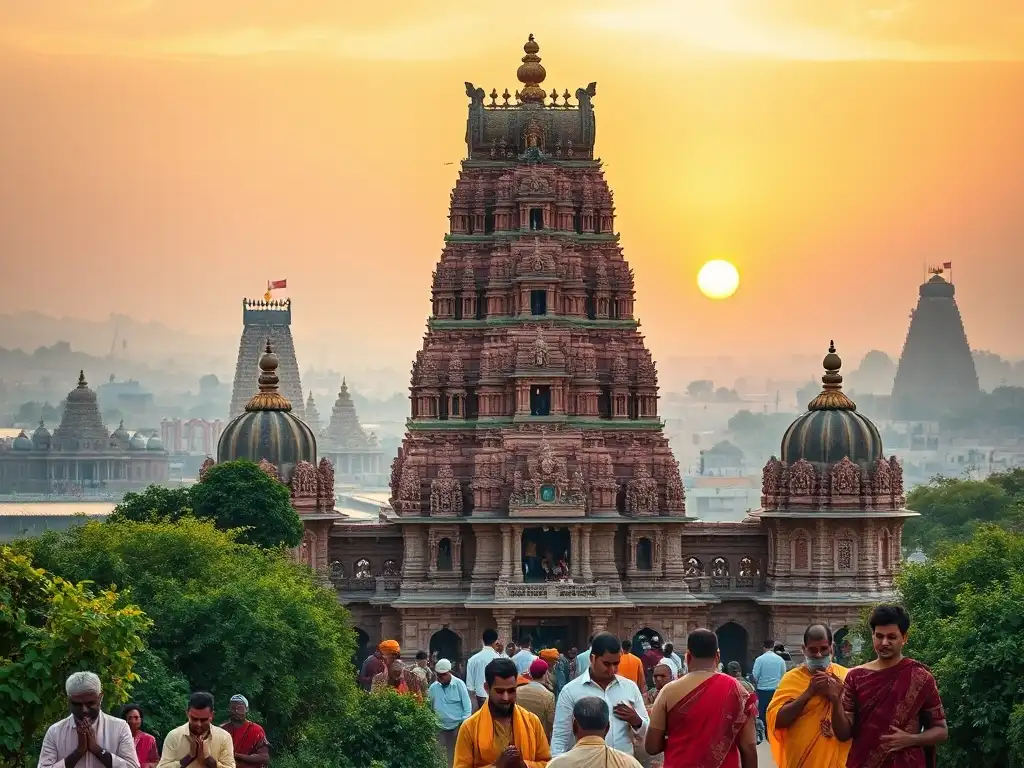
The Jagannath Temple in Puri stands as a hallmark of ancient Indian architecture, distinguished not only by its unique design but also by its cultural significance. When compared to other prominent temples in India, several similarities and differences emerge, showcasing the diverse architectural styles and philosophies that influenced temple construction across the subcontinent.
Architectural Similarities and Differences
One of the most notable similarities between the Jagannath Temple and other temples, such as the Brihadeeswarar Temple in Thanjavur and the Meenakshi Temple in Madurai, is the use of intricate carvings and sculptures. The Jagannath Temple features elaborate motifs and depictions of deities, much like its counterparts, which often showcase stories from Hindu mythology.
However, the architectural style of the Jagannath Temple is predominantly influenced by the Kalinga style, characterized by its towering Shikhara (spire) and the deul (sanctum) structure. In contrast, the Brihadeeswarar Temple exemplifies the Dravidian style, marked by its grand gopurams (gateway towers) and vast courtyards. The differences in these styles reflect regional variations in temple architecture, influenced by local materials, climate, and cultural practices.
Another significant difference lies in the layout and orientation of the temples. The Jagannath Temple’s complex is oriented towards the east, allowing the rising sun to illuminate the deities, which is a common feature in many Hindu temples. However, certain temples, like the Sun Temple in Konark, are oriented in a way that captures the sun's rays during specific times of the year, showcasing a deep understanding of astronomy and its integration into temple design.
Influence on Subsequent Temple Designs
The architectural significance of the Jagannath Temple has had a profound influence on temple designs that followed. Its unique features, such as the Rath Yatra (Chariot Festival), have inspired the layout of many temples across India. The chariot design and construction techniques used for the Rath Yatra have been emulated in various temples, emphasizing the importance of processions and community participation in worship.
Furthermore, the sculptural styles and motifs present in the Jagannath Temple have left a lasting impact on subsequent temple architecture in Odisha and beyond. The use of large, expressive figures and intricate depictions of deities became a standard in many later temples, leading to a distinctive regional style that can still be observed today.
In addition, the temple's cultural practices and rituals have shaped the architectural elements of newer temples, encouraging the incorporation of spaces dedicated to communal gatherings and festivities. This reflects a holistic approach to architecture, where the physical structure serves not only as a place of worship but also as a center for social and cultural activities.
The Jagannath Temple's architectural significance is not only reflected in its unique design but also in its lasting impact on temple architecture throughout India. Its similarities and differences with other temples illustrate the rich tapestry of regional styles, while its influence on subsequent designs underscores its pivotal role in shaping the evolution of temple architecture in the Indian subcontinent.
Preservation and Conservation of Jagannath Temple
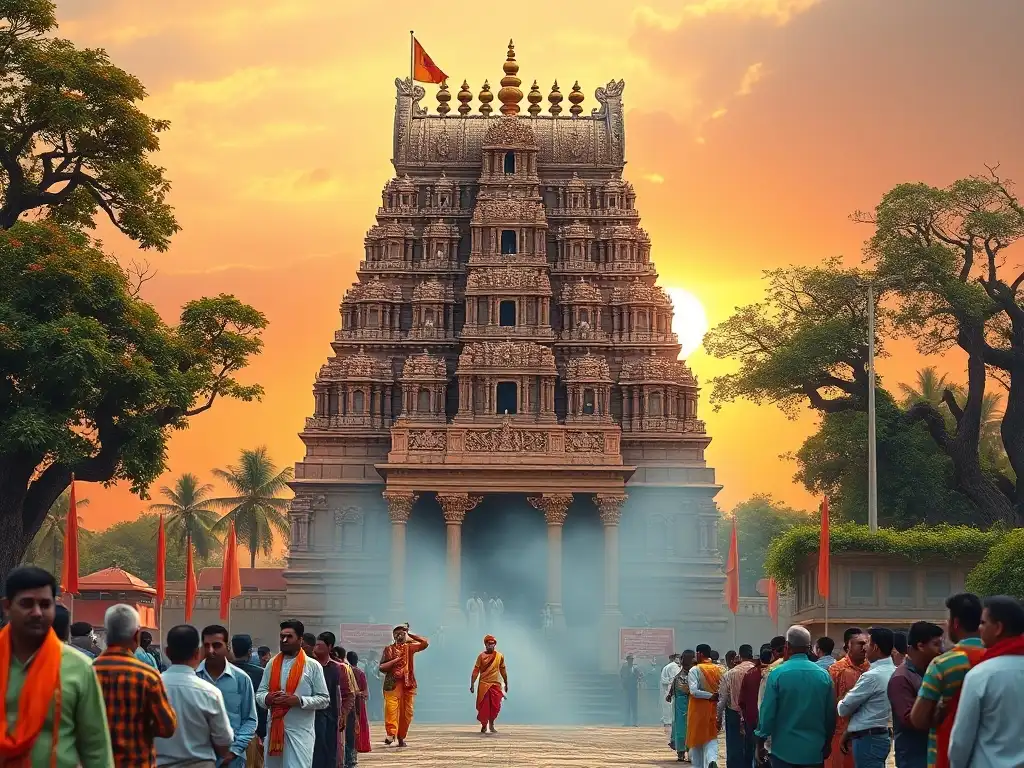
The preservation and conservation of the Jagannath Temple in Puri are vital to maintaining its architectural significance and cultural heritage. This ancient temple, dedicated to Lord Jagannath, has stood for centuries, embodying the artistic and spiritual ethos of ancient Indian civilization. However, the temple faces numerous challenges that threaten its structural integrity and the authenticity of its architectural elements.
Challenges in Maintaining Architectural Integrity
Maintaining the architectural integrity of the Jagannath Temple presents several challenges, including:
- Environmental Factors:
- Weathering: The coastal location of Puri subjects the temple to harsh weather conditions, including humidity, salt spray, and heavy rains. These elements can lead to erosion of stone carvings and deterioration of structural components.
- Seismic Activity: The region is prone to earthquakes, which pose a risk to the stability of the temple's towering structures, particularly the Shikhara (spire).
- Human Impact:
- Tourism Pressure: The temple attracts millions of visitors annually. The sheer volume of foot traffic can lead to wear and tear on pathways and the temple's foundations.
- Pollution: Urbanization around Puri has increased pollution levels, further accelerating the deterioration of the temple's materials.
- Material Degradation:
- Stone Weathering: The primary materials used in the temple's construction, such as sandstone and laterite, are susceptible to weathering over time, leading to loss of detail in intricate carvings.
- Insect Infestation: Termites and other pests can damage wooden structures within the temple complex, necessitating regular inspections and interventions.
- Cultural and Religious Practices:
- Ritual Practices: Daily rituals and festivals involve extensive use of offerings that can create residue and stains, necessitating careful cleaning methods that do not damage the temple's surfaces.
Efforts in Restoration and Preservation
In response to these challenges, several efforts have been initiated to restore and preserve the architectural significance of the Jagannath Temple:
- Regular Maintenance Programs:
- The Odisha state government, along with the Archaeological Survey of India (ASI), conducts periodic maintenance checks to assess the condition of the temple’s structure and carvings. This includes cleaning, repairing, and reinforcing vulnerable sections.
- Use of Traditional Techniques:
- Skilled artisans employ traditional methods of stone carving and restoration, ensuring that any repairs maintain the temple’s original aesthetic and architectural style. This is crucial for preserving the temple's authenticity.
- Research and Documentation:
- Detailed documentation of the temple’s architectural features, carvings, and historical significance is undertaken to better understand its current condition and guide restoration efforts. This research aids in formulating effective conservation strategies.
- Community Involvement:
- Local communities are engaged in the preservation efforts, including educational programs that promote awareness about the temple's historical significance and the importance of conservation. Volunteer programs allow locals and visitors to participate in clean-up and maintenance activities.
- Technological Integration:
- Modern technology, such as 3D scanning and modeling, is being utilized to create digital records of the temple's structure. This data assists in planning restoration efforts and tracking changes over time.
The preservation and conservation of the Jagannath Temple are crucial to safeguarding its architectural significance. Through collaborative efforts involving government bodies, local communities, and skilled artisans, the temple can continue to stand as a testament to the rich cultural and architectural heritage of ancient India.
Conclusion: The Lasting Impact of Jagannath Temple's Architectural Significance
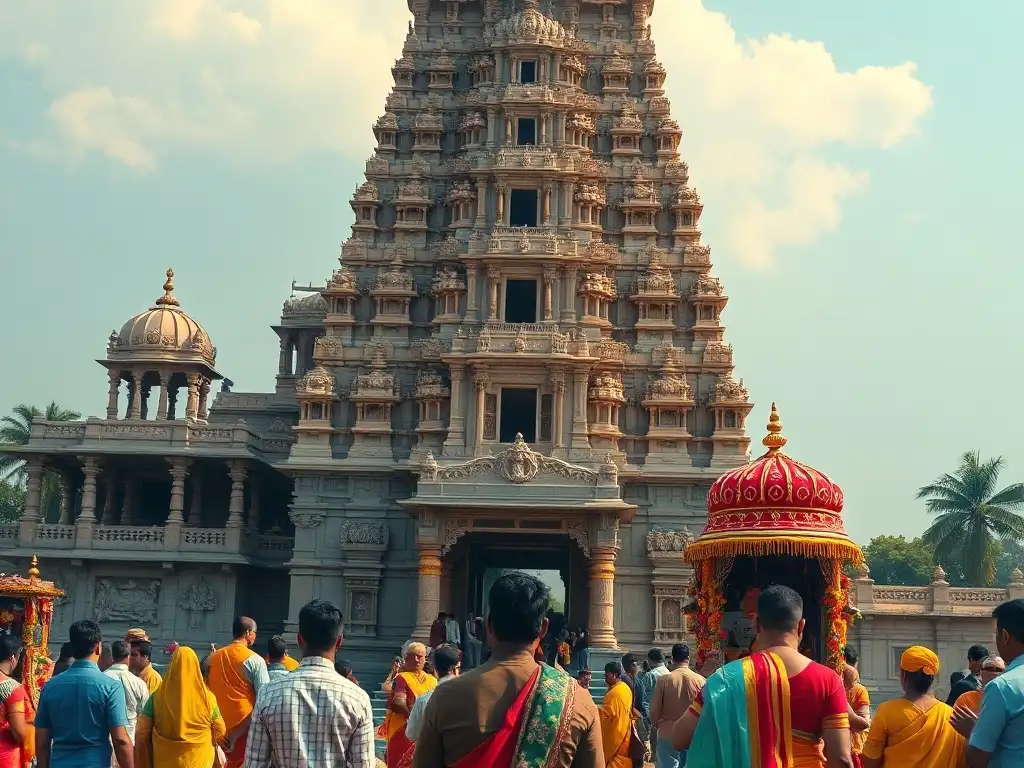
The Jagannath Temple in Puri stands as a monumental testament to the architectural ingenuity of ancient Indian civilizations. Its design and construction reveal a blend of spiritual and artistic expression that has profoundly influenced the architectural landscape of India. The temple's towering spire, intricate carvings, and unique structural elements reflect the unique Kalinga architectural style, which has inspired countless other temples and buildings across the nation.
Furthermore, the architectural significance of the Jagannath Temple extends beyond its physical attributes. It serves as a cultural and religious hub, drawing pilgrims and tourists alike, thereby reinforcing the socio-economic fabric of the region. The temple's architectural design facilitates large gatherings, especially during the famous Rath Yatra, showcasing a seamless integration of functionality and spirituality. This interaction of architecture and community life illustrates how the temple has remained a living entity, adapting to the needs of its devotees while preserving its historical essence.
Reflection on the Legacy of Jagannath Temple in Indian Architecture
The legacy of the Jagannath Temple transcends its immediate geographical location, influencing various architectural styles across India. Its design principles can be observed in numerous temples built in the region, characterized by:
- Vimana (Tower): The temple's towering vimana not only serves an aesthetic purpose but also symbolizes the connection between the earthly and the divine.
- Mandapas (Pillared Halls): The spacious mandapas provide communal spaces that enhance social interactions among devotees.
- Carvings and Iconography: The intricate carvings depicting various deities and mythological scenes have set a benchmark for iconographic representation in temple architecture.
Moreover, the temple's innovative use of local materials has inspired a sustainable architectural approach, emphasizing harmony with the environment. The enduring influence of the Jagannath Temple is evident in the continued reverence for its architectural style, which has become a source of pride for the people of Odisha.
Future Prospects for Research and Preservation
As we look to the future, the preservation of the Jagannath Temple is paramount for both cultural heritage and architectural study. Ongoing research initiatives are crucial for understanding the temple's historical context, construction techniques, and the socio-political environment that shaped its architecture. Areas of focus may include:
- Material Analysis: Investigating the longevity and durability of the materials used in the temple's construction can provide insights into ancient building practices.
- Architectural Restoration Techniques: Developing methods to restore and maintain the temple without compromising its historical integrity is essential for its longevity.
- Cultural Studies: Exploring the temple's role in contemporary society can help bridge the past with present practices, ensuring the temple remains relevant in modern times.
Engagement with local communities and stakeholders will be vital in these efforts, fostering a shared sense of ownership and responsibility for this architectural marvel. As research continues and preservation initiatives unfold, the Jagannath Temple will undoubtedly retain its position as a cornerstone of India's rich architectural heritage.
Frequently Asked Questions
What is the architectural significance of the Jagannath Temple in Puri?
The architectural significance of the Jagannath Temple lies in its unique Kalinga style, which showcases intricate carvings and a distinctive shikhara (tower). It reflects the cultural heritage and religious traditions of ancient India.
How does the Jagannath Temple reflect ancient Indian culture?
The Jagannath Temple embodies the rich traditions of ancient Indian culture through its rituals, festivals, and the worship of Lord Jagannath, which integrate art, architecture, and spirituality.
What are the key architectural features of the Jagannath Temple?
Key architectural features include the massive gateway (Singhadwara), the towering shikhara, and the sacred Brahma Padartha, all of which highlight the artistry and engineering skills of ancient builders.
Why is the Jagannath Temple considered a pilgrimage site?
The Jagannath Temple is a major pilgrimage site for Hindus, attracting millions for its annual Rath Yatra (chariot festival), symbolizing devotion and the spiritual journey of life.
When was the Jagannath Temple built, and what is its historical context?
The current structure of the Jagannath Temple was built in the 12th century, during the reign of King Anantavarman Chodaganga, reflecting the political and cultural dynamics of that era in ancient India.
Final Reflection: The Enduring Legacy of Jagannath Temple's Architectural Significance
The architectural significance of the Jagannath Temple in Puri is not just a relic of the past; it is a living testament to the cultural and spiritual ethos of India today. As we navigate a world increasingly disconnected from its roots, the temple stands as a beacon of tradition, showcasing the intricate artistry and profound symbolism that define our heritage. The grandeur of its design and the meticulous craftsmanship resonate with contemporary audiences, reminding us that architecture is not merely about structures, but about the stories and beliefs they embody.
The influence of the Jagannath Temple extends far beyond its physical presence; it shapes the cultural and social landscape of the region and beyond. The temple serves as a focal point for community gathering, spiritual reflection, and cultural expression, illustrating how architecture can foster a sense of belonging and identity. As the renowned architect Charles Correa once said, Architecture is a language, and it speaks to us in ways that we often do not understand.
This sentiment underscores the importance of the Jagannath Temple as a dialogue between the past and the present, inviting us to explore the deeper meanings behind its design and purpose.
As we reflect on the architectural significance of the Jagannath Temple, let us carry its lessons into our own lives. Consider how the spaces we inhabit can reflect our values, beliefs, and aspirations. I invite you to engage with your surroundings, whether through the appreciation of historical structures or the creation of new spaces that honor cultural narratives. Embrace the opportunity to contribute to a legacy that celebrates not just the beauty of architecture, but the profound connections it fosters within our communities.
Unveil the Mysteries of Jagannath Temple: Take Your Journey Further!
Thank you for exploring the architectural wonders of the Jagannath Temple with us! We hope you’ve gained valuable insights into its rich history and significance. Now, let’s take the next steps to deepen your connection with this marvel and the fascinating heritage of ancient India.
Here’s how you can continue your journey:
- Explore local architectural sites or temples inspired by the Jagannath Temple and document your findings.
- Visit the temple in person if possible – immerse yourself in its beauty and share your experience with friends and family.
- Join a community group or online forum focused on Indian architecture to discuss your thoughts and learn from others.
What aspect of the Jagannath Temple intrigues you the most: its stunning architectural design, the rich traditions it embodies, or the captivating stories behind its construction? Share your thoughts below!