
Techniques of Crop Preservation in Ancient Indian Civilizations

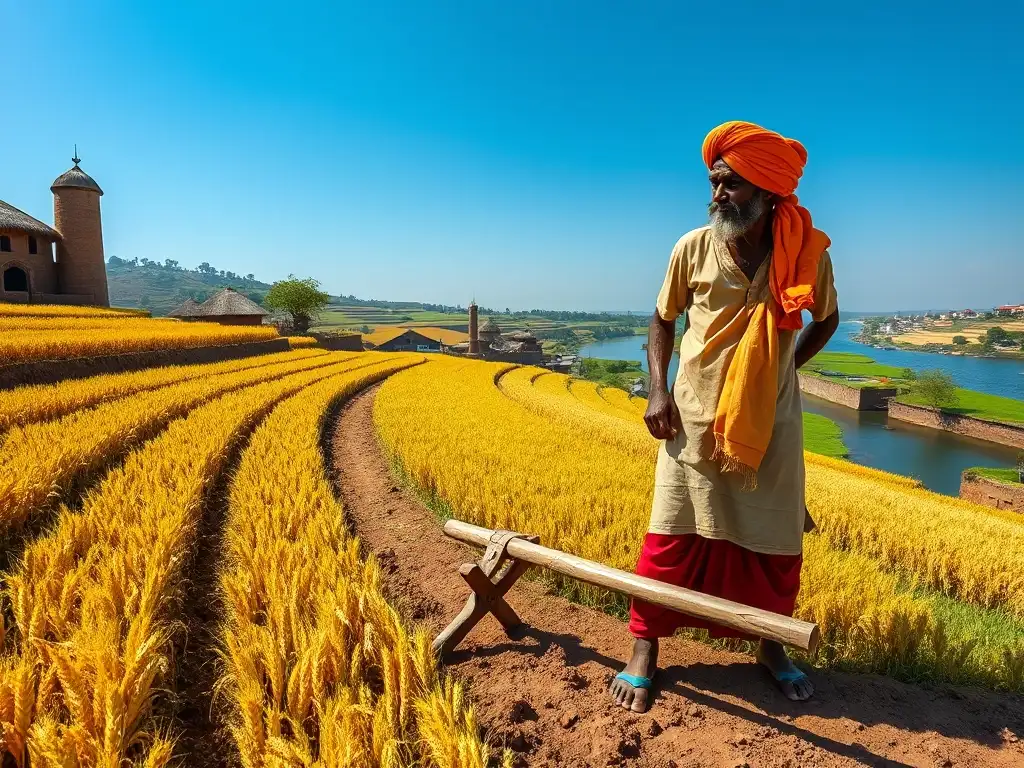
Welcome to Ancient India History, where we embark on a fascinating journey through the rich tapestry of India’s past. Dive into the intricate world of crop preservation methods in ancient India, a testament to the ingenuity and resourcefulness of civilizations that thrived long before modern advancements. How did our ancestors safeguard their harvests against the challenges of nature? What techniques did they employ to ensure a sustainable food supply? Join us as we unravel these intriguing questions and uncover the remarkable contributions of ancient Indian societies to agriculture and economy. Your exploration begins here!
- Introduction to Crop Preservation Methods in Ancient India
- Major Crop Preservation Techniques in Ancient India
- Role of Climate and Geography in Crop Preservation
- Cultural Significance of Crop Preservation
- Case Studies of Crop Preservation in Specific Civilizations
- Lessons Learned from Ancient Indian Crop Preservation Methods
- Conclusion
-
Frequently Asked Questions
- What were some common crop preservation methods used in ancient India?
- How did ancient Indians ensure the quality of their preserved crops?
- What role did the climate play in crop preservation techniques?
- Were there any cultural practices associated with crop preservation?
- How did the knowledge of crop preservation impact ancient Indian society?
- Final Reflection: The Enduring Legacy of Crop Preservation in Ancient India
- Embrace the Wisdom of Ancient Crop Preservation!
Introduction to Crop Preservation Methods in Ancient India
The techniques of crop preservation in ancient Indian civilizations are a testament to the ingenuity and resourcefulness of societies that thrived in a diverse and often challenging environment. From the flourishing Indus Valley Civilization to the sophisticated agricultural practices of the Gupta Empire, ancient India developed various methods to ensure the sustainability and longevity of their crops.
Understanding these crop preservation methods not only sheds light on the agricultural practices of the time but also highlights the cultural and economic significance of agriculture in shaping society. This article delves into the various techniques employed by ancient Indians to preserve their harvests, ensuring food security and supporting population growth.
Importance of Crop Preservation in Ancient Civilizations
Crop preservation was crucial for ancient civilizations, particularly in a land as diverse as India, where monsoons and climate variations posed challenges to agricultural stability. The significance of these methods can be summarized as follows:
- Food Security: Effective crop preservation techniques ensured that surplus produce could be stored for lean seasons, preventing famine and supporting population growth.
- Economic Stability: By maintaining a steady food supply, ancient societies could engage in trade, enhancing their economic interactions with neighboring regions.
- Cultural Practices: Crop preservation was often intertwined with cultural and religious practices, with certain methods being passed down through generations, reflecting the values and beliefs of the society.
Overview of Ancient Indian Agricultural Practices
Ancient Indian agricultural practices were characterized by a deep understanding of the environment and innovative techniques to maximize yield. Key aspects include:
- Crop Rotation: Farmers practiced crop rotation to maintain soil fertility and prevent pest infestations. This technique involved alternating different types of crops in the same field over successive seasons.
- Irrigation Systems: The development of sophisticated irrigation systems, including canals and wells, allowed farmers to cultivate crops in drier regions and ensured a consistent water supply.
- Natural Fertilizers: The use of organic materials such as cow dung and compost enriched the soil, promoting healthier crop growth.
- Harvesting Techniques: Ancient Indians employed various harvesting methods, often using sickles made from metal or stone, which increased efficiency and reduced crop loss.
- Storage Solutions: Techniques for storing grains included burying them in pits, using wooden granaries, and employing natural preservatives such as neem leaves to deter pests.
By exploring these practices, we gain insights into the agricultural sophistication of ancient Indian civilizations and their enduring contributions to crop preservation methods.
Major Crop Preservation Techniques in Ancient India
Use of Traditional Storage Methods
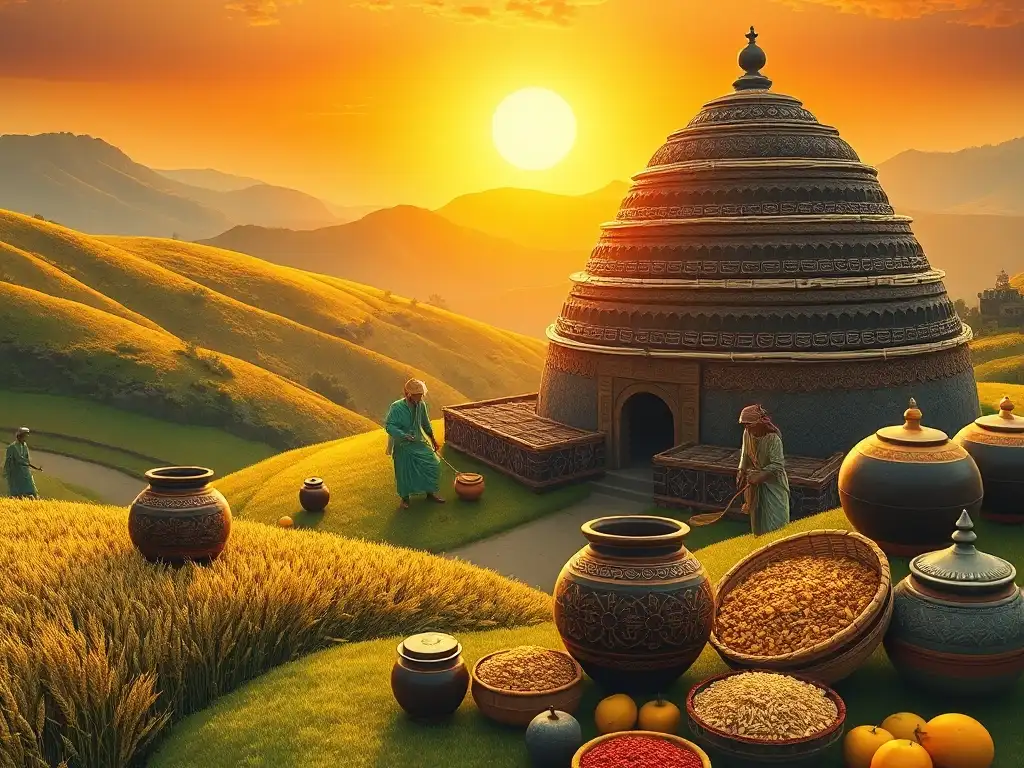
In ancient India, effective crop preservation was crucial for ensuring food security and sustaining agricultural practices. Various traditional storage methods were developed to minimize spoilage and maintain the quality of harvested produce. These methods not only showcased the ingenuity of ancient civilizations but also laid the foundation for modern agricultural practices.
Granaries and Their Construction
Granaries played a pivotal role in the storage of grains across ancient Indian civilizations. Constructed from locally available materials, these structures were designed to protect the crops from pests, moisture, and environmental damage.
- Materials Used: Granaries were often built using mud, wood, or stone, depending on the regional resources. The walls were thick to provide insulation against temperature fluctuations.
- Design Features: The design typically included raised floors to prevent moisture accumulation and a ventilated roof to allow airflow, which helped in reducing humidity levels.
- Location Considerations: Granaries were strategically located away from water sources to avoid dampness and were often situated on elevated ground to protect against flooding.
These granaries allowed ancient civilizations to store surplus grains, which were crucial during periods of drought or poor harvests.
Clay Storage Pots and Their Benefits
In addition to granaries, ancient Indians utilized clay pots for storing smaller quantities of grains and seeds. These pots offered several advantages:
- Breathability: Clay pots allowed for air circulation, which reduced the chances of moisture buildup and subsequent mold growth.
- Pest Resistance: The thickness of clay provided a natural barrier against insects and rodents, safeguarding the stored produce.
- Temperature Regulation: Clay has natural insulating properties that help maintain a stable internal temperature, further preserving the quality of the grains.
These pots were often treated with natural resins or oils to enhance their protective qualities, showcasing the innovative approaches to crop preservation in ancient India.
Natural Preservation Techniques
Ancient Indian civilizations also employed various natural preservation techniques that leveraged the environment and resources available to them. These methods were not only sustainable but also effective in extending the shelf life of crops.
Sun-Drying Methods for Grains
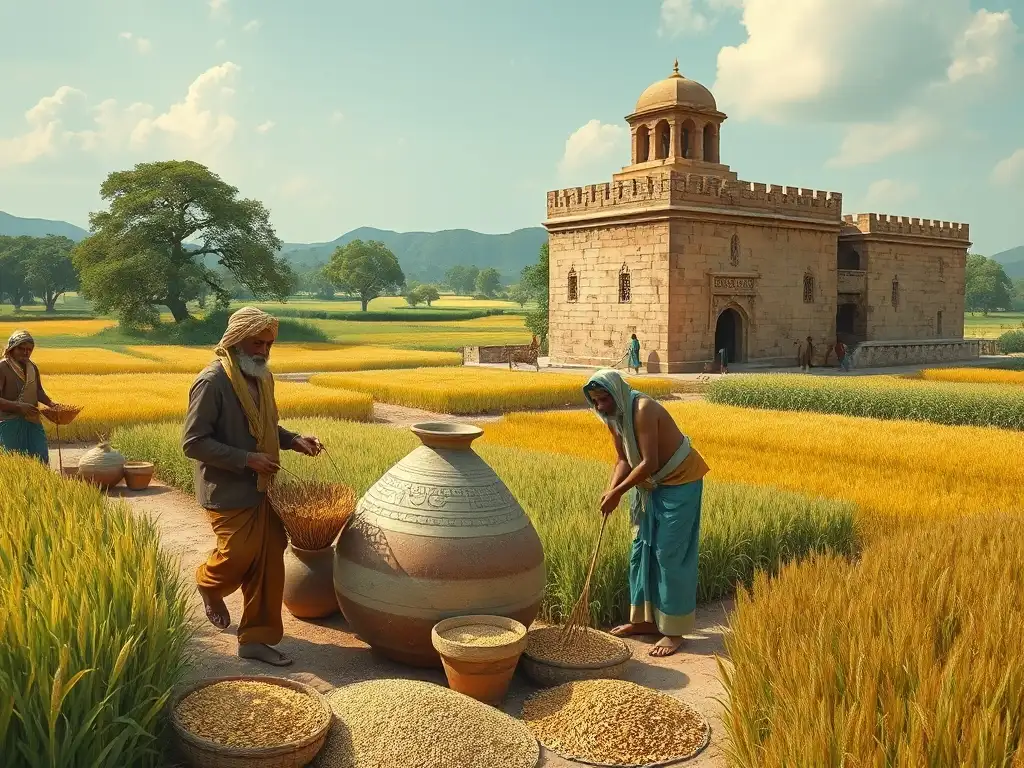
Sun-drying was a widely practiced method for preserving grains and other agricultural products. This technique involved spreading harvested crops under the sun to reduce moisture content.
- Process: Crops such as rice, wheat, and pulses were spread on clean surfaces, typically on mats or tarps, to allow sunlight to evaporate excess moisture.
- Duration: The drying process could take several hours to a few days, depending on the humidity levels and the type of grain.
- Benefits: Sun-drying not only preserved the grains but also enhanced their flavor and nutritional value. It was a cost-effective method that required no special equipment.
This technique exemplifies the resourcefulness of ancient Indian farmers in utilizing natural elements for crop preservation.
Use of Salt and Other Natural Preservatives
Salt and other natural preservatives were integral to ancient Indian crop preservation practices. Salt, in particular, was highly valued for its ability to inhibit microbial growth.
- Preservation Process: Grains and vegetables were often mixed with salt to draw out moisture, thereby extending their shelf life. In some cases, salt was also used to create brines for preserving perishable items.
- Other Natural Preservatives: Ingredients like turmeric, which has antimicrobial properties, were also used in food preservation. The application of these natural substances not only aided in preservation but also added flavor and health benefits.
These natural preservation techniques highlight the deep understanding ancient Indian civilizations had of their environment and resources, showcasing their innovative approaches to agriculture and food security.
Role of Climate and Geography in Crop Preservation

The preservation of crops in ancient Indian civilizations was heavily influenced by the diverse climatic conditions and geographical features of the subcontinent. From the arid deserts of Rajasthan to the fertile plains of the Ganges, each region developed specific methods to ensure the longevity and quality of harvested crops. Understanding these geographical and climatic factors is essential to grasp the evolution of crop preservation techniques in ancient India.
Influence of the Indian Monsoon on Agricultural Practices
The Indian monsoon plays a crucial role in shaping agricultural practices across the region. With two primary monsoon seasons—the southwest monsoon (June to September) and the northeast monsoon (October to December)—the timing and intensity of rainfall directly affected crop yields.
- Timing of Harvest: Farmers had to carefully plan their sowing and harvesting schedules in alignment with the monsoon. Successful harvests were often collected before the onset of heavy rains, which could spoil crops.
- Storage Techniques: To mitigate the effects of moisture during the monsoon, ancient Indians developed storage techniques that included:
- Use of Granaries: Elevated, well-ventilated granaries helped keep harvested grains dry and protected from pests.
- Natural Preservatives: Farmers often used substances like salt, ash, or turmeric to coat grains, which acted as natural preservatives against spoilage and pest infestation.
- Irrigation Practices: Regions that received less rainfall depended heavily on irrigation systems. The construction of canals and reservoirs allowed for controlled water supply, which ensured better crop quality and enhanced preservation.
Regional Variations in Preservation Techniques
Ancient India was home to a multitude of cultures and practices, leading to a rich tapestry of crop preservation techniques that varied by region. Here are some notable examples:
- Indus Valley Civilization: Archaeological findings suggest that the people of the Indus Valley utilized sophisticated storage systems, such as large granaries made from baked bricks. These structures were designed to minimize exposure to moisture and pests.
- Southern India: In the Deccan Plateau, farmers often practiced sun-drying techniques. Crops like millets and pulses were spread out in the sun post-harvest to reduce moisture content, making them less prone to spoilage.
- Eastern India: The fertile regions of Bengal were known for their extensive use of bamboo baskets and storage pits. These containers allowed for good airflow while protecting crops from humidity, which is prevalent in this area due to heavy rainfall.
- Western India: In arid regions like Rajasthan, farmers used earthen pots to store grains. These pots were often buried underground to maintain a stable temperature and protect the grains from the harsh desert climate.
The interplay between climate, geography, and cultural practices led to the development of diverse and innovative crop preservation methods in ancient India. By adapting to their specific environments, ancient civilizations not only ensured food security but also laid the groundwork for future agricultural advancements.
Cultural Significance of Crop Preservation
Crop preservation in ancient India was not merely a practical necessity but also a deeply rooted cultural practice that intertwined with the spiritual and social fabric of the time. The methods employed for preserving crops were often influenced by local customs and traditions, reflecting the community's respect for the earth and its bounties.
Rituals and festivals played a crucial role in ancient Indian societies, acting as a means to honor agricultural cycles and ensure bountiful harvests. Several festivals specifically celebrated crop preservation and the transition of seasons, emphasizing the community's gratitude towards nature.
- Pongal: Celebrated primarily in Tamil Nadu, this harvest festival marks the end of the winter solstice and the beginning of the sun's northward journey. During Pongal, rice is boiled in new pots to make a dish also called Pongal, symbolizing prosperity and the importance of crop preservation.
- Makar Sankranti: This festival marks the transition of the sun into the zodiac sign of Capricorn and celebrates the harvest of winter crops. People perform rituals to thank the sun and offer prayers for a good harvest, reinforcing the significance of crop preservation.
- Onam: In Kerala, Onam is a harvest festival that includes various rituals and traditional games. It emphasizes the significance of rice cultivation and the preservation of crops, with elaborate feasts showcasing rice dishes.
These festivals underscore the communal aspect of agriculture, where crop preservation methods were often shared knowledge passed down through generations. The rituals associated with these celebrations often included prayers for good weather and protection against pests, thus intertwining spirituality with agricultural practices.
Impact on Ancient Indian Economy and Society
The techniques of crop preservation had far-reaching effects on the economy and society of ancient India. Efficient preservation methods allowed communities to manage food resources, ensuring stability and sustainability.
- Food Security: By employing various crop preservation methods, such as drying, fermenting, and storage in earthenware pots, ancient Indians could store surplus grains, ensuring food security during lean seasons. This practice minimized the risk of famine and helped sustain populations.
- Trade and Commerce: The ability to preserve crops effectively played a vital role in trade. Grains and preserved foods became valuable commodities, facilitating trade between regions. The flourishing trade routes, including those of the Indus Valley Civilization, were partly sustained by the exchange of preserved agricultural products.
- Social Structure: Crop preservation contributed to the development of social hierarchies. Communities that mastered these techniques often gained economic advantages, leading to wealth accumulation and the rise of influential families or leaders. This stratification influenced societal roles, with specialized roles emerging for farmers, traders, and artisans.
- Cultural Exchange: As trade flourished, so did the exchange of agricultural knowledge and crop preservation techniques. Different regions contributed their unique methods, enriching the agricultural practices across ancient India. This cultural exchange fostered innovation and adaptability among farming communities.
The cultural significance of crop preservation in ancient India was multifaceted, impacting rituals, economic stability, and societal structures. The interplay between agricultural practices and cultural values created a resilient framework that supported ancient Indian civilizations.
Case Studies of Crop Preservation in Specific Civilizations
Crop Preservation in the Indus Valley Civilization
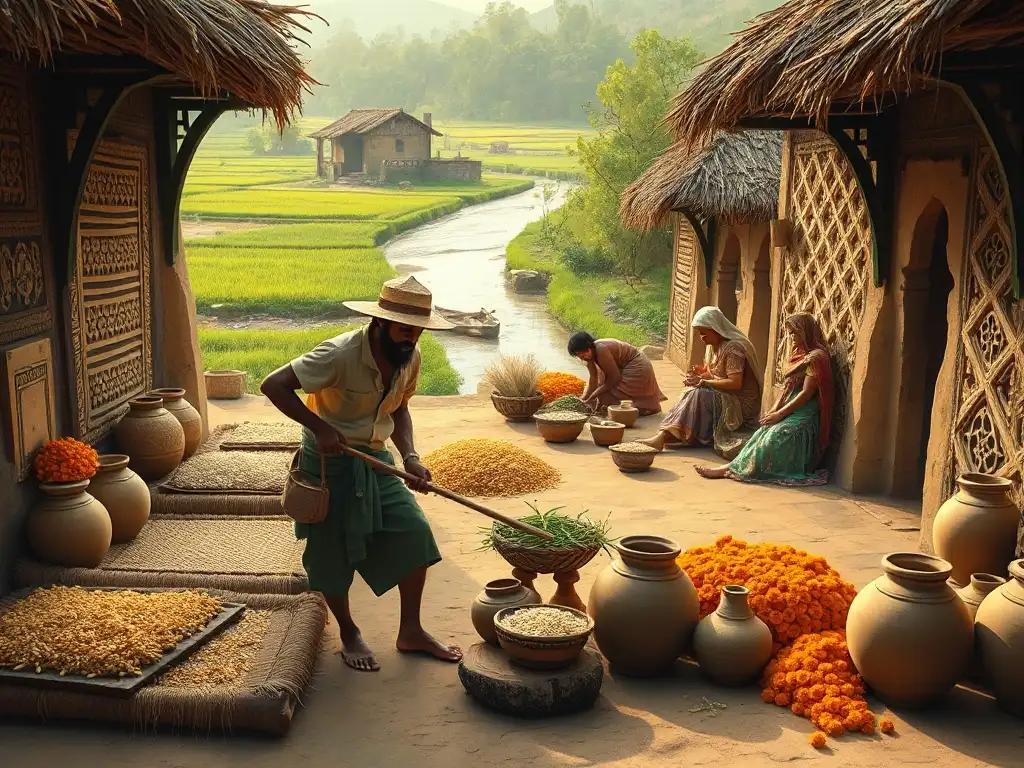
The Indus Valley Civilization, which thrived around 2500 BCE, is renowned for its advanced urban planning and sophisticated agricultural practices. One of the critical aspects of their agriculture was effective crop preservation methods. Archaeological evidence suggests that these early farmers implemented several techniques to ensure the longevity of their harvested crops.
- Granary Construction: The Indus Valley inhabitants built large, well-ventilated granaries with brick walls. These structures were elevated above the ground to prevent moisture accumulation and protect the grains from pests. The town of Harappa features some of the most notable examples, with granaries strategically located near the fields.
- Storage Containers: They used clay pots and baskets for storing grains. These containers were coated with natural preservatives, such as cow dung, which acted as an insect repellent. Research indicates that the use of such organic materials not only preserved the grains but also maintained their nutritional quality.
- Drying Techniques: Before storage, crops were thoroughly dried in the sun. This practice significantly reduced moisture content, which is crucial in preventing mold and decay. The strategic timing of harvest, aligned with seasonal patterns, also played a vital role in maximizing the effectiveness of drying.
- Seed Selection: The Indus Valley farmers practiced selective breeding of crops, focusing on high-yield varieties with better resistance to pests and diseases. This method ensured a more robust harvest, reducing waste and spoilage.
These crop preservation methods in the Indus Valley Civilization laid the groundwork for future agricultural practices in ancient India, demonstrating a deep understanding of environmental conditions and resource management.
Techniques Used During the Mauryan Empire
The Mauryan Empire, flourishing from 322 to 185 BCE, is another pivotal period in ancient Indian history where crop preservation methods were refined and expanded. During this time, several innovative techniques emerged, reflecting both the empire's economic priorities and advancements in agricultural technology.
- Government Regulation: The Mauryan administration implemented policies to regulate grain storage and distribution. The Arthashastra, an ancient treatise by Kautilya, outlines methods for managing grain reserves, including the establishment of state granaries that ensured a stable supply during shortages.
- Use of Natural Preservatives: Farmers during the Mauryan Empire employed various natural substances, such as neem leaves and turmeric, to treat stored grains. These materials not only preserved the grains but also acted as natural pesticides, deterring insects and rodents.
- Innovative Irrigation Methods: The Mauryan period saw advancements in irrigation, promoting healthier crop yields. The use of canals and water reservoirs minimized crop loss due to drought and allowed for better control over crop cultivation cycles, indirectly improving preservation by ensuring timely harvests.
- Community Granaries: The establishment of communal granaries fostered a sense of cooperation among farmers, where surplus grain could be stored and accessed during lean seasons. This communal approach helped mitigate the risks associated with crop failure, ensuring food security across the empire.
These techniques not only improved crop preservation during the Mauryan Empire but also contributed to the overall agricultural productivity of ancient India, setting standards for future civilizations.
Innovations in Crop Preservation During the Gupta Period
The Gupta Empire, often referred to as the Golden Age of India (approximately 320 to 550 CE), introduced remarkable innovations in crop preservation that had lasting effects on agricultural practices. This era is characterized by advancements in science, technology, and cultural achievements, which also extended to agriculture.
- Scientific Approaches: Scholars during the Gupta period made significant contributions to agronomy. Texts like "Krishi Parashara" highlighted the importance of understanding soil types and climatic conditions for crop preservation, encouraging farmers to adapt their practices accordingly.
- Fermentation Techniques: The Gupta farmers began experimenting with fermentation processes to create organic fertilizers, which enhanced soil fertility and crop resilience. This not only improved yields but also reduced the dependency on chemical preservatives, promoting sustainable agriculture.
- Storage Innovations: The Gupta civilization saw the evolution of storage methods, including the development of airtight containers made from clay and metal. These containers provided better protection against pests and environmental factors compared to earlier methods, significantly improving the shelf life of grains.
- Crop Rotation Practices: To maintain soil health and maximize production, Gupta farmers adopted crop rotation practices. This technique reduced soil exhaustion and pest prevalence, indirectly aiding in crop preservation by ensuring that the soil remained fertile for future harvests.
Through these innovations, the Gupta Empire not only advanced crop preservation methods but also enhanced the overall agricultural framework, contributing to the prosperity and stability of ancient Indian civilization.
Lessons Learned from Ancient Indian Crop Preservation Methods
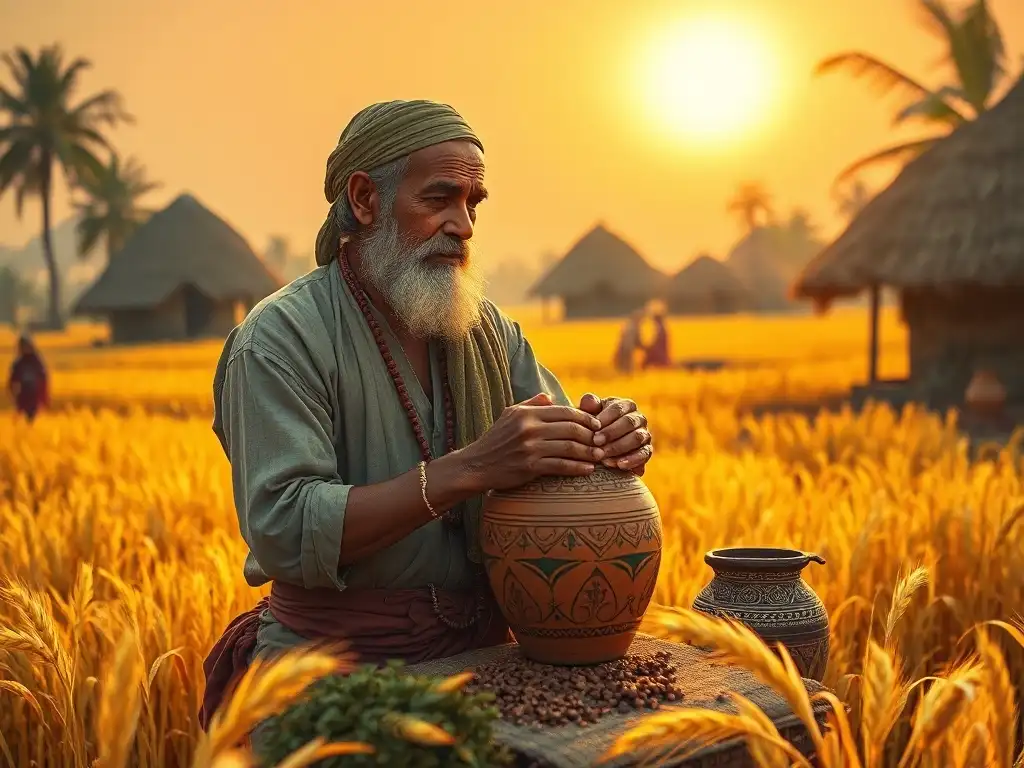
The crop preservation methods of ancient India reveal a wealth of knowledge that can be beneficial to modern agricultural practices. Ancient civilizations in India, notably the Indus Valley and those during the Vedic period, developed innovative techniques to store and preserve a variety of crops. Understanding these methods not only highlights the sophistication of ancient agricultural practices but also provides insights into sustainable farming.
Relevance to Modern Agricultural Practices
One of the most significant lessons from ancient Indian crop preservation techniques is the emphasis on natural methods. Ancient farmers relied heavily on local resources and the environment to enhance the durability of their harvests. For example, the use of earthen pots for storing grains is a practice that demonstrated effective moisture control and air circulation. This method minimized spoilage, preventing the grains from becoming infested with pests or molding.
Additionally, ancient Indians adopted methods such as sun drying and smoking to preserve fruits and vegetables. Sun drying, particularly for items like tomatoes and mangoes, not only extended the shelf life but also intensified flavors, making them a staple in various cuisines. The practice of smoking grains with herbs and leaves also served dual purposes: preservation and imparting unique flavors.
These techniques resonate with modern sustainable practices that aim to reduce reliance on chemical preservatives and promote organic farming. For instance, methods like controlled atmosphere storage are now being seen as modern equivalents of ancient practices, showcasing a shift towards eco-friendly agricultural solutions.
Sustainable Practices Inspired by Ancient Techniques
The sustainability inherent in ancient Indian crop preservation methods offers valuable insights for contemporary agriculture. Here are some notable practices that can inspire modern techniques:
- Natural Pest Control: Ancient farmers often utilized natural repellents made from local herbs and plants to deter pests. This practice is echoed today in integrated pest management systems that prioritize biological control over chemical pesticides.
- Crop Rotation: The Vedic texts indicate that crop rotation was practiced to maintain soil fertility and control pests. This ancient wisdom aligns with current sustainable practices that emphasize diversity in planting to enhance soil health.
- Storage Techniques: Innovations such as using clay pots and bamboo baskets for storing grains can be revisited in modern contexts. These materials are biodegradable and less harmful to the environment compared to plastic storage solutions.
- Community Sharing: The tradition of community granaries, where surplus grains were stored collectively, not only ensured food security but also fostered community resilience. Modern agricultural policies could benefit from similar communal approaches, promoting shared resources and local food systems.
The crop preservation methods of ancient India emphasize the importance of sustainability, community, and environmental harmony. By learning from these ancient techniques, modern agriculture can adopt more sustainable practices that respect both the land and the communities that depend on it. This not only helps to reduce the carbon footprint of farming but also ensures that agricultural practices remain viable for future generations.
Conclusion
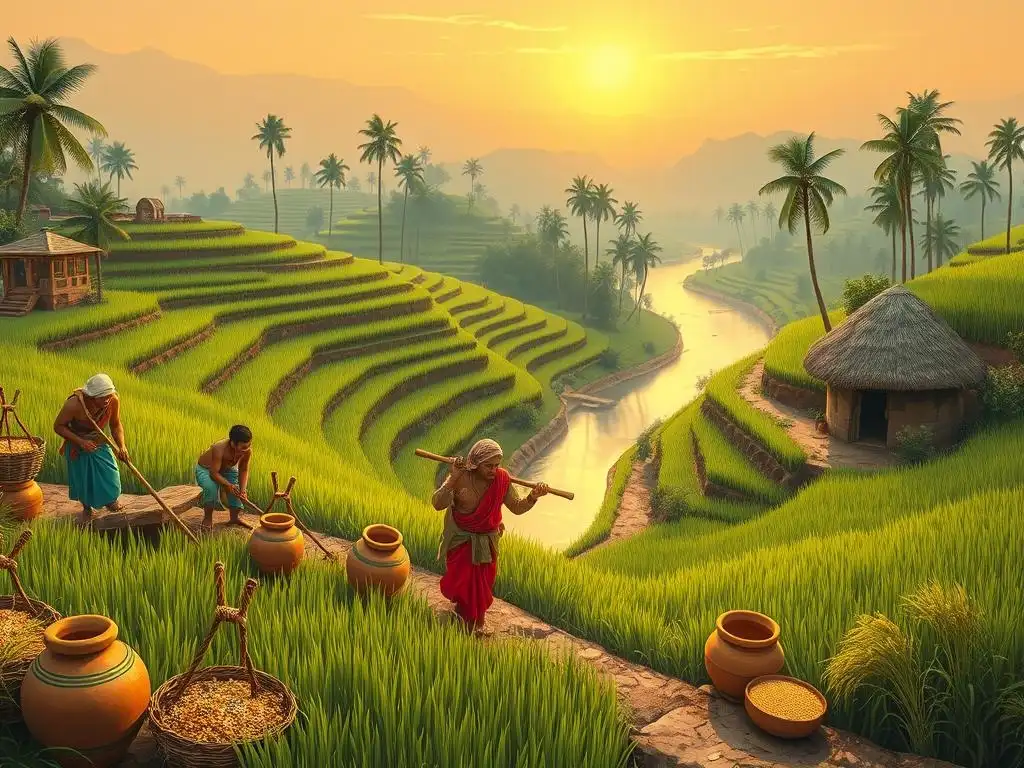
Summary of Key Crop Preservation Methods in Ancient India
The agricultural practices of ancient India were marked by a variety of innovative crop preservation methods that allowed civilizations to maintain food security and sustain their populations. These methods were not only practical but also demonstrated a deep understanding of the environmental conditions and the science of agriculture. Here are some of the key techniques employed:
- Storage in Granaries: Ancient Indians constructed granaries made from mud and bricks, designed to keep grains dry and safe from pests. The use of airtight containers helped in minimizing spoilage.
- Use of Natural Preservatives: Various natural substances, such as salt, were used to preserve food. Salted grains would last longer, while herbs and spices were added to prevent spoilage and enhance flavor.
- Drying and Sun Curing: Crops like lentils and pulses were often sun-dried to reduce moisture content, preventing mold and decay. This method extended the shelf life of these valuable food sources.
- Fermentation: Techniques such as fermentation were employed to not only preserve food but also enhance its nutritional value. For example, fermented grains were common in several regions, providing both sustenance and flavor.
- Traditional Crop Rotation: To maintain soil fertility and reduce pest populations, ancient farmers practiced crop rotation. By alternating crops, they minimized the risk of disease and maximized yield.
These methods underscore the ingenuity of ancient Indian civilizations in ensuring food preservation, paving the way for agricultural practices that are still relevant today.
The Legacy of Ancient Indian Agricultural Innovations
The innovations in crop preservation methods from ancient India have left a lasting legacy that continues to influence modern agricultural practices. The principles established thousands of years ago reflect a sophisticated understanding of ecology and sustainability. Here are some key points highlighting their enduring impact:
- Sustainable Practices: Techniques such as crop rotation and the use of natural preservatives align with current sustainable farming practices. These methods emphasize the importance of maintaining soil health and reducing reliance on chemical inputs.
- Food Security: The ability to preserve crops effectively contributed to food security in ancient times, a principle that remains crucial today as the world faces challenges related to population growth and climate change.
- Cultural Significance: Many of these agricultural methods are deeply intertwined with cultural traditions and rituals in India, showcasing the importance of agriculture in shaping societal norms and practices.
- Research and Development: Modern agricultural scientists often look to ancient practices for inspiration, using them as a foundation for developing innovative solutions to contemporary agricultural challenges.
The crop preservation methods of ancient India not only ensured the survival of civilizations but also laid the groundwork for future agricultural advancements. Their legacy is a testament to the resourcefulness and knowledge of ancient Indian farmers, whose practices continue to resonate in today's agricultural discourse.
Frequently Asked Questions
What were some common crop preservation methods used in ancient India?
Ancient Indian civilizations utilized various techniques such as drying, fermentation, and storage in sealed containers to ensure the longevity of their crops.
How did ancient Indians ensure the quality of their preserved crops?
They employed methods like natural refrigeration, using cool, dark places, and incorporating herbs and spices to repel pests and maintain flavor.
What role did the climate play in crop preservation techniques?
The diverse climates of ancient India influenced preservation methods; for instance, dry regions favored drying techniques, while humid areas required fermentation to prevent spoilage.
Were there any cultural practices associated with crop preservation?
Yes, many ancient Indian communities integrated religious rituals and festivals that celebrated harvests, which often included traditional preservation methods as part of their cultural identity.
How did the knowledge of crop preservation impact ancient Indian society?
The development of effective crop preservation methods allowed ancient Indian civilizations to ensure food security, support larger populations, and engage in trade, strengthening their economy and society.
Final Reflection: The Enduring Legacy of Crop Preservation in Ancient India
The techniques of crop preservation developed in ancient Indian civilizations are not just relics of the past; they are vital practices that resonate with our contemporary challenges in food security and sustainability. As we face the pressing issues of climate change and population growth, the wisdom embedded in these ancient methods offers invaluable insights into how we can cultivate resilience in our agricultural practices today. The ingenuity and foresight of our ancestors remind us that innovation often lies in the embrace of tradition.
The impact of these ancient crop preservation methods extends far beyond their historical context; they continue to shape our cultural and social landscapes in profound ways. The principles of sustainability and respect for nature that were integral to these practices are increasingly relevant as we seek to balance modern agricultural demands with ecological stewardship.
As Mahatma Gandhi once said, “The earth provides enough to satisfy every man's needs, but not every man's greed.” This quote encapsulates the essence of ancient practices that prioritized harmony with the environment, urging us to reflect on our current consumption patterns and their long-term implications.
As we conclude this exploration of crop preservation methods from ancient India, I invite you to reflect on how these time-honored techniques can inspire your own approach to sustainability. Consider how you can incorporate these lessons into your daily life, whether through mindful consumption, supporting local agriculture, or advocating for sustainable practices in your community. By honoring the legacy of our ancestors, we can forge a path toward a more sustainable future, ensuring that the wisdom of the past continues to nourish generations to come.
Embrace the Wisdom of Ancient Crop Preservation!
Thank you for diving into the fascinating world of crop preservation techniques from ancient Indian civilizations! Now that you’ve discovered how these innovative practices have nourished societies and inspired sustainable farming, it’s time to put this knowledge into action.
Here are a few steps you can take to connect more deeply with this rich heritage:
- Experiment with an ancient preservation technique: Choose one of the methods you learned about and try it out in your own garden or kitchen this season. You might be surprised at the results!
- Share your newfound knowledge: Discuss what you've learned with friends or on social media. Inspire others to appreciate these ancient practices by sharing compelling facts or your personal experiences.
- Join a local farming community: Engage with others who are passionate about sustainability and traditional practices. Collaborating can lead to shared ideas and greater insights into crop preservation!
How do you think these ancient techniques could influence modern farming practices today? **Your thoughts and insights are valuable, so feel free to share them below! **