
The Philosophical Underpinnings of Sangam Literature: Insights from Ancient Thinkers

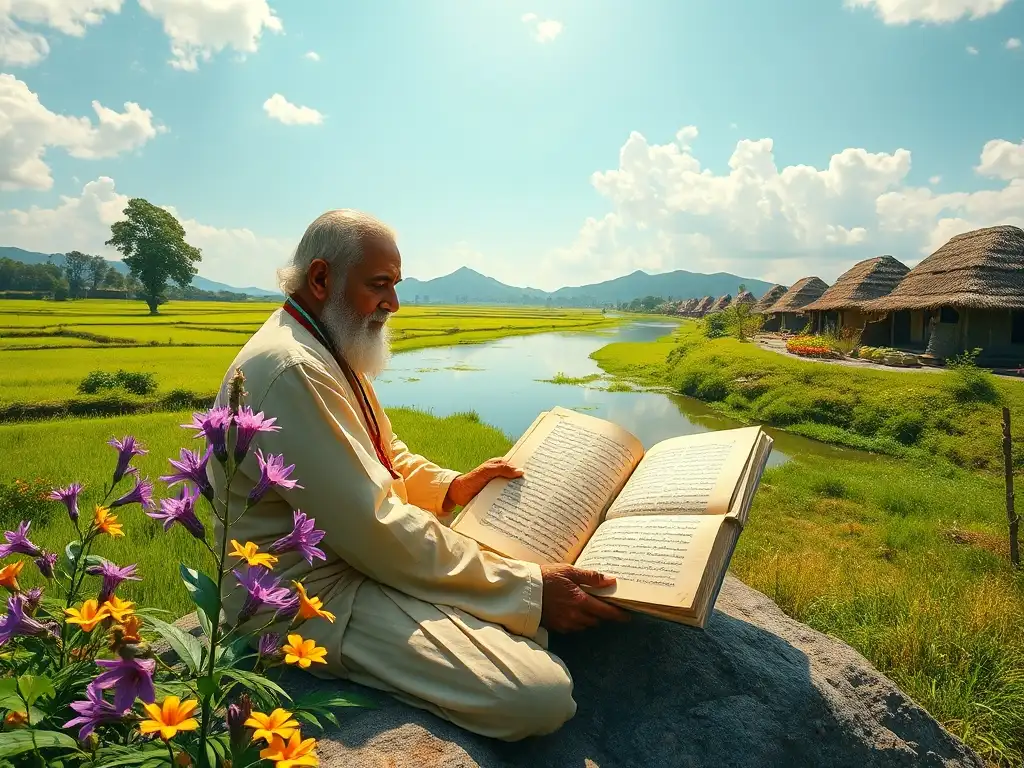
Welcome to Ancient India History, where we embark on a journey through the rich tapestry of ancient Indian civilizations. Our exploration today focuses on the captivating realm of Sangam literature, a treasure trove of philosophical insights that not only reflects the thoughts of ancient thinkers but also reveals the profound cultural currents of the time. What wisdom lies within these verses?
How do they shape our understanding of ancient Indian thought? Join us as we delve deeper into the intricate layers of this literary heritage and uncover the philosophical underpinnings that continue to resonate through the ages. Your adventure into the depths of ancient wisdom starts here!

Introduction to Sangam Literature
Sangam literature, a remarkable corpus of ancient Tamil poetry, offers a profound insight into the cultural, social, and philosophical dimensions of early South Indian civilization. Composed between 300 BCE and 300 CE, these texts reflect the rich tapestry of human experiences and the philosophical dialogue that shaped the lives of the people during the Sangam era.
The significance of Sangam literature philosophical insights lies not only in its artistic expression but also in its exploration of existential queries, ethical dilemmas, and the intricate relationships between humanity and nature. This article delves into the philosophical foundations present in Sangam literature, drawing connections to the thoughts of ancient thinkers and highlighting their relevance in understanding the complexities of life and society.
Overview of Sangam Literature
Sangam literature consists of a collection of poems, categorized into two main classes: Aham (inner) and Puram (outer). The Aham poems focus on personal emotions, love, and relationships, while the Puram poems address themes of valor, governance, and social responsibilities. The poetry emanates from a rich tradition of Tamil culture, encompassing various genres that reflect the linguistic, artistic, and philosophical heritage of the Tamil people. The works of renowned poets like Ilango Adigal, Kapilar, and Auvaiyar showcase a blend of literary elegance and profound philosophical inquiry, making Sangam literature a critical area of study for understanding ancient Indian thought.
Historical Context of Sangam Era
The Sangam era was marked by the emergence of Tamil kingdoms and the flourishing of trade and cultural exchanges across the Indian subcontinent and beyond. This period witnessed significant developments in agriculture, urbanization, and the arts, creating a vibrant society that valued intellectual pursuits. The political landscape, characterized by the rule of dynasties such as the Cholas, Pandyas, and Cheras, provided a nurturing environment for poets and thinkers to express their ideas. The historical context of the Sangam era is essential for grasping the philosophical discourse that permeates its literature, reflecting the values and challenges of the time.
Significance of Philosophy in Sangam Texts
Philosophy in Sangam literature is not merely an abstract exploration of ideas; it is deeply intertwined with the lived experiences of individuals and communities. The texts engage with fundamental questions about existence, morality, and the essence of love, making them rich sources of philosophical thought. The poets employed various literary devices to convey complex ideas, often using metaphors and allegories that resonate with both personal and universal themes. By examining the philosophical significance in Sangam texts, we uncover a treasure trove of insights that continue to inspire contemporary thought.
Key Philosophical Themes in Sangam Literature
Nature of Existence and Reality
One of the central philosophical inquiries in Sangam literature revolves around the nature of existence and reality. The poets often reflect on the transient nature of life, highlighting the impermanence of human experiences. Through vivid imagery and evocative language, they explore themes of birth, death, and the cyclical nature of existence. This philosophical contemplation serves as a reminder of the fleeting moments of joy and sorrow that shape human life, encouraging readers to embrace the present.
Moral and Ethical Considerations
Sangam literature is rich in moral and ethical considerations, often presenting dilemmas that challenge the characters' virtues and values. The texts emphasize the importance of dharma (righteousness) and the consequences of one's actions, suggesting that ethical conduct is paramount for social harmony. Through narratives and poetic expressions, the poets engage in discussions about justice, duty, and the responsibilities of individuals towards their community and society at large.
The Concept of Love and Relationships
Love, both romantic and platonic, occupies a significant place in Sangam literature, serving as a vehicle for philosophical exploration. The poets delve into the complexities of human emotions, articulating various expressions of love and the impact of relationships on personal identity. The concept of "kaḷavu" (separation) and the yearning for connection are recurring themes, reflecting the universal quest for understanding and intimacy in human relationships.
The Role of Nature in Human Life
Nature plays a pivotal role in Sangam literature, serving as both a backdrop and a character in its own right. The poets draw on the beauty and power of the natural world to express philosophical ideas about existence and human emotions. The interplay between nature and humanity is explored through vivid descriptions of landscapes, seasons, and natural phenomena, emphasizing the interconnectedness of life. This philosophical engagement with nature encourages readers to reflect on their relationship with the environment and the lessons it imparts.
The philosophical underpinnings of Sangam literature provide valuable insights into the cultural and intellectual landscape of ancient India. By examining these texts, we can better appreciate the depth of thought that shaped the lives of individuals in the Sangam era and continue to resonate in contemporary philosophical discourse.
Influences of Ancient Thinkers on Sangam Philosophy
Sangam literature, a treasure trove of Tamil heritage, is deeply interwoven with the philosophical insights of ancient thinkers. This body of work emerged during a time when various philosophical traditions were flourishing in ancient India, allowing for a rich confluence of ideas. The Sangam poets synthesized these influences into their writings, leading to a unique philosophical perspective that emphasized ethics, love, governance, and the human experience.
The thinkers of the time provided foundational concepts that informed the moral and ethical dimensions of Sangam literature. The philosophical inquiries into existence, virtue, and the nature of love reflect a dialogue with the prevailing schools of thought. This interplay resulted in a literature that not only entertained but also provoked reflection on the complexities of life and relationships.
Contributions of Tamil Philosophers
Tamil philosophers played a pivotal role in shaping the philosophical undercurrents of Sangam literature. They engaged with various themes, including the nature of reality, ethics, and the pursuit of knowledge. Their contributions are evident in the way they articulated the principles of dharma (righteousness) and kāma (desire), which were central to the Tamil cultural ethos.
One notable figure is the poet-thinker Avvaiyar, whose works embody the ethical and moral teachings inherent in Tamil philosophy. Her verses often reflect the wisdom of practical ethics and the importance of virtues such as compassion and humility. Similarly, other Tamil philosophers contributed to the discourse on the human condition, emphasizing the interconnectedness of individuals within society and the natural world.
Interactions with Vedic and Upanishadic Thought
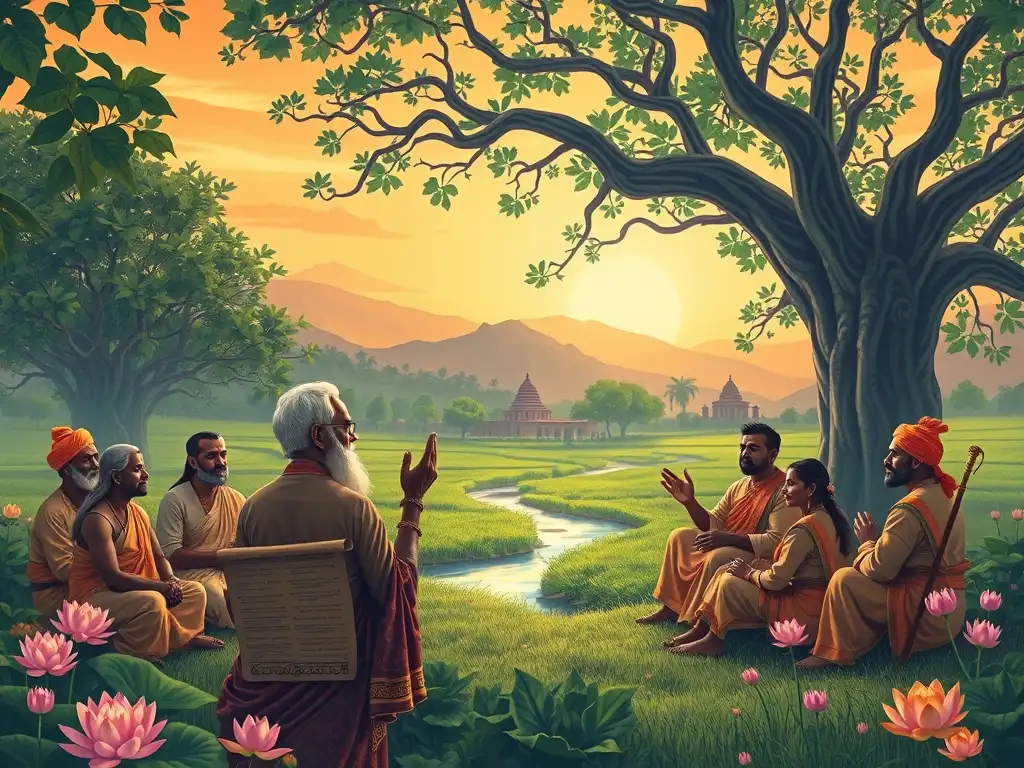
The philosophical landscape of Sangam literature was significantly enriched by its interactions with Vedic and Upanishadic thought. While the Vedic texts focused on rituals and cosmology, the Upanishads delved into metaphysics and the nature of the self. Sangam literature, although distinct, reflects an awareness of these traditions, particularly in its exploration of existential themes and the quest for self-knowledge.
The synthesis of these ideas is particularly notable in the way Sangam poets approached the concept of the individual’s place in the cosmos. The emphasis on self-awareness and the pursuit of truth can be seen as a reflection of Upanishadic philosophy, which seeks to understand the nature of the self (Atman) and its relation to the universal spirit (Brahman). This philosophical dialogue highlights the depth of thought present in Sangam literature and its capacity to engage with broader Indian philosophical traditions.
Influence of Jain and Buddhist Philosophies
Jain and Buddhist philosophies also left an indelible mark on Sangam literature. Both traditions emphasized ethical living, non-violence, and the importance of compassion, themes that resonate strongly throughout the Sangam corpus. Jainism, with its focus on asceticism and the pursuit of liberation, influenced the ethical frameworks within Sangam poetry.
Buddhism, particularly its teachings on suffering and the transient nature of life, provided a poignant backdrop for the exploration of human emotions and relationships in Sangam works. The interplay of these philosophies fostered a holistic understanding of life’s complexities, encouraging poets to reflect on love, loss, and the moral imperatives of existence. This cross-pollination of ideas led to a vibrant literary tradition that transcended mere storytelling, evolving into a profound philosophical commentary on the human experience.
Major Works of Sangam Literature and Their Philosophical Insights
The major works of Sangam literature are not only notable for their linguistic beauty but also for their profound philosophical insights. These texts serve as a reflection of the social, political, and ethical concerns of the time, offering readers an intricate tapestry of thought and emotion.
Tolkāppiyam: Linguistic and Philosophical Foundations
The Tolkāppiyam, attributed to the ancient scholar Tolkāppiyar, is one of the earliest treatises on Tamil grammar and poetics, but it also delves into philosophical inquiries surrounding language and meaning. The text elucidates the relationship between language and reality, positing that words are not just mere labels but possess intrinsic significance that shapes our understanding of the world.
Tolkāppiyar’s insights into the nature of communication and expression highlight the philosophical underpinnings of Tamil thought, emphasizing the importance of clarity and precision in conveying complex ideas. This foundational work set the stage for subsequent Tamil literature, ensuring that philosophical reflection would remain integral to the literary tradition.
Eṭṭutokai: Themes of Love and Ethics
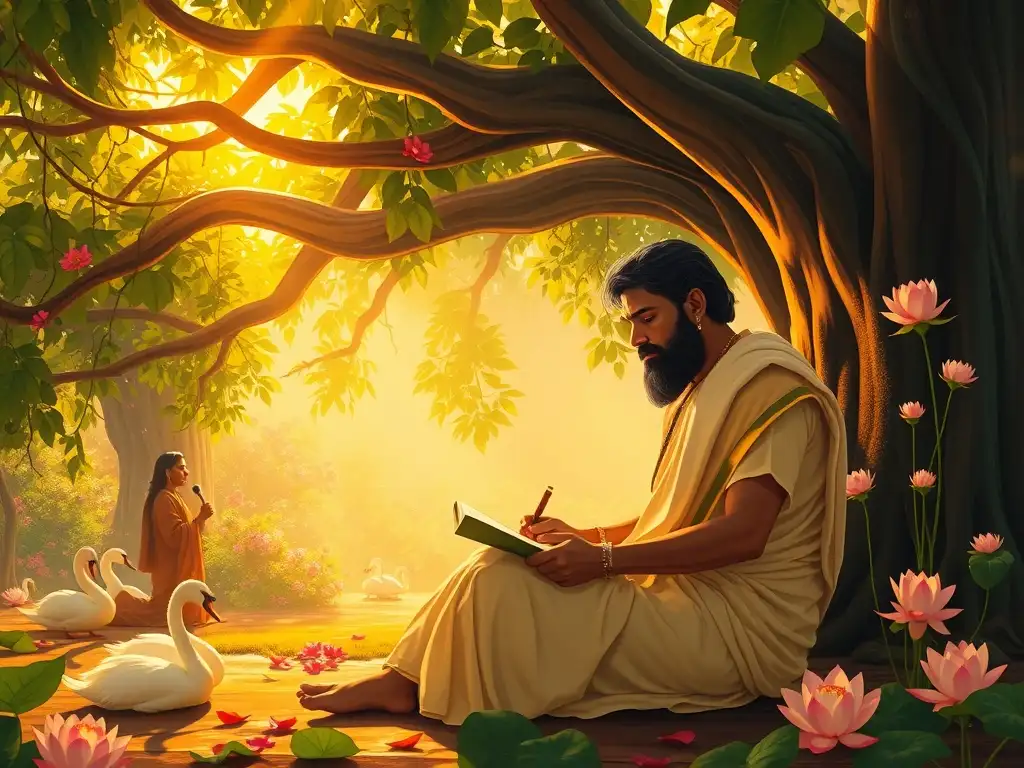
The Eṭṭutokai, a collection of eight anthologies, encapsulates the thematic richness of Sangam literature, particularly in its exploration of love and ethics. The poems reflect deep emotional experiences while simultaneously engaging with ethical questions about relationships, duty, and societal norms.
The portrayal of love in the Eṭṭutokai often transcends mere romantic expression, delving into the moral dimensions of affection, loyalty, and sacrifice. This duality underscores the philosophical insights present in the texts, inviting readers to contemplate the complexities of human emotions against the backdrop of ethical considerations.
Purananuru: Reflections on Governance and Society
The Purananuru, a collection of 400 poems, provides profound reflections on governance, societal values, and the responsibilities of rulers. The poems serve as a commentary on the political landscape of the time, emphasizing the importance of just leadership and the ethical obligations of those in power.
Through vivid imagery and poignant verses, the Purananuru articulates the philosophical ideals of justice, equity, and the welfare of the populace. The insights offered in this work resonate with contemporary discussions on governance and ethics, illustrating the timeless relevance of Sangam literature in addressing the complexities of leadership and societal well-being.
Comparative Analysis of Philosophical Insights
The philosophical insights within Sangam literature offer a rich tapestry of thought that can be compared with other ancient Indian philosophical traditions. By examining the interplay between Sangam literature, Vedic texts, and Buddhist scriptures, we can uncover not only the unique characteristics of Tamil philosophy but also the broader influences that have shaped Indian thought as a whole. This comparative analysis helps to highlight the distinctive features of Sangam literature while situating it within the wider context of Indian philosophy.
Sangam Literature vs. Vedic Literature
Sangam literature, primarily composed between 300 BCE and 300 CE in the Tamil-speaking regions of South India, presents a markedly different philosophical approach compared to Vedic literature, which is foundational to Hindu thought. Whereas Vedic texts tend to focus on ritualistic practices, cosmology, and the relationship between the individual soul (Atman) and the universal soul (Brahman), Sangam literature emphasizes the importance of personal experience, human emotions, and the natural world.
In Sangam poetry, themes such as love (akam) and war (puram) are explored through vivid imagery and emotional depth, reflecting a more secular and human-centered philosophy. In contrast, Vedic literature often addresses metaphysical questions and societal duties, grounded in religious rituals. This divergence highlights a broader philosophical shift within Indian thought, where Sangam literature serves as a bridge between the spiritual concerns of Vedic texts and the emerging humanistic perspectives of later philosophies.
Philosophical Parallels with Buddhist Texts
The philosophical insights found in Sangam literature also resonate with certain Buddhist texts, particularly in their shared emphasis on the impermanence of life and the value of ethical living. Both traditions grapple with the nature of suffering and the importance of compassion, albeit from different perspectives. While Sangam literature frequently celebrates earthly pleasures and the beauty of the natural world, it simultaneously acknowledges the transient nature of these experiences.
For example, the notion of "anbu" (love) in Sangam poetry, which is often portrayed as an intense emotional bond, can be juxtaposed with the Buddhist concept of "metta" (loving-kindness). Both emphasize the significance of relationships and the impact of love on human experience. However, Sangam literature tends to retain a more personal and immediate focus, celebrating the joys and pains of human existence, while Buddhist texts often encourage detachment as a means to transcend suffering.
Unique Aspects of Tamil Philosophy
Tamil philosophy, as reflected in Sangam literature, is characterized by its distinct worldview that integrates the spiritual and the mundane. Unlike the more abstract philosophical inquiries found in the Vedic and Upanishadic traditions, Tamil philosophical thought is deeply rooted in the lived experiences of individuals and communities. The emphasis on locality, nature, and social relationships within Sangam literature creates a unique philosophical landscape that prioritizes harmony with the environment and the importance of social bonds.
Moreover, Sangam literature often explores themes of ethics and morality without strictly adhering to a dogmatic framework. This flexibility allows for a dynamic interpretation of ethical living, where personal virtues are celebrated alongside communal responsibilities. The insights derived from these texts advocate for a balanced life that embraces both worldly experiences and spiritual aspirations, making Tamil philosophy a vital component of the broader Indian philosophical discourse.
The Legacy of Sangam Literature in Contemporary Thought

The influence of Sangam literature extends far beyond its historical context, leaving a lasting legacy that continues to shape contemporary thought in various fields, including literature, philosophy, and ethics. This enduring impact underscores the timeless relevance of its philosophical insights and the cultural richness of the Tamil heritage.
Influence on Modern Tamil Literature
Modern Tamil literature owes a significant debt to the philosophical foundations laid by Sangam poets. Contemporary writers frequently draw upon the themes, styles, and moral inquiries present in Sangam literature to address current social issues and human experiences. The exploration of human emotions, relationships, and the natural environment remains central to Tamil literary expression today.
Moreover, the poetic devices and forms used in Sangam literature have inspired a new generation of poets and writers, fostering a vibrant literary culture that continues to evolve while reverently acknowledging its roots. This interconnection between the past and present allows for a rich dialogue that enhances the understanding of Tamil identity and culture in contemporary society.
Relevance of Sangam Philosophical Insights Today
The philosophical insights derived from Sangam literature hold significant relevance in today's world, particularly in discussions around ethics, community, and environmental sustainability. The emphasis on harmonious living, the interdependence of individuals within their communities, and the respect for nature resonates with contemporary movements advocating for social justice and ecological balance.
In a fast-paced, modern context, the teachings of Sangam literature remind us of the importance of balancing personal fulfillment with communal well-being. This perspective encourages individuals to engage with their surroundings thoughtfully and ethically, fostering a sense of responsibility towards both society and the environment.
Preservation and Promotion of Sangam Philosophy
Efforts to preserve and promote the philosophical insights of Sangam literature are vital for ensuring that these teachings continue to inspire future generations. Academic institutions, cultural organizations, and literary societies play crucial roles in this endeavor by conducting research, organizing seminars, and promoting translations of Sangam texts.
Moreover, integrating Sangam philosophy into educational curricula can help cultivate an appreciation for Tamil heritage and its philosophical contributions. By fostering a deeper understanding of these ancient insights, we can encourage a more reflective and engaged society that values the wisdom of its cultural past while navigating the complexities of modern life.
Conclusion: The Enduring Impact of Sangam Literature Philosophical Insights
The philosophical insights found within Sangam literature continue to resonate through time, shaping not only the literary landscape of ancient India but also influencing contemporary thought. The texts reflect a profound understanding of human emotions, social dynamics, and ethical dilemmas, which remain relevant today. By exploring themes such as love, heroism, and the impermanence of life, the Sangam poets invite readers to reflect on their own experiences and moral choices.
Moreover, the integration of philosophy with poetry in Sangam literature serves as a unique lens through which we can examine the complex relationship between culture and thought in ancient Tamil society. The philosophical underpinnings not only provide depth to the literary works but also offer a window into the values and beliefs that guided the lives of people during this period. The legacy of these insights endures, as they continue to inspire new generations of scholars and readers alike.
Summary of Key Insights
- Interconnectedness of Emotion and Philosophy: Sangam literature beautifully intertwines emotional experiences with philosophical contemplation, allowing readers to explore the depths of human experience.
- Moral and Ethical Reflections: The texts delve into themes of dharma (duty), ethics, and the moral complexities of love and war, providing timeless lessons on human behavior.
- Cultural Significance: The philosophical insights reflect the social and cultural milieu of ancient Tamil society, highlighting the values, beliefs, and practices that shaped daily life.
- Influence on Later Philosophical Thought: The ideas presented in Sangam literature have laid a foundation for subsequent philosophical explorations in Tamil and Indian thought.
Future Directions for Research in Sangam Philosophy
As the study of Sangam literature continues to evolve, several avenues for future research can be pursued:
- Comparative Analyses: Scholars could examine the philosophical insights of Sangam literature in relation to other ancient Indian texts, such as the Vedas or Upanishads, to uncover shared themes and divergent perspectives.
- Interdisciplinary Approaches: Integrating insights from anthropology, sociology, and psychology could yield a more nuanced understanding of the societal implications of Sangam philosophy.
- Modern Interpretations: Investigating how Sangam philosophical themes can be applied to contemporary issues, such as gender roles, environmental ethics, and social justice, may reveal their enduring relevance.
- Translation and Accessibility: Expanding the translations of Sangam texts into various languages can facilitate broader engagement with these philosophical insights, encouraging a global dialogue on their significance.
References
Suggested Readings on Sangam Literature
-
"Sangam Literature: A Historical and Cultural Study" by N. Venkatasubramanian
An in-depth examination of the cultural context and historical significance of Sangam literature.
-
"The Tamil Poets and Their Philosophy" by K. Raghavan
This book delves into the philosophical themes present in the works of major Sangam poets.
-
"The Sangam Age: A Study of the Literary and Cultural Heritage of Ancient Tamil Nadu" by S. Shanmugam
A comprehensive overview of the literary contributions of the Sangam period and their cultural implications.
Key Texts for Further Exploration of Philosophical Themes
-
"Akananuru"
A classic anthology of poems reflecting on love and ethics, rich with philosophical insights.
-
"Purananuru"
This text provides a deep exploration of heroism, valor, and the ethical dilemmas faced by warriors in ancient society.
-
"Tolkappiyam"
An ancient Tamil grammar text that also discusses the philosophical aspects of language and poetics, providing insights into the thought processes of the time.
These readings and texts serve as gateways to understanding the philosophical depths of Sangam literature, ensuring that the legacy of these ancient insights continues to influence future generations.
- Introduction to Sangam Literature
- Key Philosophical Themes in Sangam Literature
- Influences of Ancient Thinkers on Sangam Philosophy
- Contributions of Tamil Philosophers
- Interactions with Vedic and Upanishadic Thought
- Influence of Jain and Buddhist Philosophies
- Major Works of Sangam Literature and Their Philosophical Insights
- Tolkāppiyam: Linguistic and Philosophical Foundations
- Eṭṭutokai: Themes of Love and Ethics
- Purananuru: Reflections on Governance and Society
- Comparative Analysis of Philosophical Insights
- The Legacy of Sangam Literature in Contemporary Thought
- Conclusion: The Enduring Impact of Sangam Literature Philosophical Insights
- References
Frequently Asked Questions
What is Sangam literature?
Sangam literature refers to a collection of ancient Tamil texts composed between 300 BCE and 300 CE. It encompasses poetry, ethics, and culture, reflecting the philosophical insights of that era.
How does Sangam literature contribute to our understanding of ancient Indian philosophy?
Sangam literature provides profound philosophical insights by exploring themes like ethics, love, and nature, revealing the intellectual depth of early Tamil thinkers and their views on life.
What are some key themes found in Sangam literature?
Key themes in Sangam literature include love, valor, and nature, as well as ethical dilemmas and societal norms, which collectively illustrate the rich cultural tapestry of ancient Tamil society.
Who were some prominent thinkers associated with Sangam literature?
Prominent thinkers include Akkamperumal and Ilango Adigal, who contributed significantly to the philosophical discourse within Sangam texts, emphasizing moral values and the human experience.
How has Sangam literature influenced modern Tamil culture?
Sangam literature continues to influence modern Tamil culture through its rich poetic forms, philosophical concepts, and ethical principles, serving as a foundation for literary and cultural identity in contemporary Tamil society.
Final Reflection: The Enduring Wisdom of Sangam Literature
The philosophical insights embedded in Sangam literature resonate profoundly with contemporary society, illuminating the timeless nature of human thought and emotion. As we navigate the complexities of modern life, the teachings of ancient thinkers remind us that the quest for meaning and understanding is a universal journey that transcends time and culture. The rich tapestry of Sangam literature not only reflects the values and beliefs of its era but also offers a mirror through which we can examine our own lives and choices today.
Sangam literature serves as a bridge between the past and the present, influencing our cultural and social landscape in ways that are often overlooked. The themes of love, ethics, and the human condition explored in these ancient texts continue to inspire artists, philosophers, and everyday individuals alike. As poet and philosopher Rumi once said, The wound is the place where the Light enters you.
This sentiment echoes the essence of Sangam literature, where the exploration of pain and joy leads to profound insights about existence and relationships, urging us to embrace our vulnerabilities as pathways to wisdom.
As you reflect on the philosophical underpinnings of Sangam literature, I invite you to consider how these ancient insights can be woven into the fabric of your own life. Take a moment to ponder the lessons of empathy, resilience, and interconnectedness that these texts offer. Let them guide you in your personal journey, encouraging you to seek deeper understanding and connection with others. In doing so, you not only honor the legacy of ancient thinkers but also enrich your own life with the timeless wisdom that continues to illuminate our shared human experience.
Unveil the Depths of Sangam Literature Today!
Thank you for diving into the fascinating world of Sangam Literature and its philosophical roots. Your exploration of this ancient treasure opens the door to a deeper understanding of India's rich cultural and intellectual heritage. Now, it’s time to take your insights further!
Here are three actionable steps to deepen your engagement:
- Join a local book club or an online discussion group focused on ancient literature to share your thoughts and learn from others.
- Discover more about the influential thinkers whose works shaped Sangam writers by reading related texts or scholarly articles.
- Share your favorite insights from this article on social media to inspire your friends to embark on their own journey into Sangam literature.
Which philosophical ideas from Sangam literature resonate most with your life today? We invite you to share your thoughts below!