
A Journey Through Ancient Indian Street Food: The Roots of Popular Snacks

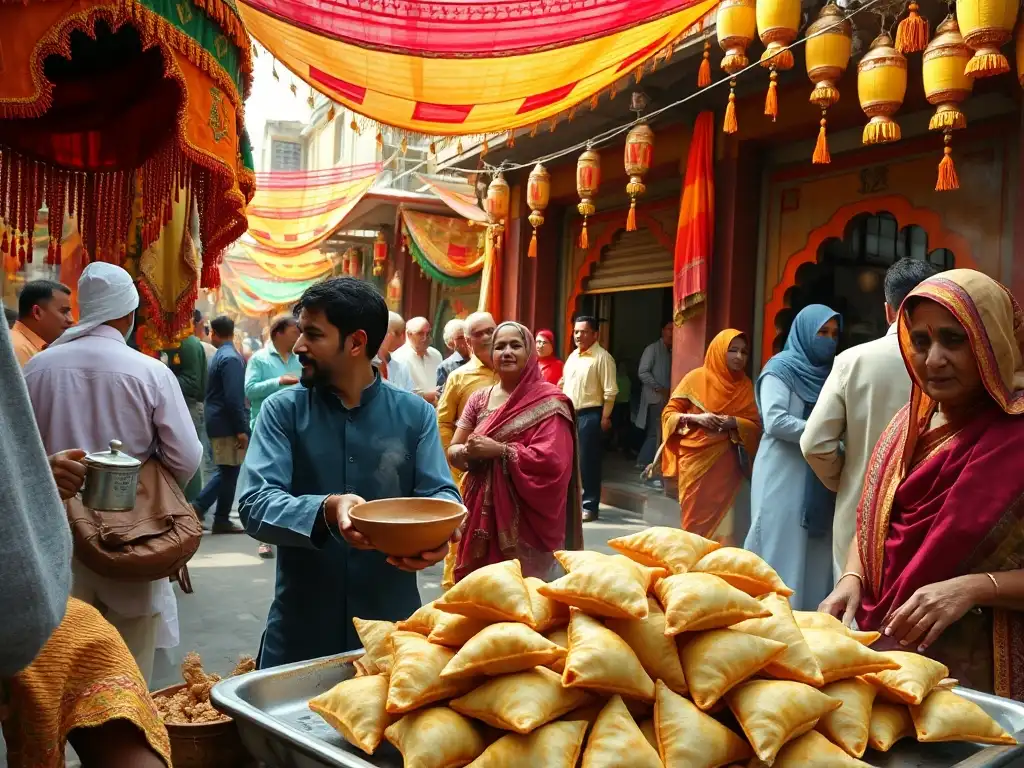
Welcome to Ancient India History, where we embark on a fascinating journey through time to uncover the rich tapestry of ancient civilizations that shaped modern India. In this exploration, we delve into the intriguing history of ancient Indian street food, a culinary journey that reveals the roots of popular snacks and their cultural significance. Get ready to tantalize your taste buds as we connect flavors with history, and discover how these delectable treats have evolved through the ages. Join us as we unravel the stories behind the spices and traditions that continue to delight palates today!
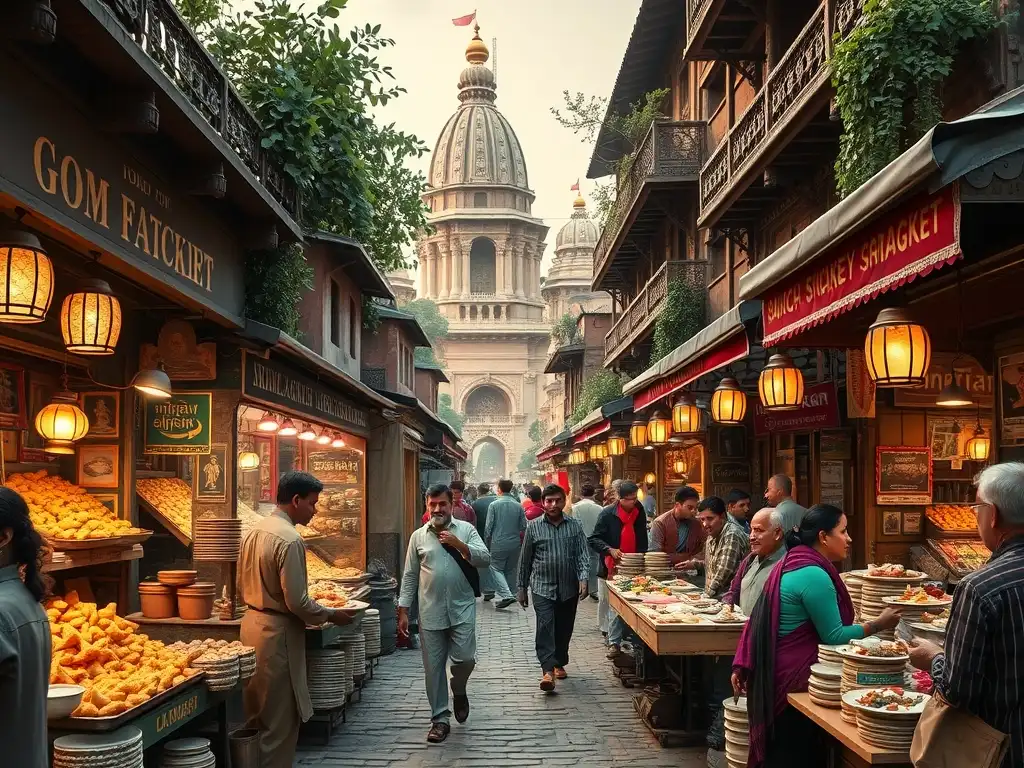
Introduction to Ancient Indian Street Food History
The culinary landscape of ancient India is as rich and diverse as its history, with street food serving as a vibrant reflection of the country's cultural and social tapestry. From the bustling bazaars of the Indus Valley Civilization to the vibrant streets of the Gupta Empire, ancient Indian street food has evolved through centuries, influenced by geography, trade routes, and the confluence of various cultures. This article delves into the ancient Indian street food history, tracing the origins and evolution of popular snacks that have become an integral part of India's culinary identity.
Street food in ancient India was not merely a means of sustenance; it was a social phenomenon, a way for communities to interact, and a platform for culinary innovation. As trade flourished and urban centers developed, the demand for quick, affordable, and flavorful food options grew, giving rise to a variety of snacks that catered to diverse palates.
In this journey, we will explore the roots of various ancient snacks, examining their historical significance, ingredients, and the traditions surrounding their preparation and consumption. By understanding the origins of these popular street foods, we can appreciate the deep connections they have with India's cultural heritage and their enduring legacy in contemporary cuisine.
Join us as we uncover the fascinating history of ancient Indian street food, revealing how these delectable treats have transcended time and continue to delight taste buds across generations. 🍽️
- What is the significance of ancient Indian street food in history?
- How did street food contribute to ancient Indian society?
- What are some popular ancient Indian street foods mentioned in the article?
- How did trade influence ancient Indian street food?
- What role did street food play in ancient festivals and gatherings?
The Evolution of Street Food in Ancient India
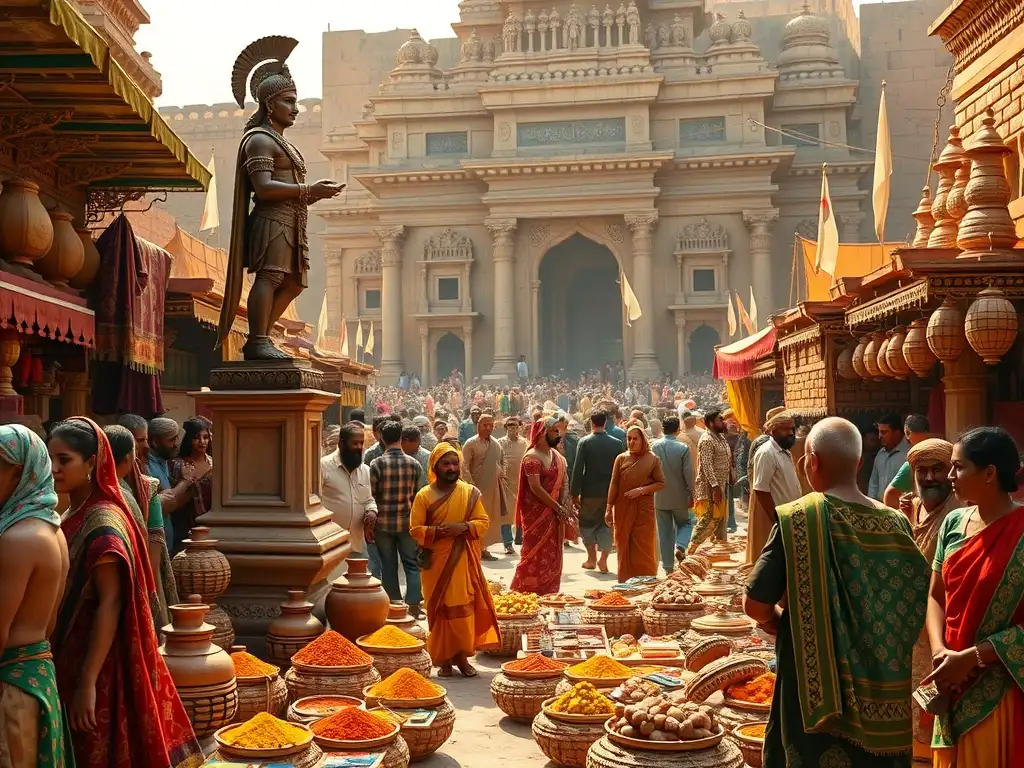
Ancient Civilizations and Their Culinary Practices
The rich tapestry of ancient Indian street food history is intricately woven with the cultural practices and culinary traditions of various civilizations, primarily the Indus Valley Civilization, Maurya Empire, and Gupta Empire. Each of these societies not only contributed to the evolution of food but also laid the groundwork for the vibrant street food culture that we recognize today.
Indus Valley Civilization
The Indus Valley Civilization (circa 3300–1300 BCE) was one of the world's earliest urban cultures, known for its advanced city planning and trading practices. Archaeological findings indicate that the inhabitants had a varied diet, heavily reliant on agriculture, with wheat, barley, lentils, and peas being staple foods. The presence of granaries suggests that food preservation was crucial, allowing for the development of early street food practices.
- Street Food Origins: Early forms of street food likely emerged from communal cooking practices during festivals and market days, where vendors would prepare simple dishes from available ingredients for quick consumption.
Maurya Empire
During the Maurya Empire (322–185 BCE), the culinary landscape expanded significantly due to increased trade and cultural exchanges. The empire's vast network connected diverse regions, infusing local cuisines with new flavors and ingredients.
- Influence of Trade: Spices such as black pepper and cardamom became more widely used, enhancing the taste of street foods. Street vendors catered to travelers and merchants, offering quick, flavorful dishes that could be enjoyed on the go.
- Popular Dishes: Early versions of snacks like samosas and kebabs are believed to have originated during this period, with recipes that are still cherished in modern-day Indian cuisine.
Gupta Empire
The Gupta Empire (circa 240–550 CE) is often referred to as a golden age for arts and sciences, and this era also saw a flourishing of culinary arts. The emphasis on Ayurveda during this time promoted the use of natural ingredients and herbs, leading to the development of healthier street food options.
- Culinary Innovations: The introduction of new cooking techniques and the refinement of existing recipes contributed to the diversity of street food. Dishes became more elaborate, incorporating various spices and cooking methods that catered to the tastes of the urban populace.
Key Ingredients in Ancient Indian Street Food
Understanding the key ingredients that formed the basis of ancient Indian street food provides insight into the flavors and nutritional aspects that defined this culinary tradition.
Cereals and Pulses
Cereals like wheat and rice, alongside pulses such as lentils and chickpeas, were staple ingredients in ancient Indian cuisine. These not only served as the foundation for many street foods but also provided essential nutrients.
- Wheat: Used to make various types of bread, such as roti and paratha, which were often served with street-side curries and chutneys.
- Rice: A versatile grain utilized in both savory and sweet street foods, such as puddings and rice cakes.
Spices and Herbs
The use of spices is a hallmark of Indian cuisine, and ancient street food was no exception. Spices like turmeric, cumin, and coriander not only enhanced flavor but also offered health benefits.
- Turmeric: Known for its anti-inflammatory properties, it was commonly used in many street food preparations.
- Cumin and Coriander: These spices were often blended into chutneys and marinades, contributing to the complex flavors of street snacks.
Vegetables and Fruits
Fresh vegetables and seasonal fruits played a crucial role in street food, providing not only flavors but also essential vitamins and minerals.
- Vegetables: Street vendors often used locally available vegetables like potatoes, peas, and eggplants to create popular snacks like bhaji (fritters) and tikki (cutlets).
- Fruits: Seasonal fruits were often used in sweets and snacks, with dishes like aam panna (mango drink) gaining popularity during the summer months.
The evolution of ancient Indian street food is a testament to the ingenuity and adaptability of its people, reflecting a rich history that continues to influence modern culinary practices. As we explore this fascinating journey, we uncover not just the flavors but the cultural significance behind every bite.
Popular Ancient Indian Street Foods
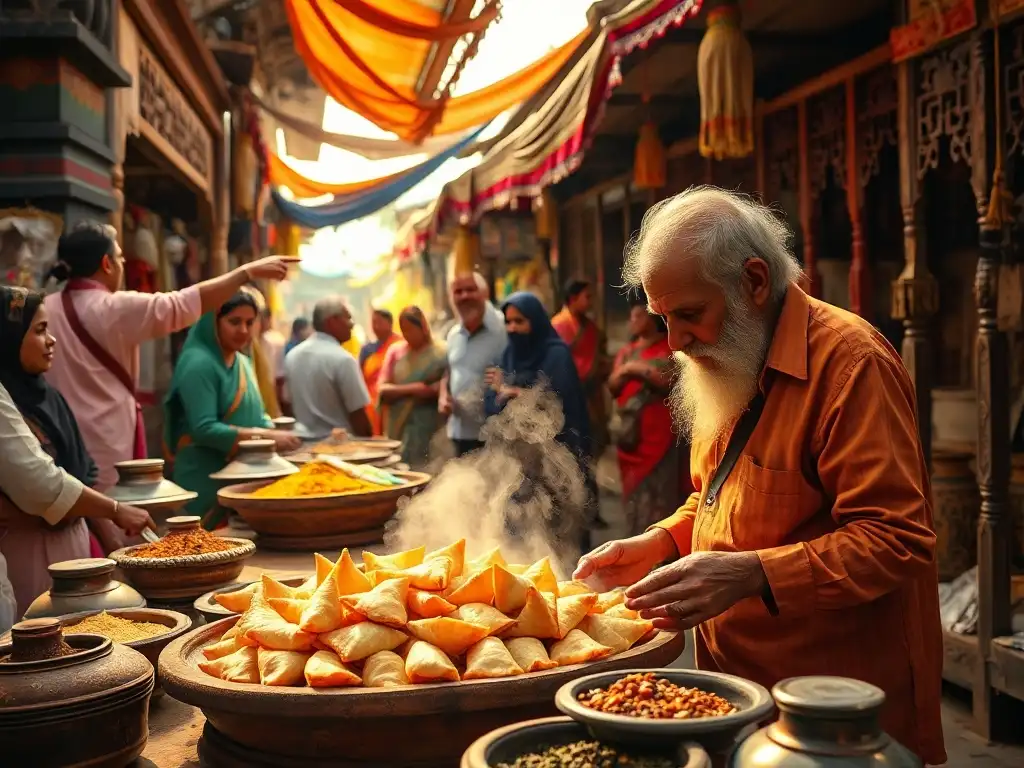
Ancient Indian street food reflects a rich tapestry of flavors, ingredients, and cultural influences that have evolved over centuries. The snacks enjoyed on the bustling streets of ancient cities were not just food; they were an integral part of the social and cultural fabric. This section explores some of the most popular ancient Indian street foods, tracing their historical significance and enduring popularity.
Chaat: A Flavorful Snack with Historical Roots
Chaat is perhaps one of the most iconic street food items in India, known for its vibrant flavors and textures. Its origins can be traced back to the royal kitchens of North India, where it was prepared for the elite. The word "chaat" itself comes from the Hindi word 'chaatna,' meaning "to lick," which is a testament to the delightful taste that compels one to savor every bite.
Ingredients and Varieties
Chaat typically includes a mix of ingredients such as:
- Crispy fried dough: Often in the form of puris or papdis.
- Boiled potatoes: Mashed or cubed, adding a hearty element.
- Chickpeas: For protein and texture.
- Yogurt and chutneys: Offering a creamy and tangy contrast.
- Spices: A blend of cumin, chili powder, and chaat masala for that quintessential flavor.
Some popular types of chaat include:
- Pani Puri: Hollow puris filled with spicy water and tamarind chutney.
- Bhel Puri: A mixture of puffed rice, vegetables, and tangy chutney.
- Aloo Tikki Chaat: Spicy potato patties served with yogurt and chutneys.
Chaat has a significant place in the history of ancient Indian street food, with references found in texts dating back to the Mughal era, showcasing its evolution through different dynasties and regions.
Puri and Sabzi: Staple Street Foods of Ancient India
Puri and sabzi have long been a staple in Indian households and street food culture. This duo represents the perfect combination of fried bread and vegetables, often enjoyed as a hearty meal. The origins of puri can be traced back to ancient times, where it was prepared for religious offerings and celebrations.
The Puri
Puris are deep-fried unleavened bread made from wheat flour. Their puffed and golden exterior is achieved through a specific technique of frying at the right temperature, making them a delightful addition to any meal.
The Sabzi
Sabzi refers to a variety of vegetable curries that can be paired with puris. Commonly used vegetables include:
- Potatoes: Often spiced with turmeric and cumin.
- Cauliflower: Cooked with peas and aromatic spices.
- Spinach: Sometimes incorporated with lentils for added nutrition.
The combination of puri and sabzi is not just a meal; it represents the communal dining experience prevalent in ancient Indian society. Street vendors would often serve this combination to satisfy the appetites of bustling city dwellers.
Dhokla: A Steamed Snack with Historical Significance
Dhokla is a steamed snack that originates from the western region of India, particularly Gujarat. Known for its light, fluffy texture and tangy flavor, dhokla has been a part of Indian cuisine for centuries, with some historical accounts suggesting its existence as far back as the 6th century.
Ingredients and Preparation
Dhokla is primarily made from fermented rice and chickpea flour, which contributes to its unique taste and texture. The cooking process involves:
- Fermentation: The batter is allowed to ferment, which enhances its flavor and nutritional value.
- Steaming: The batter is poured into a greased tray and steamed until fluffy.
- Tempering: After steaming, it is often tempered with mustard seeds, curry leaves, and green chilies.
Serving and Variations
Dhokla is typically served with:
- Chutneys: Coconut or green chutney to complement the flavors.
- Sweets: Sometimes accompanied by sweet chutneys for a contrasting taste.
The popularity of dhokla in street food culture is indicative of its versatility and adaptability. It can be enjoyed as a snack, breakfast, or even a light meal, making it a beloved choice among ancient and modern food enthusiasts alike.
The ancient Indian street food history is rich with flavors and stories. From the vibrant chaat to the comforting puri and sabzi, and the unique dhokla, these snacks continue to delight the palates of many, connecting us to the culinary traditions of our ancestors.
The Cultural Significance of Street Food in Ancient India
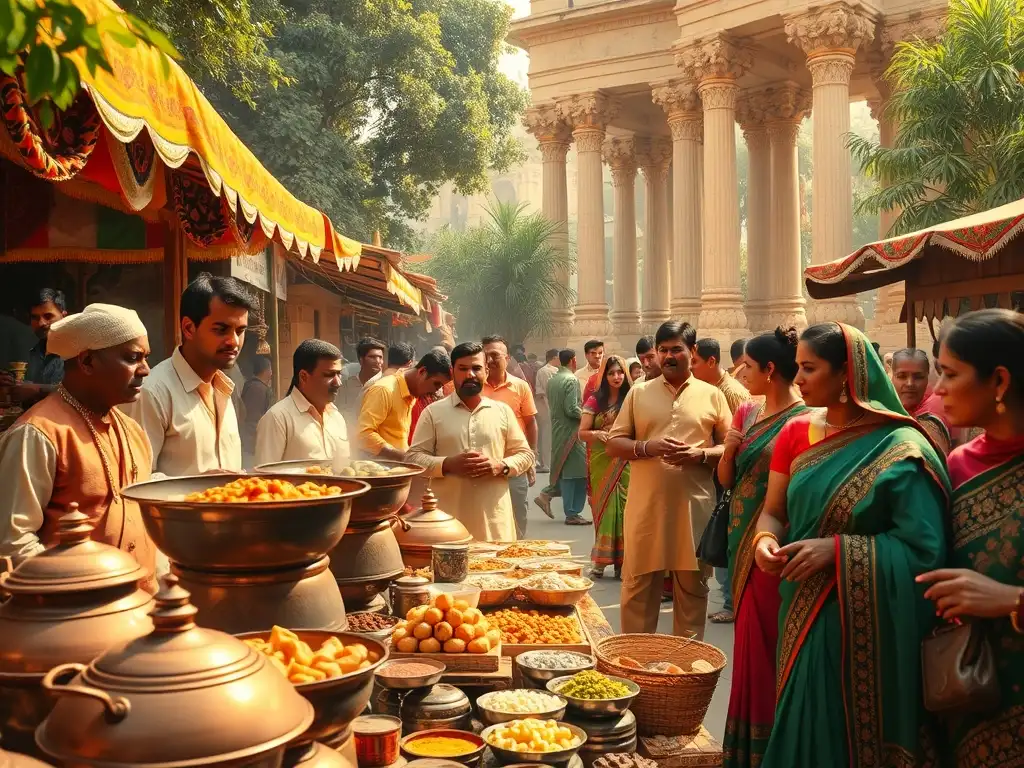
Street food in ancient India was not merely a culinary indulgence; it served as a vibrant reflection of the social life and interactions within communities. The bustling markets and streets were alive with vendors selling an array of snacks, each with its own unique flavors and stories. These foods were accessible to all strata of society, from the affluent to the common folk, fostering a sense of unity and shared culture.
Diverse Offerings and Their Meanings
The variety of street food available can be seen as a microcosm of ancient Indian society. For instance:
- Chaat: This popular snack, made from a mix of crisp fried dough, potatoes, chickpeas, and a medley of spices, was often enjoyed by people from various backgrounds, promoting social interactions.
- Dhokla: Originating from Gujarat, this steamed savory cake made from fermented rice and chickpea batter not only showcased regional diversity but also facilitated communal eating experiences.
These snacks were often enjoyed in groups, where conversations and exchanges of ideas flourished, making street food a catalyst for social engagement.
Festivals and Street Food: A Culinary Celebration
Festivals in ancient India were grand affairs, marked by vibrant celebrations and a plethora of food offerings. Street food played a pivotal role during these festivities, transforming streets into bustling gastronomic hubs.
Iconic Festival Foods
Certain street foods became synonymous with specific festivals, adding to the festive spirit:
- Puran Poli: Traditionally prepared during Holi, this sweet flatbread filled with a mixture of jaggery and lentils exemplified the joy and abundance of the festival.
- Samosas: Often found during Diwali celebrations, these fried pastries filled with spiced potatoes made for a delightful snack that brought families and friends together.
The Role of Street Vendors
Street vendors became essential figures during festivals, providing quick and delicious food options that allowed celebrants to immerse themselves in the festivities without the burden of elaborate meal preparations. These vendors not only nourished bodies but also nurtured community bonds through shared food experiences.
The cultural significance of ancient Indian street food is deeply rooted in the social fabric of its time. It served as a mirror to the social dynamics, community interactions, and festive celebrations, highlighting the rich tapestry of ancient Indian life. The exploration of ancient Indian street food history thus offers profound insights into the civilization's values, traditions, and communal spirit.
The Legacy of Ancient Indian Street Food in Modern Times
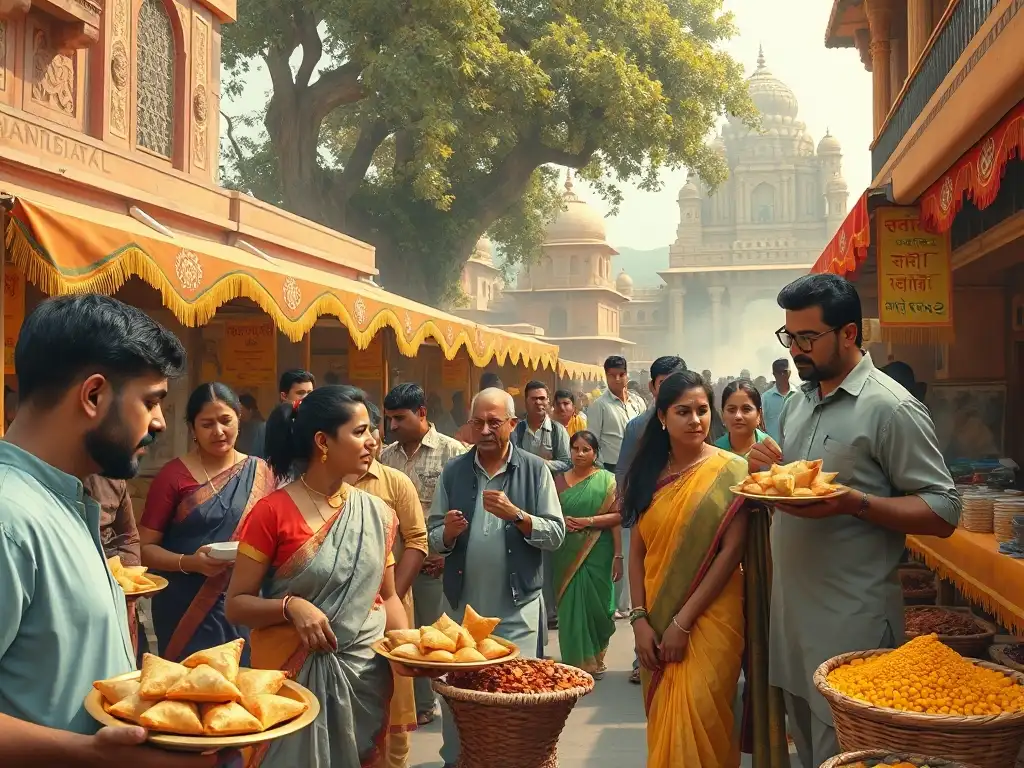
The legacy of ancient Indian street food is a fascinating reflection of the country’s rich culinary history. Street food has long been an integral part of Indian culture, offering a vibrant mix of flavors, textures, and aromas that have evolved over thousands of years. While contemporary street food often features modern twists and conveniences, its roots can be traced back to ancient civilizations, where food was a communal experience that celebrated local ingredients and cooking methods.
Street food in ancient India was more than just a quick meal; it played a significant role in social interactions and the economy. Markets were bustling with vendors selling a variety of snacks, often prepared using traditional recipes passed down through generations. These foods were not only affordable but also designed to cater to the diverse tastes of the populace.
From the spicy chaats of the Indus Valley to the savory pakoras of the Gupta Empire, the essence of ancient street food continues to influence modern culinary practices. Many of today’s popular snacks bear striking similarities to their ancient counterparts, showcasing how the flavors and techniques have endured through time.
Contemporary Adaptations of Ancient Recipes
Today, we see numerous adaptations of ancient Indian street food, reflecting changing tastes and the influence of globalization. While traditional recipes remain popular, modern chefs and street vendors are experimenting with new ingredients and presentation styles, creating a fusion of flavors that appeals to contemporary palates.
Examples of Adaptations:
- Chaat Variations: Traditional chaat, originally made with simple ingredients like boiled potatoes and chickpeas, has evolved to include gourmet toppings and artisanal chutneys.
- Health-Conscious Options: With a rising awareness of health and wellness, many vendors are now offering baked instead of fried snacks, incorporating whole grains, and using organic produce to cater to health-conscious consumers.
- Fusion Cuisines: The influence of global cuisine has led to innovative combinations, such as sushi rolls filled with traditional Indian spices or wraps that blend Indian flavors with Mexican techniques.
Despite these innovations, the core of ancient Indian street food—its communal spirit and celebration of local ingredients—remains intact. This adaptability is a testament to the resilience of these culinary traditions, ensuring that they continue to captivate both locals and tourists alike.
Preserving Ancient Street Food Traditions
Preserving the traditions of ancient Indian street food is crucial for maintaining cultural heritage and identity. As modern lifestyles change and urbanization increases, traditional food practices risk becoming diluted or lost altogether. Therefore, various efforts are being made to honor and sustain these age-old recipes and cooking methods.
Key Preservation Strategies:
- Culinary Workshops: Initiatives that conduct workshops and classes focusing on ancient cooking techniques help educate younger generations about the importance of these traditions.
- Food Festivals: Celebrating regional street food through festivals not only promotes traditional recipes but also supports local vendors and artisans.
- Documentation and Research: Scholars and food historians are documenting ancient recipes and cooking methods, ensuring that knowledge is preserved for future generations. This includes collecting oral histories from street vendors and home cooks who continue to practice these culinary arts.
The ancient Indian street food history is not merely a record of the past; it is a living tradition that continues to evolve. By understanding and preserving these culinary legacies, we not only honor our ancestors but also enrich our modern dining experiences. The vibrant flavors and communal spirit of ancient street food serve as a reminder of the cultural richness of India, providing a delicious link between the past and present.
Frequently Asked Questions
What is the significance of ancient Indian street food in history?
Ancient Indian street food reflects the cultural diversity and culinary traditions of the region, showcasing how food evolved with societal changes over time.
How did street food contribute to ancient Indian society?
Street food served as an accessible source of nutrition for the masses, fostering community interaction and playing a role in the economy of bustling urban centers.
What are some popular ancient Indian street foods mentioned in the article?
The article highlights snacks such as samosas, chats, and dhoklas, which have their roots in ancient Indian culinary practices and continue to be beloved today.
How did trade influence ancient Indian street food?
Trade routes facilitated the exchange of ingredients and cooking techniques, leading to the incorporation of foreign flavors and the development of unique street food items in India.
What role did street food play in ancient festivals and gatherings?
Street food was integral to celebrations, providing a festive atmosphere and offering shared experiences among people during important cultural events and festivals.
Final Reflection: Rediscovering the Roots of Ancient Indian Street Food
The exploration of ancient Indian street food history reveals not just a culinary journey but a vibrant tapestry of culture, tradition, and community. Today, as we navigate a fast-paced world, the significance of these age-old snacks resonates more than ever, reminding us of the rich heritage that shapes our identities. The flavors and stories behind each dish serve as a bridge connecting us to our ancestors, urging us to appreciate the past while savoring the present.
Cultural and social landscapes are deeply intertwined with the history of street food in India. From bustling markets to quiet corners, these snacks have fostered connections among people, transcending barriers of class and background. The communal experience of sharing a plate of chaat or a steaming bowl of idli speaks to the heart of Indian society. As the renowned food writer Madhur Jaffrey once said, Food is a central activity of mankind and one of the single most significant trademarks of a culture.
This sentiment underscores the importance of street food as a cultural artifact that continues to evolve while retaining its roots.
As you reflect on the journey through ancient Indian street food, consider how these culinary traditions can inspire your own life. Take a moment to appreciate the flavors that have shaped your own experiences and the stories they tell. Whether you seek to recreate a beloved dish or explore new flavors, let the rich history of these snacks guide you in forging connections with others. Embrace the lessons of the past, and carry them forward into the future, celebrating the vibrant tapestry of food that unites us all.
Savor the Flavors: Explore the Essence of Ancient Indian Street Food!
Thank you for joining us on this delicious journey through the vibrant world of ancient Indian street food. We hope you’ve uncovered the rich history and cultural significance behind these beloved snacks. Now, it’s time to take this culinary inspiration and bring it to life!
Here’s how you can dive deeper into the world of ancient street food:
- Recreate a traditional recipe in your kitchen. Use resources from this article or put your own twist on these time-honored snacks. Don’t forget to share your culinary masterpiece with friends and family!
- Visit local street food vendors or markets that offer authentic flavors and support local artisans—who knows what hidden gems you might discover?
- Join a community group focused on cultural food traditions to connect with others who share your passion for exploring ancient culinary practices.
What’s your favorite street food memory that connects to your heritage or travels? Let’s discuss in the comments below!