
Handcrafted Wealth: Exploring the Financial Benefits of Indian Artisanal Goods

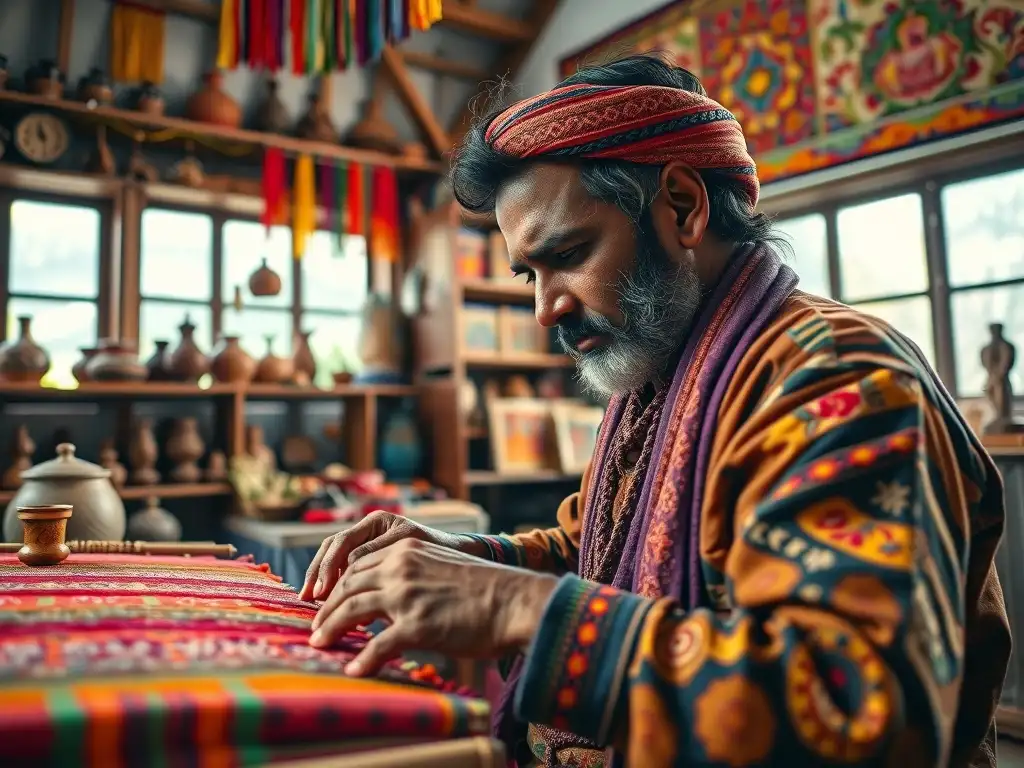
Welcome to Ancient India History, where we take you on a captivating journey through the vibrant tapestry of India’s past. Here, we delve into the profound cultural heritage and remarkable contributions of ancient Indian civilizations, from the ingenious innovations of the Indus Valley to the intellectual flourishing of the Gupta Empire. In our featured article, “Handcrafted Wealth: Exploring the Financial Benefits of Indian Artisanal Goods,” we invite you to uncover the lucrative opportunities that arise from the exquisite craftsmanship of Indian art.
Prepare to be inspired as we reveal how these timeless creations not only preserve history but also pave the way for modern business and investment success. Dive deeper with us and discover the treasures that await!
- Introduction to Indian Artisanal Goods
- The Economic Impact of Artisanal Goods in India
- Exploring Financial Benefits of Indian Art
- Investment Opportunities in Indian Handicrafts
- Case Studies: Successful Indian Artisanal Brands
- Buying Guide: How to Purchase Indian Artisanal Goods
- Common Misconceptions About Indian Artisanal Goods
- Conclusion: Harnessing the Financial Benefits of Indian Art
- Frequently Asked Questions
- Final Reflection: Embracing the Financial Benefits of Indian Art
- Unlock the Wealth of Indian Artisanship!
Introduction to Indian Artisanal Goods
The world of Indian artisanal goods is a vibrant tapestry woven from centuries of rich history, cultural diversity, and unmatched craftsmanship. From the intricate designs of the Indus Valley civilization to the sophisticated artistry that flourished during the Gupta Empire, Indian art has always been a reflection of the country’s splendid heritage.
Today, these handcrafted treasures not only represent the artistic legacy of ancient civilizations but also offer significant financial benefits for artists, local communities, and investors alike. This article will delve into the multifaceted advantages of investing in Indian art, highlighting how traditional crafts can be a lucrative avenue for economic growth while preserving cultural identity.
The Rich Heritage of Indian Handicrafts
India's handicraft industry is a treasure trove of traditions and techniques passed down through generations. Each region boasts its own unique styles, materials, and methods, contributing to a diverse array of products that include:
- Textiles: From the vibrant sarees of Gujarat to the intricate embroidery of Kashmir, Indian textiles are renowned for their quality and artistry.
- Pottery: Traditional pottery, such as the blue pottery of Jaipur and the terracotta of Bengal, showcases the skill and creativity of local artisans.
- Woodwork: Exquisite carvings and furniture crafted from local woods are a testament to India's rich woodworking traditions.
- Metalwork: The intricate designs found in brass and copper items, particularly from South India, highlight the advanced metallurgical skills of artisans.
This rich heritage not only preserves the cultural essence of India but also positions the country as a significant player in the global handicrafts market. With the increasing demand for authentic, handmade products, there is immense potential for growth and profitability in this sector.
Understanding the Financial Benefits of Indian Art
Investing in Indian art and handicrafts offers numerous financial benefits, making it an attractive option for consumers and investors alike. Here are some key advantages:
- Sustainable Income for Artisans: By purchasing artisanal goods, consumers directly contribute to the livelihoods of skilled artisans, ensuring that traditional crafts continue to thrive.
- Rising Market Demand: There is a growing global trend towards sustainable and ethically sourced products. Indian artisanal goods, with their unique stories and craftsmanship, cater to this demand, resulting in higher sales potential.
- Cultural Investment: Investing in Indian art is not merely a financial transaction; it is a way of preserving cultural heritage. This resonates with a growing demographic of consumers who value authenticity and cultural significance in their purchases.
- Potential for Appreciation: Unique pieces of art and handicrafts can appreciate in value over time, offering investors the potential for financial returns on their purchases.
- Diverse Product Range: The vast variety in Indian handicrafts means that investors can diversify their portfolios, reducing risk while exploring different niches within the market.
The financial benefits of Indian art extend beyond mere monetary gain; they encompass the preservation of culture, empowerment of artisans, and the fostering of sustainable practices. Engaging with this sector not only yields economic returns but also enriches the global appreciation for India's artisanal legacy.
The Economic Impact of Artisanal Goods in India
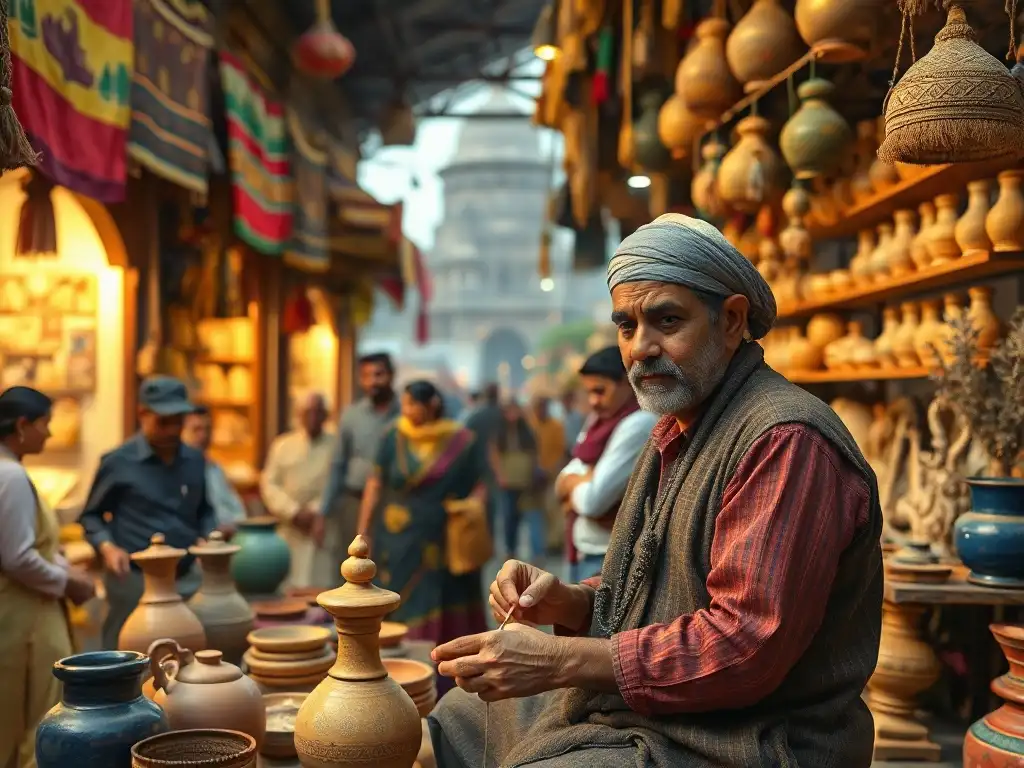
Contribution of Handicrafts to the Indian Economy
The handicrafts sector plays a pivotal role in the Indian economy, contributing significantly to both GDP and employment. In 2020, the Indian handicrafts industry was valued at approximately $9.4 billion and has been projected to grow at a compound annual growth rate (CAGR) of around 10% through 2025. This growth reflects the increasing global demand for unique and culturally rich products, particularly in markets that value sustainable and ethical sourcing.
- Exports:
- India is one of the largest exporters of handicrafts, with exports reaching about $3.5 billion in 2020. Key markets include the United States, Europe, and Japan, where consumers are drawn to the authenticity and craftsmanship of Indian artisanal goods.
- Popular categories include textiles, pottery, and jewelry, each showcasing the diverse cultural heritage of India.
- Cultural Tourism:
- Artisanal goods also enhance cultural tourism, as tourists often seek authentic local products as souvenirs. This not only boosts local economies but also helps preserve traditional crafts, making them an integral part of cultural heritage.
- Sustainability:
- Many artisanal products are made using traditional techniques and natural materials, aligning with global sustainability trends. This aspect attracts eco-conscious consumers, further driving demand and contributing to the financial benefits of Indian art.
The contribution of handicrafts to the Indian economy is multifaceted, intertwining financial growth with cultural preservation and sustainability, showcasing the profound economic impact of artisanal goods.
Job Creation and Skill Development through Artisanal Work
The artisanal sector is a significant source of employment in India, providing livelihoods to millions of artisans and craftspeople across the country. The sector is particularly crucial in rural areas, where job opportunities may be limited.
- Employment Statistics:
- It is estimated that around 7 million people are directly employed in the handicraft sector, with millions more indirectly benefiting from related industries. This includes artisans, suppliers, and small business owners engaged in the production and sale of handicrafts.
- Skill Development:
- Handicrafts foster skill development, as artisans often undergo years of training to master their craft. Various government and non-government initiatives now focus on enhancing these skills through workshops and training programs, which are essential for the preservation of traditional crafts.
- Programs such as the “Design Development” and “Marketing Support” initiatives aim to equip artisans with modern skills in design and business management, enabling them to compete in a global market.
- Empowerment of Marginalized Communities:
- The artisanal sector often empowers marginalized communities, including women and indigenous groups, by providing them with a platform to showcase their talents. This not only helps them gain financial independence but also fosters social equality.
The job creation and skill development aspects of artisanal work highlight the sector's significant role in enhancing the economic landscape of India while promoting cultural heritage and social empowerment. The financial benefits of Indian art extend beyond mere monetary value, shaping livelihoods and communities throughout the nation.
Exploring Financial Benefits of Indian Art
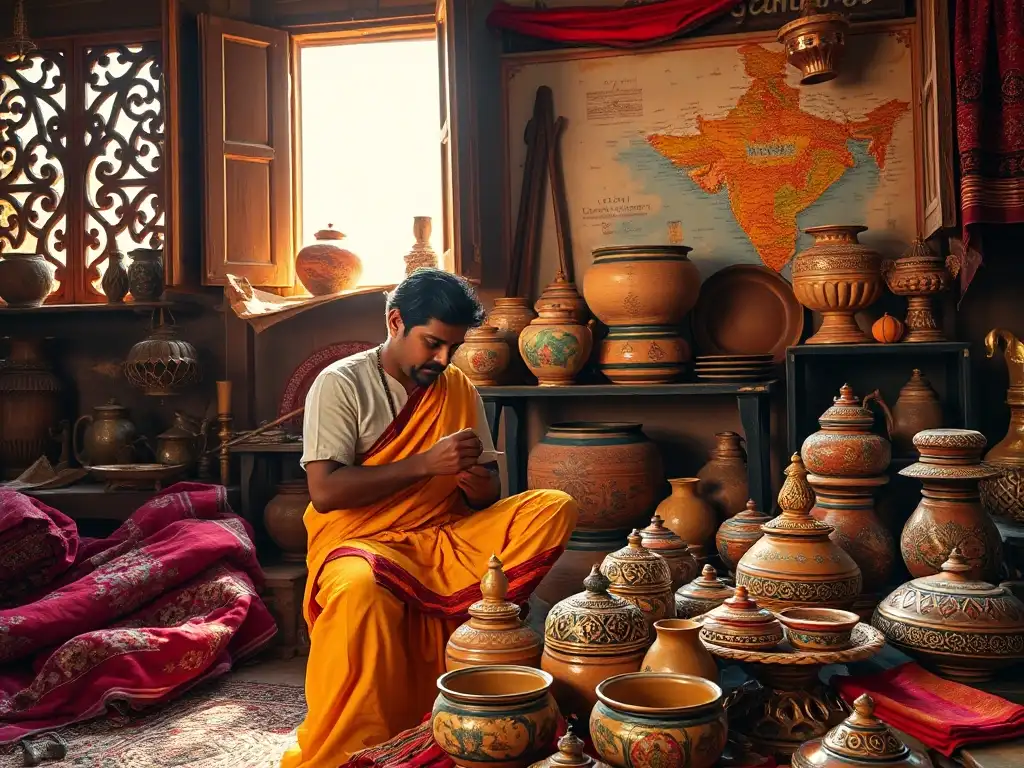
The financial benefits of Indian art are profound, stemming from a rich tradition of craftsmanship and the increasing global appreciation for artisanal products. Handcrafted goods not only provide a source of income for artisans but also contribute to the local economies by promoting sustainable practices. This section delves into the market dynamics that favor Indian handicrafts and the unique attributes that make them financially viable.
High Market Demand for Indian Handicrafts
The global market for handicrafts has witnessed significant growth, with a marked increase in demand for authentic and ethically produced goods. The rise of conscious consumerism—where buyers prioritize sustainability and cultural integrity—has favored Indian artisans, who often utilize traditional techniques passed down through generations.
Popular Artisanal Products and Their Market Potential
Several categories of Indian handicrafts have emerged as particularly lucrative in both domestic and international markets:
- Textiles: Handwoven fabrics like Kanchipuram silk, Banarasi brocade, and Pashmina shawls have seen a surge in demand. These products are not only appreciated for their aesthetics but also for the craftsmanship involved in their creation.
- Pottery and Ceramics: Traditional pottery from regions like Khurja and the terracotta art of West Bengal have gained recognition. Unique designs and eco-friendly materials make these items attractive to consumers.
- Jewelry: Indian artisanal jewelry, such as Kundan and Meenakari, has a strong international appeal. The intricate designs and use of traditional techniques create high perceived value.
- Woodwork and Handicrafts: From intricately carved furniture to decorative items, wooden crafts from states like Rajasthan and Kerala are increasingly popular in both retail and online marketplaces.
The market potential for these products is substantial, with estimates suggesting that the global handicrafts market could reach approximately $1 trillion by the end of 2025. This presents an excellent opportunity for artisans and investors alike.
Unique Selling Propositions (USPs) of Indian Artisanal Goods
The unique selling propositions of Indian artisanal goods play a crucial role in their financial benefits. These include authenticity, cultural significance, and ethical production practices, all of which resonate with consumers today.
Authenticity and Cultural Significance
Indian handicrafts are often rooted in cultural narratives, giving them a sense of story and identity that mass-produced items lack. The authenticity of these products can be a significant selling point:
- Cultural Heritage: Artisans often incorporate traditional motifs and techniques that reflect their region's history and culture. This cultural significance enhances the product's appeal and creates a deeper connection with consumers.
- Artisan Background: Many buyers are interested in the stories of the artisans behind the products. Highlighting the artisans’ skills and the time invested in creating each piece can justify higher price points.
Sustainable and Eco-Friendly Practices
Sustainability is a major concern for modern consumers, and Indian artisans are increasingly adopting eco-friendly practices:
- Natural Materials: Many artisanal products are made using locally sourced, natural materials that minimize environmental impact. For instance, items crafted from sustainable wood, organic cotton, and natural dyes resonate with eco-conscious buyers.
- Fair Trade Practices: By ensuring fair wages and working conditions for artisans, these products appeal to shoppers who are committed to ethical consumption. This not only enhances the financial viability of such products but also fosters a positive brand image.
Understanding the financial benefits of Indian art requires an appreciation of the market demand, the unique attributes of artisanal products, and the sustainable practices that are increasingly important to consumers. As the global marketplace continues to evolve, the potential for growth within the sector remains promising, offering substantial opportunities for artisans and investors alike.
Investment Opportunities in Indian Handicrafts
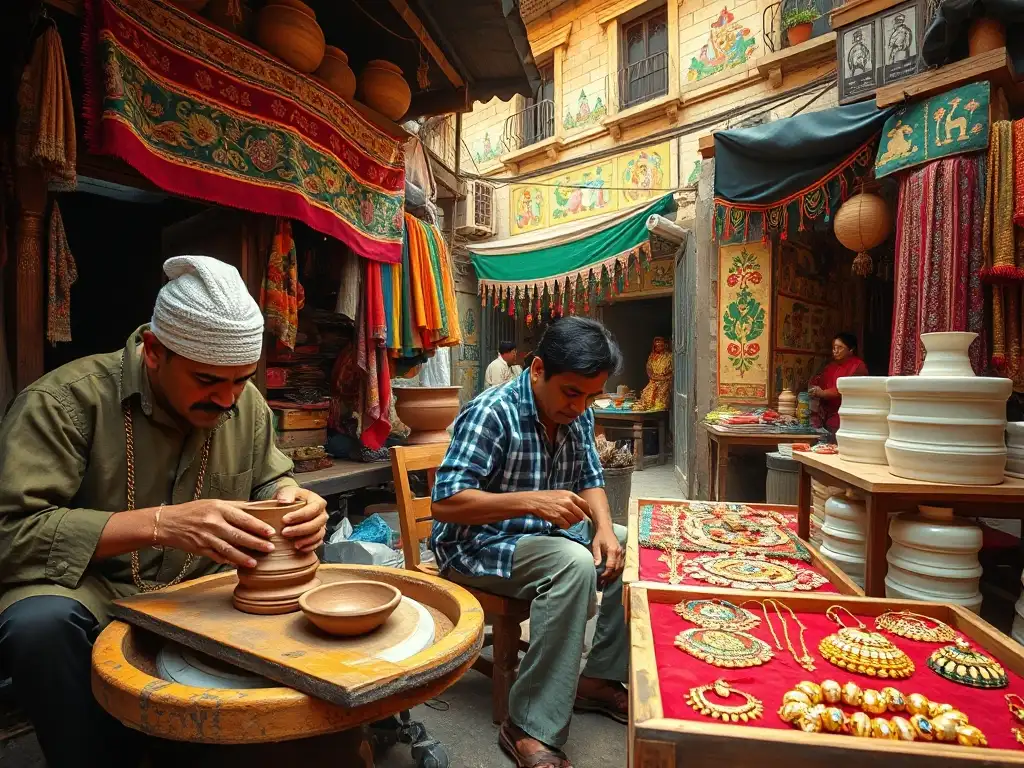
Investing in Indian handicrafts presents a unique opportunity to support local artisans while also capitalizing on the growing global demand for authentic and culturally rich products. The diverse range of artisanal goods, from textiles and pottery to jewelry and woodworking, not only showcases India's rich heritage but also offers significant financial benefits for investors. As the world increasingly values sustainable and ethically produced items, the market for Indian artisanal products is expected to expand, creating lucrative investment avenues.
Indian handicrafts are not just products; they represent stories, traditions, and the unique skills of local artisans. By investing in this sector, one can contribute to the preservation of traditional craft techniques while also enjoying the financial returns that come from a thriving market. This section will explore the various ways to invest in artisanal products and the benefits that arise from such investments.
How to Invest in Indian Artisanal Products
Investing in Indian artisanal products can take several forms, each with its own set of opportunities and benefits. Here are some of the most effective ways to engage with this vibrant sector:
Direct Investment in Local Artisans
Direct investment in local artisans is one of the most impactful ways to support the handicraft sector. This approach can involve:
- Funding production: Providing artisans with the necessary capital to create their products, which can help them scale their operations.
- Purchasing inventory: Investing in finished goods directly from artisans, ensuring that they receive fair compensation for their work.
- Collaborative projects: Partnering with artisans to develop new product lines that cater to contemporary tastes while maintaining traditional techniques.
By fostering direct relationships with artisans, investors can ensure that their financial contributions lead to sustainable livelihoods and the preservation of cultural heritage.
Supporting Cooperative Models for Artisanal Goods
Cooperative models provide a structured approach to investing in artisanal goods. These models often involve:
- Collective bargaining: Artisans come together to form cooperatives, which allows them to negotiate better prices for their products.
- Shared resources: Cooperatives can pool resources for marketing, distribution, and training, increasing the overall efficiency of production.
- Access to markets: By supporting cooperatives, investors can help artisans reach broader markets, both domestically and internationally.
Investing in cooperative models not only stabilizes income for artisans but also promotes community development and the sharing of skills and knowledge.
Benefits of Supporting Fair Trade Practices
Investing in Indian handicrafts through fair trade practices yields significant advantages, both for artisans and for the investors themselves. Understanding these benefits can enhance the appeal of investing in this sector.
Economic Empowerment of Artisans
Supporting fair trade practices contributes to the economic empowerment of artisans in several ways:
- Fair wages: Artisans receive fair compensation for their labor, which helps improve their quality of life and provides for their families.
- Skill development: Fair trade organizations often invest in training programs that enhance artisans' skills, leading to higher quality products and larger income potential.
- Community investment: The income generated from fair trade practices frequently circulates within local communities, fostering economic development and reducing poverty.
By investing in fair trade artisanal products, investors not only contribute to the well-being of individual artisans but also play a role in uplifting entire communities, driving sustainable economic growth in the process.
The financial benefits of Indian art extend beyond mere profit; they encompass the empowerment of artisans, the preservation of cultural heritage, and the promotion of ethical consumerism. By exploring these investment opportunities, individuals and organizations can make a significant impact while enjoying the rewards of a growing market.
Case Studies: Successful Indian Artisanal Brands
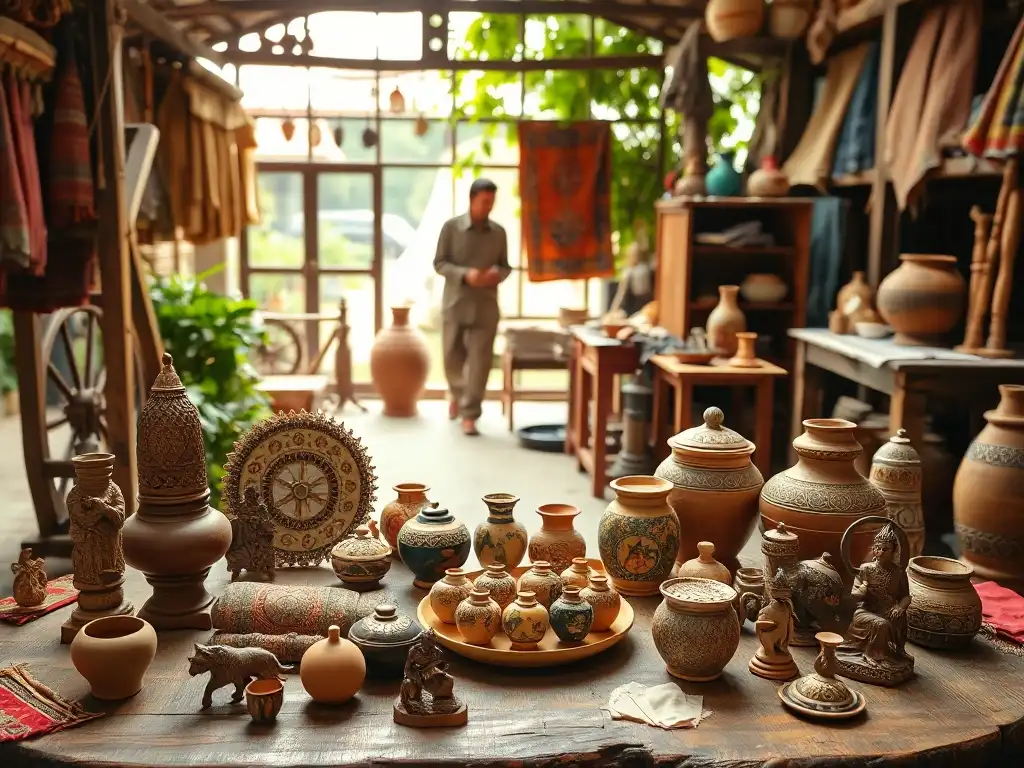
The Rise of Fabindia in the Global Market
Fabindia, founded in 1960, is a pioneer in promoting Indian handicrafts and has significantly contributed to the global market. This brand has successfully integrated traditional Indian craftsmanship with contemporary design, creating a unique value proposition that appeals to both domestic and international customers. The financial benefits of Indian art are exemplified by Fabindia's growth, which has seen the company evolve into a household name, with over 300 stores across India and a robust online presence.
Key Strategies for Success
- Sourcing from Local Artisans: Fabindia sources its products directly from artisans across India, ensuring that traditional skills are preserved while providing fair wages. This commitment not only supports local economies but also enhances the authenticity of their products.
- Innovative Product Design: By blending traditional techniques with modern aesthetics, Fabindia has created products that resonate with a broad audience. Their approach includes using eco-friendly materials and sustainable practices, appealing especially to environmentally conscious consumers.
- Effective Marketing: Fabindia has effectively used storytelling in its marketing campaigns, highlighting the artisans behind the products. This connection fosters a deeper appreciation and understanding of the craftsmanship involved.
- Global Expansion: By establishing a presence in international markets, Fabindia has tapped into the growing demand for artisanal goods. Their products are now available in various countries, enhancing their brand visibility and financial growth.
The success of Fabindia illustrates how the financial benefits of Indian art can be maximized through strategic sourcing, innovative design, and effective marketing.
Chumbak: Revolutionizing the Handicraft Industry
Chumbak has emerged as a vibrant brand that encapsulates the essence of Indian culture while catering to a modern audience. Established in 2010, the brand focuses on quirky and contemporary designs, making traditional handicrafts accessible and appealing to a younger demographic.
Innovative Approaches
- Product Diversification: Chumbak offers a diverse range of products, including home decor, fashion accessories, and lifestyle goods. This diversification attracts a wider customer base, ensuring that there is something for everyone.
- Engaging Design Aesthetic: The brand's colorful and playful designs stand out in the market. By infusing humor and creativity into their products, Chumbak has successfully captured the interest of young consumers looking for unique items.
- Utilization of E-commerce: Chumbak has embraced digital platforms, allowing them to reach customers beyond geographical barriers. Their user-friendly website and strategic use of social media have significantly contributed to their growth.
- Community Engagement: By collaborating with local artisans and craftspeople, Chumbak not only ensures the authenticity of its products but also strengthens community ties. This engagement provides artisans with a steady income and promotes traditional craftsmanship.
Chumbak's innovative strategies and focus on contemporary appeal demonstrate the immense financial benefits of Indian art. By revolutionizing the handicraft industry, Chumbak has made significant strides in promoting artisanal goods while contributing to the economic empowerment of local artisans.
Buying Guide: How to Purchase Indian Artisanal Goods
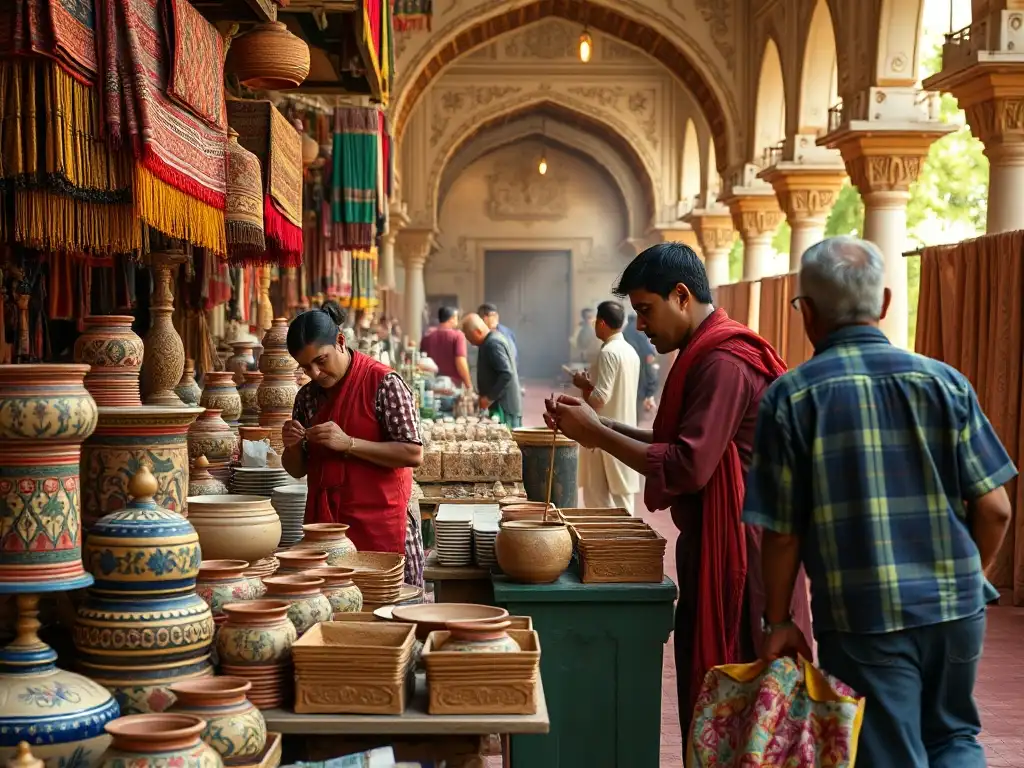
When venturing into the world of Indian artisanal goods, making informed purchasing decisions is crucial. This guide provides insights into key factors to consider and recommends platforms for acquiring these exceptional products.
Key Factors to Consider When Buying Artisanal Products
Quality, Authenticity, and Craftsmanship
When purchasing Indian artisanal goods, it is essential to focus on quality, authenticity, and craftsmanship. Here are some aspects to evaluate:
- Materials Used: Examine the types of materials employed in the creation of the product. Natural materials like silk, wood, clay, and metal are often a hallmark of quality artisanal goods. Ensure that these materials are sourced sustainably and ethically.
- Techniques and Skills: Understanding the traditional techniques involved in the craftsmanship can enhance appreciation and value. Many Indian artisans utilize age-old methods passed down through generations, such as:
- Block Printing
- Weaving
- Pottery
- Metalwork
- Certifications: Look for certifications or labels that indicate authenticity. Programs like the Geographical Indication (GI) tag can provide assurance that a product is made in a particular region using traditional methods.
- Artisan Background: Researching the artisan’s background can provide insights into their skills and the story behind the product. Many artisans share their journey through social media or websites, which can enhance the buying experience.
- Reviews and Ratings: Before making a purchase, check reviews and ratings from previous buyers. This feedback can offer valuable insights into the product's quality and the seller's service.
- Return Policy: Understand the return policy of the platform or seller. A good return policy can provide peace of mind in case the product does not meet expectations.
Recommended Platforms for Purchasing Indian Handicrafts
When looking to purchase Indian artisanal goods, several platforms stand out for their commitment to quality and support for artisans:
- Craftsvilla
- Description: An online marketplace dedicated to Indian handicrafts, Craftsvilla connects artisans directly with buyers, ensuring authenticity and quality.
- Specialties: Handwoven textiles, pottery, jewelry.
- India Craft House
- Description: This platform showcases a wide range of artisanal products sourced from various regions of India. Each item comes with detailed descriptions highlighting the artisan's story.
- Specialties: Home decor, fashion accessories, and gifts.
- Gaatha
- Description: Gaatha emphasizes storytelling through its artisanal products, offering a curated selection that highlights the craftsmanship and cultural significance behind each piece.
- Specialties: Handcrafted textiles, traditional jewelry.
- Amazon Handmade
- Description: A sub-platform of Amazon, Handmade features a variety of artisanal goods from different sellers, including those from India. The platform offers a vast array of products with user-friendly navigation.
- Specialties: Customizable gifts, home decor, and fashion.
- Etsy
- Description: A global marketplace for handmade goods, Etsy hosts numerous Indian artisans who sell their creations. You can find unique items with personal touches.
- Specialties: Customized art, handmade jewelry, and crafts.
By considering quality, authenticity, and craftsmanship, and utilizing recommended platforms, you can enjoy the financial benefits of Indian art while supporting local artisans and preserving their rich heritage.
Common Misconceptions About Indian Artisanal Goods
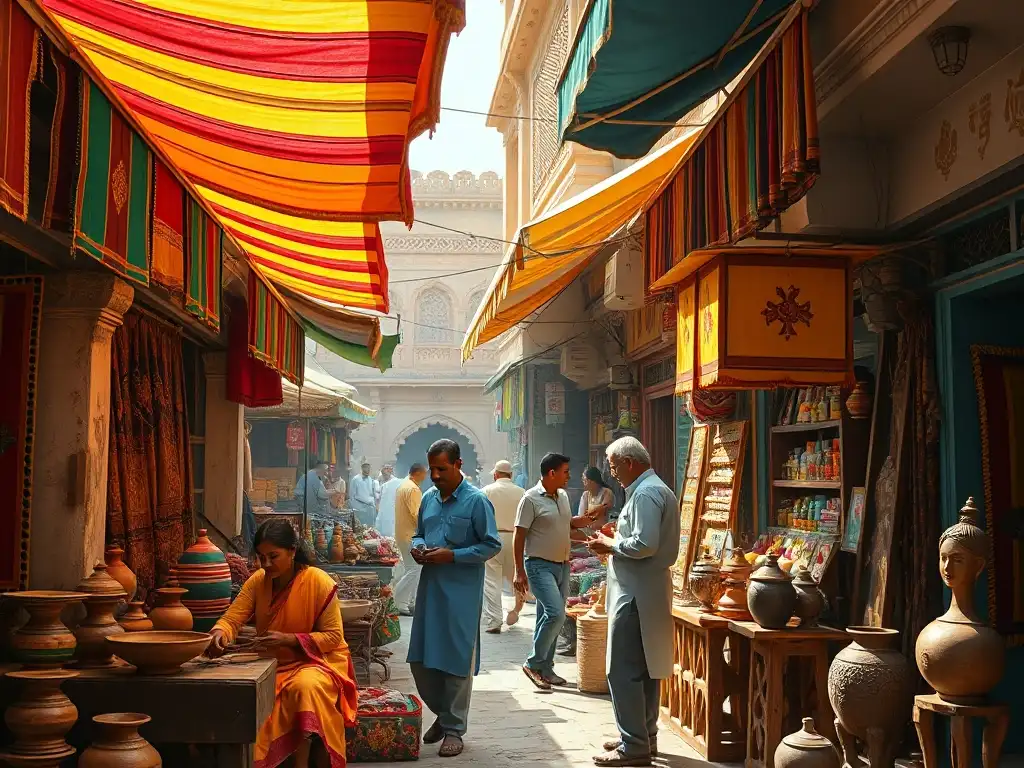
The world of Indian artisanal goods is rich and vibrant, yet it is often clouded by misconceptions that can obscure their true value. Understanding these misconceptions is crucial for appreciating the financial benefits of Indian art, especially for investors and consumers alike. This section aims to clarify common myths and highlight the reality of the value embedded in these handcrafted products.
Myth vs. Reality: Understanding the Value of Indian Handicrafts
When discussing Indian artisanal goods, various myths persist that can mislead potential buyers and investors.
- Myth: Handicrafts are overpriced.
- Reality: The pricing of Indian handicrafts often reflects the time, skill, and artistry involved in their creation. Unlike mass-produced items, each handcrafted piece is unique and requires a significant investment of labor and resources. This artisanal approach not only supports local economies but also preserves cultural heritage.
- Myth: Handicrafts lack durability and quality.
- Reality: Indian artisans employ traditional techniques that have been refined over generations, ensuring that their products are not only beautiful but also durable. Many artisanal goods, such as pottery, textiles, and metalwork, are made using high-quality materials that are designed to last.
- Myth: Artisanal goods are not suitable for modern consumers.
- Reality: Many Indian handicrafts have been adapted to meet contemporary tastes and needs while retaining their traditional essence. This fusion of old and new has led to a resurgence in popularity, making these products highly desirable in both local and international markets.
Pricing Misconceptions
One of the biggest hurdles in the appreciation of Indian handicrafts is the misunderstanding of their pricing structure.
- Comparative Pricing: Many consumers compare artisanal goods to mass-produced alternatives, often deeming them overpriced. However, the price of handcrafted items reflects the craftsmanship involved. According to a recent market analysis, artisanal products often involve up to 30 hours of labor, which is not accounted for in mass production.
- Economic Impact: Purchasing these goods contributes to the livelihoods of artisans and their communities. By understanding that a higher price often correlates with ethical labor practices and sustainability, consumers can make informed choices that align with their values.
- Market Dynamics: The pricing can also be influenced by factors such as scarcity, demand, and the rarity of techniques used. For instance, products made using traditional methods that are on the verge of extinction may carry higher prices due to their cultural significance.
Quality and Craftsmanship Misunderstandings
Quality and craftsmanship are often points of contention when discussing the financial benefits of Indian art.
- Artisan Skills: Indian artisans possess skills honed over decades, sometimes centuries. Each craft—be it weaving, pottery, or jewelry making—requires specific expertise that impacts the final product's quality. For example, the intricate weaving techniques used in Kanchipuram silk sarees are a testament to the artisans' dedication and skill.
- Sustainable Practices: Many artisans use sustainable practices and locally sourced materials, which not only enhance the quality of their goods but also contribute positively to the environment. These practices often lead to products that are not only aesthetically pleasing but also environmentally friendly.
- Cultural Heritage: Each piece tells a story, often reflecting the cultural heritage of its region. The investment in quality craftsmanship ensures that these stories are preserved and appreciated, further enhancing the product's intrinsic value.
Understanding these common misconceptions about Indian artisanal goods can greatly enhance one's appreciation and, consequently, the financial benefits of investing in such unique products. By recognizing the value of craftsmanship, cultural heritage, and sustainable practices, consumers and investors alike can make informed decisions that not only benefit them financially but also support the rich tapestry of Indian art and culture.
Conclusion: Harnessing the Financial Benefits of Indian Art
The financial benefits of Indian art extend beyond mere aesthetics; they encompass a range of economic advantages that can significantly impact both artisans and consumers. As global markets increasingly recognize the value of unique, handcrafted goods, the potential for growth in this sector is substantial. By investing in Indian artisanal products, consumers not only acquire beautiful items but also contribute to the sustainability of traditional crafts and the livelihoods of artisans.
The Future of Indian Artisanal Goods in the Global Economy
The future of Indian artisanal goods appears promising, driven by both domestic and international demand. As consumers become more aware of the ethical implications of their purchases, there is a growing preference for sustainable and authentic products. Key trends shaping this future include:
- Increased Online Presence: The rise of e-commerce platforms enables artisans to reach a broader audience. This accessibility allows for greater visibility of Indian handicrafts on a global scale.
- Sustainability and Ethical Consumerism: Modern consumers are prioritizing sustainability. Indian artisanal goods often adhere to eco-friendly practices, making them attractive to environmentally-conscious buyers.
- Cultural Storytelling: Each piece of art carries a story, reflecting the rich heritage of Indian culture. Artisans can leverage storytelling to enhance the perceived value of their products, thereby commanding higher prices.
- Collaborative Initiatives: Partnerships between artisans and design professionals can lead to innovative products that appeal to contemporary tastes while maintaining traditional craftsmanship.
As these trends continue to evolve, the financial benefits associated with Indian art are likely to expand, fostering a renewed interest in artisanal goods and offering a sustainable economic platform for artisans.
Call to Action: Embrace and Support Indian Artisans
Supporting Indian artisans is more than just a purchase; it is an investment in culture, sustainability, and economic growth. Here are some actionable steps you can take to make a difference:
- Purchase Artisanal Goods: Choose handmade products over mass-produced items. Look for local markets, online platforms, or craft fairs that showcase Indian artisans.
- Spread Awareness: Share information about the significance of Indian art and craftsmanship within your community and social networks. Education can drive demand and appreciation for these unique products.
- Participate in Workshops: Engage directly with artisans through workshops or cultural events. This not only enhances your appreciation of their skills but also supports their income.
- Advocate for Policies Supporting Artisans: Support initiatives and policies that aim to protect and promote traditional crafts and artisans. This can include signing petitions, attending rallies, or lobbying for funding.
By embracing and supporting Indian artisans, you contribute to preserving a vital aspect of cultural heritage while reaping the financial benefits associated with unique, handcrafted goods. Together, we can ensure that the legacy of Indian art continues to thrive for generations to come.
Frequently Asked Questions
What are the financial benefits of Indian art?
The financial benefits of Indian art include increased economic growth, support for local artisans, and the promotion of sustainable practices, enhancing community livelihoods.
How does Indian art contribute to the local economy?
Indian art stimulates the local economy by creating jobs, attracting tourism, and encouraging the sale of unique products that showcase cultural heritage, thereby boosting income for communities.
What role do artisanal goods play in global markets?
Artisanal goods from India offer distinctive quality and cultural significance, making them highly sought after in global markets, which leads to increased export opportunities and financial gains for artisans.
How can consumers support the artisanal economy?
Consumers can support the artisanal economy by purchasing authentic handcrafted items, participating in fair trade practices, and promoting awareness of the cultural value attached to these goods.
What are some examples of Indian artisanal crafts with financial potential?
Examples of Indian artisanal crafts with financial potential include handwoven textiles, pottery, and traditional jewelry, all of which reflect the rich cultural heritage and have a strong market demand.
Final Reflection: Embracing the Financial Benefits of Indian Art
In today's rapidly evolving economic landscape, the financial benefits of Indian art are more significant than ever. As we witness a growing global appreciation for artisanal goods, it becomes clear that these unique creations not only preserve cultural heritage but also serve as a viable source of income for countless artisans. The intersection of tradition and commerce offers a powerful opportunity for communities to thrive, reminding us that art is not merely a luxury but a vital economic driver.
The influence of Indian artisanal goods extends far beyond mere aesthetics; it embodies a rich tapestry of culture, history, and community resilience. As we engage with these handcrafted treasures, we foster a deeper connection to the artisans' stories and struggles. This connection is vital in a world increasingly driven by mass production and consumerism. Art is the most beautiful of all lies.
— Claude Debussy. This quote encapsulates the essence of how artisanal goods can transform our perception of value, urging us to recognize the beauty and worth inherent in every handcrafted piece.
As we reflect on the insights shared in this article, I invite you to consider how you can incorporate the principles of supporting Indian artisans into your own life. Whether through purchasing handmade items, advocating for fair trade practices, or simply sharing the stories of these talented individuals, your actions can contribute to a more equitable and sustainable future.
Let us celebrate the financial benefits of Indian art not just as an economic opportunity, but as a pathway to cultural appreciation and social empowerment. Together, we can ensure that the legacy of these artisans continues to flourish for generations to come.
Unlock the Wealth of Indian Artisanship!
Thank you for diving into the vibrant world of Indian artisanal goods with us! We hope you’ve gained valuable insights into how these handcrafted treasures not only enrich our lives aesthetically but also contribute significantly to our financial well-being. Now, it’s time to take action and embrace this opportunity for both personal enrichment and community support.
Here are some impactful steps you can take right now:
- Explore Local Artisans: Visit local markets or online platforms to discover and purchase unique artisanal goods that resonate with you. Your support can help sustain and empower these skilled creators!
- Share Your Experience: Post about your favorite artisanal finds on social media or in community groups to raise awareness and inspire others to appreciate the beauty and value of handcrafted items.
- Engage with Artisans: Attend workshops or online webinars hosted by artisans to learn more about their craft and connect directly with the creators behind your favorite pieces.
Now, we’d love to hear from you! What artisan product have you discovered that transformed your view of handmade goods? Join the conversation in the comments below!