
The Benefits of Exporting Indian Goods: Why You Should Start Today

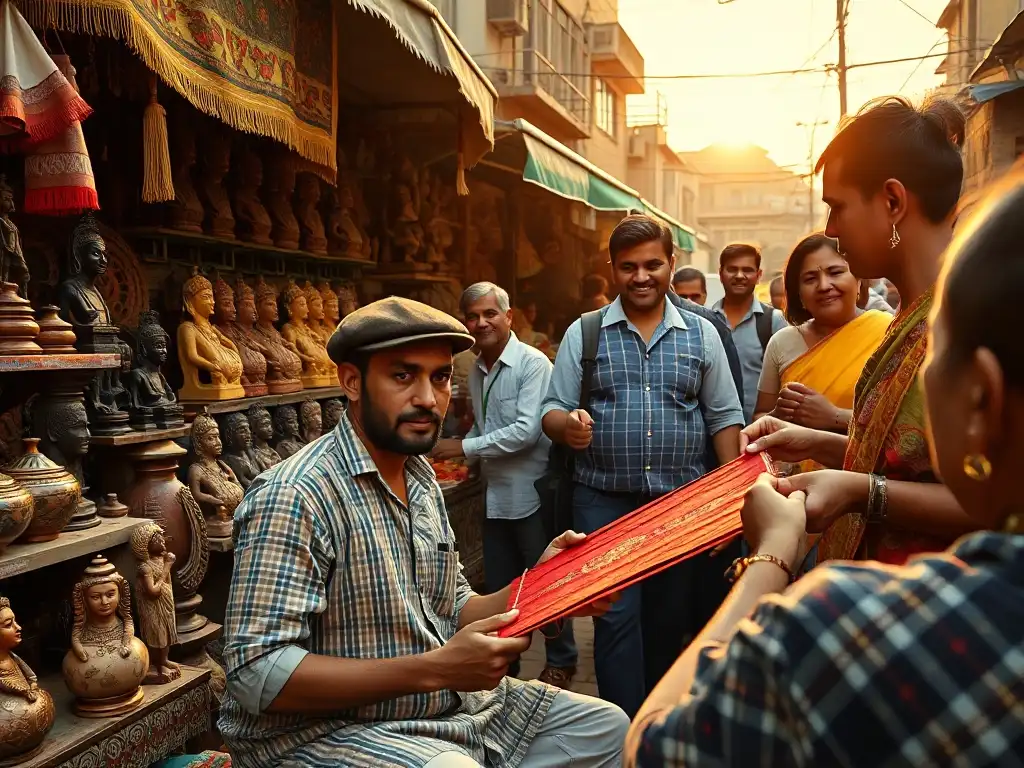
Welcome to Ancient India History, where we embark on a fascinating journey through the rich tapestry of India's past, exploring the remarkable civilizations that have shaped our world. In today's article, "The Benefits of Exporting Indian Goods: Why You Should Start Today," we delve into the profound impact of ancient trade practices and how they continue to influence modern business opportunities. Discover how the legacy of exporting ancient Indian goods not only enriched economies but also fostered cultural exchange and innovation.
Are you ready to unlock the secrets of ancient trade and its benefits for today's entrepreneurs? Let’s dive in!
-
The Benefits of Exporting Ancient Indian Goods: Why You Should Start Today
- Understanding Exporting Ancient Indian Goods Benefits
- Economic Advantages of Exporting Ancient Indian Goods
- Cultural Significance of Exporting Ancient Indian Goods
- Practical Tips for Exporting Ancient Indian Goods
- Strategies for Successful Exporting of Ancient Indian Goods
- Common Challenges in Exporting Ancient Indian Goods
- Case Studies: Successful Exporting of Ancient Indian Goods
- Conclusion: Why You Should Start Exporting Ancient Indian Goods Today
-
Frequently Asked Questions
- What are the key benefits of exporting ancient Indian goods?
- How does exporting ancient Indian goods contribute to cultural awareness?
- What types of goods are typically exported from ancient India?
- How can exporters ensure the authenticity of ancient Indian goods?
- What role does technology play in exporting ancient Indian goods?
- Final Reflection: Embracing the Legacy of Indian Goods for a Global Future
- Embrace Global Trade: Start Exporting Indian Goods Today!
The Benefits of Exporting Ancient Indian Goods: Why You Should Start Today

Exporting ancient Indian goods offers a unique opportunity to tap into the rich heritage and craftsmanship of one of the world's oldest civilizations. With a history that spans millennia, ancient India has produced a myriad of goods that not only reflect its cultural richness but also showcase exceptional craftsmanship. From exquisite textiles to intricate pottery and traditional spices, the potential for exporting these goods is vast and lucrative.
In today's global marketplace, where consumers increasingly seek authentic and unique products, understanding the benefits of exporting ancient Indian goods is essential for businesses looking to leverage this opportunity. This article will delve into the various advantages of exporting these goods, highlighting economic, cultural, and practical reasons why entrepreneurs should consider entering this market.
Understanding Exporting Ancient Indian Goods Benefits
Exporting ancient Indian goods provides numerous benefits that extend beyond mere profit margins. For instance, businesses can capitalize on the increasing global demand for authentic, handcrafted products that tell a story. By exporting these goods, companies not only enhance their brand value but also contribute to preserving age-old traditions and crafts that might otherwise face extinction.
Moreover, engaging in this export market fosters international relationships and cultural exchanges, enriching both the exporter and the consumer's experience. In essence, the benefits of exporting ancient Indian goods encompass economic, cultural, and social dimensions that can significantly enhance a business's footprint in the global market.
Economic Advantages of Exporting Ancient Indian Goods
The economic landscape for exporting ancient Indian goods is promising. Here are some key economic advantages:
- Increased Revenue: Exporting can significantly boost a company's sales by accessing international markets where demand for unique products is higher.
- Diversification of Market: By exporting, businesses can reduce dependency on local markets, spreading risks and creating a more stable revenue stream.
- Job Creation: Engaging in exporting activities can lead to job creation within local communities, supporting artisans and craftsmen who produce these goods.
- Foreign Exchange Earnings: Exporting contributes to the national economy by earning foreign exchange, which can be reinvested for further economic development.
The economic benefits reflect a broader impact, not just on individual businesses but also on the national economy, encouraging growth and sustainability.
Cultural Significance of Exporting Ancient Indian Goods
The cultural significance of exporting ancient Indian goods cannot be overstated. These products are not merely items for sale; they are carriers of history and tradition. Some cultural advantages include:
- Preservation of Heritage: By exporting ancient goods, businesses play a crucial role in preserving traditional crafts and techniques, ensuring that cultural heritage is maintained for future generations.
- Promotion of Cultural Exchange: Exporting these goods facilitates cultural exchange, allowing consumers around the world to experience and appreciate ancient Indian traditions and craftsmanship.
- Empowerment of Local Artisans: Supporting the export of these goods empowers local artisans, providing them with a platform to showcase their skills and secure fair compensation for their work.
- Building Global Awareness: Through the export of ancient goods, businesses can help raise awareness about the rich history and cultural diversity of India, enhancing the global understanding of its contributions to art, science, and philosophy.
Engaging in the export of ancient Indian goods not only benefits businesses economically but also contributes to a greater cultural appreciation and understanding in the global marketplace.
Practical Tips for Exporting Ancient Indian Goods
Exporting ancient Indian goods can be a rewarding venture, but it requires careful planning and execution. Here are some practical tips to help you navigate the process:
- Research Your Market: Understand the demand for ancient Indian goods in various global markets. Identify which products are popular and how they align with cultural preferences.
- Select Authentic Products: Focus on sourcing genuine ancient Indian artifacts, textiles, handicrafts, and other goods. Authenticity is key to attracting customers who value historical significance and craftsmanship.
- Understand Export Regulations: Familiarize yourself with the legal requirements for exporting goods from India to your target countries. This includes licensing, customs documentation, and any restrictions on cultural artifacts.
- Build Relationships with Local Artisans: Collaborate with artisans who create ancient goods. This not only ensures quality but also supports local communities and promotes sustainable practices.
- Utilize Online Platforms: Take advantage of e-commerce platforms and social media to reach international customers. A strong online presence can significantly enhance your visibility and sales potential.
- Focus on Packaging and Shipping: Invest in high-quality packaging that protects your goods during transit. Additionally, choose reliable shipping partners to ensure timely and safe delivery.
- Market Your Goods Effectively: Develop a compelling marketing strategy that highlights the unique heritage and stories behind your products. Use visuals, storytelling, and customer testimonials to engage your audience.
Strategies for Successful Exporting of Ancient Indian Goods
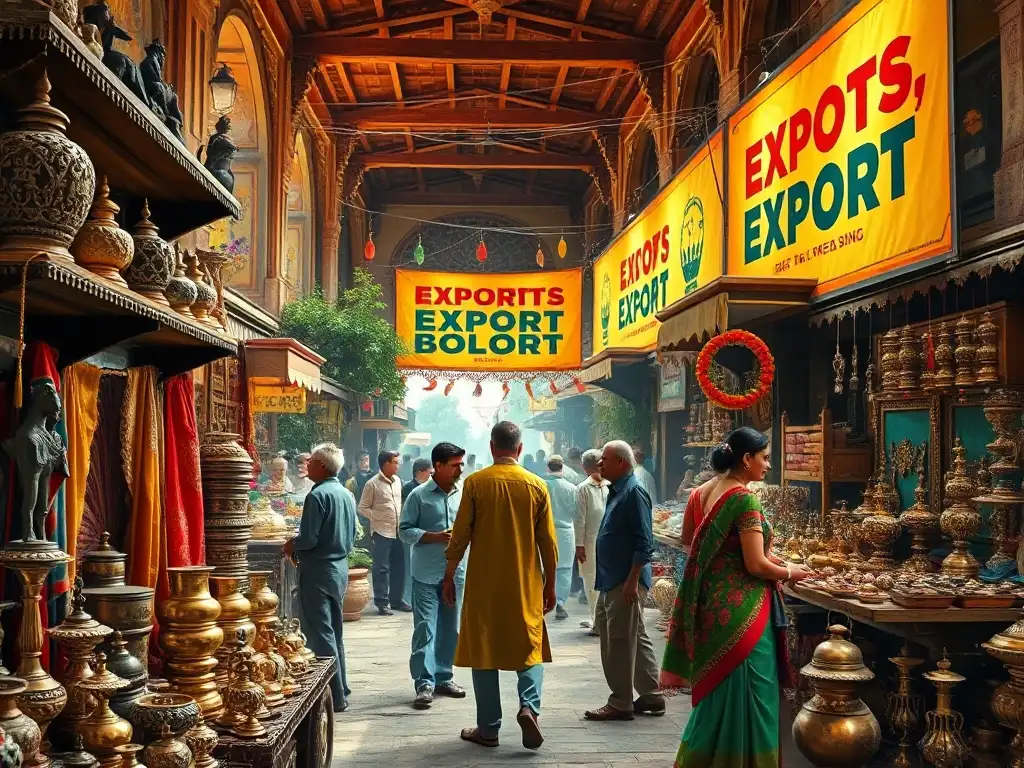
To maximize your success in exporting ancient Indian goods, consider implementing the following strategies:
- Target Niche Markets: Focus on niche markets that are specifically interested in ancient Indian culture and artifacts. This can include museums, cultural institutions, and collectors.
- Leverage Trade Shows and Exhibitions: Participate in trade shows dedicated to art and culture. This allows you to showcase your products, network with potential buyers, and gain insights into market trends.
- Establish a Strong Brand Identity: Create a brand that resonates with your target audience. Emphasize the cultural significance and craftsmanship of your goods, and ensure consistency in branding across all platforms.
- Engage in Sustainable Practices: Promote sustainability by using eco-friendly materials and processes. Consumers today are increasingly conscious of the environmental impact of their purchases.
- Network with Export Promotion Councils: Collaborate with export promotion councils in India that provide guidance, resources, and support for exporters. They can help you navigate the complexities of international trade.
- Stay Informed About Global Trends: Keep abreast of global trends in art and culture. This knowledge will help you adapt your product offerings and marketing strategies to meet evolving consumer preferences.
Common Challenges in Exporting Ancient Indian Goods
While exporting ancient Indian goods can be lucrative, there are several challenges that exporters may face:
- Regulatory Hurdles: Navigating the complex regulations surrounding the export of cultural artifacts can be daunting. There may be restrictions on certain items, requiring thorough research and compliance.
- Cultural Sensitivity: Understanding the cultural significance of the items you are exporting is crucial. Misrepresentation or insensitivity can lead to backlash from both consumers and cultural organizations.
- Quality Control: Ensuring consistent quality in ancient goods can be challenging, especially when dealing with handmade items. Regular inspections and quality checks are necessary to maintain standards.
- Logistical Issues: Shipping ancient goods can involve logistical challenges, including transportation delays and damage during transit. Developing a robust logistics plan is essential for minimizing risks.
- Market Saturation: Some markets may already be saturated with similar products, making it difficult to stand out. Differentiating your offerings through unique storytelling and branding is vital.
- Currency Fluctuations: Exporters must also contend with currency fluctuations that can affect pricing and profitability. Developing a pricing strategy that accounts for these variations is important for maintaining margins.
By addressing these challenges proactively and employing effective strategies, you can successfully export ancient Indian goods while celebrating and preserving the rich heritage of India.
Case Studies: Successful Exporting of Ancient Indian Goods
Exporting ancient Indian goods has a rich history and several successful case studies that highlight the benefits and profitability of this venture. Here are a few notable examples:
-
The Silk Road Trade
Historically, the Silk Road served as a major trade route connecting India to various parts of Asia and Europe. Indian spices, textiles, and precious stones were highly sought after. Merchants who participated in this trade not only gained substantial wealth but also established long-lasting cultural exchanges that enriched both Indian and foreign societies.
-
The Spice Trade
In the medieval period, Indian spices like black pepper, cardamom, and cinnamon became integral to global cuisine. Merchants from Europe and the Middle East traveled to India to procure these spices. The export of spices not only boosted India's economy but also led to the establishment of trade networks that continue to thrive today. For instance, companies like the Dutch East India Company capitalized on the demand for Indian spices, creating a profitable business model.
-
Textile Exports
India's textile industry has a long-standing reputation for quality and craftsmanship. In the 18th century, Indian cotton textiles were exported to Europe, where they were prized for their intricate designs and durability. The success of textile exports paved the way for contemporary brands that focus on sustainable and ethically sourced fabrics from India, appealing to modern consumers who value heritage and craftsmanship.
-
Handicrafts
The export of traditional handicrafts, such as pottery, woodwork, and metal crafts, has gained momentum in recent years. For example, artisans from Rajasthan have successfully exported intricately designed handicrafts to international markets, increasing their income and preserving their cultural heritage. Platforms like Handicrafts Development Corporation have played a crucial role in promoting these exports, showcasing the potential for artisans to thrive in a global economy.
These case studies not only demonstrate the economic benefits of exporting ancient Indian goods but also highlight the cultural significance of these products. By tapping into the rich heritage of India's craftsmanship and trade history, modern exporters can create sustainable business models that promote both profit and cultural preservation.
Conclusion: Why You Should Start Exporting Ancient Indian Goods Today
The landscape of global trade is continuously evolving, and the export of ancient Indian goods presents a unique opportunity for entrepreneurs and businesses looking to make a mark. Here are several compelling reasons to consider starting this venture today:
- Rich Cultural Heritage: Exporting ancient Indian goods allows you to share the country's rich cultural heritage with a global audience. Products such as traditional textiles, handicrafts, and spices carry stories and histories that resonate with consumers looking for authenticity.
- Growing Global Demand: There is an increasing global demand for unique and high-quality goods. Ancient Indian goods, known for their craftsmanship and historical significance, cater to this demand, offering consumers products that stand out in the market.
- Economic Benefits: Engaging in the export of ancient Indian goods can lead to significant economic benefits. By tapping into international markets, businesses can increase their revenue streams, create jobs, and contribute to local economies.
- Sustainability and Ethical Practices: Many ancient Indian goods are produced through traditional and sustainable methods. Promoting these practices not only appeals to environmentally-conscious consumers but also supports artisan communities, ensuring their livelihoods are preserved.
- Support for Local Artisans: By exporting ancient Indian goods, you are contributing to the empowerment of local artisans and craftspeople. This support helps keep traditional skills alive and encourages the next generation to participate in these crafts.
Starting the journey of exporting ancient Indian goods is not just a business opportunity; it's a chance to make a meaningful impact on communities and promote cultural exchange. With the right strategy and a focus on quality, you can successfully navigate the global market and reap the rewards of this enriching endeavor. 🌍✨
Frequently Asked Questions
What are the key benefits of exporting ancient Indian goods?
Exporting ancient Indian goods can lead to increased revenue, cultural exchange, and the preservation of heritage. It allows artisans to share their craftsmanship with a global audience.
How does exporting ancient Indian goods contribute to cultural awareness?
By exporting ancient Indian goods, we promote cultural understanding and appreciation. This helps preserve traditional practices and showcases the rich history of Indian civilizations.
What types of goods are typically exported from ancient India?
Commonly exported goods include handcrafted textiles, jewelry, spices, and artifacts that reflect ancient Indian culture and craftsmanship. These items often have deep historical significance.
How can exporters ensure the authenticity of ancient Indian goods?
Exporters can ensure authenticity by obtaining certificates of provenance and working directly with local artisans. This guarantees that the products are genuinely representative of ancient Indian traditions.
What role does technology play in exporting ancient Indian goods?
Technology facilitates global reach through e-commerce platforms, enhances marketing strategies, and helps in maintaining inventory management. This makes it easier for exporters to connect with international markets.
Final Reflection: Embracing the Legacy of Indian Goods for a Global Future
The benefits of exporting ancient Indian goods are not just historical relics; they resonate with the current global marketplace, where cultural authenticity and sustainability are increasingly valued. In a world that is constantly evolving, the rich heritage of Indian craftsmanship and the stories behind these goods offer a unique opportunity for businesses to connect with consumers seeking meaningful products. The time to act is now, as the demand for ethically sourced and culturally significant items continues to rise.
The influence of exporting Indian goods extends beyond mere commerce; it fosters a deeper appreciation for cultural diversity and craftsmanship. By sharing these unique products with the world, we not only support local artisans but also create a dialogue that bridges cultures. As Mahatma Gandhi once said, “A nation’s greatness is measured by how it treats its weakest members.” This sentiment rings true in the context of exporting ancient Indian goods, as it empowers artisans and uplifts communities, ensuring that their skills and traditions are preserved for future generations.
As you reflect on the insights shared in this article, consider how you can contribute to this vibrant tapestry of culture and commerce. Now is the time to take action—whether you are an entrepreneur, a consumer, or simply an advocate for cultural heritage.
Explore the possibilities of incorporating ancient Indian goods into your life or business, and join the movement that celebrates and sustains the legacy of India’s rich traditions. Your engagement can make a difference, not only in your own life but also in the lives of countless artisans and communities waiting to share their stories with the world.
Embrace Global Trade: Start Exporting Indian Goods Today!
Thank you for diving into the world of exporting Indian goods with us! You’ve discovered the numerous benefits and immense opportunities that come with connecting your products to a global market. Now, it's time to transform that knowledge into action!
Here’s how you can kickstart your exporting journey:
- Begin Your Export Strategy: Identify a product you’re passionate about and research its demand in international markets. Start planning your export strategy today!
- Connect with Fellow Exporters: Engage in online forums or local groups dedicated to export businesses. Sharing experiences can inspire innovative ideas!
- Explore Export Assistance Programs: Seek out resources offered by government agencies or non-profit organizations that provide guidance and support to new exporters.
Now, what’s stopping you from sharing the richness of Indian goods with the world?