
Best Practices for Packaging and Shipping Indian Goods for Export


Welcome to Ancient India History, where we journey through the rich tapestry of India’s past, uncovering the profound contributions of its ancient civilizations. In our latest article, we delve into the fascinating world of Packaging Indian Goods for Export. Discover the best practices that not only honor traditional craftsmanship but also enhance the global appeal of Indian products. Are you ready to explore how the legacy of ancient trade continues to shape modern business strategies? Dive in and find out more!
-
Best Practices for Packaging Indian Goods for Export
- Understanding the Importance of Packaging Indian Goods for Export
- Key Considerations for Packaging Indian Goods for Export
- Effective Strategies for Packaging Indian Goods
- Shipping Methods and Their Impact on Packaging
- Best Practices for Labeling and Documentation
- Conclusion: Maximizing Success in Exporting Indian Goods
- Additional Resources for Exporting Indian Goods
- Call to Action: Start Packaging Your Indian Goods for Export
-
Frequently Asked Questions
- What are the best practices for packaging Indian goods for export?
- How can I ensure that my products remain undamaged during shipping?
- What regulations should I be aware of when exporting goods from India?
- How does proper packaging affect the cost of exporting goods?
- What are the common materials used for packaging Indian goods?
- Final Reflection: The Art of Packaging Indian Goods for Export
- 🚀 Elevate Your Export Game Today!
Best Practices for Packaging Indian Goods for Export

When it comes to exporting goods, particularly from a culturally rich and diverse country like India, the process of packaging is of paramount importance. Effective packaging not only protects the product during transit but also represents the quality and ethos of Indian craftsmanship and heritage. As global demand for Indian goods continues to rise, understanding the nuances of packaging becomes crucial for exporters. This article explores best practices for packaging Indian goods for export, ensuring that products not only arrive safely but also maintain their allure and integrity in the international market.
Understanding the Importance of Packaging Indian Goods for Export
Packaging serves multiple functions in the realm of exporting goods. It is the first point of contact between the product and the consumer, playing a vital role in brand perception. Moreover, well-designed packaging can enhance shelf appeal and contribute to the overall consumer experience. Here are some key reasons why proper packaging should not be overlooked:
- Protection: Effective packaging safeguards goods from physical damage, moisture, contaminants, and temperature variations.
- Compliance: Adhering to international packaging regulations is essential to avoid legal issues and delays in customs.
- Marketing: Attractive packaging can serve as a marketing tool that highlights the unique qualities of Indian products, appealing to a global audience.
- Sustainability: With increasing awareness of environmental issues, sustainable packaging options can enhance a brand's reputation.
Key Considerations for Packaging Indian Goods for Export
When preparing Indian goods for export, several factors must be considered to ensure that the packaging meets the necessary standards and effectively protects the product.
Choosing the Right Packaging Materials
Selecting appropriate packaging materials is crucial for maintaining the quality and safety of Indian goods during transportation. Here are some guidelines to follow:
- Material Durability: Use strong materials such as corrugated boxes, wooden crates, or bubble wrap to protect fragile items.
- Weight Considerations: Lighter materials can reduce shipping costs, but they should not compromise the safety of the goods.
- Moisture Resistance: For products sensitive to humidity, consider moisture-proof packaging options.
- Cultural Significance: Incorporating traditional Indian designs or motifs can enhance the appeal of the packaging and resonate with consumers.
Complying with International Packaging Regulations
Navigating the complexities of international trade requires a thorough understanding of packaging regulations imposed by different countries. Here are some key points to consider:
- Labeling Requirements: Ensure that all labels meet the importing country’s legal standards, including language, content, and placement.
- Material Restrictions: Some countries have restrictions on specific materials such as plastics or certain types of wood, so it's essential to research these regulations beforehand.
- Customs Documentation: Properly packaged goods should include all necessary customs paperwork to facilitate smooth clearance.
- Sustainability Standards: Many countries are adopting stricter environmental regulations regarding packaging, so selecting eco-friendly materials can be advantageous.
By adhering to these best practices, exporters can significantly enhance the chances of their goods reaching international markets in optimal condition, ultimately leading to greater customer satisfaction and repeat business.
Effective Strategies for Packaging Indian Goods
When it comes to exporting Indian goods, effective packaging is essential to ensure that products arrive at their destination in pristine condition. Implementing robust packaging strategies not only protects the items but also enhances their presentation, which can be crucial for market acceptance. Here are some effective strategies to consider:
- Understand Product Requirements: Different products have unique packaging requirements based on their size, shape, and fragility. Conducting a thorough analysis of the product will help determine the most suitable packaging materials and methods.
- Use Quality Materials: Invest in high-quality packaging materials that can withstand the rigors of international transport. This includes sturdy boxes, bubble wrap, foam inserts, and moisture-resistant materials to protect against humidity.
- Optimize Packaging Size: Ensure that the packaging is not excessively large, as this can lead to increased shipping costs and the risk of damage during transit. A snug fit minimizes movement within the package and reduces the chances of breakage.
- Branding and Presentation: Consider incorporating branding elements into the packaging, such as logos or vibrant colors. Attractive packaging can capture attention and create a positive impression, especially in competitive markets.
- Clear Labeling: Labels should be clear and informative, including necessary details such as product descriptions, handling instructions, and destination addresses. This facilitates smooth customs clearance and reduces the risk of mishandling.
Custom Packaging Solutions for Unique Indian Products
India is home to a plethora of unique products, from handcrafted textiles to intricate pottery. Custom packaging solutions can enhance the appeal of these goods and cater to their specific needs. Here are some approaches to consider:
- Tailored Designs: Develop packaging designs that reflect the cultural significance of the products. For instance, traditional Indian motifs or eco-friendly materials can resonate with international consumers looking for authentic experiences.
- Protective Inserts: For fragile items, such as ceramics or glassware, consider using custom-made foam inserts or padding that snugly fit the product. This not only provides protection but also enhances the unboxing experience for customers.
- Sustainable Options: As global demand for sustainable practices rises, explore eco-friendly packaging materials that minimize environmental impact. Options like biodegradable wraps or recycled cardboard can appeal to environmentally conscious consumers.
- Scalability: Ensure that custom packaging solutions can be scaled according to demand. This flexibility allows businesses to adapt to fluctuating orders without compromising on quality or design.
Ensuring Protection During Transit
The journey of Indian goods from the manufacturing site to international markets involves various handling stages, making protection during transit a priority. Here are key practices to ensure safety:
- Reinforced Packaging: Utilize double-walled boxes or crates for heavier items to withstand stacking and rough handling during shipping. This added protection can prevent collapse and damage.
- Sealing Techniques: Employ robust sealing methods such as reinforced tape to secure packages. Proper sealing prevents moisture infiltration and keeps the contents safe from external elements.
- Temperature Control: For perishable items, packaging must include insulation and cooling materials. Using thermal blankets or gel packs can help maintain optimal temperatures throughout transit.
- Inspection and Testing: Before shipping, conduct thorough inspections of the packaging to ensure it meets safety standards. Testing packages under simulated transit conditions can uncover potential weaknesses.
Shipping Methods and Their Impact on Packaging
The choice of shipping method significantly affects the packaging requirements for Indian goods. Each method comes with unique challenges and considerations that must be addressed to ensure products arrive intact.
Choosing the Right Shipping Method for Indian Goods
Selecting the appropriate shipping method is crucial for minimizing costs and ensuring timely delivery. Here's a breakdown of common shipping methods and their implications for packaging:
- Air Freight: Known for speed, air freight is ideal for high-value or time-sensitive goods. Packaging should be lightweight yet sturdy, as weight can significantly impact costs. Air shipments may also require additional cushioning to withstand turbulence.
- Sea Freight: More economical for larger shipments, sea freight necessitates robust packaging to withstand longer transit times and potential exposure to moisture. Using waterproof materials and securing goods tightly is essential.
- Road Freight: For inland transportation, packaging must be designed to handle varying road conditions. This often means using flexible materials that can absorb shocks and vibrations during transport.
- Courier Services: For smaller shipments, couriers offer convenience and speed. Packaging should be compact to reduce costs while ensuring that items are well-protected against mishandling.
Packaging for Different Shipping Conditions
Different shipping conditions can pose unique challenges for Indian goods. Here’s how to adapt packaging accordingly:
- Temperature Variations: For items sensitive to temperature changes, use thermal packaging solutions. Insulated containers or temperature-controlled shipping can help maintain product integrity.
- Humidity and Moisture: In regions with high humidity, consider moisture-absorbing materials or vacuum-sealing products to prevent damage from damp conditions.
- Handling Risks: Understand the handling practices of the chosen shipping method. For instance, air freight may involve less handling than sea freight, allowing for lighter packaging solutions.
- Customs and Regulations: Be mindful of packaging regulations in destination countries. Some regions have specific requirements regarding labeling, materials, and even the size of packages. Compliance helps avoid delays and additional costs at customs.
Effective packaging and shipping strategies are vital for successfully exporting Indian goods. By considering the unique aspects of the products, choosing appropriate materials, and adapting to various shipping conditions, businesses can enhance their export operations and ensure client satisfaction.
Best Practices for Labeling and Documentation
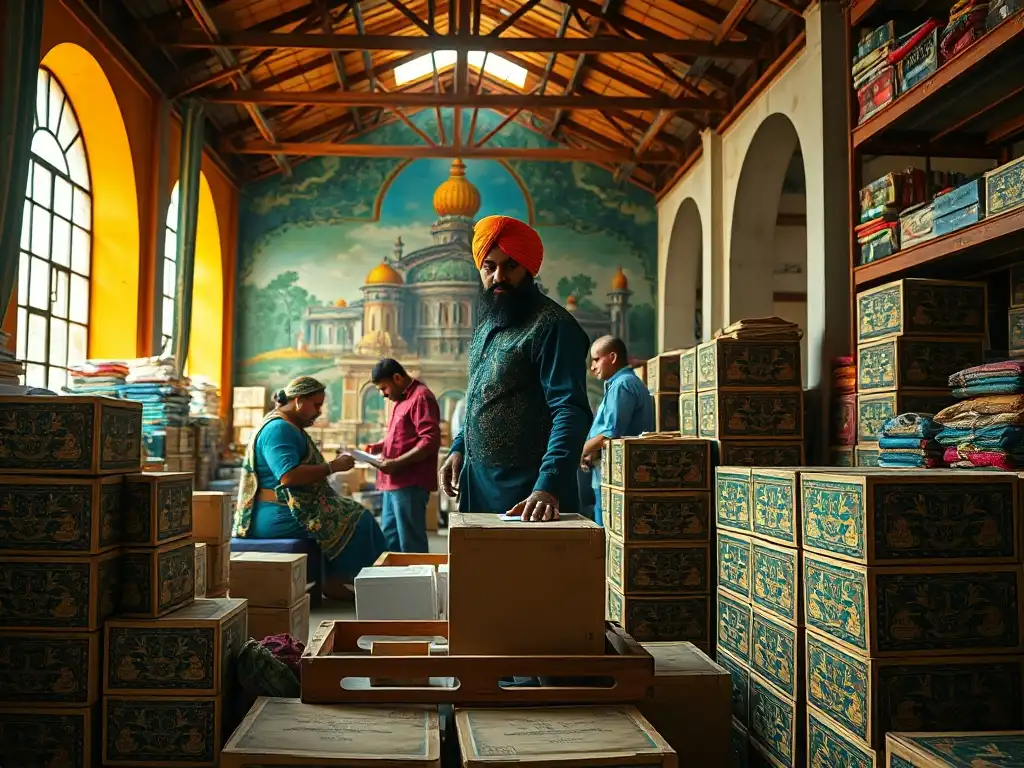
Efficient labeling and documentation are critical components in the process of packaging Indian goods for export. These practices not only ensure compliance with international regulations but also facilitate smooth logistics and enhance customer satisfaction. Here’s a closer look at the best practices for labeling and documentation in the export process.
Importance of Labeling in Exporting Indian Goods
Labeling serves multiple essential functions in the exporting process. First and foremost, accurate labels provide vital information about the product, including its contents, origin, and handling instructions. Here are some key points regarding the importance of labeling:
- Regulatory Compliance: Many countries have stringent labeling requirements for imported goods. This includes information on ingredients, safety warnings, and country of origin. Proper labeling helps ensure compliance with these regulations, reducing the risk of penalties or product returns.
- Consumer Awareness: Labels help consumers make informed decisions by providing crucial information about the product. This includes nutritional information, usage instructions, and certifications (e.g., organic, fair trade). Clear and informative labels can enhance consumer trust and preference for Indian goods.
- Efficient Handling and Transportation: Proper labeling aids in the identification and handling of goods during transportation. Labels should clearly indicate if the goods are fragile, perishable, or require special handling, thus minimizing the chances of damage during transit.
- Brand Recognition: Well-designed labels contribute to brand visibility and recognition in international markets. Utilizing consistent branding across all products can help establish a strong presence and attract repeat customers.
Documentation Requirements for Packaging Indian Goods
In addition to labeling, thorough documentation is crucial for the export of Indian goods. Proper documentation not only ensures compliance with customs regulations but also streamlines the shipping process. Here are the primary documents required when exporting goods from India:
- Commercial Invoice: This document provides a detailed account of the transaction, including product descriptions, quantities, prices, and payment terms. It serves as a contract between the buyer and seller.
- Packing List: A packing list outlines the contents of each package, including weights and dimensions. This document is essential for both the exporter and customs officials to verify the shipment's contents.
- Bill of Lading: This is a legal document issued by a carrier that serves as a receipt for the cargo and a contract for transportation. It includes important details about the shipment, such as the consignee and the port of destination.
- Certificate of Origin: This document certifies the country in which the goods were produced and is often required by customs in the importing country. It may also be necessary for preferential tariff treatment under trade agreements.
- Export License: Depending on the nature of the goods, an export license may be required. This document grants permission to export certain goods and ensures compliance with national export regulations.
- Insurance Certificate: This document provides proof of insurance coverage for the goods during transit, protecting against potential losses due to damage or theft.
Conclusion: Maximizing Success in Exporting Indian Goods
Effective labeling and documentation are paramount in the successful export of Indian goods. By adhering to best practices in labeling, exporters can ensure compliance with regulations, enhance consumer trust, and streamline logistics. Furthermore, maintaining thorough documentation is essential for facilitating smooth customs clearance and avoiding delays.
To maximize success in exporting, Indian businesses should invest time in understanding the specific requirements of their target markets and continuously improve their packaging strategies. By doing so, exporters can not only protect their goods but also build a reputable brand on the global stage, ultimately leading to increased sales and market share.
Additional Resources for Exporting Indian Goods
When it comes to successfully packaging and exporting Indian goods, having access to comprehensive resources can make all the difference. Here are some valuable resources that can help you navigate the complexities of exporting:
- Government Export Promotion Agencies:
- The Ministry of Commerce and Industry provides various guidelines and support for exporters. Their website offers information on policies, procedures, and incentives available for small and medium-sized enterprises (SMEs).
- The Export Promotion Councils (EPCs) are sector-specific organizations that assist exporters in understanding market trends, regulations, and support available for specific industries.
- Industry Associations:
- Associations like the Federation of Indian Export Organisations (FIEO) provide resources, training programs, and networking opportunities for exporters. They also keep members updated on international market conditions and trade agreements.
- Trade Shows and Exhibitions:
- Participating in trade shows, such as the India International Trade Fair, can help you gain insights into packaging trends and connect with potential buyers. These events often feature seminars and workshops focused on export practices.
- Online Resources and Courses:
- Websites like Coursera and edX offer online courses on international trade, logistics, and packaging. These courses can enhance your knowledge and skills in exporting goods effectively.
- Blogs and forums dedicated to export practices, such as Export Genius and IndiaMART, provide real-life case studies and tips from experienced exporters.
- Consulting Services:
- Hiring a consultancy that specializes in export management can be beneficial. They can provide tailored advice on packaging, documentation, and compliance with international regulations.
Utilizing these resources can help streamline your export packaging process, ensuring your goods are prepared for international markets efficiently and effectively.
Call to Action: Start Packaging Your Indian Goods for Export
Ready to take the next step in exporting your Indian goods? Effective packaging is crucial not only for protecting your products but also for ensuring they arrive safely and in perfect condition to your international customers. Here’s what you can do to get started:
- Assess Your Products: Evaluate the nature of your goods and determine the appropriate packaging materials and methods. Consider factors like fragility, perishability, and size.
- Research Regulations: Understand the packaging and labeling requirements for your target export markets. Compliance with regulations is essential to avoid delays and additional costs.
- Choose Quality Materials: Invest in high-quality packaging materials that provide adequate protection during transit. This includes sturdy boxes, cushioning materials, and moisture-proof seals where necessary.
- Test Your Packaging: Before finalizing your packaging process, conduct tests to ensure durability and effectiveness. This can help identify any weaknesses before your products are shipped.
- Stay Informed and Adapt: Keep up with the latest trends in packaging and shipping to continuously improve your processes. Feedback from customers can also provide valuable insights for adjustments.
Start your journey towards successful exportation today! Implement these best practices for packaging Indian goods for export and watch your business thrive in the global marketplace. 🌍📦
Frequently Asked Questions
What are the best practices for packaging Indian goods for export?
The best practices include using durable materials, ensuring proper sealing, and considering climate conditions to protect goods during transit.
How can I ensure that my products remain undamaged during shipping?
To prevent damage, use protective padding, choose the right container size, and employ shock-absorbent materials to cushion the items.
What regulations should I be aware of when exporting goods from India?
Exporters must comply with customs regulations, adhere to international shipping laws, and check for any specific requirements related to the product category.
How does proper packaging affect the cost of exporting goods?
Effective packaging can reduce shipping costs by minimizing weight and size, while also preventing damage that could lead to additional expenses.
What are the common materials used for packaging Indian goods?
Common materials include corrugated boxes, bubble wrap, and foam inserts, all of which provide protection and stability during transport.
Final Reflection: The Art of Packaging Indian Goods for Export
In today's global marketplace, the significance of effective packaging cannot be overstated; it is the first impression that resonates with customers and influences their purchasing decisions. As we navigate the complexities of exporting Indian goods, understanding the nuances of packaging becomes paramount. The right packaging not only protects the product but also tells a story of quality and care, reflecting the rich heritage of Indian craftsmanship. This is a crucial moment for exporters to embrace innovative packaging solutions that resonate with international standards and consumer expectations.
Cultural identity and sustainability are increasingly intertwined in the realm of packaging. The way we package Indian goods not only impacts their marketability but also shapes perceptions of Indian culture on the global stage. As we strive for excellence in packaging, we must remember that our choices can either enhance or diminish the value of our products. Packaging is not just about protecting the product; it's about creating an experience.
This quote encapsulates the essence of how our packaging strategies can elevate Indian goods, making them more appealing to a diverse audience while preserving the integrity of our cultural narrative.
As you reflect on the insights shared in this article, consider how you can implement these best practices in your own export endeavors. Embrace the challenge of packaging as an opportunity to innovate and connect with your customers. Whether you are a seasoned exporter or just starting, remember that every package you send is a representation of India.
Let your packaging be a testament to the quality, creativity, and sustainability that our products embody. Together, we can redefine the standards of packaging Indian goods for export, ensuring that they not only reach their destination safely but also leave a lasting impression on the world.
🚀 Elevate Your Export Game Today!
Thank you for exploring our insights on packaging and shipping Indian goods for export! We hope you found valuable strategies to enhance your exporting journey. Now it’s time to take those insights and put them into action.
Here are some specific steps to help you move forward:
- Begin by reviewing your current packaging methods. Assess how they align with the best practices discussed and make necessary adjustments!
- Join our community forum to connect with fellow exporters and share your experiences or challenges. Collaboration leads to growth!
- Conduct a test run with your new packaging on a small batch of goods. This not only saves resources but also helps you identify any improvements before the big shipment!
What packaging innovation are you excited to try in your next export? Share your thoughts below!