
Cultural Significance and Economic Value: Indian Artifacts in the Global Marketplace

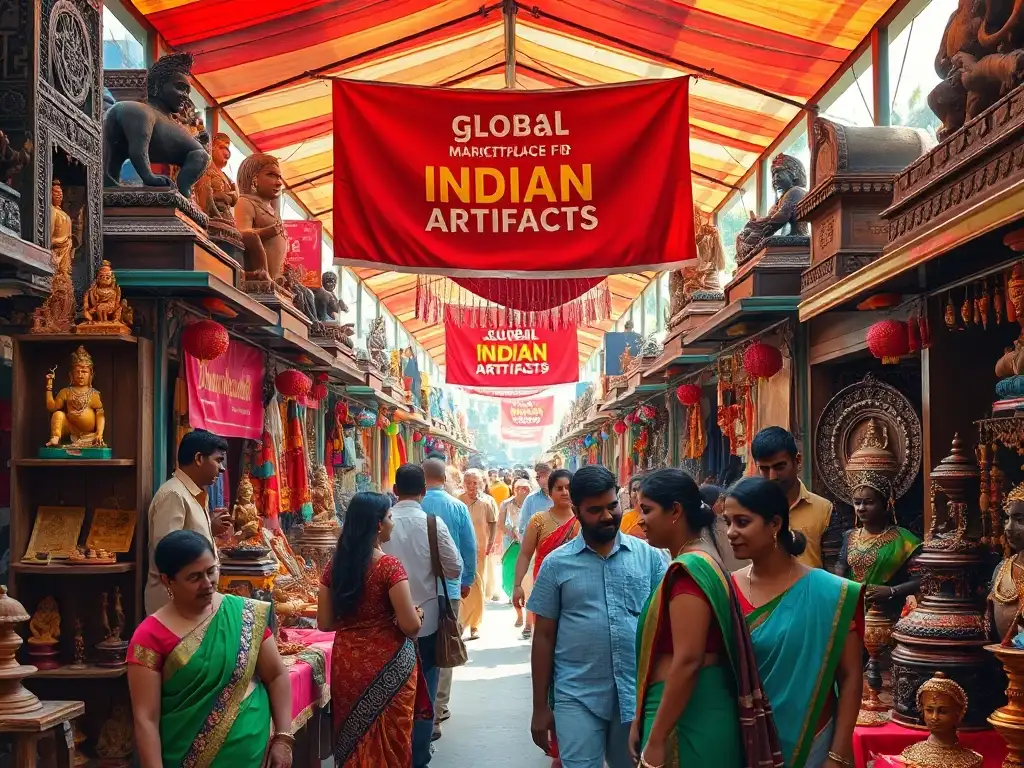
Welcome to Ancient India History, where we embark on an enthralling journey through the rich tapestry of India's past. Have you ever wondered how the remnants of ancient civilizations shape our modern world? In our featured article, "Cultural Significance and Economic Value: Indian Artifacts in the Global Marketplace," we delve into the fascinating intersection of history and commerce. Discover the captivating stories behind Indian artifacts and their profound impact on global culture and economy. Join us as we unlock the treasures of the past and explore their vibrant role in today's marketplace!
- Introduction to Indian Artifacts in the Global Marketplace
- The Cultural Significance of Indian Artifacts
- Economic Value of Indian Artifacts
- Understanding the Global Market for Indian Artifacts
- Prominent Categories of Indian Artifacts
- Challenges in the Indian Artifacts Global Marketplace
- Strategies for Investing in Indian Artifacts
- Conclusion: The Future of Indian Artifacts in the Global Marketplace
- Frequently Asked Questions
- Final Reflection: The Enduring Legacy of Indian Artifacts in the Global Marketplace
- Unveil the Essence of Indian Artifacts Today!
Introduction to Indian Artifacts in the Global Marketplace
Exploring the significance of Indian artifacts in the global marketplace reveals not only their rich cultural heritage but also their considerable economic value. These artifacts, which encompass a vast array of historical and artistic objects from ancient Indian civilizations, serve as a bridge connecting the past to the present.
From the intricate sculptures of the Indus Valley to the exquisite textiles of the Gupta Empire, these items reflect the diverse traditions, beliefs, and artistic expressions that have flourished across the Indian subcontinent over millennia. As the global demand for unique cultural items grows, understanding the dynamics of the Indian artifacts market becomes essential for collectors, investors, and cultural enthusiasts alike.
Definition of Indian Artifacts
Indian artifacts refer to any object made or used by ancient Indian civilizations that hold historical, cultural, or artistic significance. These can range from:
- Sculptures: Statues carved from stone or metal depicting deities, historical figures, and everyday life.
- Pottery: Ceramics showcasing intricate designs and motifs typical of various periods.
- Textiles: Handwoven fabrics, including silk and cotton, often adorned with traditional patterns.
- Jewelry: Ornate pieces crafted from precious metals and stones, reflecting the craftsmanship of their time.
- Tools and Weapons: Items used in daily life or warfare, illustrating technological advancements.
Each artifact serves as a testament to the skills, beliefs, and everyday lives of the people who created them, making them invaluable to the study of history and culture.
Overview of the Global Marketplace for Indian Artifacts
The global marketplace for Indian artifacts has seen significant growth in recent years, driven by a surge in interest from collectors, museums, and art enthusiasts worldwide. Key factors influencing this market include:
- Cultural Appreciation: There is a growing recognition of the artistic and historical importance of Indian artifacts, which has led to increased demand.
- Investment Potential: Many investors view Indian artifacts as a viable alternative asset class, with the potential for substantial returns as their value appreciates over time.
- Online Platforms: The rise of e-commerce and online auction sites has made Indian artifacts more accessible to a global audience, facilitating transactions across borders.
In this thriving marketplace, it is crucial to navigate the complexities of authenticity, provenance, and ethical sourcing to ensure that the appreciation of these treasures is both respectful and beneficial to the cultures they represent. Understanding these dynamics helps stakeholders make informed decisions and promotes a sustainable market for Indian artifacts.
The Cultural Significance of Indian Artifacts
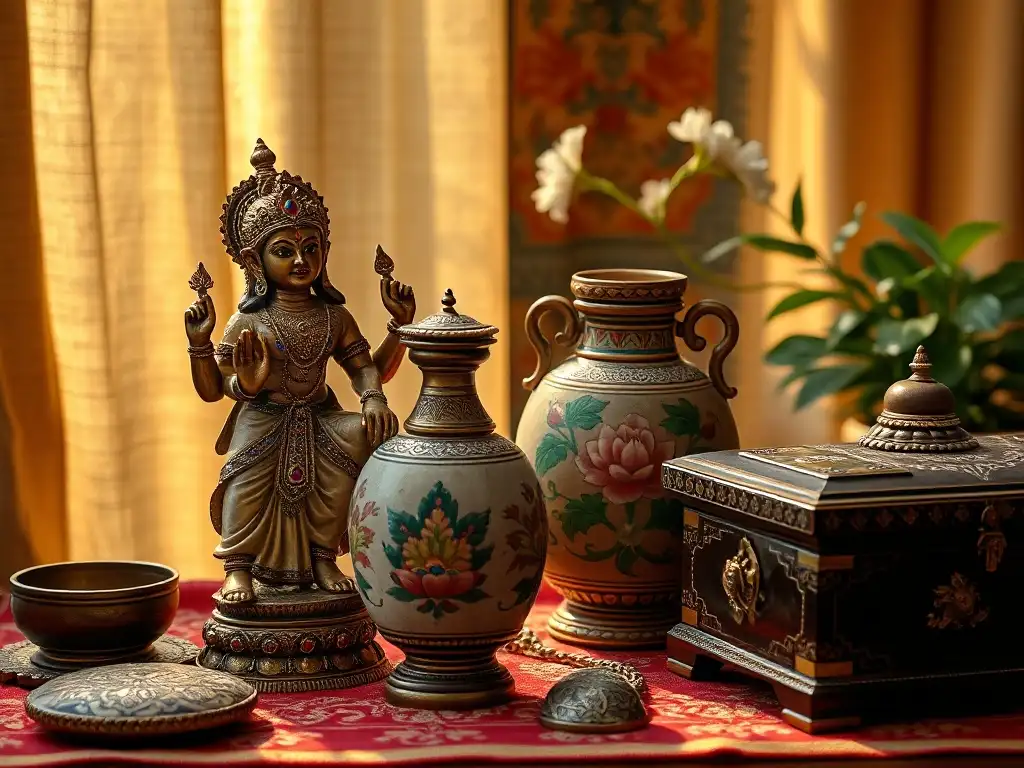
The cultural significance of Indian artifacts transcends mere aesthetics, intertwining with the rich tapestry of history, spirituality, and identity that defines ancient Indian civilizations. Each artifact serves as a tangible connection to the past, encapsulating the values, beliefs, and artistic expressions of the time. As these objects enter the global marketplace, their historical and cultural narratives play a crucial role in shaping their perceived value, both economically and socially.
Historical Context of Indian Artifacts
Indian artifacts are deeply rooted in the subcontinent's extensive history, dating back to the Indus Valley Civilization (c. 3300–1300 BCE). This period marked the emergence of sophisticated urban planning, trade networks, and a unique artistic style characterized by terracotta figurines, seals, and pottery.
- Indus Valley Civilization: Artifacts from this era, such as the iconic dancing girl statue and intricate seal carvings, reflect advanced craftsmanship and societal organization. The connection to trade routes highlights the early economic exchanges that set the foundation for future interactions.
- Mauryan and Gupta Empires: The Mauryan period (c. 322–185 BCE) introduced monumental art forms, including Ashoka's edicts and stupas, while the Gupta Empire (c. 240–550 CE) is celebrated for its contributions to sculpture and painting, exemplified by the exquisite carvings at Ajanta and Ellora. The artifacts from these periods reveal a sophisticated understanding of aesthetics and religious devotion.
Examining these historical contexts allows collectors and historians alike to appreciate the profound narrative that each artifact conveys, influencing its market demand and valuation in the global marketplace.
Symbolism and Meanings in Indian Art
Indian art is rich in symbolism, with artifacts often imbued with meanings that reflect philosophical and spiritual beliefs.
- Religious Significance: Many artifacts, such as statues of deities and ritual objects, serve as focal points in religious practices. For instance, the intricately carved idols of Hindu gods like Ganesha or Durga are not merely decorative; they are considered sacred and are integral to rituals and ceremonies.
- Cultural Identity: Artifacts also serve as expressions of cultural identity, representing regional styles and traditions. For instance, the vibrant textiles and pottery from Rajasthan carry distinct motifs that tell stories of the local culture and environment.
- Social Commentary: Some artifacts act as social commentaries, reflecting the dynamics of ancient society. For example, the depiction of everyday life in terracotta figures provides insights into the roles and status of individuals within the community.
Understanding the symbolism behind these artifacts enhances their appeal in the global marketplace, as collectors seek not just objects, but narratives that resonate with cultural heritage.
The Role of Indian Artifacts in Cultural Heritage
Indian artifacts play a pivotal role in preserving cultural heritage, acting as conduits for education and awareness about ancient civilizations.
- Museum Exhibitions: Many artifacts find their way into museums worldwide, where they serve to educate the public about the complexities of Indian history and culture. Exhibitions showcasing Indian art often highlight the craftsmanship and stories behind each piece, fostering a greater appreciation for the rich traditions.
- Cultural Diplomacy: Artifacts also serve as tools of cultural diplomacy, promoting India’s heritage on the global stage. By participating in international exhibitions and cultural exchanges, India showcases its artistic legacy, strengthening ties with other nations.
- Economic Impact: The growing interest in Indian artifacts in the global marketplace has economic implications as well. Artisans and communities benefit from the demand for traditional crafts, leading to sustainable livelihoods and the preservation of artisanal skills.
The cultural significance of Indian artifacts is multifaceted, encompassing historical context, symbolic meanings, and roles in cultural heritage. As these artifacts navigate the global marketplace, their narratives continue to enrich our understanding of ancient Indian civilizations, making them invaluable not just as objects of beauty but as embodiments of a rich and diverse heritage.
Economic Value of Indian Artifacts
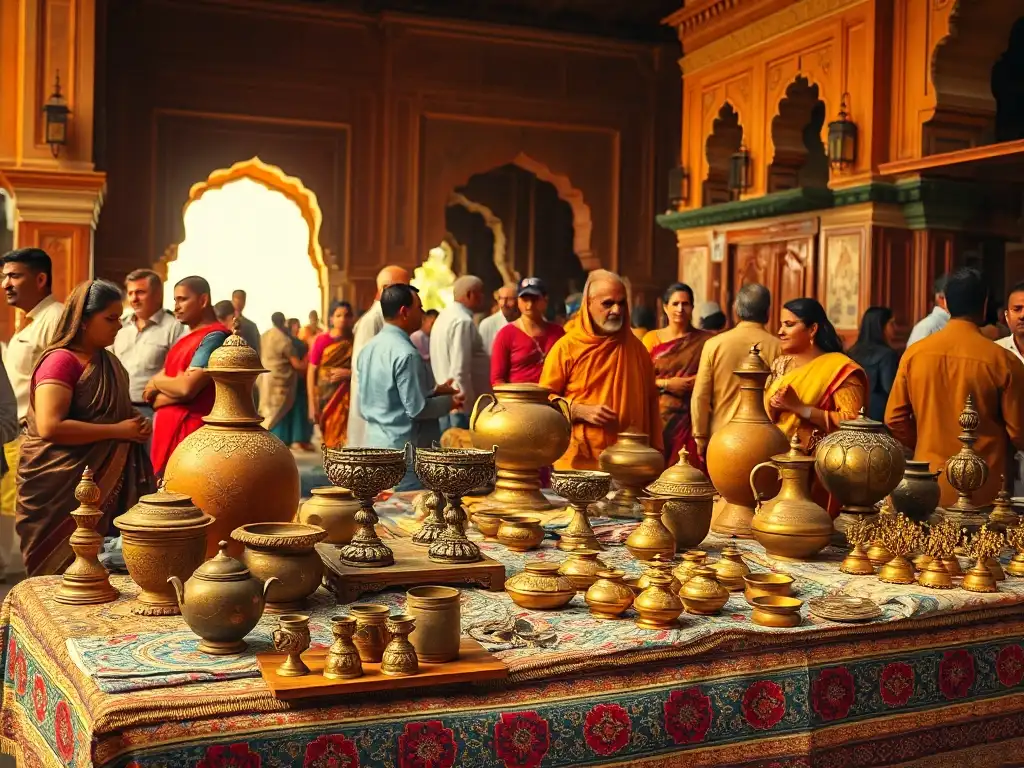
The economic value of Indian artifacts extends far beyond their aesthetic appeal; they represent a significant sector within the global marketplace. As cultural representations of ancient Indian civilizations, these artifacts not only hold historical significance but also contribute to various economies through trade, tourism, and investment. The global interest in Indian artifacts has surged in recent years, driven by collectors, museums, and cultural enthusiasts who recognize their importance.
The valuation of Indian artifacts can vary dramatically based on several factors, including age, rarity, condition, and provenance. Many artifacts are seen as investment opportunities and have appreciated in value over time, reflecting broader economic trends and cultural shifts. The market for these artifacts is influenced by global economic conditions, currency fluctuations, and changing consumer interests, making it a dynamic sector worthy of further exploration.
Market Trends for Indian Artifacts Globally
The global marketplace for Indian artifacts has experienced notable trends in recent years. Key patterns include:
- Increased Online Sales: The rise of e-commerce platforms has facilitated the buying and selling of Indian artifacts, allowing sellers to reach international audiences. Online auctions and specialized marketplaces have become popular venues for collectors seeking unique pieces.
- Growing Interest from Collectors and Investors: There is a noticeable increase in interest from both private collectors and institutional investors. Many see Indian artifacts as not only pieces of art but also as viable investments that can yield returns over time.
- Cultural Tourism: Countries like India have recognized the potential of cultural tourism, promoting their heritage through exhibitions and fairs. This has led to greater visibility and appreciation for Indian artifacts on a global scale. Museums and galleries worldwide are increasingly showcasing Indian art, further stimulating market demand.
High Demand for Indian Art and Crafts
The demand for Indian art and crafts is predominantly driven by their unique characteristics and cultural significance. Factors influencing this demand include:
- Rich Heritage: Indian artifacts often embody centuries of tradition, craftsmanship, and artistry. Items such as handwoven textiles, intricate jewelry, and ancient sculptures are highly sought after for their unique stories and cultural narratives.
- Diverse Styles: The rich diversity of Indian art forms, ranging from traditional folk art to contemporary pieces, caters to a wide array of tastes and preferences. This variety attracts a broader audience, including art enthusiasts, decorators, and collectors.
- Sustainable Practices: Increasing global consciousness regarding sustainability has led to a preference for handcrafted and ethically sourced items. Many Indian artisans adhere to traditional methods that are environmentally friendly, appealing to consumers who value sustainability.
Pricing Factors for Indian Artifacts in the Global Marketplace
Understanding the pricing of Indian artifacts requires an analysis of several key factors that contribute to their market value:
- Authenticity and Provenance: The history of an artifact significantly influences its price. Provenance, or the documented history of ownership, is crucial for establishing authenticity and can substantially increase value.
- Condition and Restoration: The physical state of an artifact plays a vital role in its pricing. Well-preserved items or those that have undergone professional restoration tend to fetch higher prices compared to those in poor condition.
- Market Demand and Trends: Fluctuations in market demand affect pricing. High demand for specific types of artifacts can lead to price increases, while market saturation may lower values.
- Cultural Significance: The cultural and historical importance of an artifact can also elevate its price. Items linked to significant historical events or prominent figures often have greater value in the marketplace.
The economic value of Indian artifacts in the global marketplace is a multifaceted topic influenced by a variety of factors. Understanding these elements is essential for anyone looking to engage with this vibrant and evolving market.
Understanding the Global Market for Indian Artifacts
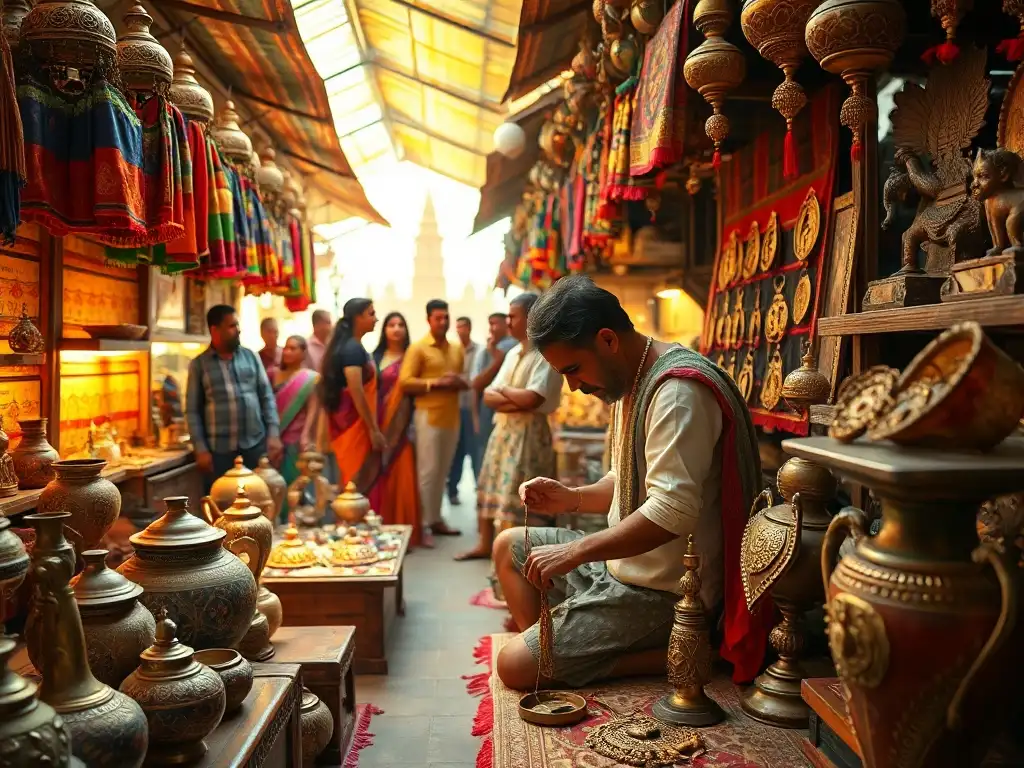
Key Players in the Indian Artifacts Market
The global marketplace for Indian artifacts is a dynamic landscape shaped by various key players, including artisans, collectors, e-commerce platforms, and cultural institutions. These players contribute to the economic value and cultural significance of Indian artifacts, enhancing their visibility and accessibility on the international stage.
Artisans and Craftspersons
The heart of the Indian artifacts market lies in the skilled artisans and craftspersons who create these unique items. Drawing from centuries-old traditions, they produce a wide array of artifacts, including pottery, textiles, jewelry, and sculptures. These artisans often belong to specific regions known for their distinctive craftsmanship, such as:
- Kutch: Renowned for its embroidered textiles and mud art.
- Jaipur: Famous for its intricate jewelry and blue pottery.
- Varanasi: Known for silk weaving and Banarasi sarees.
The preservation of traditional techniques not only enriches the cultural tapestry of India but also adds substantial value to the artifacts created, making them sought-after items in the global marketplace.
Collectors and Enthusiasts
Collectors play a vital role in shaping demand for Indian artifacts. Many collectors seek out authentic pieces to enhance their collections, driven by a passion for history and culture. This segment includes:
- Private Collectors: Individuals who invest in artifacts for personal enjoyment and cultural appreciation.
- Institutional Collectors: Museums and galleries that acquire artifacts for educational purposes and public display.
Collectors often attend exhibitions and fairs to acquire rare items, thus influencing market trends and values.
E-commerce Platforms
The rise of digital commerce has transformed how Indian artifacts are bought and sold globally. E-commerce platforms allow artisans and sellers to reach a broader audience, facilitating the exchange of cultural treasures. Some notable features of this segment include:
- Global Reach: Sellers can connect with international buyers, expanding their market.
- Diverse Offerings: Platforms host a wide range of artifacts, catering to various tastes and preferences.
Online Platforms for Buying Indian Artifacts
The online marketplace for Indian artifacts has become a significant avenue for both buyers and sellers. Various platforms facilitate the trade of these cultural treasures, making them accessible to a global audience.
E-commerce Websites (e.g., Etsy, Amazon)
E-commerce websites have revolutionized the way Indian artifacts are marketed and sold. Platforms like Etsy and Amazon provide an easy and convenient way for buyers to discover and purchase unique items.
- Etsy: Focuses on handmade and vintage items, allowing artisans to showcase their crafts directly to consumers. The platform emphasizes the story behind each artifact, enhancing its appeal.
- Amazon: Offers a vast marketplace with a dedicated section for Indian artifacts, where sellers can list items ranging from traditional crafts to contemporary designs. The extensive reach of Amazon helps artifacts gain visibility among a diverse customer base.
These platforms have enabled artisans to bypass traditional retail barriers, ensuring a more equitable distribution of profits.
Auction Houses and Art Galleries
Auction houses and art galleries play a crucial role in the high-end segment of the Indian artifacts market. They specialize in curating and selling rare and valuable items, often reaching affluent collectors and investors.
- Auction Houses: Institutions like Sotheby’s and Christie’s host auctions featuring Indian artifacts, attracting bidders from around the world. These events highlight the historical and artistic significance of the items, often resulting in high sale prices.
- Art Galleries: Many galleries focus on promoting Indian art and artifacts, providing a space for artisans to showcase their work. They often host exhibitions and events that educate the public about the cultural heritage of Indian artifacts.
These platforms not only facilitate transactions but also enhance the appreciation and understanding of Indian culture within the global marketplace.
The Influence of Cultural Heritage Tourism on the Market
Cultural heritage tourism has become a significant driving force in the global marketplace for Indian artifacts. This sector attracts millions of tourists each year who seek to immerse themselves in the rich historical and cultural narratives that ancient Indian civilizations offer. The influx of visitors not only fosters a greater appreciation for Indian art and artifacts but also creates a vibrant economic environment that supports local artisans and businesses.
One of the primary ways cultural heritage tourism influences the market is through increased demand for authentic artifacts. Tourists often seek genuine pieces that reflect the artistry and craftsmanship of different historical periods, such as the Indus Valley Civilization, Mauryan Empire, and Gupta Empire. This demand encourages artisans to produce traditional crafts while adhering to the historical methods of creation, thereby preserving age-old techniques and enhancing the value of these artifacts in the global marketplace.
Moreover, cultural heritage tourism promotes the establishment of museums, galleries, and exhibitions that showcase Indian artifacts. These venues not only serve as educational platforms but also as commercial spaces where artifacts can be bought, sold, and appreciated. For instance, renowned museums in cities like Delhi and Jaipur attract international visitors who are interested in acquiring unique pieces, thus boosting sales and increasing the visibility of Indian artifacts on a global scale.
The economic impact of cultural heritage tourism is further amplified by the rise of online marketplaces that specialize in Indian artifacts. E-commerce platforms allow artisans and small businesses to reach a wider audience, facilitating direct sales to collectors and enthusiasts worldwide. This shift to digital platforms has made it easier for consumers to access a diverse range of artifacts, from textiles and pottery to sculptures and jewelry, thereby enhancing the overall market for Indian artifacts.
In addition to the economic benefits, cultural heritage tourism fosters a sense of pride and identity among local communities. As tourists engage with the history and culture of India, they contribute to a narrative that underscores the importance of preserving these artifacts for future generations. This awareness not only drives the market but also encourages sustainable practices among artisans, ensuring that the production of Indian artifacts remains rooted in authenticity and cultural significance.
Cultural heritage tourism plays a pivotal role in shaping the global marketplace for Indian artifacts. It enhances demand, supports local economies, and promotes the preservation of traditional crafts, all while fostering a deeper appreciation for the rich tapestry of ancient Indian history and culture. As this sector continues to grow, the interconnectedness between tourism and the market for Indian artifacts will likely become even more pronounced, creating new opportunities for growth and sustainability in the years to come.
Prominent Categories of Indian Artifacts
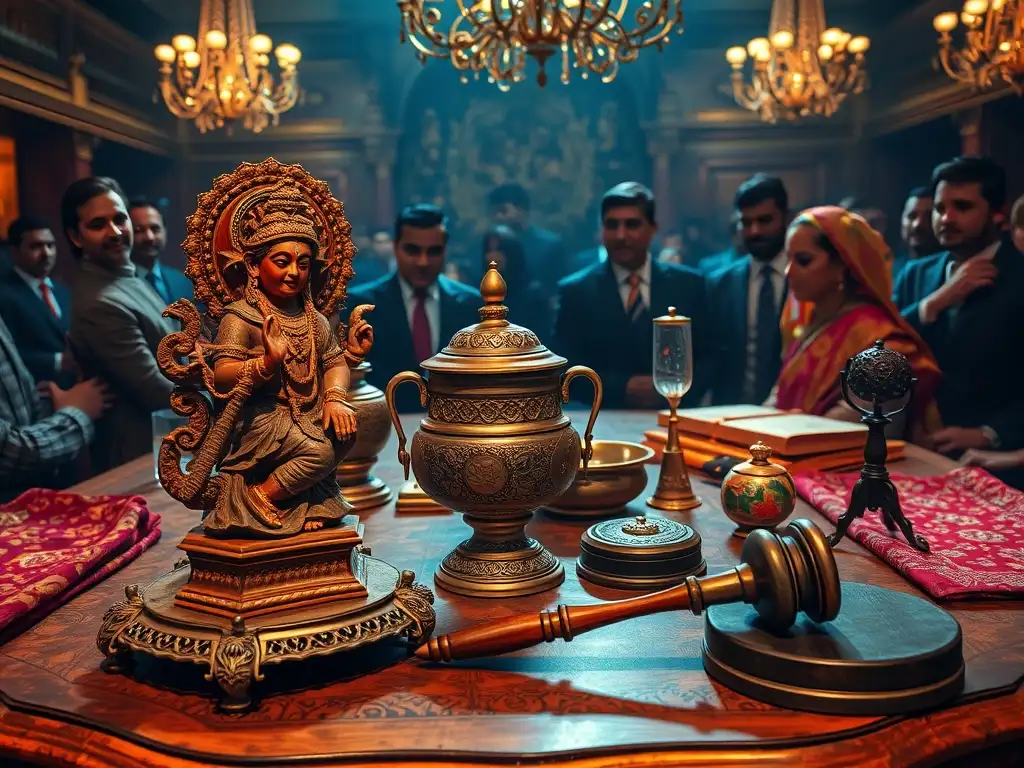
Indian artifacts encompass a vast array of items that reflect the rich cultural heritage and artistic excellence of ancient Indian civilizations. As the global marketplace for Indian artifacts expands, several prominent categories have emerged, each with its own unique characteristics and significance. Among these, sculptures and statues, along with textiles and handicrafts, stand out as pivotal elements that not only showcase artistic prowess but also represent the cultural narratives of India.
Sculptures and Statues
Sculptures and statues from ancient India are highly revered for their intricate designs and historical significance. These artifacts, often made from materials such as stone, bronze, and terracotta, depict deities, mythological figures, and historical personalities, serving both religious and decorative purposes.
Unique Features and Pricing
The uniqueness of Indian sculptures lies in their detailed craftsmanship and the stories they tell. For instance, sculptures of Ganesha or Buddha often illustrate specific poses and mudras that embody various philosophical meanings. Pricing for these artifacts can vary widely based on factors such as:
- Material Used: Stone sculptures tend to be more expensive than clay or wood.
- Size: Larger pieces generally command higher prices.
- Age and Authenticity: Antiquities, especially those with verified provenance, can reach prices in the thousands or even millions of dollars.
A rough price range is as follows:
| Material | Price Range (USD) |
|---|---|
| Terracotta | $50 - $500 |
| Wood | $100 - $1,500 |
| Stone | $500 - $10,000+ |
| Bronze | $1,000 - $20,000+ |
Recommended Sources for Purchase
For collectors and enthusiasts interested in acquiring Indian sculptures and statues, several reputable sources are available:
- Art Galleries: Many galleries specialize in Indian art and often host exhibitions featuring sculptures.
- Antique Dealers: These professionals can provide unique pieces with historical significance.
- Online Platforms: Websites like eBay and specialized auction houses often have listings for authentic Indian sculptures.
- Cultural Festivals: Events celebrating Indian culture often feature artisans selling original works.
Textiles and Handicrafts
Indian textiles and handicrafts form an integral part of the country's cultural fabric, showcasing the country's diverse traditions and craftsmanship. From the famous Banarasi silk to the vibrant Kutch embroidery, these artifacts reflect both aesthetic appeal and cultural significance.
Cultural Importance and Economic Impact
The production of textiles and handicrafts is not merely an art form but also a crucial economic activity for many communities across India. Each region has its signature style, contributing to the cultural diversity of the nation. The economic impact includes:
- Employment Generation: Millions of artisans rely on textile and craft production for their livelihoods.
- Export Revenue: Indian textiles are highly sought after in the global marketplace, contributing significantly to the country's economy.
- Cultural Preservation: The continued demand for traditional crafts supports the preservation of age-old techniques and designs.
The global marketplace for Indian textiles has seen a surge, with increasing interest in sustainable and ethically sourced products.
Best Online Stores for Indian Textiles
For those looking to purchase Indian textiles, several online stores offer a wide range of options:
- FabIndia: Known for its sustainable practices and authentic Indian textiles.
- Craftsvilla: A platform that connects artisans directly with consumers, offering a variety of handicrafts.
- Amazon India: Features a vast selection of textiles from various sellers, including traditional and contemporary styles.
- Etsy: A marketplace for handmade and vintage items, including unique Indian textile products.
The Indian artifacts global marketplace is rich with opportunities for collectors, investors, and enthusiasts alike. By understanding the prominent categories such as sculptures and textiles, one can appreciate not only their cultural significance but also their economic value.
Paintings and Traditional Art
Indian paintings hold a significant place in the global marketplace, reflecting the rich cultural heritage and diverse artistic traditions of the subcontinent. These artifacts encompass a variety of styles, each telling a unique story of the region's history, beliefs, and societal norms. From ancient cave paintings to contemporary interpretations, Indian paintings continue to captivate art enthusiasts and collectors worldwide. The intricate detailing, vibrant colors, and the use of natural materials make these artworks not just visually appealing but also a valuable investment for collectors in the global marketplace.
The importance of Indian paintings extends beyond aesthetics; they often embody spiritual meanings and philosophical concepts, making them a significant part of cultural exchange. This allure contributes to the increasing demand for Indian artifacts, including paintings, in international markets. Collectors and investors are keen to acquire pieces that not only serve as decorative items but also as historical records that celebrate India's artistic legacy.
Styles and Techniques
Indian paintings can be broadly categorized into several styles, each showcasing distinct techniques and themes:
- Madhubani: Originating from Bihar, Madhubani paintings are known for their intricate patterns and bright colors. Traditionally created by women, these artworks often depict mythological themes and nature.
- Warli: This tribal art form from Maharashtra is characterized by its use of simple geometric shapes. Warli paintings often illustrate daily life and rituals, using white pigment on mud walls.
- Pattachitra: Hailing from Odisha, Pattachitra paintings are known for their intricate details and mythological narratives. These artworks are typically created on cloth or dried palm leaves, featuring vibrant colors derived from natural sources.
- Tanjore: Originating from Tamil Nadu, Tanjore paintings are distinguished by their rich colors, surface richness, and the use of gold foil. These artworks often depict Hindu deities and are embellished with precious stones, making them particularly valuable.
- Miniature: This style encompasses various regional forms, including Mughal, Rajput, and Pahari miniatures. These paintings are characterized by their small size and meticulous detail, often illustrating historical events, royal portraits, or court scenes.
Each style reflects the cultural influences and historical context of its origin, making Indian paintings a vibrant and essential component of the global art market. The techniques employed in these artworks, from natural dyes to intricate brushwork, highlight the artisanal skills passed down through generations, contributing to their value in the global marketplace.
Where to Find Authentic Indian Paintings
Finding authentic Indian paintings requires an understanding of reputable sources and marketplaces. Here are some key places where collectors can discover genuine Indian artworks:
- Art Galleries and Exhibitions: Major cities in India, such as Mumbai, Delhi, and Kolkata, host numerous art galleries that showcase traditional and contemporary Indian paintings. Exhibitions often feature works from established artists, providing a platform for collectors to purchase authentic pieces.
- Auctions: Reputable auction houses often hold sales dedicated to Indian art. Participating in these auctions can provide access to rare and valuable paintings, along with provenance details that confirm their authenticity.
- Art Fairs: International art fairs frequently include Indian galleries and artists, presenting an opportunity to view and purchase a wide range of artworks. Events like the India Art Fair in Delhi attract global collectors and art enthusiasts.
- Online Marketplaces: Several online platforms specialize in Indian art, offering a diverse selection of paintings. It is crucial to verify the credibility of these platforms and seek out sellers with established reputations to ensure authenticity.
- Cultural Institutions: Museums and cultural institutions often sell reproductions and original artworks in their gift shops. Visiting these institutions can also provide insights into the historical context of the paintings.
By exploring these avenues, collectors can confidently navigate the global marketplace for Indian artifacts, ensuring they acquire genuine and culturally significant pieces.
Challenges in the Indian Artifacts Global Marketplace
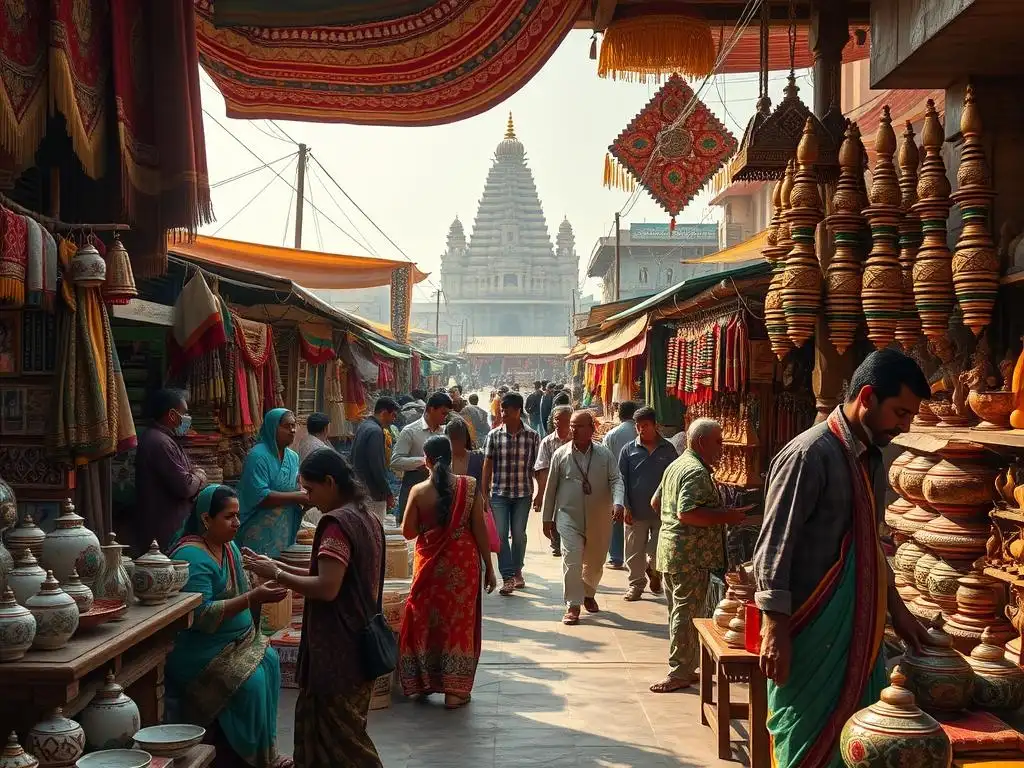
The global marketplace for Indian artifacts presents a myriad of challenges that significantly impact both the authenticity and preservation of these valuable cultural items. As the demand for Indian artifacts grows, so too do the complications associated with their trade. This section delves into three critical challenges: counterfeit artifacts, regulatory issues, and the tension between cultural preservation and commercialization.
Counterfeit Indian Artifacts: Identification and Prevention
The proliferation of counterfeit Indian artifacts poses a significant threat to collectors, investors, and cultural heritage. Counterfeits can range from poorly made replicas to sophisticated forgeries that are difficult to detect.
To effectively combat counterfeiting, it is crucial to implement the following strategies:
- Authentication Techniques:
- Scientific Analysis: Techniques such as radiocarbon dating, thermoluminescence dating, and pigment analysis help verify the age and composition of artifacts.
- Documentation: Provenance records, including previous ownership and historical context, are essential for confirming authenticity.
- Education and Awareness:
- Workshops and Seminars: Engaging collectors and dealers in educational programs about identifying genuine artifacts can reduce the impact of counterfeits.
- Online Resources: Creating databases with images and descriptions of verified artifacts aids in the identification process.
- Legislation and Collaboration:
- Stricter Regulations: Governments and international organizations should enforce stringent laws against the sale of counterfeit artifacts.
- Collaborative Efforts: Partnerships between museums, galleries, and law enforcement can bolster efforts to detect and eliminate counterfeit items from the marketplace.
The battle against counterfeiting in the Indian artifacts market is not just about preserving value; it's about safeguarding heritage.
Regulatory Issues Affecting Trade
The trade of Indian artifacts is often hindered by a complex web of regulatory issues that vary between countries. These regulations can affect how artifacts are sold, exported, and displayed.
Key regulatory challenges include:
- Export Restrictions:
- Many countries impose strict laws that restrict the export of cultural heritage items. In India, laws such as the Antiquities and Art Treasures Act of 1972 aim to protect artifacts from being removed without proper documentation and approval.
- Import Regulations:
- Different nations have varying import regulations, which can complicate the process for dealers and collectors. Some countries require specific permits or certifications to bring artifacts across their borders.
- Cultural Property Laws:
- International agreements, such as the UNESCO Convention, aim to prevent the illegal trade of cultural property. However, inconsistent enforcement and differing interpretations of these laws can create significant barriers in the global marketplace.
| Regulatory Aspect | Description |
|---|---|
| Export Restrictions | Laws limiting the export of cultural artifacts |
| Import Regulations | Requirements for permits to import artifacts |
| Cultural Property Laws | International agreements aimed at protecting heritage |
Preservation of Cultural Heritage vs. Commercialization
The commercialization of Indian artifacts presents a complex dilemma: how to balance the economic benefits of trade with the need to preserve cultural heritage.
Several factors contribute to this tension:
- Economic Incentives:
- The sale of artifacts can provide significant financial benefits to local communities and foster the growth of the art market. However, prioritizing profit can lead to the unethical exploitation of resources and cultural items.
- Cultural Significance:
- Many artifacts hold immense cultural value that transcends their monetary worth. The commodification of these items can dilute their cultural significance and lead to a loss of traditional practices and knowledge.
- Sustainable Practices:
- Implementing sustainable practices in the trade of Indian artifacts is essential for preserving cultural heritage. This includes:
- Responsible Sourcing: Ensuring that artifacts are sourced ethically and legally.
- Community Involvement: Engaging local communities in the trade process can promote both economic development and cultural preservation.
- Implementing sustainable practices in the trade of Indian artifacts is essential for preserving cultural heritage. This includes:
Navigating the challenges within the Indian artifacts global marketplace requires a multifaceted approach that emphasizes authenticity, regulation, and a commitment to preserving cultural heritage while recognizing the economic value of these treasures.
Strategies for Investing in Indian Artifacts
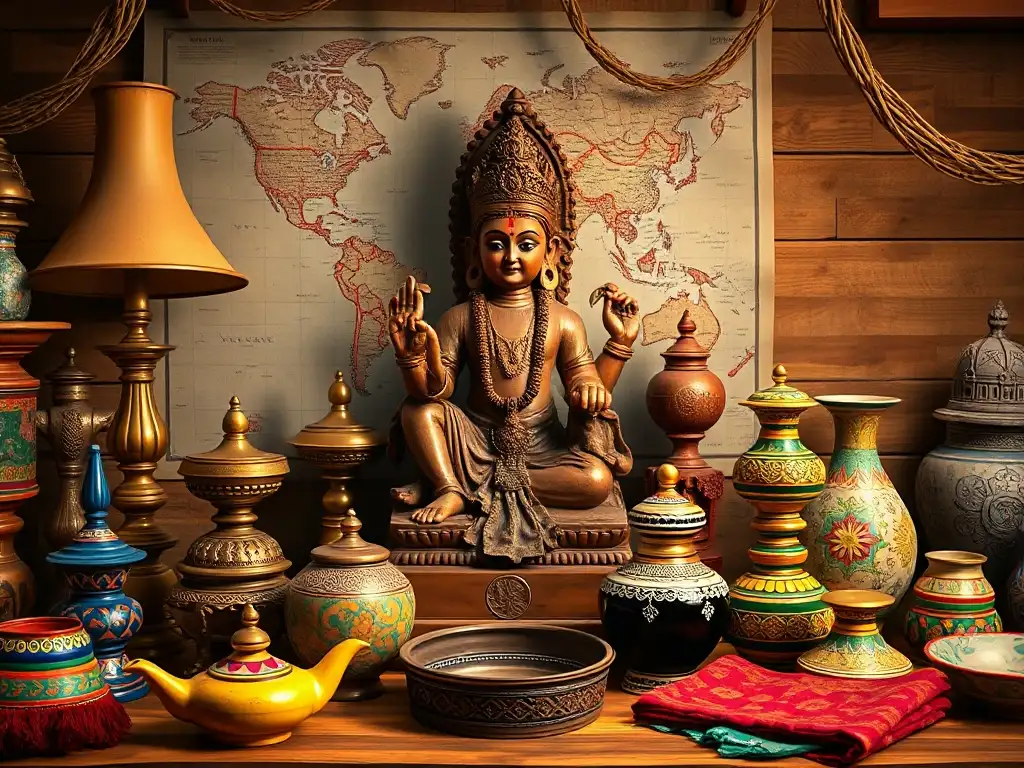
Investing in Indian artifacts offers a unique opportunity to engage with a rich cultural heritage while potentially realizing financial returns. As the global marketplace for Indian artifacts continues to expand, it is crucial for investors to approach this niche sector with informed strategies. Here are some essential strategies to consider:
- Research and Education:
- Understanding the historical context and cultural significance of the artifacts can greatly enhance an investor's ability to make informed decisions.
- Familiarity with various artifact categories—such as textiles, sculptures, pottery, and paintings—can help in identifying areas of personal interest and potential value.
- Networking with Experts:
- Establish connections with historians, collectors, and dealers who specialize in Indian artifacts.
- Attend exhibitions, auctions, and seminars to gain insights and build relationships within the community.
- Diversifying Investments:
- Like any investment strategy, diversification is key. Investing in a range of artifacts across different categories and time periods can mitigate risks.
- Consider investing in both high-value pieces and smaller, emerging artifacts that may appreciate over time.
- Staying Informed on Market Trends:
- The global marketplace for Indian artifacts can be influenced by trends in art, culture, and economics.
- Staying updated on these trends can provide insights into which types of artifacts may become more valuable in the future.
Identifying Authenticity and Value
Identifying authenticity and value in Indian artifacts is paramount for anyone looking to invest in the global marketplace. Here are some key considerations:
- Provenance: Understanding the history of an artifact, including its origin and ownership, is critical. Artifacts with a well-documented provenance are generally more valuable.
- Material and Craftsmanship: High-quality materials and exceptional craftsmanship can significantly increase an artifact's value. Familiarity with traditional Indian materials, such as bronze, terracotta, and textiles, will aid in this assessment.
- Condition and Restoration: The physical condition of an artifact impacts its value. Ensure that any restoration done is sympathetic to the original piece and does not detract from its authenticity.
- Market Comparisons: Research similar artifacts in the marketplace to gauge the pricing and demand. Auction results and sales records can provide valuable insights into current market values.
- Certification: Seek artifacts that come with a certification of authenticity from reputable sources. This adds credibility and can facilitate resale in the future.
The Role of Appraisers and Experts
Appraisers and experts play a crucial role in the acquisition and valuation of Indian artifacts. Their expertise can help investors navigate the complexities of the global marketplace. Here’s how they contribute:
- Valuation Services: Professional appraisers can provide comprehensive valuations based on an artifact's authenticity, condition, and market demand. This helps investors make informed purchasing decisions.
- Authentication: Experts can authenticate artifacts, ensuring that buyers are investing in genuine pieces. This is especially important in a market where forgeries and replicas can be prevalent.
- Market Insights: Appraisers and experts often have access to the latest market trends and can advise investors on timing their purchases and sales for maximum benefit.
- Legal and Ethical Concerns: Experts can guide investors on legal and ethical considerations, including cultural heritage laws and import/export regulations that may affect the acquisition of Indian artifacts.
- Feedback on Investment Strategies: Regular consultations with experts can help refine an investor's strategies, ensuring a well-rounded approach to building an artifact collection.
Tips for First-Time Buyers in the Indian Art Marketplace
For first-time buyers entering the Indian art marketplace, the process can be both exciting and daunting. Here are essential tips to ensure a successful experience:
- Start Small:
- As a newcomer, it may be wise to start with smaller, less expensive pieces. This allows for learning and understanding the market without significant financial risk.
- Attend Workshops and Lectures:
- Many galleries and cultural institutions offer workshops and lectures on Indian art. Engaging in these can enhance knowledge and appreciation of the artifacts.
- Develop a Personal Aesthetic:
- Identify personal preferences in styles, periods, and types of artifacts. This will not only guide purchases but also make the collecting experience more enjoyable.
- Ask Questions:
- Don’t hesitate to ask sellers questions about the history, provenance, and significance of the artifacts. This information can help build a deeper understanding and connection to the pieces.
- Create a Budget:
- Establish a clear budget before entering the marketplace. This helps maintain focus and prevents overspending in the excitement of acquiring new artifacts.
- Join Collector Groups:
- Engage with local or online collector groups focused on Indian artifacts. These communities can provide support, advice, and valuable resources for first-time buyers.
By following these guidelines, first-time buyers can navigate the Indian artifacts global marketplace with confidence, enriching their collections and understanding of ancient Indian culture.
Conclusion: The Future of Indian Artifacts in the Global Marketplace
The future of Indian artifacts in the global marketplace is poised for significant transformation, driven by a combination of cultural appreciation, economic potential, and ethical considerations. As interest in authentic historical pieces grows, collectors, investors, and institutions are increasingly recognizing the value of Indian artifacts not only as objects of art but as vital links to ancient civilizations. This rising demand offers a promising landscape for future investments, especially as global audiences become more educated about the cultural narratives embodied in these artifacts.
Emerging Trends and Opportunities
One of the most notable trends is the increasing digitization of the art market, which has opened new avenues for showcasing Indian artifacts. Online platforms and virtual exhibitions allow broader access to potential buyers and collectors worldwide. This digital shift not only enhances visibility but also facilitates transactions, making it easier for sellers to connect with global audiences.
Moreover, the rise of social media has played a crucial role in promoting Indian culture and artifacts. Influencers and art enthusiasts share their collections and experiences, creating a buzz that can drive demand. As a result, Indian artifacts are becoming more than mere items for sale; they are symbols of cultural pride that resonate with diverse demographics.
Another emerging opportunity lies in collaborations between Indian artisans and international designers. These partnerships can lead to innovative reinterpretations of traditional artifacts, appealing to contemporary tastes while preserving historical significance. Such collaborations can also help in reaching markets that may not traditionally engage with Indian artifacts, thereby expanding their economic footprint.
The Importance of Sustainable Practices in the Art Market
As the global marketplace evolves, the importance of sustainable practices in the art market cannot be overstated. Ethical sourcing and the preservation of cultural heritage are paramount, especially for Indian artifacts that may face threats from over-exploitation and illegal trafficking. Buyers and sellers alike are becoming increasingly aware of the need for transparency in provenance and the impact of their purchases on local communities.
Implementing sustainable practices not only safeguards the future of Indian artifacts but also enhances their appeal in the global marketplace. Collectors are increasingly seeking assurance that their investments contribute positively to heritage conservation and support local artisans. This shift is encouraging organizations and marketplaces to adopt ethical guidelines and certifications, fostering trust and reliability in transactions.
Furthermore, educational initiatives that emphasize the historical and cultural significance of Indian artifacts can drive responsible consumption. By informing potential buyers about the stories behind the artifacts, the market can cultivate a deeper appreciation for their value beyond mere aesthetics or monetary worth. This cultural consciousness can lead to a more sustainable and respectful approach to collecting and investing in Indian artifacts.
The future of Indian artifacts in the global marketplace is bright, shaped by emerging trends and a growing recognition of the need for sustainable practices. As collectors and investors navigate this evolving landscape, the integration of cultural appreciation and ethical responsibility will be key to ensuring that the rich heritage of India continues to thrive in the global arena.
Frequently Asked Questions
What are Indian artifacts?
Indian artifacts are historical objects created by ancient civilizations in India, reflecting their cultural significance and daily life. These items hold great value in understanding India's diverse heritage.
How do Indian artifacts contribute to the global marketplace?
Indian artifacts play a significant role in the global marketplace by attracting collectors and enthusiasts, thus enhancing their economic value while promoting cultural exchange.
What types of Indian artifacts are most sought after?
Among the most sought-after Indian artifacts are sculptures, pottery, and textiles, which showcase the artistic skills and cultural narratives of ancient Indian civilizations.
Why is it important to preserve Indian artifacts?
Preserving Indian artifacts is crucial for maintaining cultural heritage and providing future generations with insights into historical developments and the evolution of societal values.
How can one ethically purchase Indian artifacts?
Ethically purchasing Indian artifacts involves ensuring that items come from legitimate sources that respect cultural heritage laws, thereby supporting sustainable practices in the global marketplace.
Final Reflection: The Enduring Legacy of Indian Artifacts in the Global Marketplace
The cultural significance and economic value of Indian artifacts in the global marketplace are more relevant today than ever before. As globalization continues to blur the lines between cultures, the appreciation for authentic Indian artifacts has surged, highlighting their role not just as art, but as vessels of history and identity. The ongoing dialogue surrounding these artifacts reminds us that they are not mere commodities; they are treasures that encapsulate the rich tapestry of Indian heritage.
The influence of Indian artifacts extends far beyond their aesthetic appeal; they serve as a bridge connecting diverse cultures and fostering mutual understanding. The global marketplace is increasingly recognizing the importance of these artifacts, not only for their beauty but also for the stories they tell. As we navigate this interconnected world, we must remember the words of Mahatma Gandhi: A nation's greatness is measured by how it treats its weakest members.
This sentiment resonates deeply in the context of Indian artifacts, reminding us that their value lies in the respect and care we extend towards the cultures they represent.
As you reflect on the insights shared in this article, I invite you to consider your own relationship with cultural artifacts. How can you contribute to the appreciation and preservation of these treasures in your own life? Whether through supporting ethical sourcing, advocating for cultural education, or simply sharing the stories behind these artifacts, each of us has the power to honor and elevate the significance of Indian artifacts in the global marketplace. Let us embrace this opportunity to connect with the past while shaping a more respectful and inclusive future.
Unveil the Essence of Indian Artifacts Today!
Thank you for taking the time to explore the rich cultural significance and economic value of Indian artifacts in the global marketplace. Your interest helps shed light on these treasures that carry centuries of history. Now that you understand their importance, it's time to take meaningful action!
- Dive deeper into Indian art: Visit local galleries or museums that showcase Indian artifacts. Engage with knowledgeable curators to enhance your appreciation.
- Share your newfound knowledge: Start a conversation with friends or on social media about the significance of these artifacts. Use relevant hashtags to spread awareness!
- Join an online community: Participate in forums or groups dedicated to Indian culture and artifacts to connect with like-minded enthusiasts and share insights.
What aspect of Indian artifacts fascinates you the most, and how will you incorporate that into your daily life?