
The Dynamics of Power: Battles between the Mughals and Rajputs

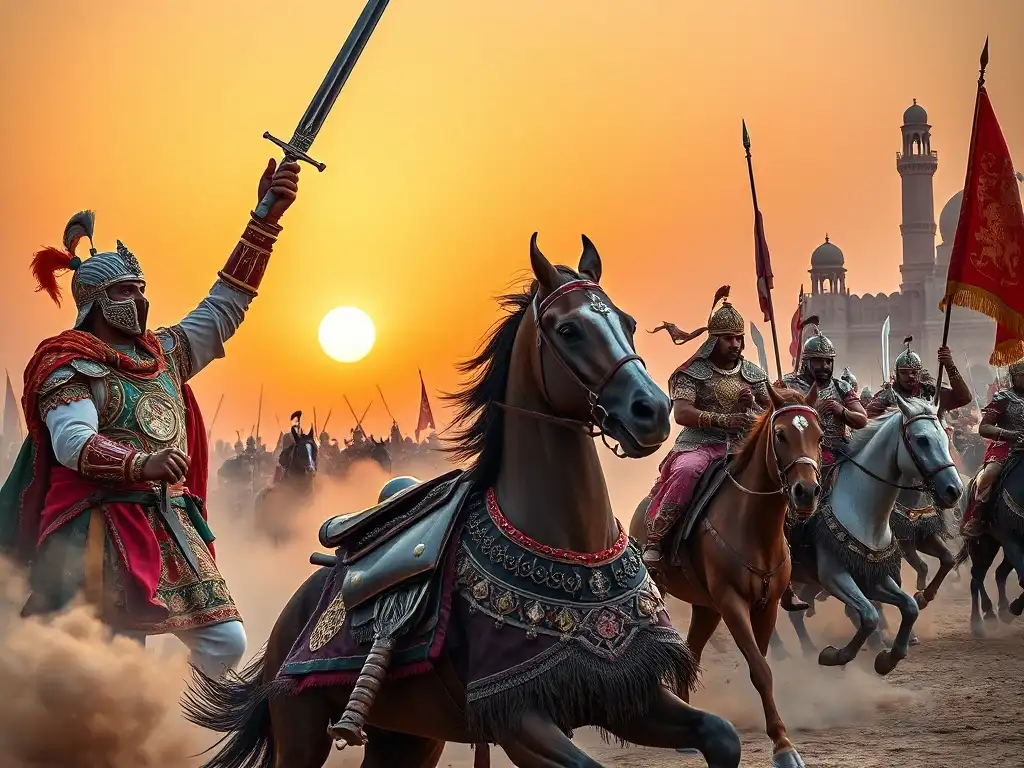
Welcome to Ancient India History, where we embark on a captivating journey through the rich tapestry of ancient Indian civilizations. Here, we delve into the intricate dynamics of power that shaped the subcontinent, with a particular focus on the Mughal Rajput battles history. What sparked the fierce confrontations between these two formidable forces, and how did their legacies intertwine?
As you explore our latest article, “The Dynamics of Power: Battles between the Mughals and Rajputs,” prepare to uncover the strategic brilliance, valor, and cultural richness that defined an era. Dive in, and let the stories of these legendary warriors inspire your understanding of a vibrant past!
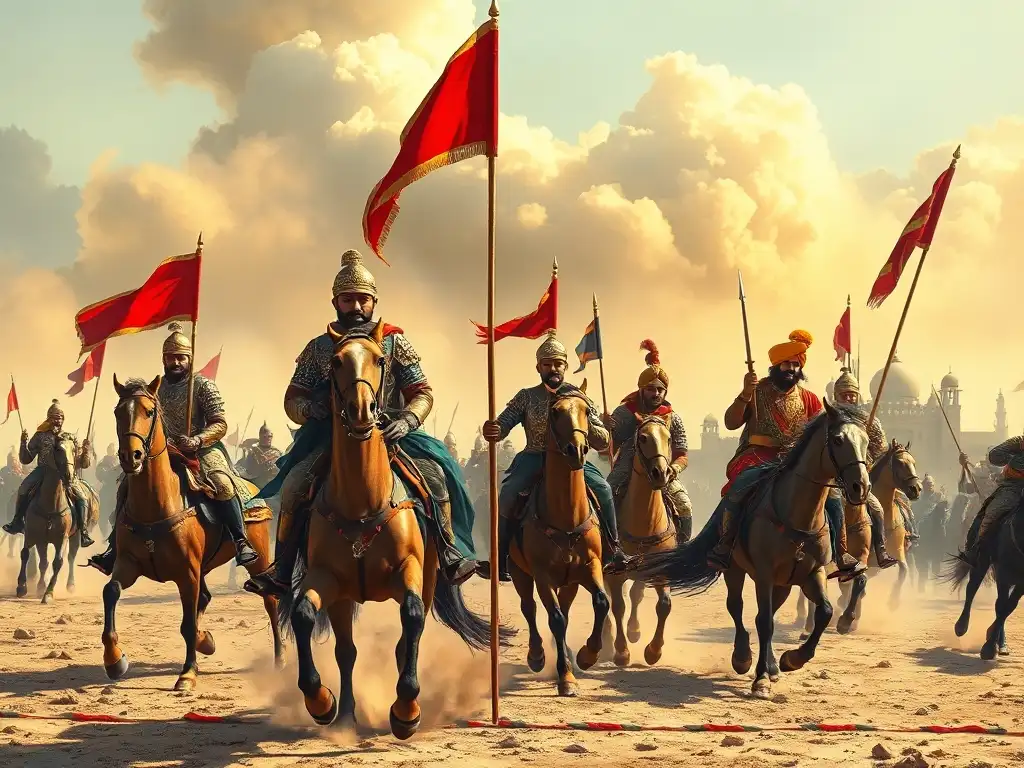
Introduction to Mughal Rajput Battles History
The history of ancient India is marked by a multitude of power struggles, alliances, and conflicts that shaped the subcontinent's cultural and political landscape. Among these significant conflicts are the battles between the Mughal Empire and the Rajput kingdoms, which represent a complex interplay of warfare, diplomacy, and honor.
The Mughal Rajput battles history not only highlights the military prowess of both factions but also provides insight into the shifting dynamics of power during a transformative period in Indian history. As we explore these battles, we will uncover how these conflicts influenced the sociopolitical fabric of ancient India, revealing the depth of rivalry and respect that existed between these two powerful entities.
Overview of the Mughal Empire
The Mughal Empire, founded in the early 16th century by Babur, was a formidable force in Indian history. It rapidly expanded under the leadership of notable emperors such as Akbar, Jahangir, and Shah Jahan, reaching its zenith in the late 17th century. The empire is renowned for its contributions to art, architecture, and culture, with iconic structures like the Taj Mahal symbolizing its grandeur. The Mughal administration was characterized by a centralized government that employed a sophisticated bureaucratic system, which helped manage its diverse and vast territories.
- Key Features of the Mughal Empire:
- Centralized Governance: The Mughals established a strong central authority, allowing for efficient administration.
- Cultural Synthesis: The Mughal period witnessed a blend of Persian, Indian, and Islamic cultures, fostering a rich artistic heritage.
- Military Innovations: The Mughals utilized advanced military strategies and technologies, including artillery and war elephants.
Overview of the Rajput Kingdoms
The Rajputs, a group of warrior clans primarily located in present-day Rajasthan, have a storied history that predates the arrival of the Mughals. Known for their valor, chivalry, and a strong sense of honor, the Rajputs established numerous kingdoms, each ruled by a clan leader or Maharaja. Their fierce independence and commitment to their traditions often put them at odds with the expanding Mughal Empire.
- Characteristics of the Rajput Kingdoms:
- Feudal System: Rajput kingdoms functioned under a feudal structure, where loyalty and land were exchanged for military service.
- Cultural Identity: Rajputs cultivated a distinct cultural identity, with a focus on honor and martial prowess, celebrated in folklore and literature.
- Strategic Alliances: The Rajputs often formed alliances through marriage into other royal families, enhancing their political influence.
Importance of the Mughal Rajput Conflicts in Ancient Indian History
The conflicts between the Mughals and the Rajputs were not merely battles for territory; they represented a clash of values, cultures, and identities. These encounters played a crucial role in shaping the political landscape of India and have been pivotal in understanding the dynamics of power during the early modern period.
- Significance of the Conflicts:
- Cultural Exchange: The battles facilitated a complex exchange of cultural practices and military techniques between the two factions.
- Political Realignments: The outcomes of these battles often led to shifts in power dynamics, impacting regional governance and alliances.
- Legacy of Valor: The tales of heroism and valor from these conflicts continue to resonate in Indian culture, influencing literature, cinema, and historical narratives.
Historical Context of the Mughal Rajput Battles
To fully appreciate the Mughal Rajput battles history, it is essential to understand the historical context that led to these conflicts. The rise of the Mughal Empire and the formation of Rajput alliances set the stage for a series of confrontations that would define their relationship.
The Rise of the Mughal Empire
The ascendance of the Mughal Empire marked a significant turning point in Indian history. Following Babur's victory at the Battle of Panipat in 1526, the Mughals began consolidating power through military conquests and strategic alliances. Their expansionist policies often brought them into direct conflict with the Rajput kingdoms, which had long resisted foreign domination.
- Key Milestones:
- Battle of Khanwa (1527): A decisive victory for Babur against the Rajputs, solidifying Mughal control in northern India.
- Akbar's Diplomacy: Emperor Akbar implemented a policy of marriage alliances with Rajput princesses, notably marrying Jodha Bai, which aimed to pacify the Rajputs and integrate them into the Mughal administration.
The Formation of Rajput Alliances
In response to the Mughal threat, the Rajputs sought to form alliances among themselves, aiming to consolidate their power and resist Mughal encroachments. These alliances were often fragile, influenced by longstanding rivalries between different Rajput clans, but they represented a significant effort to unite against a common adversary.
- Notable Alliances:
- The Rajput Confederacy: Various clans, including the Sisodias of Mewar and the Rathores of Marwar, joined forces to counter Mughal advances, although internal divisions often hampered their effectiveness.
- Strategic Marriages: Marriages between Rajput and Mughal royalty were used as tools for peace, but they also led to tensions over loyalty and autonomy.
Key Factors Leading to Conflicts between Mughals and Rajputs
Several key factors contributed to the conflicts between the Mughals and the Rajputs. Understanding these factors is crucial to comprehending the military strategies and motivations behind the battles.
- Territorial Expansion: The Mughals' relentless pursuit of territorial expansion inevitably brought them into conflict with the Rajputs, who were unwilling to surrender their lands.
- Cultural Differences: The distinct cultural identities of the Mughals and Rajputs led to misunderstandings and hostilities, often exacerbated by the Mughals' attempts to impose their authority.
- Ambitions of Leadership: Individual ambitions among Rajput leaders often resulted in conflicts, as some sought alliances with the Mughals while others remained staunchly opposed.
The interplay of these factors created a volatile environment that fueled a series of conflicts, shaping the course of Mughal Rajput battles history and leaving an indelible mark on ancient Indian history.
Major Battles in Mughal Rajput History
The battles between the Mughals and Rajputs were pivotal moments in the struggle for supremacy in Northern India. These conflicts not only shaped the political landscape of the time but also influenced the culture and societal structures of the regions involved. The major battles reflect the enduring rivalry between these two powerful factions, showcasing their military prowess, strategies, and the shifting dynamics of power.
The Battle of Khanwa (1527)
The Battle of Khanwa, fought on March 16, 1527, marked a significant turning point in Mughal-Rajput history. This confrontation was between the Mughal Emperor Babur and the Rajput confederation led by Rana Sanga of Mewar. Babur had recently established his power in India after the victory at Panipat, and Rana Sanga sought to challenge this new authority.
The battle took place near the town of Khanwa, close to Agra. Babur's forces, although outnumbered, employed superior tactics and artillery, which played a crucial role in securing victory. The use of the tulughma, a tactic involving the deployment of troops in a semi-circular formation, allowed the Mughals to effectively counter the Rajput cavalry charges. The defeat of Rana Sanga not only solidified Babur's hold over northern India but also established the Mughal Empire as a dominant force in the region.
The Battle of Chausa (1539)
The Battle of Chausa occurred on June 26, 1539, between the Mughal Emperor Humayun and the Afghan ruler Sher Shah Suri. Although it was not a direct battle against the Rajputs, its consequences were significant for the Mughal-Rajput dynamic. Humayun, who was attempting to regain his throne after being ousted, faced Sher Shah Suri's forces near the Ganges.
Humayun's defeat at Chausa led to a temporary setback for the Mughal Empire and allowed Sher Shah to establish his rule, which created a vacuum that the Rajputs sought to exploit. The aftermath of this battle saw increased autonomy among Rajput states, as the weakened Mughal presence allowed them to fortify their positions and resist Mughal influence more effectively.
The Battle of Fatehpur Sikri (1572)
The Battle of Fatehpur Sikri, fought in 1572, was a crucial conflict in the context of the Mughal Empire's expansion and the Rajputs' efforts to maintain their sovereignty. This battle was part of the larger campaign by Mughal Emperor Akbar to consolidate his power over the Rajput kingdoms. The city of Fatehpur Sikri served as a strategic location, and its capture would allow the Mughals to exert greater control over the region.
Akbar's forces, equipped with advanced military technology and a well-organized army, faced off against the Rajput coalition, which was determined to defend its territory. The battle showcased Akbar's ability to integrate various military techniques and leverage the loyalty of some Rajput leaders, ultimately leading to a Mughal victory. This victory played a significant role in the establishment of a more centralized Mughal administration and the eventual incorporation of Rajput states into the empire.
The Battle of Haldighati (1576)
The Battle of Haldighati, fought on June 18, 1576, is one of the most famous encounters in Mughal-Rajput history. It pitted the forces of Mughal Emperor Akbar against the valiant Rajput king Maharana Pratap of Mewar. This battle is often romanticized due to Maharana Pratap's fierce resistance and his legendary war horse, Chetak.
Despite being heavily outnumbered, Maharana Pratap employed guerrilla tactics and a deep understanding of the terrain to challenge the Mughal forces. However, the Mughals, led by Raja Man Singh, ultimately emerged victorious due to their superior numbers and better resources. The battle did not lead to the subjugation of Maharana Pratap, who continued to resist Mughal authority for many years. Haldighati became a symbol of Rajput valor and pride, illustrating the fierce determination of the Rajputs to defend their honor against overwhelming odds.
Strategies and Tactics in Mughal Rajput Warfare
The military strategies and tactics employed in the Mughal-Rajput battles reflect the sophistication and evolution of warfare during this period. Both sides adapted their approaches based on their strengths and the challenges presented by their adversaries.
Mughal Military Innovations
The Mughal Empire was characterized by its innovative military strategies, integrating advanced technology and diverse troop formations. The Mughals were known for their use of gunpowder weapons, including cannons and matchlocks, which provided them with a significant advantage on the battlefield. Additionally, they utilized large cavalry units that could maneuver effectively, allowing them to launch swift attacks.
The Mughals also employed artillery as a core component of their military strategy, often placing cannons at strategic points to break enemy lines. Their disciplined infantry formations and efficient logistics ensured that they could mobilize quickly and respond to threats effectively. The combination of these innovations allowed the Mughals to dominate many battles against the Rajputs.
Rajput Guerrilla Tactics
In contrast to the Mughal innovations, the Rajputs relied heavily on guerrilla tactics and intimate knowledge of their terrain. The Rajput warriors were skilled cavalrymen, adept at quick strikes and retreating into the rugged landscapes of their homelands. This approach allowed them to engage in hit-and-run tactics, which proved effective against the larger Mughal forces.
The Rajputs also leveraged their deep-rooted social structures and loyalty to local leaders, which fostered a strong sense of unity during conflicts. Their ability to mobilize local resources and support enabled them to sustain prolonged resistance against the Mughals, particularly in battles such as Haldighati.
Comparative Analysis of Mughal and Rajput Strategies
When comparing Mughal and Rajput strategies, several key differences emerge. The Mughals focused on creating a centralized military structure, emphasizing discipline and the integration of various military technologies. Their strategies revolved around large-scale engagements where the use of superior firepower could decisively influence the outcome.
In contrast, Rajput strategies were often decentralized, relying on the individual chieftains' leadership and localized tactics. Their focus on mobility, terrain advantages, and the element of surprise allowed them to counter the Mughals effectively, particularly in familiar landscapes.
Ultimately, the dynamics between the two powers showcased a complex interplay of innovation, tradition, and adaptation, contributing to the rich tapestry of Mughal Rajput battles history. Each side's approach reflected its cultural values and military philosophies, which significantly shaped the historical narrative of the Indian subcontinent.
The Cultural Impact of the Mughal Rajput Battles
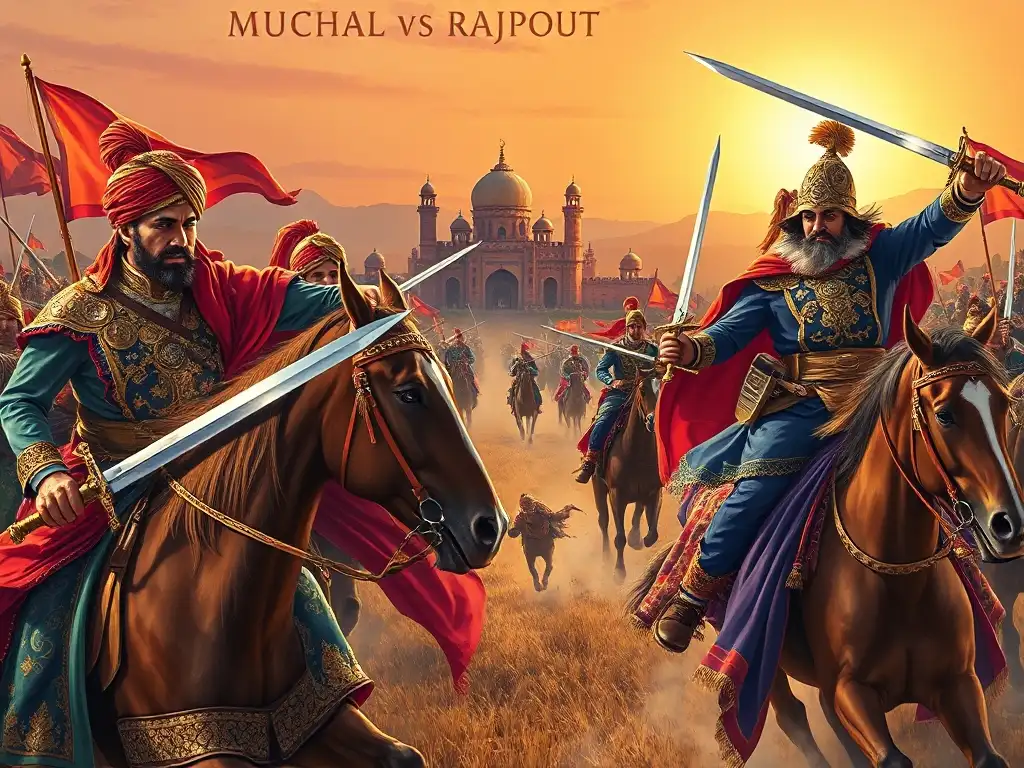
The battles between the Mughals and the Rajputs were not merely military confrontations; they also had profound cultural implications that shaped the art, literature, and social fabric of the time. These conflicts contributed to a unique synthesis of Indo-Islamic culture, reflecting the complexities of power dynamics and alliances in a diverse subcontinent. The interactions during these battles fostered a mutual exchange of ideas, aesthetics, and traditions, which ultimately enriched both Mughal and Rajput cultures.
Influence on Art and Literature
The Mughal Rajput battles significantly influenced various art forms and literature, resulting in a rich tapestry of creative expression. Mughal miniatures, known for their intricate detail and vibrant colors, often depicted scenes of valor and chivalry from these conflicts. Artists like Basawan and Manohar captured pivotal moments in battles, portraying not just the warriors but also the landscapes and architectural marvels of the era.
In literature, the romances and epics produced during and after these conflicts drew heavily from the themes of honor, loyalty, and valor. The Rajput ballads, such as the "Prithviraj Raso," celebrated the heroism of Rajput warriors against Mughal forces, while Mughal poets like Amir Khusrau and Mirza Ghalib contributed to a nuanced portrayal of the Mughal perspective. The intertwining of these narratives created a rich literary tradition that remains influential in Indian culture today, showcasing the valor of both Mughal and Rajput warriors.
Legacy of the Conflicts in Modern Indian Culture
The legacies of the Mughal Rajput battles continue to resonate in modern Indian culture. These historical events have permeated various aspects of contemporary society, from cinema and television to festivals and local folklore. The romanticized portrayals of Rajput bravery and Mughal grandeur often serve as focal points in films, drawing audiences into the dramatic narratives of their conflicts.
Moreover, the socio-political implications of these battles can still be felt in certain regional identities within India. The valor associated with Rajput clans is celebrated during festivals, while Mughal architecture remains a testament to their historical presence. This ongoing acknowledgment of their intertwined histories highlights the complexities of identity in modern India, where both Mughal and Rajput heritages are celebrated as integral parts of the nation’s multifaceted cultural mosaic.
Conclusion: The Enduring Legacy of Mughal Rajput Battles
The battles between the Mughals and Rajputs were more than just military engagements; they were pivotal events that shaped the cultural and social landscapes of India. The enduring legacies of these conflicts reflect a rich history marked by valor, artistry, and complex relationships that continue to influence modern Indian society.
Summary of Key Points
The Mughal Rajput battles were a defining factor in shaping the historical narrative of India. Their impact on art and literature created a rich cultural heritage that resonates to this day. The legacy of these conflicts not only highlights the valor of both sides but also illustrates the intricate interplay of power, identity, and culture throughout history. The continued celebration of these themes in contemporary India underscores their importance in the national consciousness.
Reflections on Mughal Rajput Relations in Historical Context
Reflecting on the historical context of Mughal Rajput relations reveals a tapestry of conflict and cooperation that was essential in shaping India’s political landscape. While battles were fought over territory and power, alliances were also formed through matrimonial ties and diplomacy, illustrating the multifaceted nature of their interactions.
Understanding this historical complexity provides valuable insights into the dynamics of power in ancient India, revealing how these relationships influenced not only the course of history but also the cultural identity of the subcontinent. The Mughal Rajput battles stand as a testament to the enduring impact of historical conflicts on contemporary cultural narratives.
References for Further Reading on Mughal Rajput Battles History
To gain a deeper understanding of the intricate dynamics between the Mughals and the Rajputs, as well as the significant battles that shaped their history, the following resources provide valuable insights. These include a mix of recommended books, scholarly articles, and online resources that cover various aspects of Mughal-Rajput conflicts.
Recommended Books and Articles
-
"The Mughal Empire" by John F. Richards
This comprehensive book offers an in-depth analysis of the Mughal Empire's political structure, cultural developments, and military campaigns, including detailed accounts of battles fought against the Rajputs.
-
"Rajput Warfare: A Military History of the Rajputs" by Jagdish Narain Singh
This work focuses on the military strategies and tactics employed by the Rajputs, detailing how they engaged with the Mughal forces in various battles, shedding light on their resilience and valor.
-
"Mughal and Rajput: The Conquerors of Hindustan" by R. S. Sharma
This article explores the historical interactions between the two factions, emphasizing the battles that defined their relationship and the impact of warfare on Indian society.
-
"The Rajputs: A Military History" by Richard G. Fox
This book provides an overview of Rajput military history, discussing key battles with the Mughals and the evolution of their martial traditions.
-
"Mughal-Rajput Relations: A Historical Perspective" by R. C. Majumdar
An insightful article that examines the political alliances and conflicts between the Mughals and Rajputs, providing context to the battles and their outcomes.
Online Resources and Documentaries
-
The Mughal Empire: A History
A comprehensive online resource that includes timelines, maps, and articles detailing the significant battles between the Mughals and Rajputs. This site is beneficial for visual learners.
-
YouTube Documentaries on Mughal-Rajput Battles
There are various documentaries available on platforms like YouTube that visually depict the battles, strategies, and historical context of the Mughal-Rajput conflicts. Channels such as "Epic History TV" and "Kings and Generals" often cover these topics extensively.
-
Digital Archives of Historical Documents
Websites like the Digital South Asia Library and British Library's India Office Records offer access to manuscripts and documents related to the Mughal Empire and Rajput states, providing firsthand accounts of battles and treaties.
-
Podcasts on Indian History
Podcasts such as "The History of India" and "The Mughal History Podcast" often include episodes dedicated to the battles between the Mughals and Rajputs, featuring discussions with historians and experts.
These resources collectively provide a thorough grounding in the Mughal Rajput battles history, enabling readers to explore the complexities of these historic conflicts and their implications on India's past.
- Introduction to Mughal Rajput Battles History
- Historical Context of the Mughal Rajput Battles
- Major Battles in Mughal Rajput History
- Strategies and Tactics in Mughal Rajput Warfare
- The Cultural Impact of the Mughal Rajput Battles
- Conclusion: The Enduring Legacy of Mughal Rajput Battles
- References for Further Reading on Mughal Rajput Battles History
- What were the key factors that led to the Mughal-Rajput battles?
- How did the Mughal Empire influence Rajput culture?
- What were the main outcomes of the battles between the Mughals and Rajputs?
- Who were the prominent leaders in the Mughal-Rajput conflicts?
- How did the Mughal-Rajput battles shape Indian history?
Frequently Asked Questions
What were the key factors that led to the Mughal-Rajput battles?
The Mughal-Rajput battles were primarily driven by territorial disputes, political ambitions, and the Mughals' desire to expand their empire into Rajput territories.
How did the Mughal Empire influence Rajput culture?
The Mughal Empire significantly influenced Rajput culture through art, architecture, and administrative practices, resulting in a unique blend of Mughal and Rajput traditions.
What were the main outcomes of the battles between the Mughals and Rajputs?
The outcomes varied but often resulted in Rajput subjugation, the establishment of Mughal dominance in northern India, and the eventual integration of some Rajput clans into the Mughal administration.
Who were the prominent leaders in the Mughal-Rajput conflicts?
Key figures included Maharana Pratap, known for his defiance against the Mughals, and Akbar, who sought to forge alliances through both combat and diplomacy with the Rajput rulers.
How did the Mughal-Rajput battles shape Indian history?
These battles played a crucial role in shaping political dynamics, influencing regional loyalties, and setting the stage for the cultural exchanges that defined Indian history during and after the Mughal era.
Final Reflection: Understanding the Legacy of Mughal-Rajput Battles
The Mughal-Rajput battles represent a pivotal chapter in Indian history, showcasing the intricate dynamics of power, culture, and resistance. Today, as we navigate a world characterized by political shifts and cultural exchanges, the lessons from these historical confrontations resonate deeply. The struggles for dominance between these two formidable forces not only shaped the subcontinent's political landscape but also laid the groundwork for the rich tapestry of cultural synthesis that defines modern India.
The influence of these battles extends far beyond their immediate historical context; they continue to shape the cultural and social identity of the region. The narratives of valor, honor, and resilience from the Mughal and Rajput legacies inspire contemporary discussions on power and identity. As historian William Dalrymple aptly noted, The past is never dead. It's not even past.
This sentiment underscores the importance of understanding our history, as it informs our present and future interactions within a diverse society. The Mughal-Rajput dynamics remind us of the complexities of coexistence and the ongoing negotiations of power that characterize human relationships.
As we reflect on the lessons drawn from the Mughal-Rajput battles, I invite you to consider how these historical narratives can inform your own understanding of power and identity in today's world. Let us engage with history not just as a series of events, but as a living dialogue that challenges us to think critically about our roles in shaping the future. Embrace the stories of the past, learn from them, and apply their wisdom in your own life, fostering a deeper appreciation for the rich cultural heritage that continues to influence us all.
Unleash the Power of Knowledge!
Thank you for exploring the rich history of the Mughal and Rajput battles! We hope this journey into the past has deepened your understanding of these formidable dynasties and their significant impact on Ancient India. Now, it's time to take that knowledge further!
Here’s how you can enhance your exploration:
- Join a local historical society or book club centered on Ancient India to share insights and learn from others who are passionate about this era.
- Visit a museum that features Mughal or Rajput artifacts, allowing you to experience history firsthand and connect with the past in a meaningful way.
- Share this article with friends or family who appreciate history and ignite discussions about the legacies of these remarkable empires.
What aspect of the Mughal and Rajput dynamics resonates with you the most? How do you think their historical battles shape our understanding of power today?