
The Gemstone Legacy: What Ancient India Teaches Us Today

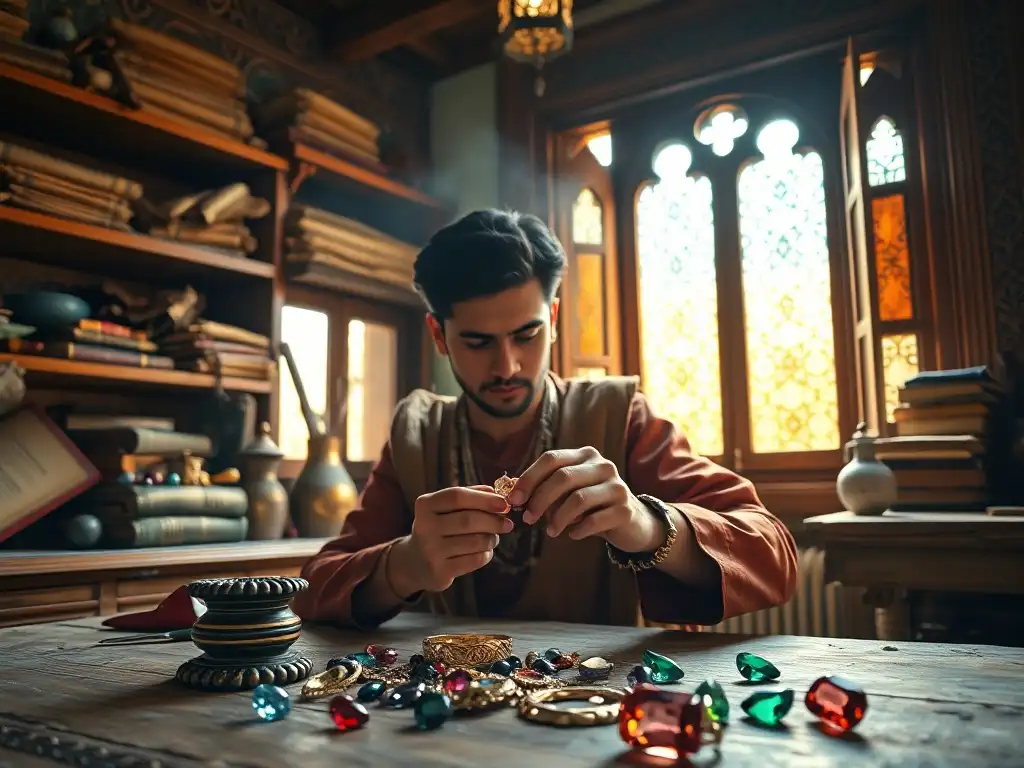
Welcome to Ancient India History! Here, we invite you to embark on a fascinating journey through time, exploring the rich tapestry of ancient Indian civilizations that shaped the world we know today. Our featured article, "The Gemstone Legacy: What Ancient India Teaches Us Today," delves into the significance of gemstones in ancient Indian culture, revealing how these precious stones were not just adornments but symbols of power, spirituality, and artistry.
Curious about how these timeless treasures influenced society and continue to captivate us? Let’s unearth the secrets of the past together and discover the profound impact of gemstones on ancient Indian life!
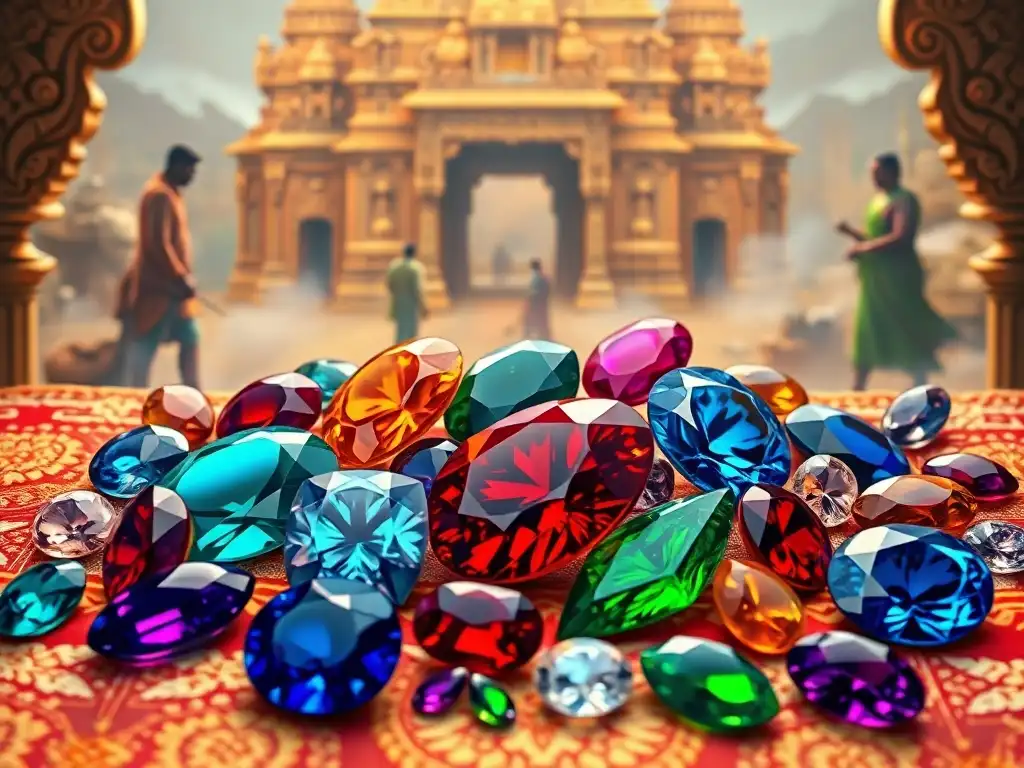
Exploring the rich tapestry of ancient Indian civilizations reveals a profound connection to gemstones, which were not merely decorative items but held deep cultural, spiritual, and economic significance. The legacy of gemstones in ancient India is a testament to the sophisticated craftsmanship, trade networks, and philosophical beliefs that flourished in this region.
From the vibrant markets of the Indus Valley to the opulent courts of the Gupta Empire, gemstones were intricately woven into the fabric of daily life, symbolizing status, power, and divine protection. This article delves into the ancient Indian gemstone significance, uncovering how these precious stones continue to resonate with us today.
Introduction to Ancient Indian Gemstone Significance
The significance of gemstones in ancient India transcended their aesthetic appeal. They were believed to possess unique powers and properties that influenced human fate and well-being. Ancient texts, such as the Ratna Shastra, provide insights into the mystical and astrological associations of various gemstones. For instance, rubies were linked to vitality and passion, while sapphires were thought to bring wisdom and protection.
Moreover, gemstones played a vital role in Hindu rituals and practices, often used in religious artifacts and temple adornments. The belief in the spiritual energy of these stones fostered a culture where gemstones were not just viewed as commodities, but as carriers of divine blessings and cosmic energies.
The Historical Context of Gemstones in Ancient India
The historical journey of gemstones in ancient India can be traced back to the Indus Valley Civilization (circa 3300–1300 BCE), where evidence of bead-making and gemstone craftsmanship has been uncovered in archaeological sites like Mohenjo-Daro and Harappa. These early artisans utilized local materials, including carnelian, agate, and lapis lazuli, to create intricate jewelry and ornaments that showcased their advanced skills.
The trade of gemstones flourished under various dynasties, with India becoming a hub for gemstone cutting and trading, particularly during the Maurya and Gupta periods. Historical accounts highlight the prominence of Indian gemstones in international markets, as they were sought after by traders from Persia, Greece, and beyond.
In addition to their trade value, gemstones were often embedded in royal insignia and artifacts, symbolizing the wealth and divine right of kings and emperors. The opulence of the Mughal Empire (1526–1857 CE) further emphasized this connection, as emperors adorned themselves with elaborate gemstone-studded jewelry that not only represented their power but also their patronage of the arts and culture.
Through this historical lens, we can appreciate the enduring impact of ancient Indian gemstones, which continue to inspire contemporary jewelry design and cultural practices. Understanding their significance in ancient times allows us to recognize their value in today's society, blending the lessons of the past with modern perspectives on beauty and spirituality.
Types of Gemstones Used in Ancient India
Ancient India was rich in natural resources, and gemstones played a significant role in its culture and economy. The variety of gemstones used spanned both precious and semi-precious categories, each with its distinct characteristics and significance. This diversity reflects not only the geological wealth of the region but also the intricate craftsmanship and trade networks that flourished in ancient civilizations.
Precious Gemstones: Diamonds, Rubies, and Sapphires
Among the most coveted gemstones in ancient India were diamonds, rubies, and sapphires, often associated with wealth and power.
- Diamonds: Known as the "king of gems," diamonds were believed to possess mystical properties. Ancient texts like the "Arthashastra" mentioned their use not only in jewelry but also as talismans for protection and strength. The famous Golconda mines produced some of the world's largest and most renowned diamonds, including the Koh-i-Noor and the Hope Diamond.
- Rubies: Valued for their vibrant red color, rubies symbolized love and passion. They were often incorporated into royal regalia, believed to bring good fortune and protect the wearer from harm. The ancient Indian texts describe rubies as being associated with the sun, enhancing vitality and energy.
- Sapphires: Known for their deep blue hues, sapphires were linked to wisdom, loyalty, and nobility. In ancient India, they were often worn by kings and queens, believed to foster harmony and peace in their realms. Sapphires were also thought to attract prosperity and protect against envy.
Semi-Precious Gemstones: Emeralds, Garnets, and Opals
In addition to precious gemstones, ancient India also valued a variety of semi-precious stones, each with unique properties and meanings.
- Emeralds: Revered for their lush green color, emeralds symbolized fertility and rebirth. They were associated with the planet Mercury, believed to enhance intellect and communication. In ancient texts, emeralds were often used in talismans and amulets for mental clarity and healing.
- Garnets: These rich red stones were believed to protect travelers and promote safe journeys. Garnets were also associated with vitality and energy, making them popular among warriors and leaders. They were used in jewelry and as decorative elements in palaces and temples.
- Opals: Known for their iridescent play of colors, opals were thought to bring harmony and balance to the wearer. In ancient Indian culture, opals were linked to creativity and inspiration, making them popular among artists and poets. They were often used in intricate jewelry designs and ornamental pieces.
Ancient Indian Gemstones and Their Symbolism
The significance of gemstones in ancient India extended far beyond their aesthetic appeal. They were imbued with deep symbolism, reflecting the cultural, spiritual, and astrological beliefs of the time.
Gemstone Colors and Their Cultural Meanings
The colors of gemstones held profound meanings in ancient Indian society, with each hue representing different virtues and characteristics.
- Red: Associated with passion, power, and strength, red gemstones like rubies were believed to ignite the spirit and inspire courage.
- Green: Linked to fertility, growth, and healing, green gemstones such as emeralds symbolized renewal and prosperity.
- Blue: Representing wisdom and tranquility, blue sapphires were thought to enhance mental clarity and promote peaceful relationships.
- Yellow: Yellow gemstones, including topaz, were associated with wealth and prosperity, believed to attract abundance and success.
Gemstones in Religion and Spirituality
In the spiritual landscape of ancient India, gemstones were often considered sacred and played vital roles in religious practices.
- Astrological Significance: Many gemstones were linked to planets in Vedic astrology, believed to influence an individual's destiny. Wearing specific stones was thought to harness cosmic energies for personal benefit and spiritual growth.
- Ceremonial Uses: Gemstones were frequently incorporated into religious artifacts, including idols and ceremonial jewelry. They were believed to enhance the divine connection and were used in rituals for blessings, protection, and enlightenment.
- Healing Properties: Ancient Indian texts documented the healing properties of various gemstones. For instance, emeralds were thought to promote healing and restore balance, while diamonds were believed to provide clarity and focus.
Through their multifaceted significance, ancient Indian gemstones not only adorned the bodies of the elite but also embodied the rich tapestry of cultural beliefs that continue to echo through history.
The Craftsmanship of Ancient Indian Gemstone Jewelry
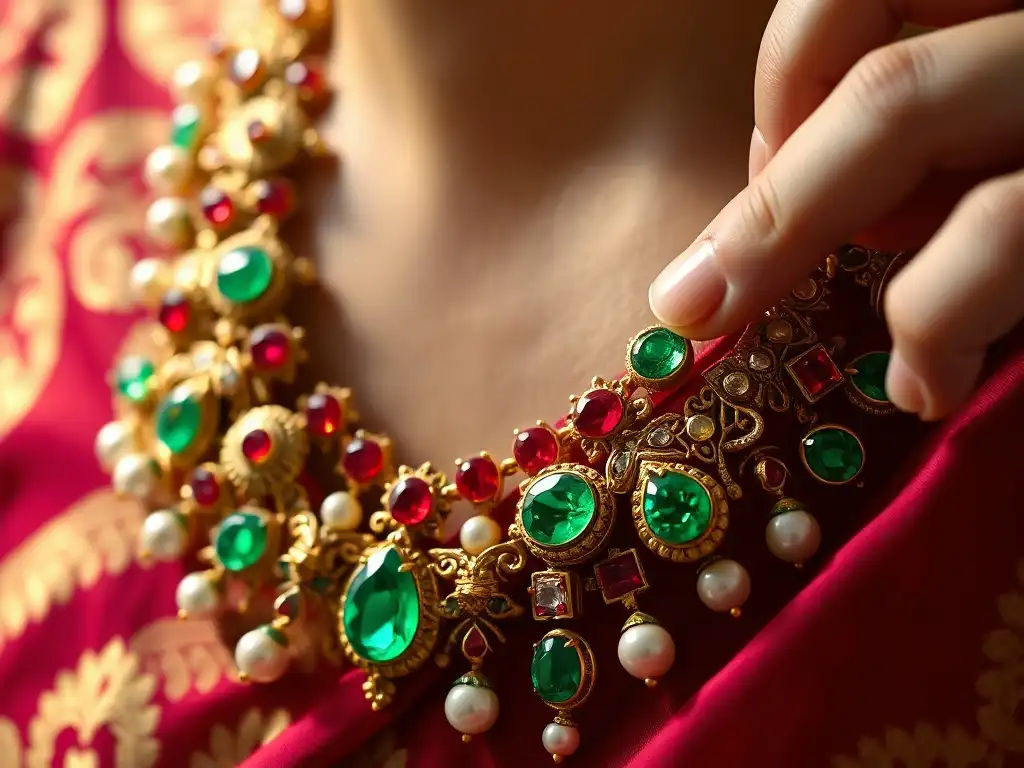
The craftsmanship of ancient Indian gemstone jewelry is a testament to the extraordinary skills and artistry that flourished in the region. The meticulous techniques used by artisans not only highlighted the beauty of gemstones but also imbued them with cultural significance and spiritual meaning. Ancient Indian jewelers were known for their ability to transform raw stones into exquisite pieces of art, often incorporating intricate designs that reflected the rich tapestry of Indian mythology, religion, and nature.
Gemstone jewelry in ancient India was not merely an adornment; it served as a symbol of status, wealth, and power. Kings and queens donned elaborate jewelry made from precious stones like diamonds, emeralds, rubies, and sapphires. The combination of these stones with gold, silver, and other materials created stunning pieces that were both beautiful and meaningful. Each gemstone was believed to hold unique properties, contributing to the wearer's prosperity and protection.
Traditional Techniques in Gemstone Cutting and Setting
The techniques employed in gemstone cutting and setting during ancient times were revolutionary. Artisans used rudimentary tools made from iron and later developed more refined instruments that allowed for precise cuts. The cabochon cut, a popular technique in ancient India, involved shaping stones into smooth, rounded forms without facets, enhancing their natural beauty and color.
Another important technique was the polki style, which involved leaving the diamond in its rough form, giving it a raw and unrefined aura, yet showcasing its authentic brilliance. Additionally, the meena technique, which involved applying colorful enamel to the base metal, provided a stunning contrast to the brilliance of the gemstones.
These traditional methods were not only functional but also deeply rooted in cultural practices, with each region of India showcasing its unique styles and preferences. The craftsmanship was often passed down through generations, preserving the rich heritage of gemstone art.
Iconic Ancient Indian Gemstone Jewelry Pieces
Several iconic pieces of ancient Indian gemstone jewelry have made their mark in history, reflecting the opulence of the times. One of the most renowned is the Kohinoor Diamond, which has a storied past and has been part of many royal collections. Its exceptional size and clarity made it a coveted gem, often adorned in elaborate crowns and necklaces.
Another significant piece is the Nizam Necklace, crafted for the Nizam of Hyderabad, known for its intricate design and the use of pearls and diamonds. The necklace symbolizes the grandeur of the Deccan region and showcases the traditional craftsmanship that flourished there.
Additionally, the Taj Mahal’s construction incorporated various gemstones, demonstrating their importance in architecture as well as in jewelry. The use of lapis lazuli, jade, and carnelian in the inlay work exemplifies the seamless integration of gemstones into cultural artifacts.
Lessons from Ancient Indian Gemstone Significance for Today
The significance of gemstones in ancient India offers valuable lessons that resonate even in contemporary society. These lessons revolve around the inherent value of natural materials, the importance of craftsmanship, and the ethical considerations surrounding gem trading.
Modern Applications of Ancient Gemstone Wisdom
Today, the principles derived from ancient Indian gemstone significance can be applied across various fields. In wellness practices, gemstones are often used in alternative therapies, where their believed healing properties are leveraged for physical and emotional healing. The holistic approach to gemstones, emphasizing their natural origins and spiritual connections, can inspire modern practices in areas such as meditation and holistic health.
Moreover, the ancient emphasis on craftsmanship can influence today's jewelry designers to value quality over quantity, fostering a revival of artisanal techniques. This resurgence encourages consumers to appreciate handmade jewelry that tells a story, promoting a sustainable approach to fashion.
Ethical Considerations in Modern Gemstone Trade
As the global market for gemstones continues to expand, ethical considerations have become paramount. The ancient Indian tradition of sourcing stones from local mines and valuing regional craftsmanship highlights the importance of sustainability and fair trade. Today, consumers are increasingly aware of the ethical implications of gemstone mining, including issues related to labor practices and environmental impact.
Modern jewelers are called to adopt practices that honor these ancient values, ensuring that gemstones are sourced responsibly. Transparency in the supply chain and supporting local artisans can help maintain the integrity of the gemstone trade, echoing the principles of respect and reverence that characterized ancient Indian craftsmanship.
The legacy of ancient Indian gemstones is not just a historical curiosity; it offers timeless wisdom that remains relevant in today's world. By understanding and respecting this rich heritage, we can cultivate a more sustainable and ethical future in the jewelry industry.
Conclusion: The Enduring Legacy of Ancient Indian Gemstones
The significance of gemstones in ancient India extends far beyond their aesthetic appeal. These precious stones were intricately woven into the cultural, spiritual, and economic fabric of society. From the mesmerizing lapis lazuli of the Indus Valley Civilization to the opulent diamonds cherished by the Mughal emperors, gemstones have played a pivotal role in shaping the history and identity of the subcontinent.
The philosophical and medicinal associations of gemstones reveal a sophisticated understanding of nature that ancient Indian scholars possessed. They believed that gemstones could influence the spiritual and physical well-being of individuals, emphasizing a holistic approach to health and wellness. This belief system has persisted through the ages, inspiring modern practices in holistic healing and alternative medicine.
Furthermore, the craftsmanship associated with gemstone cutting and jewelry making in ancient India set the stage for the rich traditions that continue to thrive today. The techniques and artistry developed during these times have influenced contemporary jewelry design, ensuring that the legacy of ancient Indian gemstones remains visible in modern adornments.
As we reflect on the enduring legacy of ancient Indian gemstones, we recognize their role as symbols of power, beauty, and spiritual significance. They serve as a reminder of the rich heritage that continues to inspire and inform our understanding of gemstones today.
Call to Action: Discover Ancient Indian Gemstones
Are you fascinated by the allure of gemstones and their historical significance? Dive deeper into the world of ancient Indian gemstones and uncover the stories behind these captivating treasures. Explore the various types of gemstones used throughout history, their unique properties, and the cultural beliefs that surround them.
Consider visiting museums or exhibitions that showcase ancient Indian jewelry and gemstones to experience their beauty firsthand. If you're looking to add a piece of history to your collection, explore reputable jewelers who offer authentic reproductions of ancient designs.
Join discussions and communities focused on the study and appreciation of gemstones, and share your insights and discoveries. By engaging with this rich heritage, you can help keep the legacy of ancient Indian gemstones alive for future generations. Embrace the journey and let the beauty of these gemstones inspire you!
- Introduction to Ancient Indian Gemstone Significance
- The Historical Context of Gemstones in Ancient India
- Types of Gemstones Used in Ancient India
- Ancient Indian Gemstones and Their Symbolism
- The Craftsmanship of Ancient Indian Gemstone Jewelry
- Lessons from Ancient Indian Gemstone Significance for Today
- Conclusion: The Enduring Legacy of Ancient Indian Gemstones
- Call to Action: Discover Ancient Indian Gemstones
- What is the significance of gemstones in ancient India?
- How did ancient Indian civilizations use gemstones?
- Which gemstones were most revered in ancient India?
- How do ancient Indian beliefs about gemstones influence modern practices?
- What contributions did ancient Indian civilizations make to gemstone trade?
Frequently Asked Questions
What is the significance of gemstones in ancient India?
The significance of gemstones in ancient India was profound, as they were believed to possess spiritual powers and were often used in jewelry and amulets for protection and healing.
How did ancient Indian civilizations use gemstones?
Ancient Indian civilizations utilized gemstones not only for ornamental purposes but also in medicinal practices and as symbols of status and wealth, reflecting their cultural values.
Which gemstones were most revered in ancient India?
The most revered gemstones included diamonds, rubies, sapphires, and emeralds, each associated with specific mythological and astrological significance in ancient beliefs.
How do ancient Indian beliefs about gemstones influence modern practices?
Modern practices still reflect ancient Indian beliefs, as many people today rely on gemstones for their supposed healing properties and astrological benefits, stemming from age-old traditions.
What contributions did ancient Indian civilizations make to gemstone trade?
Ancient Indian civilizations were pivotal in the gemstone trade, developing cutting techniques and establishing trade routes that connected Asia with Europe, showcasing their economic prowess.
Final Reflection: Embracing the Timeless Wisdom of Ancient Indian Gemstone Significance
In a world that often prioritizes the fleeting over the enduring, the significance of ancient Indian gemstones serves as a profound reminder of our collective heritage and the values we hold dear today. These precious stones, once revered for their beauty and believed to possess unique powers, continue to resonate with us, urging us to reconnect with the wisdom of our ancestors. As we navigate the complexities of modern life, the lessons embedded in the traditions surrounding these gemstones remain strikingly relevant, illuminating paths toward personal growth and spiritual enlightenment.
The cultural and social landscape has been deeply influenced by the beliefs surrounding gemstones, shaping not only individual identities but also collective narratives. As we explore the stories of these ancient treasures, we uncover a tapestry of meaning that transcends time and space. The reverence for gemstones in ancient India reflects a profound understanding of nature's gifts and their potential to enhance our lives. The beauty of gemstones is not just in their appearance but in the stories they tell and the connections they forge.
This enduring legacy invites us to reflect on our own relationship with the natural world and the values we choose to uphold in our lives.
As we conclude our exploration of ancient Indian gemstone significance, I invite you to take a moment to reflect on how these lessons can be woven into your own life. Consider the values of balance, harmony, and respect for nature that these gemstones symbolize. Let them inspire you to seek deeper connections with the world around you, to honor your own heritage, and to embrace the wisdom that has been passed down through generations. In doing so, we not only honor the legacy of ancient India but also pave the way for a more meaningful and enriched future.
Unveil the Timeless Wisdom of Ancient India
Thank you for exploring the rich tapestry of India's gemstone legacy with us! We hope you uncovered valuable insights into how these ancient treasures still resonate with our lives today. Now, it’s time to take action and deepen your journey into this fascinating subject.
- Delve Deeper: Visit local gem and mineral exhibitions or heritage sites to experience the beauty of gemstones firsthand.
- Engage with Others: Join online forums or social media groups focused on ancient Indian history to connect with fellow enthusiasts. Share your discoveries and exchange insights!
- Create a Gemstone Journal: Begin documenting your exploration of gemstones—consider their historical significance, beauty, and personal connections. This could become an exciting lifelong project!
What aspect of ancient gemstone lore resonates with you the most, and how do you envision its influence in your modern life?