
The Role of Language in Ancient Indian Diplomacy and Political Alliances

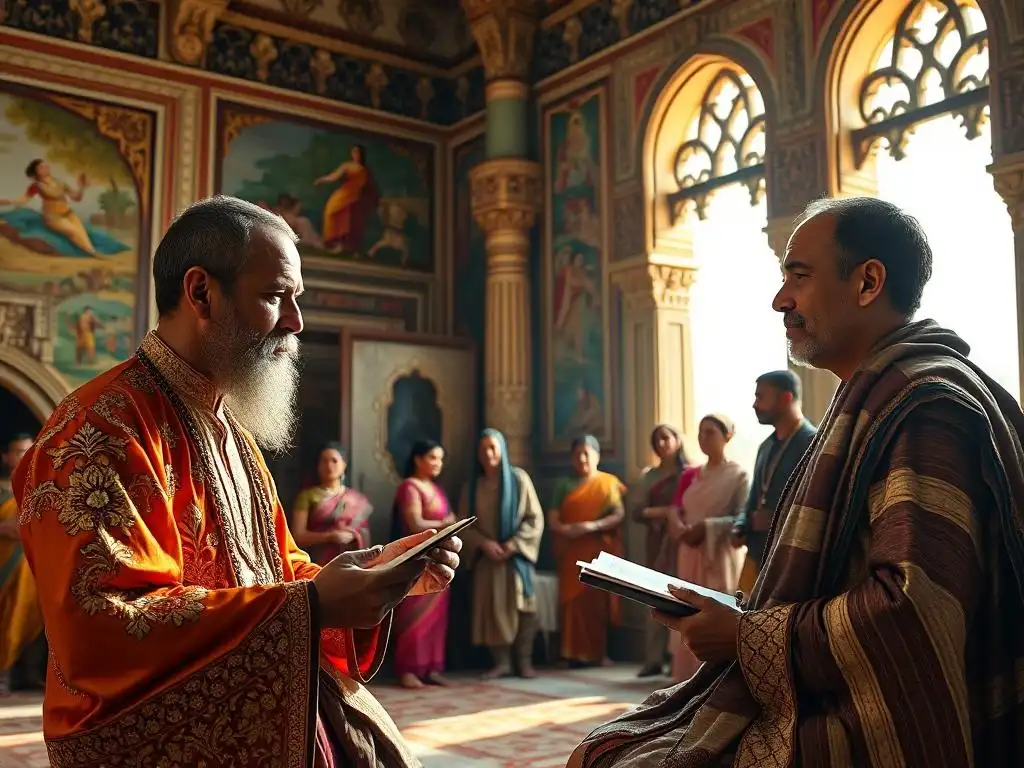
Welcome to Ancient India History, where we delve into the rich tapestry of civilization that has shaped one of the world's oldest cultures. In this exploration, we unveil the intriguing role of language in ancient Indian diplomacy, a vital element that fostered political alliances and cultural exchanges across time. How did the eloquence of words influence the power dynamics of empires like the Indus Valley and the Gupta?
Join us as we unravel the fascinating connections between language and diplomacy, inviting you to discover the profound legacy these ancient practices have left behind. Ready to embark on a journey through time?
Introduction to Ancient Indian Diplomacy Language
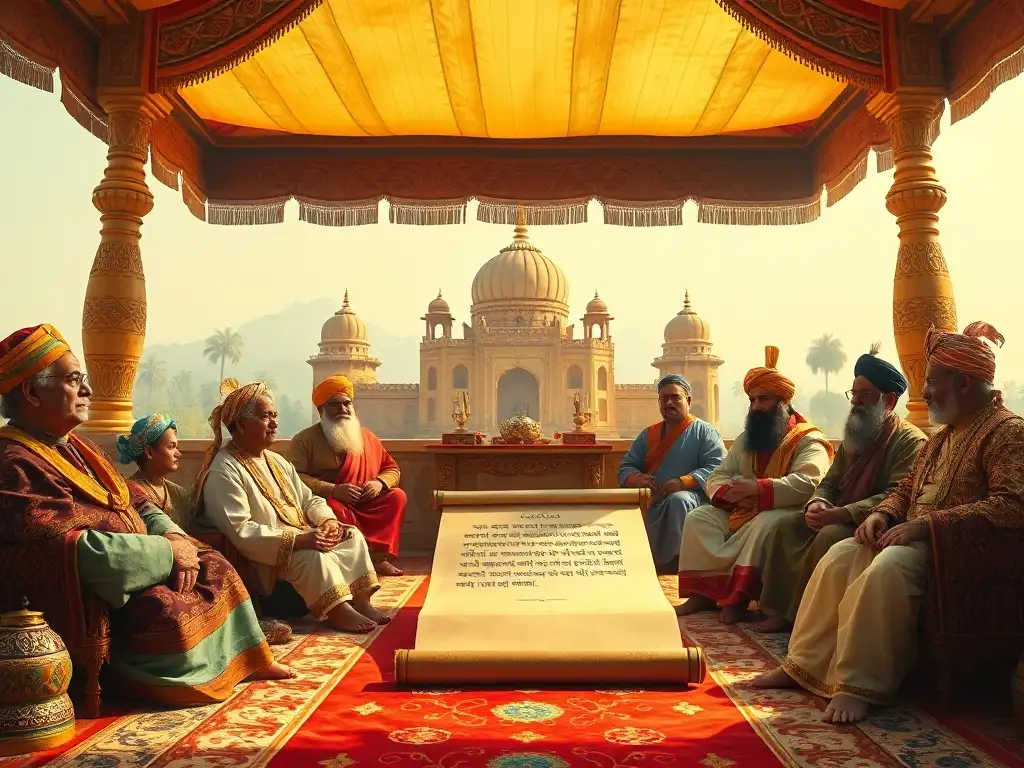
In the intricate tapestry of ancient Indian civilizations, the role of language transcended mere communication; it served as a fundamental instrument in diplomacy and the forging of political alliances. The ability to convey ideas, negotiate terms, and establish rapport among diverse cultures was paramount in an era marked by dynamic interactions between various kingdoms and empires.
Ancient Indian diplomacy language was not only about words; it embodied the social, cultural, and political ethos of the time, influencing decisions that shaped the course of history. Through an exploration of the languages and scripts utilized in diplomatic contexts, we can unveil the complexities of ancient Indian political maneuvers and the significance of linguistic proficiency in fostering alliances.
Overview of Diplomatic Practices in Ancient India
Ancient India was characterized by a sophisticated network of states and kingdoms, each navigating a landscape marked by both competition and cooperation. Diplomatic practices ranged from formal treaties to informal negotiations, often facilitated by skilled emissaries who understood the cultural nuances and linguistic subtleties of the parties involved. Key diplomatic strategies included:
- Marriage Alliances: Strategic marriages were often employed to solidify ties between powerful families and kingdoms.
- Envoys and Ambassadors: Skilled diplomats, often trained in the arts of rhetoric and persuasion, were dispatched to negotiate terms and convey messages.
- Cultural Exchanges: Language played a vital role in fostering cultural interactions, which in turn facilitated political alliances and mutual support.
The effectiveness of these practices was heavily reliant on the ability to communicate effectively, making language a crucial element in the diplomatic toolkit of ancient Indian leaders.
Importance of Language in Political Contexts
Language in ancient India was not merely a means of communication; it was a tool of power and influence. The ability to articulate thoughts and ideas eloquently could sway opinions and foster trust among allies. Key aspects of the importance of language in political contexts included:
- Persuasion and Negotiation: Mastery of language allowed diplomats to craft compelling arguments and negotiate favorable outcomes.
- Cultural Sensitivity: Understanding local dialects and customs was essential in establishing rapport and ensuring successful diplomacy.
- Documentation and Record Keeping: Written language was crucial in formalizing agreements and treaties, ensuring that terms were clear and binding.
The linguistic landscape of ancient India was diverse, with multiple languages coexisting, each carrying its own political weight and significance.
Historical Context of Language in Diplomacy
To fully grasp the role of language in ancient Indian diplomacy, it is essential to consider the historical context surrounding the evolution of languages and scripts during this period.
Evolution of Language and Scripts in Ancient India
Ancient India witnessed a remarkable evolution of languages and scripts, which played a pivotal role in diplomatic communications. Key milestones in this evolution included:
- Sanskrit: As the liturgical language of Hinduism and a scholarly medium, Sanskrit was often employed in formal diplomatic documents and treaties.
- Prakrit: The vernacular languages, particularly Prakrit, were widely used in everyday communication, allowing diplomats to connect with local populations.
- Brahmi and Kharosthi Scripts: These early scripts were instrumental in documenting diplomatic communications, with inscriptions found across various regions reflecting their use in official contexts.
This evolution of language and script not only enriched the diplomatic discourse but also underscored the cultural diversity of the subcontinent.
Major Languages Used in Diplomatic Exchanges
The linguistic repertoire of ancient India was vast, with several languages emerging as prominent tools for diplomacy. Notable languages included:
- Sanskrit: Used in high-level diplomacy and formal treaties.
- Prakrit: Employed for negotiations with local rulers and populations.
- Pali: Utilized in Buddhist diplomacy, particularly in spreading the religion across regions.
Understanding these languages and their contexts was crucial for successful diplomatic exchanges, allowing for effective communication and the establishment of lasting political alliances.
Key Languages and Their Impact on Diplomacy
Language played a pivotal role in ancient Indian diplomacy, serving not only as a means of communication but also as a vehicle for cultural expression and political negotiation. The diversity of languages in ancient India—primarily Sanskrit, Prakrit, and various regional dialects—shaped diplomatic interactions and influenced political alliances. Understanding these languages provides insights into how ancient Indian states navigated complex relationships with each other, facilitated trade, and established treaties.
The strategic use of language in diplomatic correspondence enabled rulers to convey their intentions, negotiate terms, and foster goodwill among allies. Different languages were employed according to the context and audience, reflecting the socio-political landscape of the time. This adaptability underscored the importance of linguistic proficiency in maintaining peace and stability among the various kingdoms of ancient India.
Sanskrit as a Diplomatic Language
Sanskrit emerged as the predominant language of administration and diplomacy in ancient India, particularly during the Vedic period and beyond. As a classical language, it was considered highly refined and sophisticated, which made it suitable for formal correspondence and ceremonial purposes. Rulers often employed Sanskrit in inscriptions, treaties, and official documents, which helped legitimize their authority and policies.
The use of Sanskrit in the context of diplomacy allowed for a common understanding among the educated elite across different regions. It facilitated communication between kingdoms and fostered a sense of unity among disparate political entities. The language was instrumental in the formulation of diplomatic texts, such as the Arthashastra, attributed to Kautilya (Chanakya), which outlines strategies for governance, warfare, and alliances.
Moreover, the poetic and philosophical richness of Sanskrit allowed diplomats to express complex ideas and sentiments, enhancing the persuasive power of their communications. This linguistic prowess was vital in negotiations, where eloquence and clarity could determine the success of diplomatic efforts.
Prakrit and Its Role in Local Diplomacy
Prakrit, a group of Middle Indo-Aryan languages, played a significant role in local diplomacy and everyday communication during ancient times. Unlike Sanskrit, which was primarily used by the elite, Prakrit was more accessible to the common populace, making it an essential tool for diplomatic interactions at the grassroots level.
In regions where Prakrit was spoken, local rulers often adopted the language to engage with their subjects and neighboring states. This linguistic choice facilitated more effective communication and fostered trust among the local populations. For instance, inscriptions in Prakrit found in places like the Mauryan Empire illustrated the commitment of rulers to promote welfare and justice, thereby strengthening political alliances through a shared understanding of governance.
Additionally, Prakrit served as a bridge between different cultural groups, allowing for smoother interactions in trade and diplomacy. By employing a language familiar to the local populace, rulers could effectively negotiate terms and foster alliances, thus enhancing political stability in the region.
Language and Cultural Exchange in Political Alliances
The interplay between language and cultural exchange was crucial in shaping political alliances in ancient India. Language not only served as a medium for communication but also facilitated the sharing of cultural practices, beliefs, and values among different kingdoms. This cultural integration was essential for establishing strong and enduring alliances.
Language as a Tool for Cultural Integration
Language acted as a powerful tool for cultural integration, enabling diverse communities to connect and collaborate. Through the exchange of ideas and customs, kingdoms could forge alliances based on mutual respect and understanding. For instance, the use of shared linguistic elements in diplomatic negotiations helped to create a sense of common identity among allied states.
The translation of literary works and philosophical texts into local languages further promoted cultural exchange. This practice not only enriched local cultures but also helped to align political ideologies and governance styles among allied kingdoms. As a result, language became a vehicle for fostering unity amidst diversity, laying the groundwork for cooperative political relations.
Role of Language in Forging Alliances between Kingdoms
The strategic use of language in diplomatic discourse was instrumental in forging alliances between kingdoms in ancient India. By employing appropriate linguistic styles and rhetoric, diplomats could appeal to the cultural sensibilities of their counterparts, thus enhancing their chances of successful negotiations.
For example, the use of formal language and literary devices in treaties and alliances showcased the respect and value placed on the relationship between the parties involved. This practice not only solidified agreements but also established a framework for ongoing dialogue and collaboration.
Moreover, language played a critical role in ceremonial exchanges, such as marriages between royal families or the hosting of emissaries. These events often featured elaborate speeches and formal declarations, highlighting the importance of language in diplomatic rituals. Such occasions reinforced alliances and fostered long-lasting bonds between kingdoms, demonstrating that language was not merely a tool for communication but also a vital element in the art of diplomacy in ancient India.
Case Studies of Diplomatic Correspondence
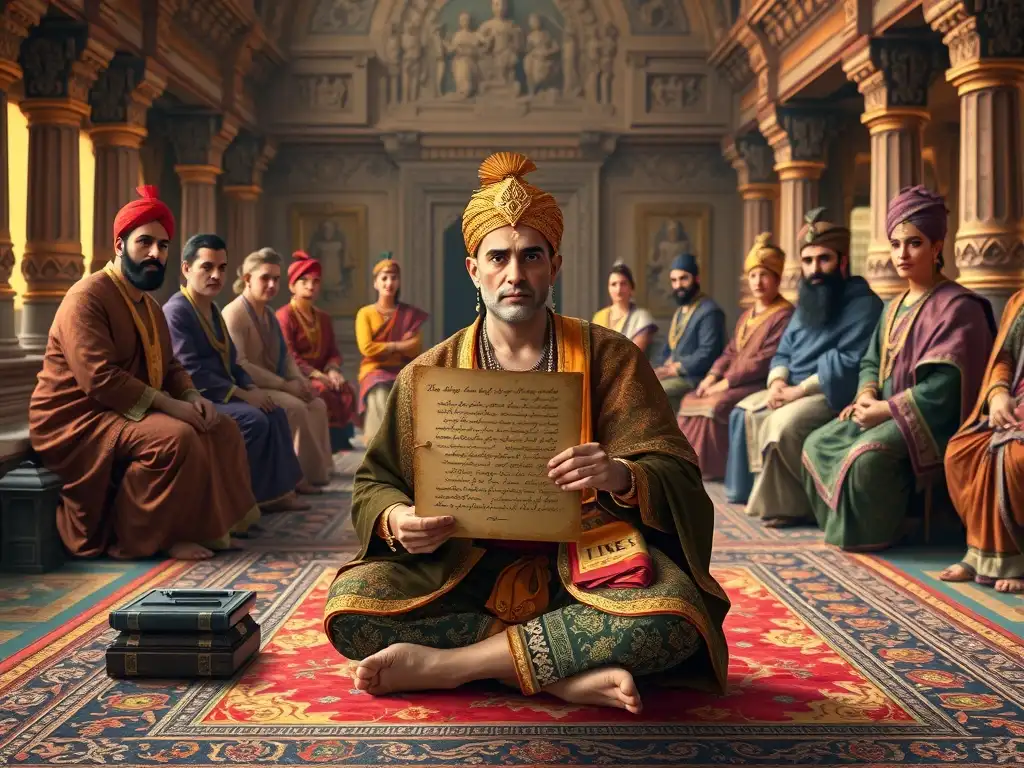
Diplomatic correspondence in ancient India provides a rich tapestry of how language facilitated political alliances and negotiations. The use of specific scripts and dialects often indicated not only the origin of the correspondence but also its intended audience. This correspondence can be seen in various ancient texts, inscriptions, and records that illustrate the nuances of communication between different kingdoms.
One prominent case study involves the communication between the Mauryan Empire and the Hellenistic world. The Edicts of Ashoka, inscribed in multiple languages, including Greek and Aramaic, demonstrate the emperor's intent to reach out to diverse populations, promoting peace and ethical governance. This multilingual approach reflects a sophisticated understanding of the importance of language in diplomacy, enabling Ashoka to foster alliances beyond the Indian subcontinent.
Another significant instance is the correspondence found in the inscriptions of the Gupta period, which often included diplomatic letters sent to neighboring states. These inscriptions demonstrate the use of Sanskrit as a lingua franca, allowing for effective communication across different cultures. The Gupta rulers strategically employed language to navigate complex political landscapes, reinforcing their power through well-articulated diplomatic messages.
Notable Examples of Inscriptions Reflecting Diplomatic Relations
Inscriptions serve as a crucial primary source for understanding the language of ancient Indian diplomacy. The Rock Edicts of Ashoka, for example, are not only monumental in their ethical teachings but also in their linguistic variety. They were inscribed in various languages to address different regions and peoples, showcasing an early form of diplomatic outreach.
Another notable example is the Nasik inscription, which commemorates the alliance between the Western Kshatrapas and the Satavahanas. This inscription highlights the diplomatic relations between these two powers through carefully crafted language that emphasizes mutual respect and cooperation. It illustrates how language was employed to solidify alliances and promote political stability.
Additionally, the inscriptions found in the ancient city of Taxila reveal interactions with Greek envoys during the reign of the Mauryas. These inscriptions often blend local dialects with Greek terms, demonstrating a linguistic exchange that was vital for diplomacy. The ability to communicate effectively in multiple languages was essential for fostering relationships in a culturally diverse environment.
Analysis of Specific Diplomatic Documents
Examining specific diplomatic documents from ancient India reveals the intricate role of language in shaping political narratives. For instance, the letters exchanged between Indian rulers and their foreign counterparts often contained formal salutations and expressions of goodwill, reflecting the diplomatic etiquette of the time.
The Sanskrit text of the Arthashastra, attributed to Kautilya, offers detailed insights into the strategies of diplomacy. It outlines the importance of language in negotiations, advising rulers to choose words carefully to convey respect and authority. Kautilya emphasized that the choice of language could significantly impact the success of diplomatic missions, indicating a sophisticated understanding of communication.
Furthermore, the inscriptions from the reign of Harsha provide evidence of his diplomatic efforts with neighboring kingdoms. His correspondence, often written in Sanskrit, was characterized by eloquent language that aimed to project power while fostering goodwill. The analysis of these documents illustrates how language was not merely a means of communication but a tool for political maneuvering.
Challenges in Ancient Indian Diplomacy Language
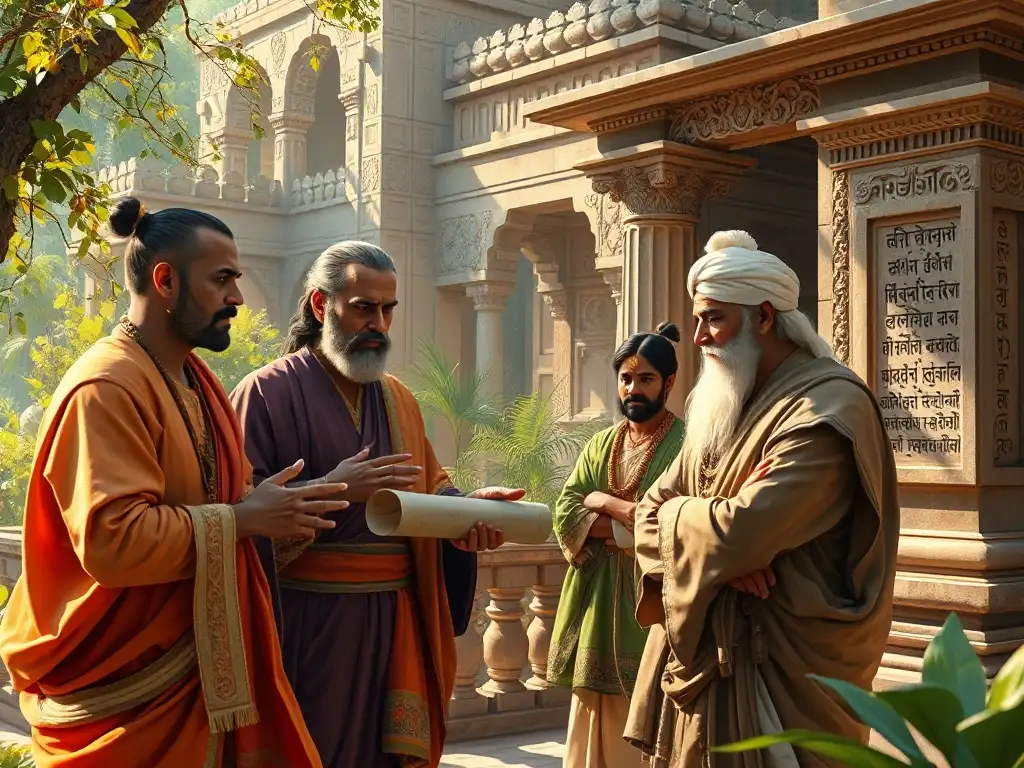
Despite the effectiveness of language in facilitating diplomacy, ancient Indian diplomats faced numerous challenges that could complicate their efforts. These challenges stemmed from linguistic diversity and the intricacies of communication across different cultures.
Miscommunication and Its Consequences
Miscommunication was a significant risk in ancient Indian diplomacy, often arising from the use of ambiguous language or cultural misunderstandings. Diplomatic messages that were not clearly articulated could lead to unintended conflicts or the breakdown of alliances. For instance, a misinterpretation of a treaty's terms could result in hostilities, as seen in several historical accounts where promises made in diplomatic letters were not honored due to linguistic ambiguities.
Additionally, the use of metaphors and idiomatic expressions, which were prevalent in Sanskrit literature, might not have translated well across different cultures. This often led to confusion and misinterpretation, underscoring the critical need for clarity in diplomatic language.
Linguistic Barriers in Multi-Lingual Regions
The linguistic diversity of ancient India presented another layer of complexity in diplomatic relations. With numerous languages and dialects spoken across various regions, diplomats often encountered barriers that hindered effective communication. For example, when engaging with regions where Prakrit or Tamil was predominant, a Sanskrit-speaking envoy might struggle to convey nuanced political messages.
This linguistic fragmentation could lead to diplomatic isolation for some states, as they might find it challenging to engage with their neighbors. Furthermore, the lack of a standardized diplomatic language could result in inconsistencies in treaties and agreements, complicating the maintenance of stable political alliances.
While language played a vital role in ancient Indian diplomacy, the challenges associated with miscommunication and linguistic diversity required diplomats to be adept not only in their own languages but also in understanding the cultural contexts of their counterparts.
Conclusion: The Legacy of Language in Ancient Indian Diplomacy
The role of language in ancient Indian diplomacy and political alliances cannot be overstated. Language served not only as a means of communication but also as a tool for cultural exchange, negotiation, and the establishment of political relationships. Through the use of various dialects, scripts, and inscriptions, ancient Indian states were able to articulate their policies, express their intentions, and solidify alliances with neighboring kingdoms. The skillful use of language in diplomatic correspondence showcases the sophistication of ancient Indian civilization and highlights the importance of linguistic nuances in fostering political stability and cooperation.
Moreover, the legacy of ancient Indian diplomatic language continues to resonate in contemporary practices, bridging the gap between historical contexts and modern diplomatic strategies. Understanding the intricate relationships between language, culture, and power dynamics provides valuable insights into the ways in which diplomacy has evolved over time. The meticulous records of treaties, correspondences, and inscriptions not only illuminate the past but also offer essential lessons for present-day international relations.
Lasting Impact of Ancient Indian Diplomatic Language on Modern Practices
The influence of ancient Indian diplomatic language extends to modern practices, where the principles of negotiation, cultural sensitivity, and effective communication remain vital. Contemporary diplomats can learn from the ancient Indian emphasis on clarity, respect, and the subtleties of language in fostering understanding among diverse groups. The strategic use of language to convey intentions and build alliances is still paramount in diplomatic discourse today.
Additionally, the rich linguistic heritage of ancient India, including various regional languages and dialects, has laid the groundwork for multilingual diplomacy. In an era of globalization, the ability to navigate multiple languages is increasingly important, echoing the diplomatic practices of ancient Indian states that often operated in multilingual environments. By examining the techniques employed by ancient diplomats, modern practitioners can enhance their own strategies for negotiation and alliance-building.
Reflection on the Importance of Language in Historical Contexts
Language plays a critical role in shaping historical narratives and understanding cultural identities. In the context of ancient Indian diplomacy, language was not merely a medium of communication; it was a reflection of the political, social, and cultural fabric of the time. The inscriptions and texts from this era provide a window into the values, priorities, and aspirations of ancient Indian civilizations.
Moreover, the ability to decipher and interpret ancient scripts has profound implications for historical scholarship. The study of inscriptions not only informs us about diplomatic relationships but also reveals insights into trade, warfare, and cultural exchanges that defined ancient India. As such, language serves as a key to unlocking the complexities of historical contexts, enabling us to appreciate the richness of ancient Indian diplomacy and its broader impact on civilization.
References and Further Reading
Suggested Literature on Ancient Indian Diplomacy
- "Ancient Indian Diplomacy: A Historical Study": by R. S. Sharma
This book delves into the principles and practices of diplomacy in ancient India, examining various texts and inscriptions.
- "The Art of War in Ancient India" by K. S. Shukla
Shukla's work explores the intersection of warfare and diplomacy, providing context for understanding diplomatic strategies in ancient texts.
- "Language and Politics in Ancient India" by A. N. Chatterjee
This literature investigates the role of language in political discourse and its implications for diplomacy.
Key Resources for Understanding Ancient Indian Scripts and Inscriptions
- "Indian Inscriptions: A Comprehensive Guide": by D. C. Sircar
A detailed resource for understanding different scripts and their historical significance in ancient Indian inscriptions.
- "The Scripts of Ancient India" by M. K. Bhattacharya
This book provides insights into the various scripts used in ancient India, including their evolution and usage in diplomatic contexts.
- Online databases and archives of ancient inscriptions
These resources offer access to transliterations and translations of key diplomatic documents and inscriptions from ancient India, serving as valuable tools for researchers and enthusiasts alike.
- Introduction to Ancient Indian Diplomacy Language
- Historical Context of Language in Diplomacy
- Key Languages and Their Impact on Diplomacy
- Language and Cultural Exchange in Political Alliances
- Case Studies of Diplomatic Correspondence
- Notable Examples of Inscriptions Reflecting Diplomatic Relations
- Analysis of Specific Diplomatic Documents
- Challenges in Ancient Indian Diplomacy Language
- Conclusion: The Legacy of Language in Ancient Indian Diplomacy
- References and Further Reading
- What was the significance of language in ancient Indian diplomacy?
- How did ancient Indian civilizations utilize language in their diplomatic efforts?
- Were there specific languages used in diplomatic contexts during ancient India?
- What were some key outcomes of language in ancient Indian diplomatic relations?
- How does the study of language in ancient Indian diplomacy contribute to our understanding of history?
Frequently Asked Questions
What was the significance of language in ancient Indian diplomacy?
Language played a crucial role in ancient Indian diplomacy by enabling effective communication and fostering political alliances among various kingdoms and regions.
How did ancient Indian civilizations utilize language in their diplomatic efforts?
Ancient Indian civilizations used multilingualism to facilitate trade and diplomacy, ensuring that diplomatic messages were understood across different cultures and regions.
Were there specific languages used in diplomatic contexts during ancient India?
Yes, Sanskrit and Prakrit were often used in formal diplomatic correspondence, reflecting the cultural sophistication of ancient Indian states.
What were some key outcomes of language in ancient Indian diplomatic relations?
The use of language in diplomacy led to strengthened alliances, enhanced trade relations, and the establishment of peace treaties among competing powers.
How does the study of language in ancient Indian diplomacy contribute to our understanding of history?
Studying this aspect reveals how communication strategies influenced the dynamics of power, showcasing the interconnectedness of ancient societies and their ability to navigate complex political landscapes.
Final Reflection: The Enduring Legacy of Language in Ancient Indian Diplomacy
The intricate relationship between language and diplomacy in ancient India remains profoundly relevant today, as it underscores the power of communication in shaping political alliances and fostering understanding among diverse cultures. In a world increasingly defined by globalization and multicultural interactions, the lessons drawn from ancient Indian diplomacy remind us that effective dialogue can bridge divides and create lasting partnerships. The ability to articulate ideas and negotiate differences through language is a timeless skill that continues to influence contemporary diplomatic practices.
The impact of language in ancient Indian diplomacy extends beyond historical significance; it has shaped the cultural and social landscape of the region. The nuanced use of language not only facilitated political alliances but also enriched the cultural tapestry of India, allowing for the exchange of ideas and fostering mutual respect among various communities. As noted by the renowned historian Romila Thapar, Language is not merely a tool for communication; it is a vessel for culture, identity, and the very essence of diplomacy.
This observation highlights how language has been a cornerstone in the formation of alliances and the maintenance of peace throughout history, a principle that remains vital in our interconnected world.
As we reflect on the lessons of ancient Indian diplomacy, let us embrace the power of language in our own lives. Consider how your words can build bridges, foster understanding, and create alliances in your personal and professional interactions. By cultivating the art of communication, we can honor the legacy of our ancestors and contribute to a more harmonious and collaborative future.
Take a moment to reflect on your own experiences with language—how can you use it to enhance your relationships and promote peace in your community? The journey of diplomacy begins with each of us, and it is through our words that we can shape a brighter tomorrow.
Unveil the Power of Language in Diplomacy!
Thank you for taking the time to explore the fascinating role of language in ancient Indian diplomacy and political alliances. Your interest opens up a world filled with rich histories and intricate relationships that shaped the course of civilizations!
Now that you have gained valuable insights from this article, it’s time to dive deeper and take action. Here are a few steps to enhance your understanding and engagement:
- Join a discussion group or forum focused on ancient civilizations to share your findings and hear different perspectives.
- Explore a relevant book or documentary about ancient Indian diplomacy to expand your knowledge beyond this article.
- Consider writing a short article or blog post on what you’ve learned, highlighting how language influenced not just politics, but also culture and society.
What new insights about the influence of language in shaping relationships will you bring to your discussions?