
The Mahabharata’s Influence on Global Literature: A CrossCultural Perspective

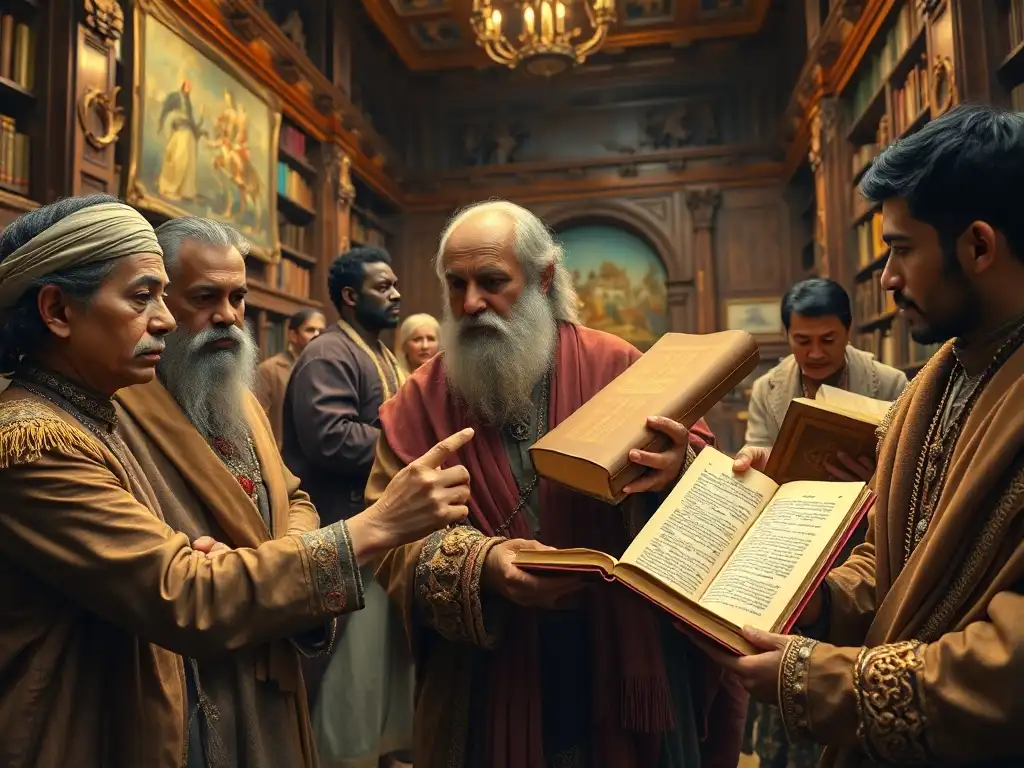
Welcome to Ancient India History, where we embark on an enlightening journey through the rich tapestry of ancient Indian civilizations. Here, we delve into the profound influence of the Mahabharata on world literature, exploring how this timeless epic has transcended borders and inspired countless narratives across cultures. With each turn of the page, you'll uncover the lasting legacy of the Mahabharata, inviting you to reflect on its significance in shaping literary traditions around the globe.
Prepare to be captivated and inspired as we unravel the intricate connections that bind us through storytelling. Dive in and discover the epic's role in the wider literary landscape!
Introduction to the Mahabharata and Its Significance
The Mahabharata, one of the longest epic poems in the world, serves not only as a cornerstone of ancient Indian literature but also as a profound source of cultural and philosophical insights that resonate across the globe. Composed over centuries, this epic intricately weaves together themes of duty, righteousness, and the complexities of human relationships, making it a timeless narrative that transcends geographical and cultural boundaries.
Its impact on global literature is significant, influencing writers, poets, and philosophers from various traditions, leading to a rich tapestry of intertextual dialogues and adaptations. In this article, we will explore the Mahabharata's profound influence on world literature, delving into its key themes, characters, and the ways in which it has shaped literary traditions across different cultures.
Overview of the Mahabharata as an Epic Text
The Mahabharata is not merely a story; it is an extensive compilation of narratives, philosophical discourses, and moral dilemmas. Composed in Sanskrit, it spans over 100,000 couplets, making it approximately ten times the length of the Iliad and the Odyssey combined. The epic chronicles the dynastic struggle between the Pandavas and Kauravas, epitomizing the eternal conflict between good and evil.
Key features of the Mahabharata include:
- Diverse Narratives: It encompasses various genres such as mythology, philosophy, and history.
- Philosophical Depth: The text includes the Bhagavad Gita, a spiritual guide that addresses the moral complexities of life.
- Cultural Significance: It reflects the social, political, and ethical values of ancient Indian society.
The Mahabharata is revered not only in India but also has found resonance in various cultural contexts, inspiring adaptations and reinterpretations around the world.
Key Themes and Characters in the Mahabharata
The Mahabharata is rich with themes that explore the human condition, which remain relevant across cultures. Key themes include:
- Dharma (Duty and Righteousness): Characters face moral dilemmas that challenge their understanding of duty.
- Justice and Retribution: The epic examines the consequences of actions, highlighting the pursuit of justice.
- The Complexity of Relationships: Family ties, friendship, and enmity play pivotal roles in the narrative.
Notable characters include:
- Krishna: The divine charioteer who imparts wisdom to Arjuna in the Bhagavad Gita.
- Arjuna: The skilled warrior torn between duty and moral hesitation.
- Draupadi: A strong female figure whose honor becomes central to the conflict.
These themes and characters not only define the epic but also serve as archetypes that have influenced countless works of literature, fostering a cross-cultural dialogue that persists to this day.
The Mahabharata’s Influence on World Literature
The Mahabharata has left an indelible mark on global literary traditions, inspiring a multitude of works and adaptations. Its universal themes resonate with audiences worldwide, making it a pivotal reference point for writers and thinkers across cultures.
Overview of Global Literary Traditions Influenced by the Mahabharata
Across various cultures, the Mahabharata has influenced a spectrum of literary traditions, leading to the creation of new narratives that reflect its core themes. Its stories have been adapted in diverse forms, including:
- Plays and Performances: Many cultures have dramatized the epic, showcasing its themes through theater.
- Poetry and Prose: Writers have drawn inspiration from the Mahabharata, crafting poems and stories that echo its moral complexities.
- Philosophical Works: Scholars have engaged with the philosophical inquiries presented within the text, contributing to various philosophical traditions.
This intermingling of ideas illustrates how the Mahabharata serves as a conduit for cross-cultural literary exploration.
The Mahabharata in Western Literature
In Western literature, the Mahabharata has inspired numerous adaptations and interpretations. Notable influences include:
- Adaptations in Modern Novels: Authors such as R.K. Narayan have reimagined the epic in contemporary settings, making it accessible to modern readers.
- Thematic Resonance in Historical Fiction: Themes of heroism and moral conflict found in Western historical fiction echo the dilemmas faced by characters in the Mahabharata.
- Philosophical Discussions: The ethical questions posed in the Bhagavad Gita have found their way into Western philosophical discourse, influencing thinkers like Carl Jung and Hannah Arendt.
Through these avenues, the Mahabharata continues to be a source of inspiration and contemplation in Western literary traditions.
The Mahabharata in Eastern Literary Traditions
In Eastern literary traditions, the Mahabharata has been a foundational text that has shaped narratives across Asia. Its influences are evident in:
- Chinese Literature: The moral lessons and themes of conflict have parallels in Chinese epics, showcasing shared values.
- Southeast Asian Adaptations: Countries like Indonesia and Malaysia have adapted the Mahabharata into local performances and storytelling traditions, blending it with indigenous narratives.
- Japanese Literature: Elements of the epic can be seen in Japanese works, where themes of honor and duty resonate deeply within the cultural context.
The Mahabharata serves as a cultural bridge, fostering a rich exchange of literary and philosophical ideas throughout Eastern traditions.
The exploration of the Mahabharata's influence on global literature opens a dialogue about the interconnectedness of human experiences, transcending boundaries and enriching the literary landscape across cultures. Through this rich tapestry of narratives and themes, the epic continues to inspire and resonate with audiences, inviting us to reflect on our own moral and ethical dilemmas.
Cross-Cultural Adaptations of the Mahabharata
The Mahabharata, one of the longest epic poems in the world, has transcended its Indian origins to inspire a multitude of adaptations across various cultures. This epic, rich in philosophical and moral themes, has been reinterpreted in numerous forms, including literature, theater, dance, and visual arts. The adaptability of its narrative and characters has allowed it to resonate with diverse audiences, making it a significant cultural artifact beyond India.
In Southeast Asia, countries like Indonesia and Malaysia have incorporated elements of the Mahabharata into their local folklore and performing arts. The wayang kulit (shadow puppetry) in Indonesia often depicts stories from the Mahabharata, showcasing its influence on traditional storytelling techniques. Similarly, the epic's themes of duty, honor, and familial conflict have found parallels in the cultural narratives of these regions, blending seamlessly with local traditions and beliefs.
Translations and Retellings Across Cultures
Translations of the Mahabharata have played a crucial role in its global reach. The epic has been translated into numerous languages, including English, French, Russian, and many Asian languages. Each translation brings its own nuances, interpreting the text through the lens of the target culture.
Notable translations, such as the one by Ramesh Menon, have made the Mahabharata accessible to a wider audience, preserving its core themes while adapting the language for contemporary readers. Additionally, retellings like "The Palace of Illusions" by Chitra Banerjee Divakaruni offer a fresh perspective by focusing on the female characters, particularly Draupadi, thus appealing to modern sensibilities and feminist interpretations.
| Language | Notable Translator/Retelling | Year |
|---|---|---|
| English | Ramesh Menon (Translation) | 2004 |
| English | Chitra Banerjee Divakaruni (Retelling) | 2008 |
| French | Jean-Claude Carrière (Translation) | 1990 |
| Russian | Mikhail Shvartsman (Translation) | 1989 |
Thematic Parallels: Mahabharata and Global Narratives
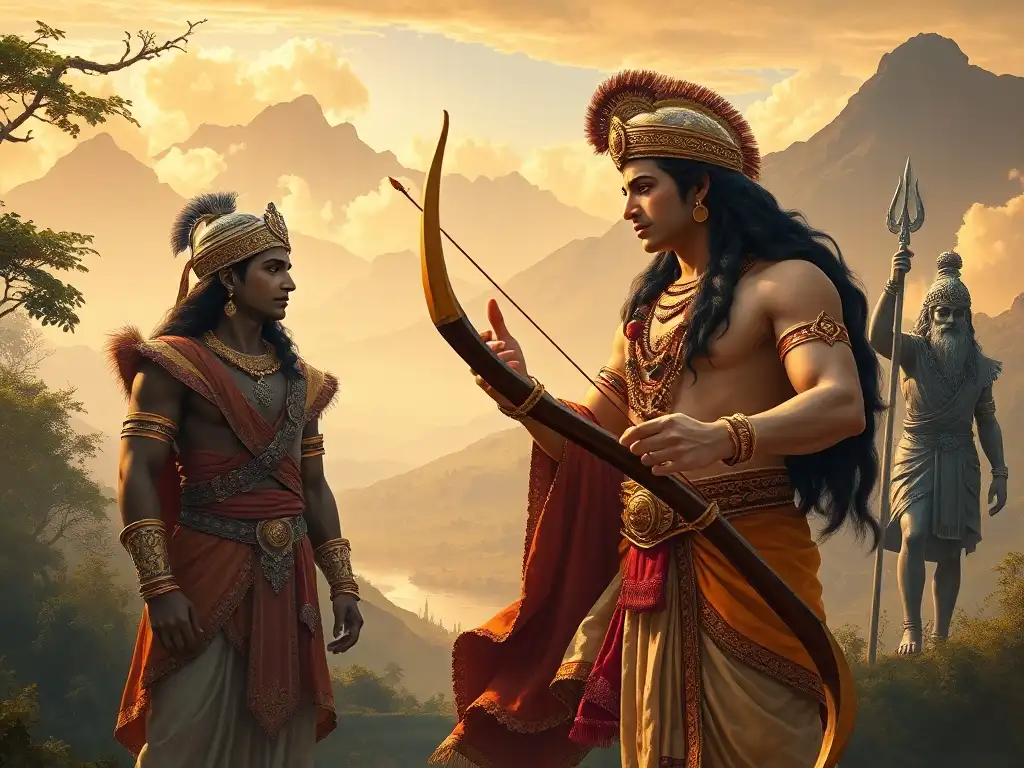
The Mahabharata shares thematic parallels with many global narratives, reflecting universal human experiences. Central themes such as duty (dharma), the complexity of relationships, and the consequences of war resonate across cultures and literary traditions.
For example, the moral dilemmas faced by characters in the Mahabharata can be compared to the struggles of heroes in Greek tragedies, such as those found in the works of Sophocles and Euripides. The exploration of human emotions and ethical challenges creates a bridge between these narratives, allowing for a richer understanding of the human condition across different cultures.
Conflict and Morality in the Mahabharata and Other Cultures
Conflict, both internal and external, is a predominant theme in the Mahabharata. The epic’s portrayal of war, particularly the Kurukshetra War, serves as a backdrop for exploring moral complexities. Characters like Arjuna grapple with the implications of their actions, raising questions about righteousness and duty.
Similar conflicts can be observed in other literary traditions. For instance, in Shakespeare's "Hamlet," the protagonist faces moral quandaries that lead to tragic outcomes. The exploration of ethical dilemmas in both works highlights a shared cultural fascination with the consequences of human choices, illustrating how the Mahabharata's themes resonate universally.
The Role of Dharma: A Universal Concept in Literature
Dharma, or righteousness, is a central tenet of the Mahabharata and serves as a guiding principle for its characters. This concept extends beyond the epic itself, finding relevance in various literary traditions worldwide. The notion of duty and moral obligation is echoed in Western literature, particularly in the works of philosophers and playwrights who address similar ethical questions.
For example, the concept of "duty" in the writings of philosophers like Immanuel Kant parallels the idea of dharma, where actions are guided by moral imperatives. In this light, the Mahabharata can be seen as a precursor to discussions about ethics in global literature, emphasizing the importance of duty in shaping human experiences and societal norms.
Through these cross-cultural adaptations, translations, and thematic parallels, the Mahabharata continues to influence world literature, offering profound insights into the complexities of human nature and morality.
The Mahabharata’s Legacy in Contemporary Literature
The Mahabharata, one of the greatest epics of ancient India, has had a profound influence on contemporary literature across various cultures and genres. Its intricate narratives, complex characters, and profound moral dilemmas resonate with themes found in modern storytelling. Contemporary writers often draw parallels between the epic's characters and modern societal issues, using the Mahabharata as a lens to explore conflicts, ethics, and human relationships.
Moreover, the Mahabharata's structure, layered with subplots and philosophical discourses, serves as a template for many modern narratives. For instance, the concept of dharma, or duty, which is central to the epic, continues to be a point of reference for authors grappling with moral choices in their works. As a result, the Mahabharata's legacy is not merely confined to its historical significance but extends into the realm of modern storytelling, demonstrating its timelessness and relevance.
Modern Authors Inspired by the Mahabharata
Numerous modern authors have found inspiration in the Mahabharata, reinterpreting its themes and characters for contemporary audiences. Writers such as Vikram Seth, Devdutt Pattanaik, and Chitra Banerjee Divakaruni have explored the epic's narratives through novels and retellings, offering fresh perspectives on its age-old tales. For example:
- Vikram Seth in his work The Golden Gate employs the backdrop of the Mahabharata to explore themes of love and morality in a modern setting.
- Devdutt Pattanaik has written extensively on the Mahabharata, providing interpretations that highlight its philosophical depth and its relevance to contemporary life.
- Chitra Banerjee Divakaruni reimagines characters and events from the epic in her novel The Palace of Illusions, focusing on the narrative from Draupadi's perspective.
These authors demonstrate how the Mahabharata serves as a rich source of inspiration, allowing for the exploration of timeless themes through modern lenses.
The Mahabharata’s Relevance in Today's Literary Discourse
In today's literary discourse, the Mahabharata remains a crucial reference point for discussions around ethics, conflict, and identity. Scholars and critics often analyze its narratives to draw insights into contemporary issues such as war, justice, and the complexity of human relationships. The epic's multifaceted characters, each embodying different aspects of morality and duty, provide a framework for understanding the gray areas of ethical dilemmas faced in modern society.
Furthermore, the Mahabharata's influence extends beyond literature into various forms of art, including theater, film, and visual arts. Adaptations of the epic continue to provoke thought and discussion, reflecting its enduring relevance in cultural narratives worldwide. As such, the Mahabharata is not only a historical text but also a living document that informs and enriches contemporary literary and cultural discussions.
Conclusion: The Enduring Legacy of the Mahabharata on World Literature
The Mahabharata has established itself as a cornerstone of world literature, influencing narratives and literary traditions globally. Its themes of duty, righteousness, and the human condition resonate with readers and writers across cultures, making it a timeless source of inspiration. The epic's rich tapestry of characters and complex moral questions continues to find relevance in modern storytelling, further solidifying its place in the literary canon.
Summary of Mahabharata's Influence on Diverse Literary Traditions
The Mahabharata's influence extends to various literary traditions, inspiring works in genres ranging from poetry and drama to novels and essays. Its narratives have resonated across geographical boundaries, influencing authors in the Middle East, Southeast Asia, and even Western literature. The epic's exploration of universal themes such as love, conflict, and human dilemmas has allowed it to be integrated into diverse cultural contexts, enriching global literary landscapes.
Future Perspectives on the Mahabharata in Global Literature
As we look to the future, the Mahabharata is likely to continue shaping literary traditions worldwide. With the rise of global literature and the increasing interest in cross-cultural narratives, contemporary authors will undoubtedly find new ways to engage with the epic. The ongoing reinterpretation of its themes in various media suggests that the Mahabharata will remain a vital part of the literary conversation, inspiring future generations to explore its narratives and lessons. The epic's ability to adapt and resonate with changing societal values ensures its place in the ever-evolving landscape of world literature.
References
The Mahabharata, one of the two major Sanskrit epics of ancient Indian literature, has profoundly impacted not only Indian culture but also global literature. Its themes, narratives, and philosophical insights have transcended geographical boundaries, inspiring countless literary works across various cultures. Here, we explore key texts and scholarly works that delve into the Mahabharata's influence, as well as additional readings that highlight its relevance in cross-cultural literature.
Key Texts and Scholarly Works on the Mahabharata's Influence
-
The Mahabharata: A Modern Rendering by Ramesh Menon
This contemporary retelling of the Mahabharata makes the epic accessible to a modern audience while preserving its essence. Menon's work highlights the narrative's universal themes, such as duty, righteousness, and the complexities of human relationships, making it relevant in various cultural contexts.
-
The Mahabharata: An Inquiry in the Human Condition by Chaturvedi Badrinath
Badrinath’s scholarly analysis provides an in-depth exploration of the philosophical and ethical dilemmas presented in the Mahabharata. The book offers insights into how these themes resonate with global literary traditions and moral philosophies.
-
The Epic of the Mahabharata: A Study in Comparative Literature by G. S. Shivarudrappa
This work examines the Mahabharata's narrative structure and character development in relation to other world epics. Shivarudrappa draws parallels with texts like the Iliad and the Odyssey, showcasing the shared human experiences depicted in these works.
-
Mahabharata: A Critical Companion by Arjun Ghosh
Ghosh's analysis focuses on the cultural and historical contexts of the Mahabharata, discussing its influence on various art forms, including literature, theater, and dance. The book underscores how the epic has inspired creative expressions around the world.
-
The Mahabharata: A Shortened Modern Prose Version of the Indian Epic by R.K. Narayan
Narayan’s version of the Mahabharata condenses the epic into a more digestible format, emphasizing its core messages. This adaptation has garnered attention for its ability to introduce readers unfamiliar with the original text to its fundamental themes.
Further Reading on Cross-Cultural Literature and the Mahabharata
-
Comparative Literature: A Critical Introduction by Susan Bassnett
This foundational text provides insights into the field of comparative literature, exploring how different cultures interact through literary works. Bassnett discusses the Mahabharata in the context of global literary exchange.
-
The Global Epic: From Homer to Shakespeare to James Bond by Edward W. Said
Said's examination of epic literature across cultures includes a discussion on the Mahabharata, analyzing its narrative techniques and thematic depth within the broader spectrum of global epics.
-
Epic Encounters: Culture, Media, and U.S. Interests in the Middle East Since 1945 by David W. Haines
While primarily focused on U.S. interactions with the Middle East, this book touches upon the Mahabharata's themes of conflict and morality, illustrating how they resonate with contemporary global issues and narratives.
-
Myth and History in the Contemporary World by George E. Lewis
Lewis's work explores the relevance of ancient myths, including those found in the Mahabharata, in shaping modern worldviews and narratives across different cultures.
-
The Influence of Indian Literature on World Literature by N. S. Jagannathan
This compilation examines the impact of Indian literary traditions, particularly the Mahabharata, on global literary movements. Jagannathan's essays highlight cross-cultural influences and adaptations.
Through these texts, readers can gain a deeper understanding of the Mahabharata's rich legacy and its remarkable influence on world literature, fostering a greater appreciation for the interconnectedness of human storytelling across cultures.
- Introduction to the Mahabharata and Its Significance
- The Mahabharata’s Influence on World Literature
- Cross-Cultural Adaptations of the Mahabharata
- Translations and Retellings Across Cultures
- Thematic Parallels: Mahabharata and Global Narratives
- The Mahabharata’s Legacy in Contemporary Literature
- Conclusion: The Enduring Legacy of the Mahabharata on World Literature
- References
Frequently Asked Questions
What is the Mahabharata?
The Mahabharata is an ancient Indian epic that narrates the story of a dynastic struggle for power and contains profound philosophical and moral teachings.
How has the Mahabharata influenced world literature?
The Mahabharata's influence extends globally, inspiring countless writers and poets through its themes of dharma, conflict, and the complexity of human nature.
Are there any notable adaptations of the Mahabharata outside India?
Yes, various cultures have adapted the Mahabharata, including the Korean adaptation "The Tale of the Three Kingdoms" and modern retellings in Western literature, showcasing its universal themes.
What themes from the Mahabharata resonate in global storytelling?
Themes such as honor, betrayal, love, and sacrifice found in the Mahabharata are prevalent across many cultures, making it relatable in various literary contexts.
How does the Mahabharata contribute to cultural understanding?
The Mahabharata serves as a bridge for cultural understanding, offering insights into ancient Indian philosophy and social values, which can enrich global literary discourse.
Final Reflection: The Enduring Legacy of the Mahabharata in World Literature
The Mahabharata's influence on world literature is not just a relic of the past; it is a vibrant thread woven into the fabric of contemporary storytelling. As we explore the intricate narratives and profound themes of this epic, we find that its lessons resonate deeply in our modern world, shaping the way we understand conflict, morality, and the human experience. The Mahabharata teaches us that literature is a powerful vehicle for exploring the complexities of life, and its relevance continues to grow as we navigate our own intricate narratives.
The impact of the Mahabharata extends far beyond its origins, influencing writers, poets, and thinkers across cultures and epochs. Its themes of duty, righteousness, and the struggle between good and evil echo in countless works, inspiring a global dialogue that transcends borders. The Mahabharata invites us to reflect on our own lives and the choices we make, reminding us that every story we tell is interconnected. As the renowned author Salman Rushdie once said, The only way to deal with the world is to tell stories.
This sentiment encapsulates the essence of the Mahabharata's influence, as it continues to inspire new narratives and interpretations around the globe.
As we conclude this exploration of the Mahabharata's profound impact, I invite you to reflect on how its themes resonate in your own life and the stories you encounter. Consider how the lessons of this ancient epic can guide you in your personal journey and inspire your own storytelling. Let the Mahabharata remind you that every narrative holds the power to illuminate the human condition, and as you engage with literature, may you find the courage to explore the depths of your own story.
Unveil the Timeless Lessons of the Mahabharata!
Thank you for diving into the fascinating world of the Mahabharata and its profound influence on global literature! Your engagement helps keep the legacy of this epic alive and inspires us all to explore its teachings further. Now, it's time to take that knowledge and put it into action!
Here are a few ways you can deepen your understanding and share this incredible narrative:
- Dive deeper into a specific theme from the Mahabharata that resonates with you and reflect on its relevance in today’s world.
- Share your insights by writing a brief post on social media or a blog, discussing how the Mahabharata has influenced other literary works around the globe.
- Join a local book club or an online forum focused on epic literature to engage in discussions about its themes and connect with fellow enthusiasts.
How has the Mahabharata influenced your perspective on life or other literary works? We invite you to share your thoughts in the comments below!