
Unveiling the Bureaucratic Brilliance of the Maurya Empire

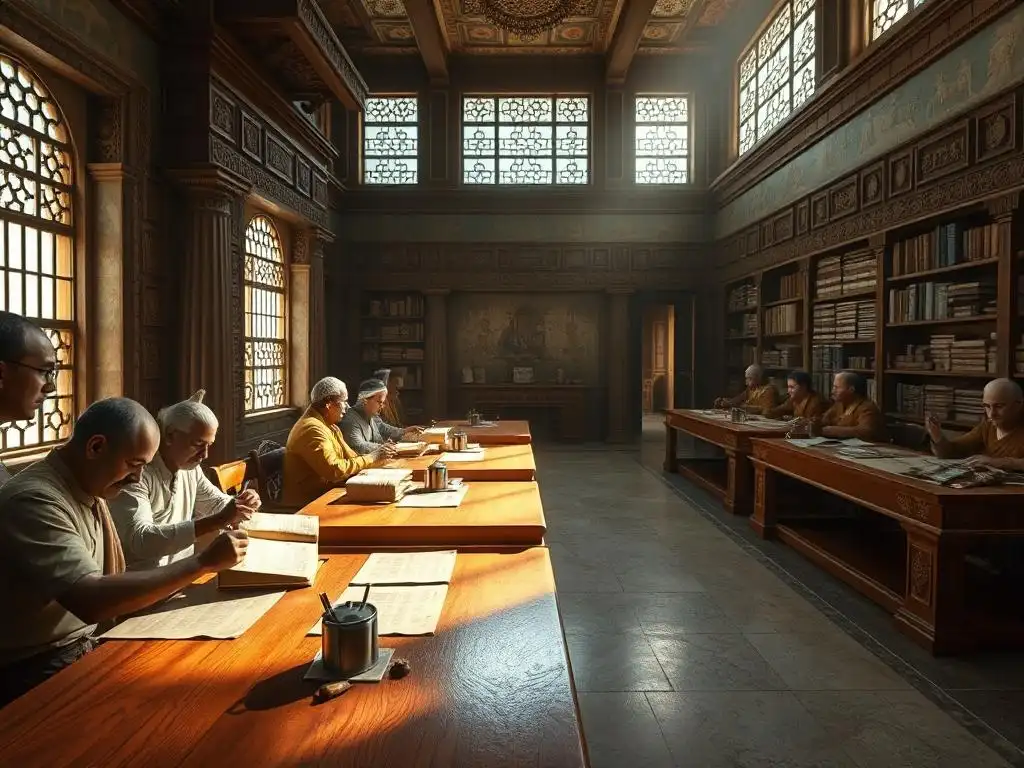
Welcome to Ancient India History, where we embark on a fascinating journey through the rich tapestry of ancient Indian civilizations. Today, we delve into the Maurya Empire administrative system, a remarkable example of bureaucratic brilliance that laid the foundation for governance in the subcontinent. Discover how this sophisticated structure not only managed vast territories but also fostered economic growth and social stability. Prepare to be intrigued as we unveil the secrets behind one of history's most influential empires—your exploration begins here!
- Introduction to the Maurya Empire Administrative System
- The Foundations of the Maurya Empire Administrative System
- Structure of the Maurya Empire Administration
- Bureaucratic Machinery of the Maurya Empire
- Legal Framework and Justice System in the Maurya Empire
- Economic Management and Taxation
- Innovations and Contributions of the Maurya Empire Administrative System
- Challenges Faced by the Maurya Empire Administration
- Legacy of the Maurya Empire Administrative System
- Conclusion
-
Frequently Asked Questions
- What was the administrative system of the Maurya Empire?
- How did the Maurya Empire ensure efficient tax collection?
- What role did communication play in the Maurya Empire's administration?
- Who were the key figures in the Maurya Empire's bureaucracy?
- What were the major contributions of the Maurya Empire's administrative system?
- Final Reflection: The Enduring Legacy of the Maurya Empire's Administrative System
- Unleash Your Curiosity About the Maurya Empire!
Introduction to the Maurya Empire Administrative System
The Maurya Empire, one of the most significant empires in ancient Indian history, flourished from 322 BCE to 185 BCE. This period marked a remarkable advancement in governance, administration, and societal organization, showcasing a level of bureaucratic brilliance that was unprecedented for its time.
Understanding the Maurya Empire administrative system not only sheds light on the effective management techniques employed by its rulers, particularly Chandragupta Maurya and his grandson Ashoka, but also illustrates how these practices influenced subsequent Indian civilizations. The Maurya Empire’s administrative framework was characterized by a centralized authority, a well-structured hierarchy, and a keen focus on economic and social welfare, which together contributed to its longevity and stability.
Overview of the Maurya Empire
The Maurya Empire emerged in the wake of the decline of the Nanda Dynasty, with Chandragupta Maurya seizing control of a vast territory that included much of the Indian subcontinent. Under his leadership and later that of his grandson Ashoka, the empire expanded its reach, establishing a vast network of provinces and administrative divisions. The empire's capital, Pataliputra, became a hub of political activity and culture.
Key features of the Maurya Empire include:
- Territorial Expansion: At its height, the empire extended from modern-day Afghanistan in the northwest to Bengal in the east.
- Cultural Flourishing: The Maurya period saw significant developments in art, architecture, and philosophy, exemplified by the construction of the famous Ashoka Pillars and stupas.
- Religious Diversity: The empire was marked by the coexistence of various religions, including Buddhism, Jainism, and Hinduism, with Ashoka's patronage of Buddhism playing a pivotal role in its spread.
Significance of the Administrative System in Ancient India
The administrative system of the Maurya Empire was vital to its success and is often regarded as one of the earliest examples of a complex bureaucratic structure in ancient India. The significance of this system can be observed through several key aspects:
- Centralized Governance: The Mauryan rulers established a centralized government that allowed for efficient decision-making and implementation of policies across vast territories.
- Administrative Divisions: The empire was divided into provinces called Mahajanapadas, each overseen by a governor. This structure facilitated local governance while maintaining overall control from the capital.
- Legal Framework: The Maurya administration implemented a codified legal system that promoted justice and order, ensuring the welfare of citizens and the smooth functioning of society.
- Taxation and Revenue Management: A sophisticated taxation system was developed, allowing the empire to fund its military, infrastructure, and public services, which contributed to economic stability and growth.
The Maurya Empire administrative system not only laid the groundwork for subsequent governance models in India but also demonstrated the importance of a well-organized administrative framework in managing a diverse and expansive empire. Its legacy continues to influence administrative practices in the region even to this day.
The Foundations of the Maurya Empire Administrative System

The Maurya Empire, established in the 4th century BCE, is often celebrated for its remarkable administrative system that laid the groundwork for one of the most sophisticated governance structures in ancient India. The efficiency of the Maurya Empire's administration was pivotal in maintaining control over vast territories and diverse populations. This section explores the foundational elements that contributed to the Maurya Empire's administrative prowess.
The Vision of Chandragupta Maurya
Chandragupta Maurya, the founder of the Maurya Empire, envisioned a centralized authority that could integrate various regions and cultures under a single political framework. His vision was characterized by:
- Centralized Governance: Chandragupta recognized the need for a strong central government to unify the diverse Indian subcontinent. He established a hierarchy of officials who reported directly to him, ensuring that policies were implemented uniformly across the empire.
- Military Organization: Understanding the importance of military power, he organized a formidable army that not only defended the empire but also enforced administrative directives. This military strength enabled the Maurya Empire to expand its boundaries significantly.
- Economic Control: Chandragupta implemented state control over resources and trade, which was crucial for the empire's revenue. He established a network of trade routes that facilitated commerce and boosted economic stability.
This foundational vision allowed Chandragupta to create a robust administrative system that could manage the complexities of a vast empire effectively.
Role of Kautilya in Shaping Governance
Kautilya, also known as Chanakya, was a key figure in the Maurya Empire and played a seminal role in shaping its administrative framework. His contributions include:
- Arthashastra: Kautilya's seminal work, Arthashastra, outlined pragmatic governance strategies, including taxation, law enforcement, and espionage. This text remains a critical source for understanding ancient Indian political philosophy and administrative practices.
- Advisory Role: As Chandragupta’s chief advisor, Kautilya's insights were instrumental in establishing policies that balanced power and welfare. He emphasized the importance of intelligence and diplomacy in governance, advocating for a proactive approach to statecraft.
- Administrative Reforms: Kautilya recommended a bureaucratic structure that included various departments responsible for agriculture, commerce, and law. This specialization allowed for more efficient management of state affairs.
Kautilya's influence on the Maurya Empire's administrative system cannot be overstated, as his strategies and principles provided the foundation for effective governance.
Key Principles of Maurya Governance
The Maurya Empire's administrative system was underpinned by several key principles that ensured its effectiveness:
- Meritocracy: Positions within the administration were often filled based on merit rather than birthright. This approach enabled capable individuals to rise through the ranks, fostering efficiency and innovation in governance.
- Decentralization of Power: While the empire was centralized, local governors (known as Uparikas) were given significant autonomy to manage regional affairs. This decentralization allowed for localized decision-making that was sensitive to specific cultural and economic contexts.
- Legal Framework: The Maurya Empire established a comprehensive legal system that both codified laws and set up mechanisms for enforcement. This legal structure helped maintain order and resolve disputes efficiently.
- Public Welfare: The Maurya administration placed a strong emphasis on public welfare, which was reflected in policies that promoted infrastructure development (like roads and irrigation) and public health.
- Intelligence and Surveillance: Kautilya’s emphasis on espionage and intelligence gathering ensured that the administration remained informed about potential threats and public sentiment, allowing for preemptive action against dissent.
The Maurya Empire's administrative system was a blend of innovative governance, strategic military organization, and a commitment to public welfare, which together created a lasting legacy in ancient Indian civilization.
Structure of the Maurya Empire Administration

Centralized Administration: A Key Feature
The Maurya Empire, which thrived from 322 to 185 BCE, is renowned for its highly organized and efficient administrative structure. Central to this system was the concept of centralized administration, where power and control resided predominantly with the emperor. This centralization was not merely a feature of governance; it was a strategic approach that enabled the empire to manage its vast territories effectively.
The Emperor's Authority and Responsibilities
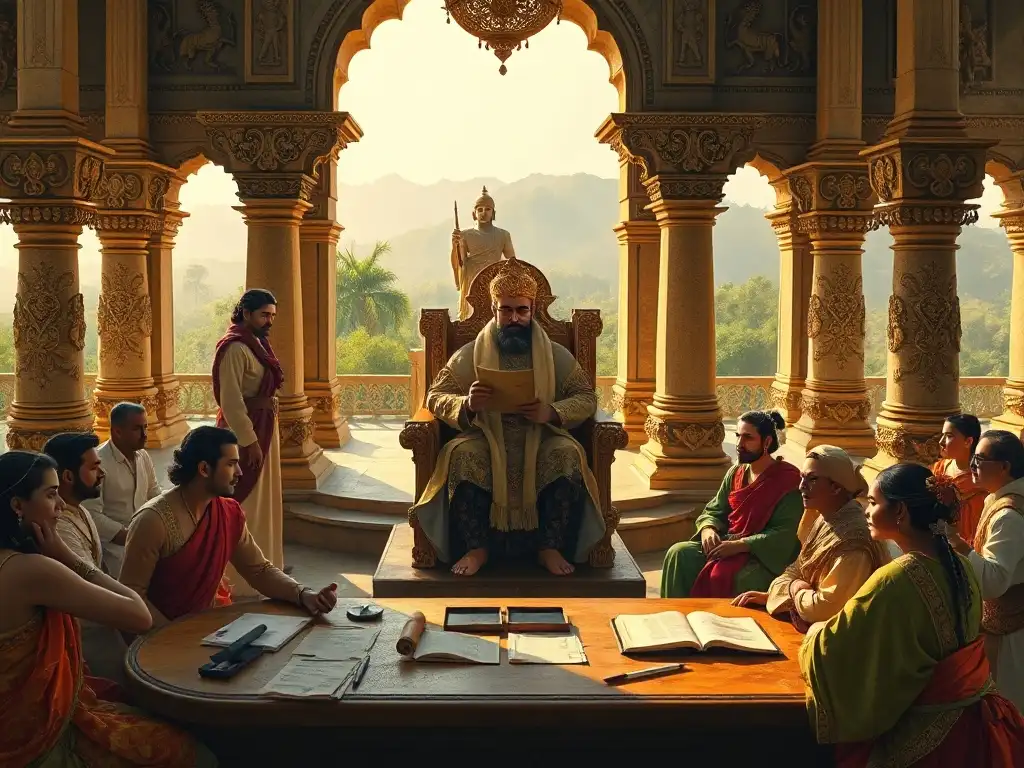
At the apex of the Maurya administrative hierarchy was the emperor, who wielded supreme authority. The emperor was viewed as the ultimate source of law and governance, responsible for maintaining order, collecting taxes, and ensuring the welfare of the subjects. The authority of the emperor was often justified through a divine mandate, reinforcing the belief that their rule was ordained by the gods.
Key responsibilities included:
- Legislation: The emperor had the power to enact laws and ensure their enforcement across the empire.
- Military Leadership: As the commander-in-chief, the emperor directed military campaigns and maintained the army's discipline.
- Judicial Oversight: The emperor also played a role in the judicial system, resolving disputes and administering justice directly in critical cases.
This concentration of power allowed for swift decision-making and the coherent implementation of policies across the vast empire, from the bustling cities of Pataliputra to the remote provinces.
The Role of Ministers and Advisors
While the emperor held ultimate authority, the effective functioning of the Maurya Empire's administration relied heavily on a council of ministers and advisors. Known as the Mantriparishad, this council comprised knowledgeable individuals who provided insights and recommendations on various matters, including governance, taxation, and foreign relations.
Key roles included:
- Prime Minister (Mahamatra): The chief minister acted as the emperor's right-hand man, overseeing day-to-day administrative functions.
- Finance Ministers: Responsible for managing the empire's wealth, these officials ensured that revenues were collected efficiently and expenditures were controlled.
- Military Advisors: They assisted in organizing military campaigns and maintaining the empire's defenses.
This collaborative approach not only facilitated smoother governance but also ensured that the emperor was well-informed about the diverse issues facing the empire.
Provincial Administration: Divisions and Governance
The Maurya Empire was divided into several provinces, each governed by appointed officials. This provincial administration was crucial in maintaining order and implementing the emperor's policies at the local level. Each province, or Mahajanapada, was strategically organized to optimize resource management and governance.
Importance of Governors and Local Officials
Governors, known as Uparikas, were appointed by the emperor to oversee each province. Their primary responsibilities included:
- Implementing Imperial Policies: Governors ensured that the laws and directives issued by the emperor were executed effectively within their jurisdictions.
- Tax Collection: They managed tax collection, which was vital for the empire's revenue, and maintained records of agricultural production and trade.
- Local Law Enforcement: Governors held judicial authority to resolve disputes and maintain public order, often employing local officials to assist in these functions.
Local officials, such as village headmen (Gramikas), played a significant role in the administration at grassroots levels, ensuring that the needs and concerns of the populace were addressed.
Interactions Between Central and Provincial Authorities
The relationship between the central authority and provincial governors was characterized by a dynamic interaction. While governors enjoyed considerable autonomy in managing their provinces, they were still accountable to the emperor. Regular communication was vital to ensure that provincial governance aligned with central policies.
Key aspects of this interaction included:
- Regular Reports: Governors were required to submit reports detailing the political and economic conditions of their provinces.
- Imperial Inspections: The emperor or designated officials occasionally conducted inspections to assess the performance of provincial governors and ensure compliance with imperial directives.
- Feedback Mechanisms: Governors could provide feedback to the emperor on local issues, enabling a more responsive governance approach.
This structured interaction facilitated a balance between centralized authority and localized governance, contributing to the overall stability and prosperity of the Maurya Empire.
Bureaucratic Machinery of the Maurya Empire
The Maurya Empire, which thrived from 322 to 185 BCE, is renowned for its sophisticated administrative system that laid the groundwork for effective governance. The empire’s bureaucratic machinery was not only extensive but also intricately organized, allowing it to manage vast territories and diverse populations. This system was pivotal in maintaining order and implementing policies across the empire, which stretched from the northwestern regions of India to the Bengal delta.
The Role of Bureaucrats in Administration
The bureaucratic system of the Maurya Empire was characterized by a hierarchical structure that ensured efficient administration. At the apex of this hierarchy was the Emperor, who was supported by a cadre of bureaucrats tasked with various administrative duties.
Training and Responsibilities of Bureaucratic Officials
Bureaucratic officials in the Maurya Empire underwent extensive training, often influenced by texts such as the Arthashastra, authored by Kautilya (Chanakya). This training emphasized not only administrative skills but also ethics and governance. Key responsibilities of these officials included:
- Tax Collection: Ensuring that taxes were collected efficiently and fairly, which was crucial for the empire's revenue.
- Law Enforcement: Maintaining law and order through a network of local officials who reported to higher authorities.
- Infrastructure Management: Overseeing the construction and maintenance of roads, irrigation systems, and public buildings.
- Public Welfare: Implementing programs that addressed the needs of the populace, including health and education.
These officials were often selected based on merit, and their effectiveness played a vital role in the empire's stability.
Importance of Record-Keeping and Documentation
Record-keeping was a cornerstone of the Maurya Empire’s administrative prowess. Bureaucrats meticulously documented various aspects of governance, which included:
- Tax Records: Detailed accounts of tax collection helped in assessing the empire's financial health.
- Land Surveys: Accurate surveys ensured fair taxation and efficient land use.
- Legal Documents: Written records of laws and decrees facilitated the enforcement of justice.
The systematic documentation not only allowed for transparency in governance but also played a crucial role in historical record-keeping, providing insights into the empire's functioning and policies.
The Influence of the Arthashastra on Administration
The Arthashastra served as a guiding framework for the administration of the Maurya Empire, influencing both the theoretical and practical aspects of governance. Kautilya's treatise provided insights into statecraft, economy, and military strategy, all of which were integral to maintaining the empire's vast territories.
Policies and Strategies for Effective Governance
The Arthashastra laid out several policies and strategies that shaped the Maurya Empire's administrative system:
- Centralized Administration: Emphasizing a strong central authority to ensure uniformity in governance.
- Merit-Based Appointments: Advocating for the selection of officials based on capability rather than lineage, which fostered efficiency and loyalty.
- Spying and Intelligence: Establishing a network of spies to gather intelligence on both domestic and foreign affairs, enabling proactive governance.
- Diplomacy and Warfare: Balancing diplomatic relations with military readiness to protect the empire's interests.
These strategies not only enabled the Maurya Empire to thrive economically and politically but also established a model of governance that influenced subsequent Indian empires. The administrative system of the Maurya Empire remains a significant topic of study, reflecting the brilliance of ancient Indian governance.
Legal Framework and Justice System in the Maurya Empire
The Codification of Laws and Regulations
The Maurya Empire, known for its extensive and sophisticated administrative system, laid a strong emphasis on a codified legal framework that served as the backbone for governance. The most notable codification during this period was the "Arthashastra," attributed to the scholar Kautilya (Chanakya). This ancient text not only outlined strategies for war and diplomacy but also provided a comprehensive guide on law and governance.
- Key Features of the Codification:
- Standardization of Laws: Laws were standardized across the empire, reducing regional discrepancies and ensuring uniformity in legal proceedings.
- Regulations on Trade and Commerce: The Arthashastra included detailed regulations governing trade, taxation, and market practices, which fostered economic stability and growth.
- Social Conduct and Morality: The laws also addressed social behavior, setting guidelines that emphasized ethical conduct among citizens, thereby promoting a sense of order and responsibility.
This codified system facilitated the administration's ability to enforce laws effectively, as citizens were well aware of their rights and responsibilities.
Role of Courts and Legal Officials
The Maurya Empire's judicial system was robust, with a clear hierarchy of courts and legal officials responsible for maintaining law and order. The structure included:
- District Courts: Local disputes were settled at the district level, where officials known as "Rajukas" presided over cases. These officials were responsible for investigating crimes and ensuring justice was administered fairly.
- Higher Courts: For more significant cases, there were higher courts where more experienced judges, often appointed by the emperor, adjudicated matters that could not be resolved at the local level.
- Legal Officials:
- Judges (Dharmasthas): Tasked with interpreting laws and delivering justice, these judges played a crucial role in the legal system.
- Investigators (Dandapashikas): They were responsible for gathering evidence and ensuring that the law was upheld, often working closely with the police force.
This structured approach ensured that legal matters were handled efficiently and that justice was accessible to all citizens, reinforcing the Maurya Empire's commitment to an organized administrative system.
Justice and Fairness in the Maurya Administrative System
Justice and fairness were central tenets of the Maurya Empire's administrative system. The rulers, particularly Emperor Ashoka, advocated for a just society, striving to implement policies that reflected moral and ethical governance.
- Principles of Justice:
- Inclusivity: The legal system was designed to be inclusive, allowing various social classes to seek justice without discrimination.
- Transparency: Legal proceedings were conducted publicly, ensuring transparency and discouraging corruption among officials.
- Ashoka's Edicts:
- Ashoka's famous edicts, inscribed on pillars throughout the empire, emphasized the importance of dharma (righteousness) and the welfare of the people. They served as a moral compass for the administration, reminding officials of their duties toward the citizens and the importance of maintaining social harmony.
The Maurya Empire's administrative system was characterized by a well-structured legal framework that promoted justice and fairness. The combination of codified laws, a hierarchy of courts, and a commitment to ethical governance contributed significantly to the stability and prosperity of one of ancient India's most remarkable civilizations.
Economic Management and Taxation

Overview of Economic Policies in the Maurya Empire
The Maurya Empire, flourishing from 322 to 185 BCE, established one of the most sophisticated administrative systems of ancient India, which was pivotal for its economic management. Under the rule of Chandragupta Maurya and later Ashoka, the economic policies were designed to enhance agricultural productivity, boost trade, and ensure a stable revenue system that supported the empire's vast administrative machinery.
The foundation of the Maurya Empire's economic strategy lay in agriculture, which was the backbone of its economy. The state promoted irrigation projects and the development of arable land, leading to increased agricultural output. This emphasis on agriculture was complemented by the establishment of a well-organized system of taxation that was fair and structured, ensuring that the state could efficiently collect revenues without oppressing the peasantry.
In addition to agriculture, the Maurya Empire encouraged trade and commerce through infrastructural improvements, such as roads and marketplaces. The centralized administration played a crucial role in regulating economic activities, which in turn stimulated economic growth across the empire. Policies were also put in place to facilitate the movement of goods, reduce transportation costs, and ensure security for traders.
Tax Collection and Revenue Management
The Maurya Empire's tax collection system was notably sophisticated, involving a variety of taxes levied on agriculture, trade, and crafts. The primary tax was the Kharsha, which was typically around 25% of agricultural produce. This tax was crucial for maintaining the empire's extensive bureaucratic and military apparatus.
To ensure efficient tax collection, the Mauryan administration employed a well-trained cadre of officials known as Amatyas. These officials were responsible for overseeing tax collection, managing local governance, and implementing economic policies. They were supported by a network of Grahapati (village heads) who acted as intermediaries between the state and the agrarian populace.
The Maurya Empire also utilized a systematic approach to revenue management, which included meticulous record-keeping and auditing practices. The famous ancient text, the Arthashastra by Kautilya (Chanakya), outlines various strategies for effective taxation and economic administration, emphasizing the need for transparency and accountability in financial matters.
This meticulous system of tax collection not only ensured a steady stream of revenue for the state but also supported public welfare initiatives, including the maintenance of infrastructure, healthcare, and education.
Trade Regulations and Economic Growth
Trade played a vital role in the economic landscape of the Maurya Empire, significantly contributing to its wealth and cultural exchanges. The empire established a network of trade routes connecting it with various regions, including Central Asia, the Middle East, and the Mediterranean. This facilitated not only the movement of goods but also the exchange of ideas and cultures.
To regulate trade, the Mauryan administration implemented various policies aimed at protecting merchants and ensuring fair practices. The establishment of standardized weights and measures, along with the regulation of markets, helped maintain order and trust in commercial transactions.
The Maurya Empire also imposed duties on imports and exports, which were essential for state revenue but were designed to be fair enough not to stifle trade. The promotion of local crafts and industries was also a key aspect of trade regulation, as artisans and traders were supported through various incentives.
As a result, the Maurya Empire witnessed significant economic growth, marked by the flourishing of urban centers and an increase in the standard of living among the populace. The economic policies and trade regulations not only solidified the Maurya Empire's power but also laid the groundwork for future Indian empires and their administrative systems.
The Maurya Empire's administrative system was marked by its comprehensive economic management and taxation policies that facilitated growth and stability. Through efficient tax collection, meticulous revenue management, and supportive trade regulations, the Maurya Empire exemplified a model of bureaucratic brilliance that influenced subsequent civilizations in India.
Innovations and Contributions of the Maurya Empire Administrative System
The Maurya Empire, one of the most remarkable ancient Indian civilizations, showcased an intricate and highly effective administrative system that laid the groundwork for governance in India. Innovations implemented during this period not only streamlined governance but also fostered economic growth and cultural advancements. The contributions of the Maurya Empire's administrative system are multifaceted, spanning infrastructure development, promotion of trade, and cultural initiatives, all of which were pivotal in establishing a prosperous society.
Infrastructure Development and Public Works
The Maurya Empire is renowned for its significant investment in infrastructure, which was crucial for the functioning of its extensive administrative system. Under the leadership of Chandragupta Maurya and his successor, Ashoka, the empire undertook ambitious public works projects that included:
- Road Networks: The Mauryan administration constructed an extensive network of roads that facilitated communication and trade across vast distances. One of the most famous routes was the Grand Trunk Road, which connected the eastern and western parts of the empire, enhancing connectivity and economic exchange.
- Water Management: The Maurya Empire also prioritized water conservation and management. They constructed canals, reservoirs, and wells to ensure a reliable water supply for agriculture and daily life, which was essential for sustaining a large population.
- Urban Planning: Cities such as Pataliputra (the capital) were meticulously planned with organized layouts, drainage systems, and public spaces, reflecting advanced urban management practices. This urban development not only catered to administrative functions but also improved the quality of life for its citizens.
The focus on infrastructure not only supported administrative efficiency but also stimulated economic activities, creating a favorable environment for trade and social interaction.
Promotion of Trade and Commerce
The Maurya Empire's administrative system played a crucial role in promoting trade and commerce, which were vital for the empire's economy. The following factors highlight its significance:
- Standardized Weights and Measures: The Mauryan administration established a system of standardized weights and measures, which facilitated fair trade practices and reduced disputes among merchants. This standardization was critical in enhancing trust and efficiency in commercial transactions.
- Taxation Policies: The empire implemented a well-structured taxation system that was both fair and efficient. Taxes were levied on agriculture, trade, and crafts, ensuring a steady revenue stream for the state while also supporting local economies. The Mauryan state was known for its relatively low tax rates, which encouraged trade and bolstered economic growth.
- Trade Routes and Market Regulation: The Mauryan Empire ensured the safety and regulation of trade routes through a network of patrolling officials and market inspectors. This not only protected merchants from banditry but also fostered a vibrant marketplace atmosphere, leading to increased trade activity. Major trade centers emerged, connecting the empire with regions as far as the Mediterranean and Southeast Asia.
The promotion of trade and commerce under the Maurya Empire significantly contributed to economic prosperity and cultural exchanges, enriching the lives of its inhabitants.
Cultural and Educational Initiatives
The Maurya Empire's administrative system was also instrumental in fostering cultural and educational advancements, which were crucial for the intellectual growth of society. Key initiatives included:
- Patronage of Arts and Literature: The Mauryan rulers, especially Ashoka, were known for their patronage of arts and literature. This period saw the flourishing of various art forms, including sculpture, pottery, and architecture. The famous Ashokan Edicts, inscribed on pillars and rocks, not only served administrative purposes but also conveyed moral and ethical teachings.
- Promotion of Buddhism and Other Religions: Ashoka's conversion to Buddhism led to the widespread propagation of Buddhist principles, which emphasized peace, tolerance, and non-violence. The establishment of monasteries and educational institutions facilitated the learning of religious texts and philosophies, contributing to the cultural fabric of the empire.
- Educational Institutions: The Maurya Empire supported the establishment of educational centers, where scholars could engage in intellectual discussions and research. Notable institutions such as Nalanda, although flourishing later, had its roots in the educational policies of the Mauryan administration, which valued knowledge and learning.
The cultural and educational initiatives under the Maurya Empire not only enriched the lives of its citizens but also laid the groundwork for future intellectual and cultural developments in India.
The Maurya Empire's administrative system was characterized by innovative approaches that significantly advanced infrastructure, trade, and culture. The legacy of these contributions continues to resonate in the historical narrative of ancient Indian civilization, showcasing the administrative brilliance of the Maurya Empire.
Challenges Faced by the Maurya Empire Administration

The Maurya Empire, known for its administrative sophistication, faced a myriad of challenges that tested its governance and stability. These challenges stemmed from both internal and external factors, necessitating agile responses from its leadership. Understanding these challenges provides insight into the complexities of the Maurya Empire administrative system and how it navigated turbulent times.
Internal Conflicts and Dissent
Internal conflicts often emerged from the diverse cultural and linguistic landscape of the Maurya Empire. The vast territories, which included various ethnic groups and communities, sometimes led to friction and dissent. Key factors contributing to these internal challenges included:
- Cultural Diversity: The empire encompassed regions with distinct traditions, languages, and practices. This diversity, while enriching, also led to misunderstandings and local grievances.
- Regional Autonomy: Local rulers and governors sometimes resisted central authority, desiring greater autonomy. Such sentiments could lead to revolts if not managed effectively.
- Economic Disparities: The wealth distribution across different regions was uneven, leading to dissatisfaction among the lower classes in economically weaker areas. This discontent sometimes manifested in protests or uprisings.
The Maurya administration had to employ various strategies to maintain unity, often relying on diplomatic measures and local governance to address the concerns of different groups.
External Threats and Military Challenges
The vast expanse of the Maurya Empire also made it vulnerable to external threats. Key military challenges included:
- Invasions: The empire faced threats from neighboring kingdoms and tribes that sought to expand their territories. These invasions not only threatened physical borders but also posed risks to trade and economic stability.
- Diplomatic Relations: Maintaining cordial relations with surrounding states was critical. However, rivalries occasionally escalated into military confrontations, demanding a robust military response.
- Resource Management: Sustaining a large army required significant resources. The need to balance military expenditure with the economic health of the state was a continuous challenge.
The Maurya leadership, particularly under Emperor Ashoka, recognized the importance of a strong military while also advocating for diplomacy. This dual approach was pivotal in addressing external pressures.
Solutions Implemented by the Maurya Leadership
To navigate the challenges faced, the Maurya Empire implemented several solutions that highlighted its bureaucratic acumen:
- Decentralized Administration: The empire utilized a system of provincial governance, appointing local leaders to manage regional affairs while reporting to the central authority. This approach fostered a sense of local representation and mitigated dissent.
- Legal Reforms: The establishment of a codified legal system under the Maurya administration helped standardize laws across the empire, promoting fairness and reducing regional conflicts.
- Diplomatic Strategies: Engaging in alliances and treaties with neighboring states allowed the Maurya Empire to secure its borders and focus on internal development rather than constant military engagement.
- Economic Policies: The Maurya leadership implemented policies aimed at economic development, such as improving trade routes and agricultural productivity, which helped alleviate economic grievances and fostered loyalty among the populace.
The combined efforts of the Maurya administration in addressing both internal and external challenges not only ensured the stability of the empire but also laid the groundwork for its enduring legacy in governance and administration. By examining these challenges and solutions, we can appreciate the intricate dynamics that defined the Maurya Empire administrative system.
Legacy of the Maurya Empire Administrative System

The administrative system of the Maurya Empire stands as a remarkable example of governance that not only shaped its own society but also left an indelible mark on the future models of governance in India and beyond. The Maurya Empire, which flourished from 322 BCE to 185 BCE, was characterized by its sophisticated bureaucracy, a well-defined hierarchy, and a commitment to the welfare of its subjects.
One of the most notable figures in this context was Chandragupta Maurya, the empire's founder, whose strategies in administration set the foundation for a centralized government. His grandson, Ashoka the Great, further refined this system, integrating principles of Dharma (moral law) into governance, which emphasized ethical leadership and public welfare.
Influence on Future Indian Governance Models
The bureaucratic brilliance of the Maurya Empire had a profound influence on subsequent Indian governance models.
- Centralized Administration: The Maurya Empire established a centralized administrative structure that was emulated by later dynasties, including the Gupta Empire. This model prioritized a strong central authority, allowing for efficient governance across vast territories.
- Revenue Collection: The Maurya Empire introduced systematic tax collection methods, which included land revenue, trade taxes, and tolls. This practice became a template for future administrations, ensuring state revenue for public works and military expenditures.
- Local Governance: The empire also emphasized local governance through a network of officials known as Amatyas (ministers) and Pradesikas (provincial governors). This decentralized approach allowed regional leaders to manage local affairs while remaining accountable to the central authority, a practice that inspired later regional administrations.
- Legal Framework: The Mauryan emphasis on law and order, underpinned by a codified legal system, set a precedent for future Indian states. The edicts of Ashoka, inscribed on pillars throughout the empire, reflect an early commitment to justice and public morality that resonated in Indian governance for centuries.
The Maurya Empire's administrative practices showcased a blend of efficiency and humanitarian principles, influencing the governance structures of various Indian states in the centuries that followed.
The Maurya Empire’s Contribution to Administrative Thought
The administrative thought developed during the Maurya Empire was not only practical but also philosophical, impacting governance theory well beyond its time.
- Kautilya’s Arthashastra: Central to the Mauryan administrative thought was Kautilya’s Arthashastra, a comprehensive treatise on statecraft, economic policy, and military strategy. It provided insights into the importance of espionage, diplomacy, and realpolitik, emphasizing that the ruler must be pragmatic and strategic in governance.
- Merit-Based Appointments: The Maurya administrative system advocated for merit-based appointments rather than nepotism, which was revolutionary for its time. This principle later influenced recruitment practices in various Indian kingdoms, promoting efficiency and competency in governance.
- Public Welfare: The Mauryan philosophy of governance also included significant attention to public welfare. Ashoka's emphasis on Dharma reflected a governance model that prioritized the well-being of citizens, a concept that would re-emerge in various forms in later Indian political thought.
- Sustainable Governance: The Maurya Empire recognized the importance of sustainable governance practices, such as infrastructure development and resource management, which ensured long-term prosperity. This foresight influenced subsequent rulers who aimed to maintain stability and growth in their realms.
The Maurya Empire's administrative system laid the groundwork for future governance in India, blending practical administration with philosophical underpinnings that would resonate through the ages. Its legacy continues to be a pivotal reference point in the study of ancient Indian governance.
Conclusion
Summary of Key Points on Maurya Empire Administrative System
The Maurya Empire, which flourished from 322 to 185 BCE, is renowned for its sophisticated administrative system that laid the foundation for governance in ancient India. Here are the key points that highlight its bureaucratic brilliance:
- Centralized Authority: The Maurya Empire operated under a centralized governance model, with the emperor wielding supreme power. This structure allowed for uniformity in law and policy across vast territories, facilitating effective administration.
- Division of Administration: The empire was divided into provinces, each governed by a viceroy or a governor. These provinces, known as Mahajanapadas, were further subdivided into districts, ensuring that local issues could be addressed efficiently.
- Role of the Council: The emperor was supported by a council of ministers known as the Mantriparishad. This council consisted of skilled advisors who provided counsel on various matters, aiding in decision-making and policy formulation.
- Well-Organized Revenue System: The Maurya administrative system featured a structured taxation system. Taxes were collected on agriculture, trade, and crafts, which contributed to the empire's wealth and enabled the funding of public projects.
- Legal and Judicial Framework: The Mauryan period saw the establishment of a codified legal system that ensured justice and order. The presence of a judiciary, with local courts, helped in resolving disputes effectively, thereby maintaining social harmony.
- Use of Spies and Intelligence: The empire employed a network of spies, known as Guptachar, to gather information on various matters, including public opinion and administrative performance. This intelligence system was crucial for the emperor to make informed decisions.
Reflection on the Importance of Bureaucratic Excellence in Ancient Civilizations
The bureaucratic excellence of the Maurya Empire serves as a significant example of how effective governance can shape the trajectory of a civilization. The administrative innovations and practices established during this era not only ensured the smooth functioning of the empire but also influenced subsequent Indian dynasties.
The Mauryan model exemplifies the importance of a well-structured administration in achieving stability and prosperity. By implementing a comprehensive bureaucratic system that balanced central authority with local governance, the Maurya Empire was able to manage its diverse population and vast territories effectively.
Moreover, the legacy of the Maurya Empire’s administrative practices can be seen in the governance models of later Indian empires. The principles of centralized administration, taxation, and law that emerged during this time laid the groundwork for future administrative systems, demonstrating the lasting impact of the Mauryan bureaucratic excellence on the evolution of governance in ancient India.
The Maurya Empire's administrative system not only facilitated the empire's success during its time but also provided invaluable insights into the art of governance that continue to resonate in historical studies of ancient civilizations.
Frequently Asked Questions
What was the administrative system of the Maurya Empire?
The Maurya Empire's administrative system was highly organized, featuring a centralized government with various officials responsible for different regions and functions, ensuring effective governance.
How did the Maurya Empire ensure efficient tax collection?
To maintain efficient tax collection, the Maurya Empire employed a network of tax collectors who were trained to manage agricultural and trade taxes, contributing to the empire's wealth.
What role did communication play in the Maurya Empire's administration?
Communication was vital in the Maurya Empire, utilizing messengers and a system of roads to relay information swiftly across the vast territory, enhancing administrative effectiveness.
Who were the key figures in the Maurya Empire's bureaucracy?
Key figures included Chandragupta Maurya, the founder, and his advisor Kautilya, who authored the Arthashastra, outlining strategies for governance and administration.
What were the major contributions of the Maurya Empire's administrative system?
The Maurya Empire's administrative system contributed significantly to laws, infrastructure, and trade, establishing a model for future Indian empires and influencing governance practices.
Final Reflection: The Enduring Legacy of the Maurya Empire's Administrative System
The administrative brilliance of the Maurya Empire remains a cornerstone of historical governance that resonates profoundly in today's world. As we navigate complex bureaucracies in modern societies, the lessons from the Maurya Empire’s sophisticated administrative system remind us of the importance of organization, efficiency, and adaptability in governance. The Mauryan approach to administration not only laid the groundwork for future empires but also serves as a striking example of how effective governance can shape civilizations.
Clearly, the Maurya Empire's administrative system has left an indelible mark on the cultural and social landscape of governance. The principles of centralized administration and local governance that emerged during this era continue to influence contemporary political structures. As we reflect on the intricate web of policies and practices established by the Mauryan rulers, we can appreciate how they fostered unity and stability across diverse regions. A great empire leaves a legacy that transcends time and space.
This quote encapsulates the enduring impact of the Maurya Empire, reminding us that the lessons of the past are not merely historical footnotes but vital components of our ongoing journey toward effective governance.
As you ponder the insights gleaned from the Maurya Empire's administrative system, I invite you to consider how these principles can be applied in your own life and community. Reflect on the importance of organization, clear communication, and adaptability in your endeavors. Let the brilliance of the Mauryan bureaucracy inspire you to cultivate a more effective and harmonious environment, whether in your personal projects or within your community. Embrace the opportunity to learn from history and strive for excellence in your own administrative practices, ensuring that the legacy of the Maurya Empire continues to illuminate our path forward.
Unleash Your Curiosity About the Maurya Empire!
Thank you for diving into the fascinating world of the Maurya Empire with us! We hope you’ve discovered the brilliance behind its bureaucratic systems and the profound impact they had on ancient governance. Now it's time to take that newfound knowledge and bring it into action!
Here’s how you can deepen your understanding and connect with fellow history enthusiasts:
- Join an online forum dedicated to ancient Indian history and share your thoughts on the Maurya Empire's administrative practices. Your insights could inspire meaningful discussions!
- Visit a local library or explore digital archives to find primary sources about the Maurya Empire. Uncover rare documents or texts that provide exclusive perspectives.
- Share this article with friends and family who are intrigued by history. Who knows? You might spark their curiosity and engage in enlightening conversations!
As you ponder these next steps, consider: What aspects of the Maurya Empire's bureaucracy do you think could be applied to modern governance today? We’d love to hear your thoughts!