
Women in the Ashoka Era: Their Roles in Governance and Society

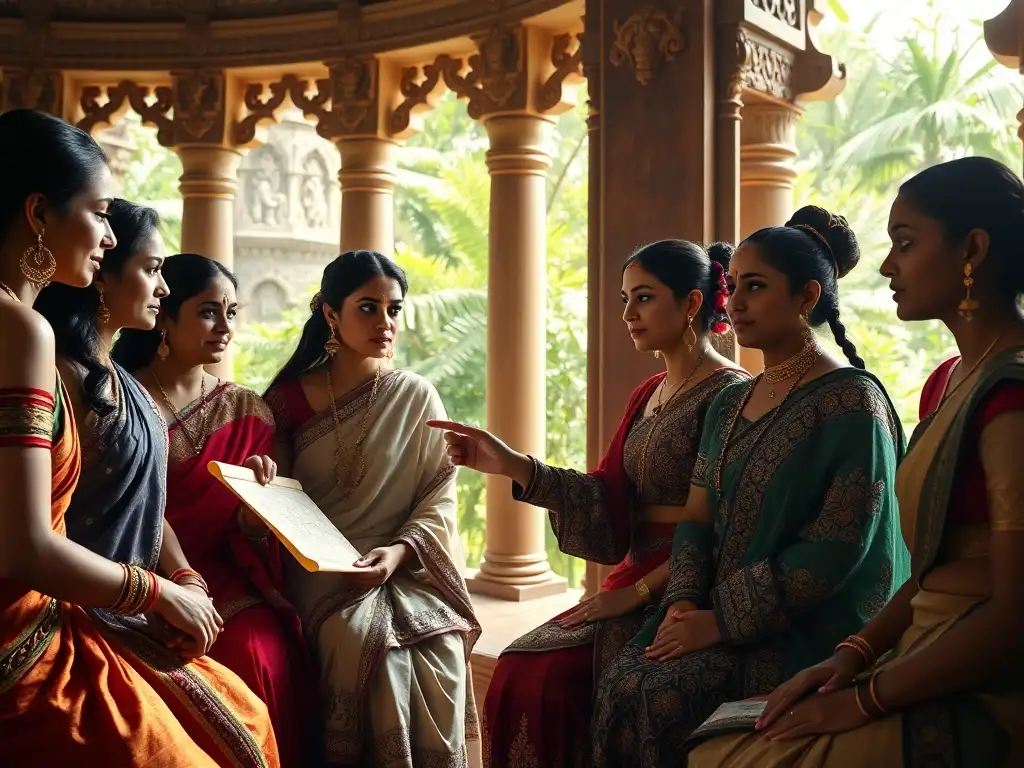
Welcome to Ancient India History, where we delve into the rich tapestry of India's past, exploring the remarkable contributions and diverse cultures that have shaped this ancient land. In our featured article, Women in the Ashoka Era: Their Roles in Governance and Society, we uncover the fascinating roles women played during one of India's most illustrious periods. How did these women influence governance and society in Ashoka's time? Join us on this journey through history to discover their impactful stories and the legacy they left behind. Your adventure into the depths of ancient Indian civilization starts here!
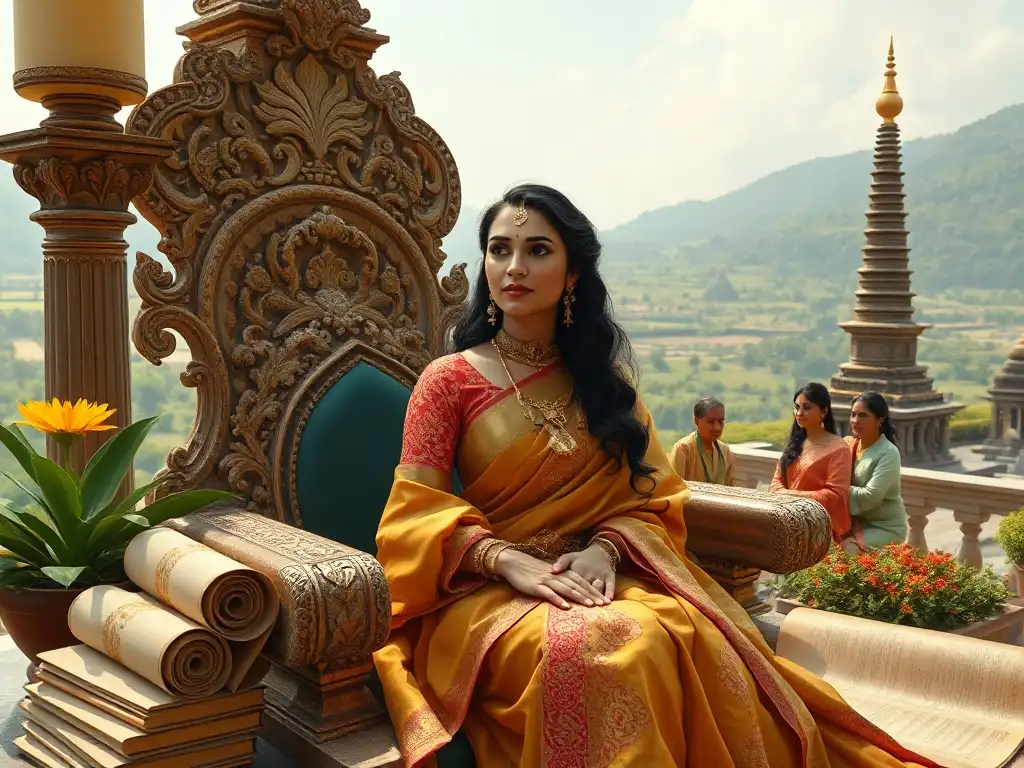
Introduction to Women in Ashoka's Governance Roles
The Ashoka Era, marked by the reign of Emperor Ashoka from approximately 268 to 232 BCE, is a significant period in ancient Indian history, characterized by profound political, cultural, and social advancements. One of the intriguing yet often overlooked aspects of this era is the role of women in governance and society. As Ashoka embraced Buddhism and propagated its teachings, the societal norms and political structures began to reflect these values.
This period not only witnessed the flourishing of art and architecture but also saw women emerging as influential figures within the socio-political landscape. Understanding the contributions and roles of women during Ashoka's reign provides valuable insights into the governance of ancient India and the evolving status of women in society.
Overview of the Ashoka Era
The Ashoka Era is renowned for its remarkable transformation of India from a fragmented collection of kingdoms into a more unified and culturally rich society. Ashoka, the third ruler of the Mauryan dynasty, is best known for his conversion to Buddhism after the Kalinga War, which prompted a significant shift in his policies towards non-violence, compassion, and social welfare. His edicts, inscribed on pillars and rocks across the subcontinent, emphasize the importance of moral governance and ethical conduct, which also extended to the roles played by women in various capacities.
During this time, women were not merely passive members of society; they were active participants in governance, religion, and the economy. The implications of such roles were profound, as they contributed to shaping the political landscape and societal norms of the Mauryan Empire.
Importance of Women in Ancient Indian Society
In ancient India, women held various positions that influenced both domestic and public spheres. They were involved in family governance, which was considered essential for maintaining social order and stability. Women’s contributions extended beyond the household, as they participated in religious rituals and community activities.
- Economic Contributions: Women played vital roles in trade and agriculture, often managing family businesses and participating in local markets. Their economic activities significantly contributed to the prosperity of their communities.
- Cultural Influence: Women were custodians of cultural practices and traditions, often responsible for the transmission of knowledge and values through generations. Their roles as educators and storytellers were crucial in preserving the rich tapestry of Indian heritage.
The Historical Context of Women in Ashoka's Reign
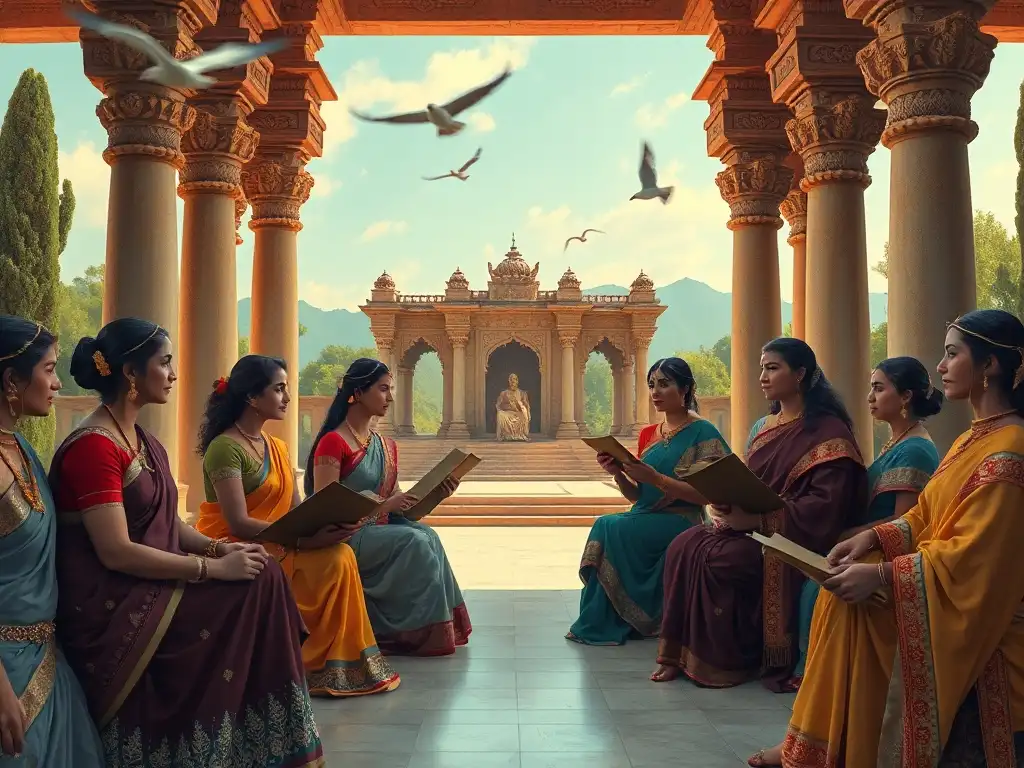
The Ashoka Era provides a unique lens through which to examine the evolving role of women in governance. This period was marked by notable changes in societal expectations and norms that influenced women's participation in political and civic life.
The Role of Women in Mauryan Society
Within the Mauryan Empire, women were recognized as integral to the socio-political framework. Historical texts suggest that women could hold positions of power, and some even served as advisors to kings.
- Examples of Influential Women: Women like Tishyaraksha, who is believed to have been a prominent figure in Ashoka's court, illustrate how women could wield influence in governance. Their roles often transcended traditional boundaries, allowing them to engage in political discourse and decision-making.
- Royal Women: The status of royal women was particularly noteworthy. They were often involved in diplomatic relations, reinforcing alliances through marriage and familial connections, thus playing a crucial role in the political stability of the empire.
Cultural and Social Norms Influencing Governance
The governance structures in the Ashoka Era were heavily influenced by cultural and social norms that defined women's roles.
- Buddhist Philosophy: Ashoka's embrace of Buddhism introduced new ideologies regarding compassion and equality, which positively affected women's status. The principles of non-violence and moral conduct advocated by Buddhism allowed for a more inclusive approach to governance.
- Patriarchal Structures: Despite these advancements, traditional patriarchal norms still existed, often limiting women's full participation in governance. However, the evolving political landscape under Ashoka created opportunities for women to assert their influence, challenging the rigid structures of previous eras.
The interplay of these factors during the Ashoka Era highlights the nuanced roles that women played in governance and society, setting the stage for future developments in women's rights and roles in ancient India.
Women in Ashoka’s Governance Roles
The period of Ashoka's reign, approximately 268 to 232 BCE, is often celebrated for its progressive policies and the promotion of Dharma. While traditionally, historical narratives have primarily focused on male figures, recent scholarship has shed light on the significant roles played by women in governance during this era. Women were not merely passive subjects within Ashoka’s vast empire; they actively participated in administrative roles, influencing policy and governance. Their contributions were significant in shaping the socio-political landscape of ancient India, highlighting the importance of gender inclusivity in governance.
Prominent Women in Ashoka’s Administration
Several women emerged as key figures in Ashoka's administration, showcasing their influence and authority. One notable example is the queen who served alongside Ashoka, often believed to have been instrumental in advising him on various matters of state. Historical records, although limited, indicate that queens and princesses held significant sway in court politics. Additionally, women from noble families participated in local governance, managing estates and influencing regional policies.
Moreover, inscriptions from the period hint at the presence of female officials who might have served in various capacities within the administration. These women were likely involved in overseeing public welfare initiatives, reflecting a governance model that recognized the contributions of women in maintaining societal stability.
Functions and Responsibilities of Women in Governance
Women in Ashoka’s governance roles had a variety of functions and responsibilities that extended beyond traditional domestic duties. They participated in:
- Advisory Roles: Women advised their husbands or male relatives in matters of governance, often contributing to decision-making processes.
- Judiciary Functions: Some women were involved in the judicial aspects of governance, helping to mediate disputes and ensure justice in their communities.
- Public Welfare Initiatives: Women took part in the implementation of Ashoka's edicts on welfare, focusing on health, education, and moral conduct within society.
- Religious Leadership: Women often played pivotal roles in religious institutions, influencing both spiritual and temporal affairs through their positions within Buddhist monasteries.
These responsibilities underscore the dynamic role of women in the administrative framework of Ashoka’s empire, highlighting their capabilities as leaders and decision-makers.
Case Studies: Women Leaders and Their Impact
Several case studies illustrate the significant impact women had in Ashoka's governance. For instance, the role of the queen as a diplomat is noted in historical texts, where she acted as an intermediary between Ashoka and regional leaders, fostering alliances that were crucial for the stability of the empire.
Another example includes the involvement of women in the promotion of Buddhism. Female monastic leaders played a critical role in disseminating Buddhist teachings, which aligned with Ashoka's policies. Their influence helped establish a cohesive societal structure based on religious and moral principles, showcasing how women not only participated in governance but also shaped the cultural fabric of the time.
Contributions of Women in Ashoka’s Society
The contributions of women during Ashoka's era were not confined to governance alone; they extended to various facets of society, impacting cultural, economic, and religious life.
Women as Advisors and Influencers
Women served as advisors not only within the royal court but also in local governance. Their insights were often sought in matters of statecraft and public welfare. By engaging in discussions on policy and administration, women helped shape the socio-political landscape. Their roles as influencers extended to community governance, where they often led local councils or participated in decision-making processes that directly affected their communities.
The Role of Women in Religious and Social Reform
Women played a pivotal role in the religious and social reforms of the Ashoka era. The promotion of Buddhism, spearheaded by Ashoka, saw active participation from women, including the establishment of nunneries and educational institutions. These spaces became centers for learning and social reform, where women not only practiced their faith but also engaged in discussions about social justice and morality. Their contributions were essential in fostering a more inclusive society that valued ethical conduct and compassion.
Women in Economic Activities and Political Influence
Women were also involved in various economic activities, participating in trade and agriculture. Their economic contributions helped sustain local economies, and they often managed family businesses or were involved in artisanal crafts that were vital to commerce. Additionally, women held considerable political influence, particularly in the context of local governance. Their roles in managing estates and resources allowed them to wield power that translated into political influence, making them key players in the stability and prosperity of Ashoka's empire.
The roles of women during the Ashoka era were multifaceted and impactful, contributing significantly to governance and society as a whole. Their presence in various spheres not only reflects their capabilities but also underscores the necessity of recognizing women's roles in the historical narrative of ancient India.
Challenges Faced by Women in Governance During Ashoka’s Era
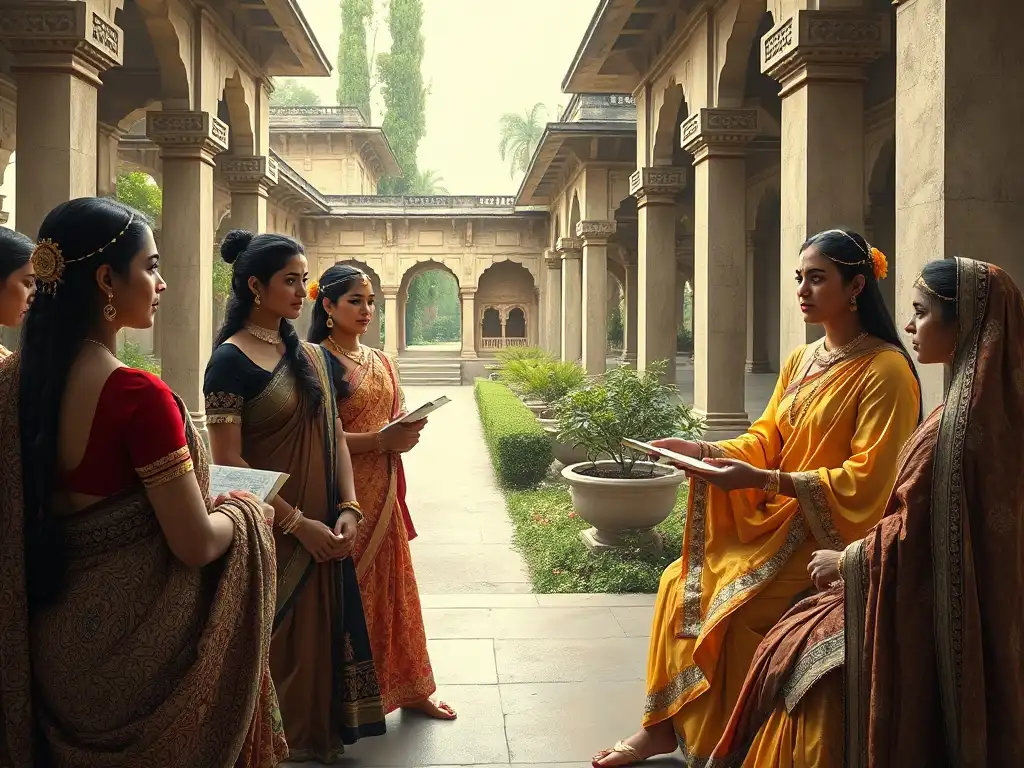
During the Ashoka era, women encountered numerous challenges when it came to governance roles. Despite the relative progressive environment established by Ashoka, the societal structure and cultural norms still posed significant barriers. The patriarchal framework of ancient Indian society often marginalized women, limiting their opportunities for participation in governance and decision-making processes. These challenges were multifaceted, ranging from societal constraints to resistance from traditionalists.
Societal Constraints and Limitations
Women in Ashoka's time faced strict societal norms that dictated their roles primarily as homemakers and caregivers. The expectation was that women would focus on family responsibilities rather than engage in political affairs. This societal perception was reinforced by religious texts and cultural practices that emphasized male authority in both public and private spheres.
Consequently, even when women exhibited capabilities for leadership or governance, societal constraints frequently undermined their ambitions. For example, women were often excluded from formal political positions and advisory roles, as these were traditionally reserved for men. Additionally, educational opportunities for women were limited, which further restricted their ability to contribute to governance effectively. The lack of representation in political discussions meant that women's interests were often overlooked, perpetuating a cycle of marginalization.
Resistance to Women in Leadership Roles
Despite some notable women who broke through barriers, resistance to female leadership persisted during Ashoka's reign. Many male contemporaries viewed women in positions of power as a threat to the established social order. This resistance manifested in both overt and subtle forms, such as derogatory stereotypes and questioning women's capabilities.
Moreover, the political landscape was rife with competition and rivalry, which often sidelined women’s contributions. Instances of women successfully influencing governance, such as through familial connections to powerful figures, were often dismissed or credited to their male relatives instead. This dismissal not only hindered women’s visibility in leadership roles but also created a narrative that undermined their potential contributions to governance.
The Legacy of Women in Ashoka’s Governance
Despite the numerous challenges faced by women during Ashoka's era, their contributions laid a foundation for future generations. The legacy of women in governance during this period can be observed in the gradual evolution of women's roles in society and politics in subsequent eras.
Long-term Impact on Future Generations
The presence of women in governance, even in limited capacities, inspired future generations to challenge societal norms. Their resilience and contributions during Ashoka's reign became a reference point for later movements advocating for women's rights and roles in public life. Over time, the seeds planted during this era contributed to a slow but steady transformation in societal attitudes towards women in leadership roles.
Moreover, the historical accounts of influential women during Ashoka's time provided a framework for recognizing the importance of gender equity in governance. This legacy influenced the policies of subsequent rulers and the evolving status of women in Indian society, eventually leading to increased representation and participation in various sectors.
Reflection on Women’s Roles in Ancient Indian History
Reflecting on the roles of women during Ashoka's governance reveals a complex interplay of challenges and contributions. While societal constraints and resistance limited women's full participation, their efforts and achievements during this period were significant. This era serves as a crucial chapter in understanding the broader context of women's roles in ancient Indian history.
The recognition of women's contributions during this time not only honors their legacy but also highlights the importance of gender inclusivity in governance. As modern society continues to grapple with issues of gender equality, the lessons learned from the experiences of women in Ashoka's governance remain relevant and vital for ongoing discussions about women's roles in leadership and society today.
Conclusion
The Ashoka era, marked by the reign of Emperor Ashoka from 268 to 232 BCE, was a pivotal moment in ancient Indian history, especially in relation to women's roles in governance and society. This period is often celebrated for its advancements in ethics, governance, and social welfare, and women played a significant part in these changes. Their contributions, though sometimes overlooked, were integral to the functioning of the empire and the promotion of progressive values.
Summary of Women’s Contributions in the Ashoka Era
Women in the Ashoka era engaged in various roles that extended beyond the traditional domestic sphere. They participated in religious and cultural activities, which were vital to the promotion of Buddhism and the dissemination of Ashoka's moral edicts. Many women served as patrons of art and education, supporting the establishment of monasteries and schools that fostered learning and spiritual development. Notably, the presence of women in local governance structures, such as village councils, illustrates their involvement in decision-making processes that affected their communities.
Moreover, Ashoka's emphasis on Dharma (moral law) provided women with a framework that encouraged their agency and participation in societal matters. Women were not only the custodians of family traditions but also active players in promoting social justice and welfare initiatives, which were critical during this transformative time. The inscriptions of Ashoka, which highlight the importance of compassion and ethical governance, reflect the values that women upheld and propagated throughout the empire.
The Importance of Recognizing Women’s Roles in Governance and Society
Recognizing the roles of women during the Ashoka era is essential for several reasons. First, it allows for a more comprehensive understanding of ancient Indian history, moving beyond male-centric narratives to include the voices and contributions of women. This recognition sheds light on the complexities of governance and social structures, illustrating that women were not passive participants but rather dynamic actors in their societies.
Furthermore, acknowledging women's contributions helps to highlight the progressive aspects of Ashoka's governance, such as the promotion of equality and justice. This historical perspective can inspire contemporary discussions about gender roles and equality, emphasizing the need to learn from the past to inform present and future policies.
The legacy of women in Ashoka’s governance roles serves as a reminder of their enduring impact on society. By understanding and appreciating their contributions, we gain a richer perspective on the evolution of societal norms and the importance of inclusivity in governance, setting a precedent for future generations.
- Introduction to Women in Ashoka's Governance Roles
- Overview of the Ashoka Era
- Importance of Women in Ancient Indian Society
- The Historical Context of Women in Ashoka's Reign
- Women in Ashoka’s Governance Roles
- Contributions of Women in Ashoka’s Society
- Challenges Faced by Women in Governance During Ashoka’s Era
- The Legacy of Women in Ashoka’s Governance
- Conclusion
Frequently Asked Questions
What were the roles of women in Ashoka's governance?
Women in Ashoka's governance played significant roles, particularly in the administration and social welfare, contributing to policies that promoted peace and welfare.
How did Ashoka's policies impact women's rights?
Ashoka implemented policies that aimed to improve women's rights, promoting education and social status, which helped elevate their position in society.
Were there any notable women during Ashoka's reign?
Yes, there were several notable women, including queens and female advisors, who influenced political decisions and policies during Ashoka's reign.
How did Ashoka's promotion of Buddhism affect women?
Ashoka's promotion of Buddhism encouraged gender equality, providing women with opportunities to participate in religious and community activities, thus enhancing their societal roles.
What legacy did women in Ashoka's time leave for future generations?
The legacy of women during Ashoka's time laid a foundation for subsequent advancements in women's rights and roles in governance, inspiring future movements for gender equality.
Final Reflection: The Enduring Legacy of Women in Ashoka's Governance Roles
The exploration of women's roles in Ashoka's governance reveals a profound truth: their contributions were not merely supportive but foundational to the fabric of society. In an era often overshadowed by male figures, the active participation of women in governance and societal roles highlights a progressive vision that resonates with contemporary discussions on gender equality and empowerment. The recognition of these historical figures serves as a reminder that women's voices have always been integral to leadership and decision-making processes.
The influence of women in Ashoka's era continues to shape our understanding of leadership dynamics today. Their involvement in governance challenges the traditional narratives that often exclude female perspectives, fostering a richer dialogue about inclusivity in leadership roles. As we reflect on this historical context, we can draw inspiration from Ashoka's reign, where women not only held positions of power but also influenced policies that promoted welfare and justice.
> “The greatness of a nation and its moral progress can be judged by the way its animals are treated.” – Mahatma Gandhi. This quote underscores the ethical dimensions of governance, reminding us that true leadership encompasses compassion and equity, values that women have historically championed.
As we move forward, let us take a moment to reflect on our own roles in advocating for gender equality and inclusivity in governance today. Consider how you can contribute to amplifying women's voices in your community and beyond. Whether through mentorship, advocacy, or simply by recognizing the contributions of women in leadership, each action counts. Together, we can honor the legacy of women in Ashoka's governance roles and ensure that their spirit of empowerment continues to inspire future generations.
Empower Your Understanding of Women in History!
Thank you for exploring the pivotal roles women played during the Ashoka Era in governance and society! We hope this journey has enlightened you about their significant contributions. Now, let's take a step further to honor these historical figures and their legacies.
Here are some actionable steps you can take right now:
- Join a discussion forum focused on ancient history to share insights and learn more about the roles of women throughout various periods.
- Research and write a blog post or create a social media thread celebrating the impact of an extraordinary woman from the Ashoka Era.
- Attend a local or online lecture about ancient Indian history to deepen your understanding and connect with fellow history enthusiasts.
What aspect of women's roles in the Ashoka Era inspires you the most, and how will you share this newfound knowledge with others?