
The Mahabharata: An Epic of Transformation and Growth

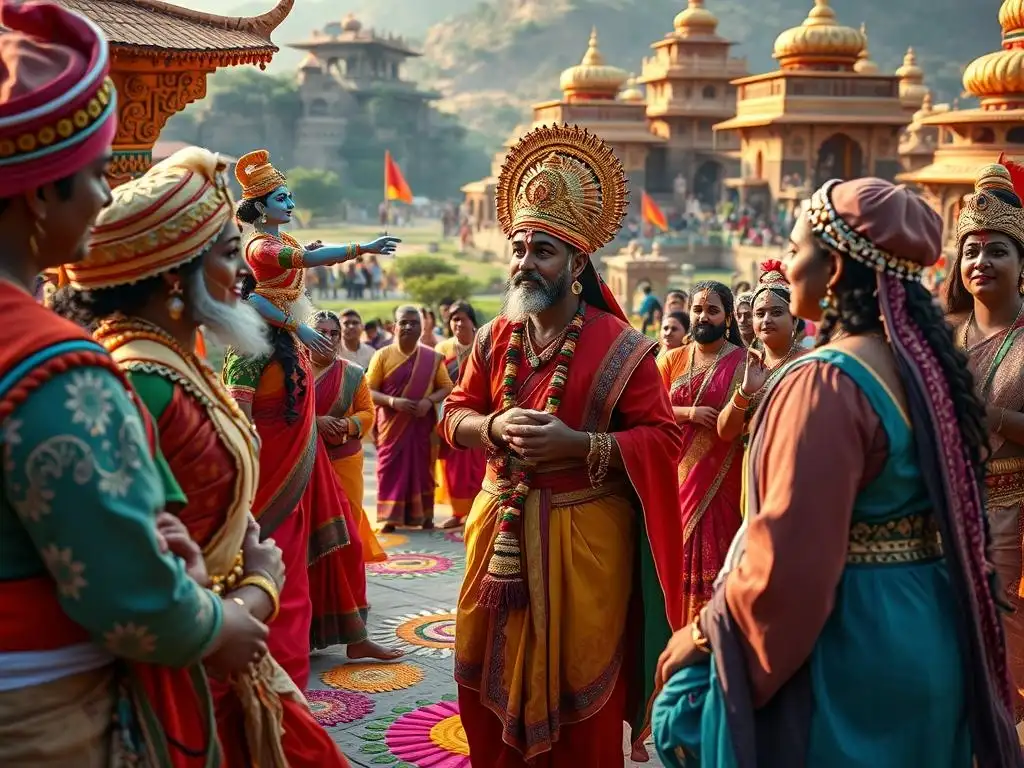
Welcome to Ancient India History! Dive into the captivating world of ancient Indian civilizations, where every story unfolds layers of culture and wisdom. In this exploration, we spotlight the "Mahabharata," an epic that transcends time, revealing its profound cultural significance in India. What transformations and growth can this timeless tale inspire in us today? Join us as we unravel the intricate tapestry of narratives, characters, and lessons that continue to resonate throughout our history. Your journey into the depths of epic literature begins here!
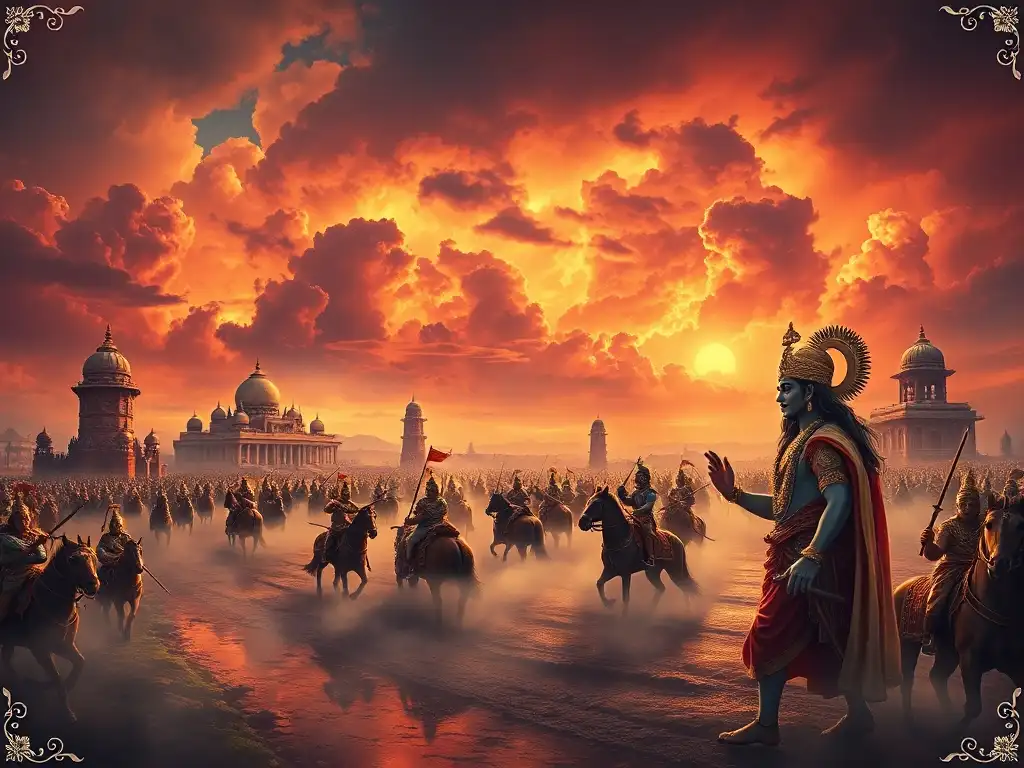
Introduction to the Mahabharata
The Mahabharata is not merely a tale of war; it is a profound narrative that encapsulates the essence of transformation and growth within the context of ancient Indian civilization. This epic, attributed to the sage Vyasa, is one of the longest literary works in the world, spanning over 100,000 verses.
It weaves together a myriad of themes, including duty (dharma), righteousness, and the complexities of human relationships. The cultural significance of the Mahabharata in India extends far beyond its narrative; it serves as a cornerstone for understanding the moral, philosophical, and artistic frameworks that have shaped Indian society over millennia.
Overview of the Mahabharata
The Mahabharata is structured around the dynastic struggle between the Pandavas and the Kauravas, two branches of the Kuru dynasty. This epic not only recounts the events leading to the great Kurukshetra War but also delves into the lives and struggles of its characters, offering insights into the human condition. Key elements of the Mahabharata include the Bhagavad Gita, a spiritual and philosophical dialogue between Prince Arjuna and Lord Krishna, which addresses the moral dilemmas faced by individuals in times of conflict.
The narrative is rich with sub-stories and characters that embody various virtues and vices, reflecting the complexities of life. From the noble Bhishma to the wise Yudhishthira, each character represents different aspects of dharma and the consequences of human actions. The Mahabharata's extensive scope allows it to touch upon various aspects of life, making it a timeless reference for generations.
Importance of the Mahabharata in Ancient Indian Literature
As a monumental work of ancient Indian literature, the Mahabharata holds a prominent place in the literary canon. It is not only a source of entertainment but also a profound text that has inspired countless interpretations, adaptations, and retellings throughout history. Its intricate storytelling, combined with its philosophical depth, has made it a vital part of the curriculum in various educational institutions across India.
The Mahabharata's influence extends beyond literature; it has shaped the cultural and ethical landscape of India. Its themes resonate with the values of truth, justice, and integrity, making it relevant in discussions of morality and ethics even today. The epic's narratives have also served as a source of inspiration for poets, playwrights, and artists, further embedding it into the fabric of Indian culture.
The Cultural Significance of the Mahabharata in India
The Mahabharata's role in Indian culture is multifaceted, influencing various aspects of society, religion, and art. Its narratives have profoundly shaped the Indian identity, providing a sense of continuity and collective memory.
The Role of Mahabharata in Shaping Indian Identity
The Mahabharata serves as a cultural touchstone, connecting generations of Indians to their heritage. It embodies the collective values and moral dilemmas faced by society, offering lessons on duty, sacrifice, and the complexities of life. The epic's characters and their struggles are often seen as reflections of societal values, allowing individuals to find personal meaning and guidance within its tales.
Moreover, the Mahabharata has fostered a sense of unity among diverse groups within India, as its stories transcend regional and linguistic barriers. Festivals, rituals, and performances centered around the Mahabharata reinforce its significance in contemporary Indian culture, making it a living tradition that continues to evolve while preserving its core teachings.
Influence of Mahabharata on Indian Philosophy and Ethics
The philosophical underpinnings of the Mahabharata have significantly influenced Indian thought. The Bhagavad Gita, a part of the Mahabharata, is revered as one of the most important texts in Hindu philosophy, addressing the ethical dilemmas faced by individuals and the importance of righteousness in action. Its teachings on karma, dharma, and devotion resonate with the spiritual aspirations of millions, guiding personal conduct and societal norms.
Furthermore, the Mahabharata explores themes of justice, loyalty, and moral ambiguity, prompting readers to reflect on the complexities of ethical decision-making. This philosophical depth has led to extensive commentary and debate among scholars, further enriching India's intellectual landscape.
Mahabharata's Contribution to Indian Arts and Performance
The Mahabharata has left an indelible mark on various art forms in India, including dance, theater, and visual arts. Traditional performances, such as Kathakali, Bharatanatyam, and Koodiyattam, often draw from its rich narratives, bringing the epic's characters and themes to life on stage. The intricate choreography and emotive expressions of these art forms serve to convey the moral and philosophical lessons embedded in the Mahabharata.
In addition to performing arts, the Mahabharata has inspired countless visual representations in painting, sculpture, and literature. Artists have depicted scenes from the epic, capturing its grandeur and emotional depth, while writers continue to create adaptations and reinterpretations that resonate with contemporary audiences. This ongoing engagement with the Mahabharata in art and performance underscores its enduring cultural significance in India.
Themes of Transformation and Growth in the Mahabharata
The Mahabharata, one of the longest epic poems in the world, is not merely a tale of war and rivalry; it is a profound narrative that explores various themes of transformation and growth. The epic delves into the complexities of human nature, the struggles of moral dilemmas, and the evolution of characters through their experiences. At its core, the Mahabharata serves as a reflection of the transformative journeys that individuals undertake in the face of adversity, highlighting the importance of personal and societal growth within the context of ancient Indian civilization.
The Journey of Key Characters: From Ignorance to Enlightenment
The characters in the Mahabharata undergo significant transformations throughout the narrative, transitioning from ignorance to enlightenment. For instance, Arjuna, the valiant prince and warrior, initially grapples with doubt and moral confusion on the battlefield of Kurukshetra. His reluctance to engage in battle against his own kin symbolizes the internal conflict faced by individuals when confronted with difficult choices. However, through the guidance of Lord Krishna, Arjuna gains clarity on his duty (dharma) and purpose, ultimately leading to his growth as both a warrior and a person.
Similarly, Yudhishthira, often regarded as the epitome of righteousness, is tested through numerous trials that challenge his steadfastness. His journey reflects the idea that true enlightenment comes not just from adhering to principles but also from understanding the nuances of justice, compassion, and sacrifice. The transformations of these characters resonate with the audience, illustrating that enlightenment is a gradual process shaped by experiences, choices, and revelations.
The Concept of Dharma: Moral Growth through Conflict
Central to the Mahabharata is the concept of dharma, or duty, which serves as a guiding principle for characters navigating through moral complexities. The epic emphasizes that growth often arises from conflict and the resolution of ethical dilemmas. The great war itself is a manifestation of this struggle, where characters are compelled to confront their responsibilities, loyalties, and moral convictions.
For example, the character of Bhishma embodies the conflict between personal loyalty and societal duty. His vow of celibacy and loyalty to the throne of Hastinapura puts him in a position where he must fight against his own grandsons. This conflict showcases the intricacies of dharma, suggesting that moral growth often requires individuals to sacrifice personal desires for the greater good. The Mahabharata thus illustrates that the path to moral enlightenment is fraught with challenges, yet it is these very challenges that foster growth and understanding.
Transformation of Relationships: Family, Loyalty, and Betrayal
The Mahabharata intricately weaves together themes of family, loyalty, and betrayal, showcasing how relationships evolve through trials. The bonds between the Pandavas and Kauravas, once rooted in kinship, become strained as ambition and jealousy take precedence. The fraternal rivalry culminates in the devastating war, leading to profound transformations in how these relationships are perceived and valued.
Furthermore, the relationship between Draupadi and the Pandavas highlights themes of loyalty and betrayal. Draupadi’s humiliation in the Kaurava court serves as a pivotal moment that catalyzes the events of the epic. Her response to betrayal and her unwavering loyalty to her husbands reflects the complexities of female agency and resilience in a patriarchal society. The transformations of these relationships not only drive the narrative forward but also offer insights into the moral and ethical dimensions of human connections, ultimately portraying the intricate tapestry of human emotions and their capacity for growth.
The Mahabharata's Impact on Indian Society
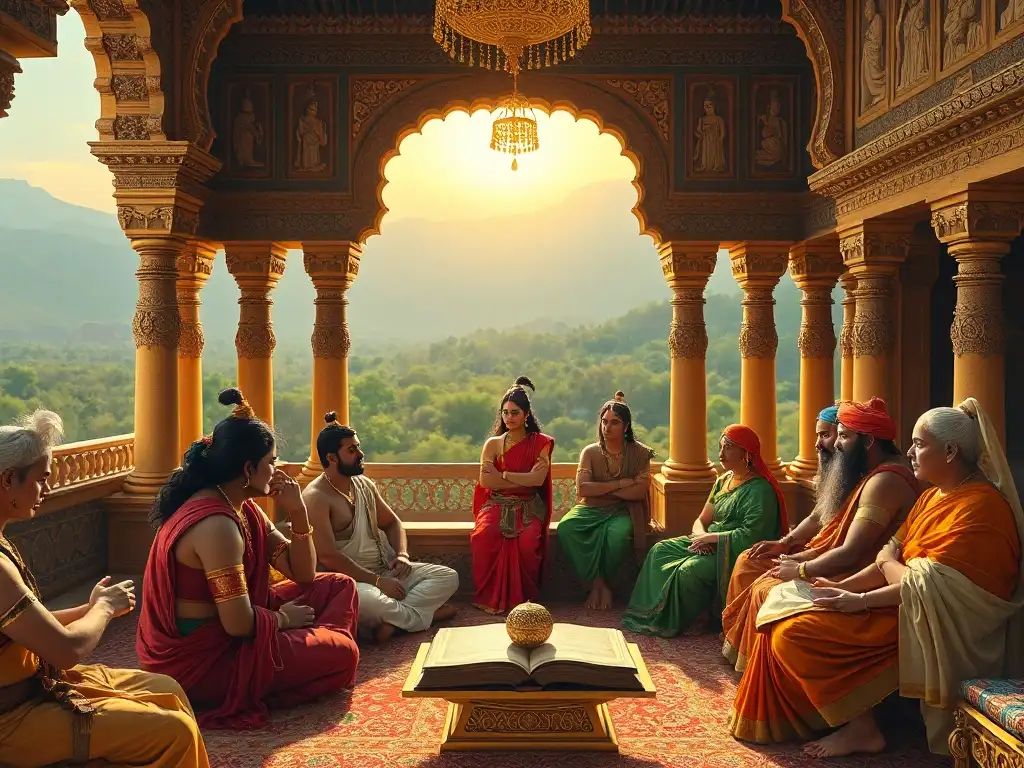
The Mahabharata's significance extends beyond its narrative; it has left an indelible mark on Indian society, influencing its cultural, social, and literary landscapes. The epic serves as a mirror reflecting the values, norms, and aspirations of ancient Indian civilization, while also shaping the cultural identity of the nation through the ages.
Reflection of Social Norms and Values in Ancient India
The Mahabharata encapsulates the social norms and values of ancient India, offering a detailed portrayal of its societal structure. It addresses the roles of kings, warriors, and women, emphasizing ideals such as honor, duty, and righteousness. The depiction of various castes and their responsibilities highlights the complexities of social hierarchy, while also critiquing rigid structures through the narrative arcs of marginalized characters, such as Ekalavya and Shabala.
Moreover, the epic addresses themes such as justice, revenge, and the consequences of greed, which remain relevant in contemporary discussions about ethics and morality. By presenting diverse perspectives on social issues, the Mahabharata encourages readers to reflect on their own values and the implications of their actions within society.
The Mahabharata's Role in National and Cultural Identity
The Mahabharata has played a crucial role in shaping India's national and cultural identity. Over centuries, it has transcended regional and linguistic boundaries, becoming a shared heritage that unites diverse communities across the subcontinent. The epic's themes of justice, righteousness, and the pursuit of truth resonate deeply with the Indian ethos, making it a source of inspiration and moral guidance.
During times of political and social upheaval, the Mahabharata has often been invoked to rally collective identity and patriotism. Its narratives have been utilized in various movements to foster unity and resilience, illustrating the power of storytelling in shaping national consciousness.
Influence on Modern Indian Literature and Media
The influence of the Mahabharata on modern Indian literature and media is profound and far-reaching. Numerous adaptations, retellings, and interpretations of the epic have emerged in literature, theater, and cinema, illustrating its enduring relevance. Contemporary authors, poets, and playwrights draw upon its characters and themes, reinterpreting them to address modern societal issues and dilemmas.
In television and film, the Mahabharata has been adapted into various formats, bringing its stories and lessons to new audiences. The epic's narratives continue to inspire artistic expressions, from graphic novels to animated series, ensuring that the teachings of the Mahabharata remain a vital part of cultural discourse in India. The ongoing engagement with the Mahabharata in diverse media forms demonstrates its lasting impact on the collective imagination and cultural identity of the nation.
Lessons from the Mahabharata
The Mahabharata, one of the longest epic poems in the world, offers profound lessons that transcend time and culture. Its rich narrative and complex characters provide insights into human nature, morality, and the intricacies of life. The teachings derived from this epic are not only foundational to Indian culture but also resonate deeply in various aspects of contemporary life.
Personal Growth through Adversity
One of the most compelling themes in the Mahabharata is personal growth through adversity. The epic illustrates that challenges and hardships are integral to the human experience. Characters like Arjuna and Yudhishthira face not only external conflicts but also internal struggles that compel them to grow.
- Arjuna's Dilemma: Arjuna's initial reluctance to fight in the Kurukshetra war symbolizes the internal conflict of duty versus morality. His journey from despair to empowerment, aided by Krishna's guidance, showcases how facing one's fears can lead to personal transformation.
- Yudhishthira's Trials: Yudhishthira, known for his unwavering commitment to truth, experiences numerous trials that test his resolve. His ability to maintain integrity amidst adversity highlights the importance of virtues in shaping character.
Through the trials of its characters, the Mahabharata teaches that personal growth is often forged in the crucible of adversity, making it an essential part of the human journey.
The Importance of Choices and Consequences
The Mahabharata underscores the significance of choices and their far-reaching consequences. The epic presents a complex web of decisions made by its characters, each leading to pivotal moments that reshape their destinies.
- Draupadi's Vow: When Draupadi is humiliated in the Kaurava court, her vow for vengeance sets off a chain reaction leading to the great war. This illustrates how a single choice, fueled by emotion, can alter the course of history.
- Karna's Dilemma: Karna's loyalty to Duryodhana, despite knowing the righteousness of the Pandavas, demonstrates the weight of choices influenced by loyalty and honor. His ultimate fate serves as a poignant reminder of how decisions define one’s legacy.
These narratives reinforce the idea that every choice carries consequences, urging individuals to act with foresight and consideration.
The Relevance of Mahabharata's Lessons in Contemporary Society
The lessons from the Mahabharata remain remarkably relevant in today's world. As society grapples with moral dilemmas, conflicts, and the complexities of human relationships, the teachings of the epic provide guidance.
- Ethical Leadership: The characters of the Mahabharata, especially Krishna, exemplify the qualities of ethical leadership and integrity. In contemporary governance and management, these principles are crucial for fostering trust and respect.
- Conflict Resolution: The epic’s exploration of conflict and resolution offers valuable insights for modern societies dealing with disputes and disagreements. The emphasis on dialogue, understanding, and strategic thinking can guide current leaders in navigating conflicts effectively.
By reflecting on the themes of the Mahabharata, individuals and societies can find pathways to navigate their challenges while adhering to ethical and moral standards.
Conclusion
Recap of the Mahabharata's Cultural Significance in India
The Mahabharata is not merely a story of war and rivalry; it is a repository of cultural values, ethical teachings, and philosophical insights. Its impact on Indian culture is immense, influencing literature, art, and spiritual practices throughout history. The epic's narratives have shaped societal norms and continue to resonate in various forms of storytelling, dance, and theater across India.
Final Thoughts on the Epic's Legacy and Enduring Relevance
The Mahabharata's legacy as an epic of transformation and growth is profound. Its multifaceted characters and intricate plotlines serve as mirrors reflecting the complexities of human life. As we explore the depths of its teachings, we find timeless wisdom that encourages introspection and promotes moral integrity. The Mahabharata remains a vital cultural touchstone in India, inspiring generations to contemplate the importance of choices, the necessity of growth through adversity, and the enduring relevance of its lessons in an ever-evolving society.
- Introduction to the Mahabharata
- The Cultural Significance of the Mahabharata in India
- Themes of Transformation and Growth in the Mahabharata
- The Mahabharata's Impact on Indian Society
- Lessons from the Mahabharata
- Conclusion
- What is the Mahabharata and why is it significant in Indian culture?
- How does the Mahabharata influence modern Indian society?
- What are some key themes presented in the Mahabharata?
- How is the Mahabharata represented in Indian art and literature?
- What role does the Mahabharata play in Indian festivals and rituals?
Frequently Asked Questions
What is the Mahabharata and why is it significant in Indian culture?
The Mahabharata is an ancient Indian epic that narrates the story of the Kurukshetra War and the fate of the Kaurava and Pandava princes. Its cultural significance lies in its exploration of dharma (duty), ethics, and the human experience.
How does the Mahabharata influence modern Indian society?
The Mahabharata continues to shape moral values, social norms, and philosophical discussions in India. Its themes of justice, loyalty, and the complexities of human relationships resonate in contemporary life.
What are some key themes presented in the Mahabharata?
Key themes include dharma, morality, the consequences of war, and the quest for identity. These themes encourage reflection on personal and societal responsibilities, making the epic relevant across generations.
How is the Mahabharata represented in Indian art and literature?
The Mahabharata has been a rich source of inspiration for literature, dance, theatre, and visual arts in India. Its characters and stories are often depicted in various artistic forms, showcasing the epic's enduring legacy.
What role does the Mahabharata play in Indian festivals and rituals?
The Mahabharata is often recited and celebrated during festivals and rituals, particularly in traditional settings. Its teachings and narratives are integral to many cultural practices, reinforcing its importance in the spiritual life of India.
Final Reflection: The Enduring Cultural Significance of the Mahabharata
The Mahabharata remains a cornerstone of Indian culture, embodying the complexities of human nature and the transformative journeys of its characters. In a world increasingly defined by rapid change and uncertainty, the lessons of the Mahabharata resonate more than ever, reminding us of the importance of self-discovery, moral dilemmas, and the pursuit of justice. The epic’s intricate narratives and profound themes continue to inspire generations, urging us to reflect on our own paths of growth and transformation.
The cultural significance of the Mahabharata extends beyond its historical context; it shapes our contemporary understanding of ethics, relationships, and societal roles. The stories within this epic serve as a mirror, reflecting our struggles and triumphs. As the renowned scholar Ramesh Menon once said, “The Mahabharata is not just a story; it is a way of life.” This observation underscores the ongoing influence of the Mahabharata in shaping the moral fabric of Indian society and its relevance in global discussions about human values and ethics.
As you close this chapter on the Mahabharata, I invite you to reflect on the lessons it imparts and consider how they can be woven into the tapestry of your own life. Embrace the journey of transformation and growth that the Mahabharata exemplifies, and let its timeless wisdom guide you in navigating the complexities of your own existence. Whether through acts of courage, the pursuit of knowledge, or the quest for justice, remember that every choice you make contributes to your personal epic.
Unleash Your Inner Epic Hero!
Thank you for exploring the profound lessons of The Mahabharata! You've uncovered insights into transformation and growth that can shape your own narrative. Now, it’s time to put that inspiration into action and embrace the epic journey of your life.
Here are some simple yet impactful steps you can take:
- Embark on a self-reflection journey: Set aside a few minutes each day to contemplate your personal growth, just as the characters in The Mahabharata did. **Journaling your thoughts can lead to powerful insights. **
- Engage with others: Share your newfound appreciation for The Mahabharata by discussing it with friends or joining a local book club to explore its themes of transformation together. **Connecting with others can deepen your understanding and inspire further growth. **
- Discover more: Dive deeper into the world of ancient epics! **Explore podcasts, documentaries, or online courses that expand your understanding of their relevance in contemporary life. **
As you ponder your next steps, ask yourself: How can you transform your challenges into epic learnings, just like the heroes of The Mahabharata? **We invite you to share your thoughts and reflections below! **