
The Legacy of the Mahabharata: How It Shapes Indian Identity Today

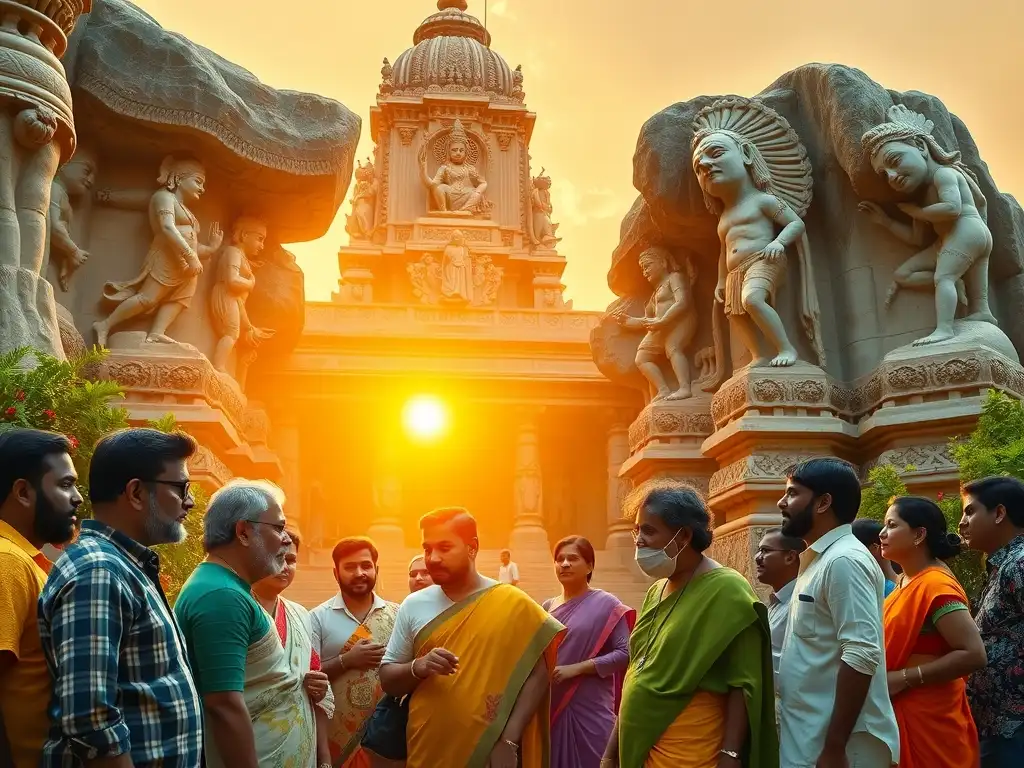
Welcome to Ancient India History, where we embark on a fascinating journey through the vibrant tapestry of ancient Indian civilizations. Here, we delve into the profound influence of the Mahabharata, an epic that has not only shaped literature but also continues to resonate within the very fabric of Indian culture today. Discover how this timeless narrative weaves together themes of duty, morality, and human experience, leaving an indelible mark on the identity of a nation.
Are you ready to explore the legacy of the Mahabharata and its enduring impact? Let's dive deeper into this epic tale that echoes through the ages!
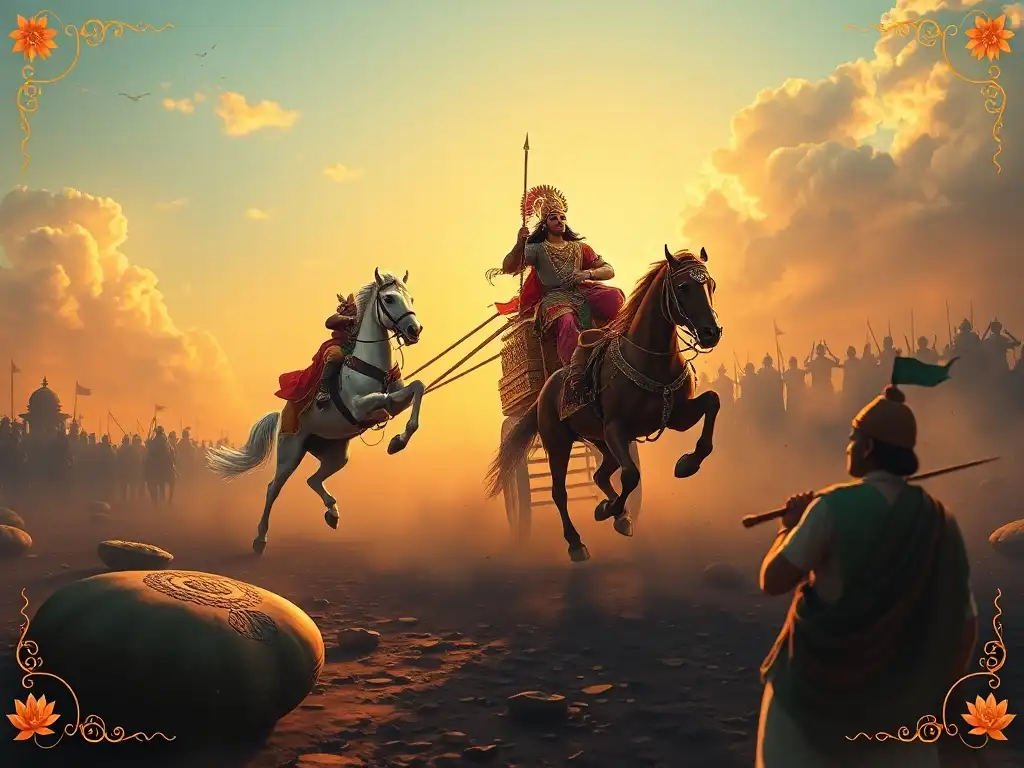
The Mahabharata, one of the two major Sanskrit epics of ancient Indian literature, stands as a monumental testament to the rich tapestry of Indian culture, philosophy, and identity. Spanning over 100,000 verses, this epic narrates the complex tale of the Kurukshetra War and the fates of the Kaurava and Pandava princes, intertwining themes of duty, righteousness, and the moral dilemmas faced by its characters.
Its profound influence on Indian culture extends beyond literature, impacting art, politics, and social norms throughout history. As we delve into the legacy of the Mahabharata, we will explore how this ancient narrative continues to shape contemporary Indian identity, reflecting its timeless values and ethical dilemmas that resonate in modern society.
Introduction to the Mahabharata
Overview of the Mahabharata Epic
The Mahabharata is not merely a story; it is an intricate exploration of human nature and the eternal struggle between good and evil. Composed by the sage Vyasa, the epic is divided into 18 books, or parvas, detailing the events leading up to, during, and following the great war. The text encompasses various genres, including mythology, philosophy, and even law, making it a multifaceted work that offers insights into ancient Indian civilization.
- Key Characters:
- Pandavas: The five brothers who embody virtues such as righteousness and justice.
- Kauravas: The hundred brothers representing ambition and moral ambiguity.
- Krishna: A divine figure who serves as a guide and charioteer for the Pandavas, imparting wisdom.
The narrative is rich with subplots, including the famous Bhagavad Gita, which presents a philosophical dialogue on duty and morality.
Significance of the Mahabharata in Ancient Indian Literature
The Mahabharata holds a pivotal place in ancient Indian literature, not only for its literary merit but also for its cultural and philosophical depth. It has inspired countless adaptations in various forms, including theater, dance, and television, ensuring its relevance across generations.
- Literary Contributions:
- The use of symbolism and metaphor to convey complex ideas.
- The exploration of dharma (duty) and karma (action) as central themes.
- The incorporation of diverse narratives that reflect the pluralism of ancient Indian society.
The epic serves as a foundation for many subsequent literary works, influencing writers and thinkers throughout history.
The Mahabharata Influence on Indian Culture
Cultural Reflections in Modern Indian Society
The impact of the Mahabharata is evident in various facets of modern Indian society. Its themes resonate in contemporary discussions about justice, leadership, and morality, shaping public consciousness and cultural practices.
- Festivals and Rituals:
- Celebrations such as Dussehra and Diwali often draw upon stories from the Mahabharata, emphasizing the triumph of good over evil.
- Art and Performance:
- Numerous traditional art forms, including Kathakali and Bharatanatyam, depict scenes from the epic, keeping its stories alive through performance.
Moreover, modern adaptations in cinema and literature continue to explore the epic's narratives, reinforcing its relevance in everyday life.
The Role of Mahabharata in Shaping Indian Values and Ethics
At the core of the Mahabharata are the ethical dilemmas and moral questions that challenge its characters, prompting readers to reflect on their own values. The epic serves as a moral compass, guiding individuals in their personal and social conduct.
- Core Values:
- Righteousness (Dharma): The notion of duty towards family, society, and oneself.
- Justice: The importance of fairness and equity in interpersonal relationships.
- Sacrifice: The theme of selflessness and the greater good, often embodied by characters like Karna and Yudhishthira.
In today’s context, these values continue to influence Indian identity, shaping perspectives on leadership, governance, and personal behavior, ensuring that the Mahabharata remains a vital part of the cultural fabric of India.
Educational Impact of the Mahabharata
The Mahabharata, one of the greatest epics of ancient India, extends its influence far beyond literature, playing a significant role in shaping educational paradigms in Indian culture. Its narratives and characters serve as powerful pedagogical tools that impart essential life lessons, moral values, and cultural heritage. The epic’s intricate storytelling and profound philosophical insights make it a crucial part of educational curricula in various forms, fostering critical thinking and moral reasoning among students.
Mahabharata as a Teaching Tool in Indian Education
Within the Indian educational landscape, the Mahabharata has been utilized as a foundational text for teaching various subjects, including literature, philosophy, and ethics. Its diverse characters—ranging from the virtuous Yudhishthira to the complex figure of Duryodhana—provide rich case studies for discussions on human behavior, governance, and moral dilemmas.
Schools and universities often integrate Mahabharata teachings into their curricula to enhance students' understanding of Indian history and culture. For instance, courses that explore the epic's themes of duty (dharma), righteousness, and justice encourage students to reflect on their own values and responsibilities.
Additionally, the narrative structure of the Mahabharata allows educators to teach critical analysis and comparative literature. By examining the various interpretations of the text—whether through traditional commentaries or modern adaptations—students can engage in deeper discussions about narrative techniques and character development.
Lessons from the Mahabharata in Moral and Ethical Education
The Mahabharata is replete with moral and ethical lessons that remain relevant in contemporary society. The epic addresses complex themes such as justice, sacrifice, loyalty, and the consequences of ambition. Characters like Arjuna face profound ethical dilemmas, particularly in the context of the Kurukshetra War, which serve as a springboard for discussions on moral philosophy.
In moral education, the Mahabharata provides a framework for understanding virtue and vice. Educational institutions often highlight stories such as the honesty of Yudhishthira or the wisdom of Krishna to instill values of integrity, humility, and compassion in students.
Furthermore, the epic's exploration of the complexities of human relationships—be it familial loyalty or enmity—offers invaluable lessons in conflict resolution and empathy. By engaging with these narratives, students learn to navigate their own moral landscapes and appreciate the nuances of ethical decision-making.
Artistic Expressions Inspired by the Mahabharata
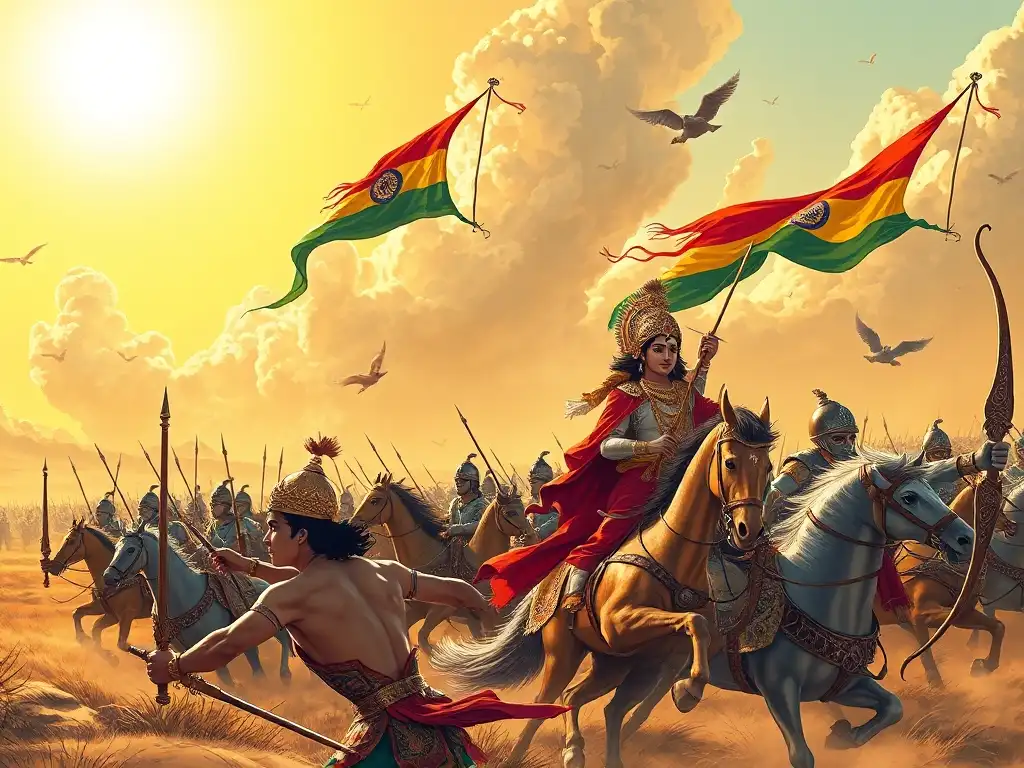
The influence of the Mahabharata on Indian art and culture is profound and multifaceted, inspiring countless artistic expressions throughout history. From sculptures and paintings to dance and theatre, the epic's themes and characters have been deeply embedded in the cultural fabric of India.
Influence of the Mahabharata on Indian Art and Sculpture
The Mahabharata has inspired a rich tradition of visual arts, with various depictions of its scenes and characters found in temples, manuscripts, and modern artworks. Sculptures showcasing key moments, such as the Bhagavad Gita discourse between Krishna and Arjuna, are often found in ancient temples, illustrating the epic's philosophical depth.
Artists have drawn on the Mahabharata to explore themes of heroism, divine intervention, and the human condition. For example, the intricate stone carvings in the temples of Khajuraho and Hampi often depict scenes from the epic, showcasing the craftsmanship and storytelling prowess of ancient artisans. These art forms not only celebrate the epic's narrative but also serve as visual commentaries on the moral and philosophical lessons it espouses.
Moreover, contemporary artists continue to reinterpret the Mahabharata, using various mediums to engage with its themes and characters. This ongoing dialogue between past and present illustrates the epic's enduring legacy and adaptability within the artistic community.
Mahabharata in Dance and Theatre: A Cultural Continuum
Dance and theatre have also been profoundly influenced by the Mahabharata, serving as dynamic mediums for storytelling and cultural expression. Traditional Indian dance forms, such as Kathak, Bharatanatyam, and Odissi, often incorporate narratives from the epic, allowing performers to convey its themes through movement and expression.
In theatrical performances, the Mahabharata is a popular source of inspiration for playwrights and directors. The epic's dramatic conflicts and rich character arcs lend themselves well to stage adaptations, which facilitate a deeper engagement with its moral dilemmas and philosophical questions. The annual Ramlila performances, though primarily centered on the Ramayana, often include elements from the Mahabharata, showcasing the interwoven nature of these two great epics in Indian cultural narratives.
Through festivals and cultural events, the Mahabharata continues to be celebrated in performance arts, fostering a sense of community and shared heritage. These artistic expressions not only honor the epic's historical significance but also keep its teachings alive, ensuring that future generations remain connected to their cultural roots.
The Mahabharata and Religious Practices
The Mahabharata is not just an epic tale of war and morality; it has significantly influenced religious practices within Hinduism. The text serves as a foundational narrative that informs various rituals and ceremonies, providing a framework for understanding righteousness (dharma), duty (karma), and the consequences of one's actions. Its themes resonate deeply within the spiritual practices of Hindu communities, symbolizing the eternal struggle between good and evil.
Hinduism embraces the Mahabharata through its teachings and character archetypes, which are often invoked in ceremonial contexts. For instance, the epic's characters, like Lord Krishna, are revered as deities, and their stories are integral to many worship practices. This connection strengthens the spiritual ties of practitioners to the epic, making it a living tradition rather than a mere historical text.
Integration of Mahabharata Narratives in Hindu Rituals
Many Hindu rituals incorporate narratives from the Mahabharata, emphasizing the epic's teachings on dharma and moral values. For instance, during festivals such as Diwali, the principles of righteousness exemplified in the Mahabharata are celebrated, reflecting the triumph of good over evil.
Moreover, specific characters from the Mahabharata often play pivotal roles in various rituals. For example, the worship of Lord Krishna during Janmashtami often draws parallels with his role in guiding the Pandavas, emphasizing the importance of divine intervention in human affairs. Rituals such as the recitation of Bhagavad Gita, a crucial segment of the Mahabharata, are performed to invoke spiritual wisdom and guide devotees in their daily lives.
The Mahabharata's narratives are also incorporated into rites of passage, such as marriages and funerals, where teachings on duty and familial responsibilities are central themes. This integration illustrates how the epic continues to shape contemporary religious practices, reinforcing its relevance in modern Hindu life.
The Role of Mahabharata in Shaping Hindu Philosophy
The Mahabharata significantly contributes to the philosophical underpinnings of Hindu thought, particularly through its exploration of ethics, morality, and metaphysics. The epic delves into complex moral dilemmas faced by its characters, providing a narrative framework that encourages readers and practitioners to reflect on their own ethical decisions.
Central to the Mahabharata is the dialogue between Arjuna and Krishna in the Bhagavad Gita, where profound philosophical questions regarding duty, justice, and the nature of reality are addressed. This dialogue has become a cornerstone of Hindu philosophy, influencing scholars and spiritual leaders throughout history.
Additionally, the Mahabharata emphasizes the concept of dharma, which is multifaceted and context-dependent. This nuanced understanding of duty has permeated various aspects of Indian philosophy, encouraging a holistic view of life that balances personal desires with social responsibilities. Thus, the Mahabharata continues to inspire philosophical discourse, shaping the intellectual landscape of Hinduism.
Contemporary Adaptations of the Mahabharata
The Mahabharata's influence extends beyond religious practices into contemporary culture, manifesting through various adaptations in literature, theater, television, and film. This versatility highlights the epic's enduring relevance and its ability to resonate with modern audiences.
Modern Retellings and Their Impact on Popular Culture
Modern retellings of the Mahabharata often reinterpret its themes and characters, making them accessible to contemporary audiences. Authors and creators have reimagined the epic in diverse formats, from novels and graphic novels to television series and films. These adaptations often focus on relatable themes such as love, betrayal, and ambition, allowing audiences to connect with the narrative on a personal level.
One notable example is the television adaptation produced in the 1980s, which played a critical role in popularizing the Mahabharata among the masses. Its success paved the way for numerous adaptations, each adding unique interpretations while maintaining core elements of the original narrative. This proliferation of adaptations has kept the Mahabharata alive in public consciousness, reinforcing its significance in Indian culture.
The Influence of the Mahabharata in Literature and Media Today
The Mahabharata's influence on literature and media can be observed in numerous contemporary works that draw inspiration from its characters and themes. Authors such as Devdutt Pattanaik and Chitra Banerjee Divakaruni have produced retellings that explore the lives of lesser-known characters, providing fresh perspectives on the epic.
In cinema, the Mahabharata has inspired films that encapsulate its epic scope and moral complexities. Animated adaptations have also emerged, targeting younger audiences and ensuring the epic's teachings reach new generations. Furthermore, the Mahabharata's themes of conflict and resolution resonate universally, making it a relevant narrative for discussions on contemporary social and political issues.
Overall, the Mahabharata's adaptability and relevance in modern literature and media underscore its lasting legacy in shaping Indian identity and culture. Its narratives continue to inspire creativity and provoke thought, affirming the epic's status as a cornerstone of Indian heritage.
Conclusion: The Enduring Legacy of the Mahabharata
The Mahabharata stands as one of the most significant epics in Indian literature, not only for its narrative depth but also for its profound influence on the cultural and social fabric of Indian society. Its themes of duty, righteousness, and the complexities of human relationships resonate across generations, making it a timeless piece that continues to guide moral and ethical discussions. The epic's influence is evident in various aspects of Indian life, from religious practices to political ideologies, illustrating how a literary work can shape a civilization's identity and worldview.
The legacy of the Mahabharata is not confined to its literary merit; it serves as a philosophical guide that informs contemporary Indian thought. The principles of dharma (righteousness) and karma (action and consequence) find a place in everyday life, influencing personal decisions and societal norms. Furthermore, the characters of the Mahabharata—each embodying different virtues and flaws—allow individuals to reflect on their own lives, encouraging self-exploration and moral introspection.
Summary of Mahabharata's Influence on Indian Identity
The Mahabharata has profoundly shaped Indian identity through various dimensions, including:
- Cultural Practices: The teachings of the Mahabharata permeate festivals, rituals, and art forms. For instance, the celebration of Dussehra commemorates the victory of good over evil, a central theme in the epic. Traditional dance and theater often depict scenes from the Mahabharata, reinforcing its narratives in popular culture.
- Philosophy and Ethics: The text serves as a moral compass, providing guidance on ethical dilemmas. The concept of dharma is especially influential, teaching individuals to act according to their responsibilities within their societal roles.
- Political Discourse: The Mahabharata’s exploration of power dynamics, governance, and justice resonates in contemporary political discussions. Leaders and politicians often invoke its lessons to justify their actions or to critique adversaries, linking ancient wisdom with modern governance.
- Interpersonal Relationships: The complex relationships depicted in the Mahabharata illustrate the intricacies of human emotions and interactions. This has led to a nuanced understanding of family, friendship, and loyalty in Indian society.
Overall, the Mahabharata's influence extends beyond literature, embedding itself into the core identity of Indian culture and society.
Reflections on the Future of Mahabharata in Indian Culture
As we look to the future, the Mahabharata will likely continue to evolve and adapt to changing societal norms and values. With the advent of technology and digital media, new platforms such as films, web series, and graphic novels are reinterpreting the epic for younger audiences. This modernization not only keeps the Mahabharata relevant but also opens avenues for discussions on contemporary issues through the lens of ancient wisdom.
Moreover, as global interest in Indian culture grows, the Mahabharata may serve as a bridge for cross-cultural exchanges. Scholars, artists, and enthusiasts from various backgrounds are increasingly drawing inspiration from its narratives, leading to a richer tapestry of interpretations and adaptations.
In educational contexts, incorporating the Mahabharata into curricula can foster critical thinking and ethical reasoning among students. By engaging with its themes, future generations can gain insights into their cultural heritage while also addressing modern dilemmas.
The Mahabharata’s legacy is set to endure, continually shaping Indian identity and offering guidance through its timeless teachings, ultimately ensuring that its influence remains significant in the years to come.
- Introduction to the Mahabharata
- The Mahabharata Influence on Indian Culture
- Educational Impact of the Mahabharata
- Artistic Expressions Inspired by the Mahabharata
- The Mahabharata and Religious Practices
- Contemporary Adaptations of the Mahabharata
- Conclusion: The Enduring Legacy of the Mahabharata
- Summary of Mahabharata's Influence on Indian Identity
- Reflections on the Future of Mahabharata in Indian Culture
Frequently Asked Questions
What is the Mahabharata and why is it significant?
The Mahabharata is one of the two major Sanskrit epics of ancient India, detailing the story of the Kurukshetra War and the fates of the Kaurava and Pandava princes. Its significance lies in its moral lessons, cultural insights, and impact on Indian philosophy.
How does the Mahabharata influence Indian culture today?
The Mahabharata influences Indian culture through its themes of duty, righteousness, and justice, which are deeply embedded in Indian society. Its characters and narratives continue to inspire literature, art, and festivals.
In what ways has the Mahabharata shaped Indian identity?
The Mahabharata has shaped Indian identity by promoting values such as family loyalty, honor, and the complexity of human emotions. It serves as a moral guide, reflecting the diverse beliefs and traditions within Indian society.
What are some modern adaptations of the Mahabharata?
Modern adaptations of the Mahabharata can be seen in television series, films, and literature. These adaptations reinterpret the epic's themes, making them relevant to contemporary audiences while preserving the core messages.
How does the Mahabharata compare to other Indian epics?
Compared to other Indian epics, like the Ramayana, the Mahabharata is more complex in its portrayal of human dilemmas and moral ambiguities. It encompasses a broader range of characters and philosophies, making it a richer narrative for cultural exploration.
Final Reflection: The Enduring Influence of the Mahabharata on Indian Identity
The Mahabharata's influence on Indian culture is not merely a relic of the past; it is a living, breathing force that continues to shape the identity of millions today. This epic, with its intricate narratives and profound moral dilemmas, resonates deeply within the fabric of contemporary Indian society. The lessons of duty, righteousness, and the complexities of human relationships found in the Mahabharata are as relevant now as they were thousands of years ago, reminding us that our struggles and triumphs are part of a larger narrative that transcends time.
Culturally, the Mahabharata has woven itself into the very essence of Indian life, influencing art, literature, and even politics. Its themes of conflict, justice, and the quest for truth echo in the challenges we face today. As we navigate our own moral landscapes, we can draw inspiration from the epic's characters and their choices. The Mahabharata is not just a story; it is a guide to living a life of purpose and integrity.
This ongoing relevance highlights the Mahabharata's role as a cultural touchstone, encouraging us to reflect on our values and the legacies we wish to leave behind.
As we contemplate the lessons of the Mahabharata, let us take a moment to reflect on our own lives and the choices we make. How can we embody the virtues of courage, wisdom, and compassion that the epic champions? I invite you to explore these questions and consider how the Mahabharata's teachings can inspire you to contribute positively to your community and beyond. In doing so, we not only honor the legacy of this timeless epic but also forge a path toward a more meaningful and connected existence.
Embrace the Wisdom of the Mahabharata!
Thank you for diving into the profound legacy of the Mahabharata with us! You've uncovered insights into how this epic shapes modern Indian identity. Now, let’s turn that knowledge into action!
Here are a few ways you can connect deeper with the themes of the Mahabharata:
- Engage with a local community group to discuss the teachings of the Mahabharata and their relevance in today's society.
- Explore a contemporary retelling of the Mahabharata that offers fresh perspectives and insights.
- Share this article with friends and family to spark meaningful conversations about the timeless lessons we can all learn from this epic.
How has the Mahabharata influenced your personal beliefs or values in today's world? We encourage you to share your reflections in the comments below!