
From Goods to Ideas: The Intellectual Exchange Along Ancient Trade Routes

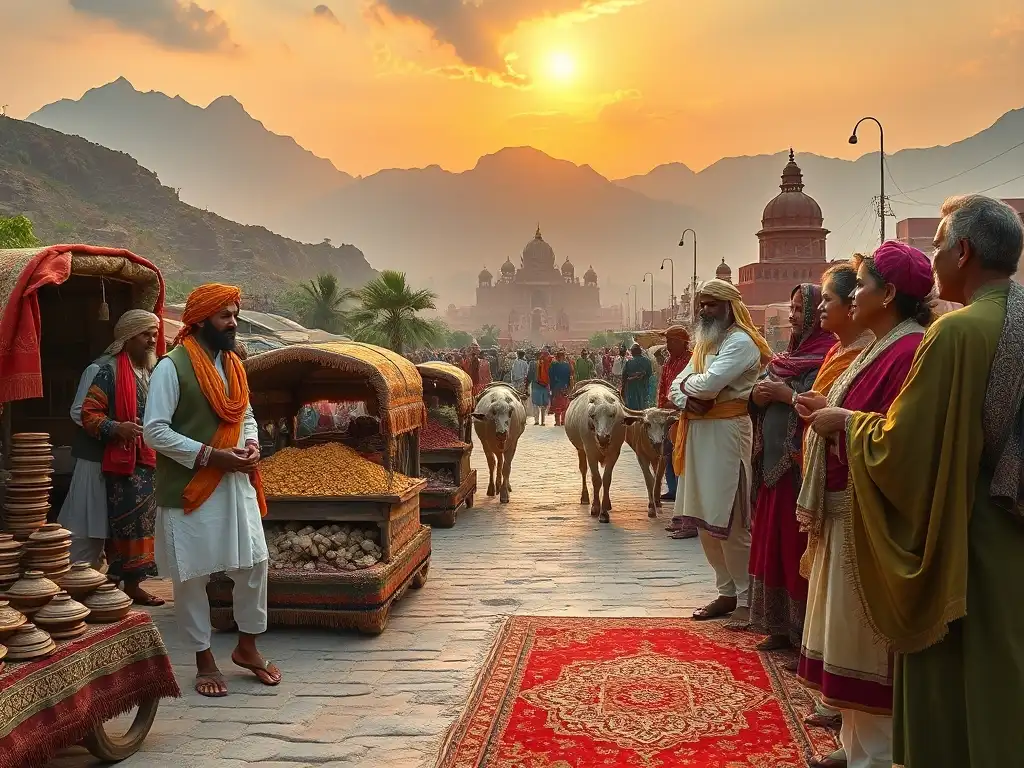
Welcome to Ancient India History, where we embark on an exhilarating journey through the rich tapestry of ancient Indian civilizations. From the bustling streets of the Indus Valley to the intellectual flourishing of the Gupta Empire, our exploration reveals the profound connections that shaped the culture and economy of this vibrant region. In our featured article, "From Goods to Ideas: The Intellectual Exchange Along Ancient Trade Routes," we delve into the intricate web of ancient trade routes in India that not only facilitated the flow of goods but also sparked a dynamic exchange of ideas and innovations.
Prepare to uncover the stories behind these pathways of progress and discover how they continue to influence our world today. Join us as we unveil the secrets of the past!
Introduction to Ancient Trade Routes in India
Ancient trade routes were not merely pathways for the exchange of goods; they were vibrant arteries of cultural interaction and intellectual exchange that shaped civilizations. In the context of ancient trade routes in India, these networks played a crucial role in connecting diverse cultures, facilitating the spread of ideas, philosophies, and innovations.
From the bustling markets of the Indus Valley Civilization to the bustling ports of the Gupta Empire, India's trade routes were instrumental in fostering economic prosperity and cultural richness. This article delves into the intricate web of trade routes that traversed the Indian subcontinent, exploring their significance in shaping not only the economy but also the rich tapestry of ancient Indian culture.
Overview of Trade Routes in Ancient India
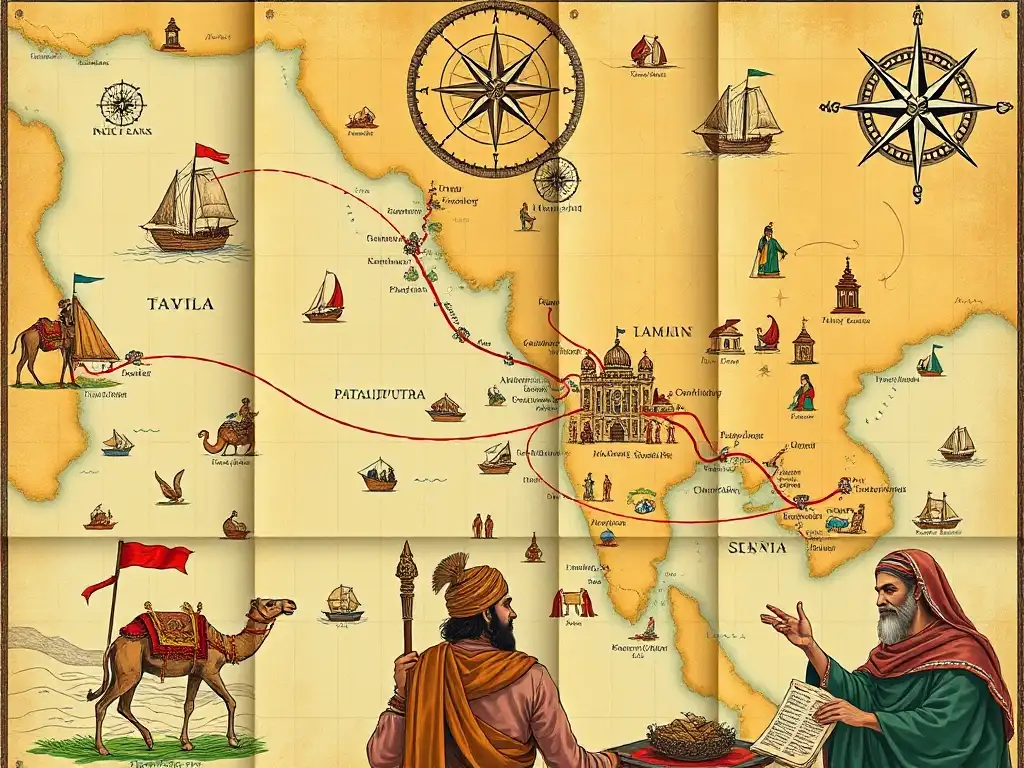
The geographical expanse of ancient India was dotted with various trade routes, each serving as a conduit for goods and ideas. These routes were characterized by their diversity, including overland paths and maritime routes, which connected India to distant lands. Notable trade routes included:
- The Northern Silk Route: This overland route connected India with Central Asia and beyond, facilitating the exchange of silk, spices, and other luxury goods.
- The Southern Spice Route: A crucial maritime pathway, this route linked the Indian subcontinent with Southeast Asia, the Middle East, and Africa, allowing for the trade of spices, textiles, and precious gems.
- The Trade Routes of the Deccan: These routes connected the interior of India with coastal ports, facilitating trade in local goods and agricultural products.
The significance of these trade routes extended beyond mere commerce; they were instrumental in the dissemination of ideas, religions, and technological advancements, creating a rich cultural exchange that would leave a lasting impact on the civilizations involved.
Importance of Trade in Cultural Exchange
Trade in ancient India was not solely about the movement of goods; it was a dynamic process that fostered cultural and intellectual exchange. The interactions along these trade routes led to:
- Cultural Syncretism: Different cultures encountered each other through trade, leading to the blending of traditions, art forms, and religious beliefs.
- Spread of Religions: Major religions such as Buddhism and Hinduism found new followers along these routes, as traders and travelers shared their beliefs and practices.
- Intellectual Exchange: Scholars and philosophers traveled these routes, sharing knowledge in fields such as mathematics, astronomy, and medicine.
This cultural exchange was vital for the development of a rich and diverse civilization, making ancient India's trade routes a cornerstone of its historical narrative.
The Major Ancient Trade Routes of India
The Silk Road and Its Influence on Indian Trade
The Silk Road was one of the most significant trade networks in history, connecting the East and West. This route allowed for the exchange of silk, spices, and precious metals while facilitating the transfer of knowledge and culture. Indian traders played a critical role in this network, utilizing their expertise in navigating both land and sea routes. Notable impacts included:
- Cultural Exchange: The Silk Road facilitated the introduction of Buddhism into Central Asia and China, with Indian monks traveling these routes to spread their teachings.
- Economic Prosperity: Indian cities along the Silk Road, such as Taxila and Pataliputra, flourished as commercial hubs, benefiting from the influx of goods and wealth.
The Spice Route: Connecting India to the World
The Spice Route was pivotal in establishing India's reputation as a center of spice production, particularly in regions like Kerala and Tamil Nadu. This maritime route connected India with markets in the Middle East, Africa, and Europe, and its influence included:
- Global Trade Networks: The demand for Indian spices, such as black pepper and cardamom, created trade links that reached as far as the Roman Empire and beyond.
- Cultural Interaction: The Spice Route facilitated the exchange of ideas and customs, enriching Indian culture and leading to the introduction of foreign influences in art and cuisine.
The Southern Trade Routes: Land and Sea Connections
Southern India was characterized by a robust network of trade routes, both overland and maritime, connecting it to various regions. Key features of these routes included:
- Diverse Trade Goods: The Southern trade routes facilitated the exchange of textiles, precious stones, and agricultural products, contributing significantly to the local and regional economy.
- Cultural Melting Pot: Ports such as Mamallapuram and Kochi became melting pots of cultures, where traders from different backgrounds interacted, leading to a rich cultural mosaic that is still evident today.
Through these major ancient trade routes, India not only exchanged goods but also became a crucible of ideas, shaping the intellectual and cultural landscape of the ancient world.
Goods Traded Along Ancient Trade Routes
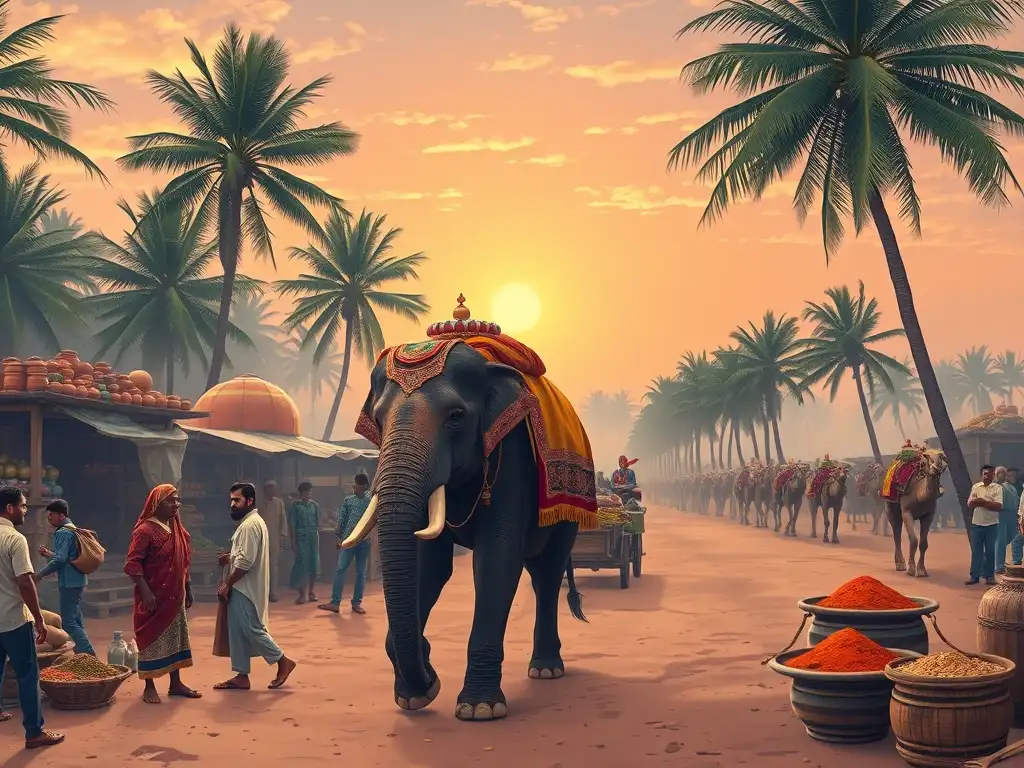
Ancient trade routes were not just highways for the exchange of goods; they were also conduits for cultural and intellectual exchange. The trade routes that traversed ancient India, including the famous Silk Road and maritime routes, facilitated the movement of a variety of goods that underscored the interconnectedness of civilizations. From spices to textiles, these commodities were not merely items of commerce; they carried the essence of the regions they originated from, enriching the cultures of both buyers and sellers along the way.
The Indian subcontinent was particularly well-known for its rich offerings, including luxury items such as silk, cotton, and spices. The demand for Indian spices like black pepper, cardamom, and clove was immense in markets across Asia, the Middle East, and Europe, contributing significantly to India’s economy. Furthermore, textiles like silk and cotton, often adorned with intricate patterns and dyes, became highly sought after in distant lands, establishing a reputation for quality and craftsmanship.
In addition to these commodities, trade routes facilitated the exchange of agricultural products, medicinal herbs, and even ideas about cultivation and farming techniques. This exchange was crucial for the growth of agricultural practices in various regions, promoting food security and diversification of crops.
Common Commodities Exchanged on Indian Trade Routes
The trade routes of ancient India were bustling with a variety of goods, reflecting the diverse resources of the region. Some of the most commonly exchanged commodities included:
- Spices:
- Black pepper
- Cardamom
- Turmeric
- Cloves
- Textiles:
- Cotton
- Silk
- Wool
- Dyed fabrics
- Precious Stones and Metals:
- Diamonds
- Rubies
- Gold
- Silver
- Agricultural Products:
- Rice
- Wheat
- Pulses
- Sugarcane
These commodities served not only as trade items but also as vehicles for cultural exchange, as they were often accompanied by stories, beliefs, and practices from their places of origin.
The Role of Precious Metals and Stones in Trade
Precious metals and stones played a pivotal role in ancient trade, acting as both currency and items of luxury. Gold and silver were not only valued for their material worth but also for their symbolic significance in various cultures. They often served as a medium of exchange, making transactions smoother across diverse trading communities.
Indian artisans were renowned for their craftsmanship in jewelry-making, producing intricate designs that incorporated precious stones such as diamonds, sapphires, and emeralds. These items became highly coveted in international markets, leading to the establishment of trade networks that connected India with regions like Persia, the Middle East, and even parts of Europe.
Furthermore, the influx of precious metals into India led to the growth of local economies and contributed to the establishment of powerful kingdoms that relied on this wealth for expansion and governance. This exchange of precious resources helped to fund cultural developments and architectural innovations within ancient Indian civilization.
Intellectual Exchange: Ideas and Innovations
As goods traveled along ancient trade routes, so too did ideas and innovations. The exchange of knowledge was a significant aspect of trade, as merchants, scholars, and travelers interacted and shared their insights. This intellectual exchange fostered advancements in various fields, including science, mathematics, medicine, and philosophy.
The interactions among diverse cultures resulted in the blending of ideas, leading to significant developments in technology, arts, and sciences. For instance, Indian numerals and mathematical concepts were transmitted to the Middle East and beyond, significantly influencing global mathematical practices.
Transmitting Knowledge through Trade
Merchants were not only traders of goods but also conveyors of knowledge. They brought with them not only products but also stories, beliefs, and innovations from their homelands. This dynamic exchange helped disseminate ideas about governance, trade practices, agricultural techniques, and even religious beliefs.
For example, the spread of Buddhism from India to Central Asia and China was facilitated by traders who traveled along the Silk Road. These merchants acted as informal ambassadors of culture and religion, establishing links that would have lasting impacts on the regions they traversed.
Moreover, the sharing of medicinal knowledge was particularly important, with Ayurvedic practices and herbal remedies being introduced to various cultures. This exchange improved healthcare practices and led to a greater understanding of medicine across borders.
The Role of Merchants as Cultural Ambassadors
Merchants played a crucial role as cultural ambassadors along ancient trade routes. Their travels allowed them to interact with diverse communities, facilitating not just trade but also cultural exchange. These interactions often resulted in the blending of traditions, languages, and customs, contributing to a richer cultural tapestry.
The narratives of traders often included tales of their journeys, which in turn inspired others to explore and engage with different cultures. As they returned home, they brought new ideas, technologies, and artistic styles, enhancing their own societies.
Additionally, merchants contributed to the establishment of trade fairs and markets, which became centers of cultural interchange. These gatherings allowed for the free flow of ideas, art, and technology, further solidifying the role of trade as a catalyst for intellectual growth and cultural enrichment in ancient India and beyond.
Case Studies of Intellectual Exchange
The ancient trade routes of India were not merely conduits for the exchange of goods; they were also vibrant channels of intellectual and cultural dialogue. The interactions along these routes facilitated the dissemination of ideas, philosophies, and innovations that transcended geographical boundaries. Here, we explore key case studies that exemplify the rich tapestry of intellectual exchange that occurred along ancient trade routes.
The Arrival of Buddhism via Trade Routes
Buddhism's spread is a prominent example of how trade routes served as pathways for religious and philosophical ideas. Originating in the Indian subcontinent around the 5th century BCE, Buddhism quickly spread along the well-established trade networks, particularly the Silk Road. Merchants, travelers, and missionaries played essential roles in this transmission.
The first significant wave of Buddhist influence reached Central Asia, particularly in regions like Bactria and along the Silk Road. Cities such as Taxila became melting pots of cultural exchange, where Buddhist texts were translated into various local languages, and new schools of thought emerged. The establishment of stupas and monasteries along these routes facilitated not only religious practices but also education and scholarship. For instance, the famous Buddhist monk Xuanzang traveled from China to India in the 7th century to acquire original texts and teachings, showcasing the intellectual pursuit spurred by these trade connections.
The trade routes thus not only enabled the movement of goods but also encouraged the sharing of philosophical discourses, contributing to the rich tapestry of Eastern thought.
The Influence of Indian Medicine on Other Cultures
Another significant aspect of intellectual exchange along ancient trade routes is the dissemination of medical knowledge. Indian medicine, particularly Ayurveda, gained recognition beyond its borders, influencing various cultures. The movement of physicians and scholars along trade routes facilitated this exchange.
For example, the famous ancient medical text, the "Sushruta Samhita," which discusses surgical techniques and medicinal plants, found its way to the Persian Empire and later to the Greco-Roman world. The translation of these texts into Arabic during the Islamic Golden Age further propelled the knowledge, leading to significant advancements in medicine in the Middle East and Europe.
Moreover, the interaction with traders from regions such as Arabia and Africa allowed for the incorporation of indigenous medical practices into the Indian system, enriching both traditions. The result was a cross-pollination of ideas that laid foundational stones for modern medicine.
Challenges and Changes in Ancient Trade Routes
While ancient trade routes facilitated intellectual exchange, they were not without their challenges. Various factors contributed to the evolution and sometimes decline of these routes, impacting the flow of ideas and goods.
Natural Obstacles: Geography and Climate
Geographical features played a crucial role in shaping the dynamics of ancient trade routes in India. The vast expanse of the Himalayas, deserts like the Thar, and dense forests posed significant challenges to travelers and traders. These natural barriers often restricted access, making certain routes perilous and less frequented.
Additionally, climate variations, such as monsoons in the Indian subcontinent, could disrupt trade schedules and impact agricultural output, which in turn affected market stability. For instance, flooding in river valleys could lead to temporary trade route closures, resulting in a slowdown of cultural and intellectual exchanges.
Trade route modifications were often necessary due to these geographical challenges, leading to the establishment of alternative paths that could accommodate the changing landscape.
Political Turmoil and Its Impact on Trade
Political instability has historically had profound effects on trade routes. The rise and fall of empires, regional conflicts, and invasions could disrupt established trade networks. For example, during the decline of the Maurya Empire, trade routes became less secure, resulting in a decrease in the movement of goods and ideas.
The emergence of new political entities, such as the Kushan Empire, led to a temporary resurgence in trade activity, but this was often accompanied by volatility. The Silk Road, which connected India with Central Asia and beyond, saw fluctuations in trade due to the political environment of the regions it traversed.
Additionally, the spread of empires like the Gupta facilitated a brief period of stability and growth in trade, allowing for a flourishing exchange of intellectual ideas, including advancements in mathematics, astronomy, and philosophy. However, the eventual political fragmentation led to a decline in these exchanges, demonstrating the intricate link between politics and trade.
The intellectual exchanges along ancient trade routes were profoundly shaped by both natural and political challenges. Understanding these dynamics provides deeper insights into how ideas traveled and evolved across cultures, enriching the tapestry of ancient civilizations.
Conclusion: The Legacy of Ancient Trade Routes in India
The ancient trade routes of India played a pivotal role in shaping not only the economic landscape but also the cultural and intellectual exchanges that defined the civilization. These routes facilitated the movement of goods such as spices, textiles, and precious stones, but they also served as conduits for ideas, art, technology, and religions. As traders and travelers traversed these paths, they shared knowledge, beliefs, and innovations that enriched the cultures they encountered. The legacy of these interactions is evident today, as they laid the groundwork for the diverse cultural fabric of modern India and its global connections.
The impact of these ancient trade routes extends far beyond mere commerce. They fostered a spirit of inquiry and multiculturalism, exemplifying how trade can transcend borders and create a shared space for dialogue and learning. As we navigate our increasingly globalized world, the historical significance of these routes continues to remind us of the importance of collaboration and understanding across cultures.
Lasting Effects on Modern Trade and Cultural Exchange
The influence of ancient trade routes is still palpable in contemporary trade practices and cultural exchanges. Modern trade networks often echo the historical paths, highlighting the enduring nature of trade connections. For instance, the Silk Road has evolved into today's Belt and Road Initiative, which aims to enhance connectivity and economic cooperation across Asia and beyond.
Moreover, the cultural exchanges initiated along these ancient routes have resulted in a rich tapestry of traditions, languages, and cuisines that continue to thrive. The spices traded in ancient times still flavor modern Indian cuisine, while the religions and philosophies disseminated along these paths have shaped spiritual practices globally. This historical backdrop underscores the significance of trade not only as an economic activity but also as a catalyst for cultural understanding and growth.
Reflections on the Importance of Trade in Shaping Civilizations
Trade has always been a cornerstone of civilization, influencing social structures, politics, and economies. In ancient India, trade routes facilitated the establishment of urban centers, leading to increased specialization and innovation. As cities flourished, they became hubs of knowledge and culture, attracting scholars, artisans, and thinkers from various backgrounds.
The interactions enabled by trade also led to the exchange of scientific and philosophical ideas, often resulting in advancements in various fields such as mathematics, astronomy, and medicine. As civilizations engaged with one another, they not only traded goods but also shared perspectives that enriched their understanding of the world. This dynamic interplay of commerce and culture highlights the fundamental role of trade in shaping the trajectory of human civilizations.
Additional Resources for Further Reading on Ancient Trade Routes
For those interested in delving deeper into the fascinating history of ancient trade routes in India, a variety of resources are available that explore the complexities and significance of these pathways.
Recommended Books and Articles
-
"The Silk Roads: A New History of the World" by Peter Frankopan
This book provides a comprehensive view of the Silk Road's influence on global history, including its impact on India.
-
"Ancient Trade Routes in India" by R. S. Sharma
A focused exploration of the specific trade routes that developed in ancient India and their economic implications.
-
"The Spice Trade: A Taste of History" by Andrew Dalby
This article examines the spice trade's historical context and its lasting effects on global trade dynamics.
Museums and Exhibits on Ancient Indian Trade
-
National Museum, New Delhi
The museum features artifacts and exhibits related to ancient trade, including items traded along the Silk Road.
-
The Indian Museum, Kolkata
This museum offers a glimpse into the trade practices of ancient India, showcasing items that reflect the rich cultural exchanges that took place.
-
The Maritime Museum, Mumbai
Focusing on India’s maritime trade routes, this museum highlights the importance of sea trade in connecting India with other civilizations.
These resources provide valuable insights into the intricate web of trade routes that shaped ancient India and continue to influence our understanding of global interconnectivity today.
- Introduction to Ancient Trade Routes in India
- Overview of Trade Routes in Ancient India
- Importance of Trade in Cultural Exchange
- The Major Ancient Trade Routes of India
- Goods Traded Along Ancient Trade Routes
- Intellectual Exchange: Ideas and Innovations
- Case Studies of Intellectual Exchange
- Challenges and Changes in Ancient Trade Routes
- Conclusion: The Legacy of Ancient Trade Routes in India
- Additional Resources for Further Reading on Ancient Trade Routes
Frequently Asked Questions
What were the main ancient trade routes in India?
The ancient trade routes in India included the Silk Road, connecting India to Central Asia, and the Maritime Trade Routes, linking India to Southeast Asia and beyond.
How did trade routes influence cultural exchange in ancient India?
Trade routes facilitated the exchange of goods, but they also enabled the movement of ideas, religions, and cultural practices, enhancing the rich diversity of Indian civilization.
What role did the Indus Valley Civilization play in trade?
The Indus Valley Civilization was significant for its advanced urban planning and trade practices, engaging in commerce with neighboring regions and contributing to the development of early trade networks.
How did the Gupta Empire impact trade in ancient India?
During the Gupta Empire, trade flourished due to political stability and the establishment of standardized weights and measures, enhancing both domestic and international trade.
What were some key goods traded along these routes?
Key goods traded included spices, textiles, jewels, and metals, which were highly sought after in various markets, making India a significant player in global trade during ancient times.
Final Reflection: The Enduring Legacy of Ancient Trade Routes
The intricate web of ancient trade routes, particularly those that traversed India, serves as a powerful reminder of how the exchange of goods was not merely a transaction but a profound exchange of ideas and cultures. Today, as we navigate a globalized world, the lessons from these historical pathways resonate more than ever, highlighting the importance of connectivity and collaboration in fostering innovation and understanding across diverse societies.
The impact of these ancient trade routes extends far beyond their historical context; they continue to shape our cultural and social landscapes. The movement of ideas, philosophies, and technologies along these routes laid the groundwork for the rich tapestry of human civilization we experience today. As we reflect on this legacy, we are reminded of the words of historian Fernand Braudel: The Mediterranean is not a sea, but a world.
This sentiment echoes the broader implications of trade routes as conduits of cultural exchange, emphasizing that our interconnectedness transcends geographical boundaries.
As we look to the future, let us embrace the spirit of these ancient pathways by fostering dialogue and collaboration in our own lives. Consider how you can contribute to the exchange of ideas in your community, whether through sharing knowledge, engaging in cultural exchanges, or simply being open to new perspectives. By doing so, we honor the legacy of those who traveled these routes before us, ensuring that the flow of ideas continues to enrich our world for generations to come.
Ignite Your Curiosity: Explore the Legacy of Ancient Trade Routes!
Thank you for diving into the fascinating world of ancient trade routes with us! You’ve uncovered the rich tapestry of intellectual exchanges that shaped civilizations. Now, it’s time to take the next step and transform that knowledge into action.
- Start a dialogue: Connect with fellow history enthusiasts in our comments section. Share your thoughts on how these exchanges influenced modern ideas.
- Uncover more: Explore our related articles to delve deeper into specific trade routes or cultures that caught your attention.
- Spread the knowledge: Share this article with friends or on social media to broaden the discussion about the significance of intellectual exchanges throughout history.
Which ancient trade route or cultural exchange resonates with you the most, and why do you believe it holds relevance today?